
Annual Cycling & Sketching Tour 2026 - On Two Wheels Through Time: Cycling the Dengie Peninsula
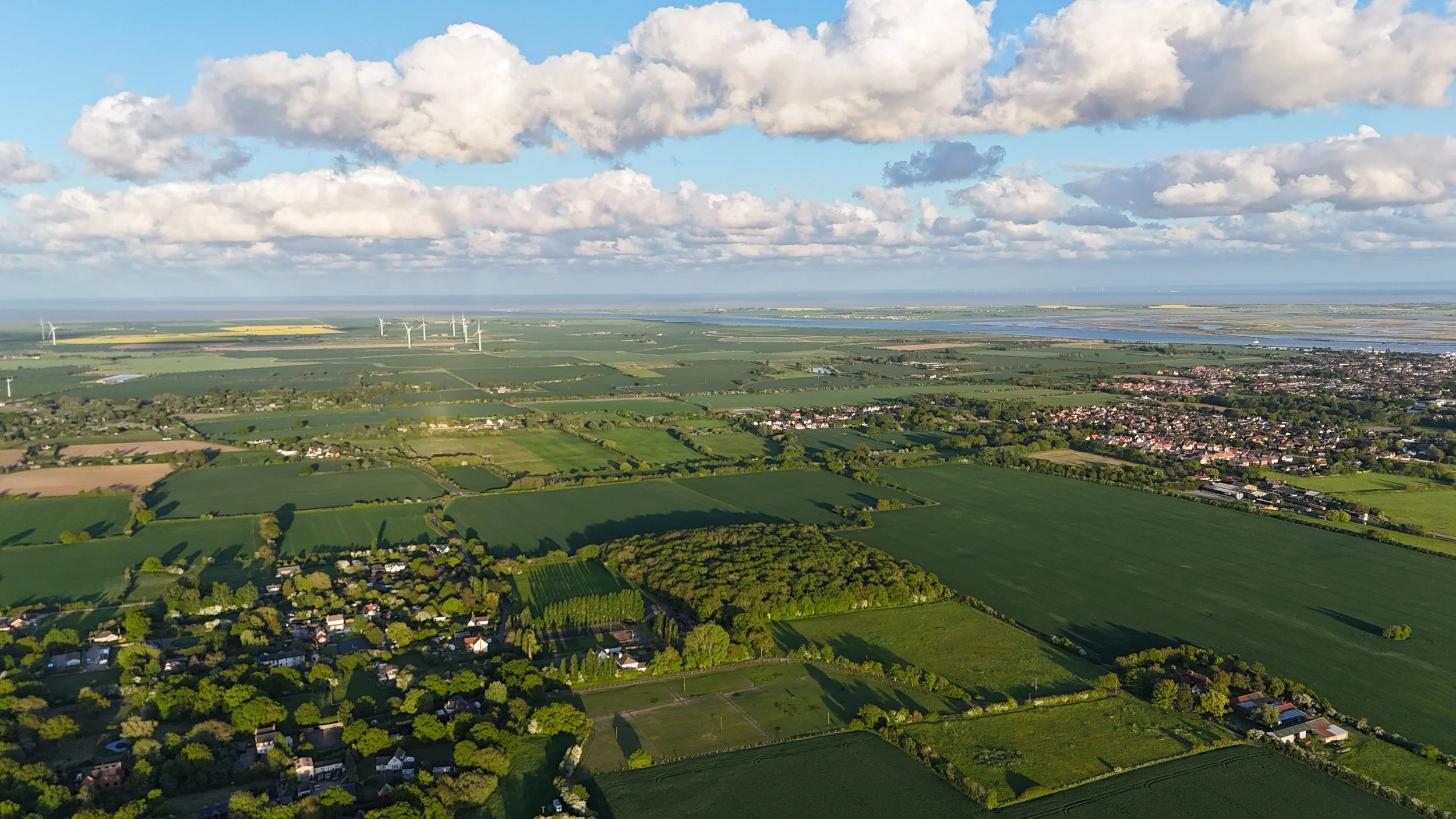
Photo by Benedict O'Looney
A landscape of reclaimed marshes, medieval churches, railway buildings and one of England’s oldest surviving Christian sites made the Dengie Peninsula the setting for this year’s AIA UK Annual Cycling and Sketching Tour.
There are few better ways to understand a landscape than by moving slowly through it.
On the 27th June during the second heatwave the AIA UK cyclists made their way to Burnham-on-Crouch with their tour guide, Benny O’Looney briefing the group on the train ride. We were missing a few regulars, but gained two newbies. Equipped with as much bottled water as we could carry and covered in copious amounts of sunscreen, we began our adventure to an area we had not yet explored.
We crossed the Dengie Peninsula in eastern Essex, following quiet roads and lanes between the wide estuaries of the Blackwater and Crouch. Along the way, we stopped at historic sites — looking carefully at buildings, landscape and the layers of history embedded in both.
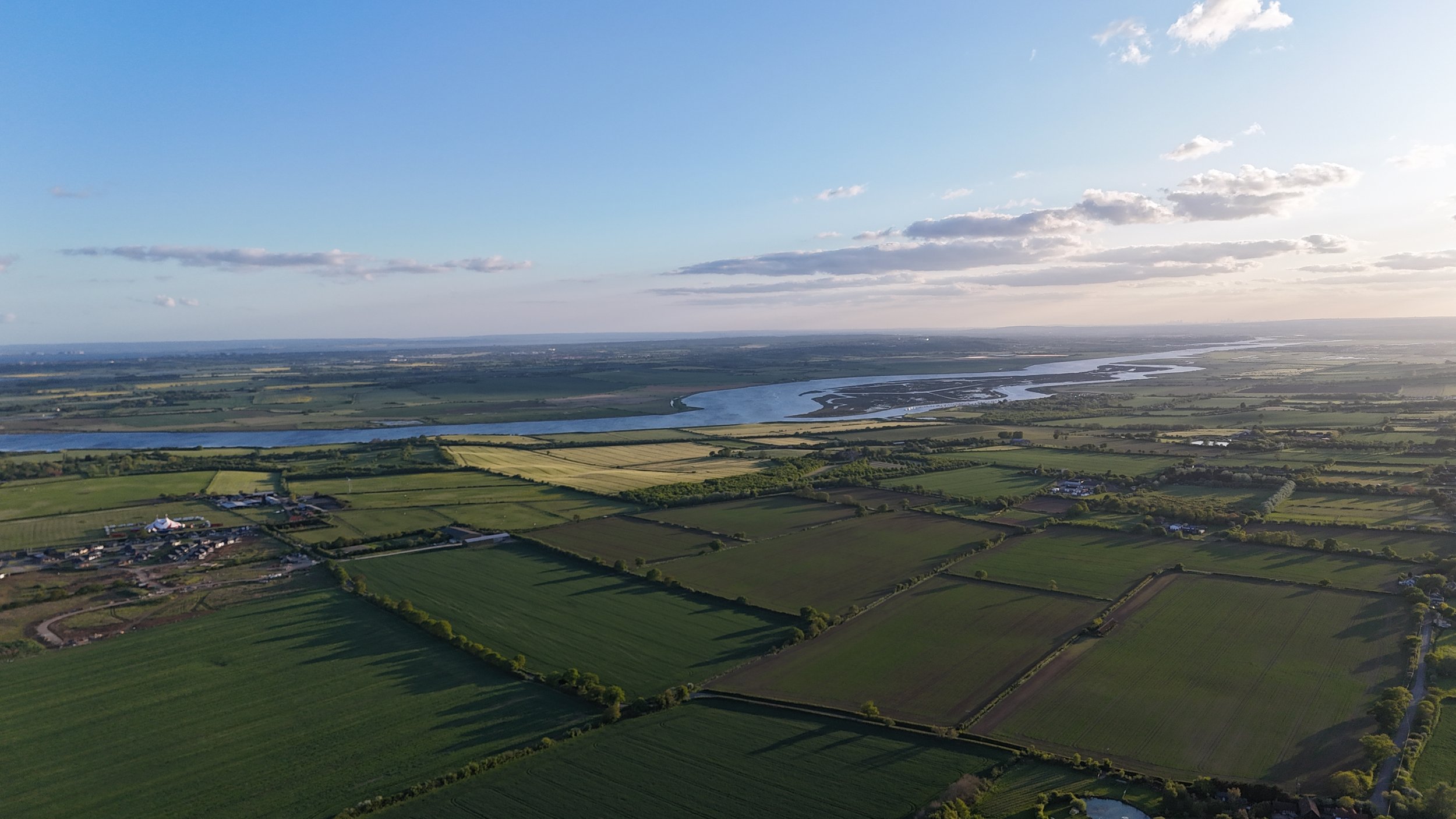
The Dengie is deceptively gentle. Its rolling agricultural landscape is the product of centuries of human intervention, with large areas reclaimed from the sea from the 16th century onwards. Beneath today's fields and roads lie traces of much earlier settlement, transport and industry.
The tour offered an opportunity to read that landscape through its architecture.
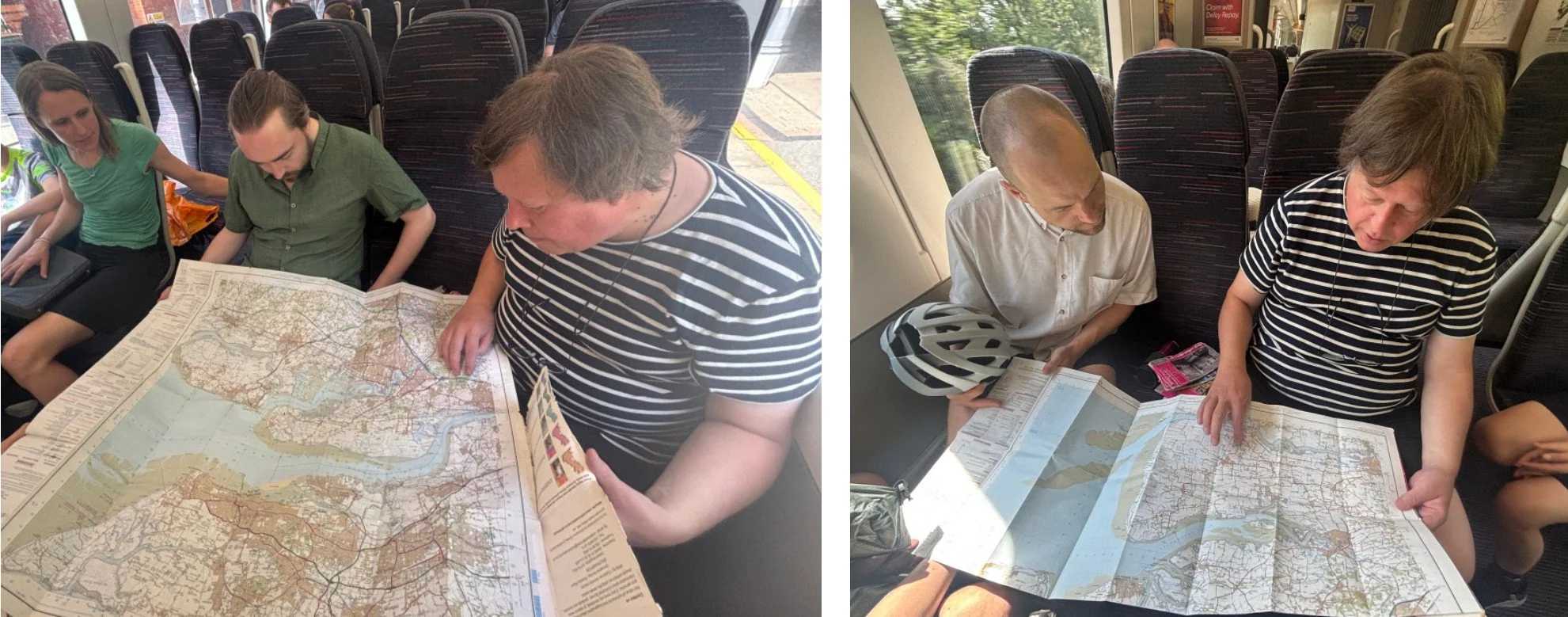
Cycle tour briefing on the train with Benny, photo by Etain Fitzpatrick
A railway station that travelled
The first stop was Mangapps Railway Museum, a remarkable working railway collection established on a farm outside Burnham-on-Crouch.
At first glance, a railway museum might seem an unlikely destination on a tour of historic architecture. Mangapps quickly dispelled that idea.
The collection is one of Britain's most comprehensive, bringing together railway vehicles, signalling equipment, posters, artefacts and — most importantly for architects — a remarkable group of historic railway buildings.
Mangapps Station, originally built at Horham on the Mid-Suffolk Light Railway around 1904, now stands far from its original location. Nearby is a former ground-frame signal box from Billericay, built by the LNER in 1937 and now serving as a first-class waiting room. The collection also includes the former Brampton waiting room from the East Suffolk Line.
These buildings tell a story not only about railways but about preservation itself. Removed from their original contexts, they have acquired new lives while retaining the evidence of their former functions.
For the group, they offered an opportunity to look closely at railway construction, planning and detailing — and to consider the possibilities and limitations of relocating and adapting historic structures.
Historic railway buildings at Mangapps Railway Museum, including the former Horham station building, relocated and preserved as part of the working museum:
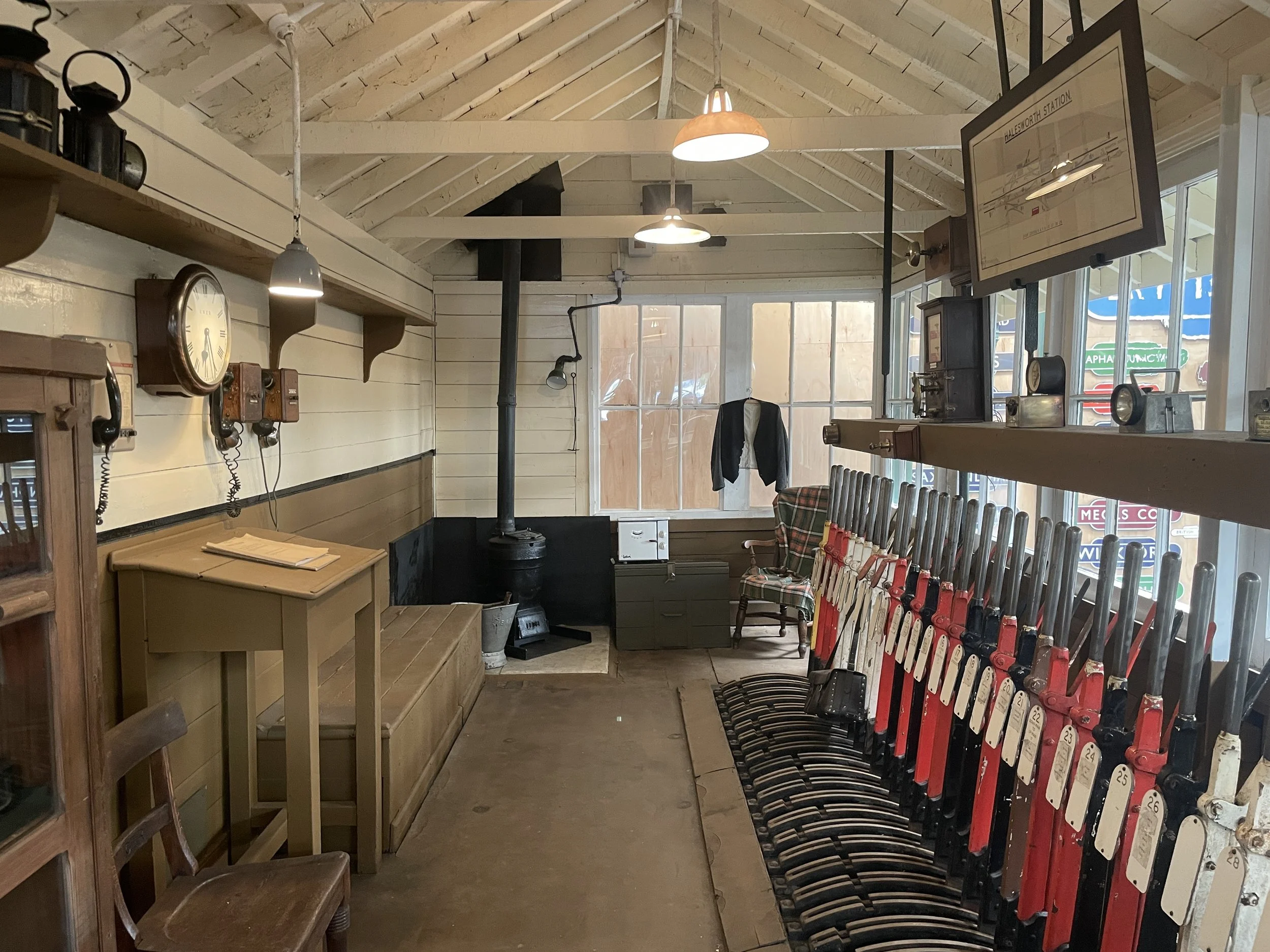
Mangapps Railway Museum, photo by Benedict O'Looney
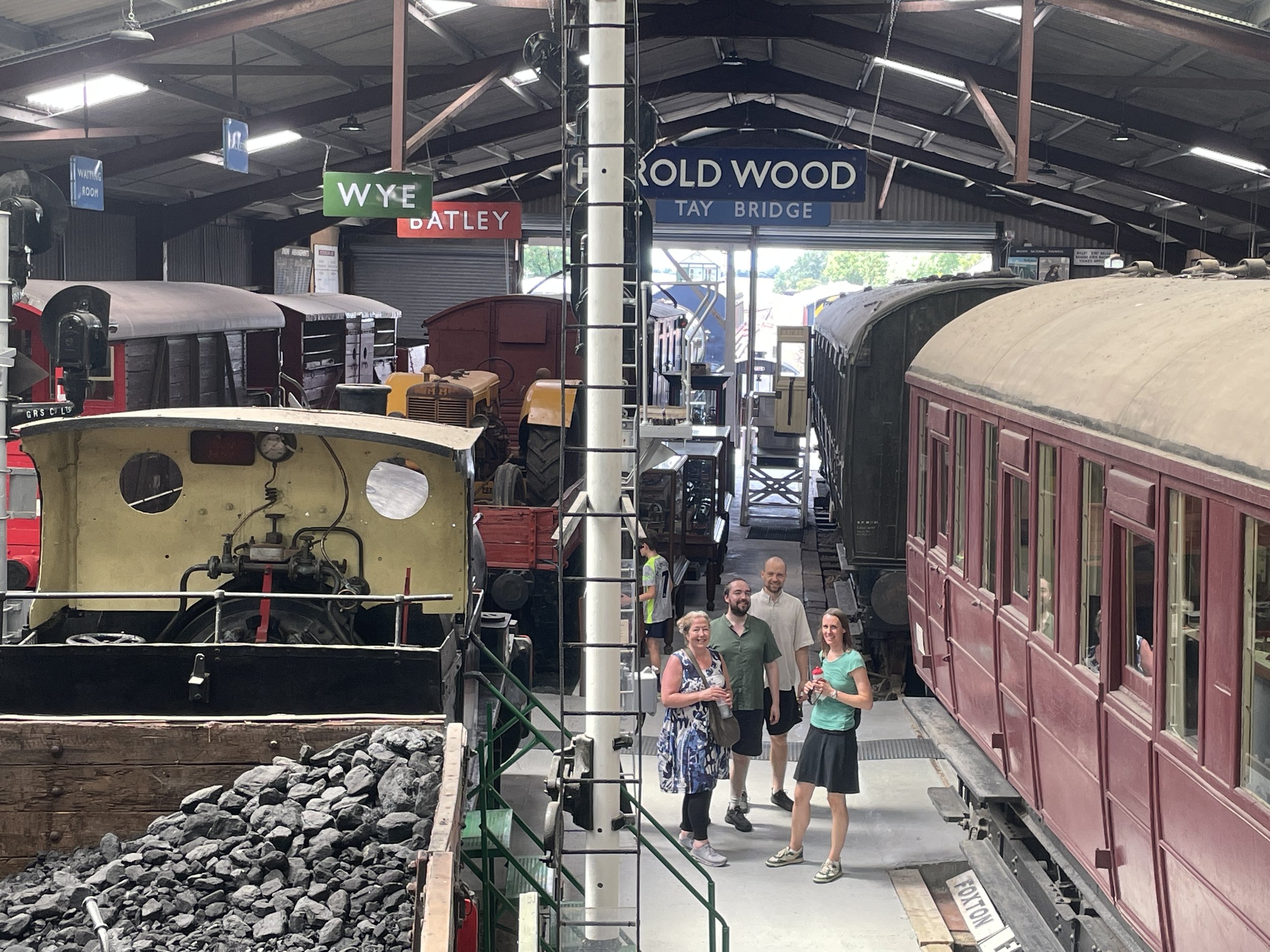
Signal Room, photo by Benedict O'Looney
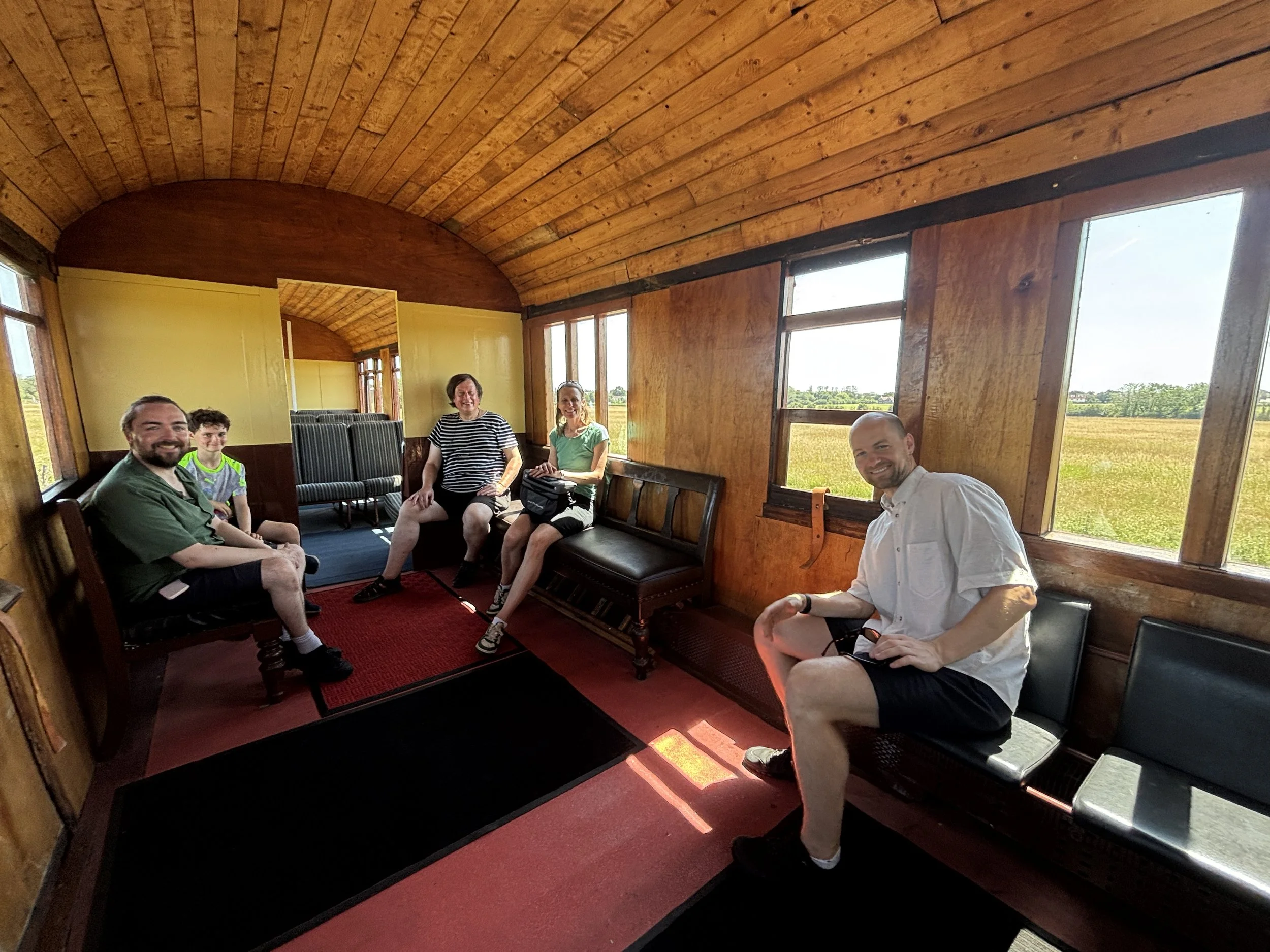
‘All aboard!’ A short train ride through the fields of the farm and back was a memorable highlight, photo by Etain Fitzpatrick
Reading the medieval town
From Mangapps, the bicycles headed towards Burnham-on-Crouch and the Church of St Mary the Virgin.
The Grade II* listed church has a history stretching back to the 12th century, although much of what stands today dates from the 14th century. Its unusual unified nave and chancel give the interior a distinctive character, while a 12th-century Purbeck marble font provides a tangible link to the church's earliest history.
But perhaps the most revealing feature of St Mary's is the evidence of change.
The tower and south aisle were added in later centuries. Then, in 1774, disaster struck when fire destroyed the medieval roof. The following year brought a major restoration and the distinctive plaster barrel vault that remains one of the church's defining features.
The church is therefore less a snapshot of one period than a record of continual adaptation — medieval construction followed by additions, fire, Georgian intervention and restoration.
There was another connection waiting to be discovered here: Alexander John Scott, once a curate at St Mary's, later became chaplain to Admiral Lord Nelson and was present at Nelson's death at Trafalgar.
That story would follow the group further around the peninsula.
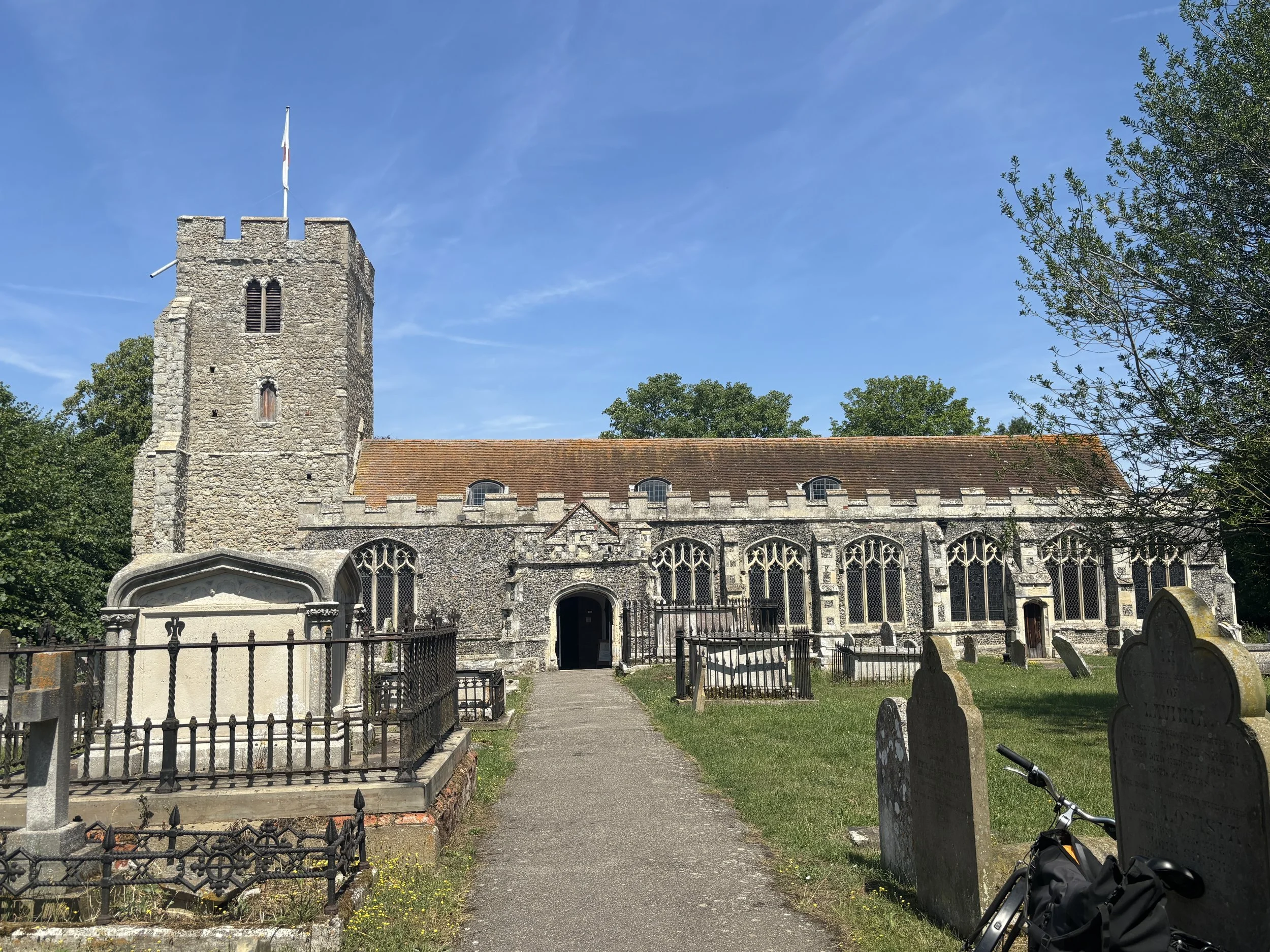
St Mary the Virgin, Burnham-on-Crouch, photo by Etain Fitzpatrick
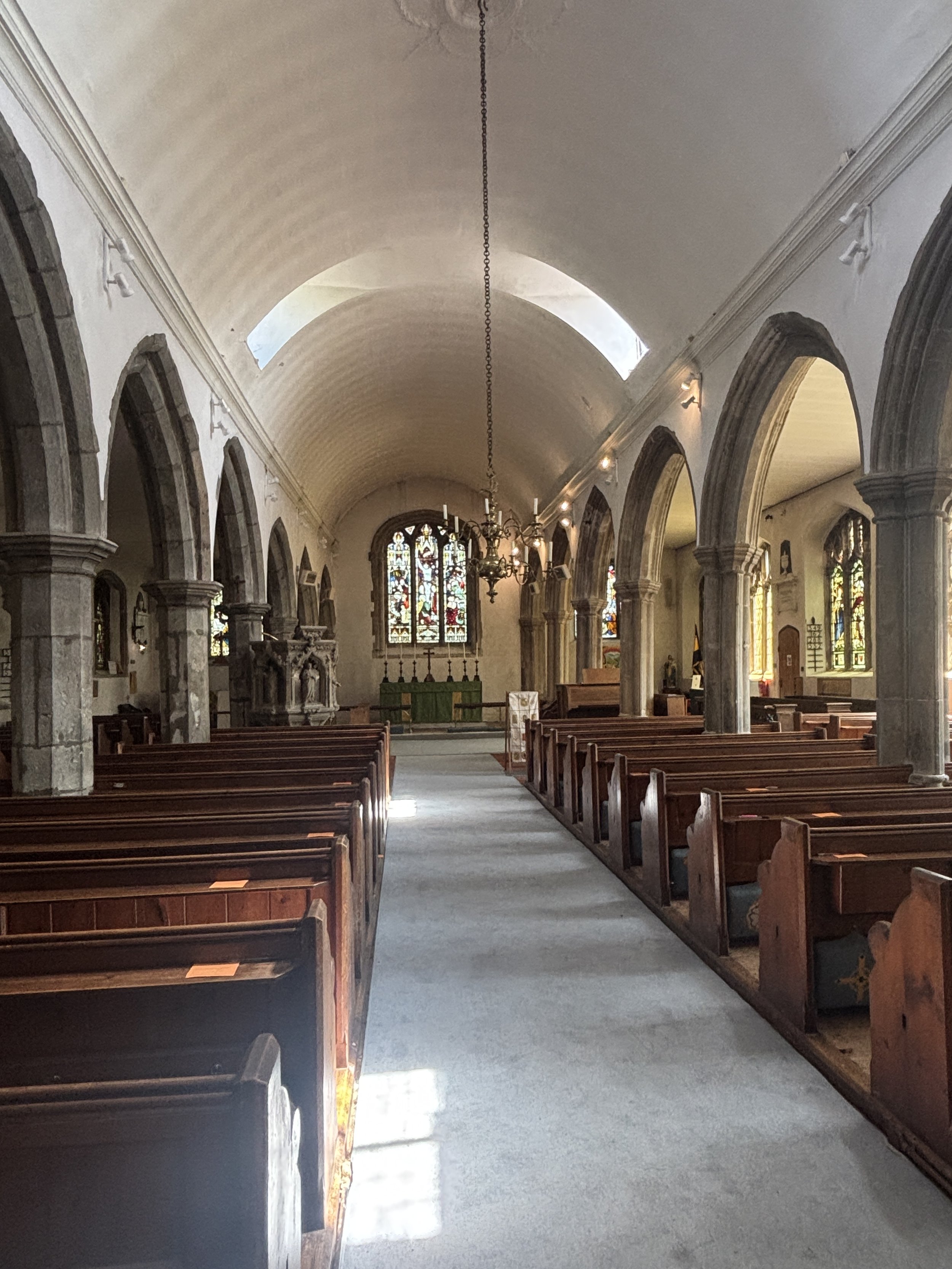
The distinctive plaster barrel vault at St Mary the Virgin, Burnham-on-Crouch, installed following the church fire of 1774, photo by Etain Fitzpatrick
Layers of history at Southminster
At St Leonard's Church, Southminster, the architectural story continued.
The Grade II* listed church has Saxon origins, although its earliest surviving fabric dates principally from the early 12th century. Much of the present structure was rebuilt in the 15th century, including the substantial north porch and its upper priest's room.
The unfinished west tower, with its massive southwest buttress, is particularly striking.
As at Burnham, later history is written directly into the building. In the early 19th century, Rev. Alexander Scott — the same figure associated with Nelson — used the 1818 Church Building Act to raise the church walls in brick.
The building also houses the so-called Nelson Relics, objects associated with Scott and his relationship with the admiral.
The result is a church where architecture, personal history and national history overlap in unexpected ways.
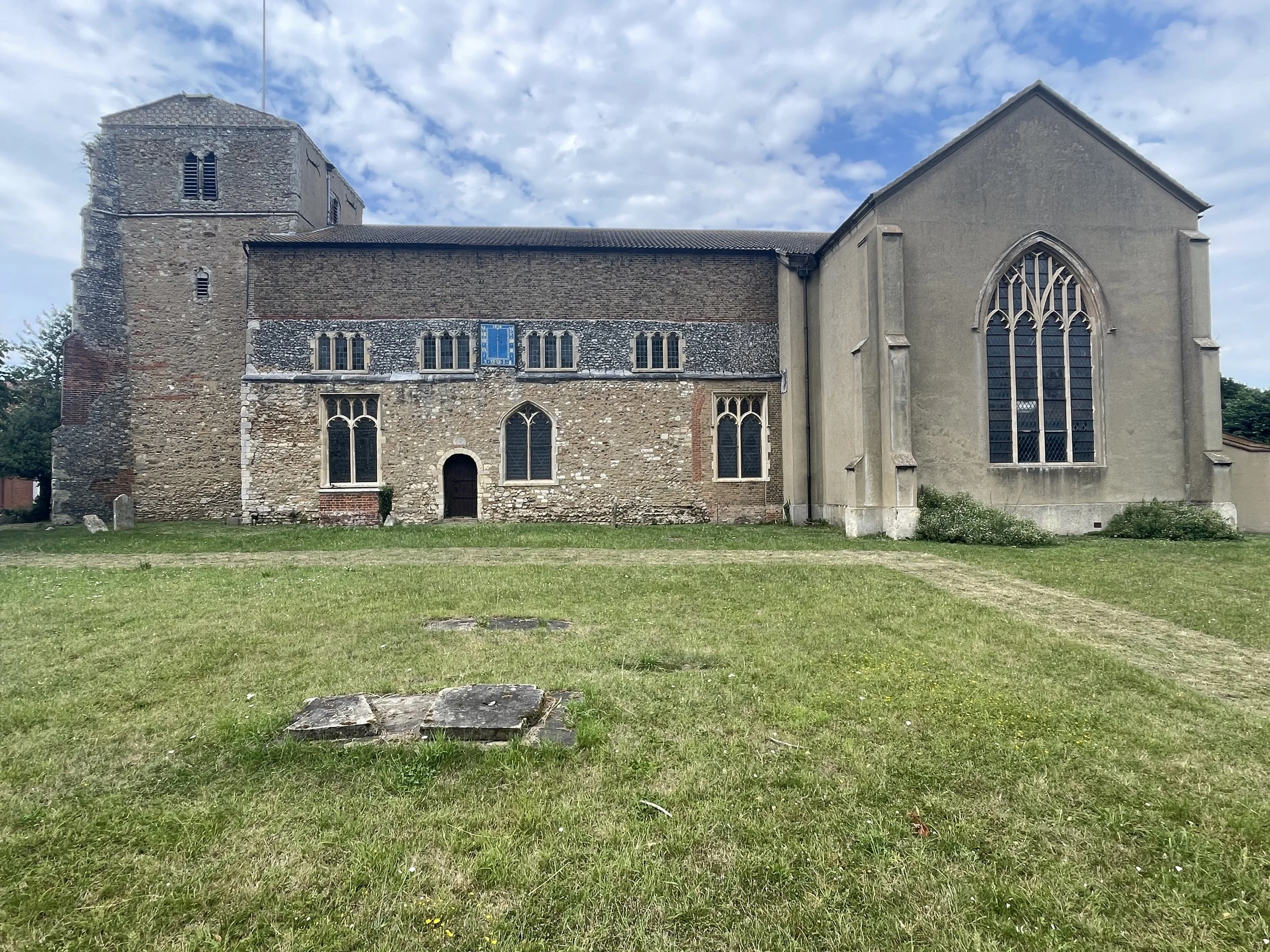
St Leonard's Church, Southminster, where medieval fabric, later additions and the unfinished west tower reveal centuries of architectural change, photo by Benedict O'Looney
Towards the coast
The route continued towards Bradwell-on-Sea and St Thomas Parish Church, another Grade II* listed building.
The church was established to serve the medieval settlement and occupies a strategic position near the Blackwater quayside and historic coastal routes. Its fabric records repeated episodes of rebuilding and reuse. The nave was rebuilt in 1706, the red-brick tower followed in 1743, and inside are a 14th-century octagonal font, a 19th-century stone pulpit and an organ dating from around 1840.
Perhaps most intriguing is the timber south porch. Originally part of the demolished Church of St Mary Magdalene at Shopland, the 14th-century porch was moved to Bradwell in the 1950s.
Once again, the group encountered architecture that had survived precisely because it was capable of being given another life. Even the bells have a story. Five of the church's six bells were cast by Robert Catlin in 1744 and remain part of the building's continuing life.
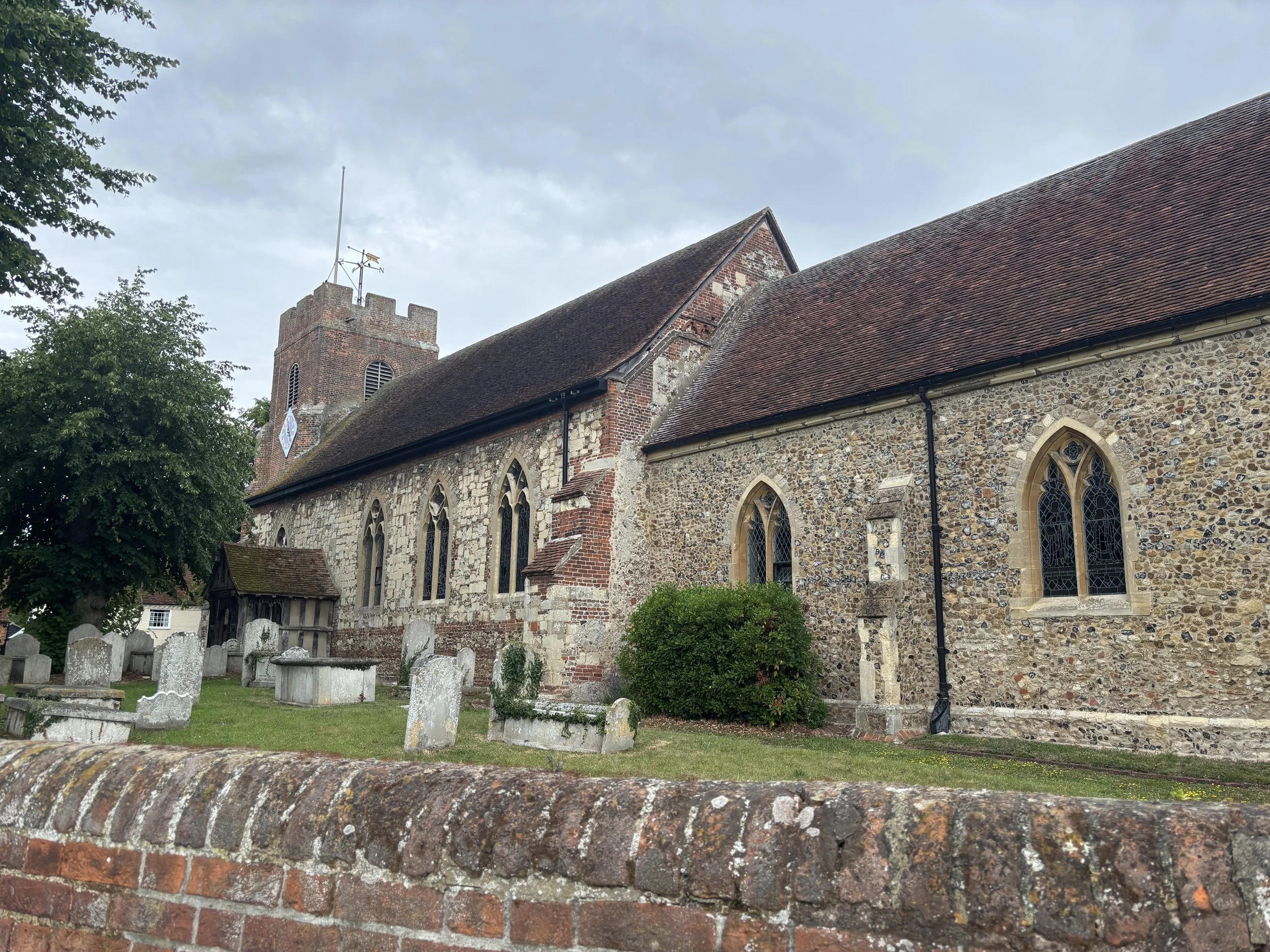
The 14th-century timber south porch at St Thomas, Bradwell-on-Sea, relocated from the demolished church at Shopland in the 1950s, photo by Etain Fitzpatrick
At the edge of the Roman world
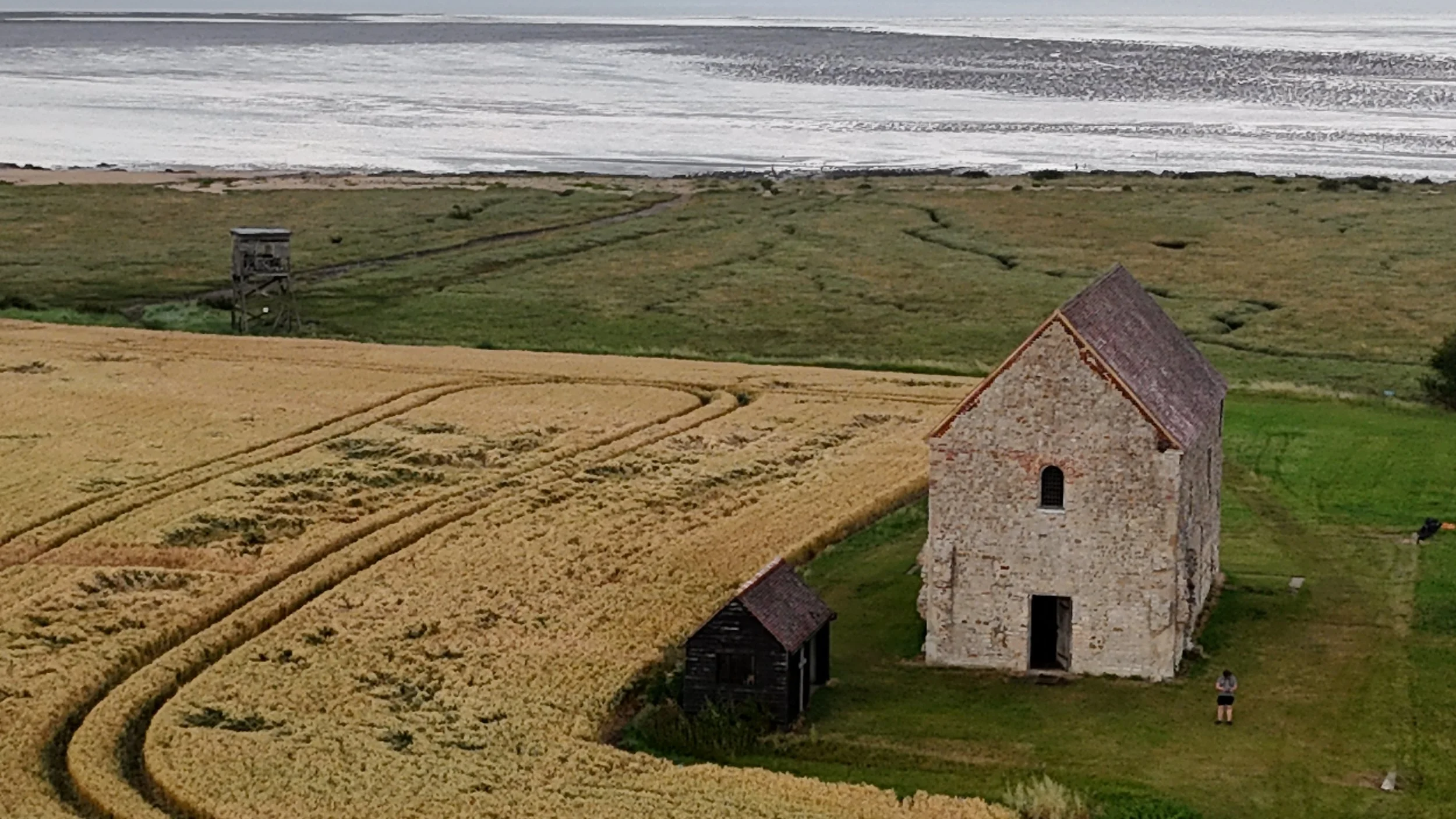
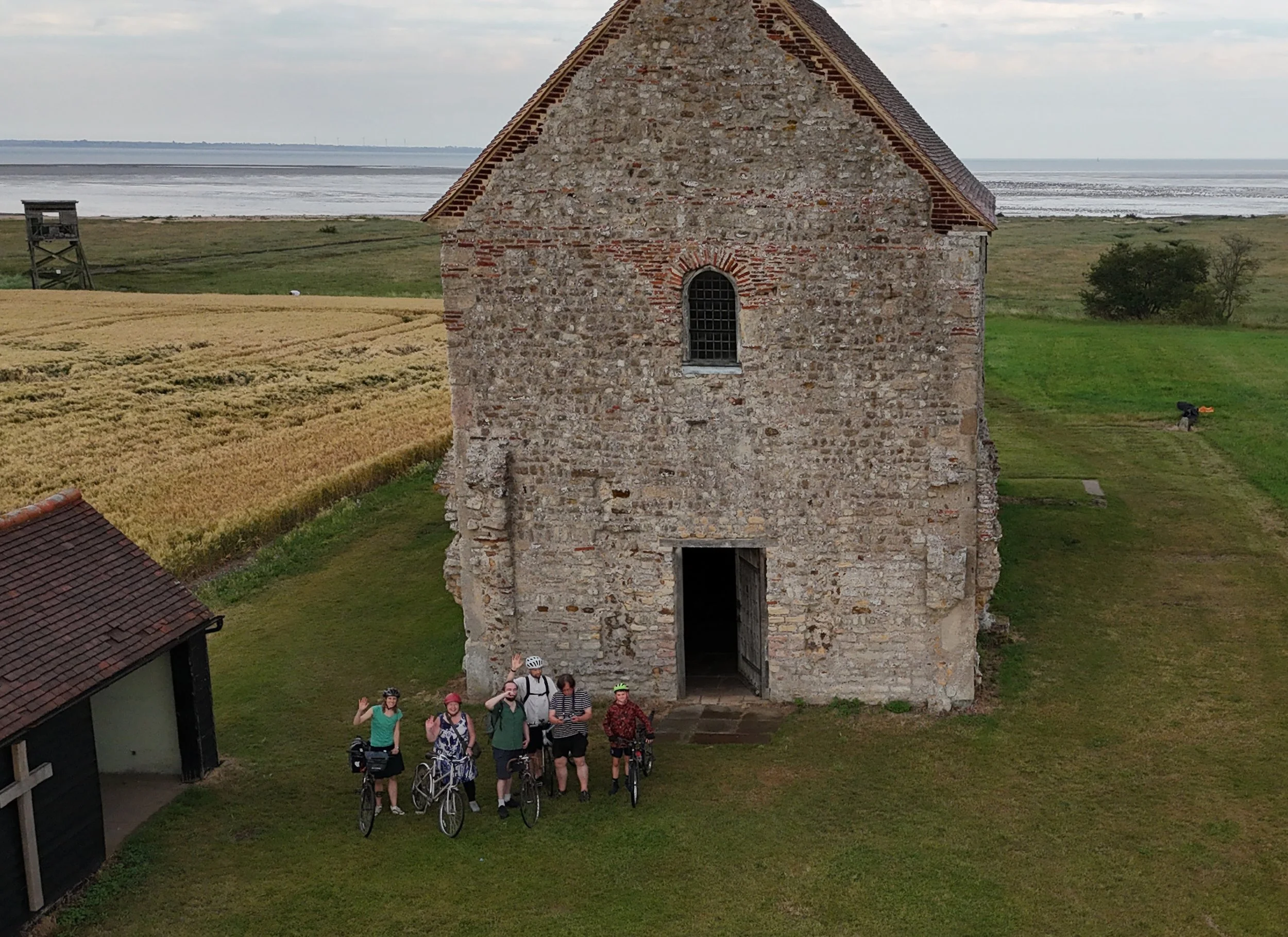
Then came the journey's most ancient destination. Beyond Bradwell-on-Sea, standing alone against the expansive coastal landscape, is St Peter-on-the-Wall.
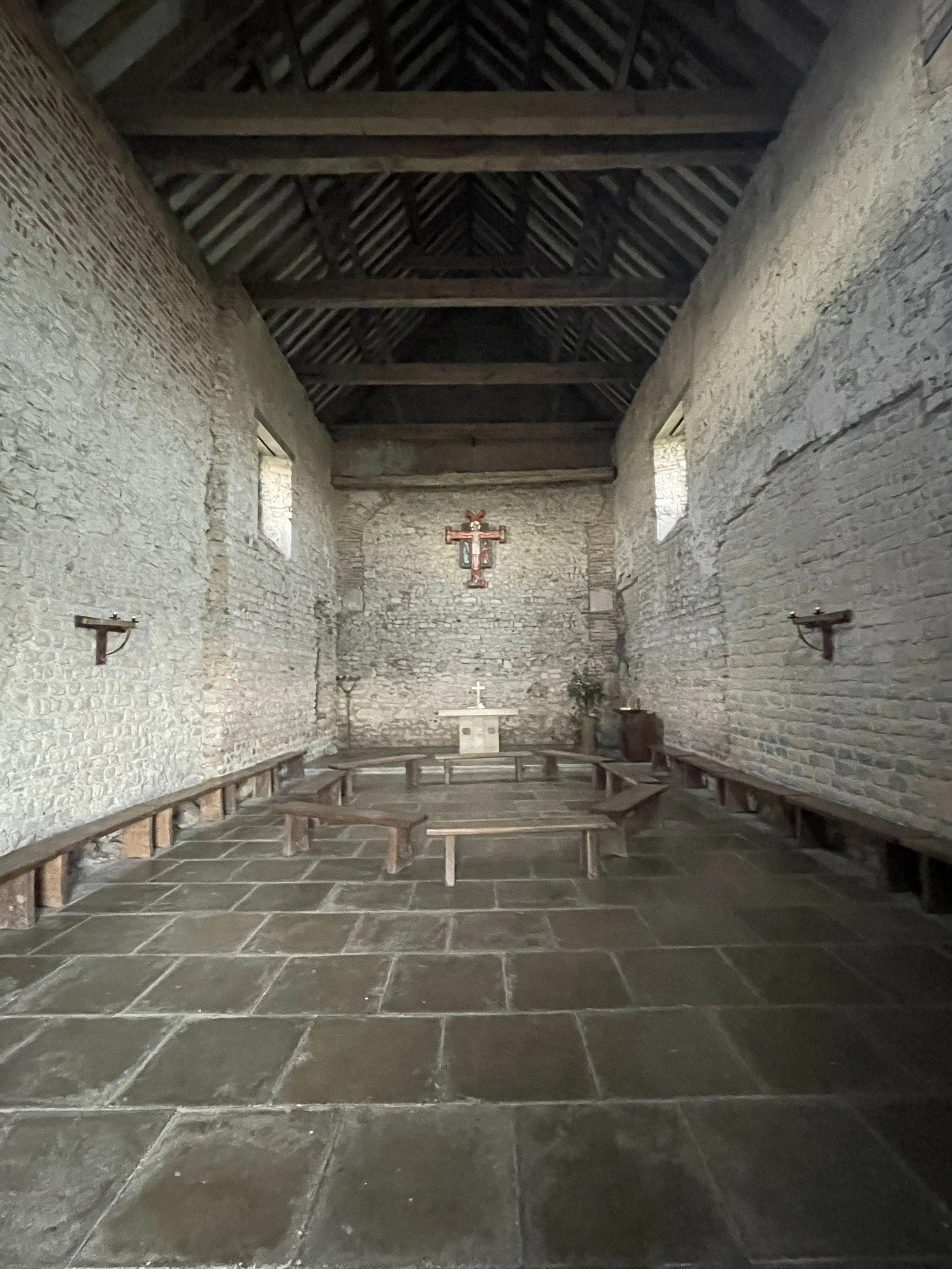
Built in AD 654 by St Cedd, an Anglo-Saxon missionary from Lindisfarne, the Grade I listed chapel is one of the oldest surviving Christian churches in England. Its simplicity is deceptive. The chapel was constructed over the western gate of the abandoned Roman fort of Othona, reusing stone and brick from the earlier structure. Standing inside it means encountering two very different worlds at once: the Roman military landscape and the emergence of Christianity in Anglo-Saxon England.
The building has also experienced a remarkable sequence of changing uses. After Cedd's death in 664, the chapel gradually fell from prominence. By the 15th century it had suffered fire damage and was reported to be unusable. Eventually it ceased to function as a church altogether and became a barn. The former agricultural use can still be read in the architecture. Large barn openings on the north and south sides were subsequently filled in when the building was restored.
In 1920, St Peter-on-the-Wall was restored and reconsecrated.
Few buildings demonstrate so clearly that conservation is not simply about freezing architecture at a particular moment. This is a building that has been a church, fallen into disuse, become part of an agricultural landscape and then returned to religious use.
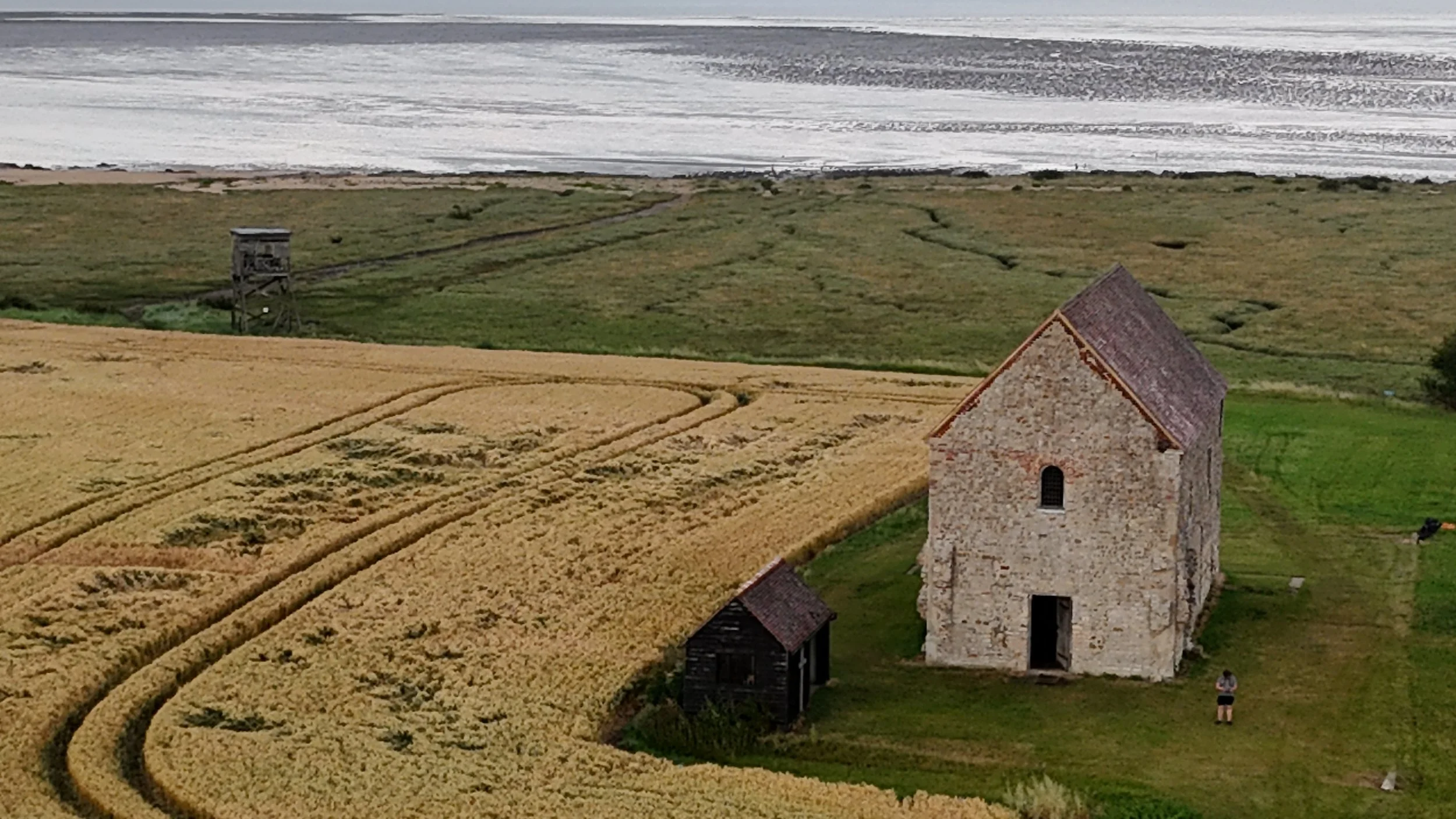
St Peter-on-the-Wall, Bradwell-on-Sea, built by St Cedd in AD 654 over the western gate of the Roman fort of Othona:
Architecture in the landscape
By the end of the ride, the individual buildings had begun to form a larger picture.
The railway buildings at Mangapps spoke of industrialisation, mobility and the challenges — and opportunities — of architectural reuse.
The churches at Burnham, Southminster and Bradwell revealed how medieval buildings are rarely purely medieval. Their walls contain evidence of rebuilding, fire, changing architectural fashions, legislation, migration of building elements and generations of community use.
And at St Peter-on-the-Wall, Roman archaeology, early Christian architecture, agricultural reuse and modern conservation could all be read within a single structure.
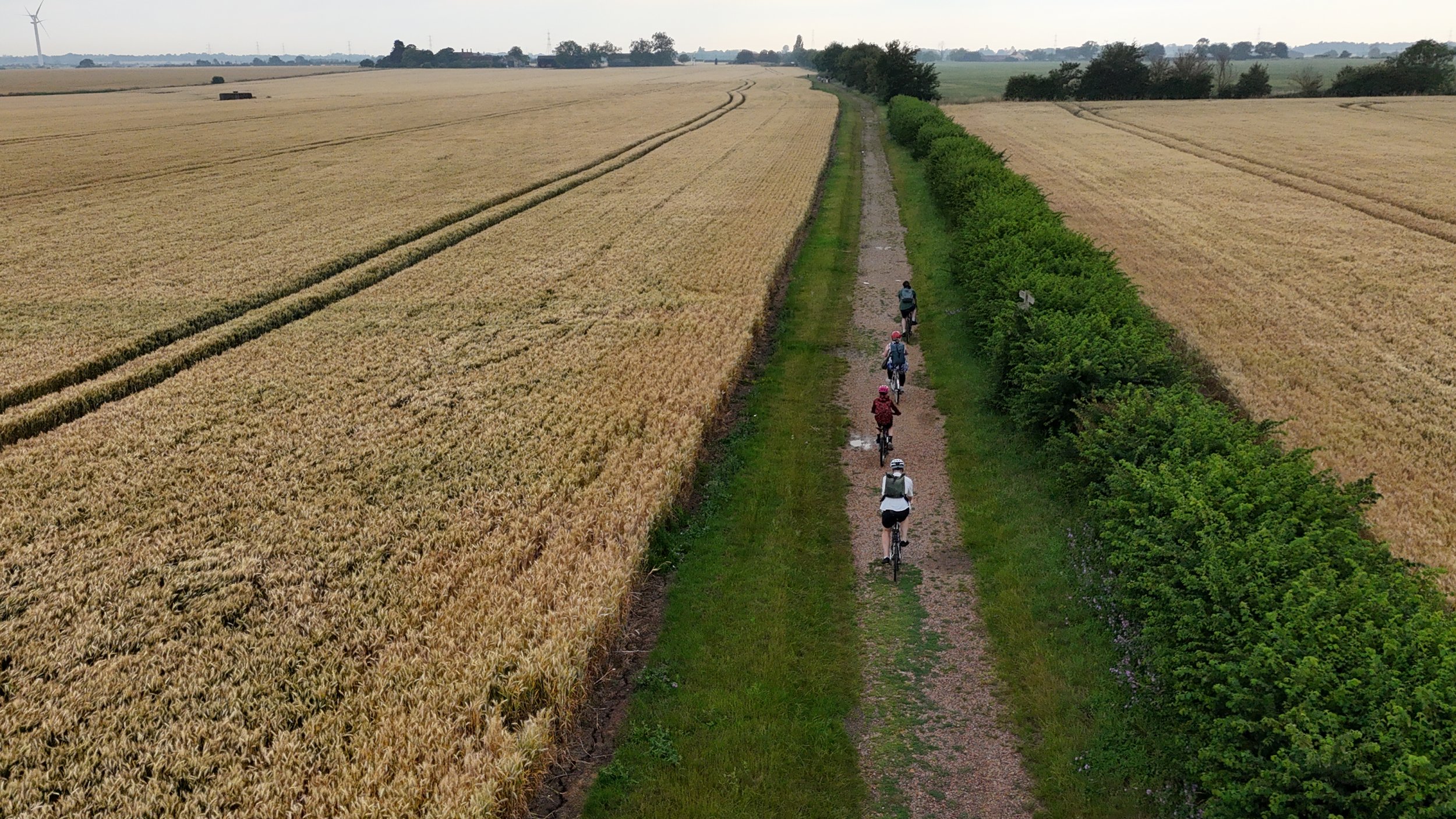
The bicycle was an important part of the experience. Travelling between the sites made the landscape itself part of the tour. The reclaimed fields, drainage channels, coastal roads and estuaries were not simply scenery between architectural destinations; they were essential to understanding why the buildings were there and how the communities around them developed.
Cycling through the Dengie landscape, with historic buildings understood in relation to the roads, fields, waterways and settlements that surround them, photo by Benedict O'Looney
A landscape worth looking at twice
The Dengie Peninsula rewards close attention.
What initially appears to be a quiet agricultural landscape is, on closer inspection, a remarkably dense architectural palimpsest. Roman fortifications lie beneath an early Christian chapel. Medieval churches carry Georgian interventions. Railway buildings have travelled across counties to find new lives. Ancient structures have become barns and then churches again.
The day's cycling made these layers visible.
And perhaps that was the most valuable lesson of the tour: architectural history is not confined to monuments or dates. It is written across the landscape — in roads and fields, in reused timbers and altered walls, in buildings that have survived because successive generations found new reasons to use them.
On the Dengie Peninsula, the best way to read that history was to get on a bicycle and start exploring.
Written by Etain Fitzpatrick, AIA
Building Tour - Godolphin & Latymer School Sixth Form by Walters & Cohen
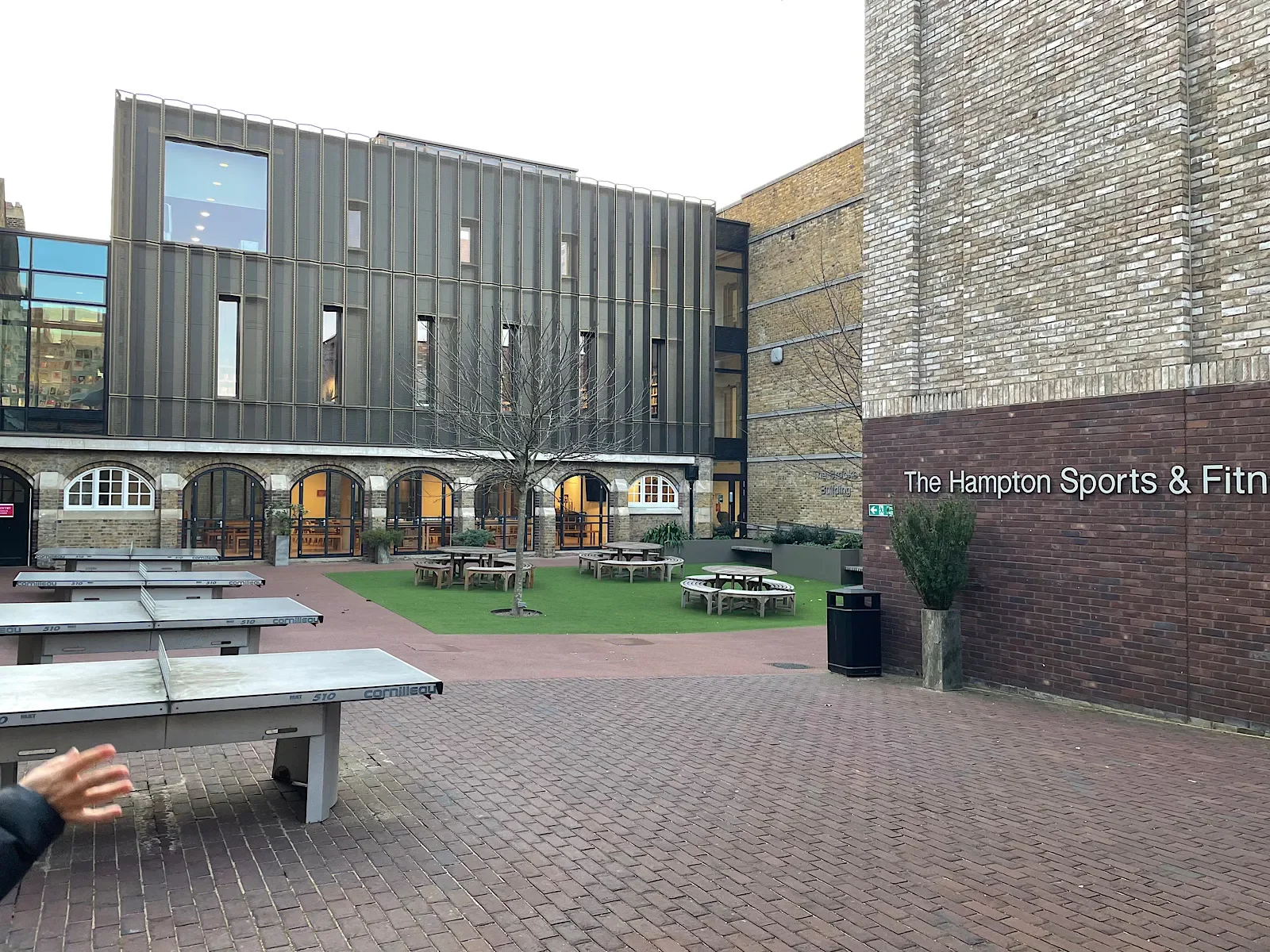
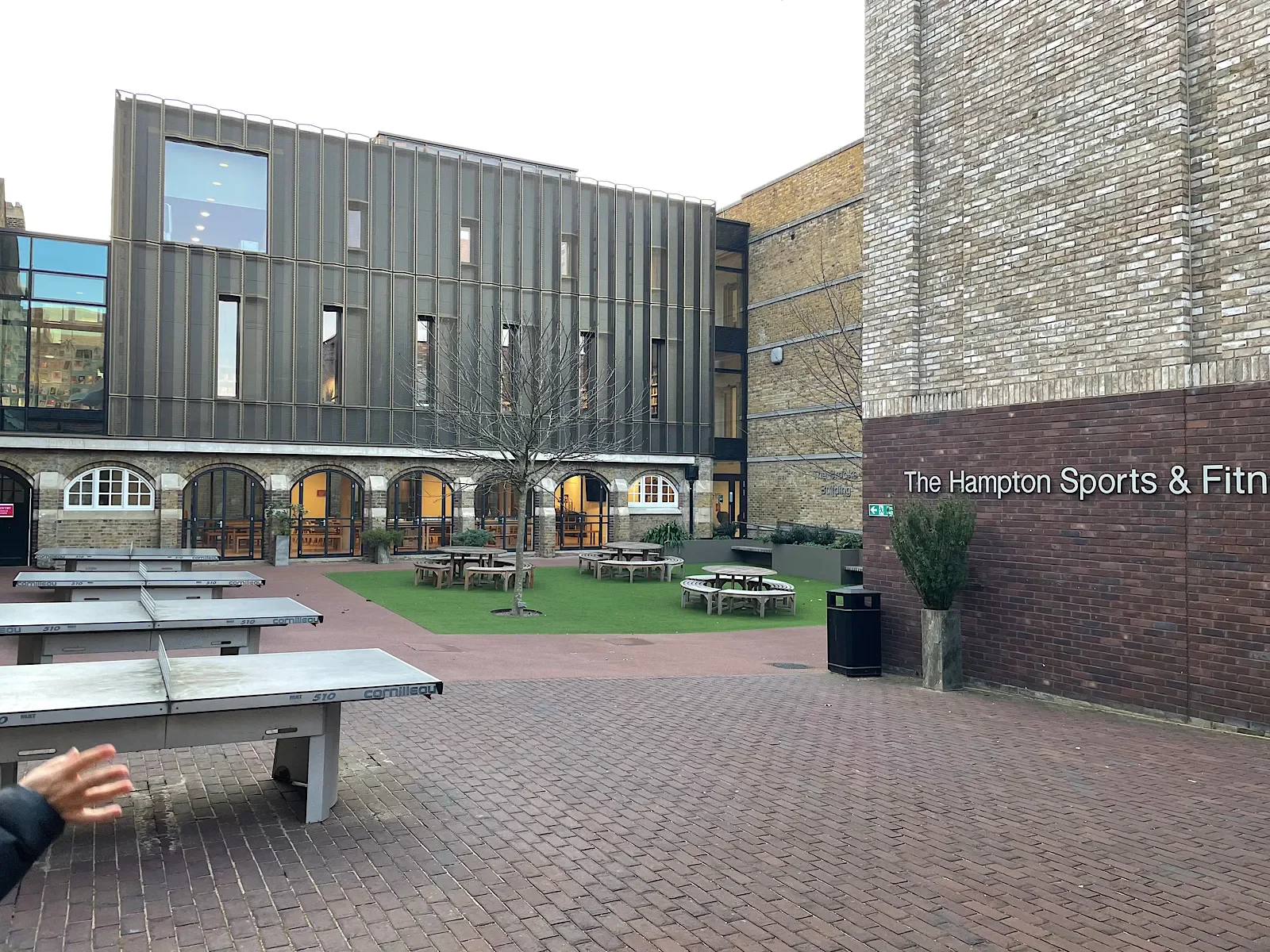
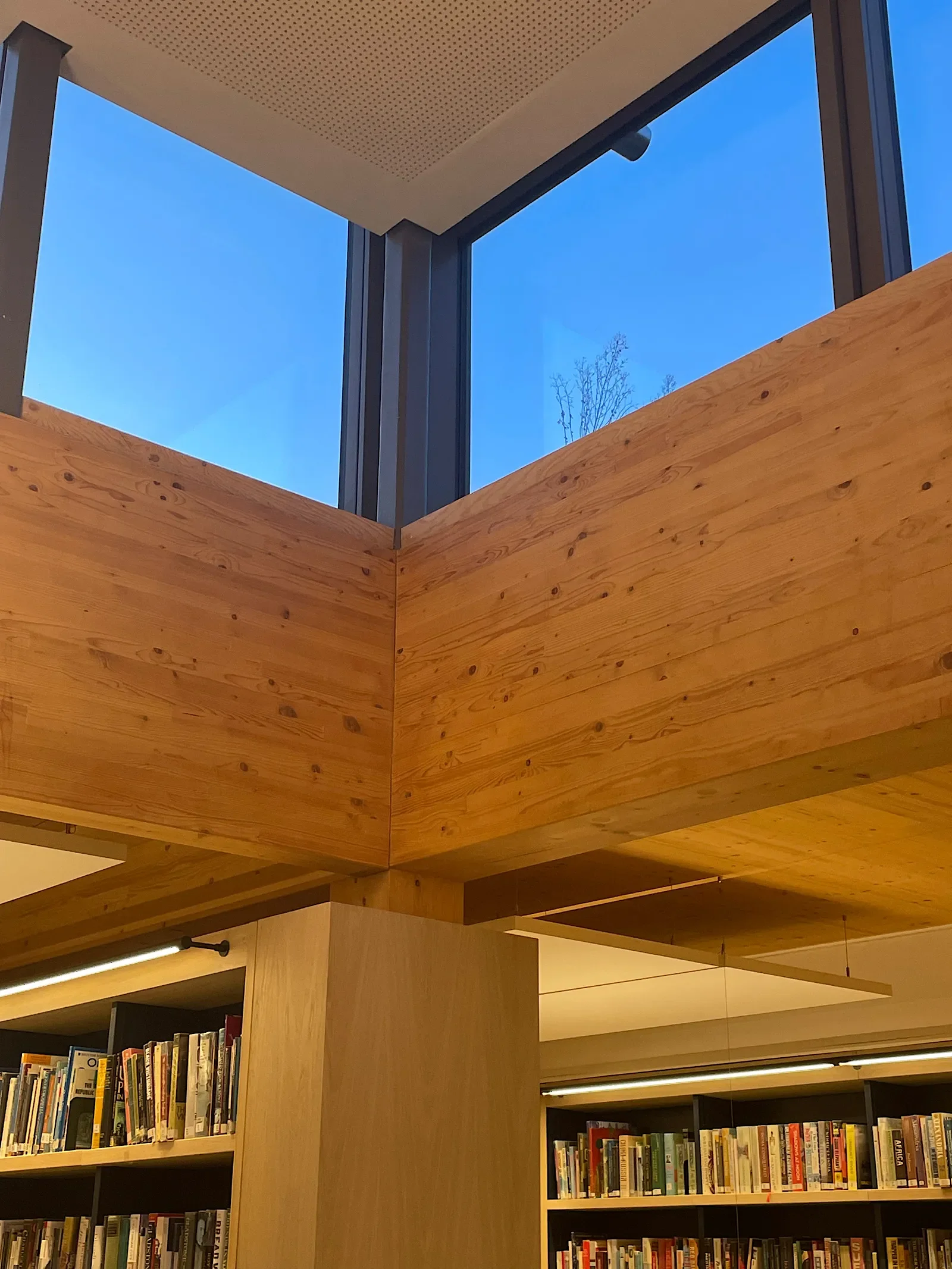
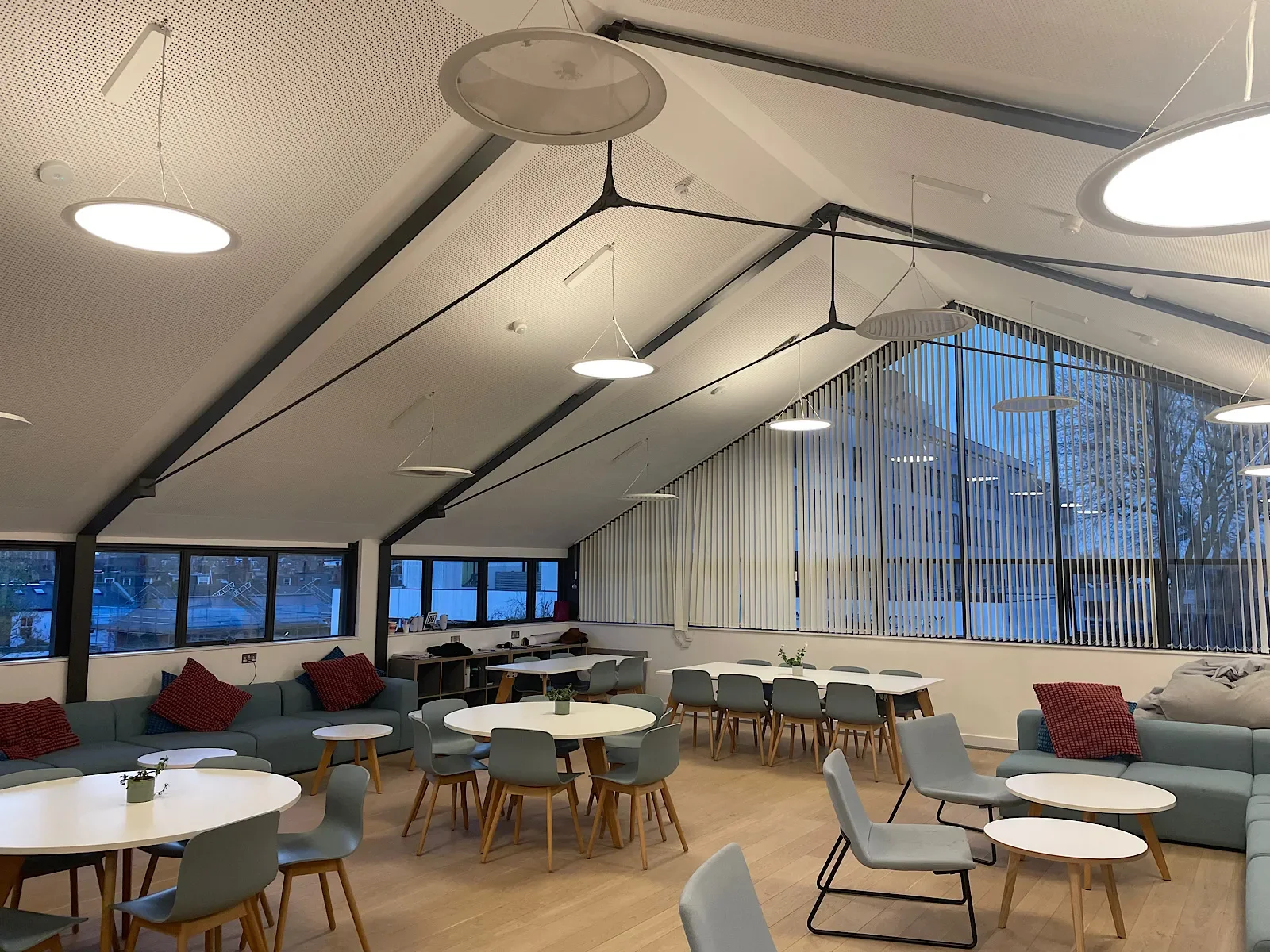
On 19 March, AIA UK members were treated to a tour of the award-winning Godolphin & Latymer School Sixth Form Centre in West London, designed by Walters & Cohen Architects. The visit was led by practice partner Michál Cohen, who provided valuable insights into the design process and the thinking behind the project.
The Sixth Form Centre is one of several commissions Walters & Cohen has undertaken for the school and has earned widespread recognition, including an AIA UK Design Award, a RIBA London Award, and a Civic Trust Award. The project demonstrates how thoughtful design can achieve exceptional results without relying on an extravagant budget.
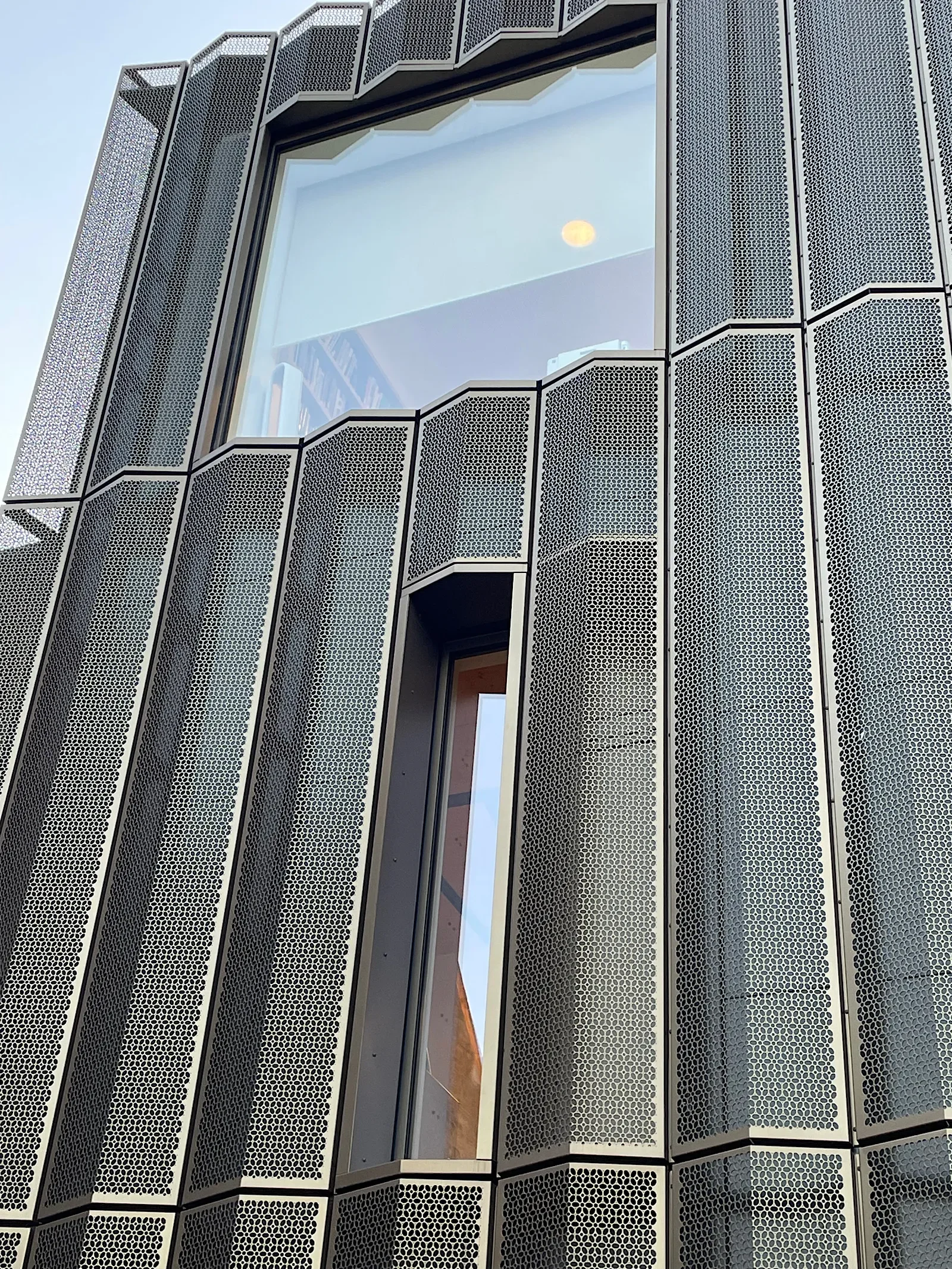
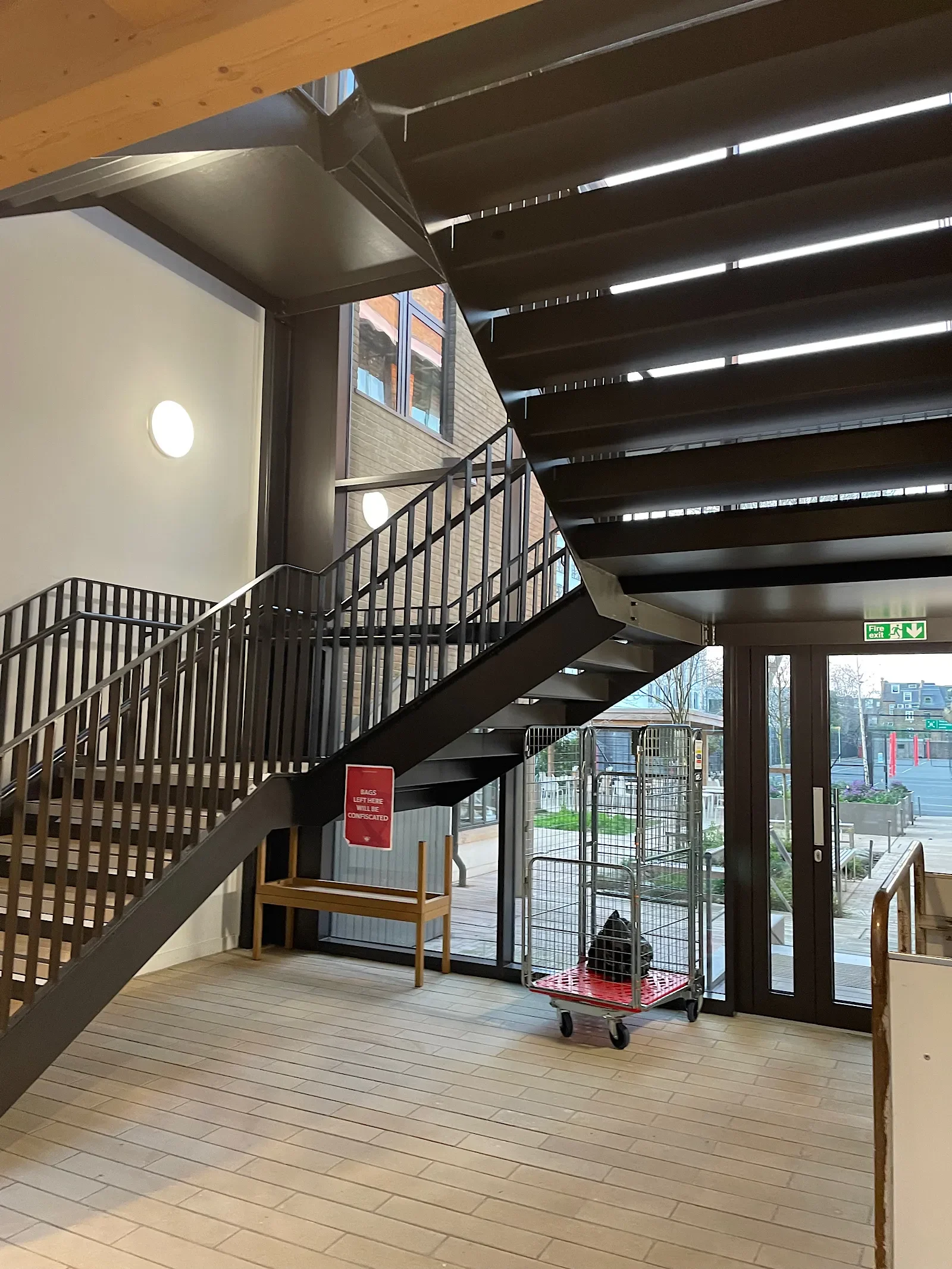
What distinguishes the building is the extraordinary level of care evident throughout. From the way the new accommodation is carefully inserted into a constrained and historically sensitive campus, to the refined material palette and meticulously resolved detailing, every design decision appears purposeful and considered. The project reflects a disciplined architectural approach in which design quality is maintained from the largest strategic moves to the smallest construction details.
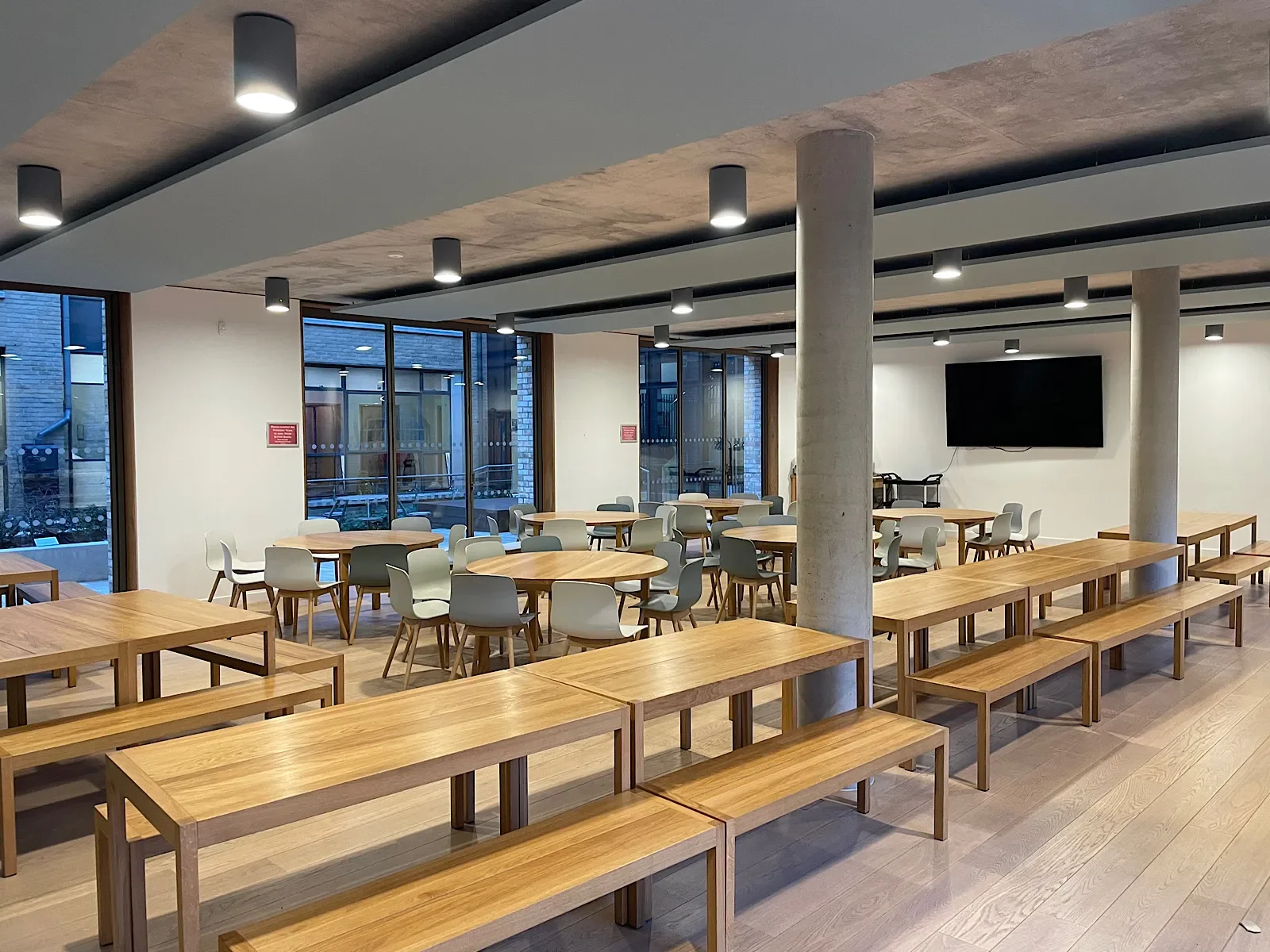
Particularly impressive is the way the building strengthens connections across the campus while creating light-filled, welcoming spaces for learning, study, and social interaction. The architecture feels both contemporary and respectful of its setting, enhancing the everyday experience of students and staff alike.
Although the project was developed for an independent school, many of its lessons are equally relevant to architects working in the state education sector. Chief among these is the value of design rigour: the belief that careful thinking, attention to detail, and a clear architectural vision can significantly elevate a project regardless of budget constraints.
The tour was an inspiring reminder that great educational architecture is not simply about providing space. It is about creating environments that enrich learning, foster community, and stand the test of time.
Bravo to Walters & Cohen and entire project team for a truly exemplary project!
Written by Lester Korzilius, FAIA
Building Tour - Norton Folgate
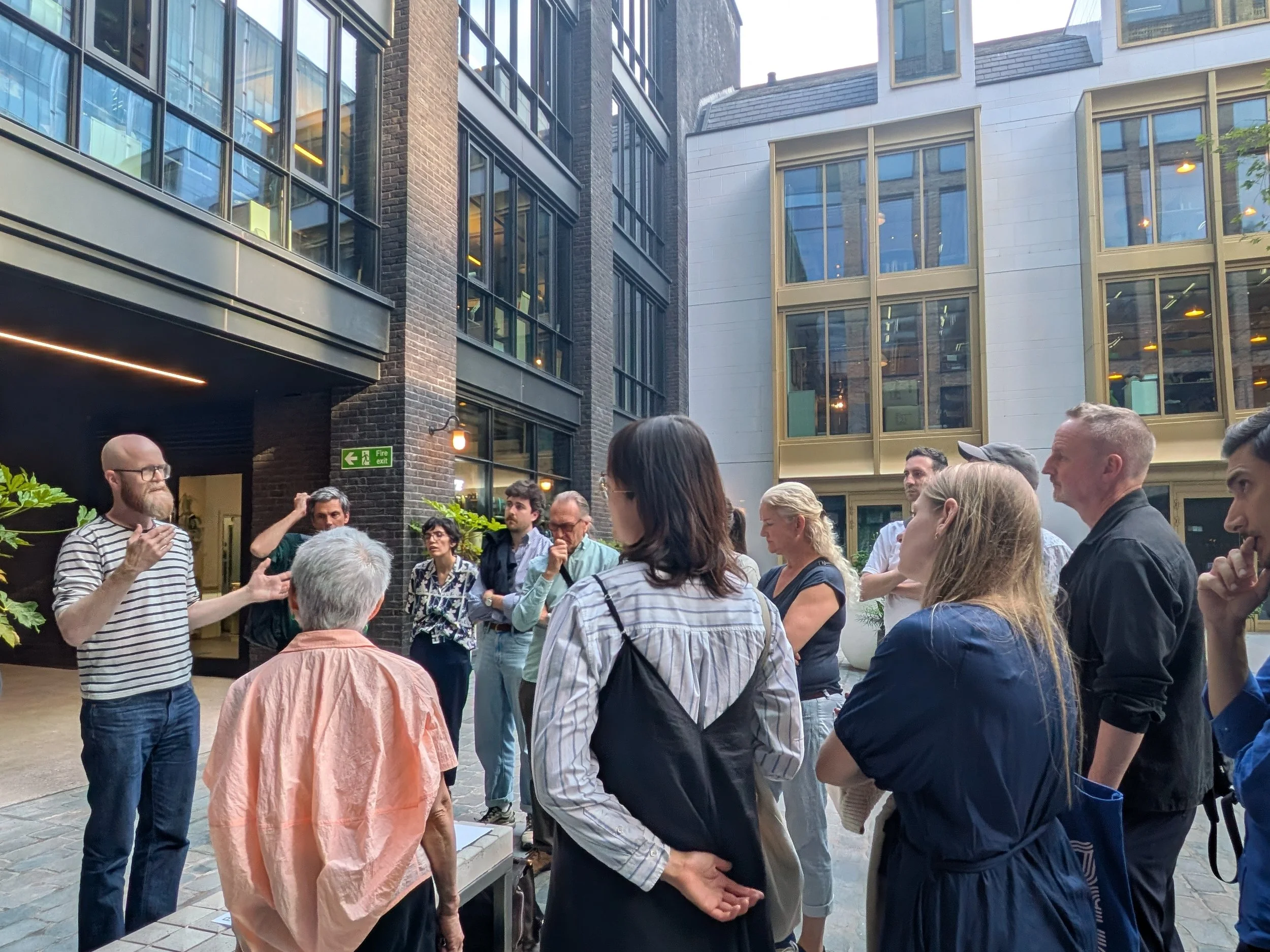
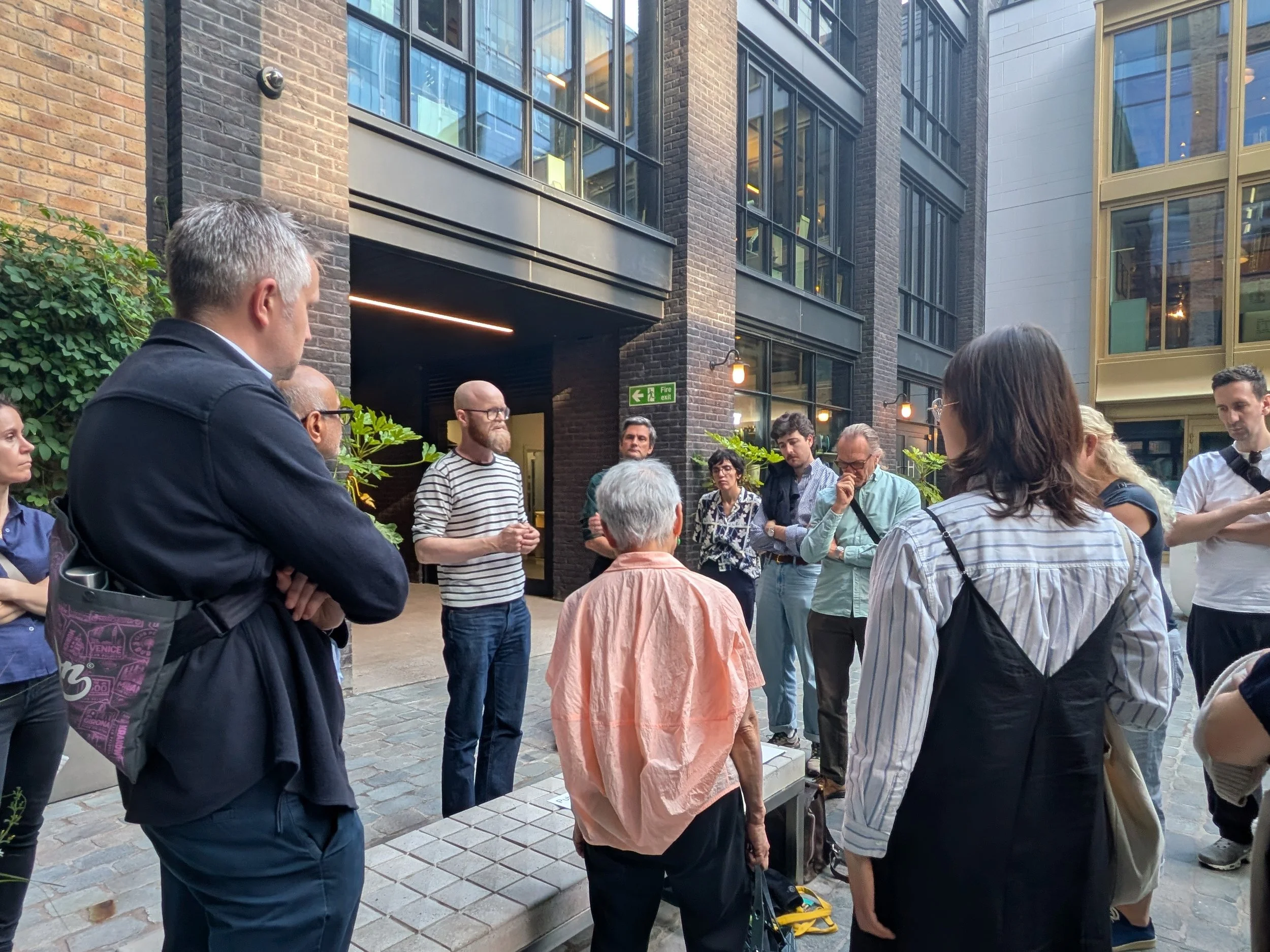
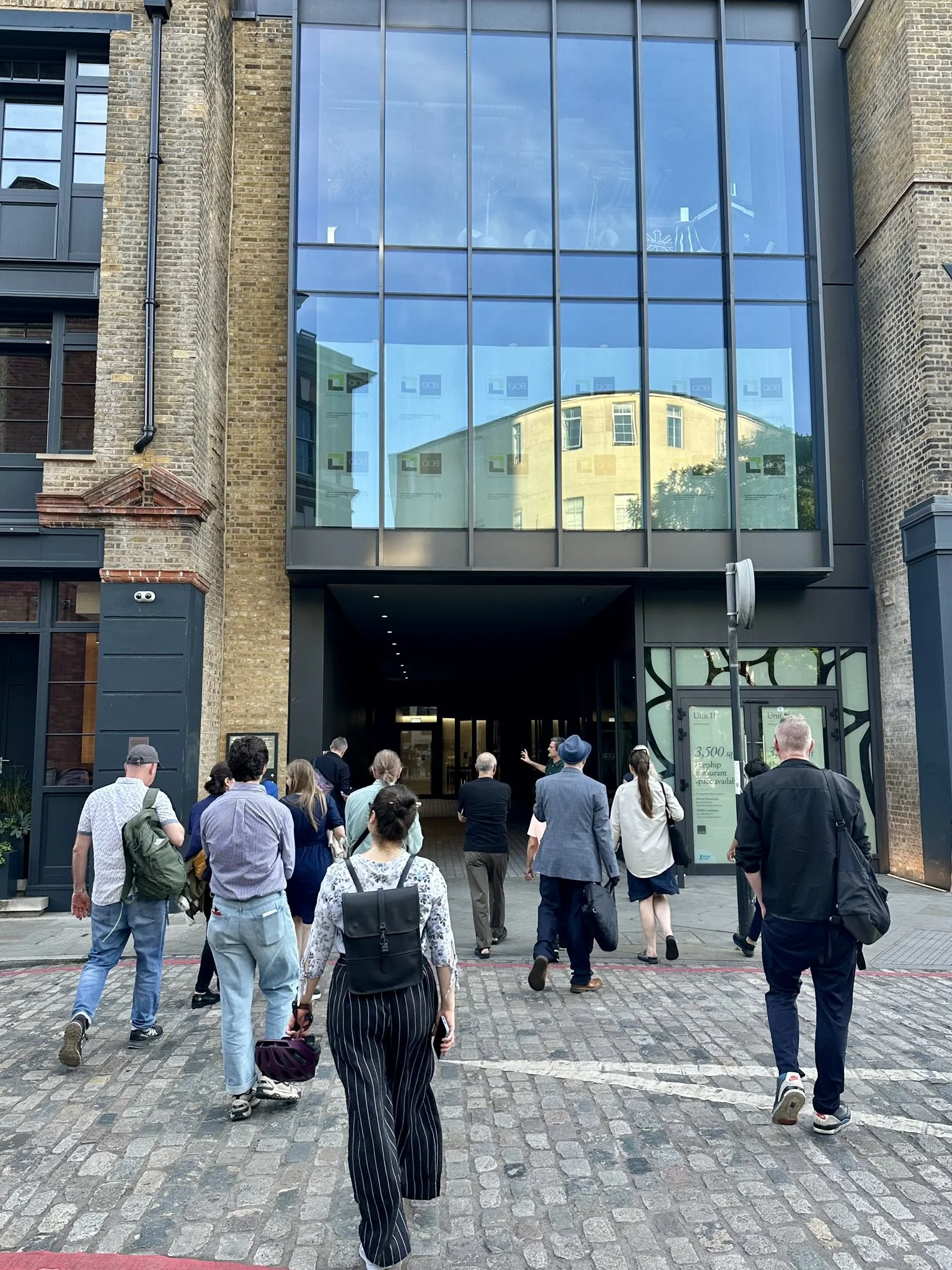
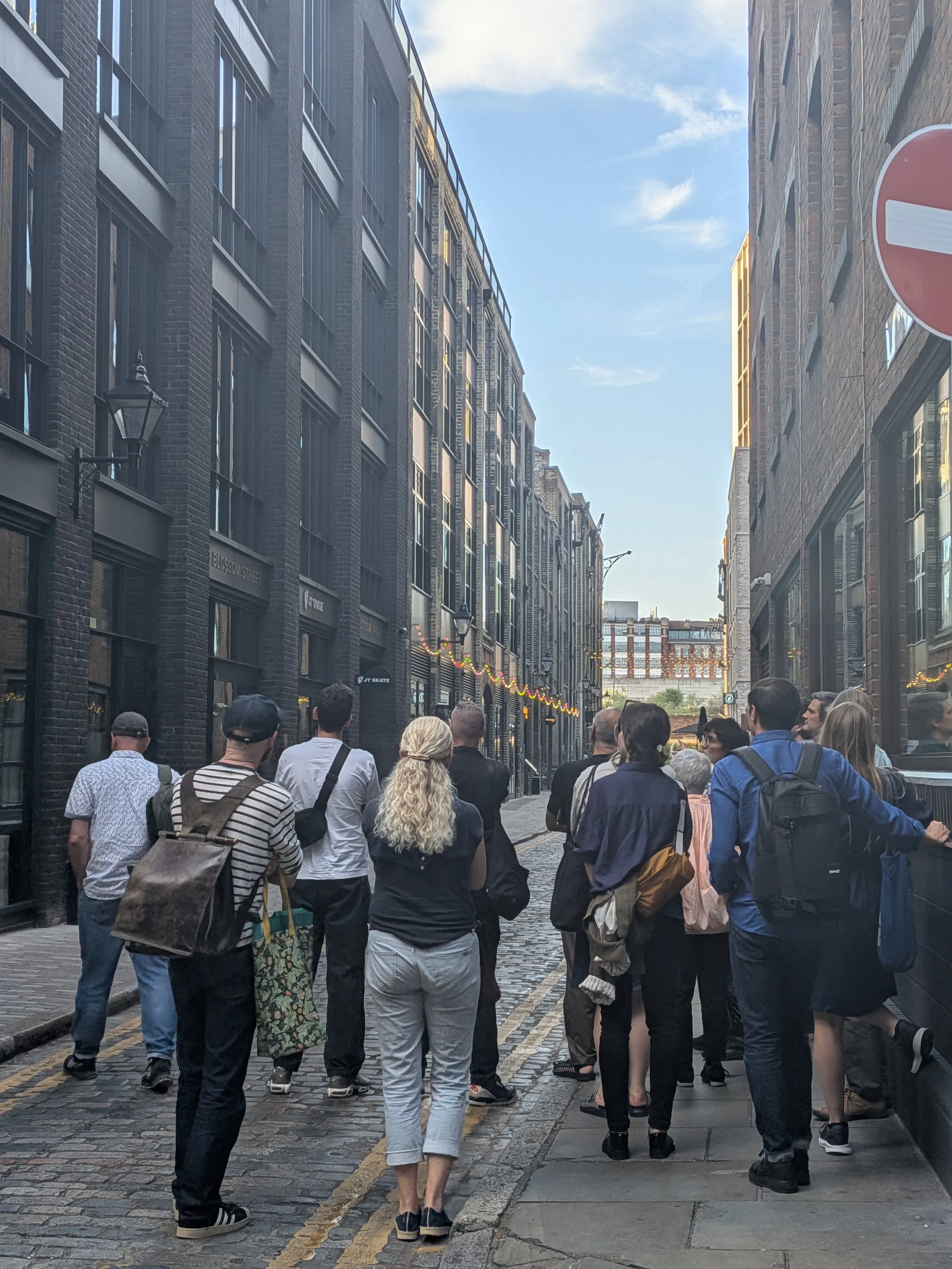
On 18 June 2026, members and friends of AIA UK had the pleasure of visiting Norton Folgate, British Land's redevelopment in the East End of London, consisting of three urban blocks, six new office buildings, a new public realm, and a significant number of historic buildings. The masterplan design was led by Allford Hall Monaghan Morris (AHMM) and the design for the buildings were developed by a larger team of AHMM, Stanton Williams, Morris + Company, and DSDHA with public realm design by East. The AIA UK honoured the project with a 2025 Design in Excellence Award for Outstanding Adaptive Reuse.
Today, retrofit and adaptive reuse have become ever more central to architectural practice across the UK, as the industry has increasingly focused on reducing embodied carbon and meeting net-zero targets since the early 2020s. Norton Folgate, whose design began around 2012, embraced these principles long before they became common practice.
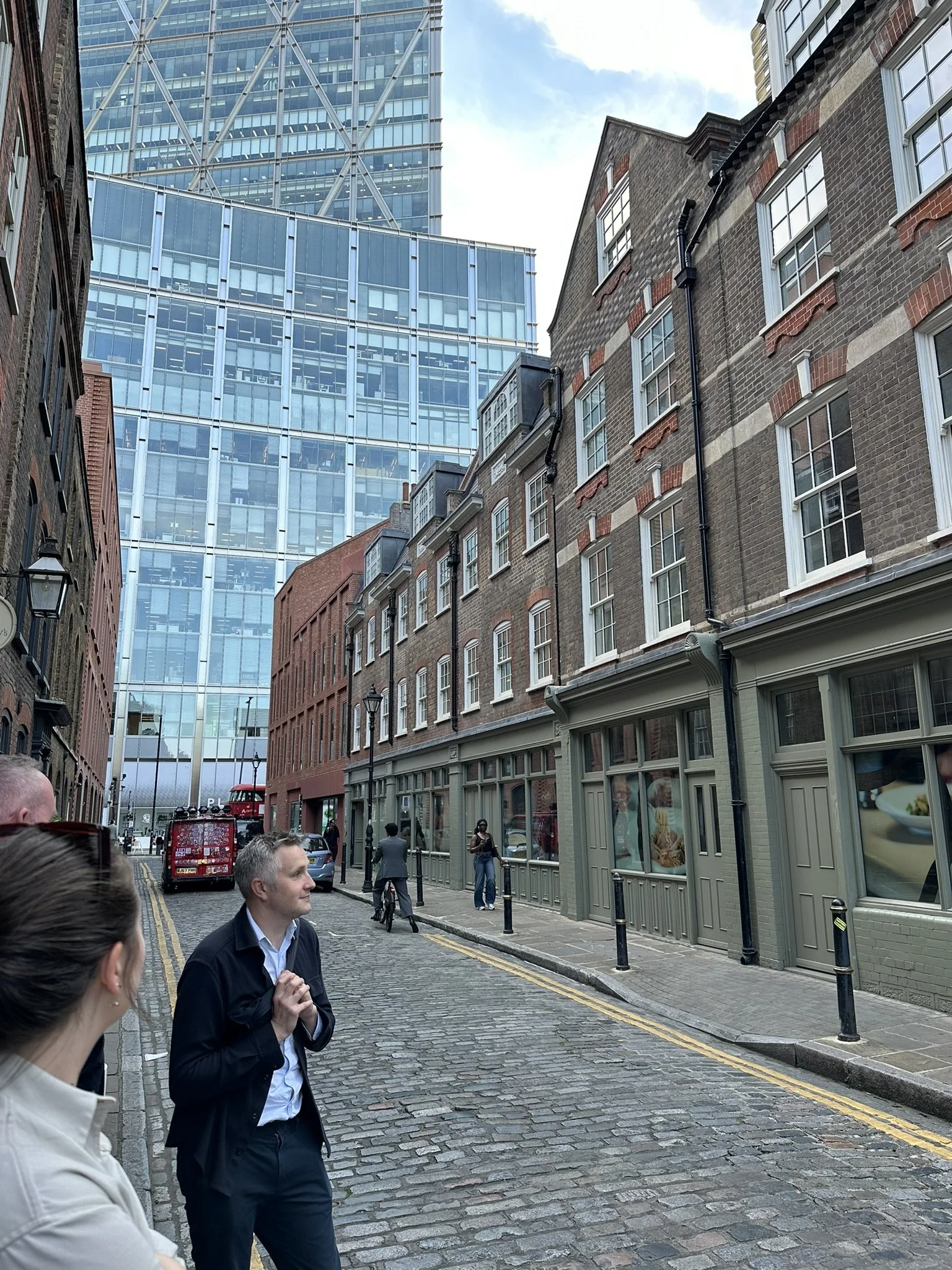
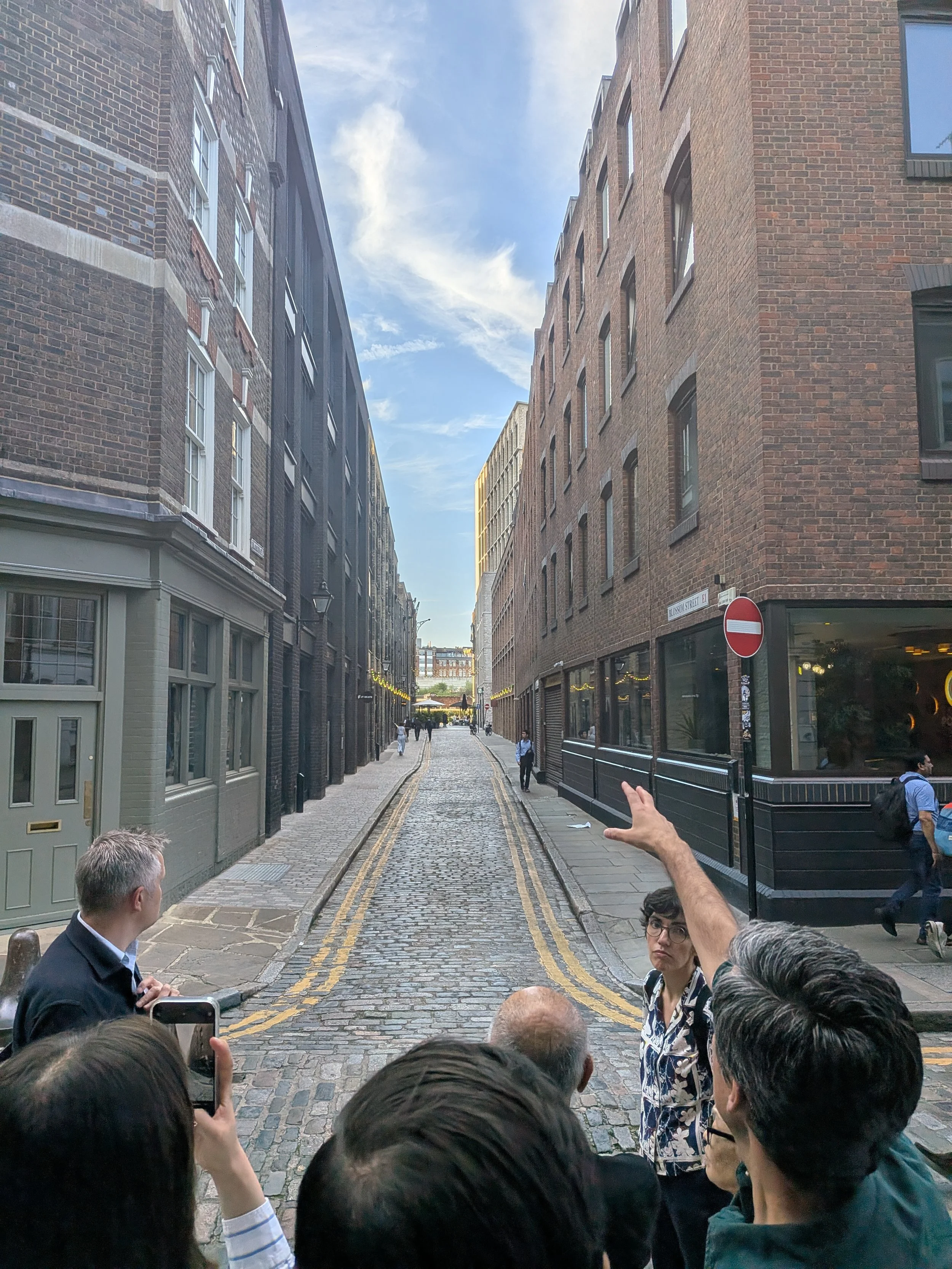
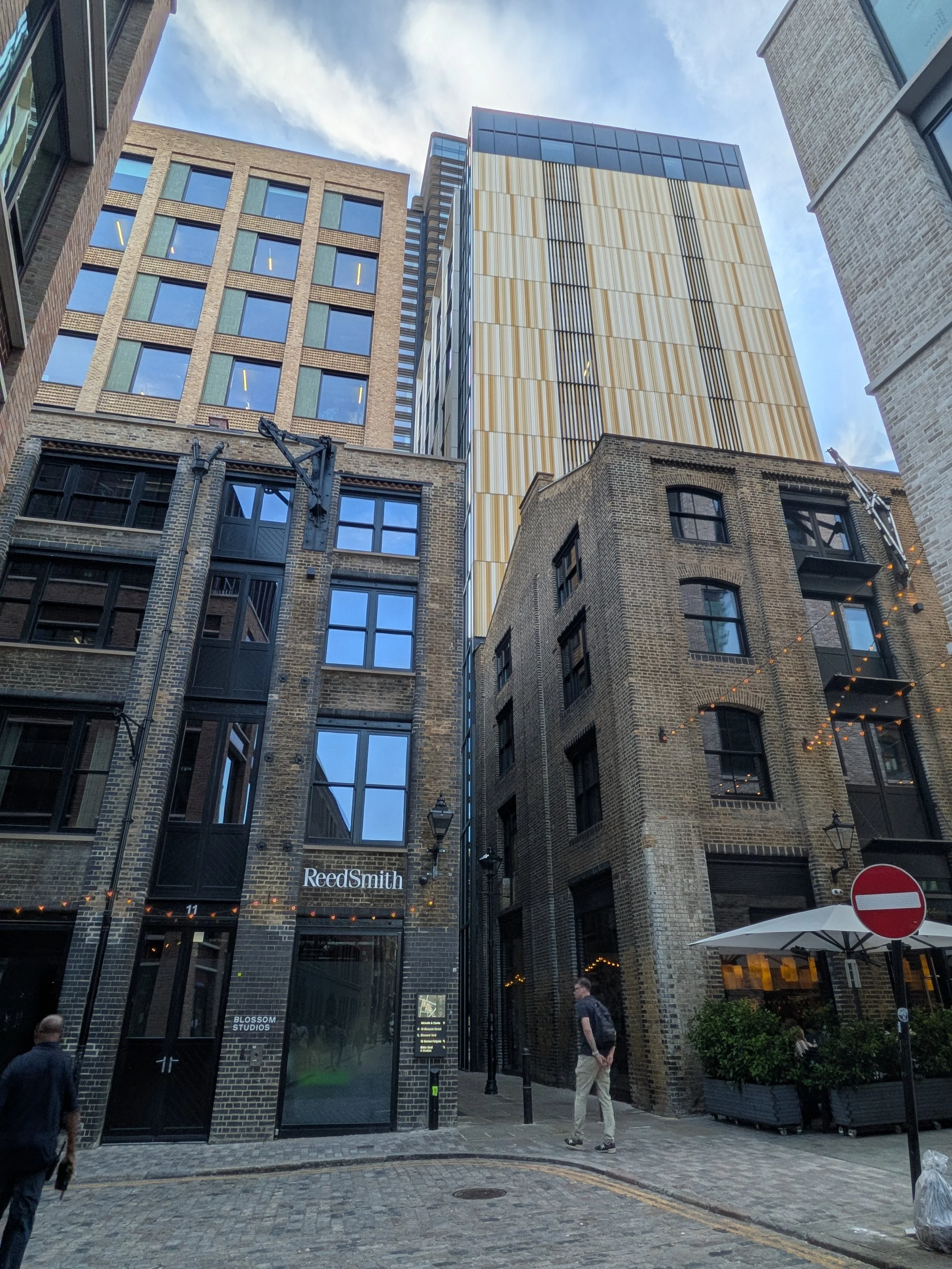
There was a commitment to preserving the site's distinguishing features wherever possible, even when doing so required significantly greater time, effort, and cost than constructing entirely new buildings. Original façades and distinctive brick chimneys were carefully held in place during construction; parapet heights were aligned with adjacent historic buildings to maintain the scale and rhythm of the neighborhood; and the materiality of the historic street paving extends seamlessly into the lobby. Rather than treating heritage as a constraint, the project draws inspiration from the site's existing conditions, giving these contemporary high-performance buildings extraordinarily rich character.
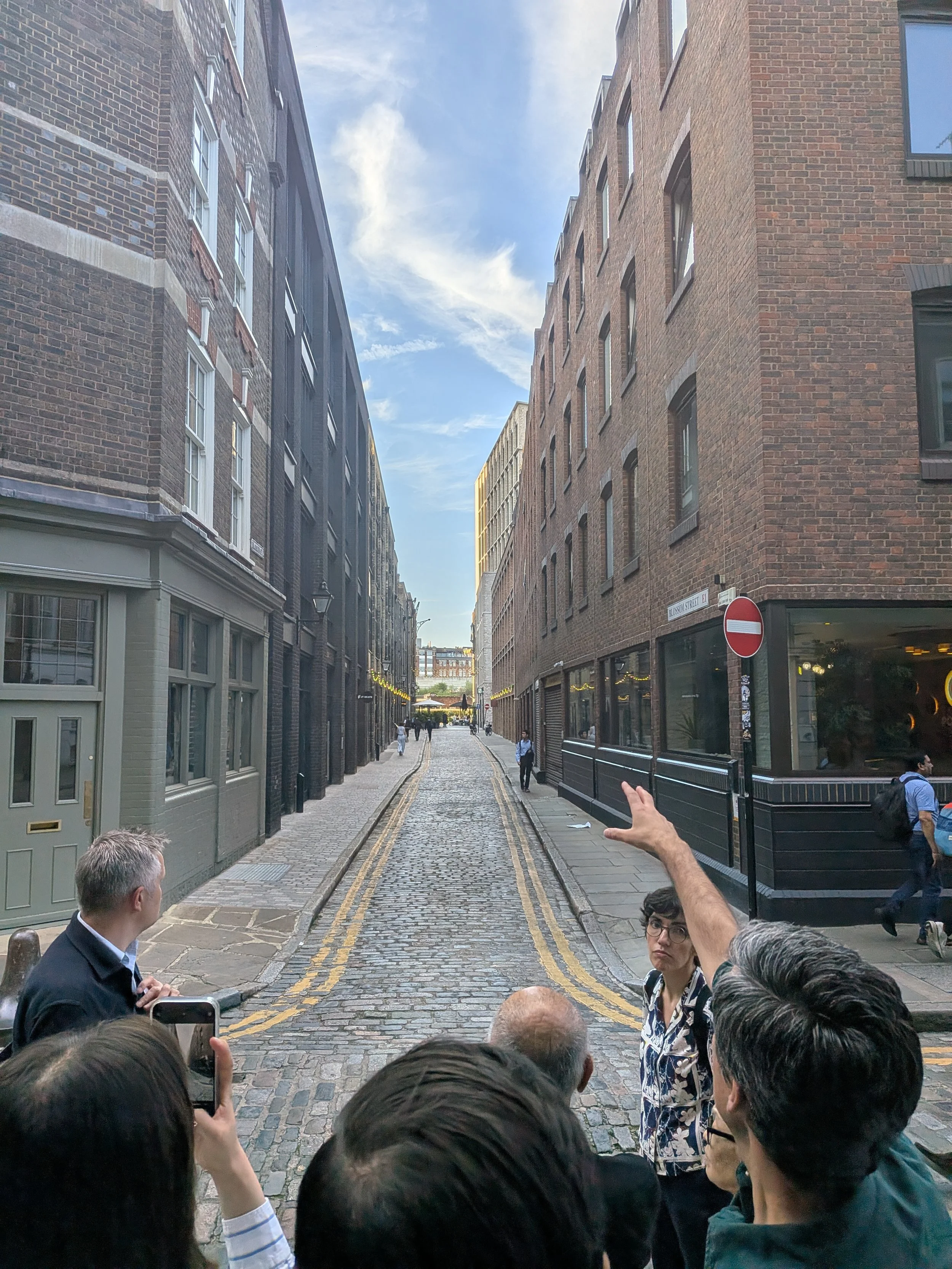
New buildings follow the scale and rhythm of historic streetscape
The site's history continued to influence the project even after construction had begun. During excavation for the foundations, historic structures and archaeological artifacts were uncovered beneath the site. The project team then adjusted the design and structure in response, allowing another layer of London's history to be preserved underground.
As we explored the development in use, it became clear that Norton Folgate caters not just to its tenants. The ground floor is highly permeable, with a series of pedestrian passages carved through the buildings' massing, connecting the surrounding streets and inviting people to move through the site on their journeys. Together with active retail frontages, these routes help create a lively destination that remains welcoming well beyond office hours.
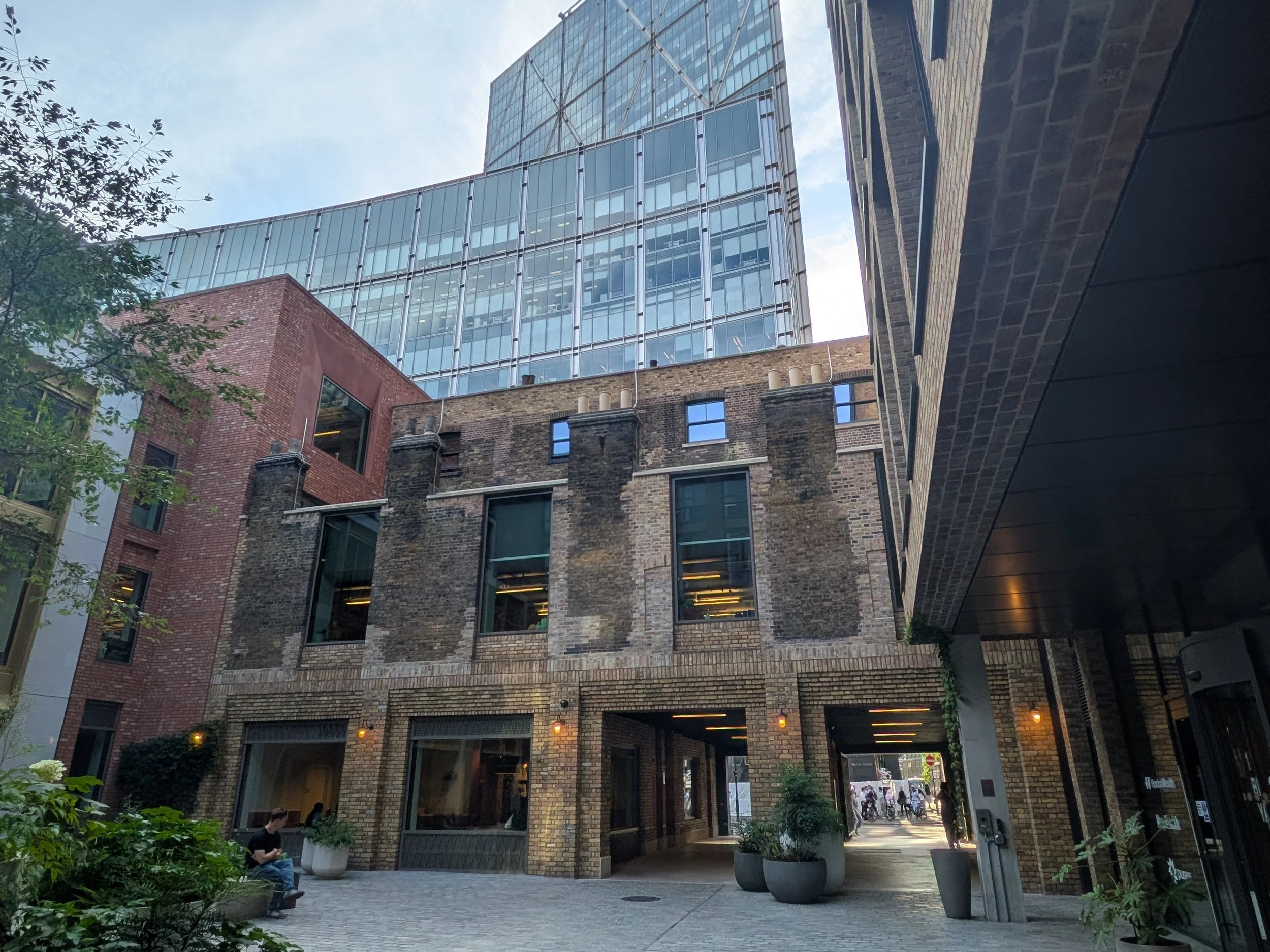
Original chimneys and ground-level passage
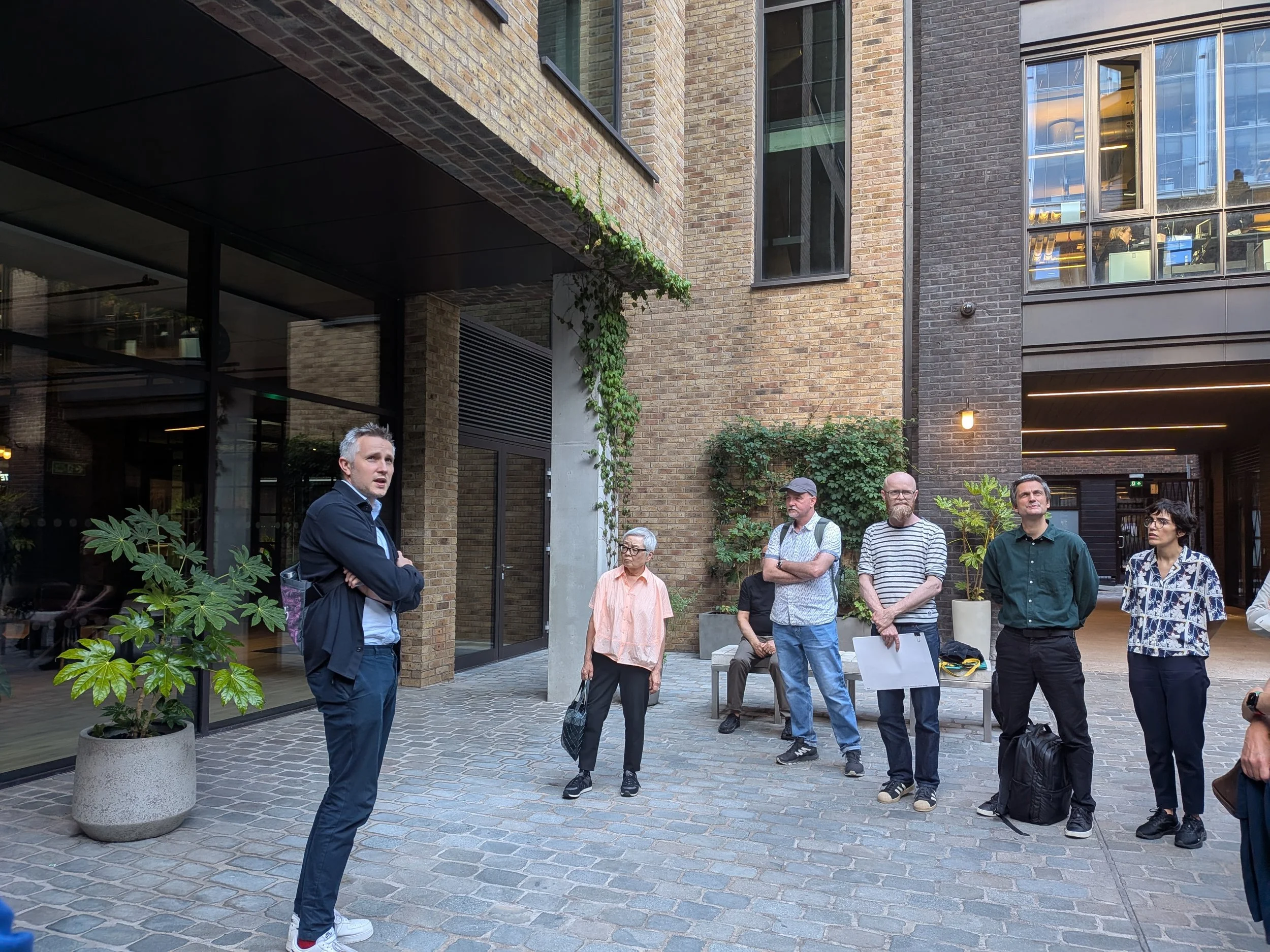
Our guides also shared insights into the unique collaboration behind the project. With four architectural practices responsible across the development, Norton Folgate could easily have become a collection of competing design statements. Instead, the architects fondly recalled a highly collaborative team with a supportive atmosphere, which is reflected in the distinctive yet coordinated buildings.
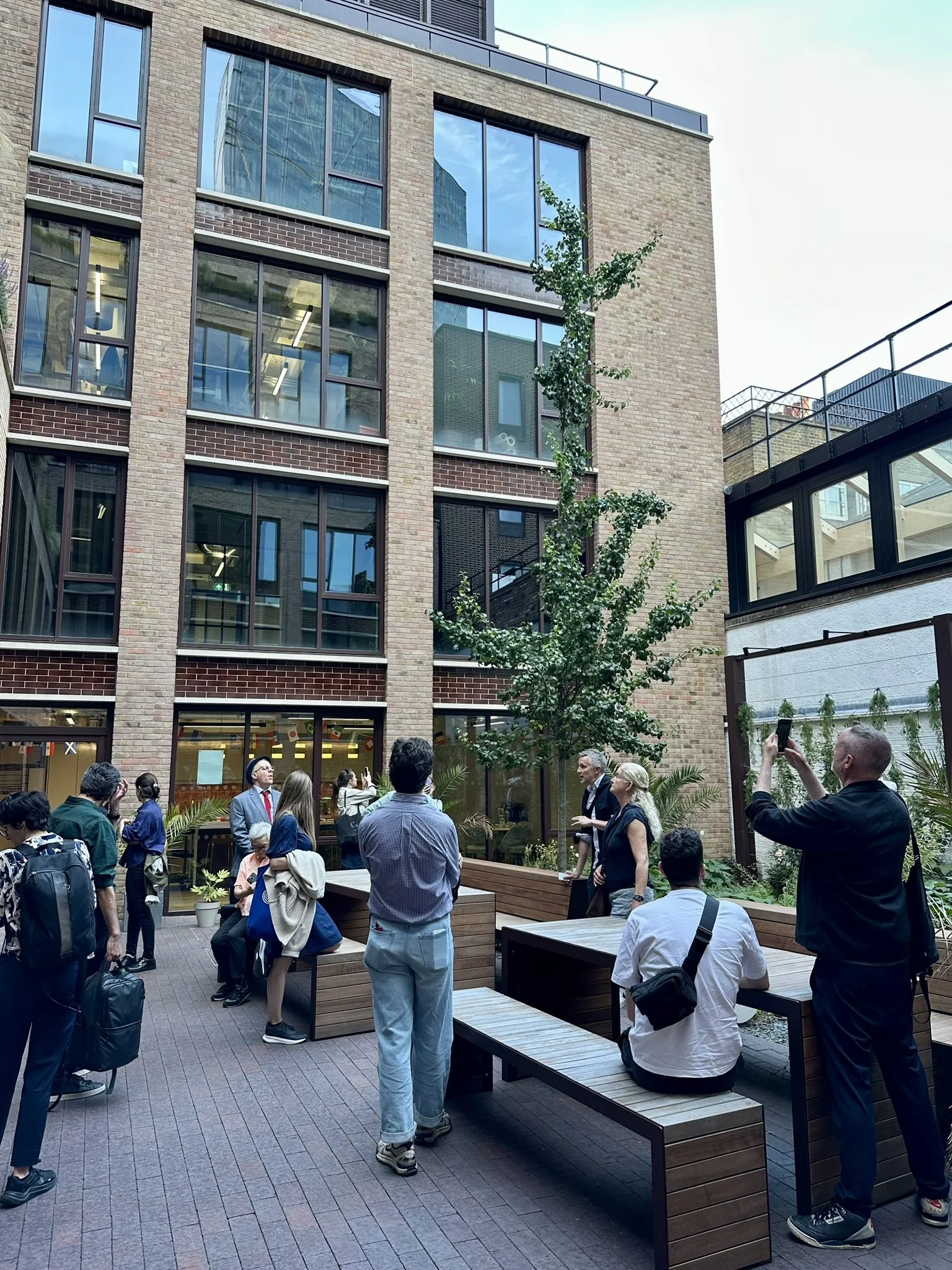
The tour concluded in one of the landscaped courtyards throughout the development, another feature preserved from the original site. Stepping into this space feels like discovering a hidden garden tucked away from the bustling crowds of Liverpool Street Station. We also learned that the planters and outdoor furniture have been designed to be fully removable, allowing the courtyards to evolve over time.
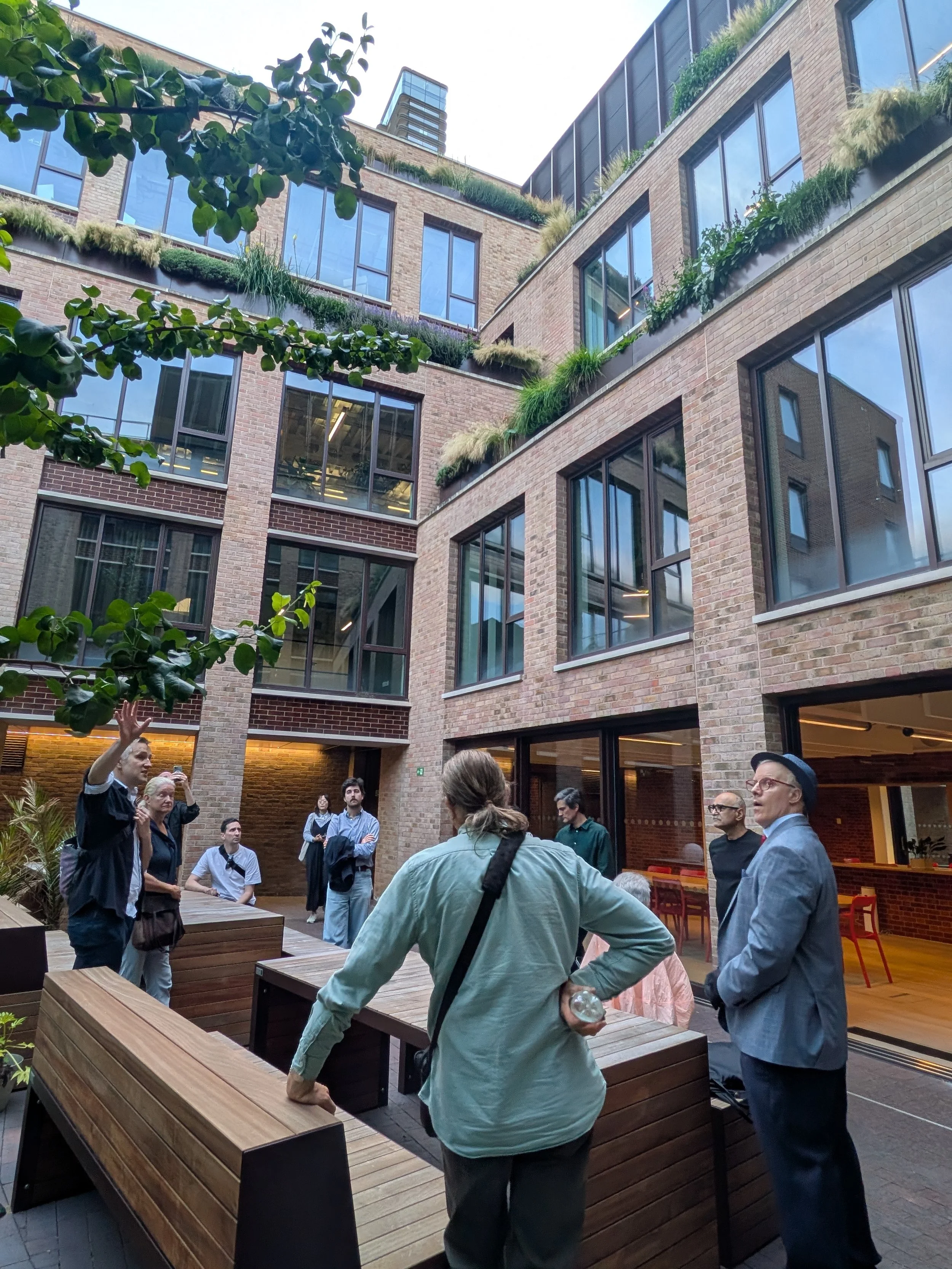
Office private courtyard
AIA UK extends its sincere thanks to our amazing guides Paul Jones (AHMM), Stephen Hadley (Stanton Williams), Isabel Moreira (DSDHA), and Dann Jessen (East), whose candid reflections on their design process, coordination, and the many joys and challenges along the way made for an engaging evening. We are also grateful to Gregory Fonseca AIA for organizing the tour, and to Genie Khmelnitski for photos.
We look forward to bringing more opportunities like this to our members. Stay tuned for future building tours as we continue exploring some of the most innovative projects shaping the UK's architecture scene.
Written by Mi Yao, AIA
Building Tour - Elizabeth Line Transforming London Through Infrastructure and Design
Photo credit: Grimshaw/Hufton+Crow
On 16 April, members of the AIA UK had the opportunity to experience the Elizabeth Line firsthand through an exclusive tour led by representatives from Grimshaw.
The visit began at Grimshaw’s Clerkenwell studio, just moments from Farringdon Station, where Neil McClements and Graham Gibbon presented the design development behind one of Europe’s largest recent infrastructure projects. Since its full integration in 2023, the Elizabeth Line has fundamentally transformed travel across London, connecting Berkshire and Essex through approximately 117 kilometres of railway and 41 stations.
Developed through a collaboration between Grimshaw, AtkinsRéalis, design firm Maynard, and lighting consultants Equation, the project established a comprehensive “line-wide strategy” that unified architecture, interiors, wayfinding, and passenger experience across the network. The Elizabeth Line was recognised with the 2024 RIBA Stirling Prize for its outstanding contribution to British architecture.
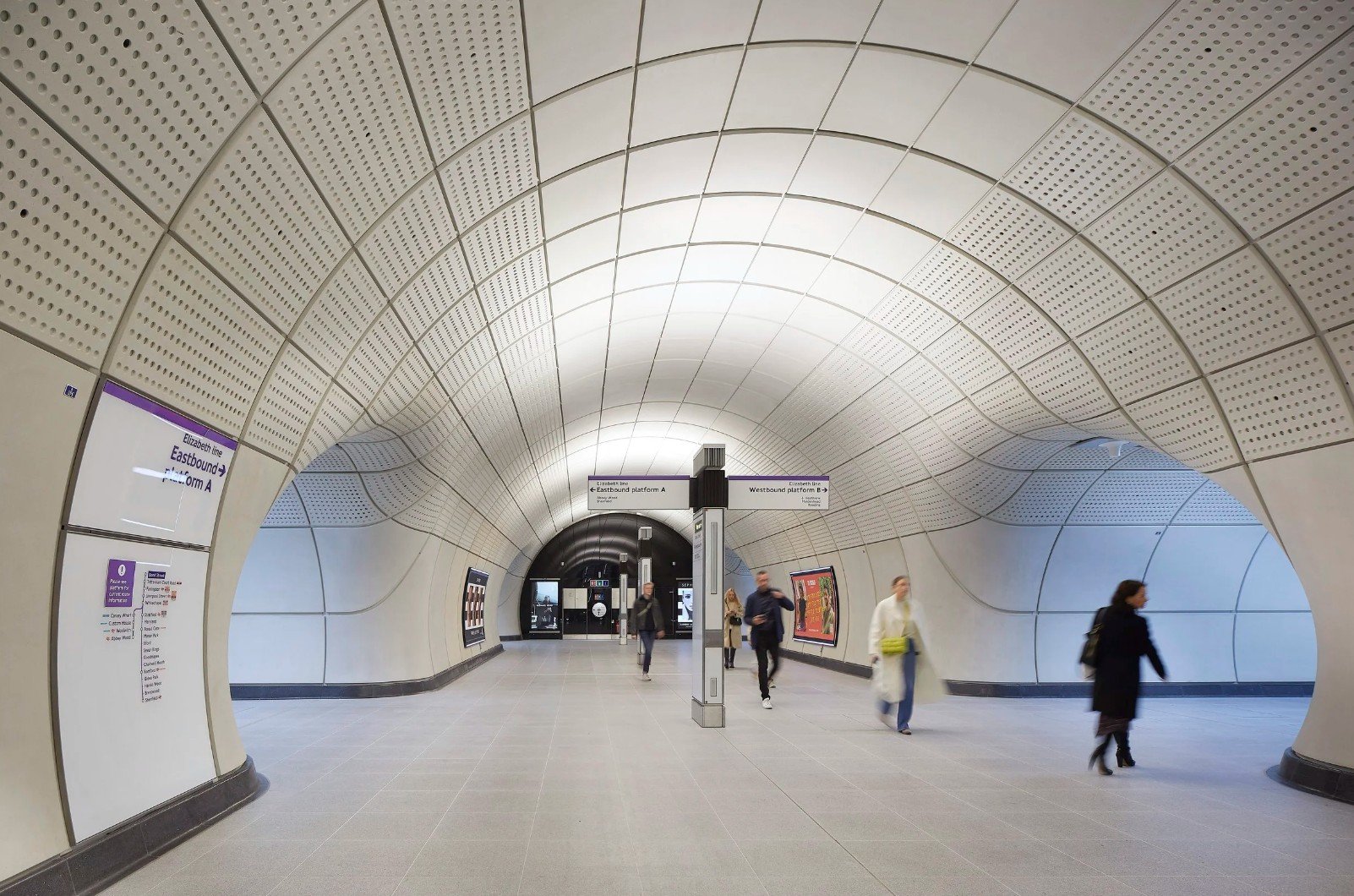
Neil McClements explained that while the consortium developed the overarching design language and passenger environment, individual stations were designed by a range of architectural practices, each responding uniquely to its urban context at street level. As passengers descend into the stations, however, a consistent architectural identity emerges through the application of unified cladding systems, lighting, signage, and spatial design strategies that conceptually and functionally bind the network together.
Graham Gibbon further contextualised the project by describing the extensive attention given to the design of every component, from the curved glass-fibre reinforced concrete cladding to the integrated technology and illuminated wayfinding totems. The use of consistent line-wide elements enabled efficiencies in manufacturing and construction while ensuring durability, clarity, and visual continuity throughout the system. Importantly, Crossrail’s commitment to full-scale mock-ups and rigorous testing allowed the design team to refine and validate solutions that ultimately contributed to the project’s award-winning outcome.
The signature white cladding, with its softly flared geometries, enhances visibility, improves passenger safety, and creates a calm, cohesive spatial experience. Freestanding totems provide clear and intuitive wayfinding, seamlessly integrating graphics, lighting, and passenger information.
Following the presentation, the group toured Farringdon Station before travelling on the Elizabeth Line to Tottenham Court Road Station and back. The journey offered participants the opportunity to experience firsthand the line’s carefully considered architecture, detailing, materiality, and passenger environment. Along the route, Neil and Graham highlighted key design features ranging from integrated artwork and graphics to seating, lighting, and spatial organisation — all conceived as integral components of a unified architectural vision.
The tour provided a valuable insight into how thoughtful, coordinated design at both urban and infrastructural scales can elevate the experience of public transportation while contributing meaningfully to the identity of the city.
Written by Gregory Fonseca, AIA
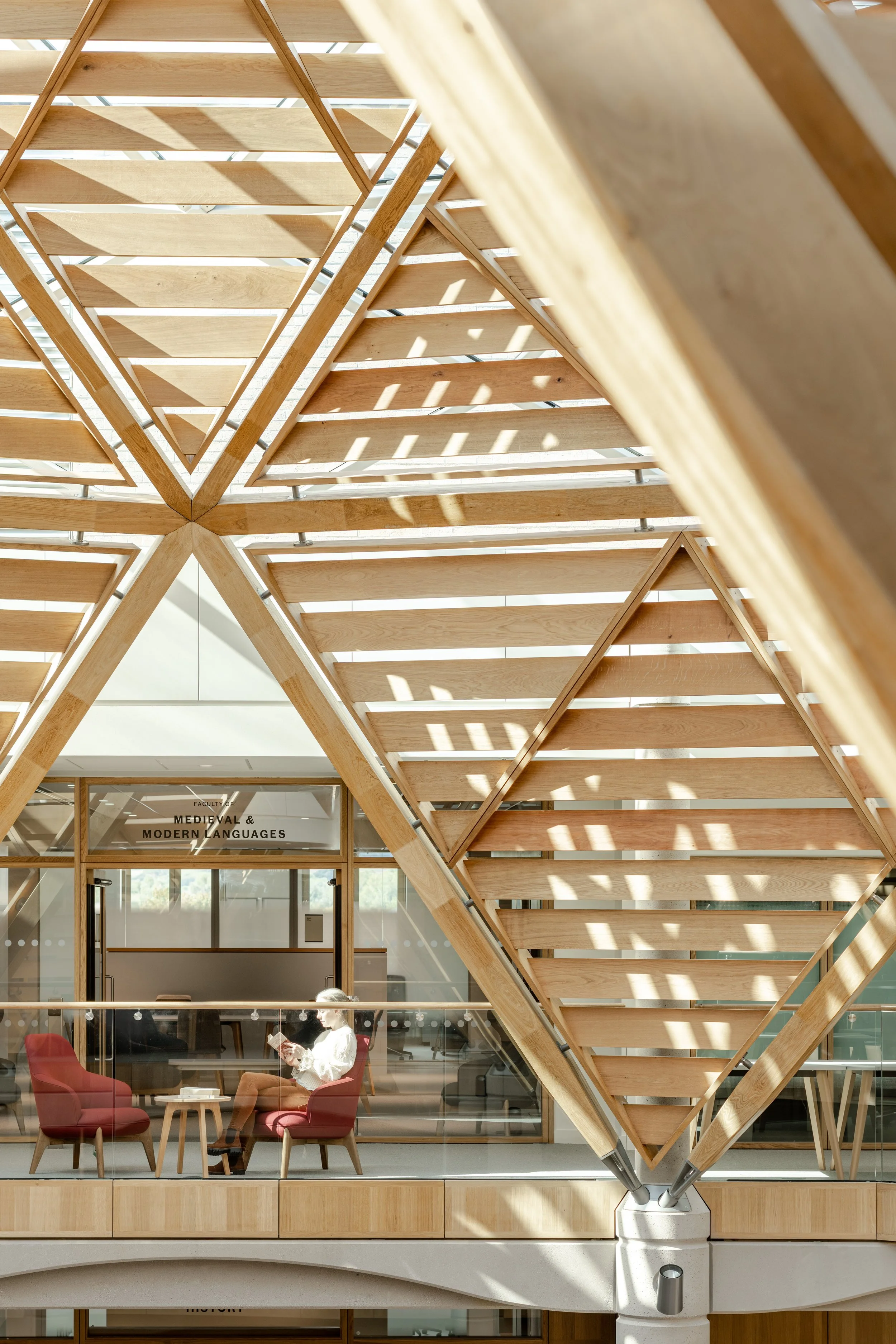
Building Tour - Schwarzman Centre for the Humanities by Hopkins Architects
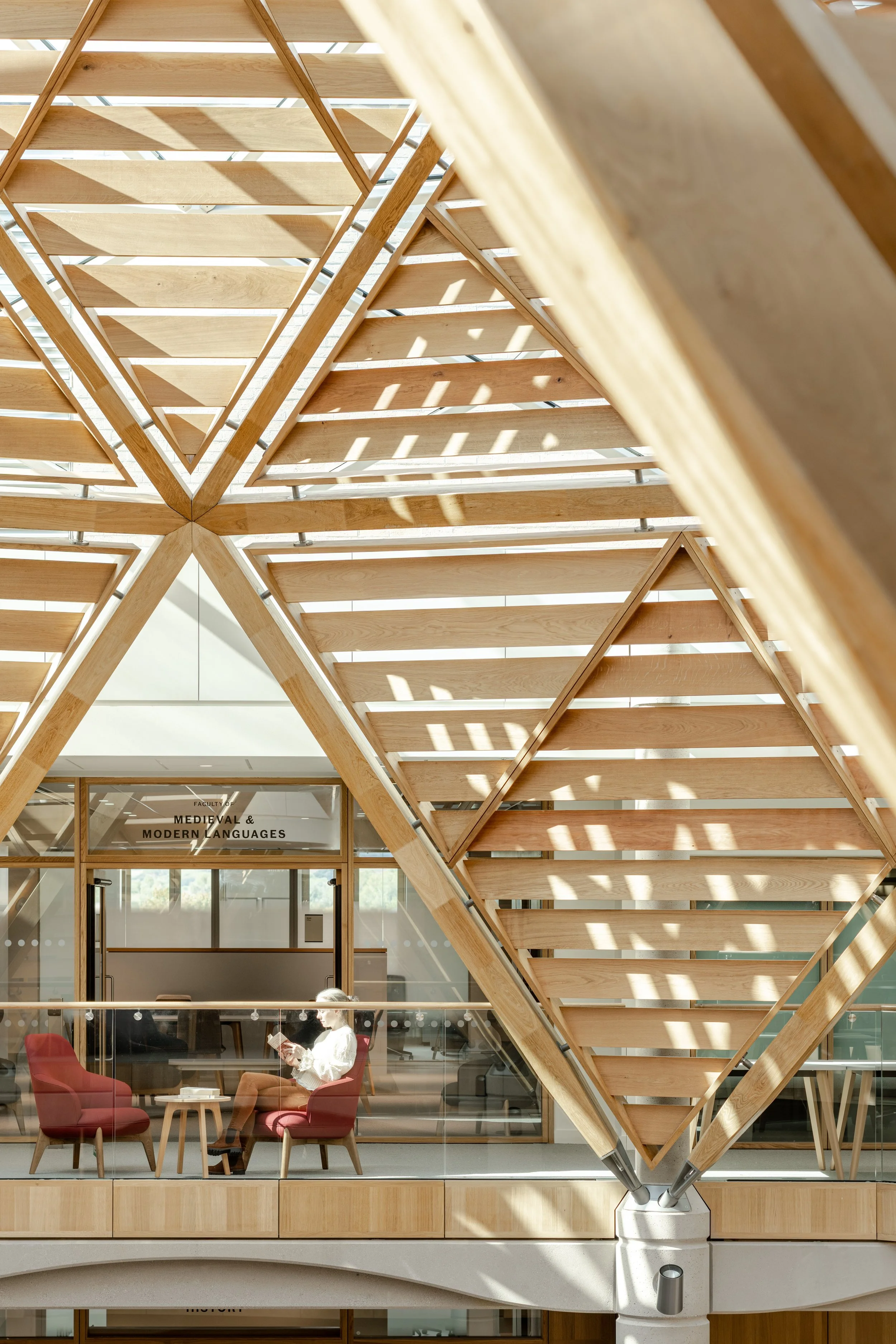
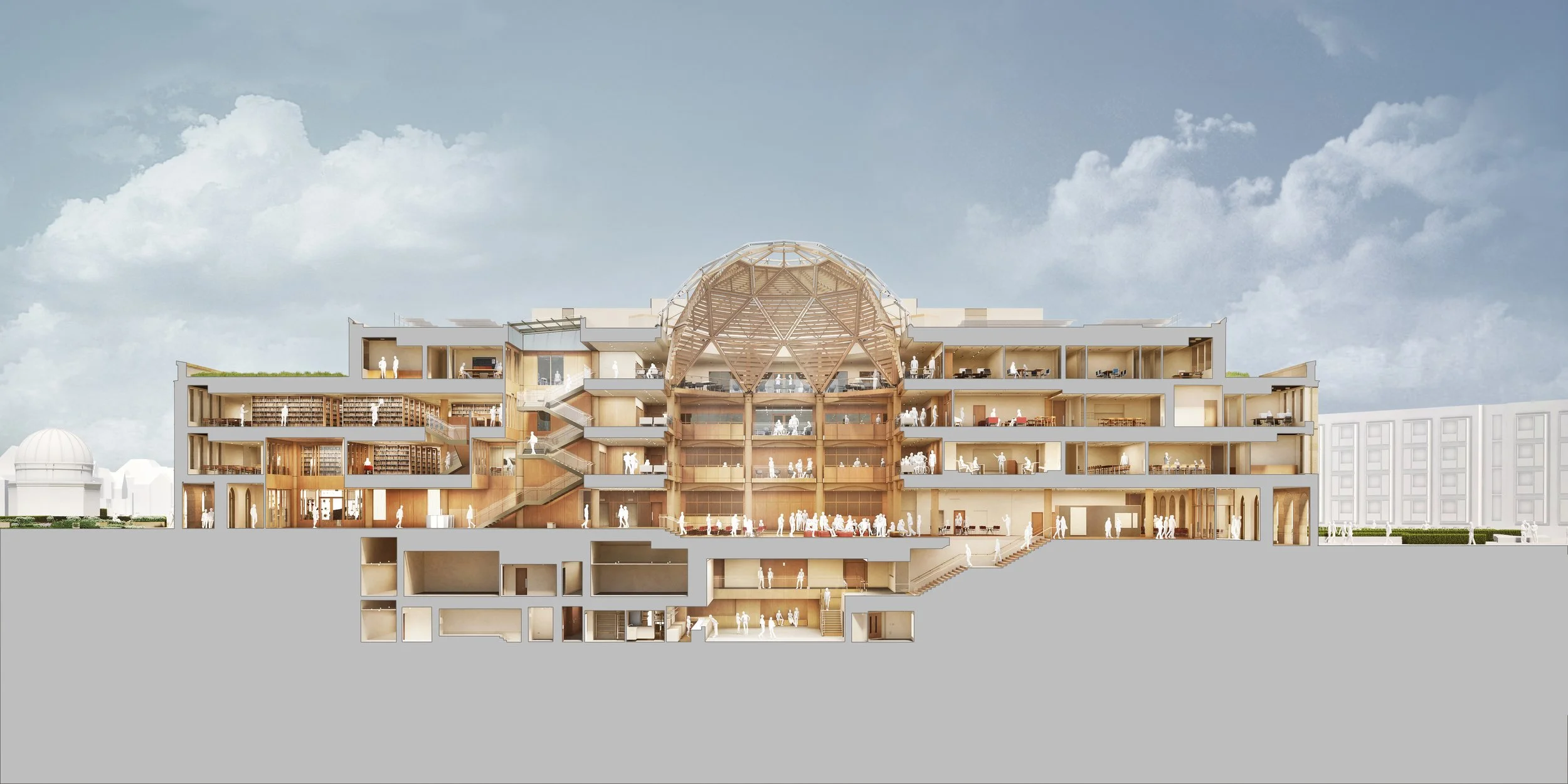
AIA UK recently welcomed Jonathan Watts, Director at Hopkins Architects, for a presentation on one of the UK's most ambitious academic buildings — the Schwarzman Centre for the Humanities at Oxford. The timing was apt: the project had just been confirmed as the largest Passive House certified building in the UK and the first Passive House concert hall in the world.
Funded by a gift from philanthropist Stephen Schwarzman, the Centre consolidates seven of Oxford's humanities faculties — previously scattered across 26 buildings — into a single new quarter on the city's northwest edge. Alongside faculty offices and seven libraries, the building houses a rich programme of public performance venues: a 500-seat concert hall, a 250-seat flexible lecture theatre, a recital hall, and a black box experimental performance lab. Perhaps most significantly, it is the first building Oxford University has ever intentionally designed as a public facility from day one — a deliberate inversion of the inward-looking college typology the University is famous for.
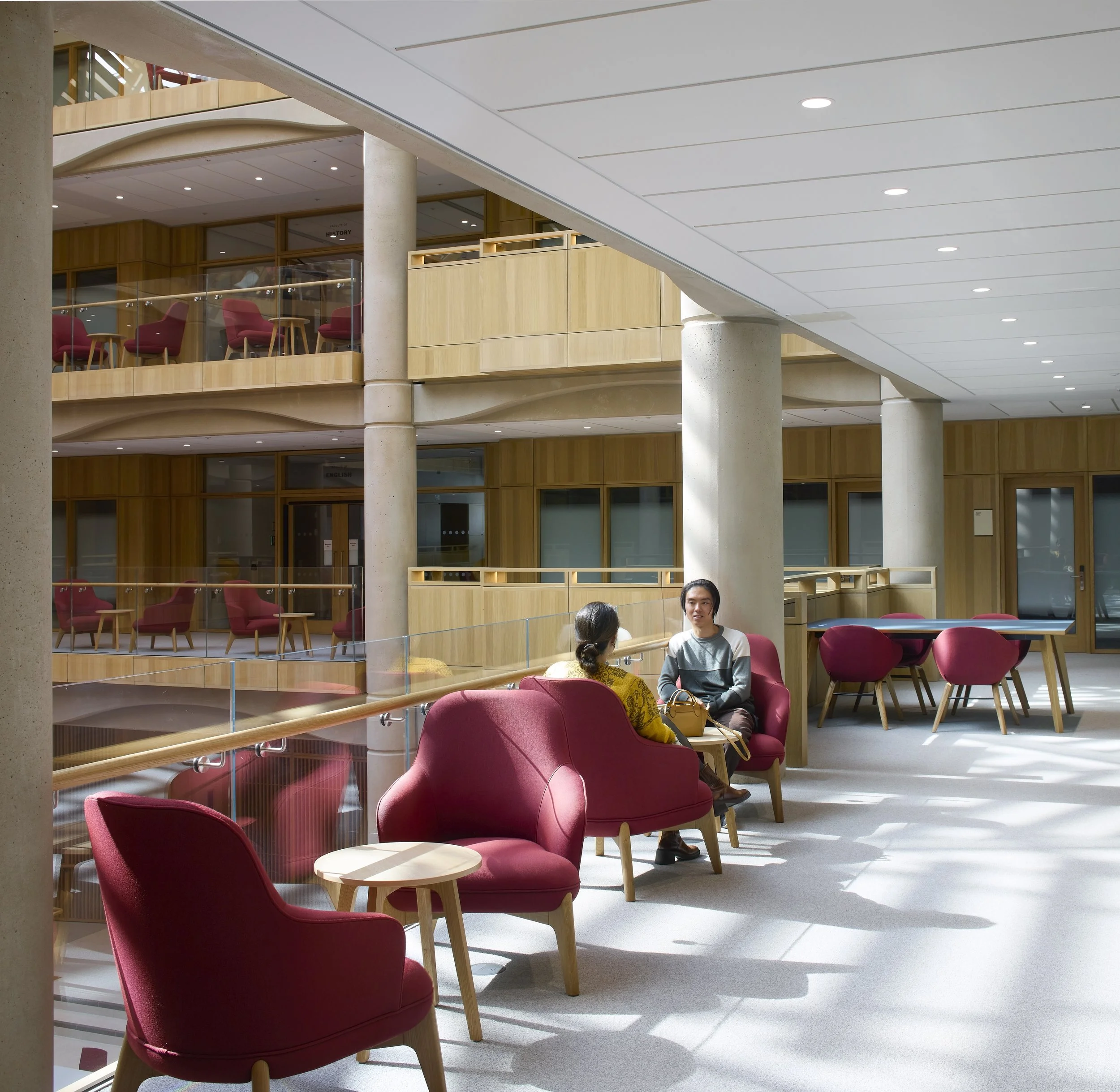
Watts took us through the full arc of the project, from the original 2019 competition through planning submission in March 2022 and breaking ground in January 2023. Much of the early design work, including intensive stakeholder engagement across seven faculties, happened remotely during COVID — a process he described as surprisingly effective. At the heart of the design is a top-lit Great Hall atrium that holds the building together while giving each faculty its own identity and presence onto a shared internal forum. It's clearly well-loved already; Watts noted that finding a seat there since students moved in has become something of a challenge.
The presentation also gave real depth to the technical delivery. Much of the building was prefabricated — 152 individually designed facade panels in Clipsham stone and buff brick — allowing the frame to be topped out by May 2024 at roughly a floor a month. The performance venues use box-in-box acoustic isolation throughout, with the concert hall's 25-tonne roof trusses requiring one of Europe's largest mobile cranes to install.
On Passive House, the ambition was initially framed as designing to "Passive House principles" rather than pushing for full certification — a deliberate choice that kept stakeholders from getting risk-averse too early. The outcome, a weighted average U-value of 0.12 W/m²K and airtightness of 0.66, more than vindicates the approach.
For AIA UK members, the project speaks to so much that is front of mind right now: managing complex multi-stakeholder briefs, meeting high-performance sustainability targets, and leveraging prefabrication to deliver on demanding programmes. The public programme opens in April 2026 — well worth putting on the radar for a visit.
Written by Taylor Rogers, AIA
Building Tour - Urbanest Battersea, A New Benchmark for Passivhaus Student Living in London
Photo credit AHMM
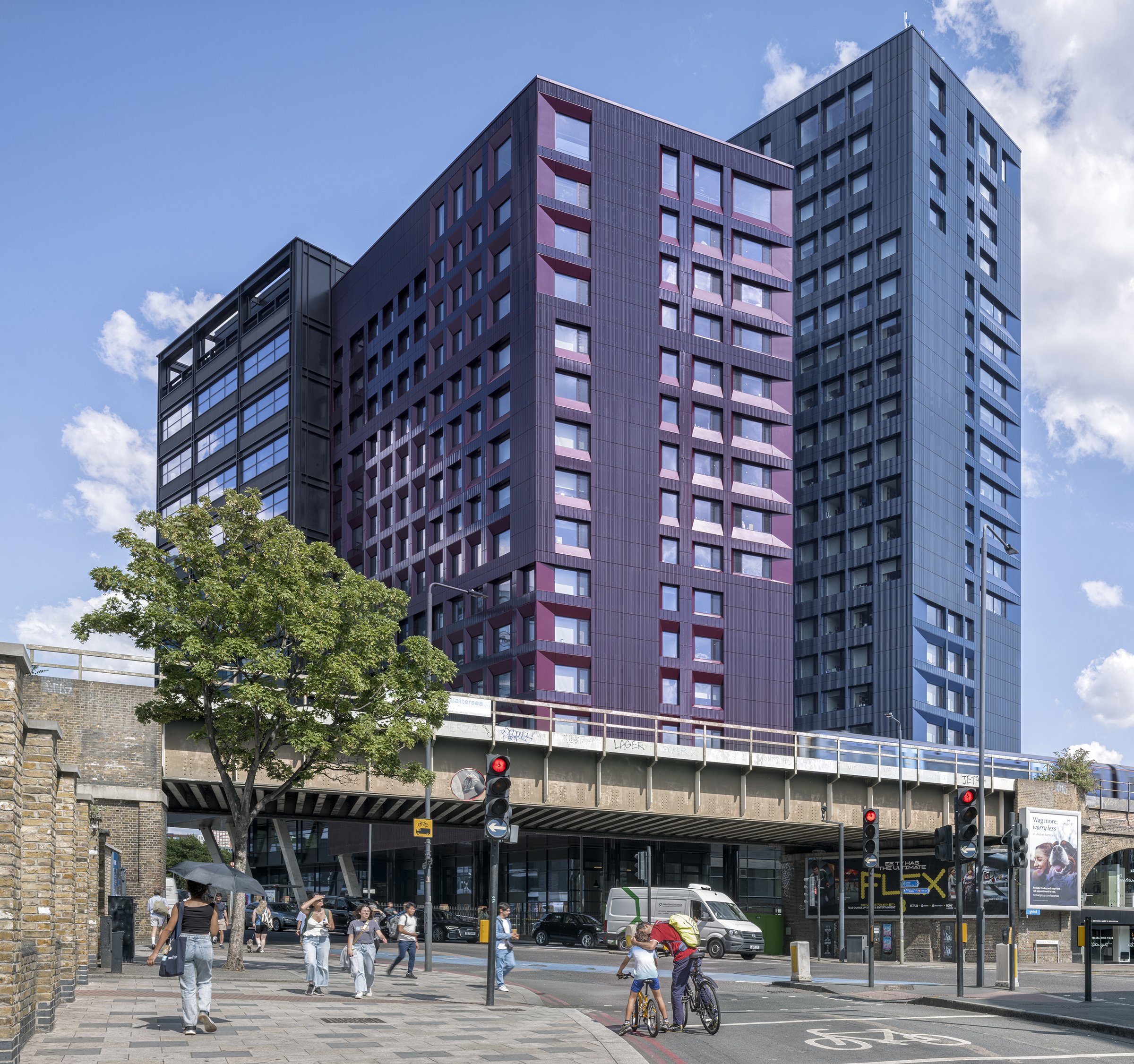
On 9 October, we had the opportunity to tour Urbanest Battersea in person. Urbanest positions itself as London’s leading student accommodation provider, with nine distinctive properties across central London. With 853 student beds distributed across buildings reaching up to 19 storeys, Urbanest Battersea is also Europe’s largest student accommodation development constructed to Passivhaus standards. Having previously toured Urbanest City by Hopkins Architects in June, I can say without reservation that Urbanest’s approach meaningfully redefines contemporary student housing.
The student rooms are well considered, each incorporating a bed, built-in desk and chair, wardrobe, and a private shower room. Comfort cooling and heating are provided alongside an air-filtration system and augmented acoustic dampening. Clusters of rooms share fully furnished communal kitchens with generous dining areas. Public amenities are extensive and of a notably high standard, including a gym, cinema room, rooftop terraces offering expansive city views, and a variety of communal study spaces. Attention to detail and finishes is consistently strong throughout.
Designed by AHHM, Urbanest Battersea recently became the UK’s largest certified Passivhaus development after passing a demanding series of airtightness tests. Located on the south side of Battersea Park Road, opposite the emerging Battersea Power Station district, the scheme comprises three student residential buildings and a dedicated commercial building, forming a highly sustainable and thoughtfully articulated ensemble.
Three of the four buildings are connected by a shared podium, with heights ranging from 11 to 19 storeys and creating a dynamic skyline. Our guide, Flora Genel, explained that the staggered building heights and stepping massing are deliberately arranged to frame key views, while the podium unifies the scheme around landscaped courtyard gardens. She also highlighted the glazed terracotta façades—rendered in a vibrant palette of red, green, and blue—which reference the area’s industrial heritage as well as the surrounding brickwork, local flora, and sky.
The design, like many contemporary student residential schemes, encourages social interaction. The three interconnected residential cores (colour-coded to match the terracotta façades) converge at podium level. This area also accommodates a public house, café, and an Enterprise Business Unit (EBU), which offers a flexible community hub for cultural events and workspace. The combination of a socially oriented design strategy, careful materiality, low-energy performance, and exemplary Passivhaus credentials—in addition to outstanding living and amenity spaces—positions Urbanest Battersea as a standout model for student accommodation in London.
Written by Gregory Fonseca, AIA
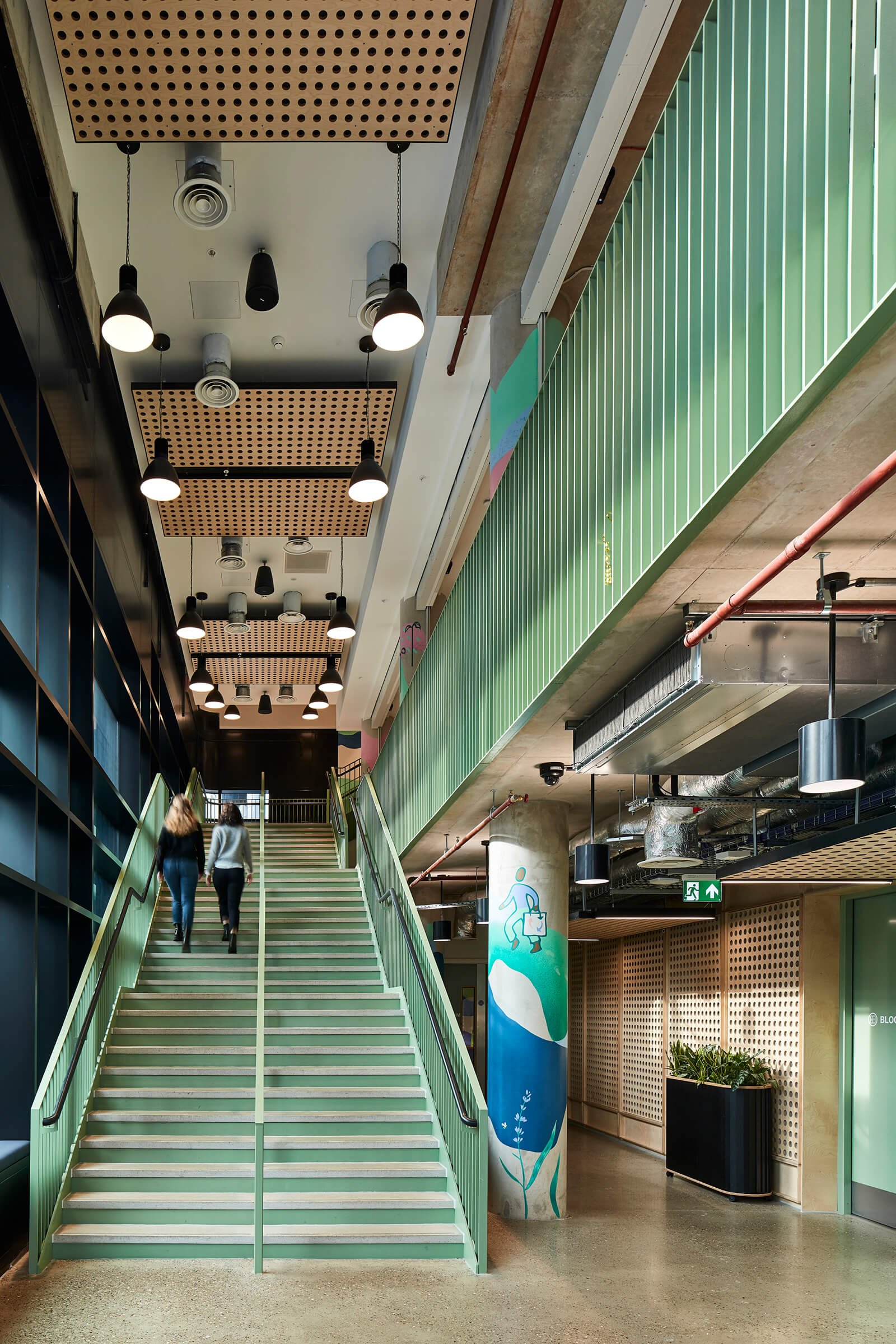
Photo credit AHMM