
AIA UK Super Saturday 2025 - Windsor and Eton
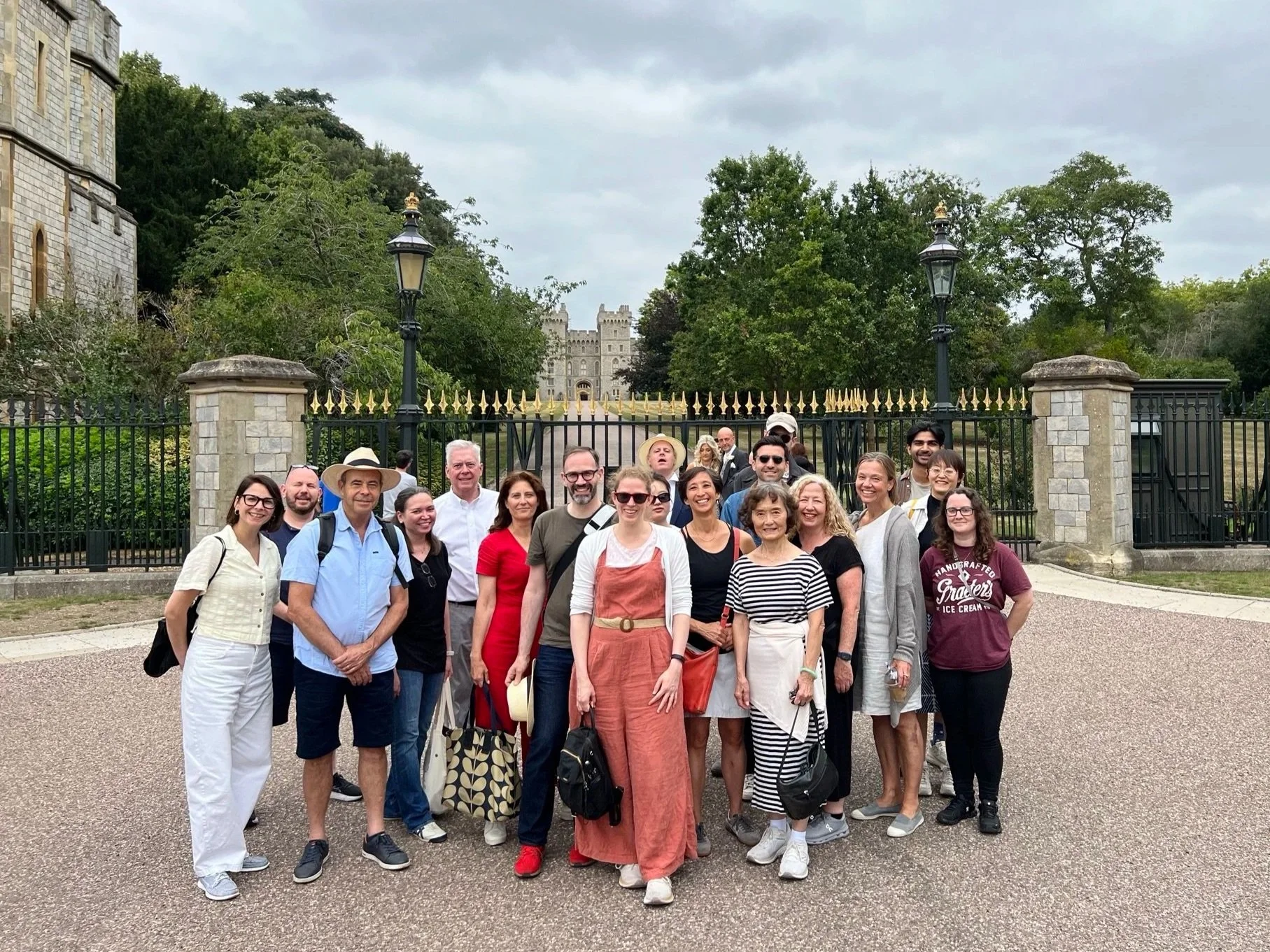
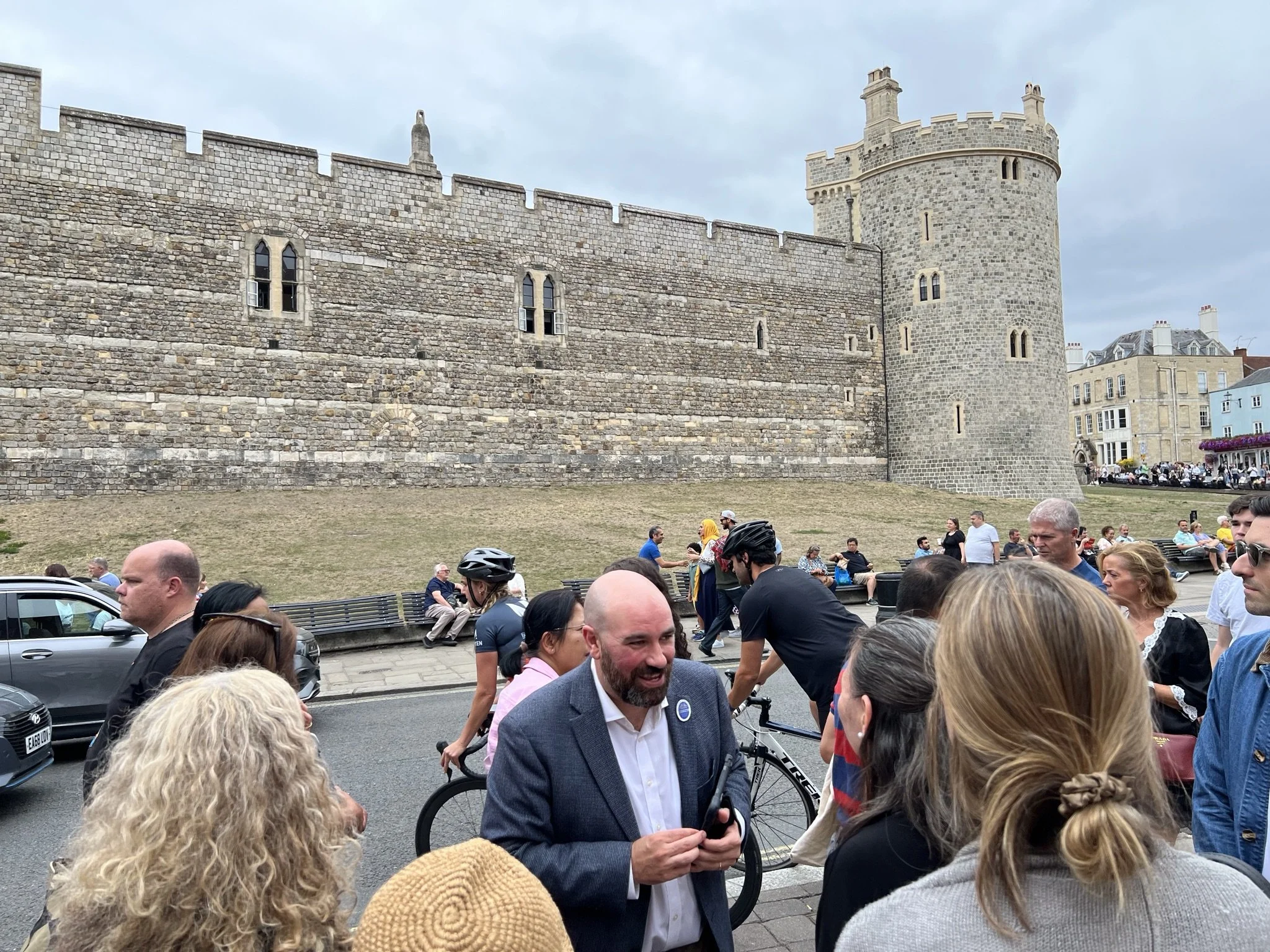
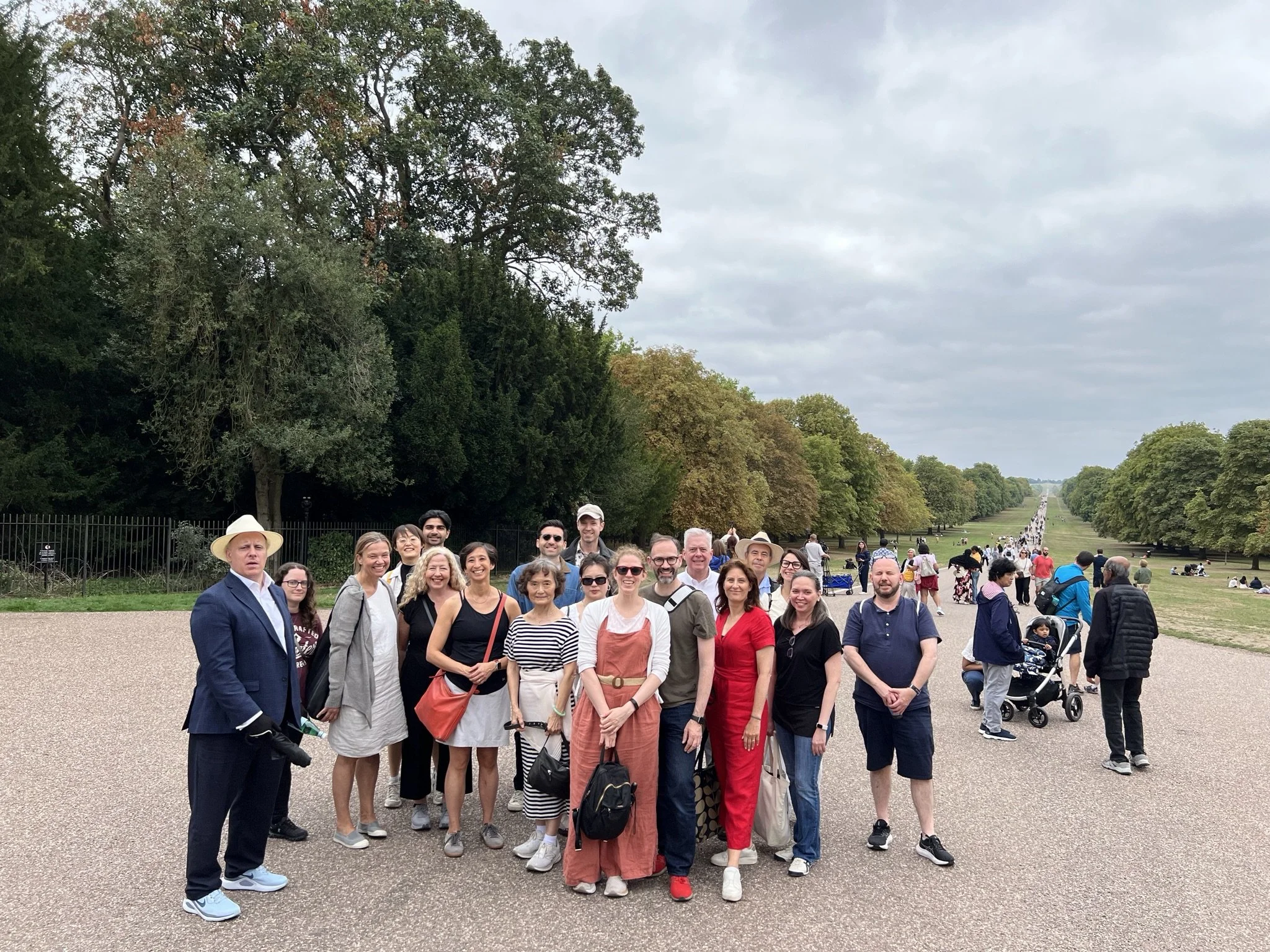
Outside Windsor Castle on The Long Walk
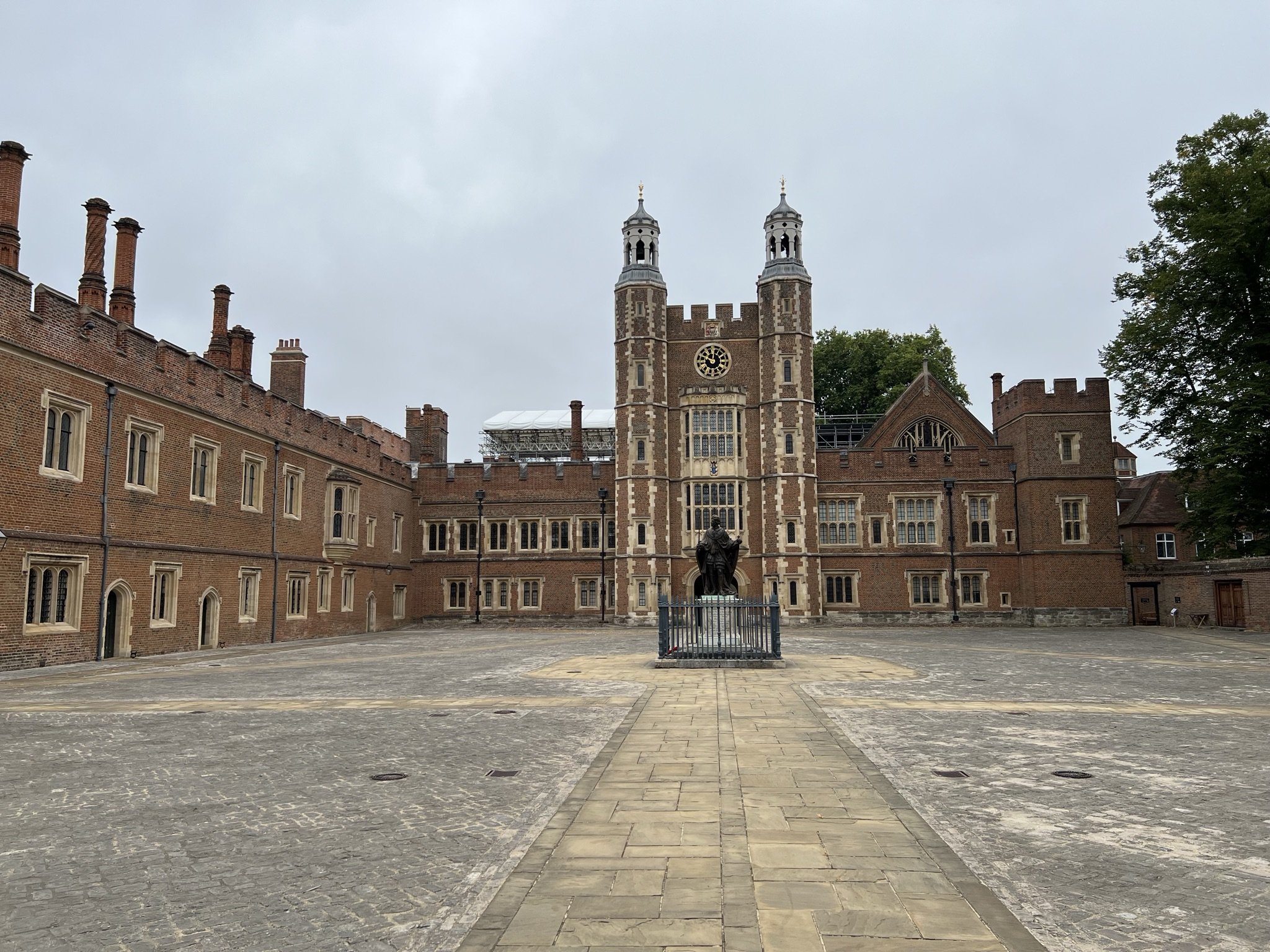
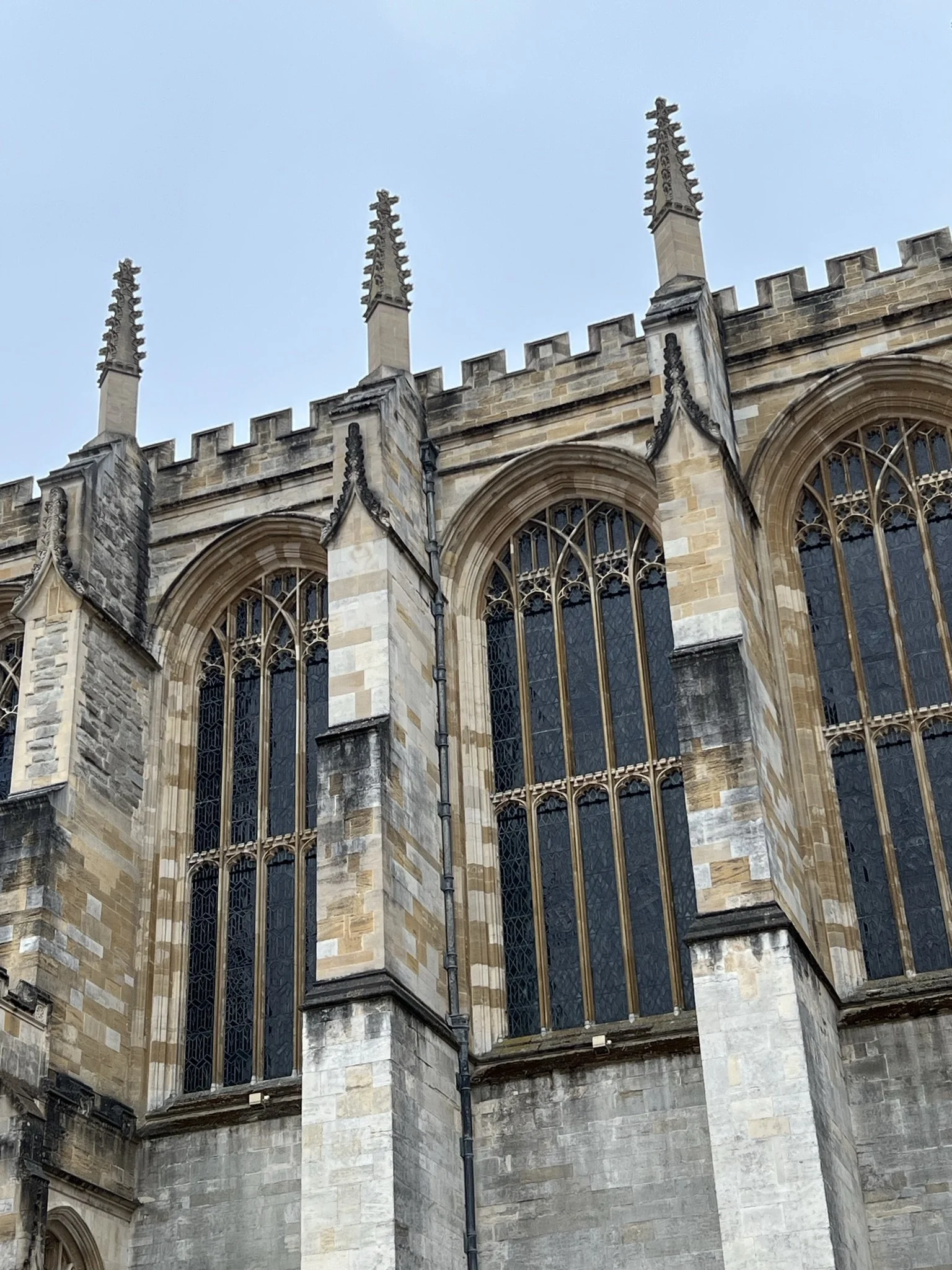
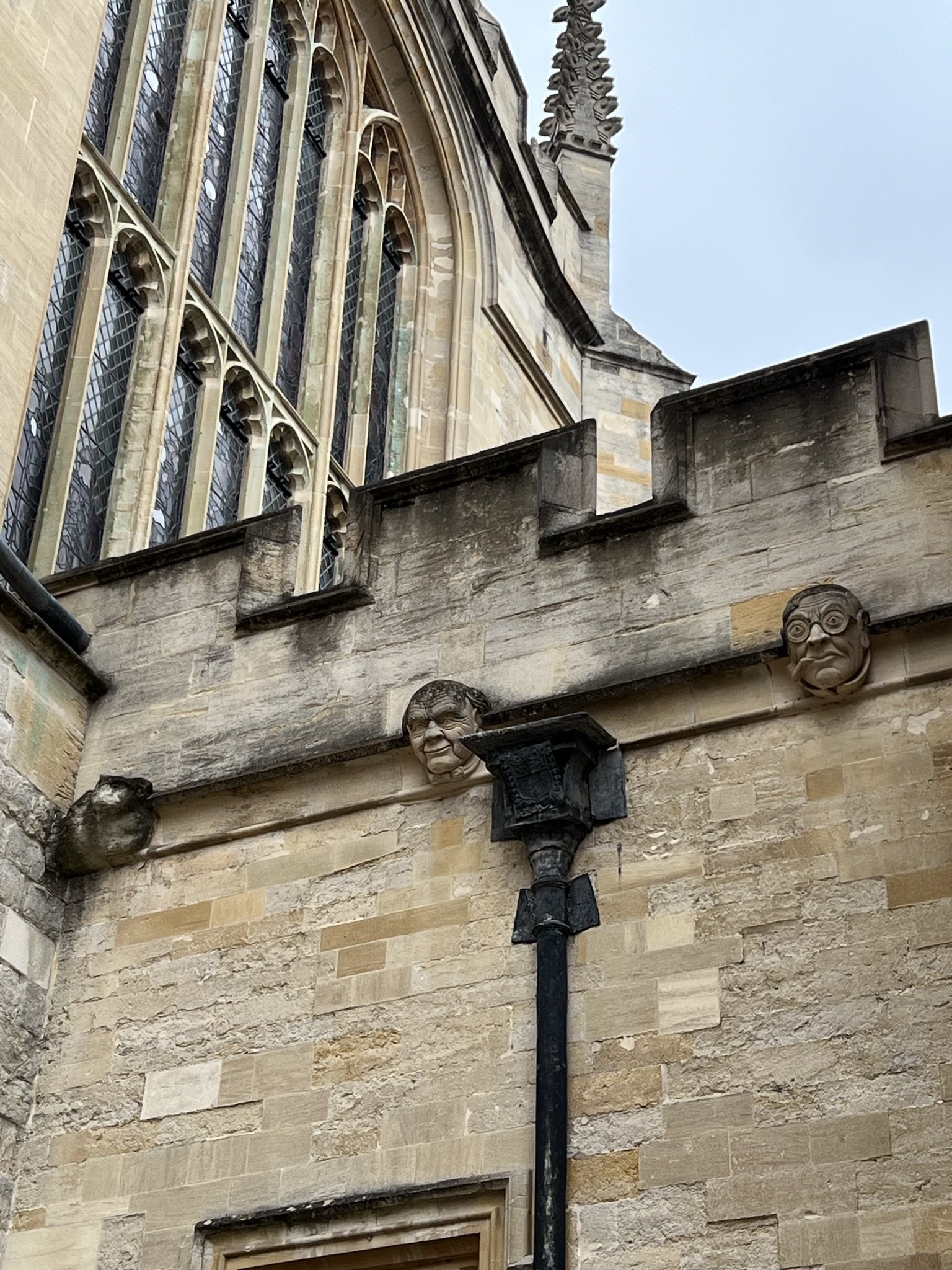
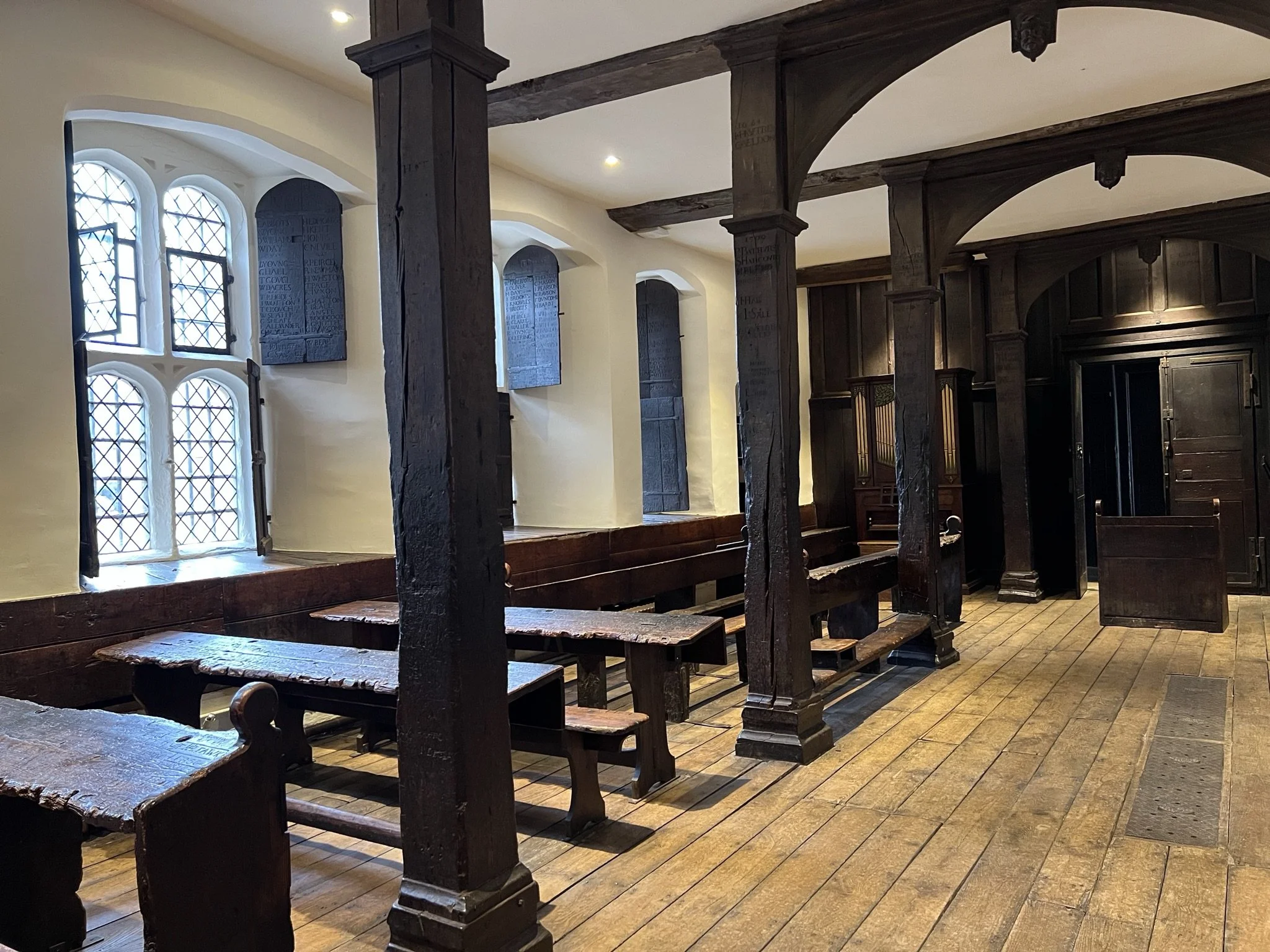
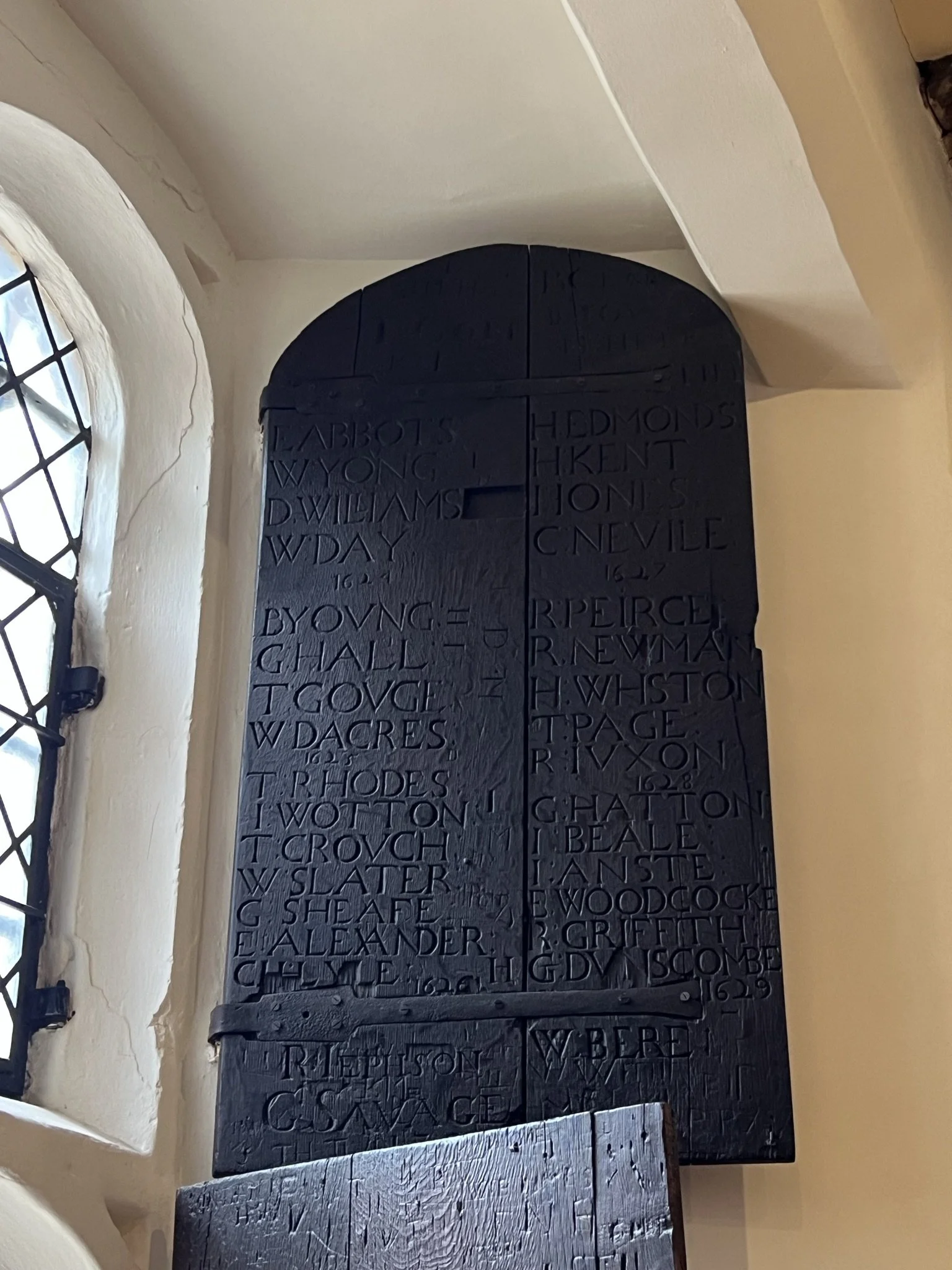
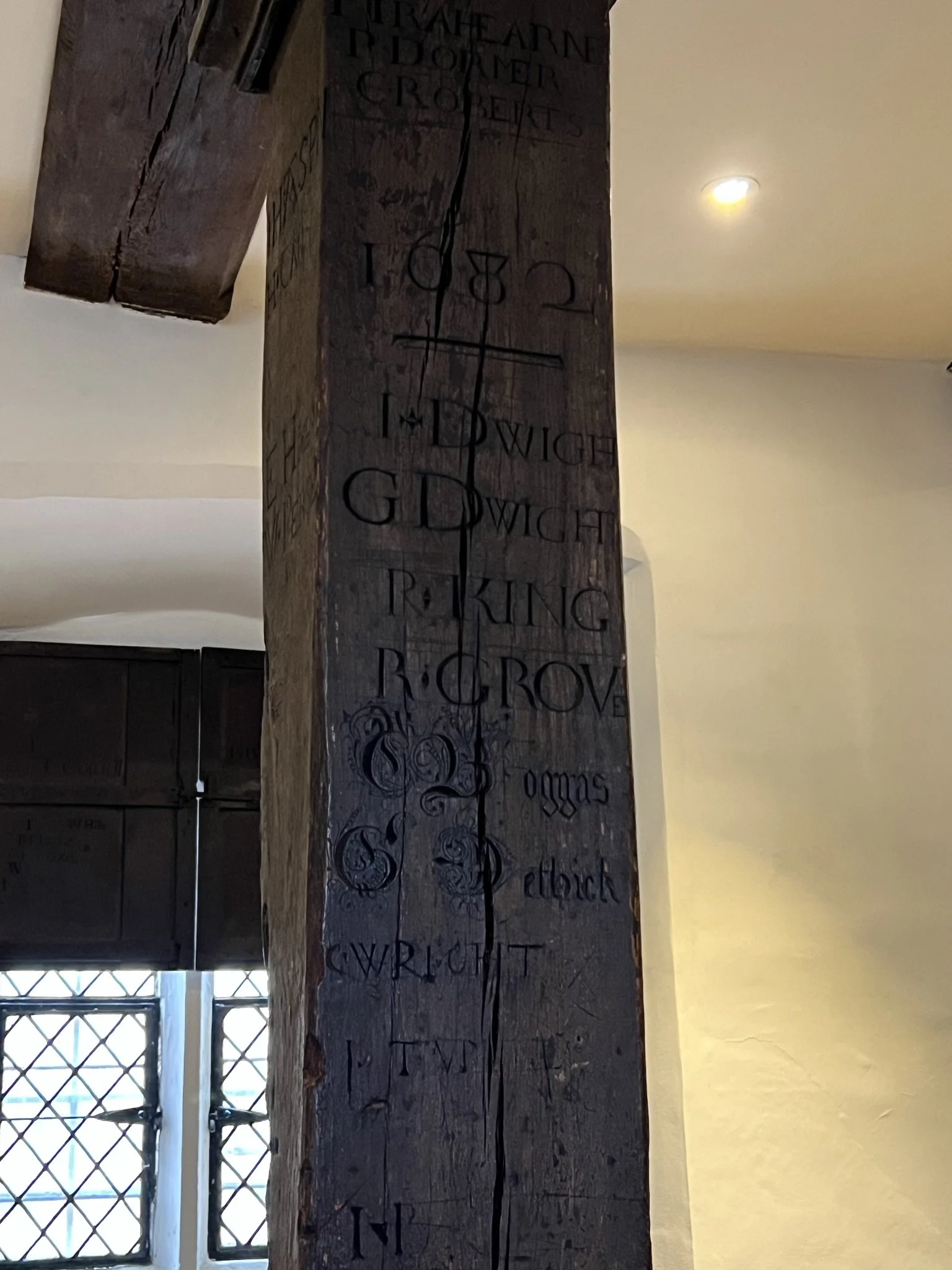
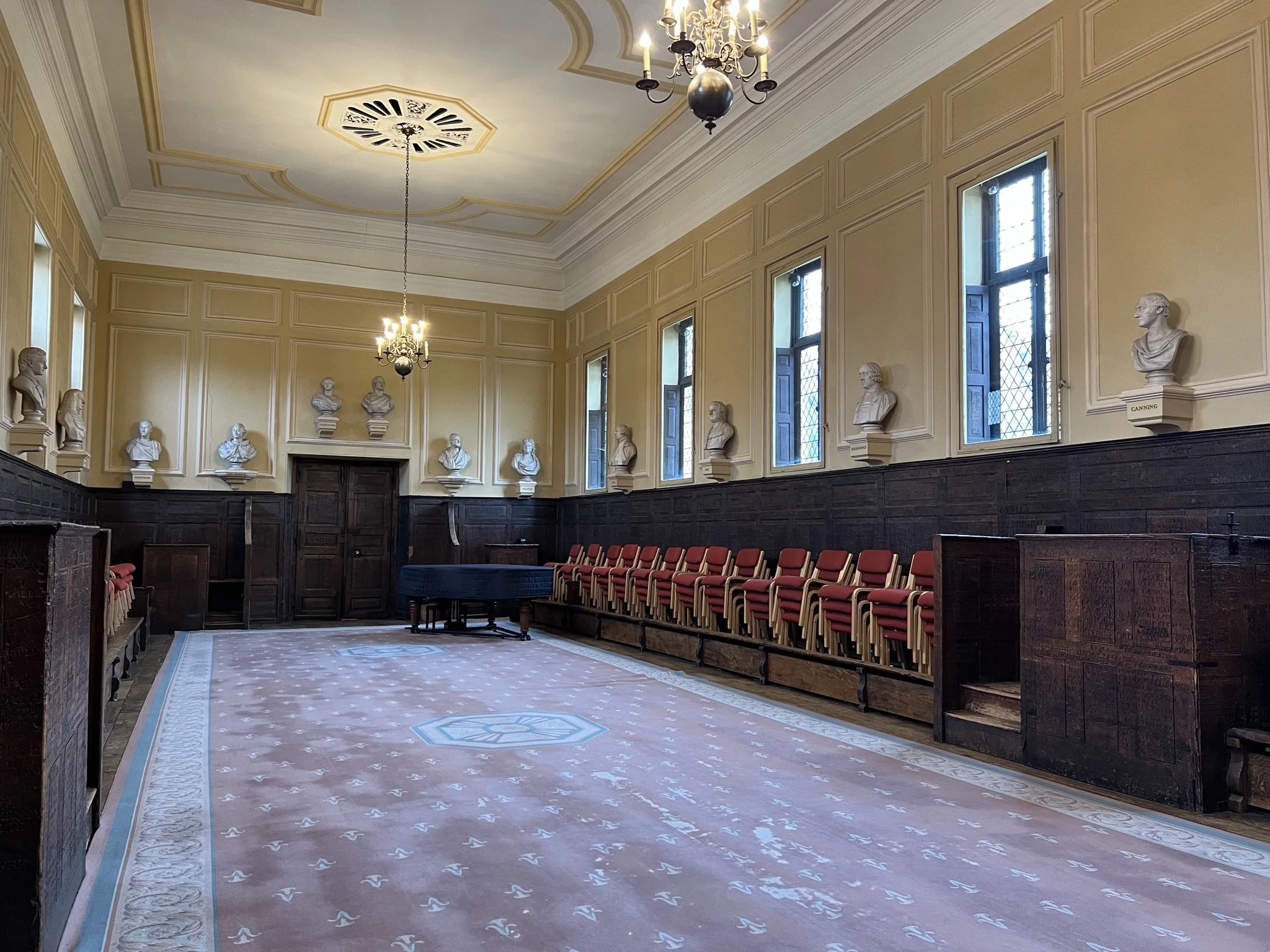
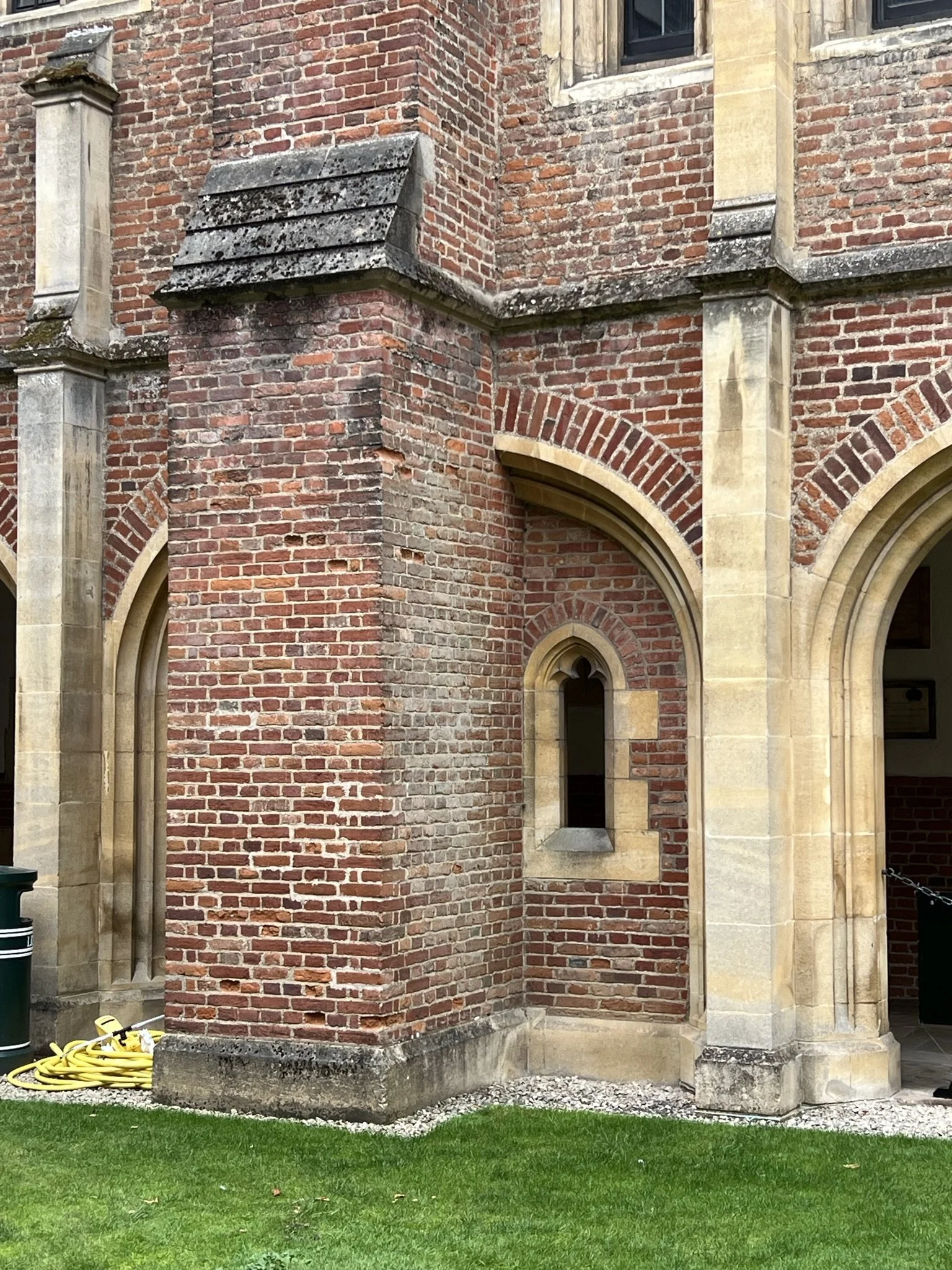
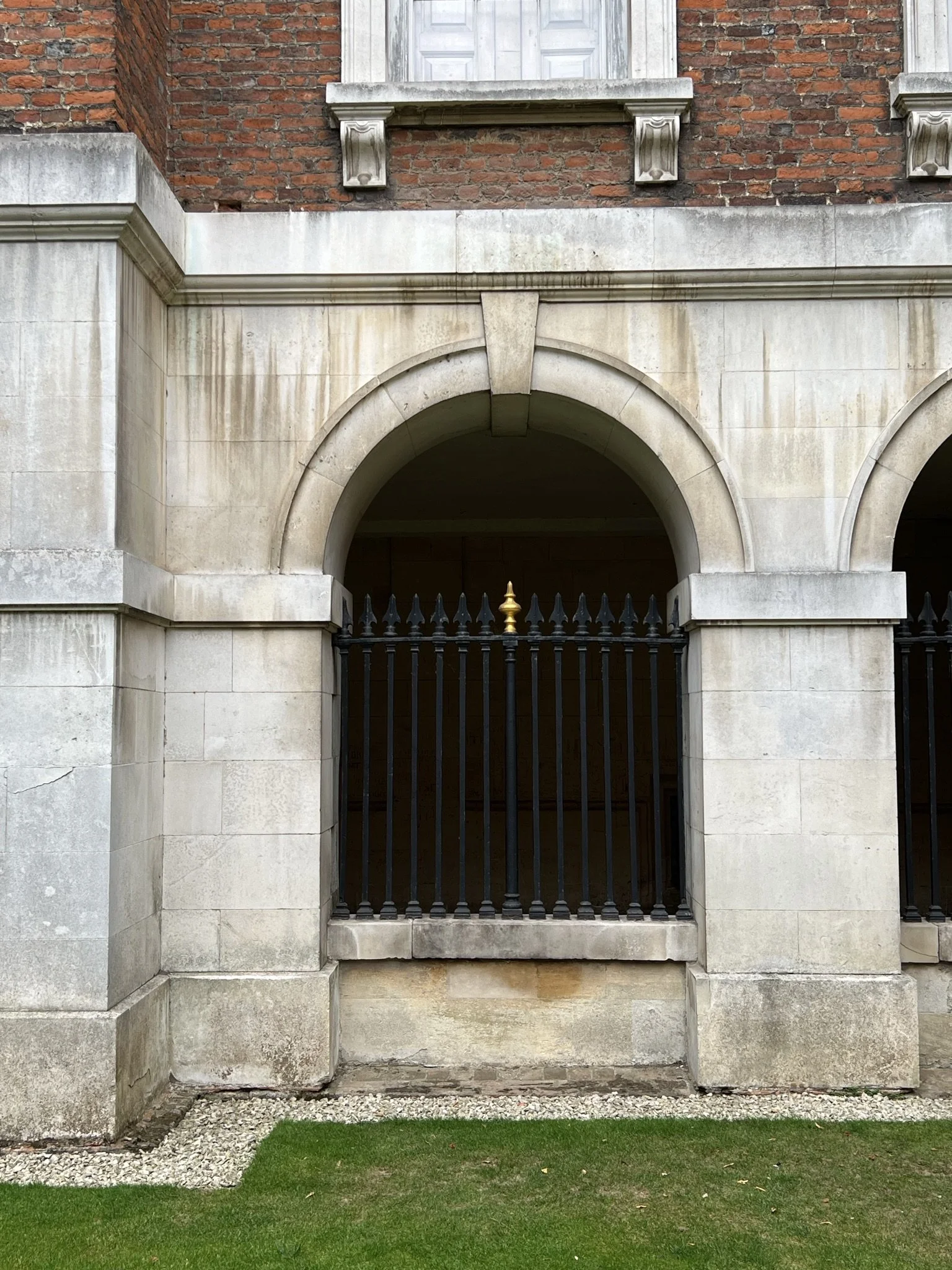
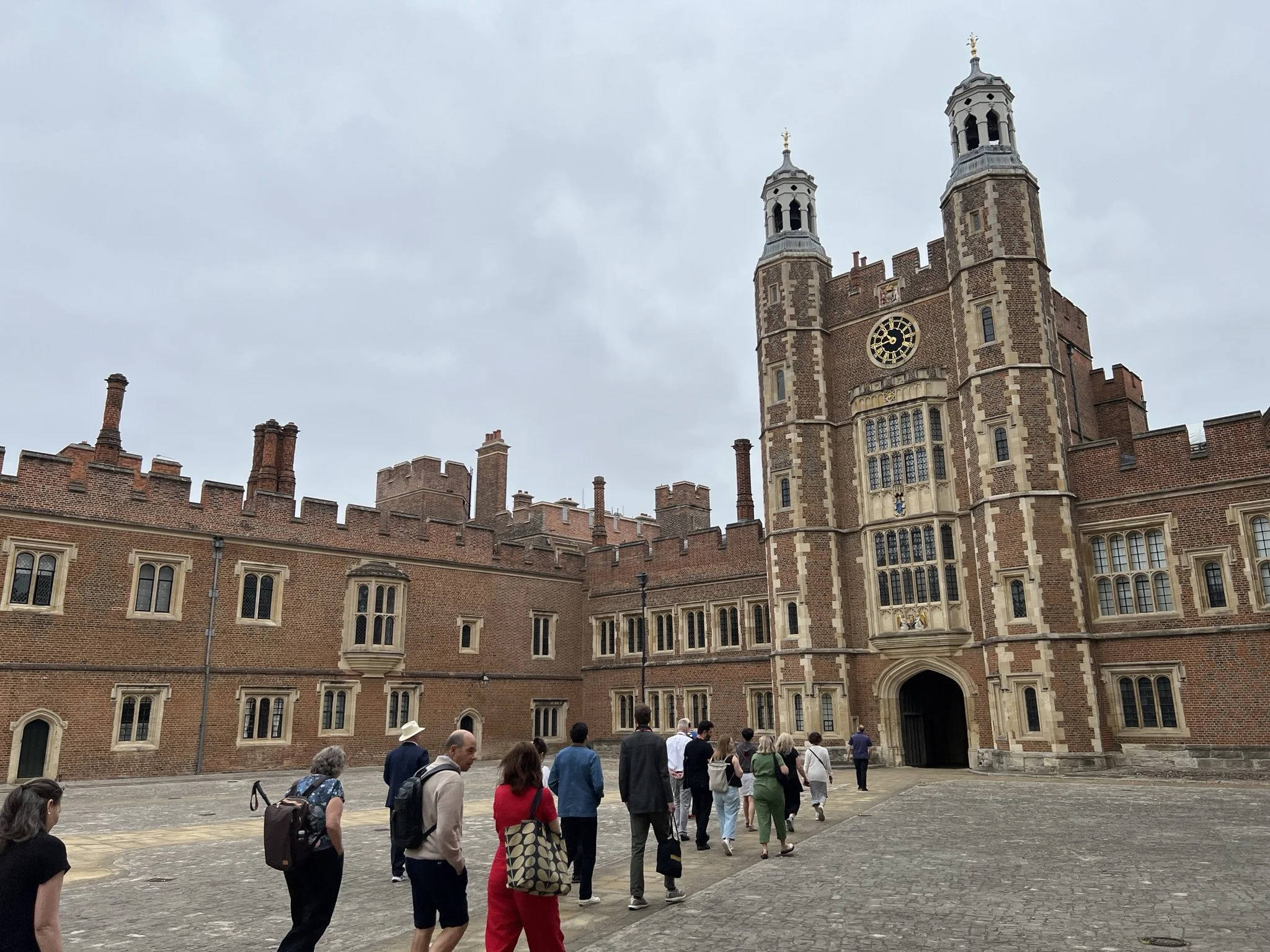
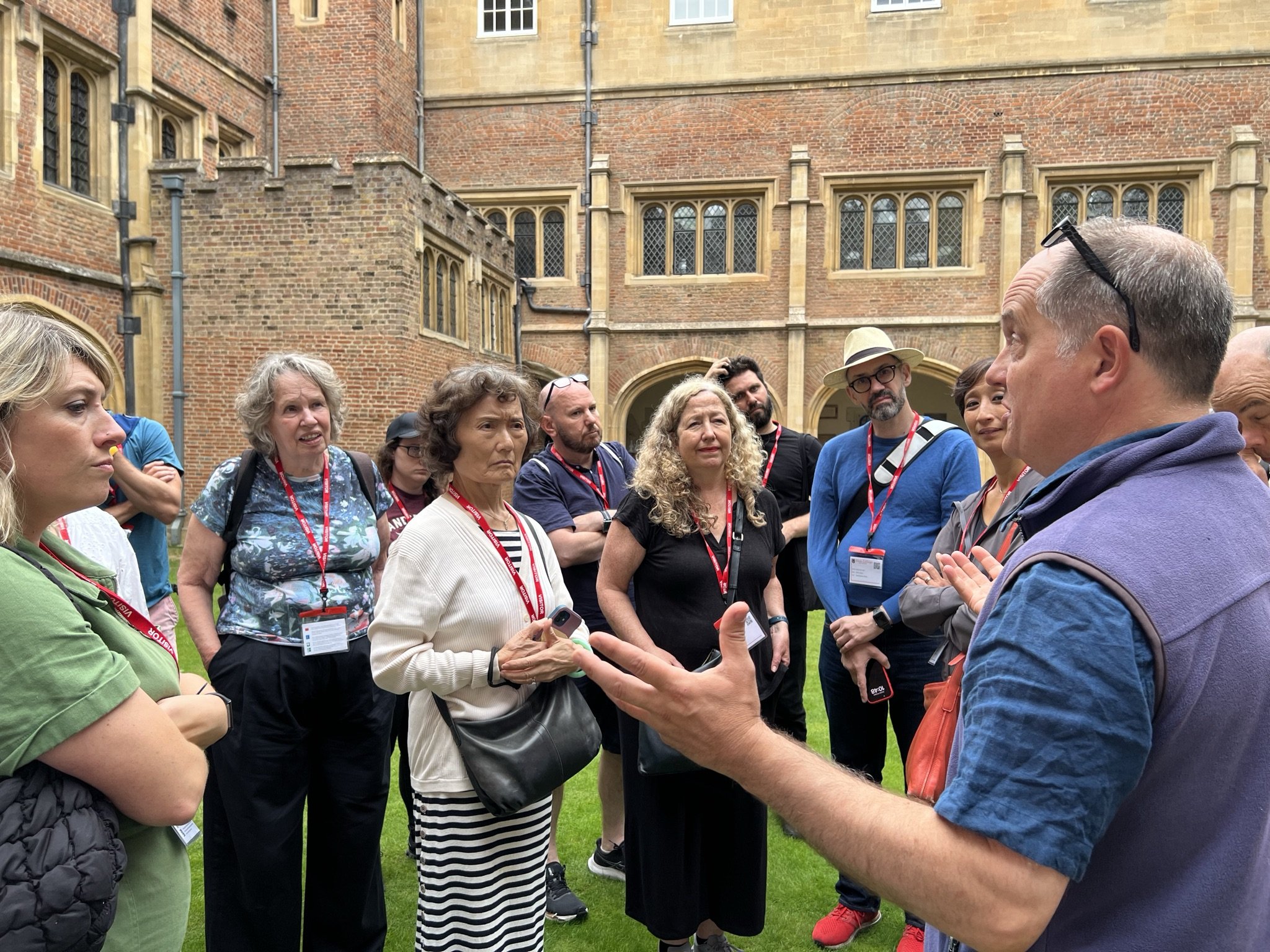
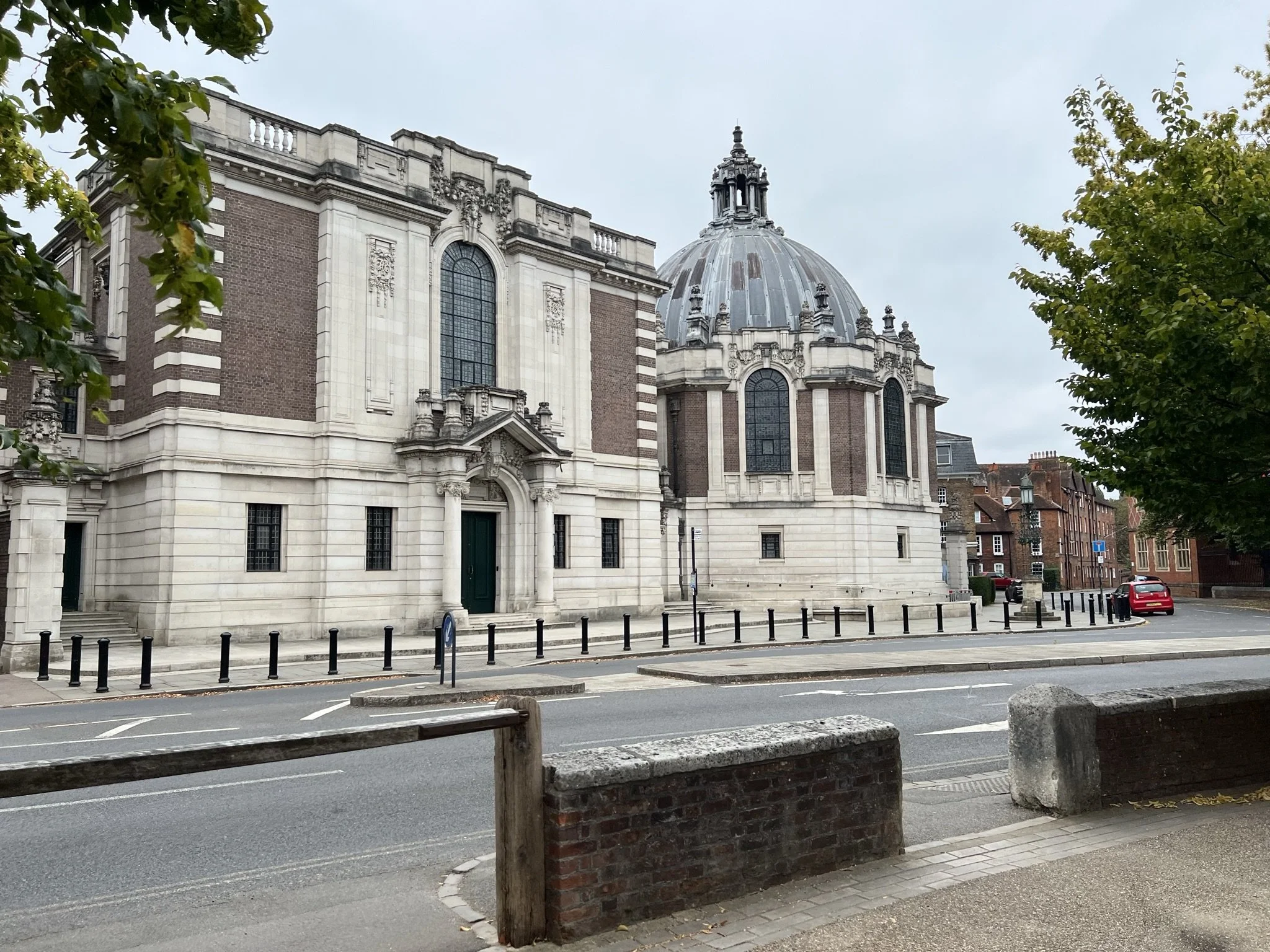
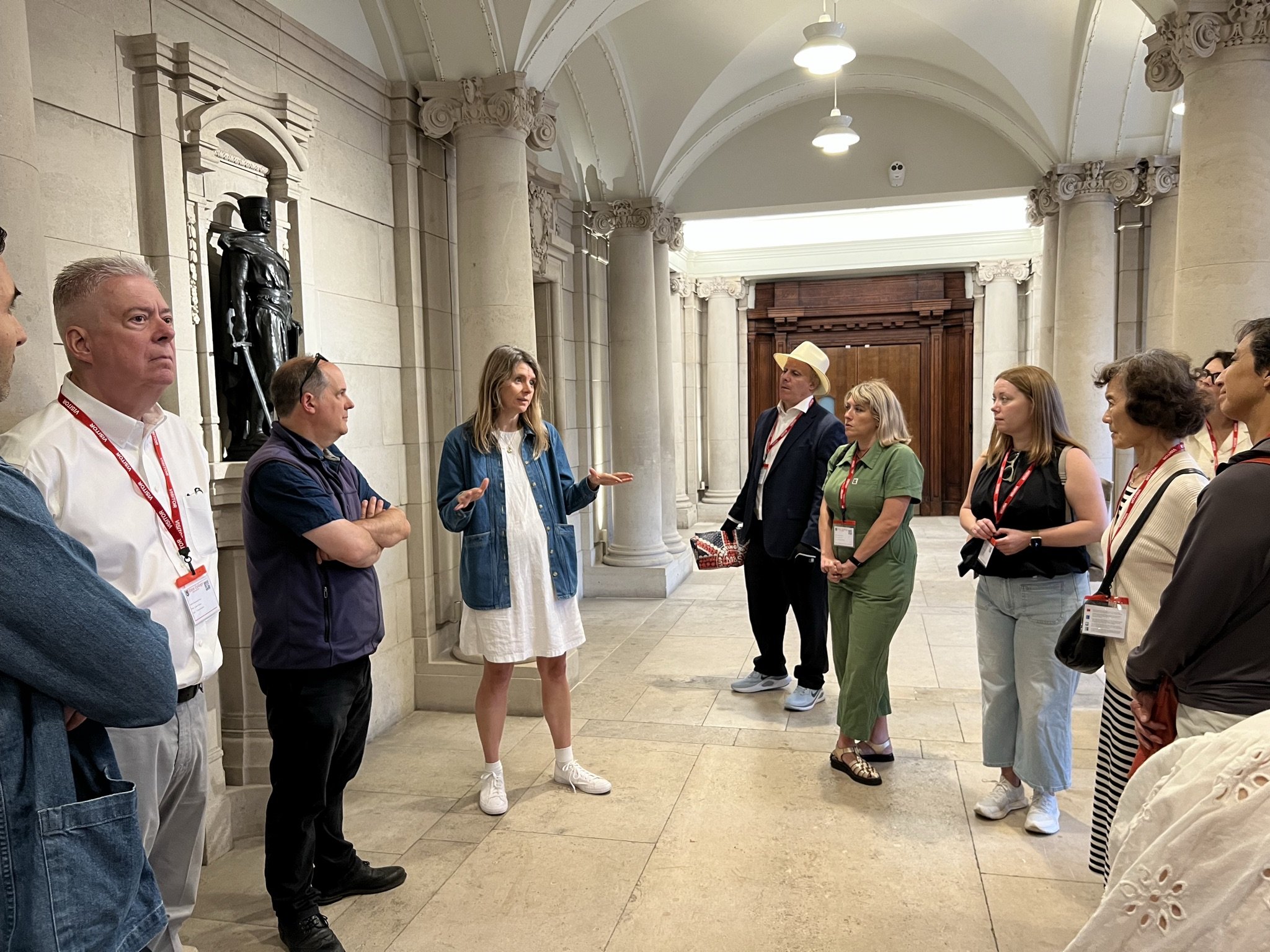
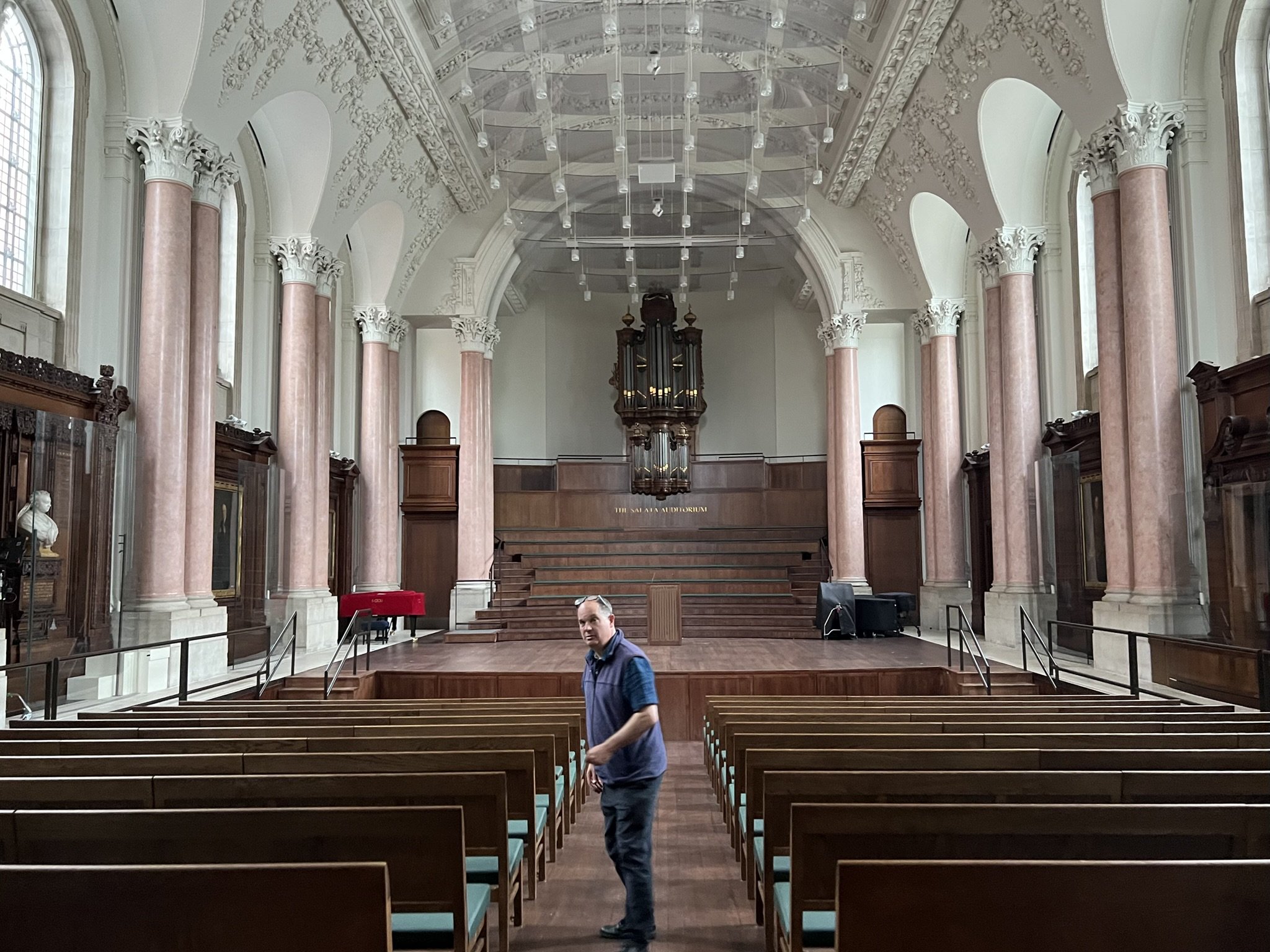
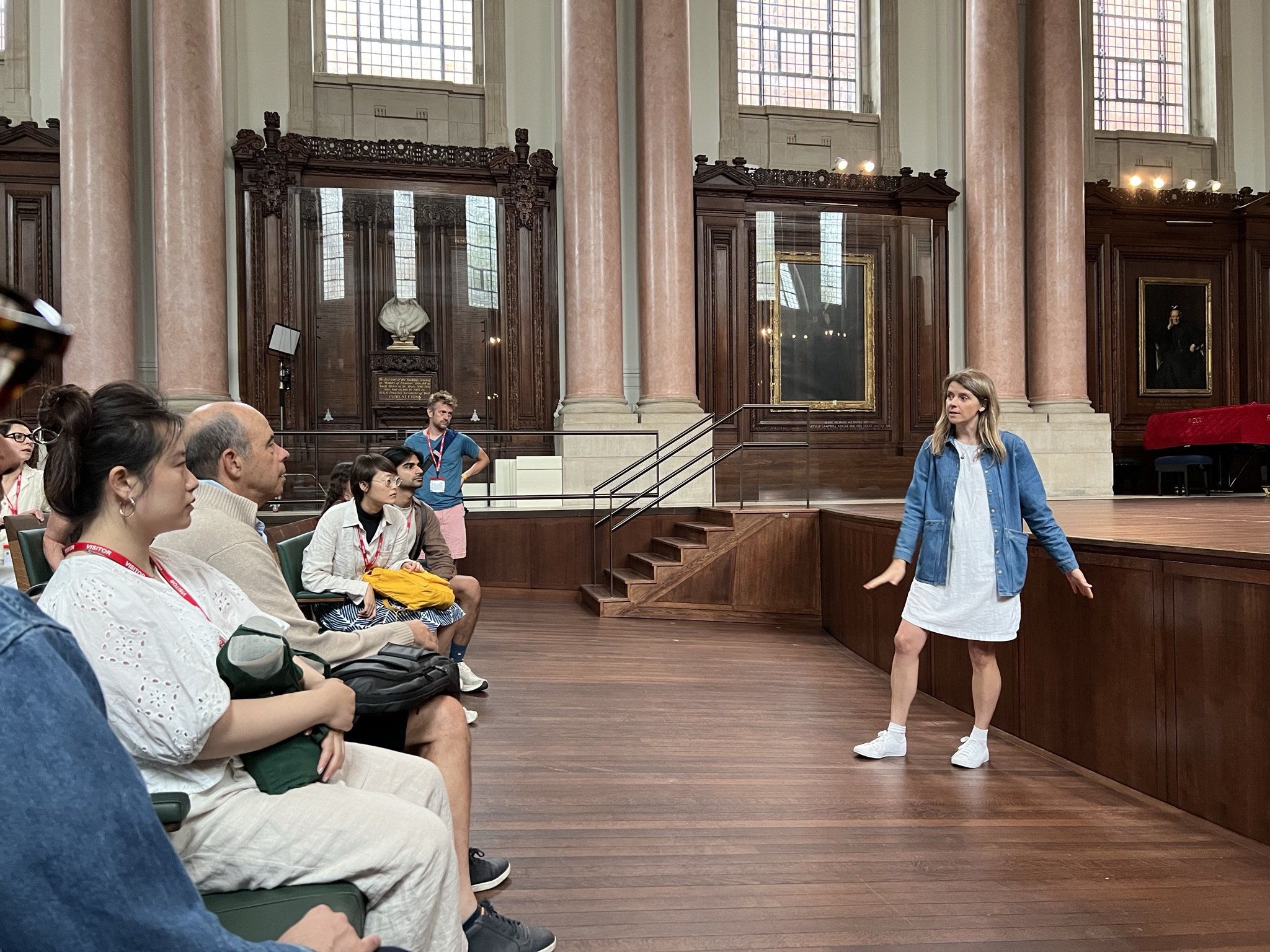
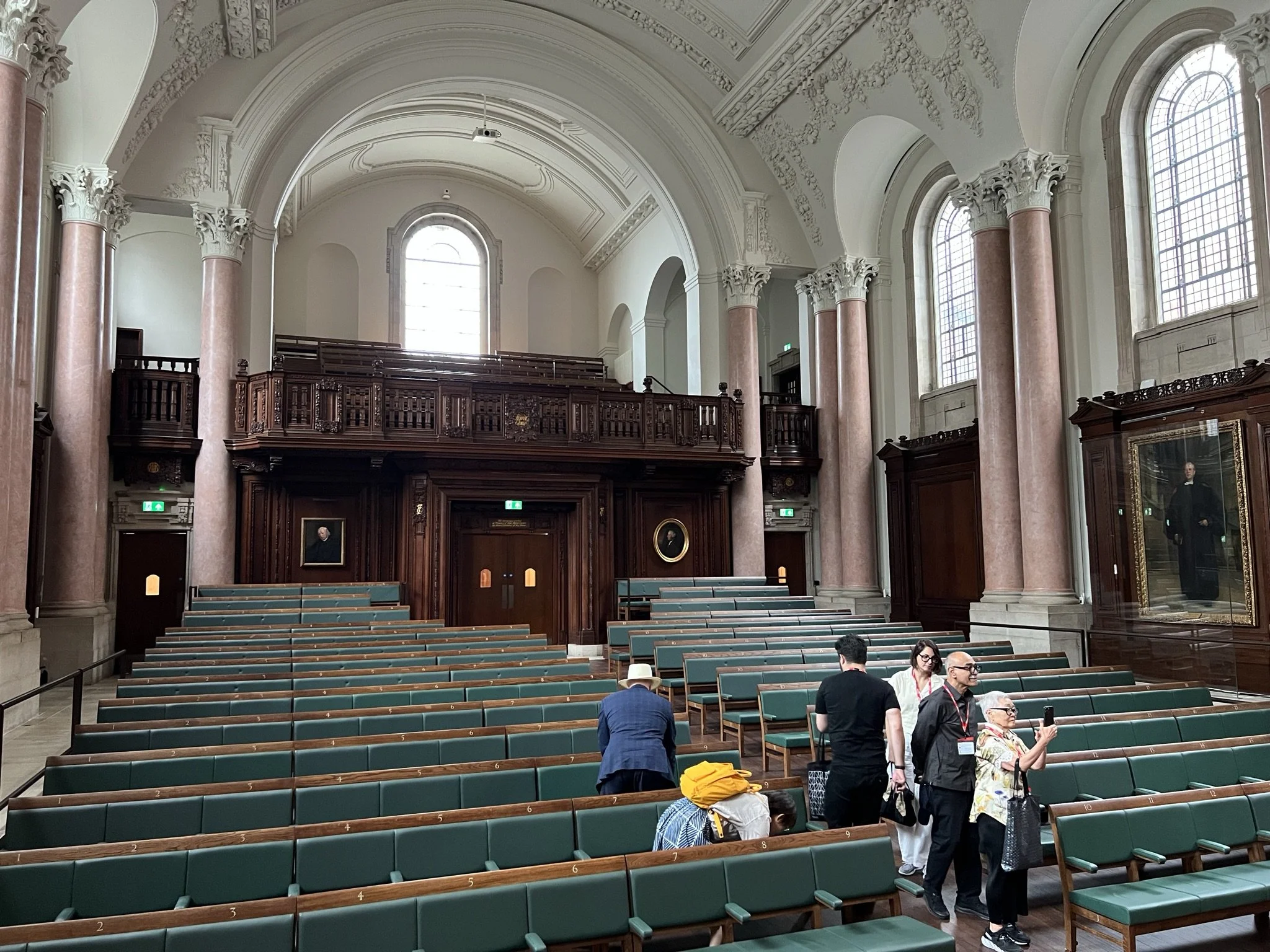
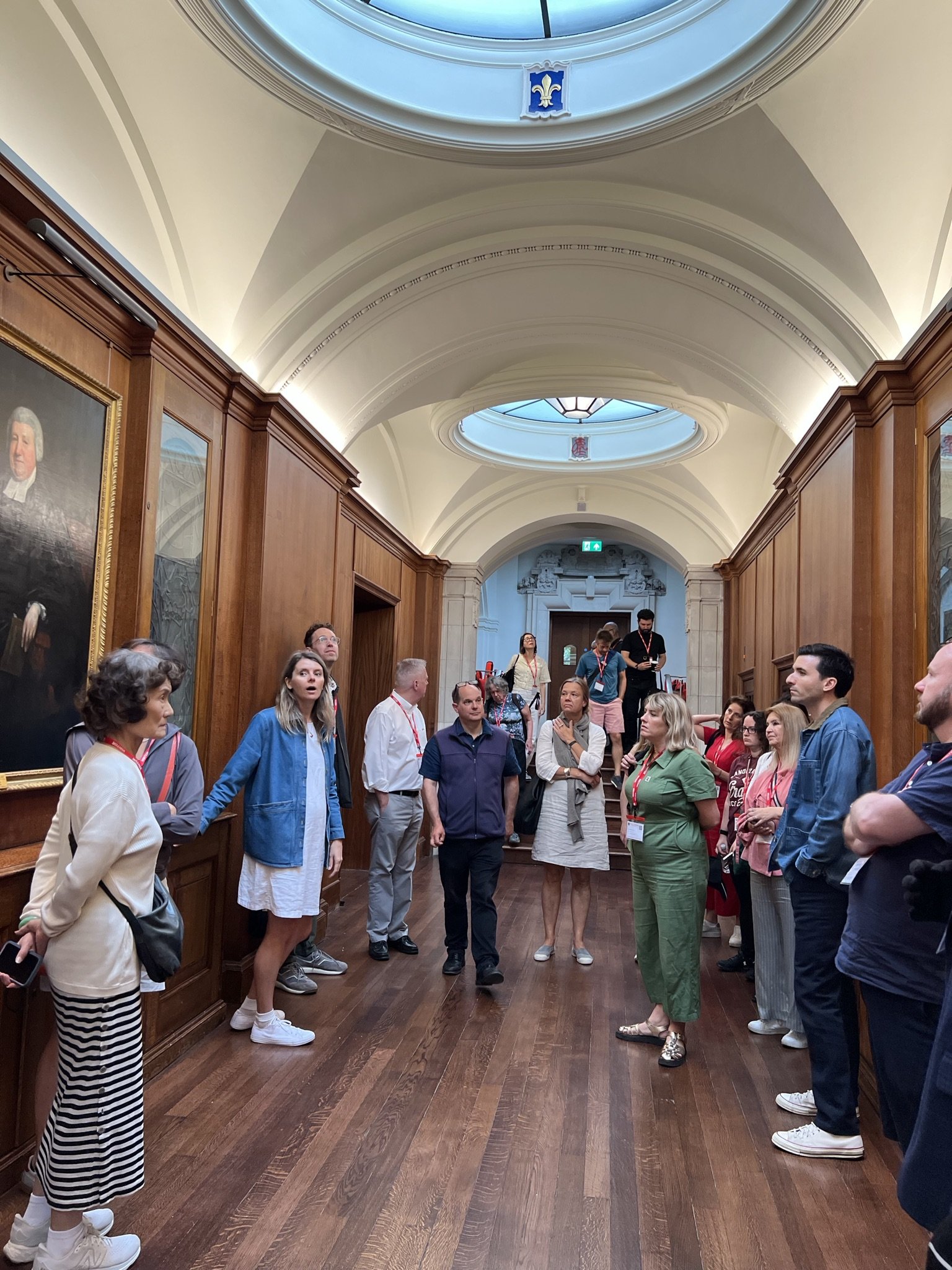
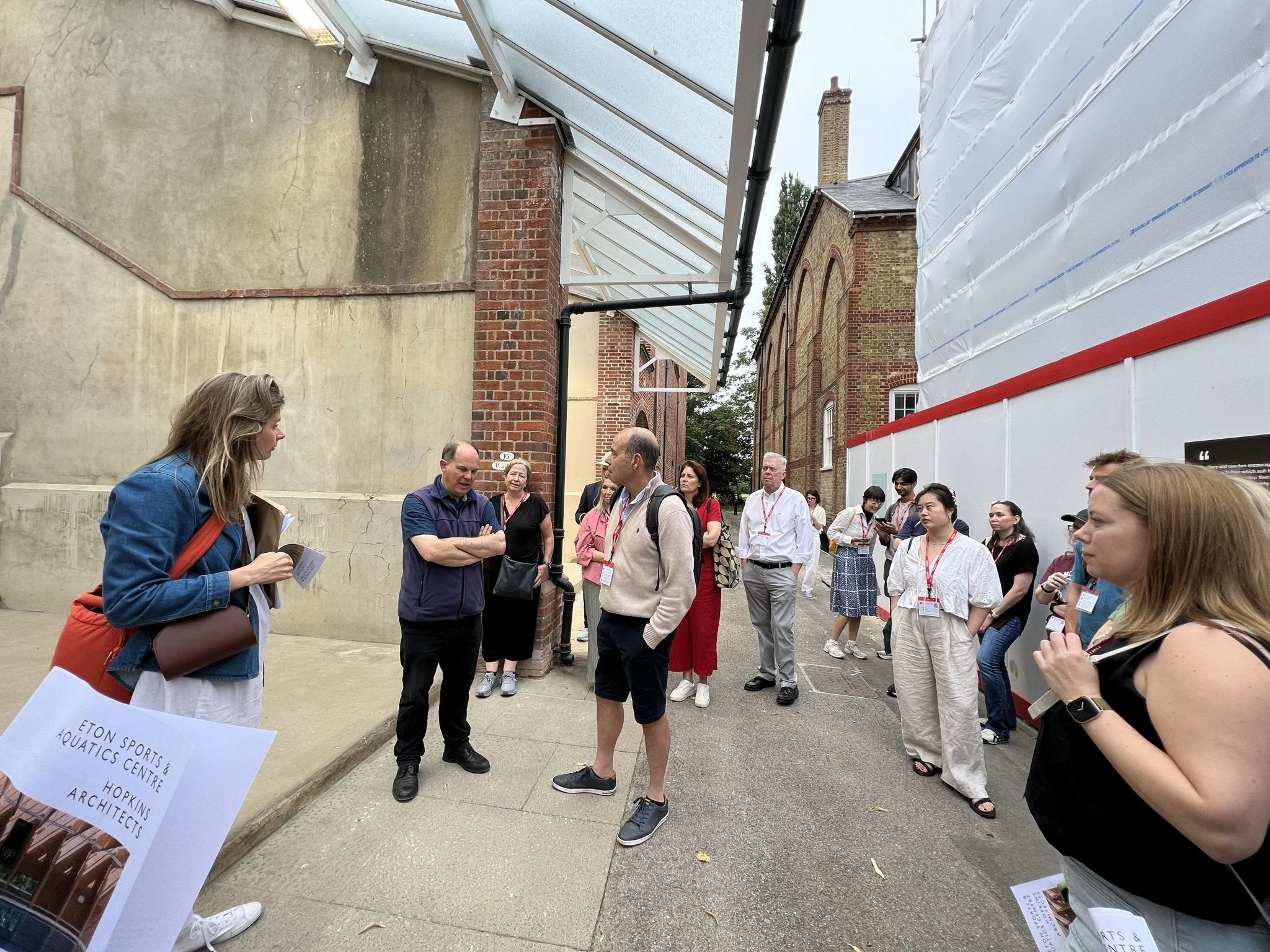
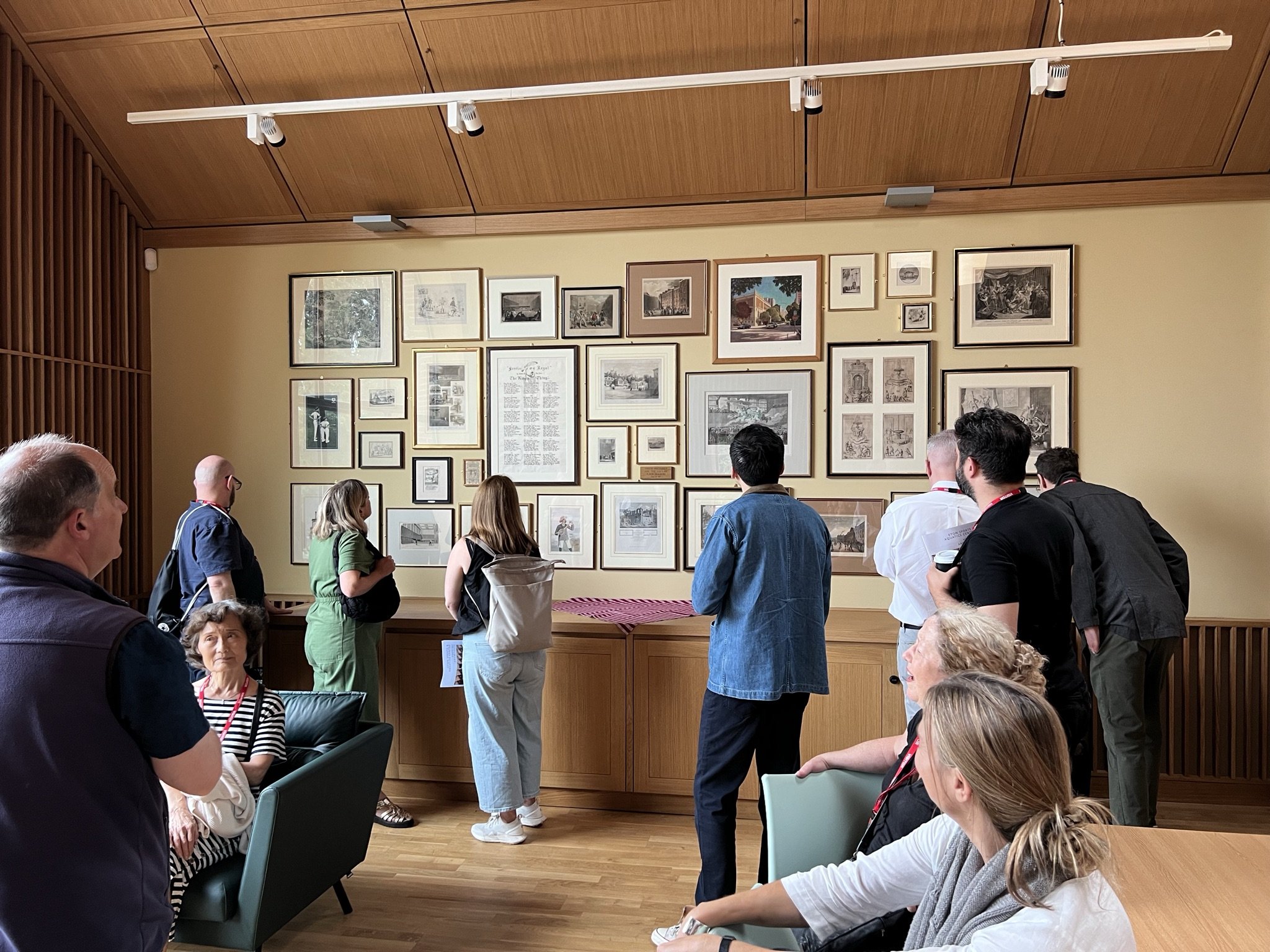
AIA UK's Super Saturday event in Windsor and Eton proved to be an exceptional day of architectural discovery and historical immersion. After gathering for morning coffee in Windsor, on 16 August 2025, our group made their way to Eton College, where we were welcomed at the Porters Lodge by Justin Nolan. His expertly guided tour took attendees through the layers of Eton's architectural heritage, from the upper and lower school buildings to the magnificent chapel and the historic college grounds that have shaped generations of students. Nolan's deep knowledge and engaging storytelling brought the centuries-old structures to life, highlighting the evolution of educational architecture and the careful balance between preservation and adaptation.
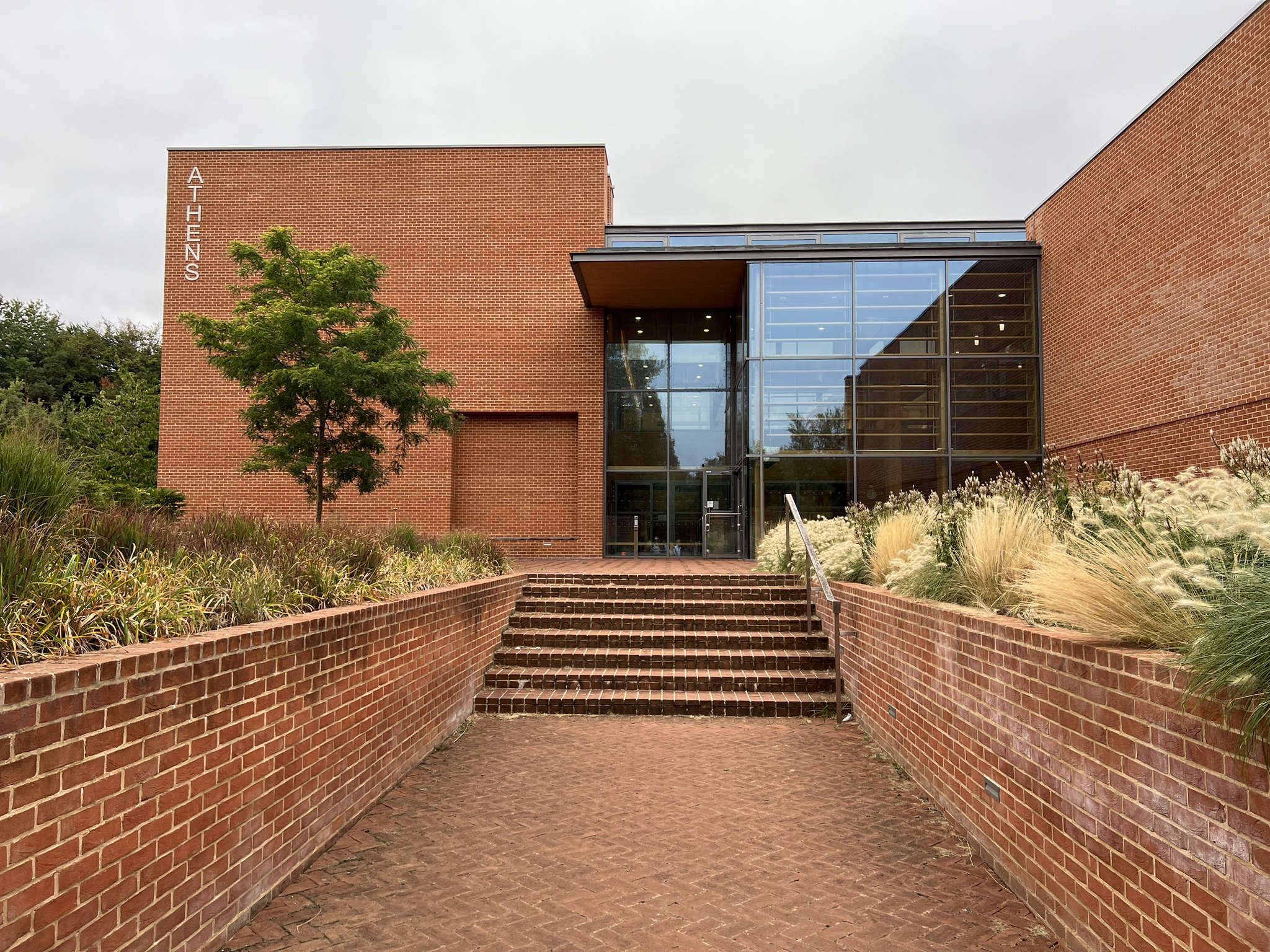
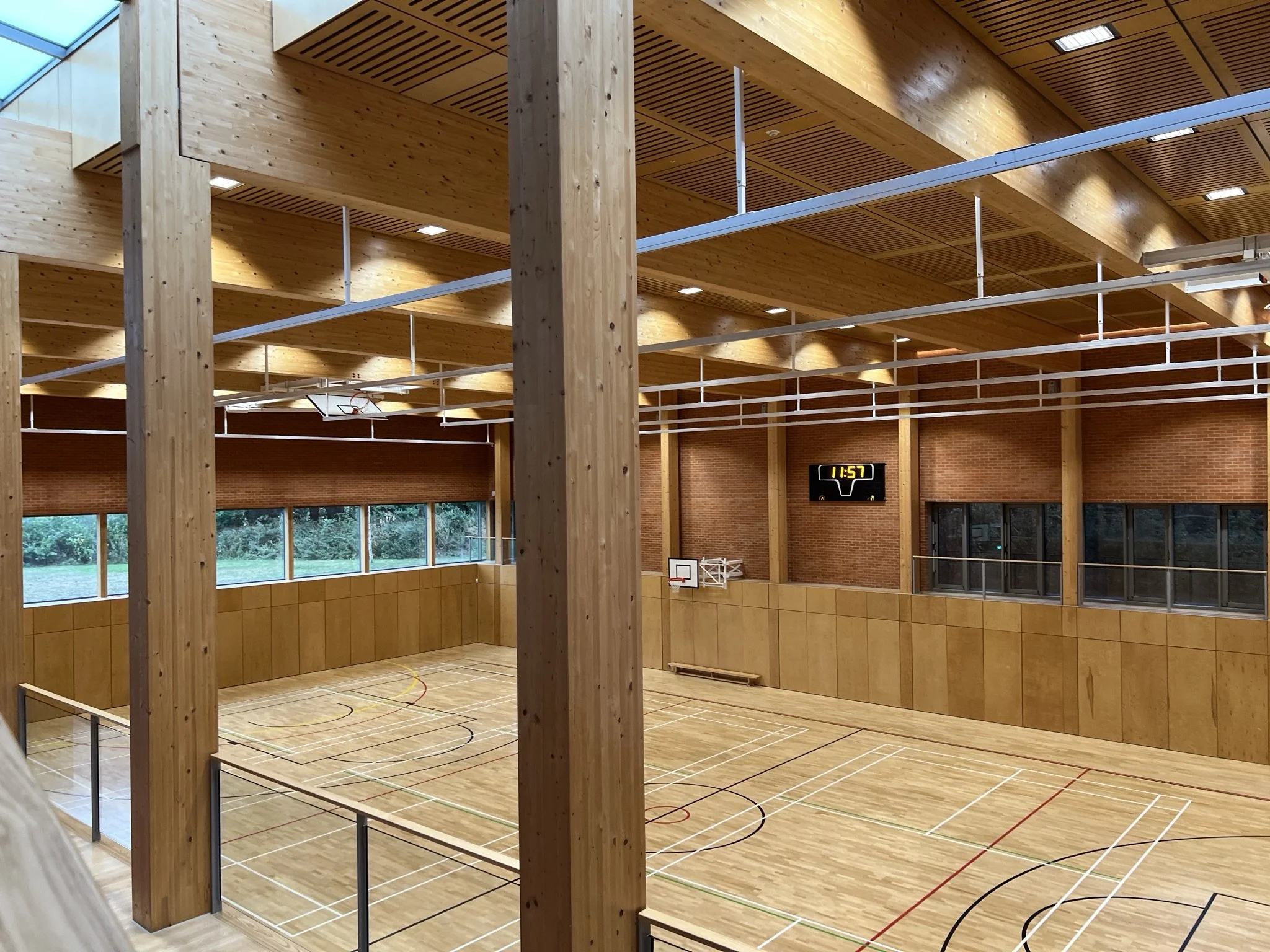
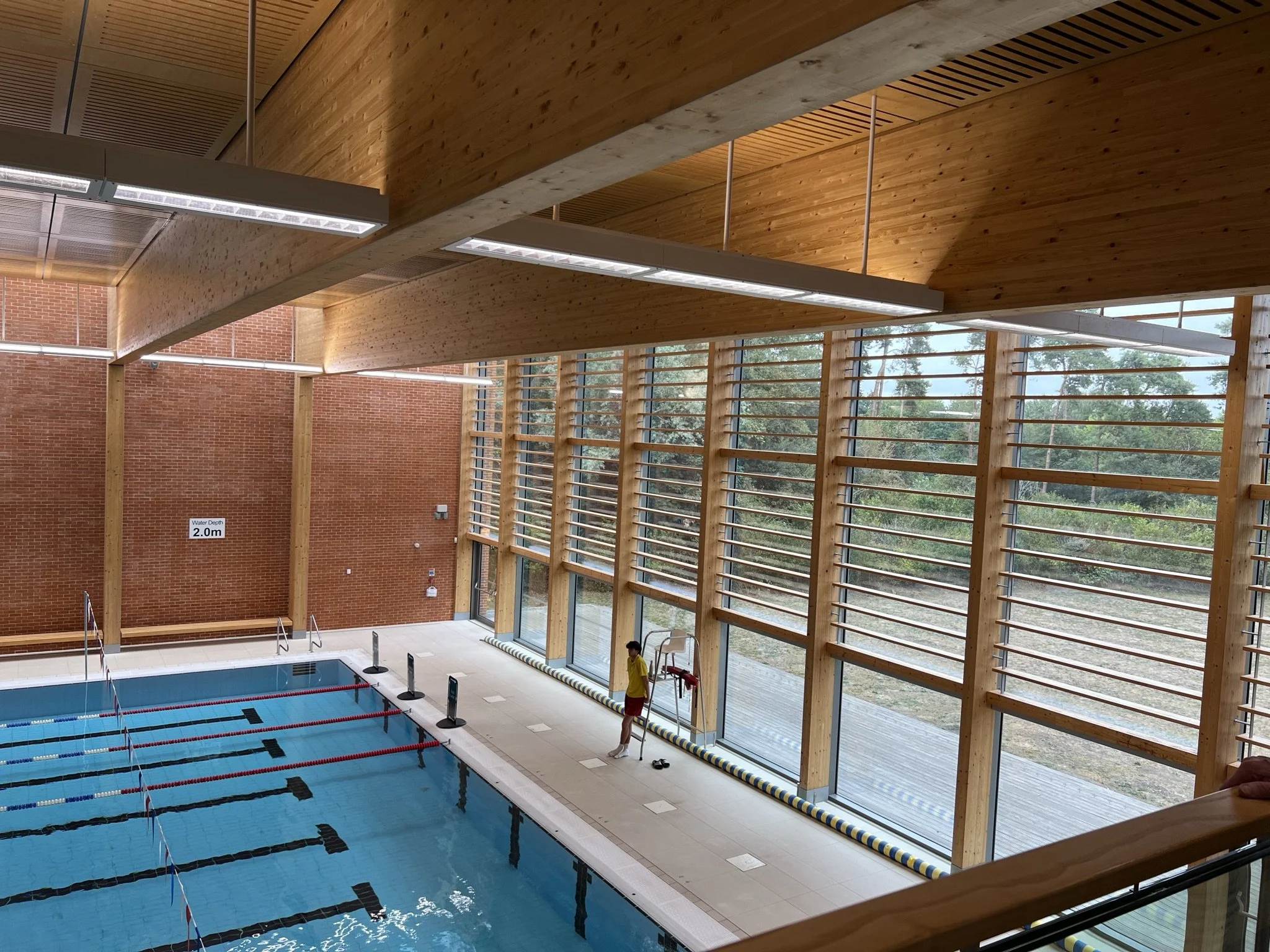
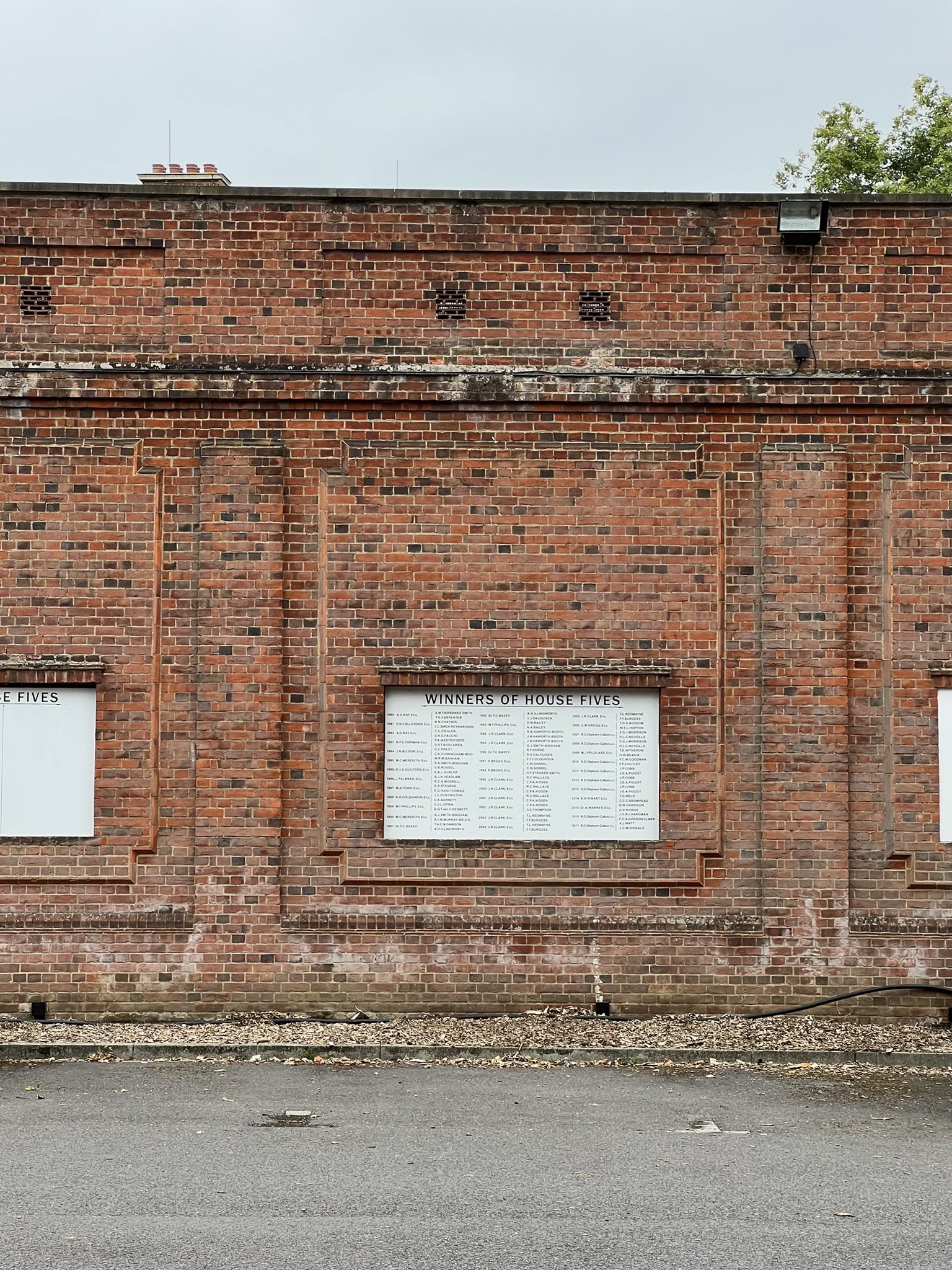
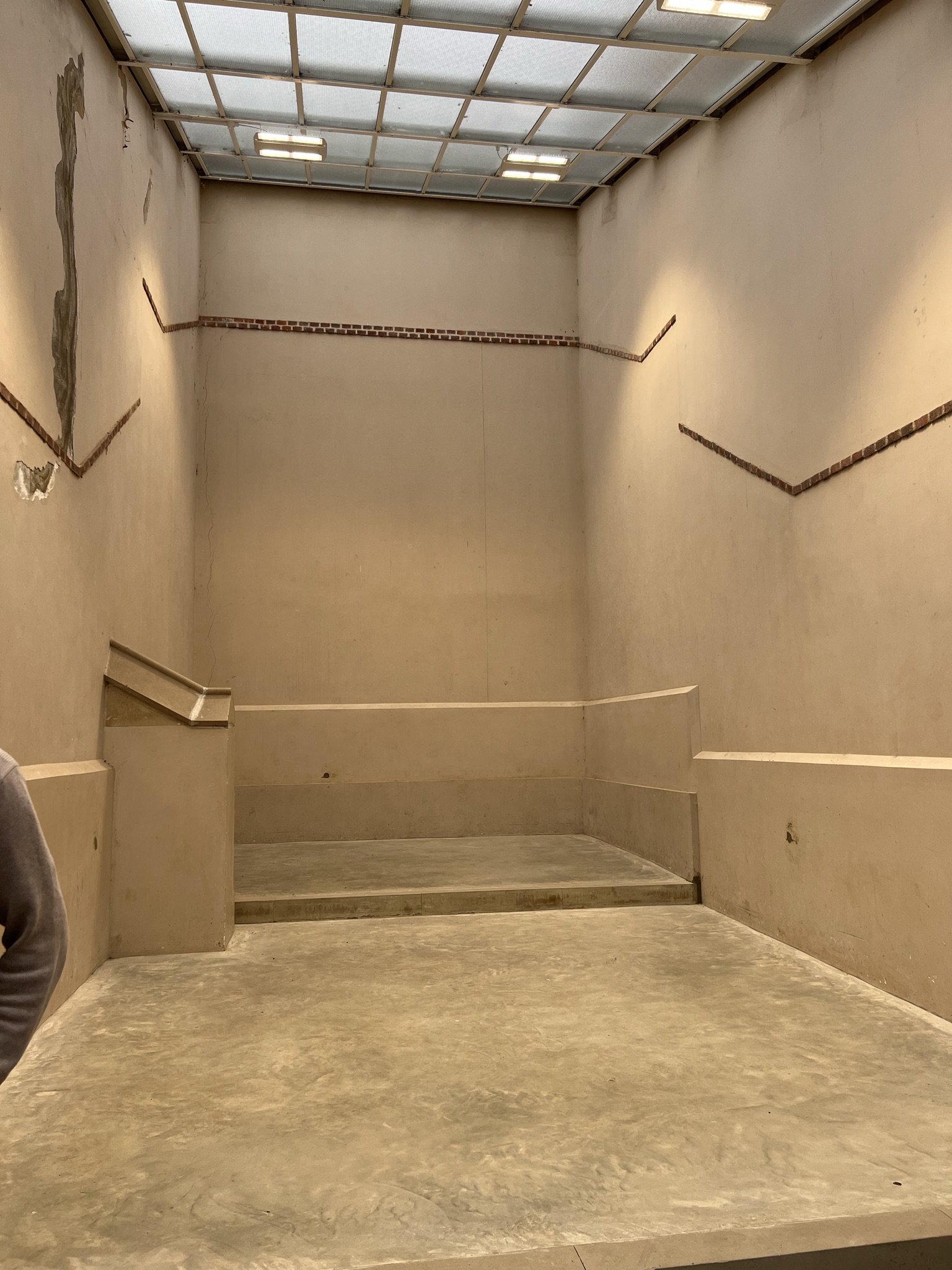
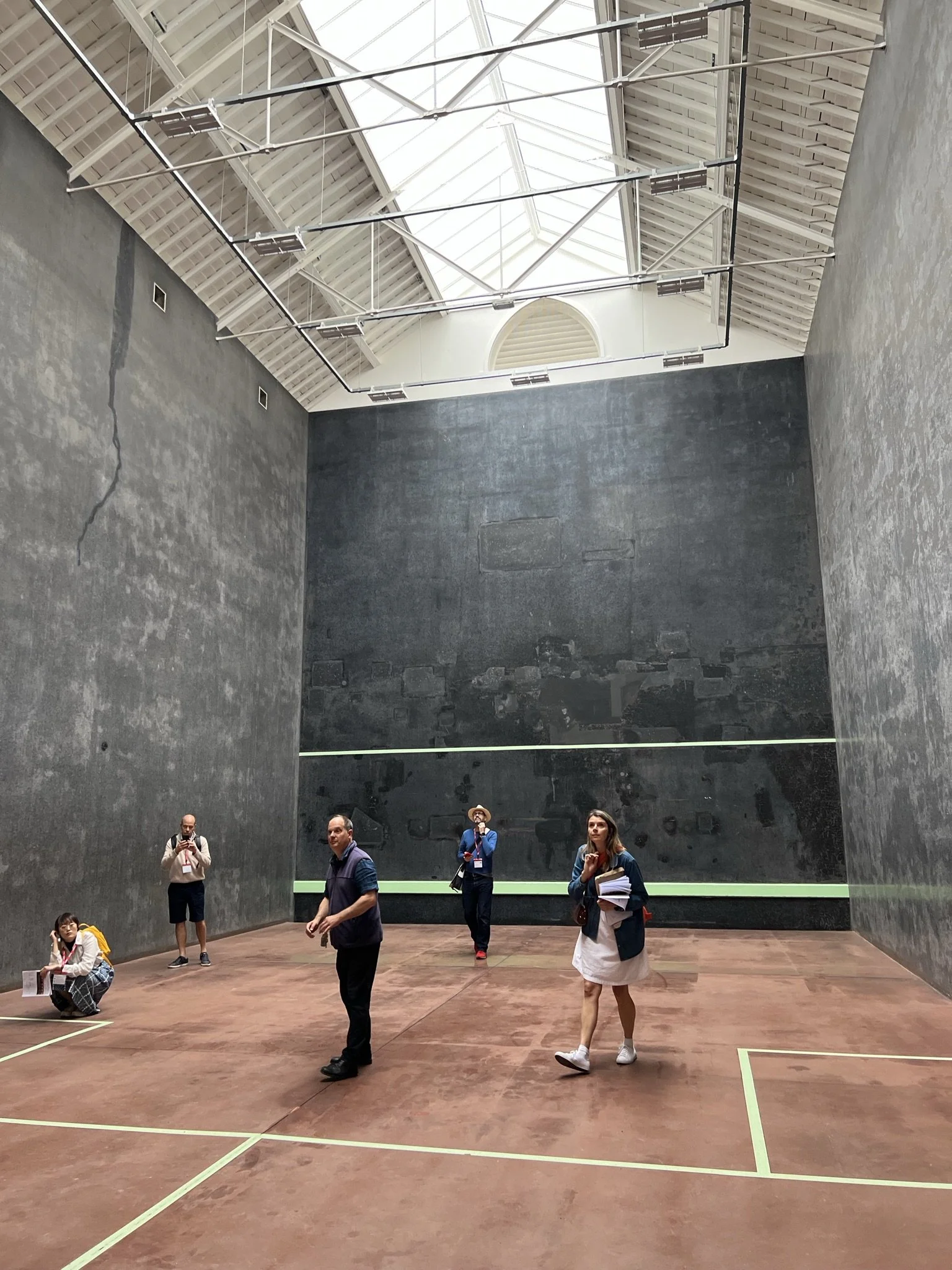
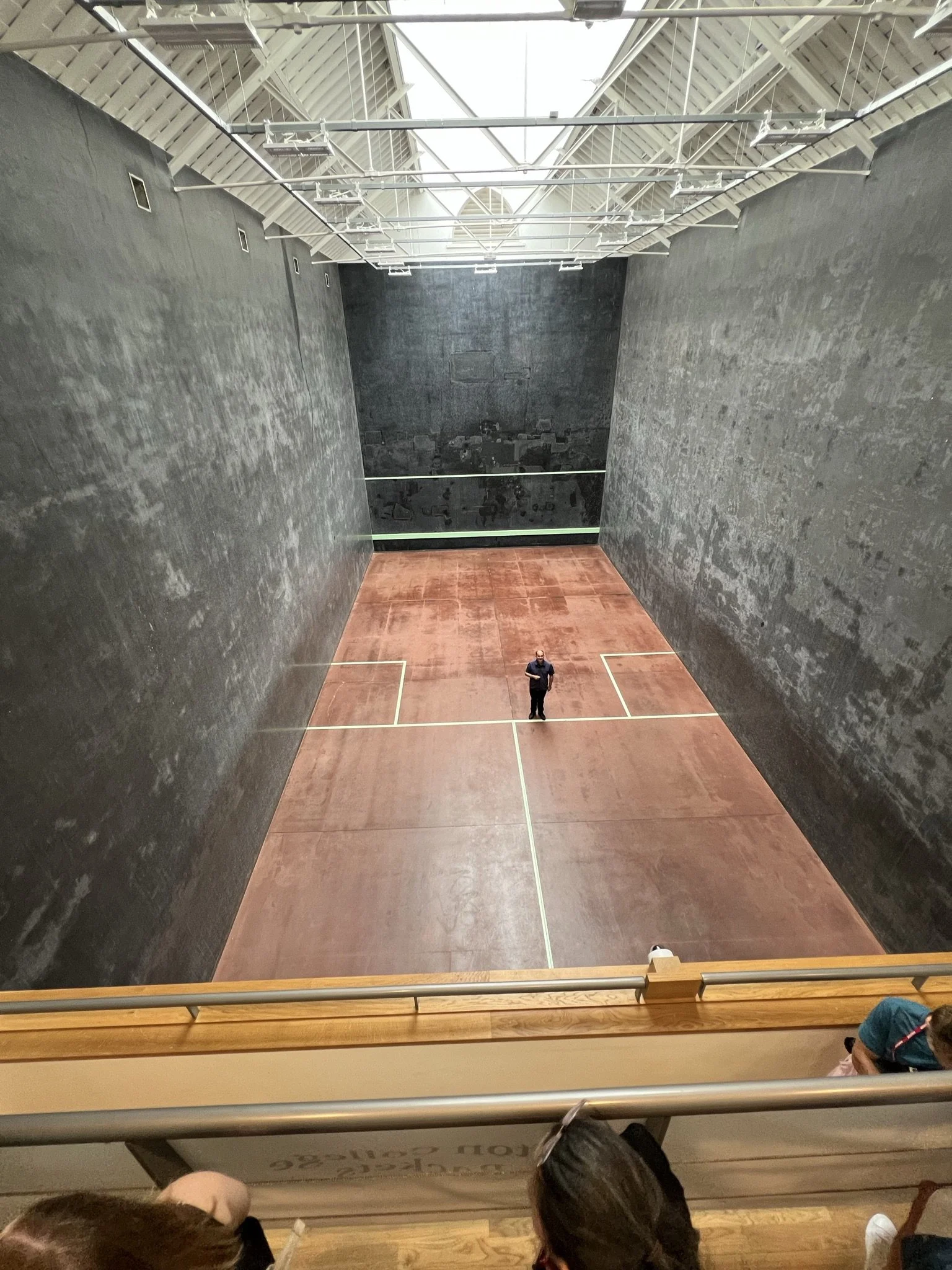
The architectural exploration continued with Alex McCartney from Hopkins Architects, who provided invaluable insights into both the college's historic fabric and contemporary additions by the practice. The group was treated to an in-depth tour of the school hall, the state-of-the-art Eton College Sports and Athletics Center, and the specialized rackets courts and fives courts that showcase the institution's commitment to both tradition and modern sporting excellence. McCartney also gave a glimpse into the ongoing gym renovation project, demonstrating how contemporary architectural intervention can respectfully enhance historic educational environments while meeting the evolving needs of 21st-century learning and recreation.
The morning at Eton College offered attendees an unique opportunity to examine how institutional architecture can successfully bridge historical significance with functional modernity. The combination of Nolan's historical perspective and McCartney's contemporary architectural insights provided a comprehensive understanding of how thoughtful design continues to serve one of Britain's most renowned educational institutions.
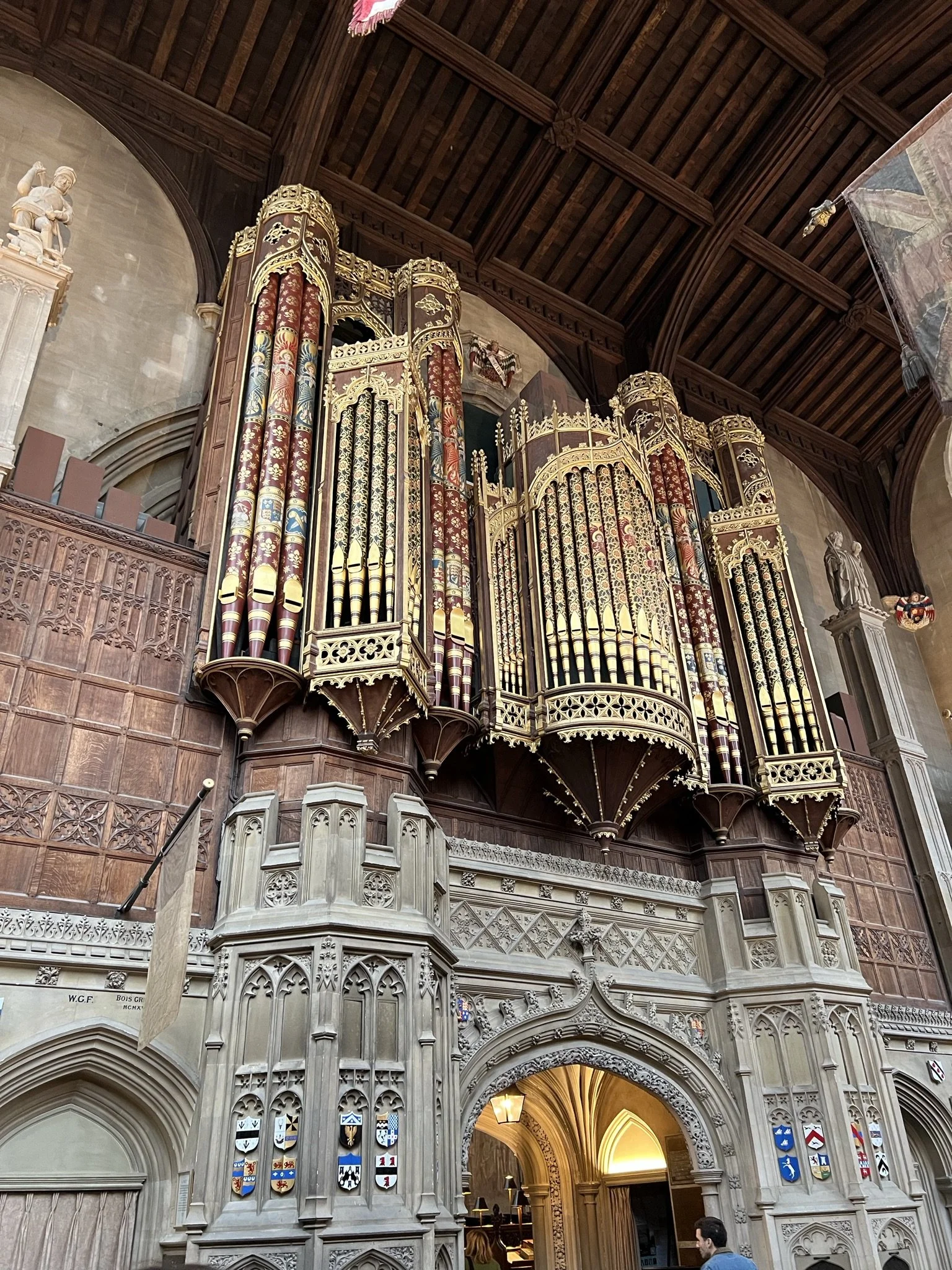
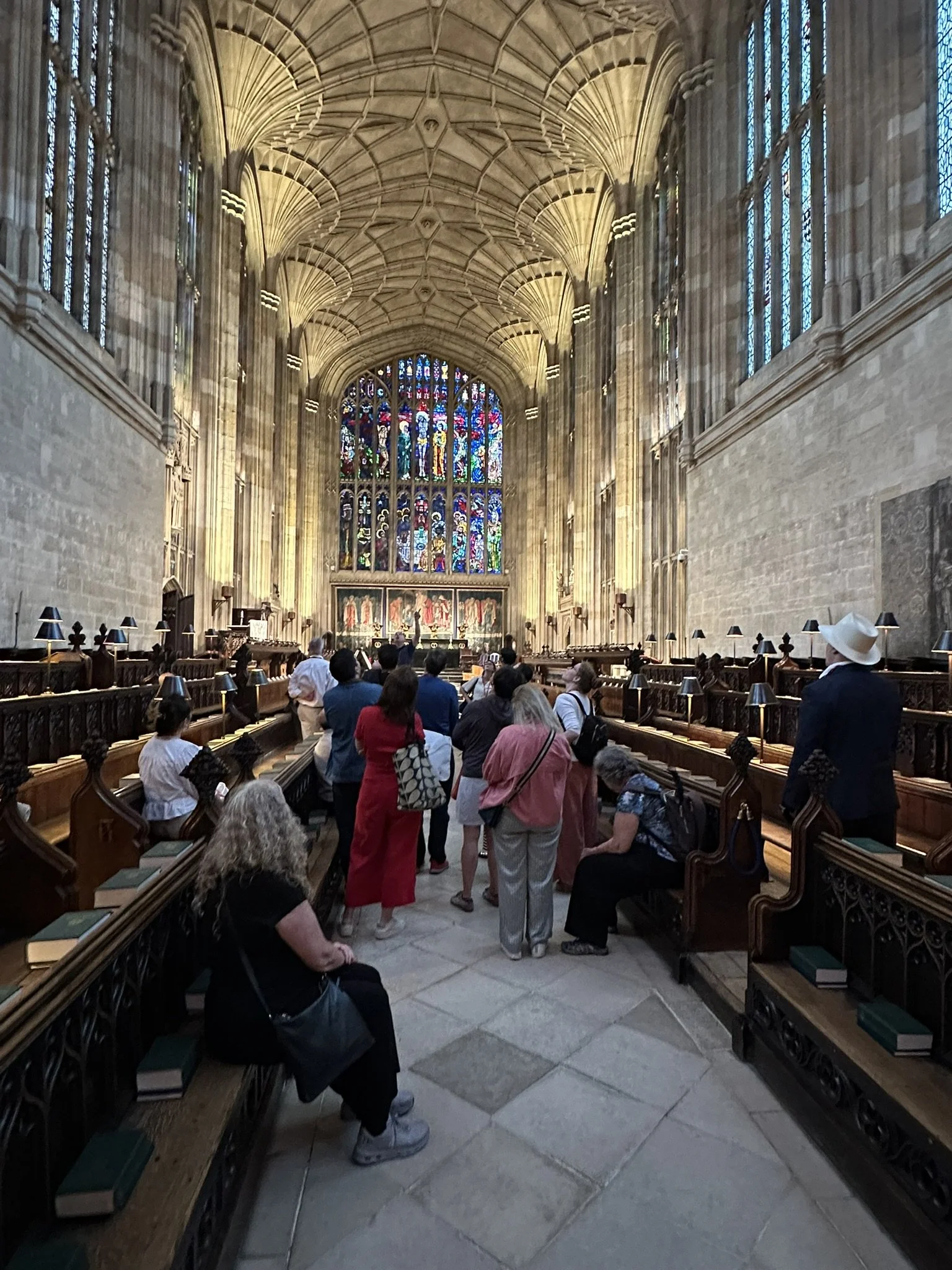
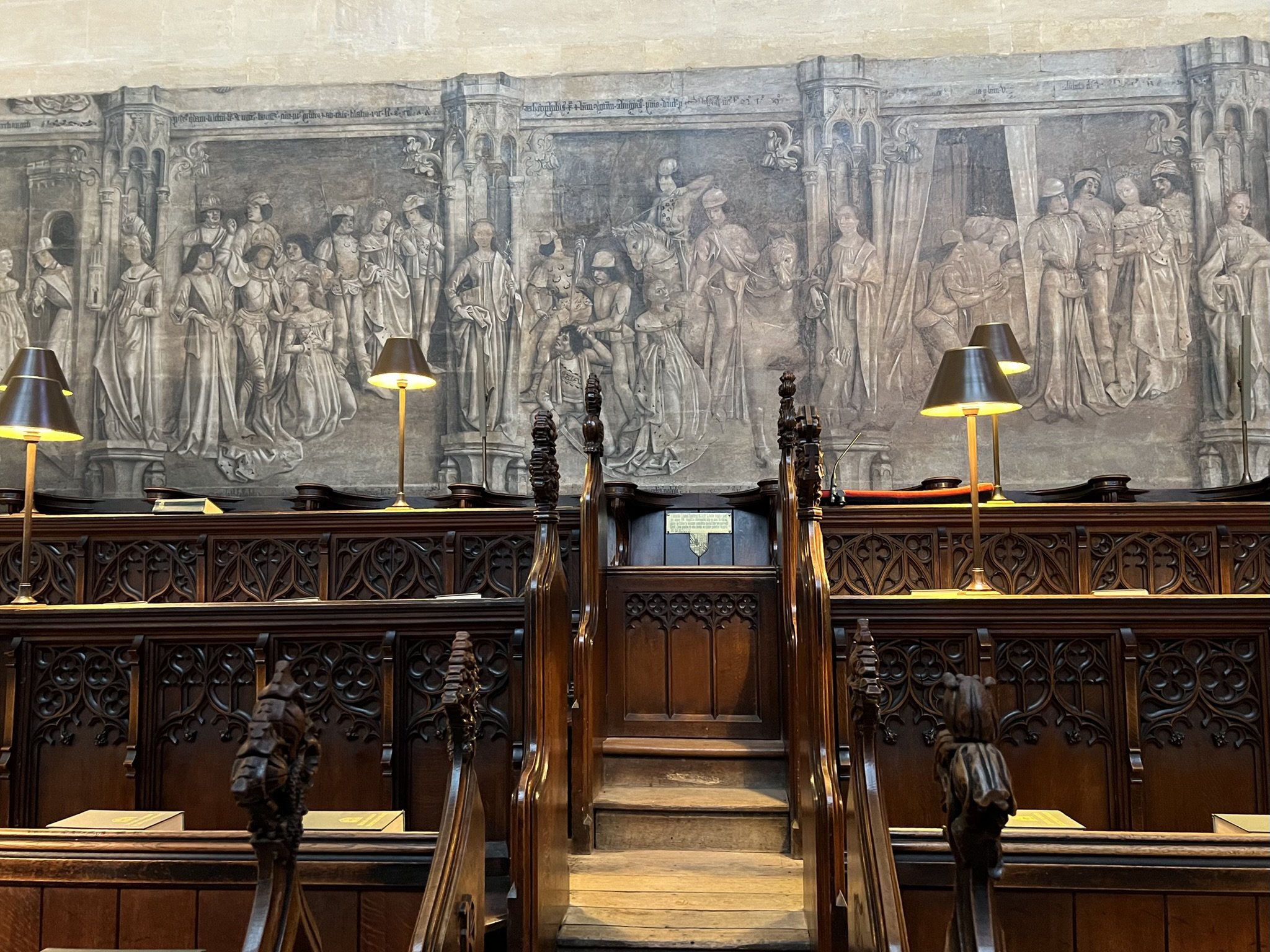
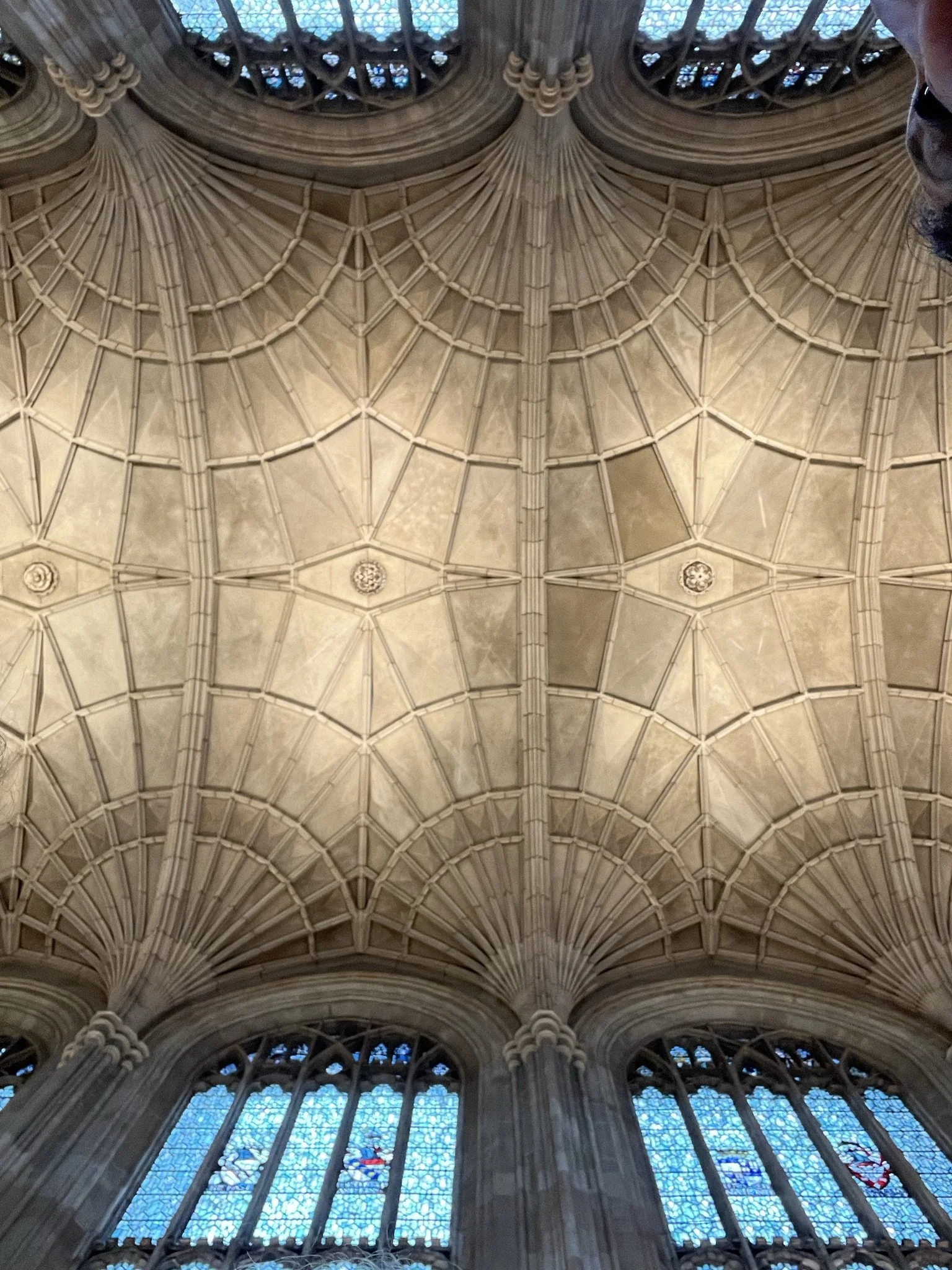
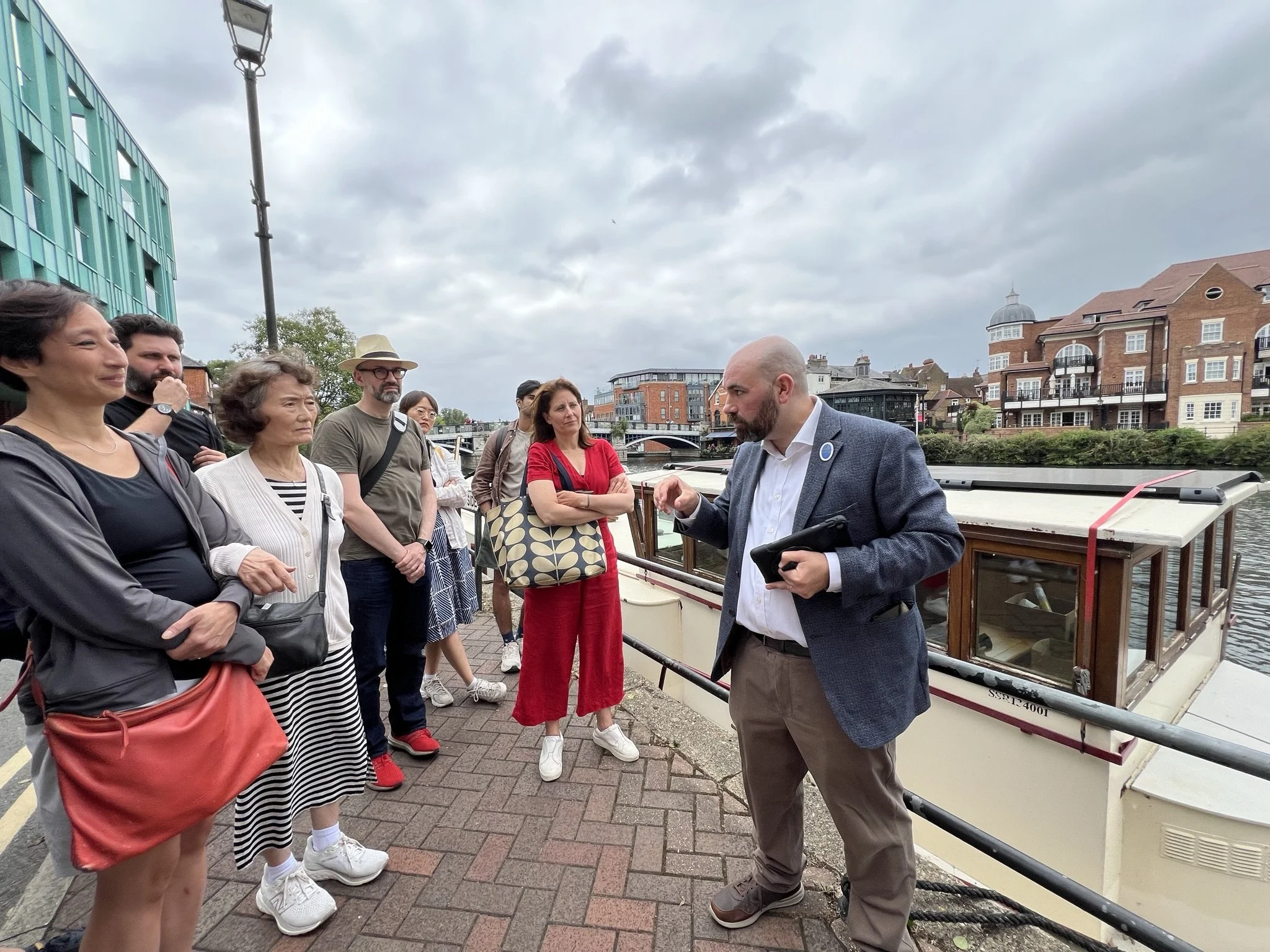
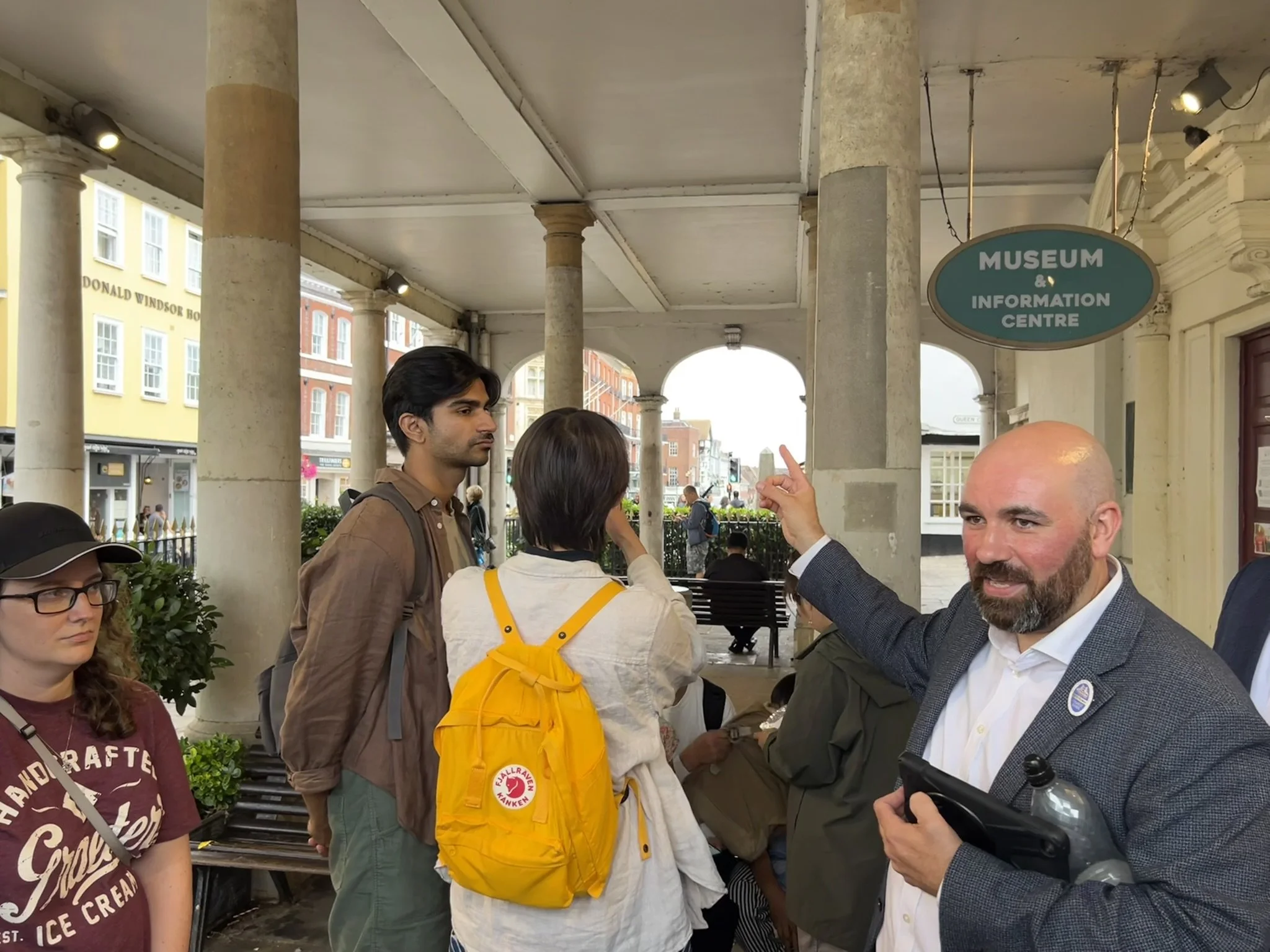
After a relaxing and fortifying riverside lunch at the Boatman, the group was met by our tour guide, Rhys Thomas, a Blue Badge Guide, and we set out for a two-hour walk around Windsor.
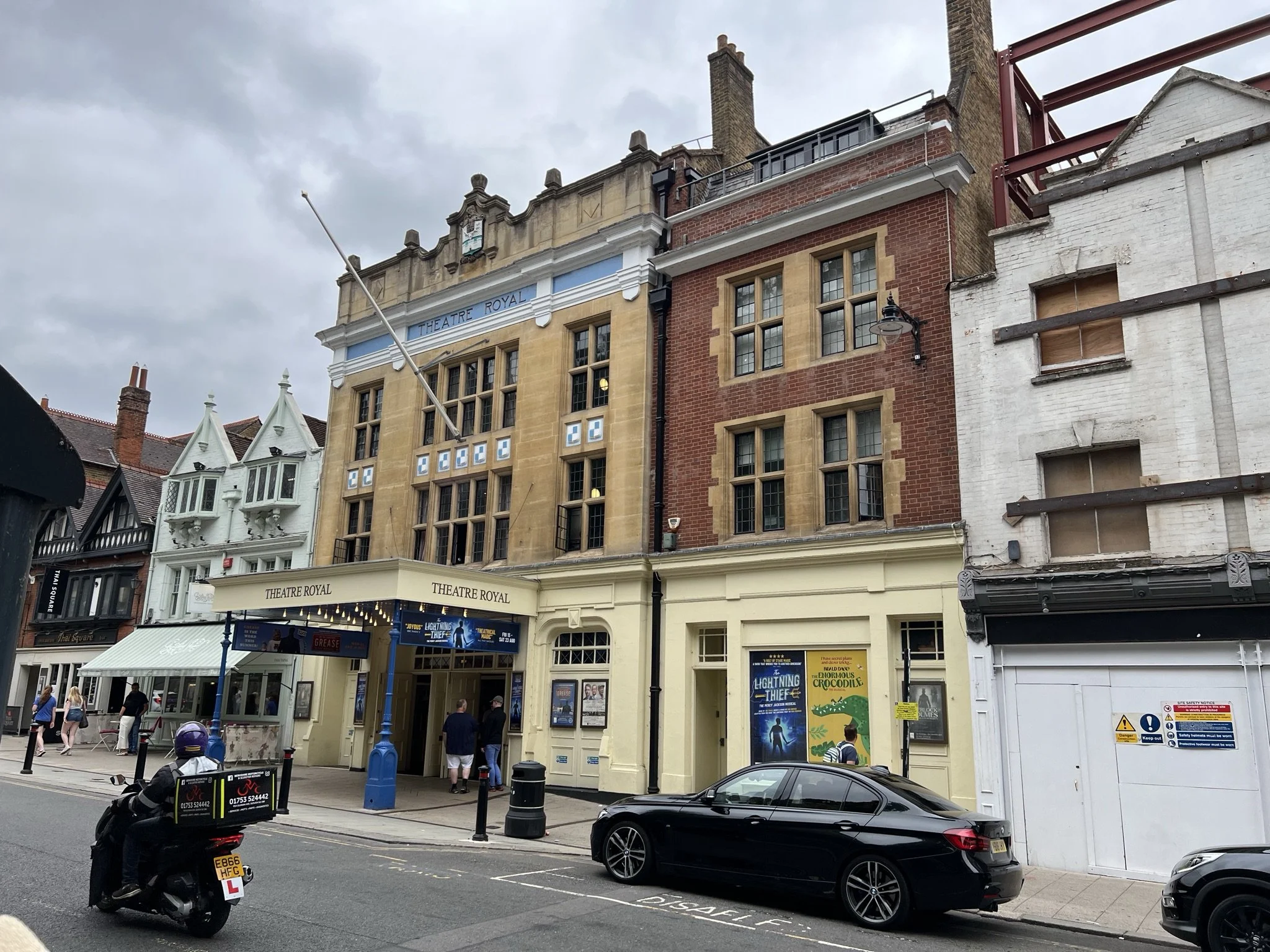
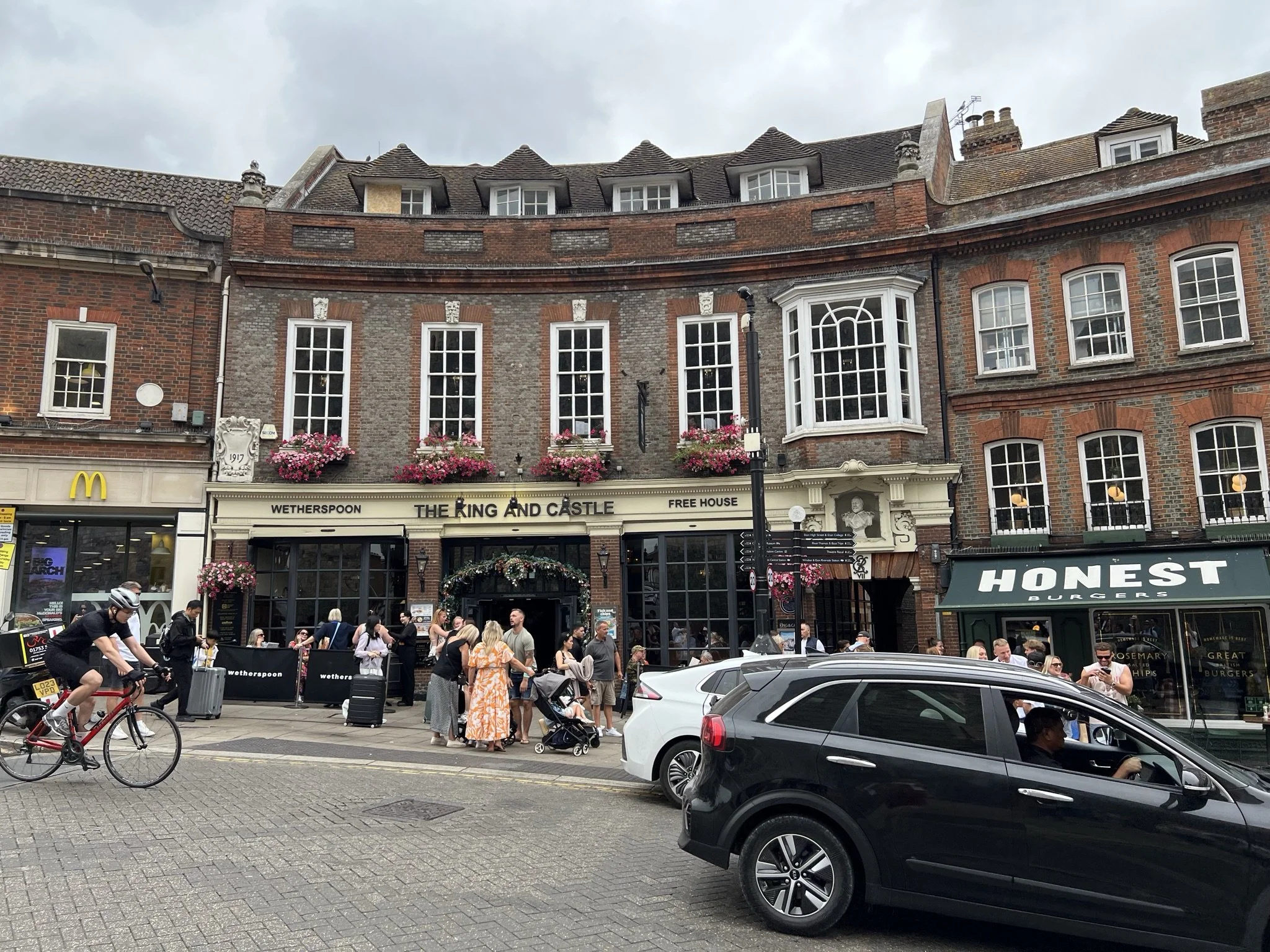
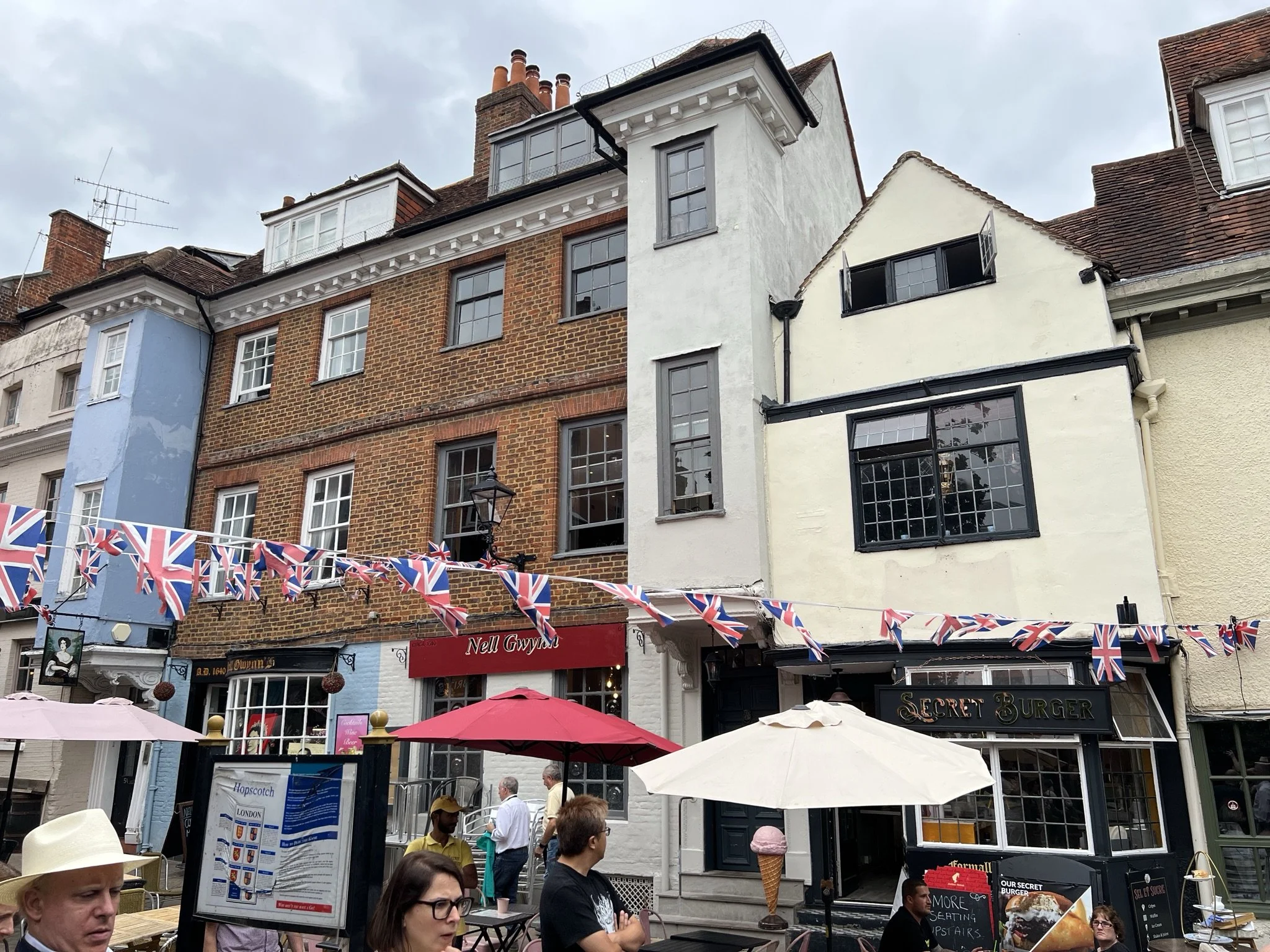
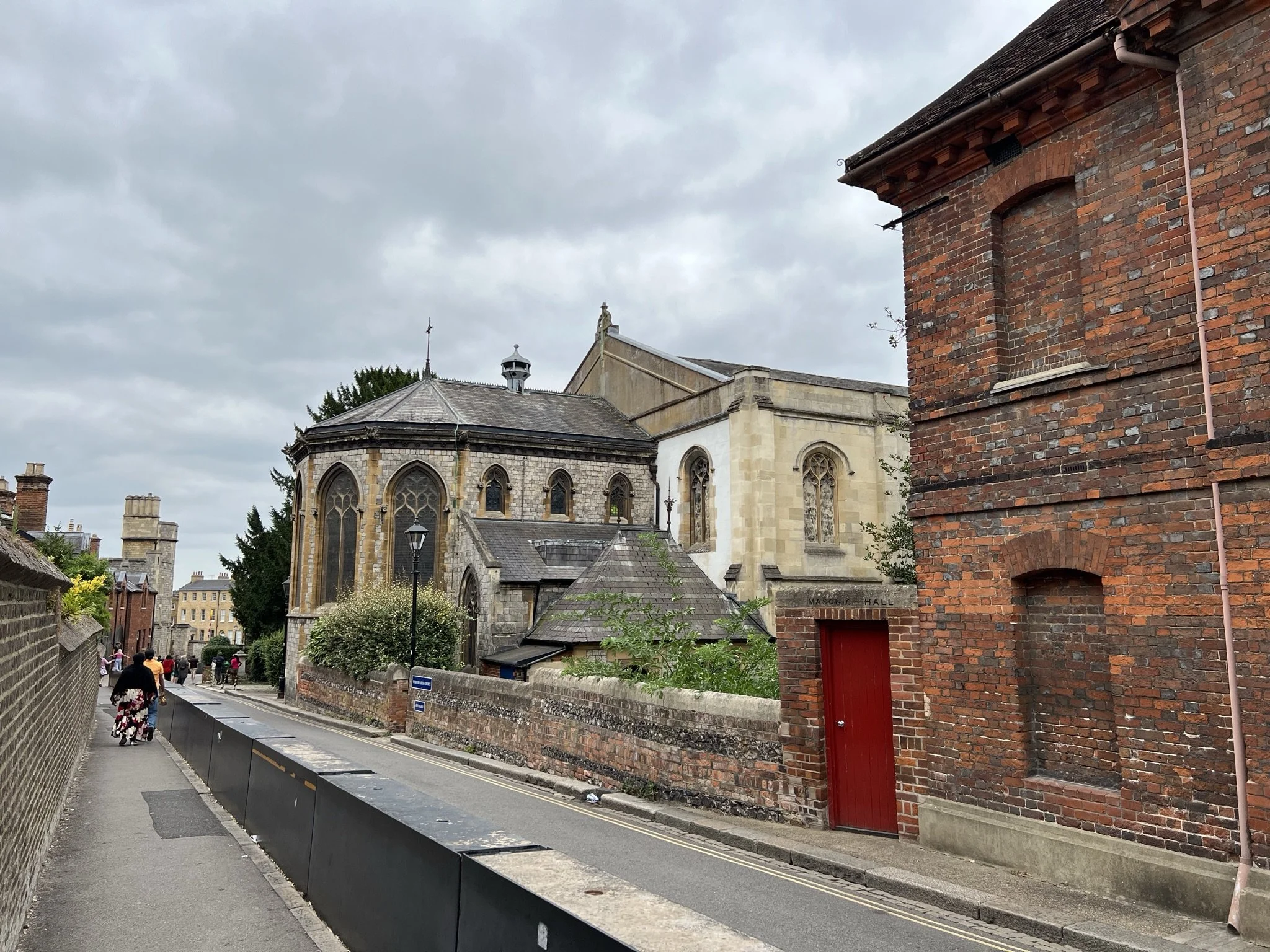
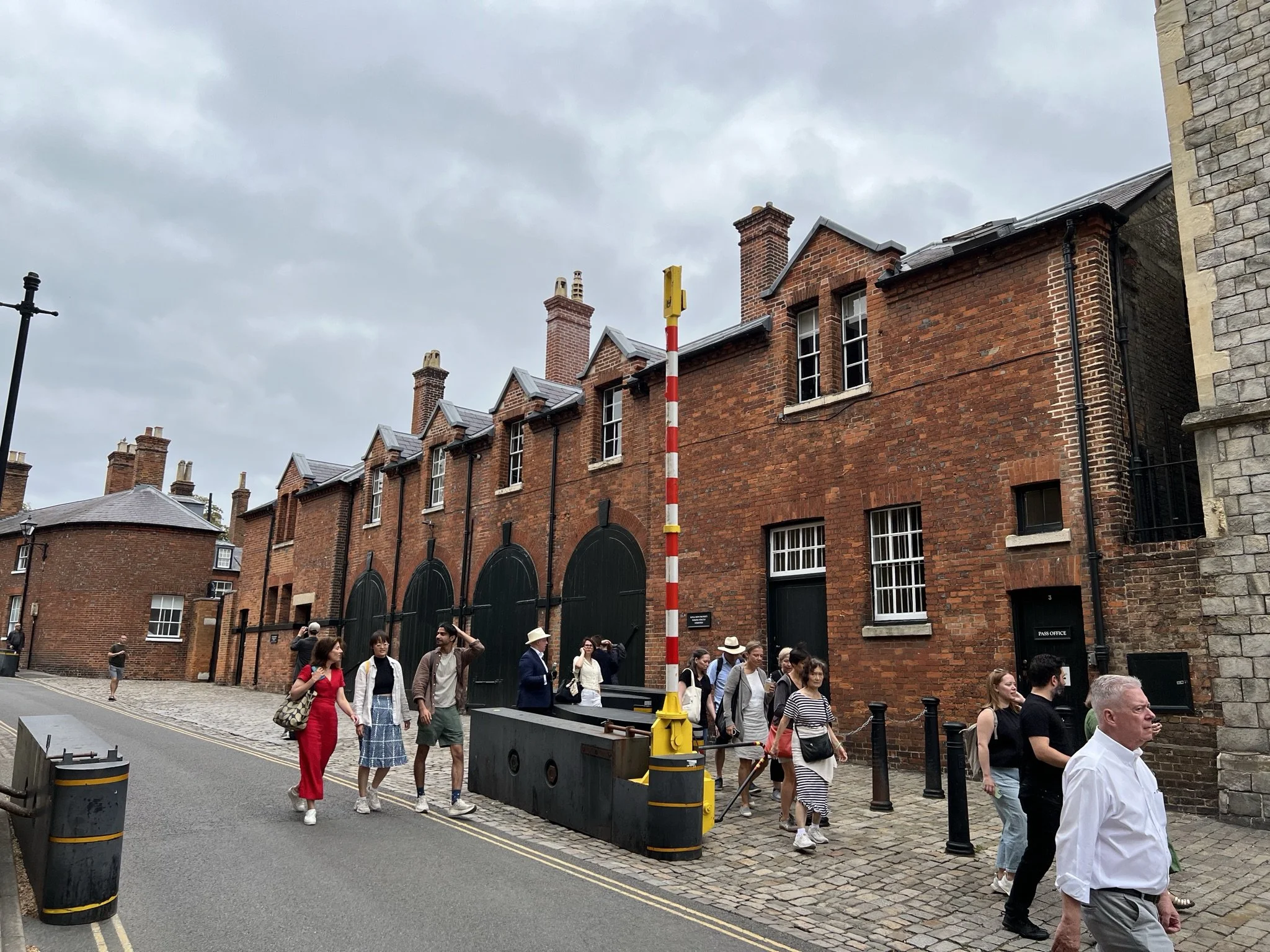
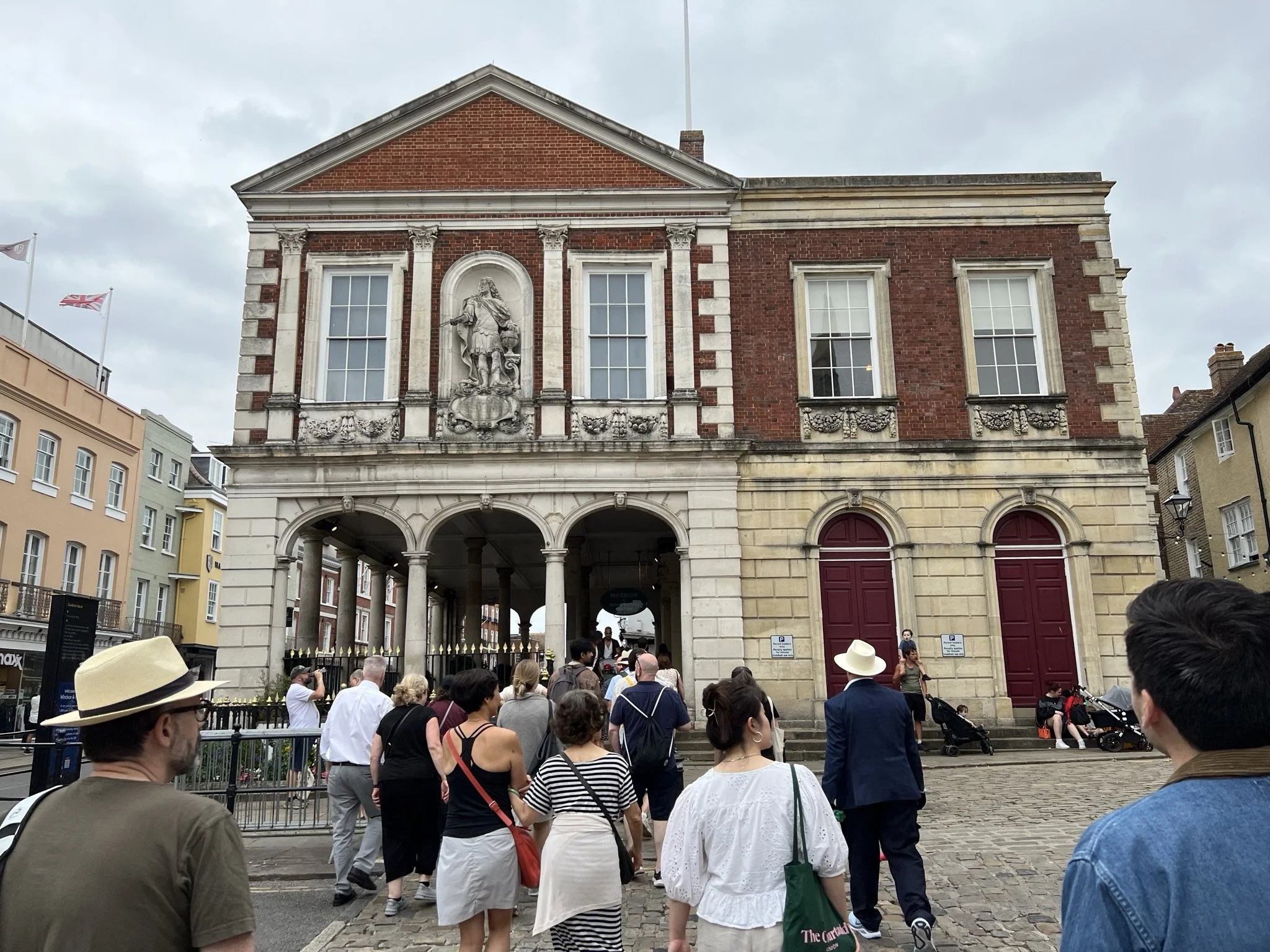
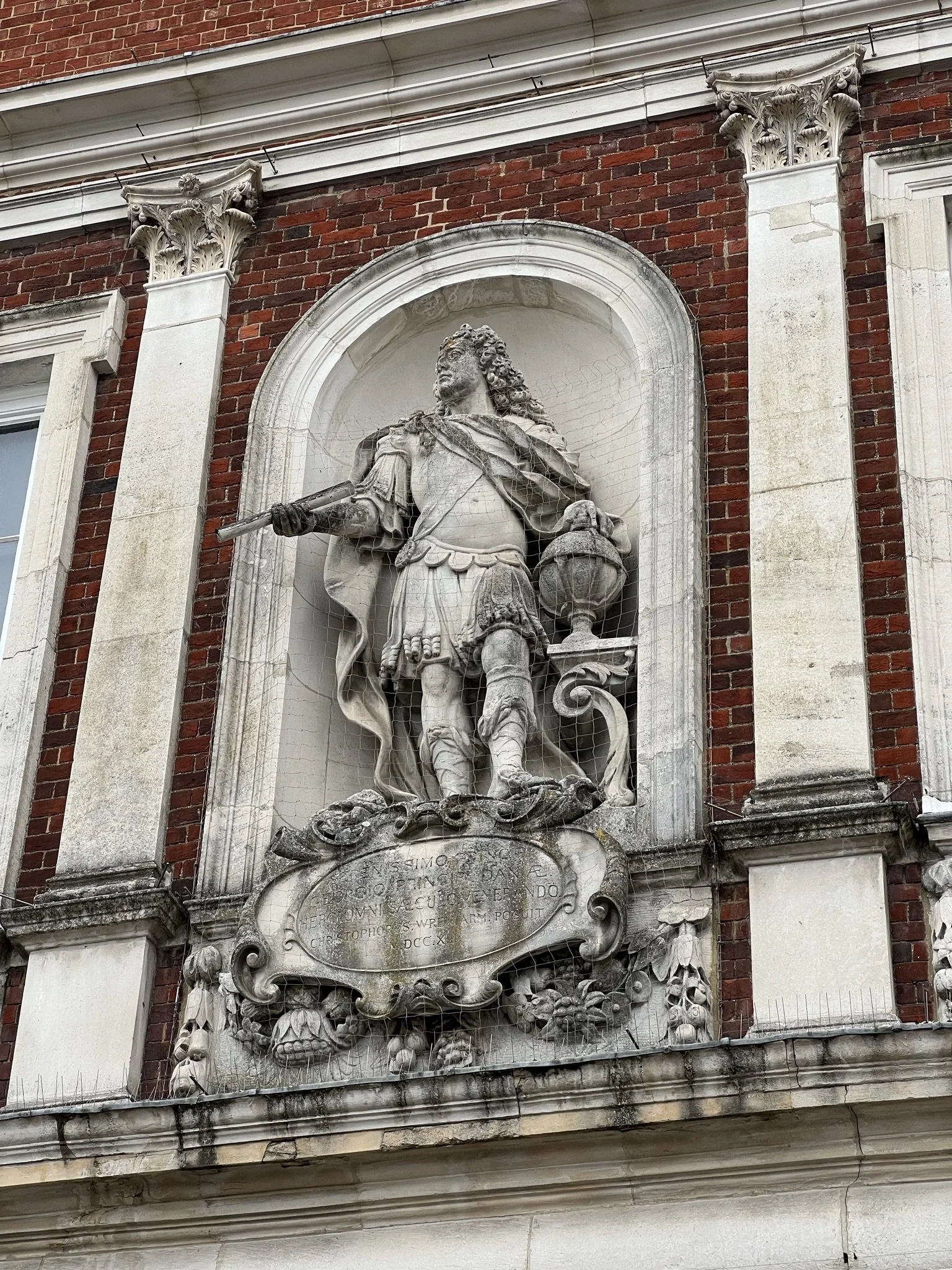
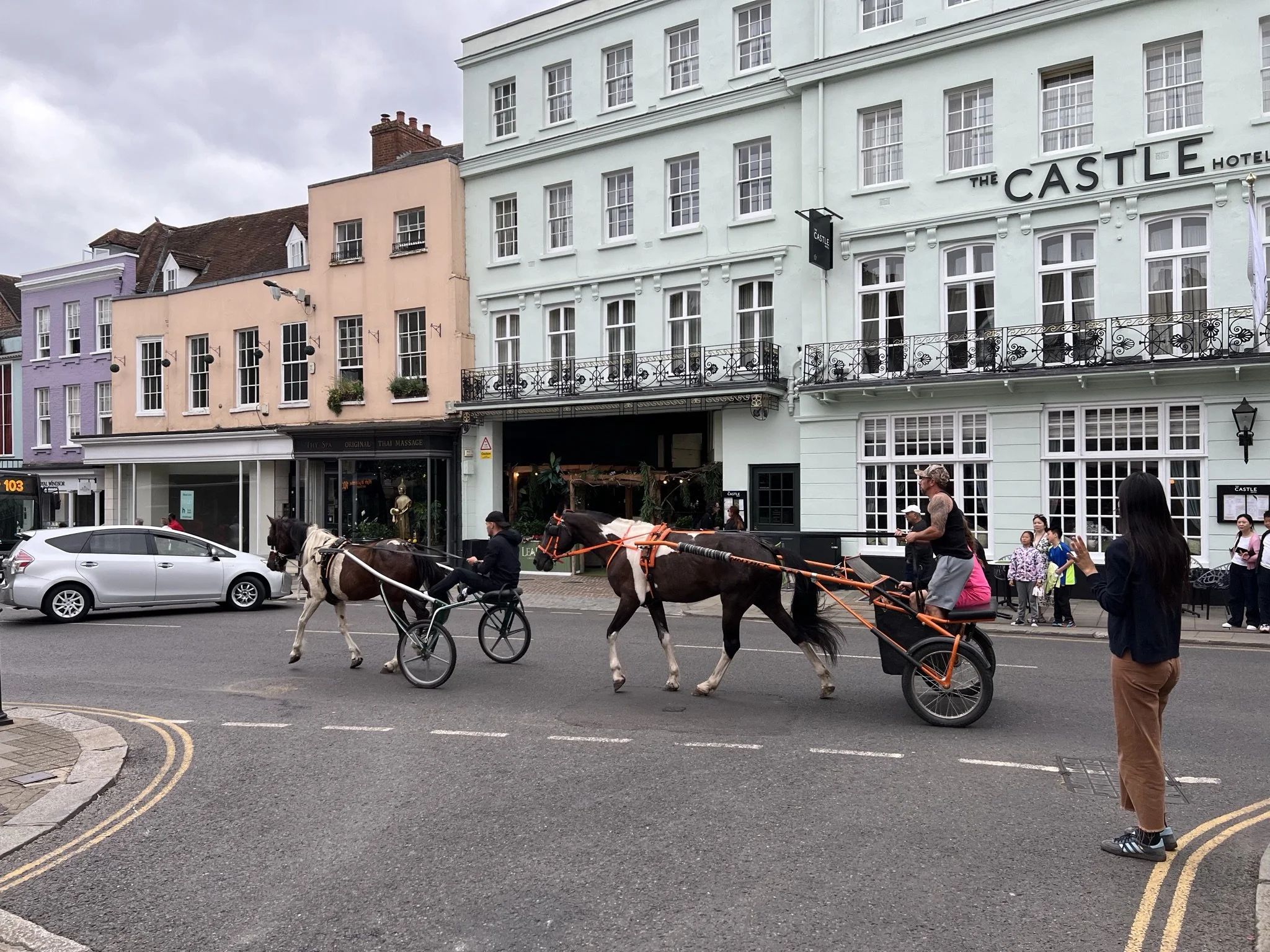
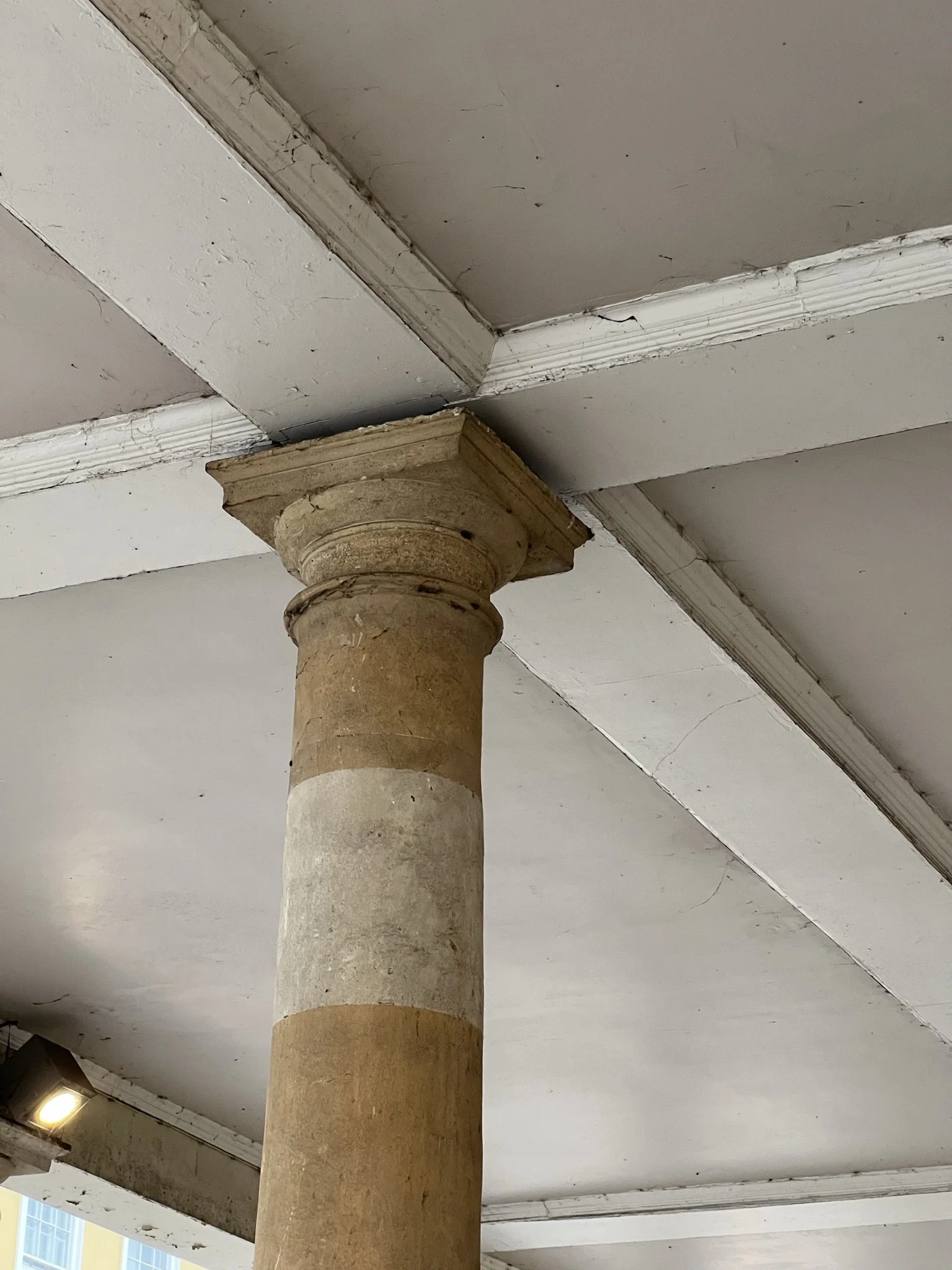
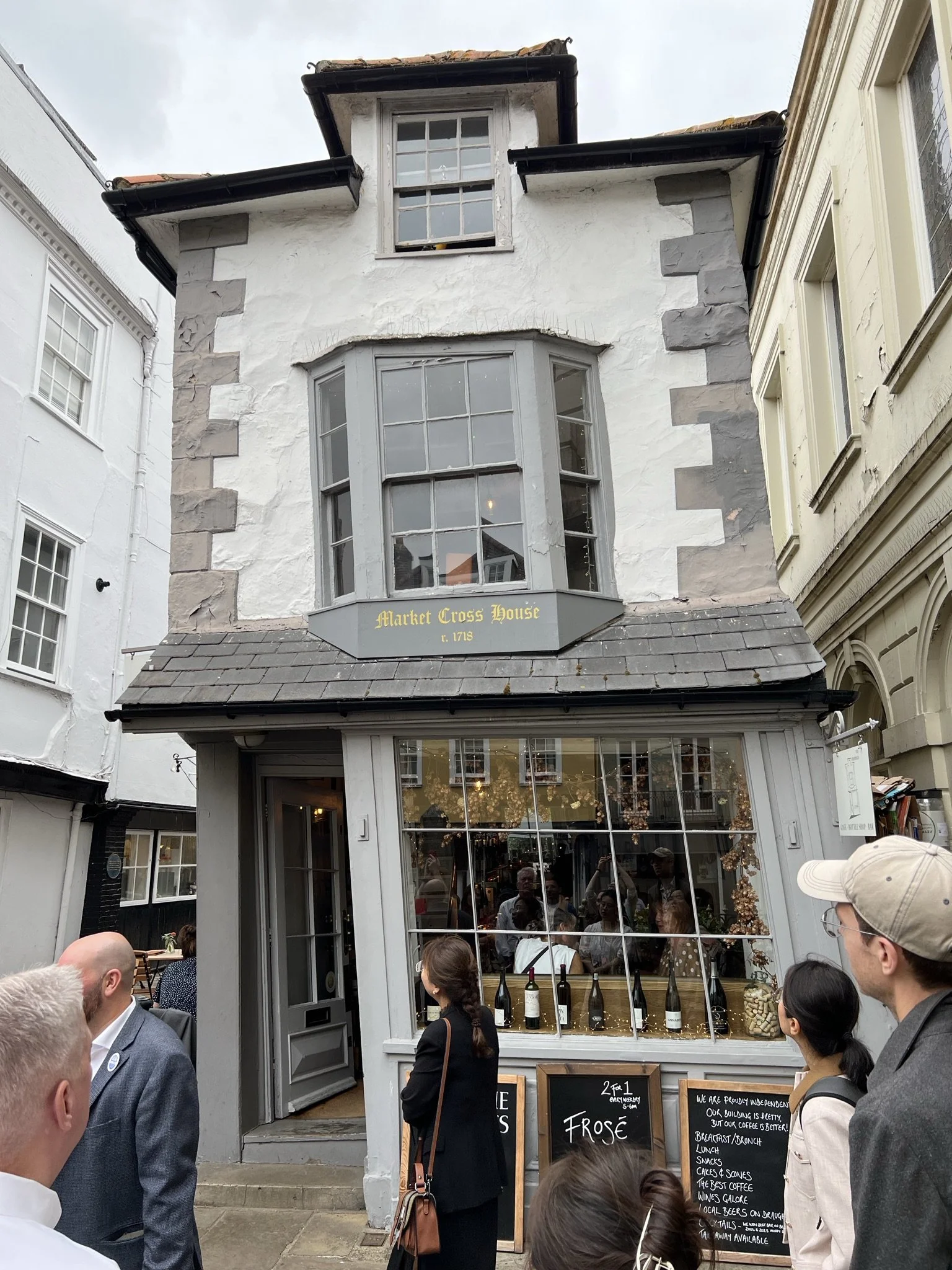
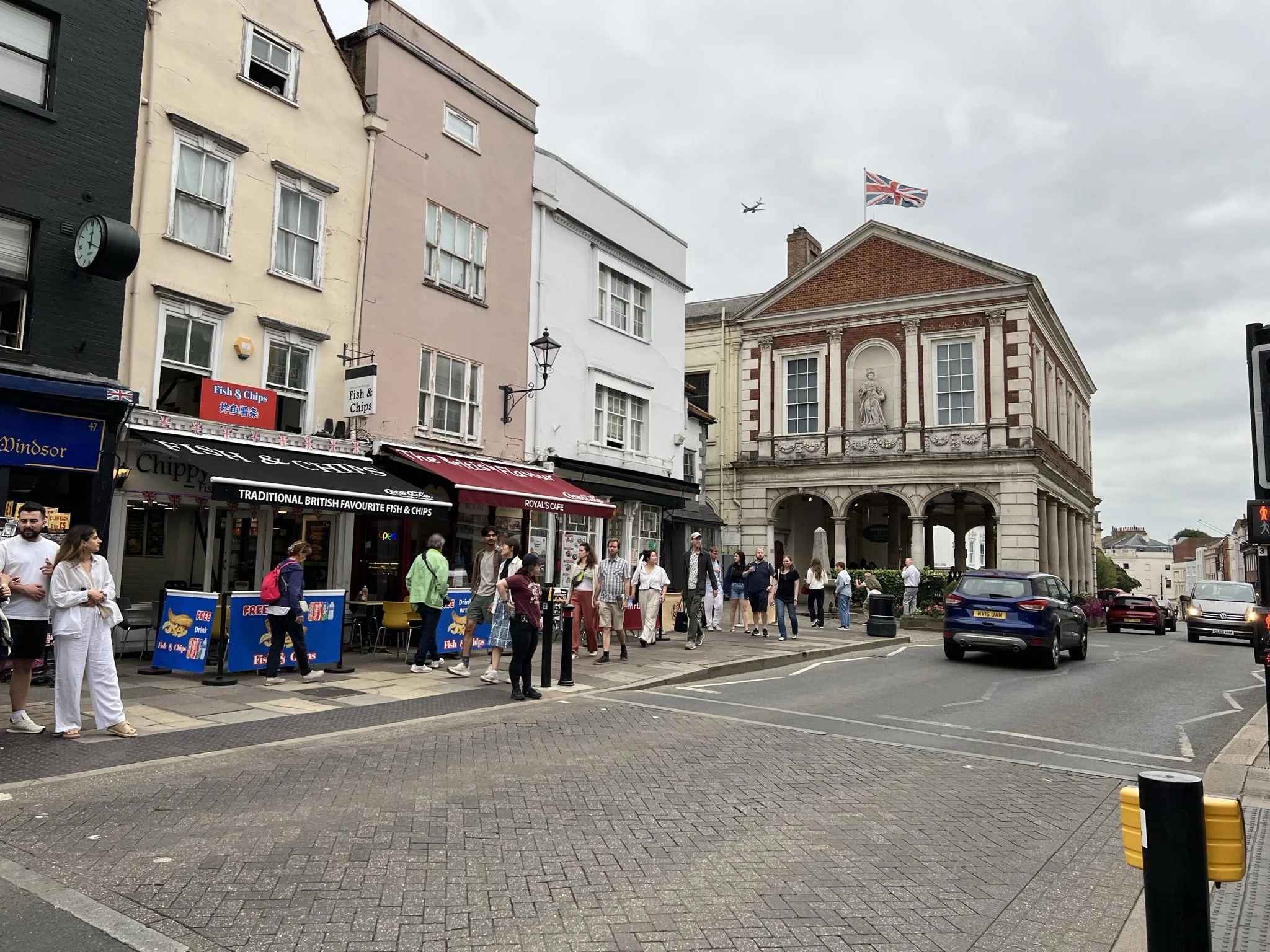
The town of Windsor offered a deeply layered architectural experience, found not only in its world-famous castle but throughout its historic town centre. Our route led us past a series of Tudor, Queen Anne, Georgian, and Victorian buildings, and through Rhys’s informative and fascinating narrative, these buildings illustrated how Windsor’s urban form developed alongside the fortunes of the monarchy and the social changes of successive centuries.
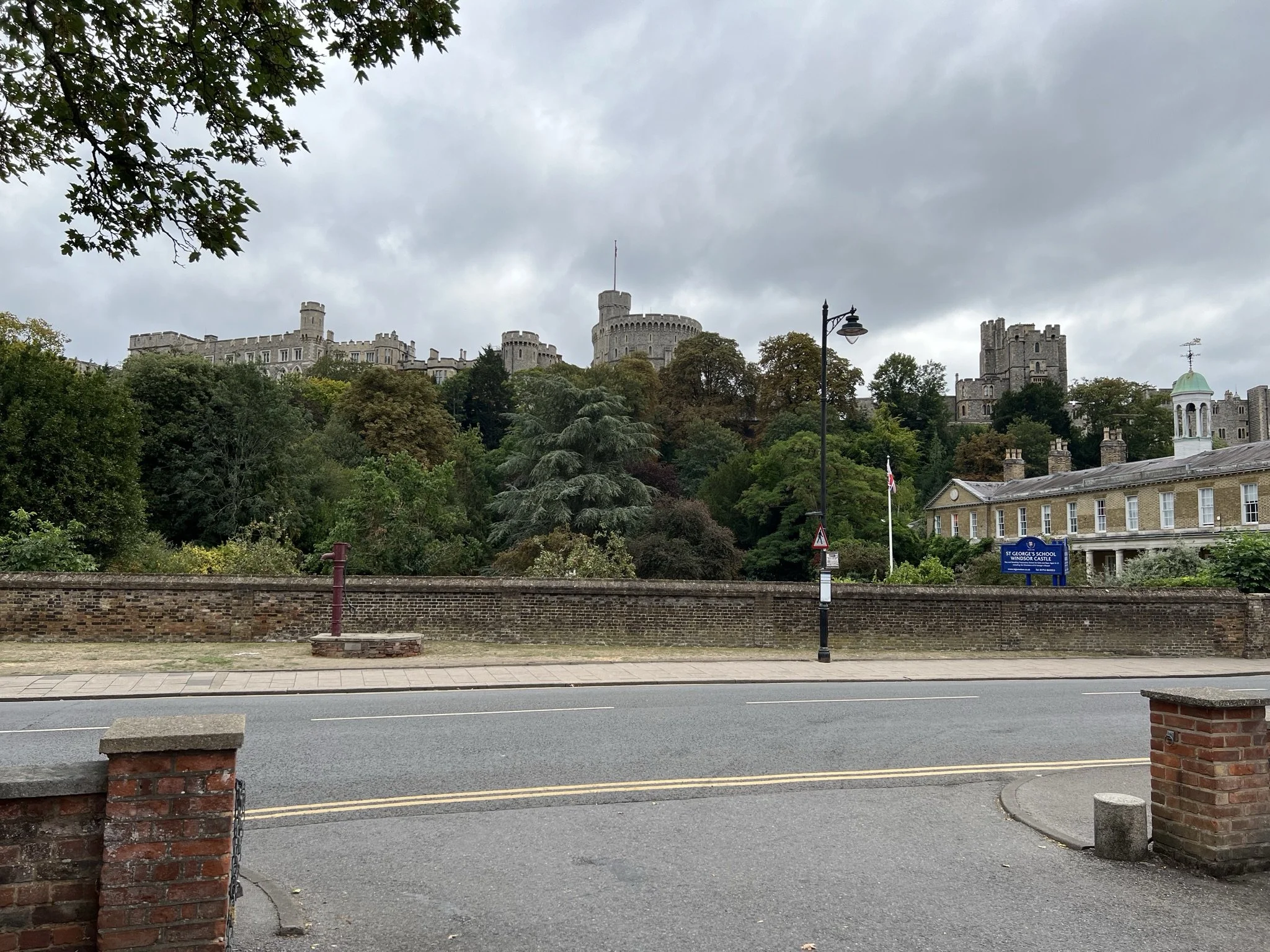
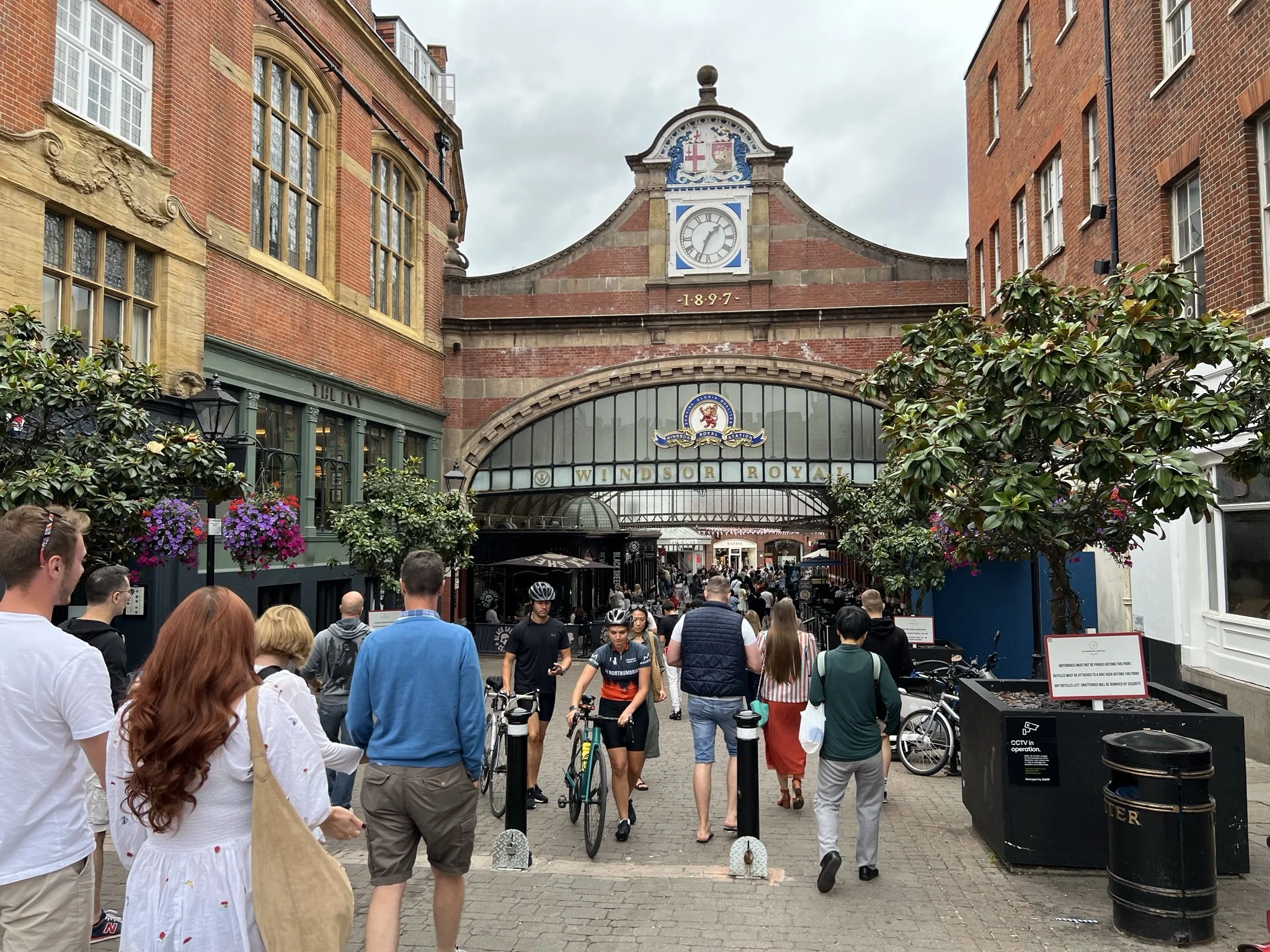
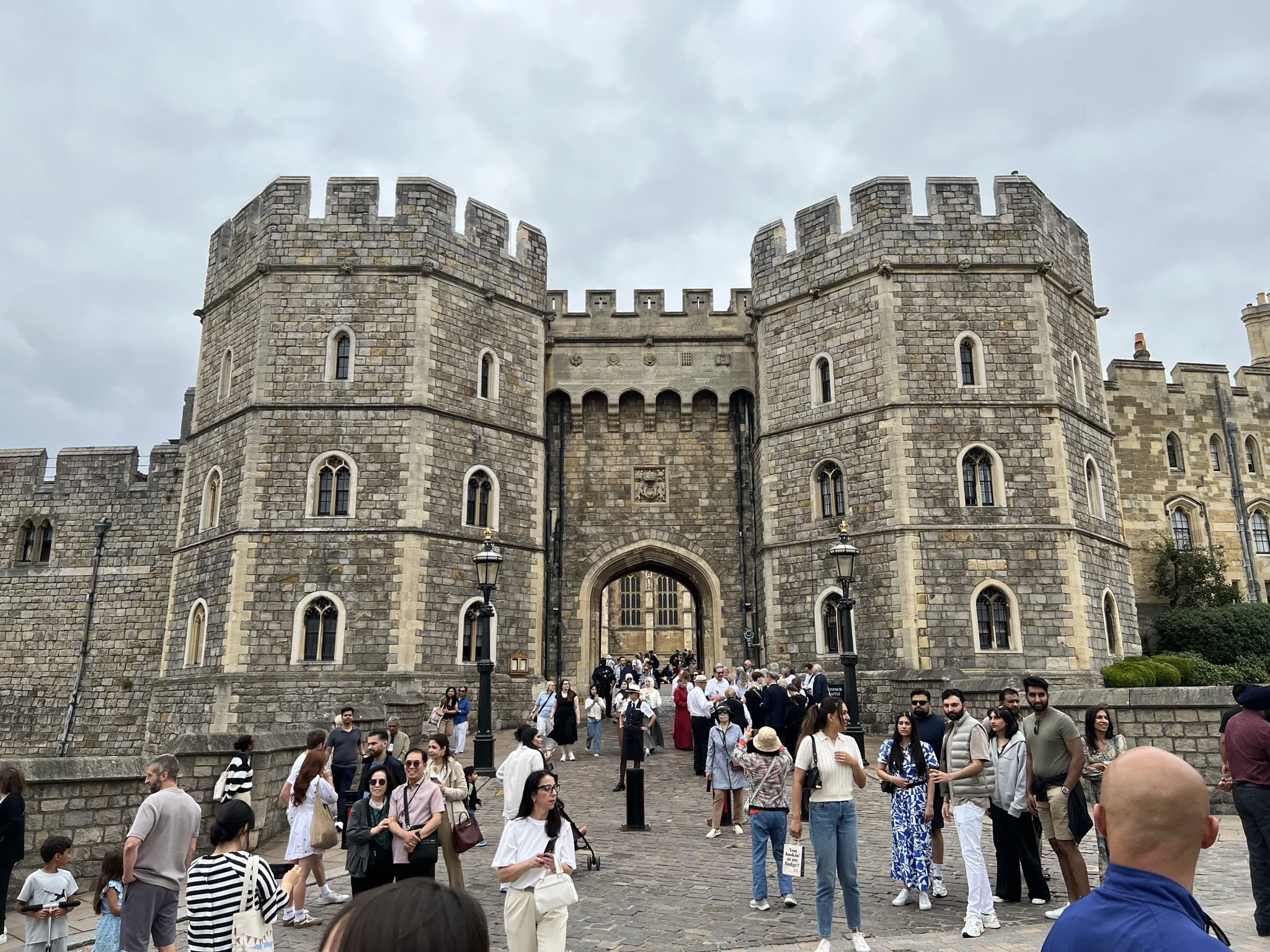
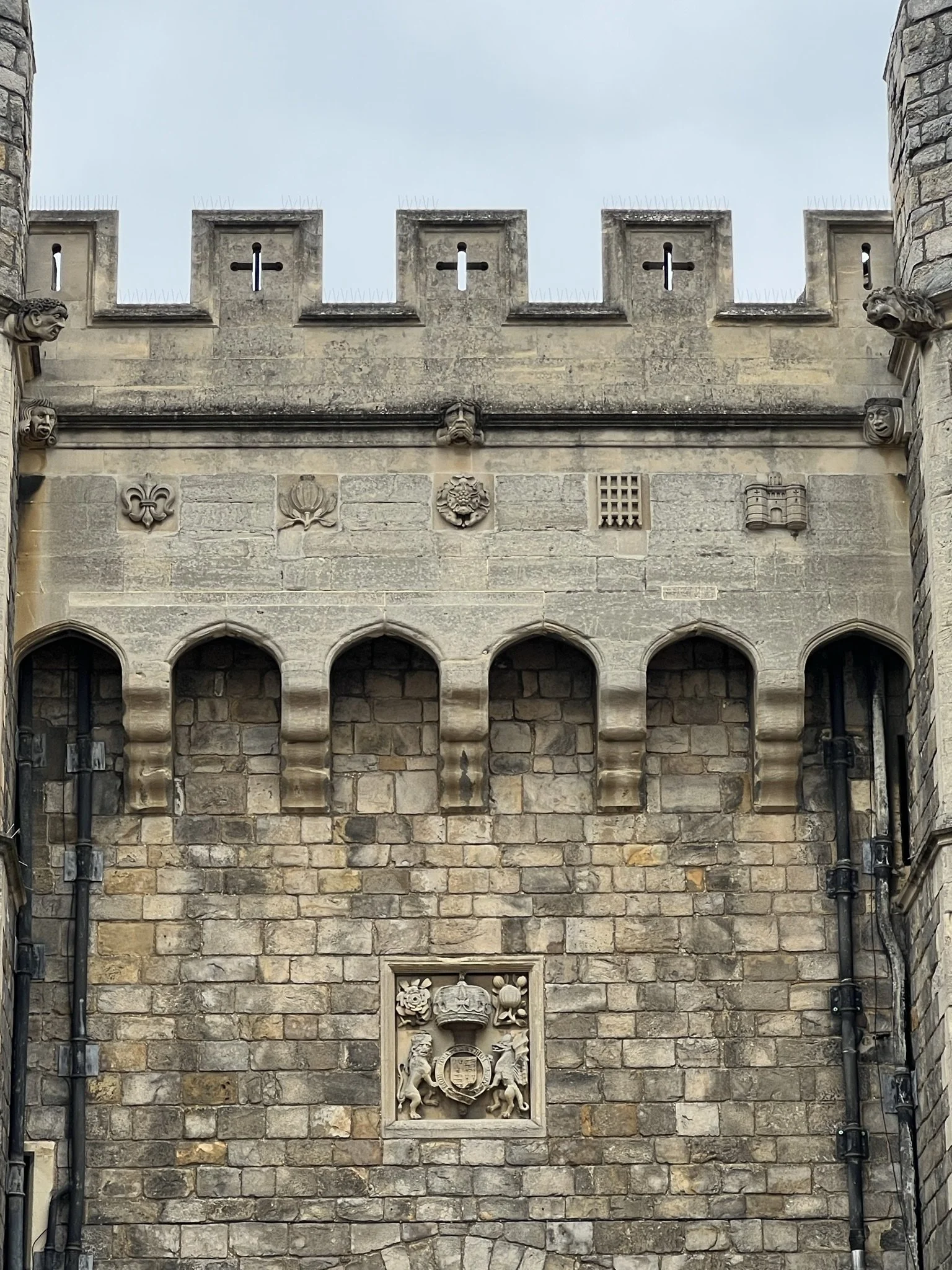
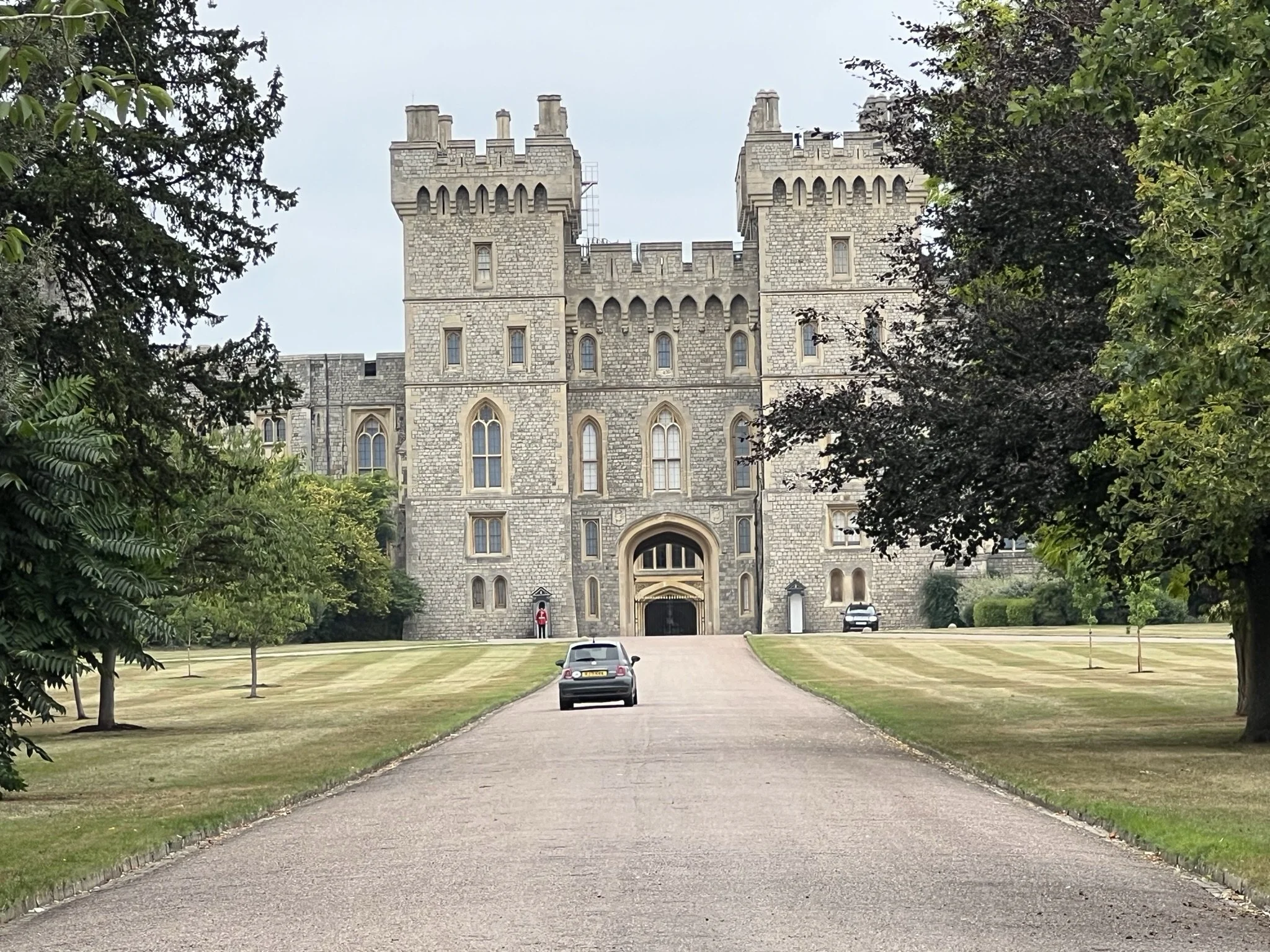
The tour began at Windsor Castle—founded in the 11th century by William the Conqueror, it is Europe's longest-occupied royal residence. Rhys provided a full narrative of St George's Chapel, a centrepiece of the castle complex that stands as a masterpiece of late Gothic architecture, as well as the fabled tunnels that lie beneath the castle, allowing for the clandestine behaviour of past royalty. The tour proceeded through Windsor’s side streets and market squares, with Rhys pointing out historic buildings and bringing them to life with architectural and cultural stories. For example, the fierce rivalry between the Great Western and South Western Railway companies, which led to the creation of the town’s two railway stations—an episode that transformed Windsor’s accessibility and economic landscape in the 19th century. We also encountered modern interventions in the town, such as recent infill projects and sensitive updates to historic structures—evidence of Windsor’s ongoing adaptation while respecting its heritage.
Windsor’s architectural diversity demonstrates how centuries of design, planning, and social change have shaped every street and square of this small but important town. Our tour finished at Windsor station, where the group was able to catch trains back to London and reflect on a very enjoyable day that encompassed so much of British history, and how it is being preserved, rejuvenated, and augmented by talented professionals in the built environment.
Written by Taylor Rogers, AIA and Kristy Sels, AIA. Photography and editing by Katharine Storr, AIA
