

Building Tour - Urbanest Battersea, A New Benchmark for Passivhaus Student Living in London
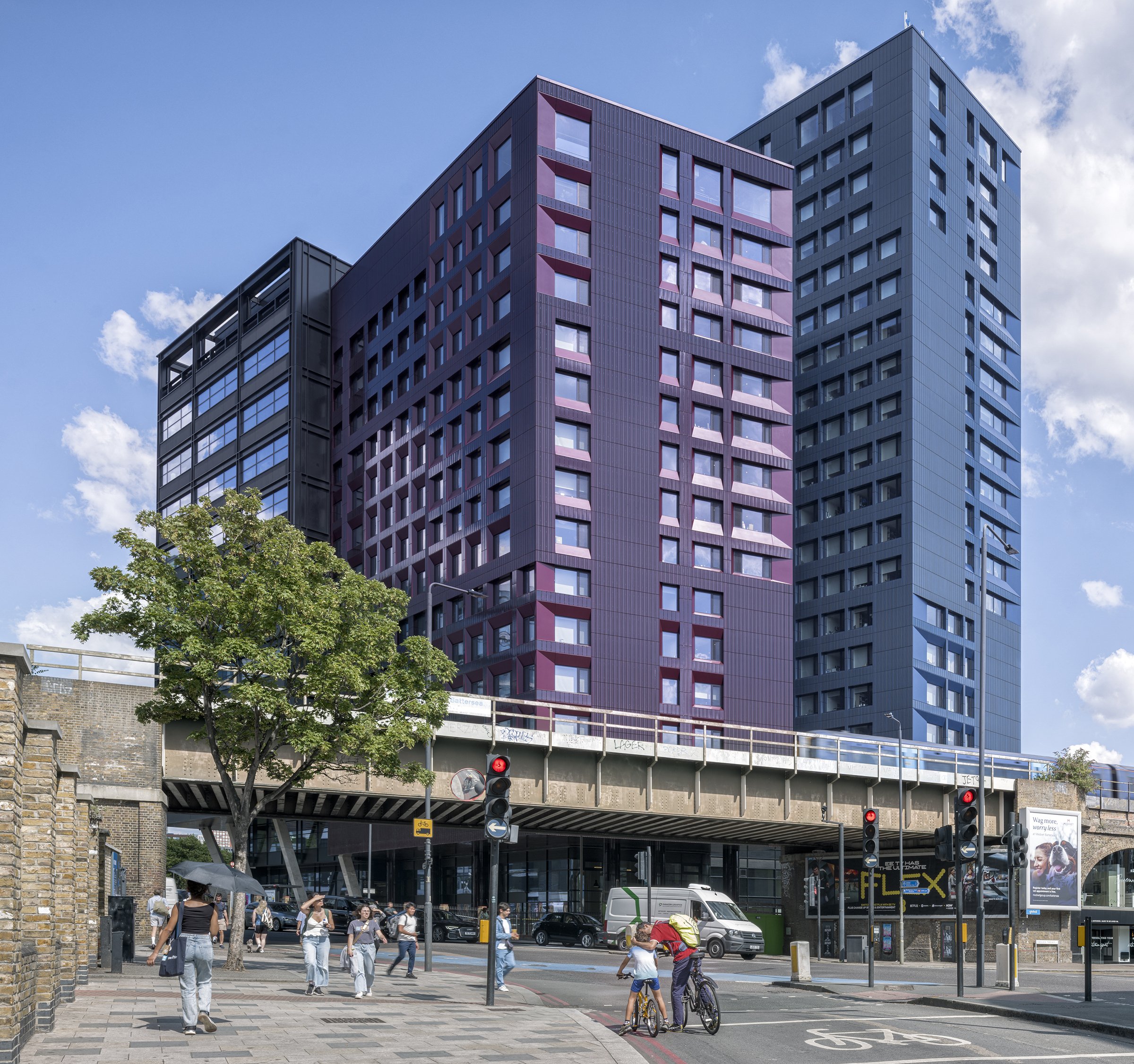
Photo credit AHMM
On 9 October, we had the opportunity to tour Urbanest Battersea in person. Urbanest positions itself as London’s leading student accommodation provider, with nine distinctive properties across central London. With 853 student beds distributed across buildings reaching up to 19 storeys, Urbanest Battersea is also Europe’s largest student accommodation development constructed to Passivhaus standards. Having previously toured Urbanest City by Hopkins Architects in June, I can say without reservation that Urbanest’s approach meaningfully redefines contemporary student housing.
The student rooms are well considered, each incorporating a bed, built-in desk and chair, wardrobe, and a private shower room. Comfort cooling and heating are provided alongside an air-filtration system and augmented acoustic dampening. Clusters of rooms share fully furnished communal kitchens with generous dining areas. Public amenities are extensive and of a notably high standard, including a gym, cinema room, rooftop terraces offering expansive city views, and a variety of communal study spaces. Attention to detail and finishes is consistently strong throughout.
Designed by AHHM, Urbanest Battersea recently became the UK’s largest certified Passivhaus development after passing a demanding series of airtightness tests. Located on the south side of Battersea Park Road, opposite the emerging Battersea Power Station district, the scheme comprises three student residential buildings and a dedicated commercial building, forming a highly sustainable and thoughtfully articulated ensemble.
Three of the four buildings are connected by a shared podium, with heights ranging from 11 to 19 storeys and creating a dynamic skyline. Our guide, Flora Genel, explained that the staggered building heights and stepping massing are deliberately arranged to frame key views, while the podium unifies the scheme around landscaped courtyard gardens. She also highlighted the glazed terracotta façades—rendered in a vibrant palette of red, green, and blue—which reference the area’s industrial heritage as well as the surrounding brickwork, local flora, and sky.
The design, like many contemporary student residential schemes, encourages social interaction. The three interconnected residential cores (colour-coded to match the terracotta façades) converge at podium level. This area also accommodates a public house, café, and an Enterprise Business Unit (EBU), which offers a flexible community hub for cultural events and workspace. The combination of a socially oriented design strategy, careful materiality, low-energy performance, and exemplary Passivhaus credentials—in addition to outstanding living and amenity spaces—positions Urbanest Battersea as a standout model for student accommodation in London.
Written by Gregory Fonseca, AIA
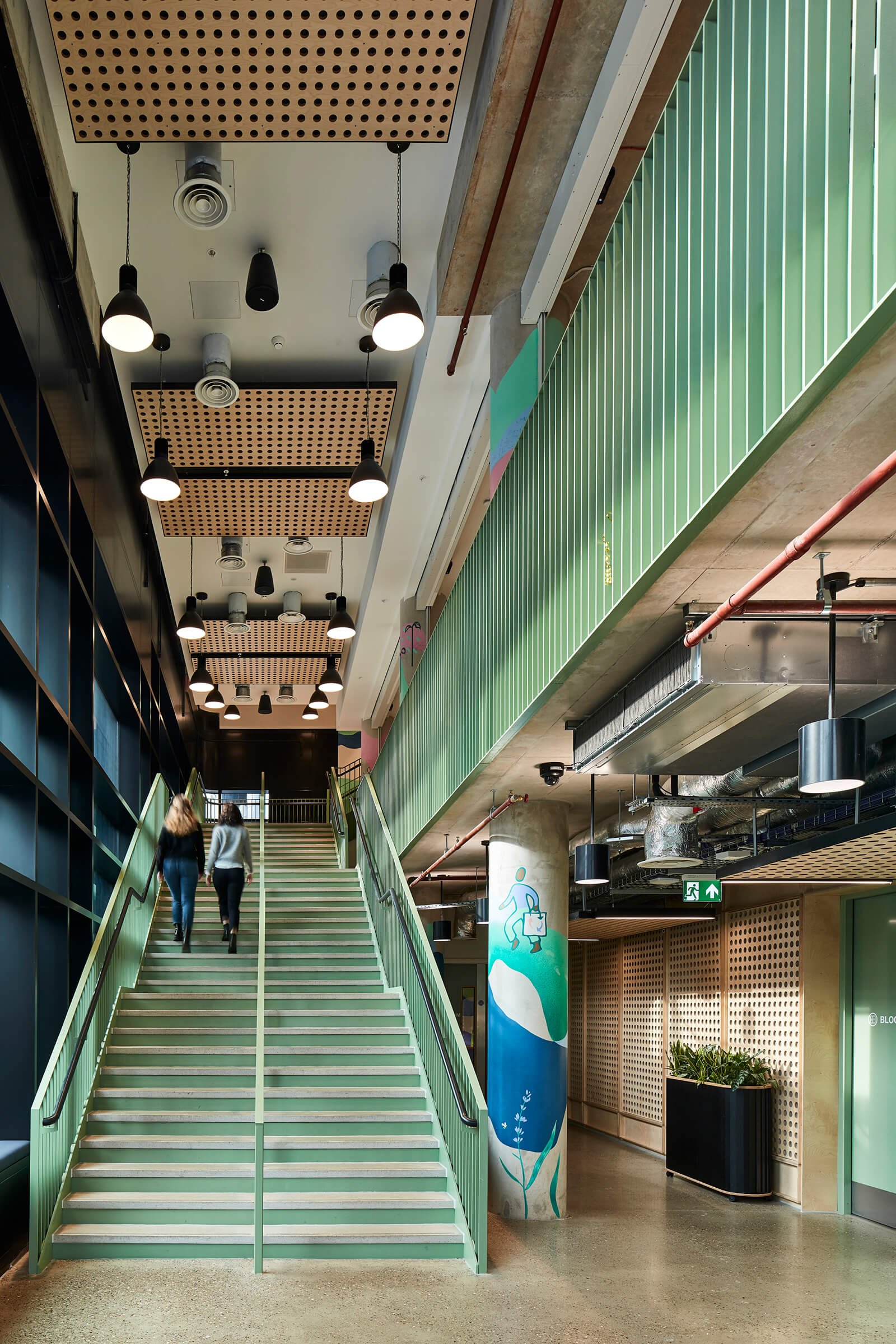
Photo credit AHMM

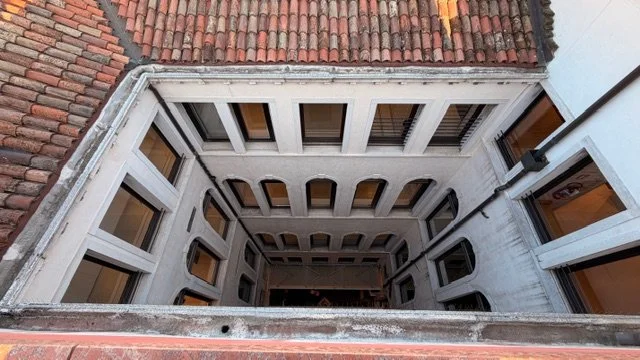
AIA UK and AIA CE - Venice Architecture Biennale Study Trip

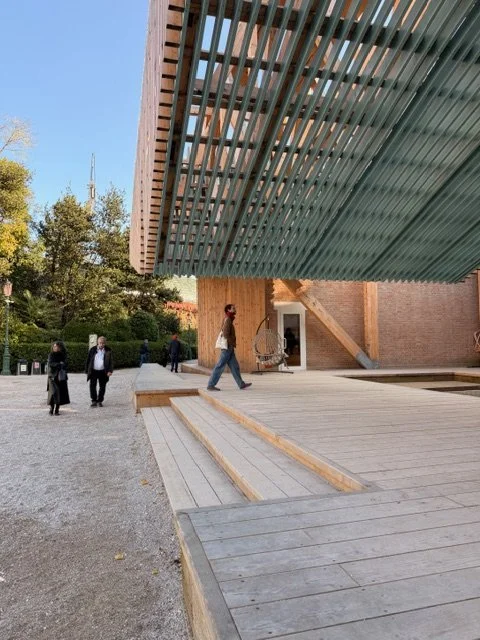
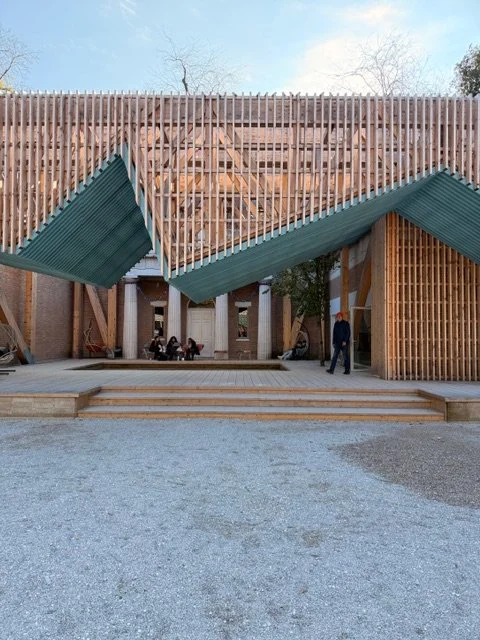
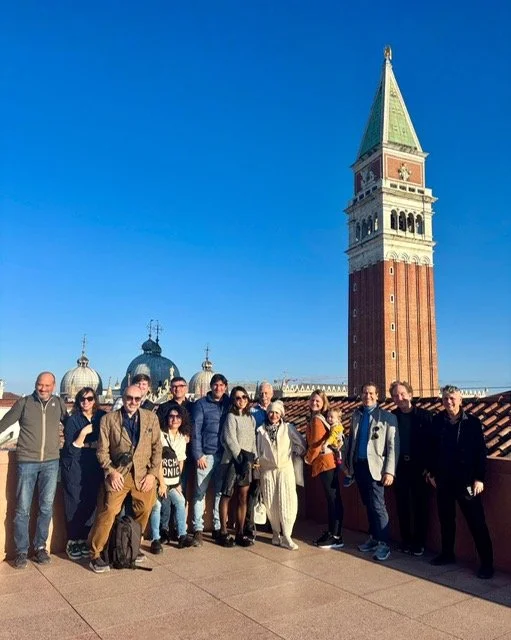
AIA UK, in collaboration with AIA Continental Europe, hosted a two-day study trip to the Venice Architecture Biennale 2025 on 8–9 November. The visit brought together members from across the UK and Europe to explore this year’s curatorial theme, Intelligens: Natural. Artificial. Collective.
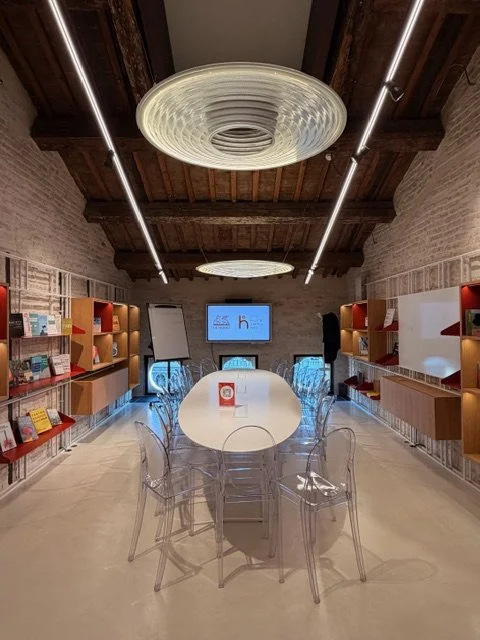
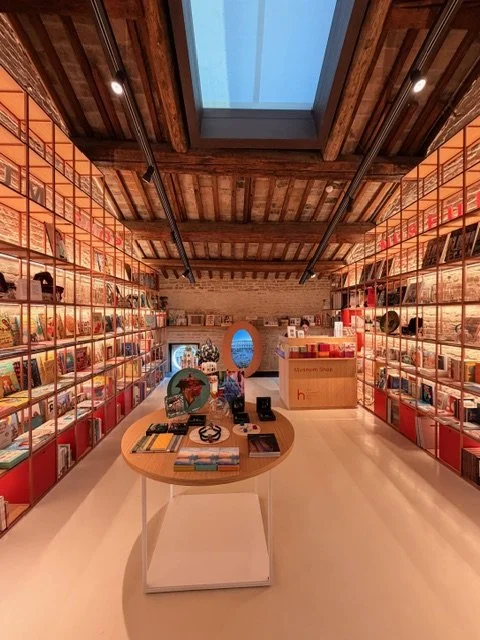
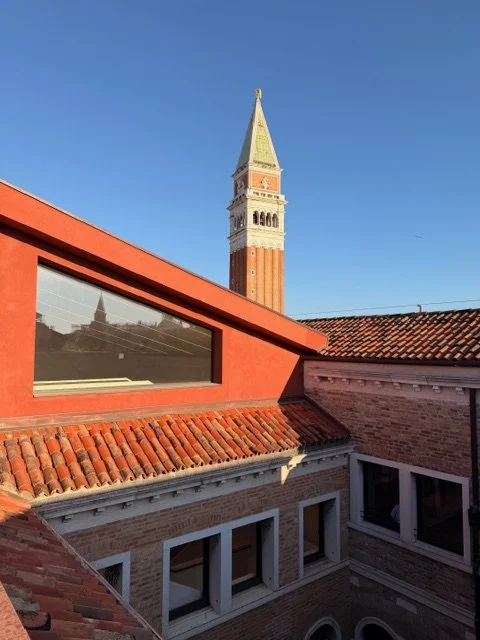
The program began with an architectural visit to Banca Generali by David Chipperfield, where participants examined how contemporary design can respond sensitively to Venice’s historic fabric. The discussion focused on materiality, proportion, and the integration of new interventions within protected urban environments, reinforcing the importance of contextual awareness in architectural practice.
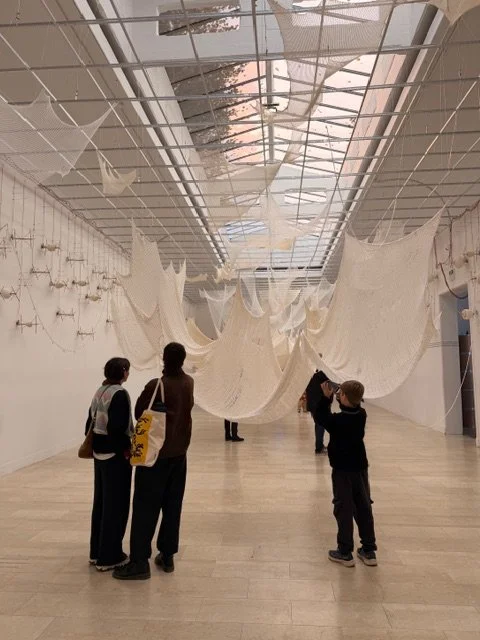
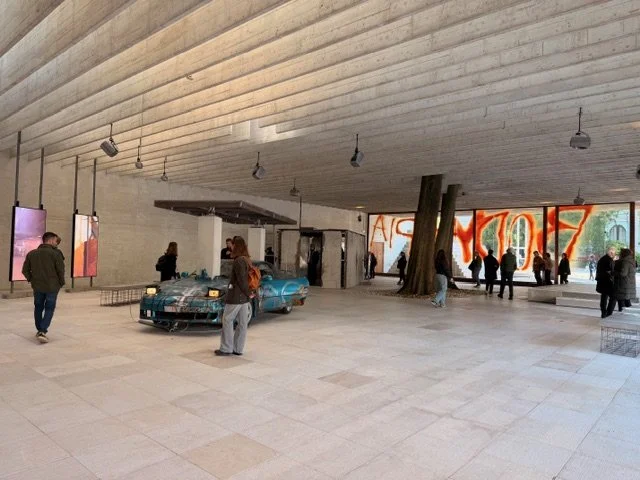
On the second day, participants explored the Biennale exhibitions at the Giardini and Arsenale as a group. The 2025 theme, Intelligens, invited reflection on how architecture navigates the intersection of natural systems, artificial intelligence, and collective human knowledge. Through international pavilions and installations, architects gained insight into emerging approaches to climate adaptation, technological innovation, and socially responsive design.
The trip strengthened collaboration between AIA chapters in the UK and Europe, creating a shared platform for professional exchange and critical dialogue. By combining study, cultural immersion, and peer discussion, the Venice program supported architects in expanding their global perspective and deepening their understanding of how intelligence—natural, artificial, and collective—shapes the future of the built environment.
The co-organizers were Morgan Danner, AIA & Lulu Yang, Assoc AIA.
Written by Lulu Yang, AIA

AIA UK Super Saturday 2025 - Windsor and Eton
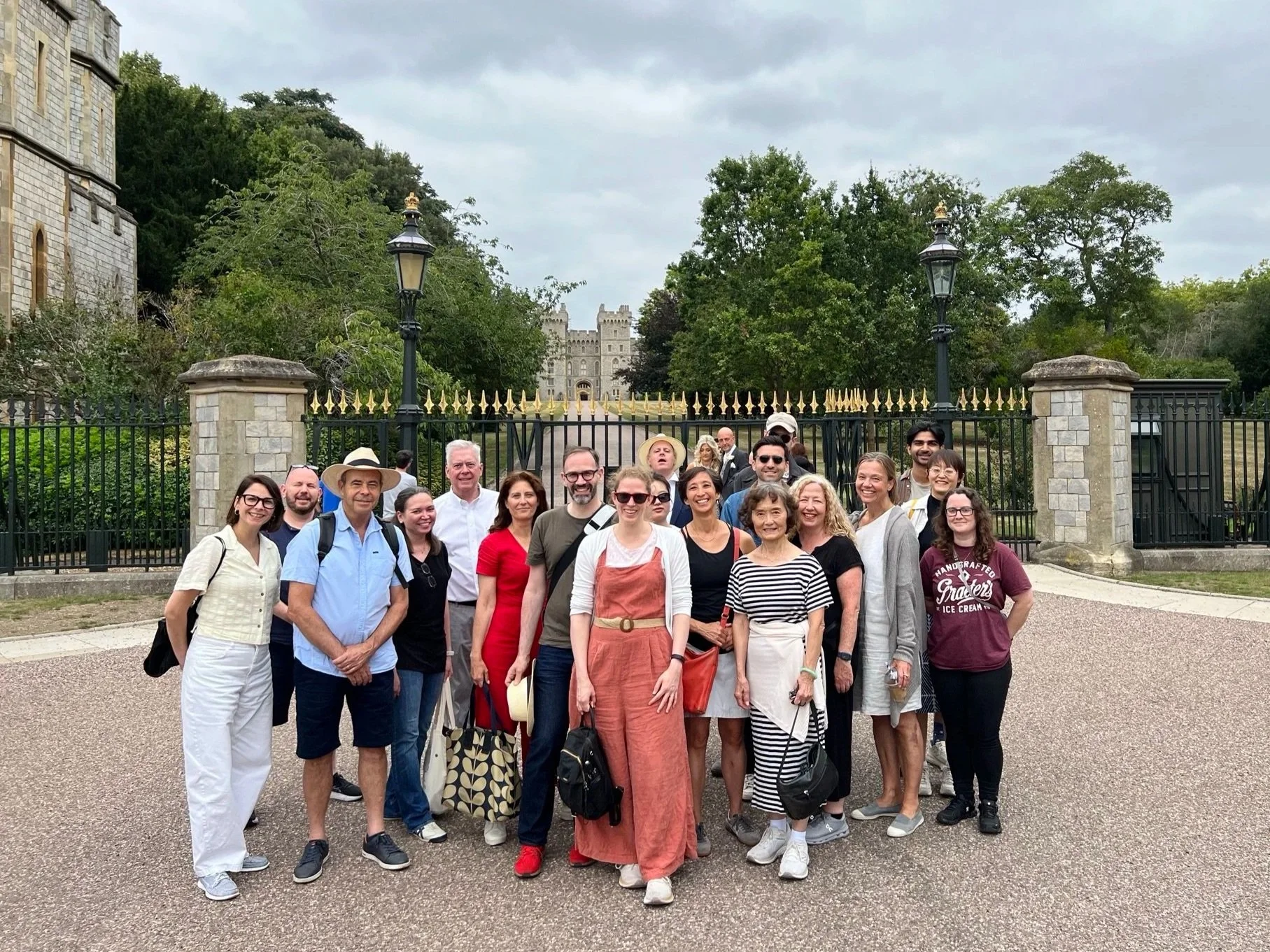
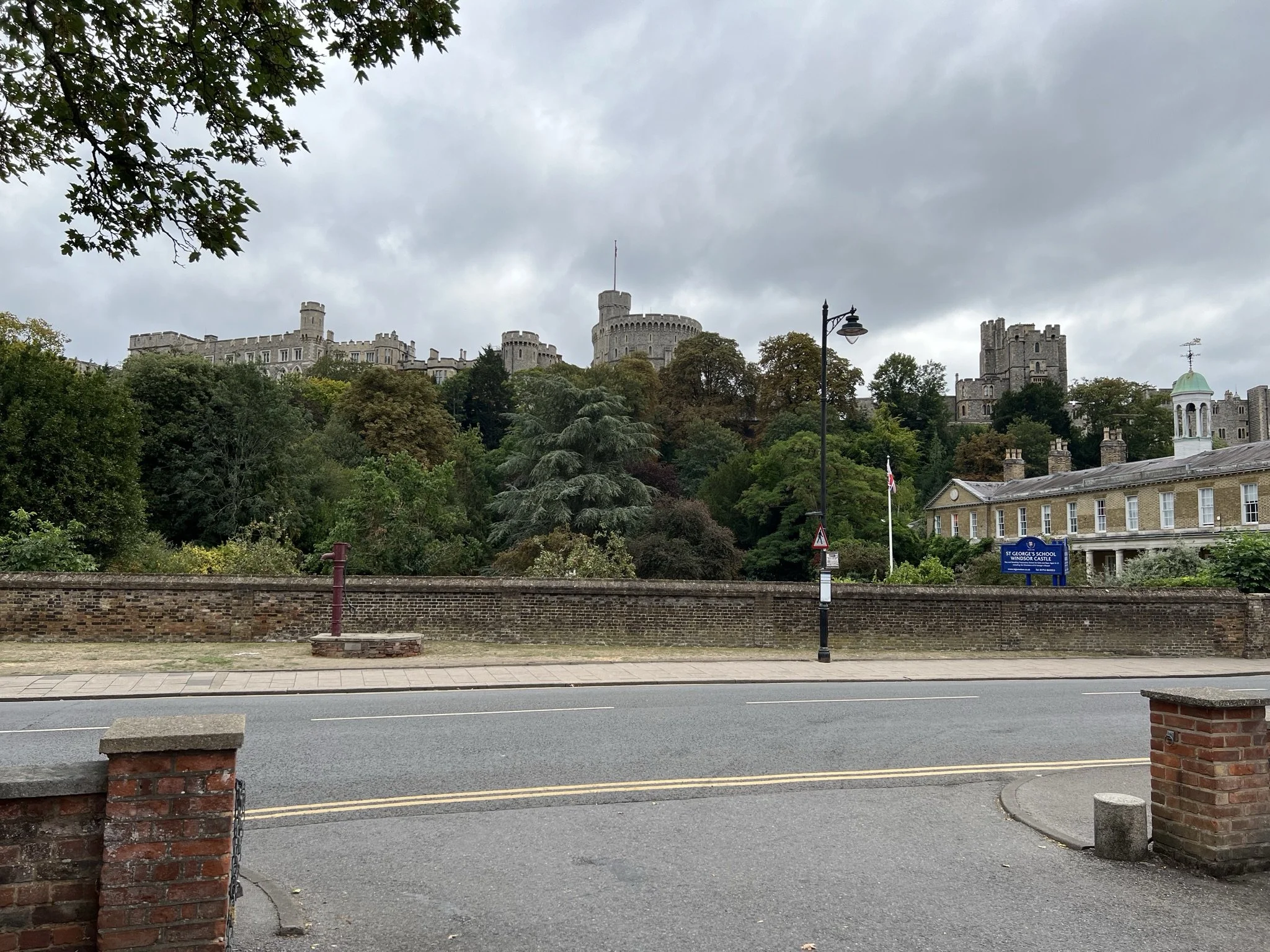
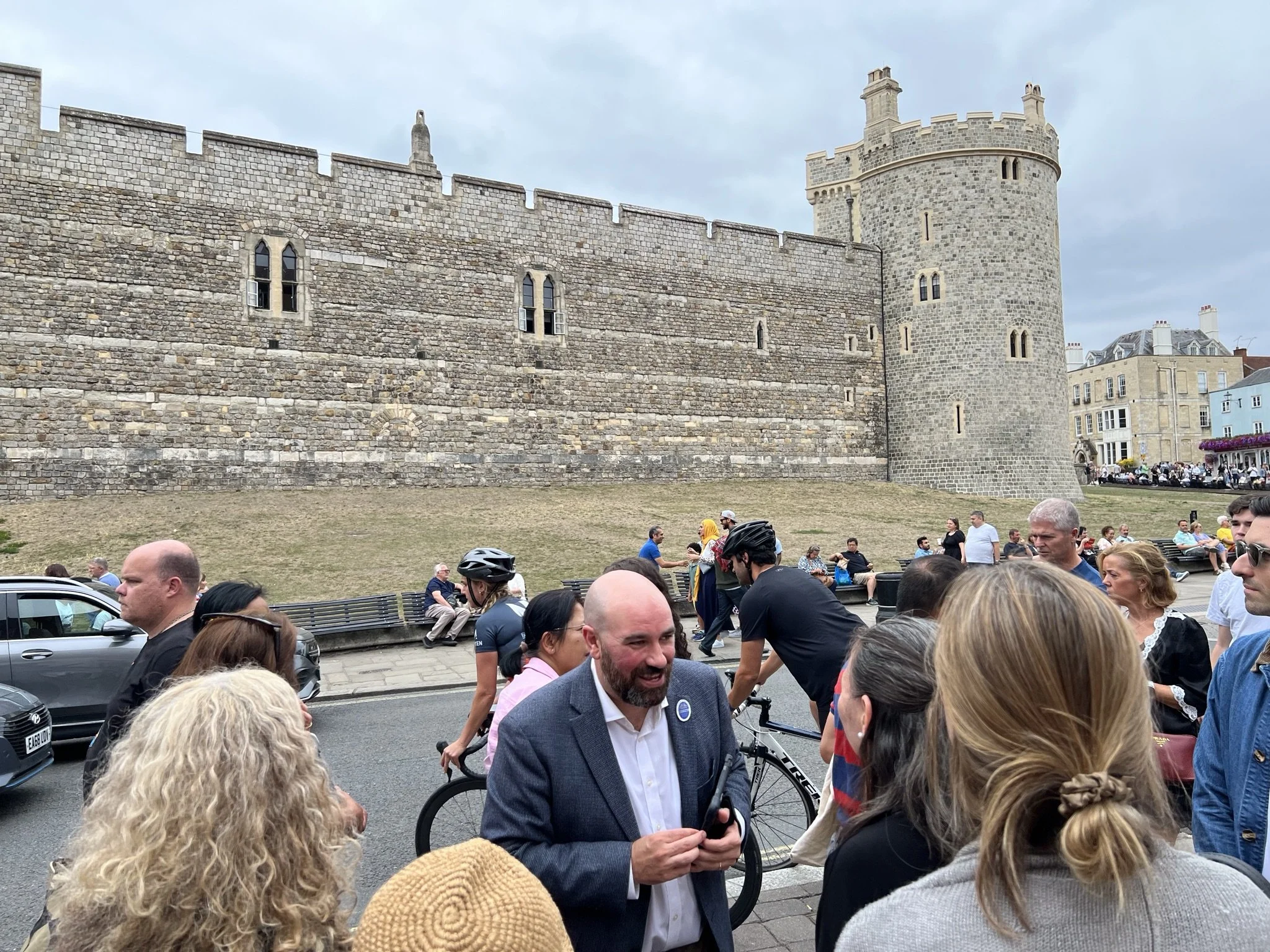
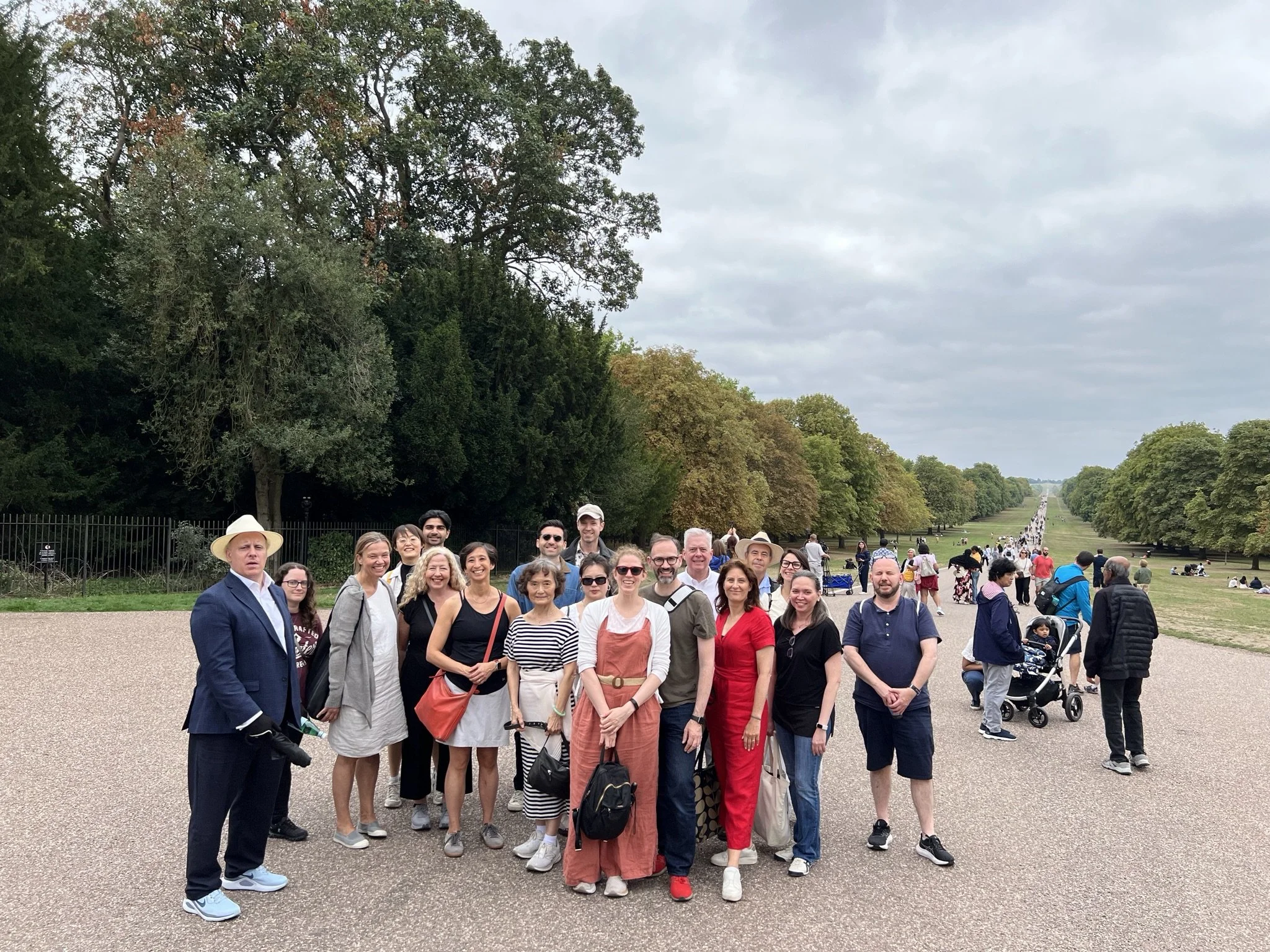
Outside Windsor Castle on The Long Walk
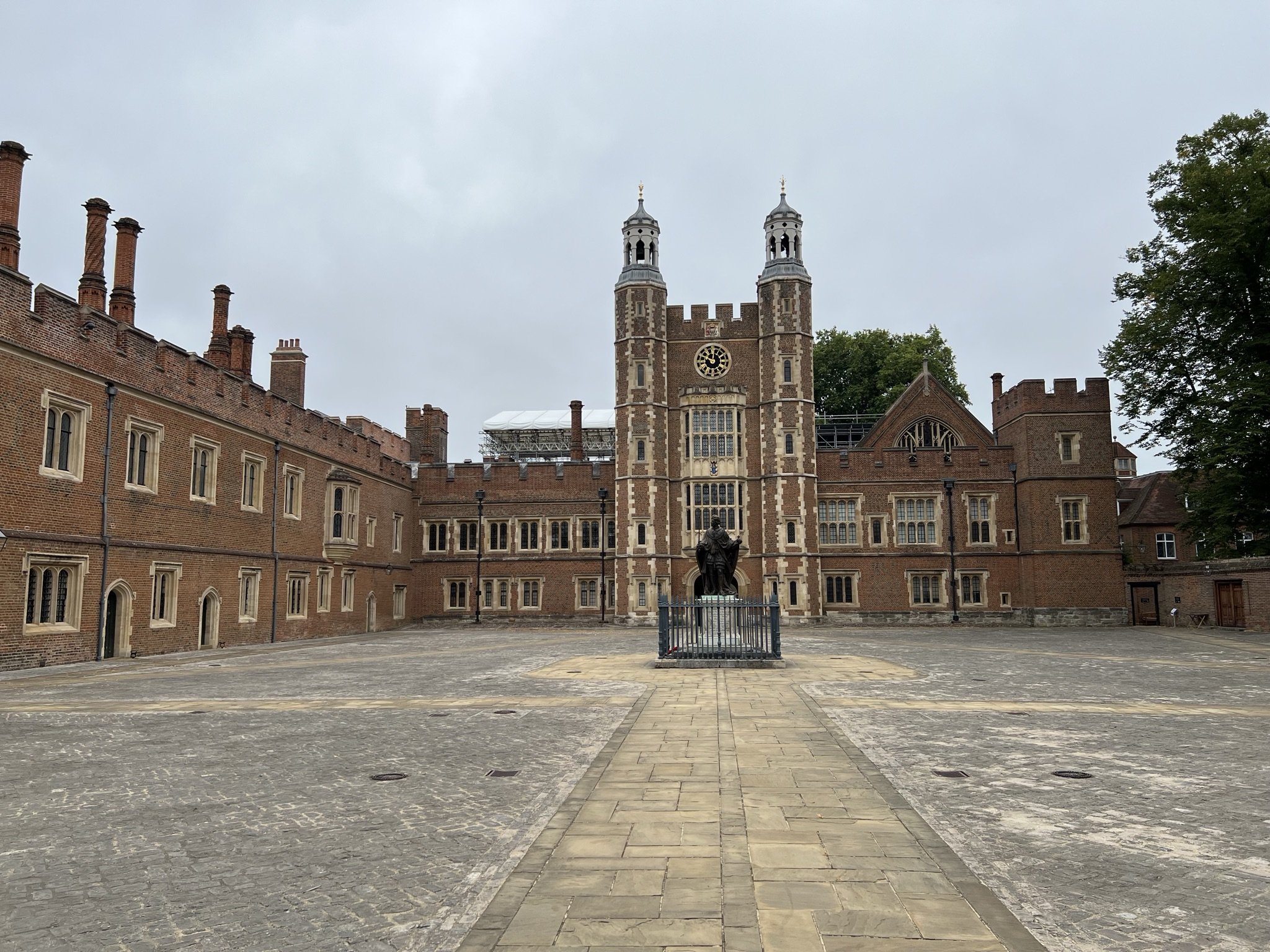
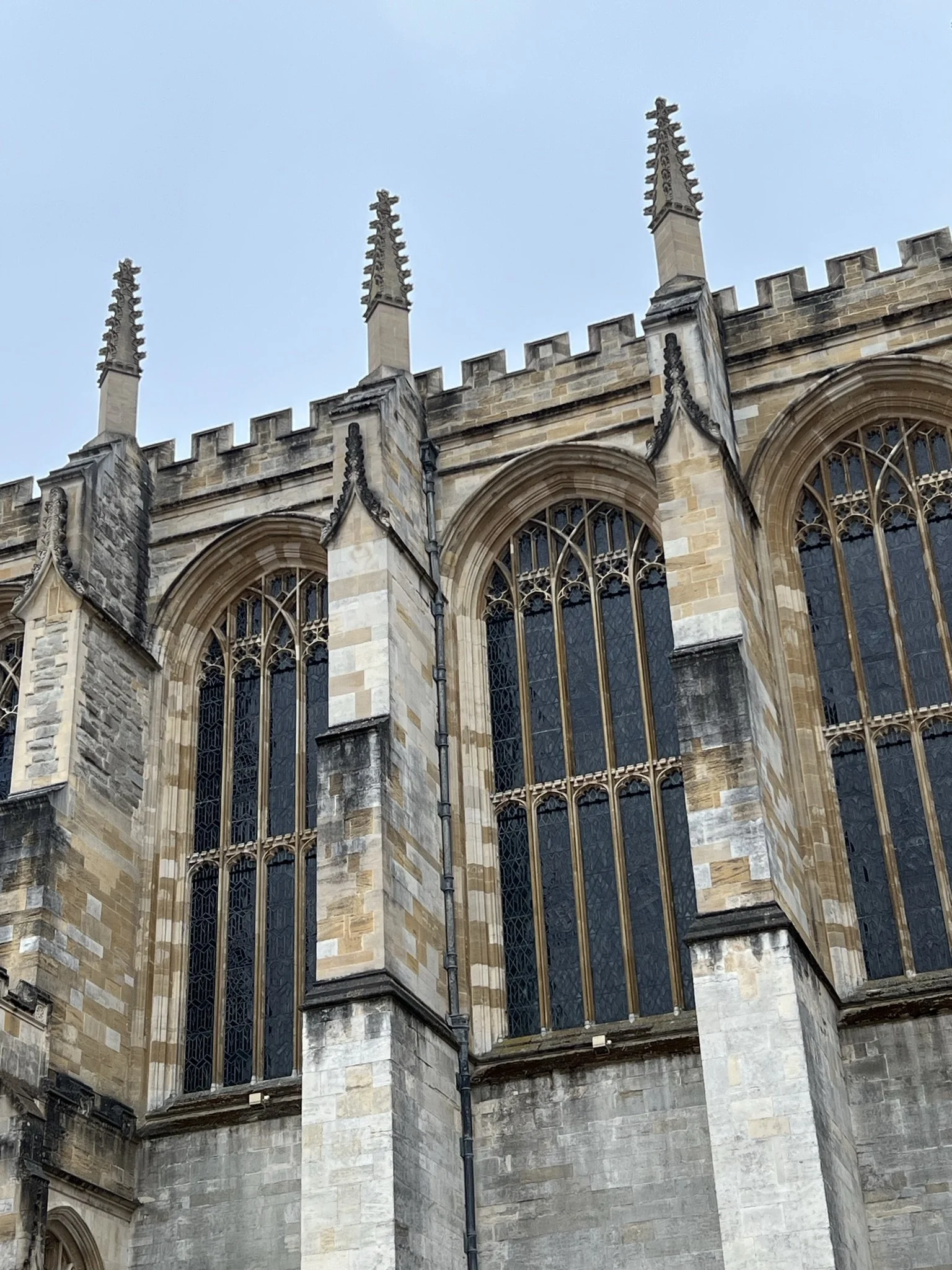
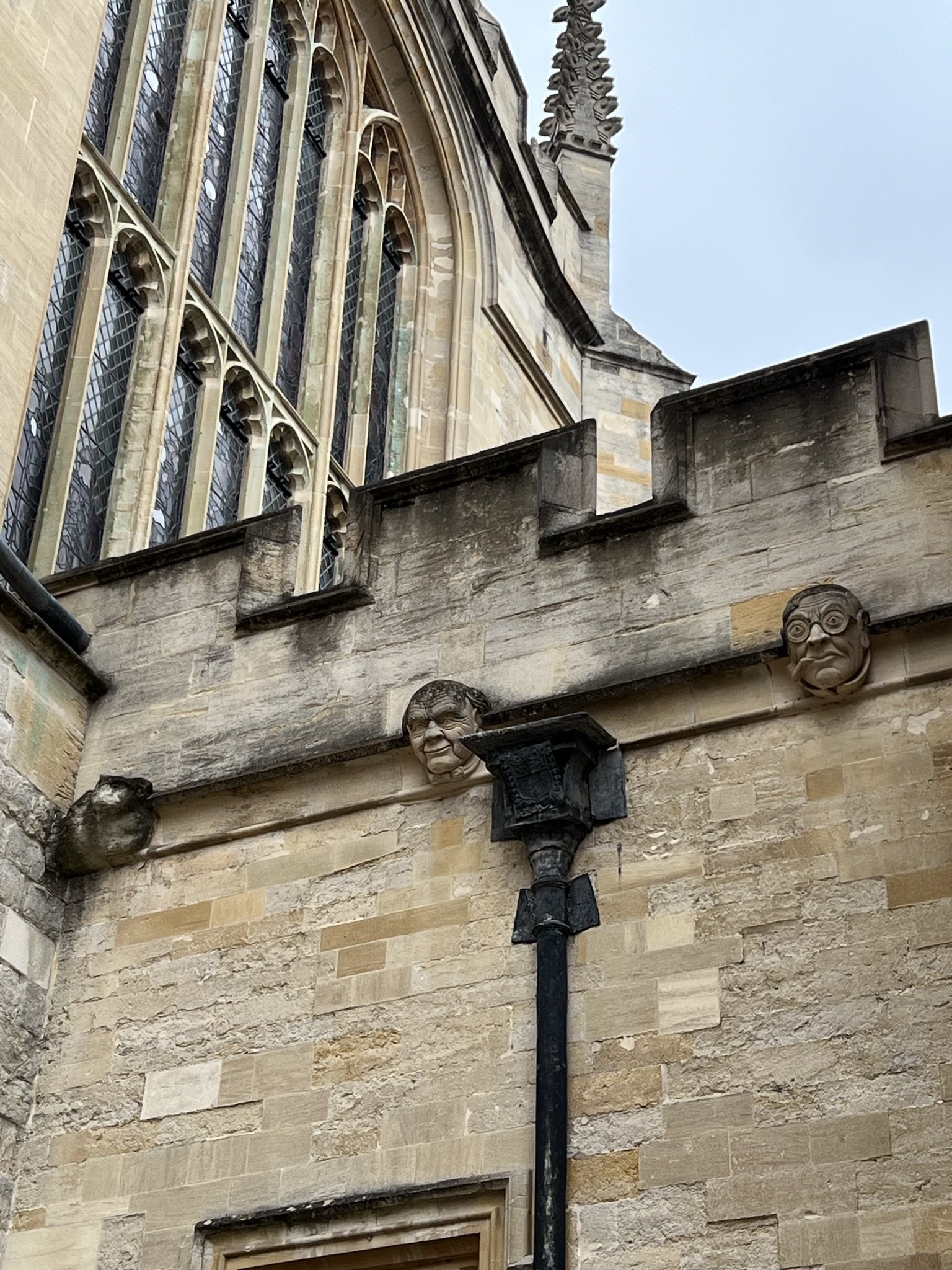
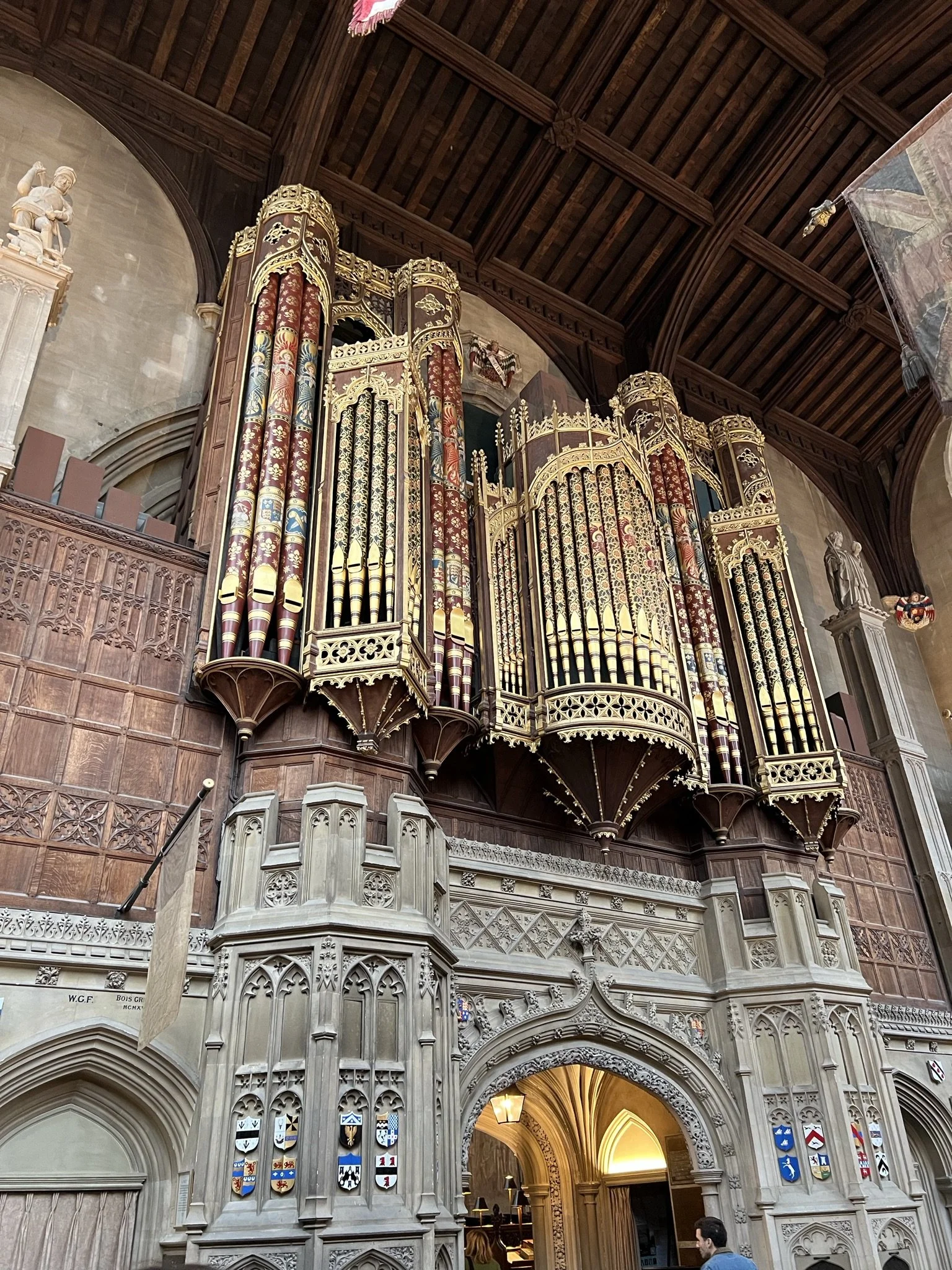
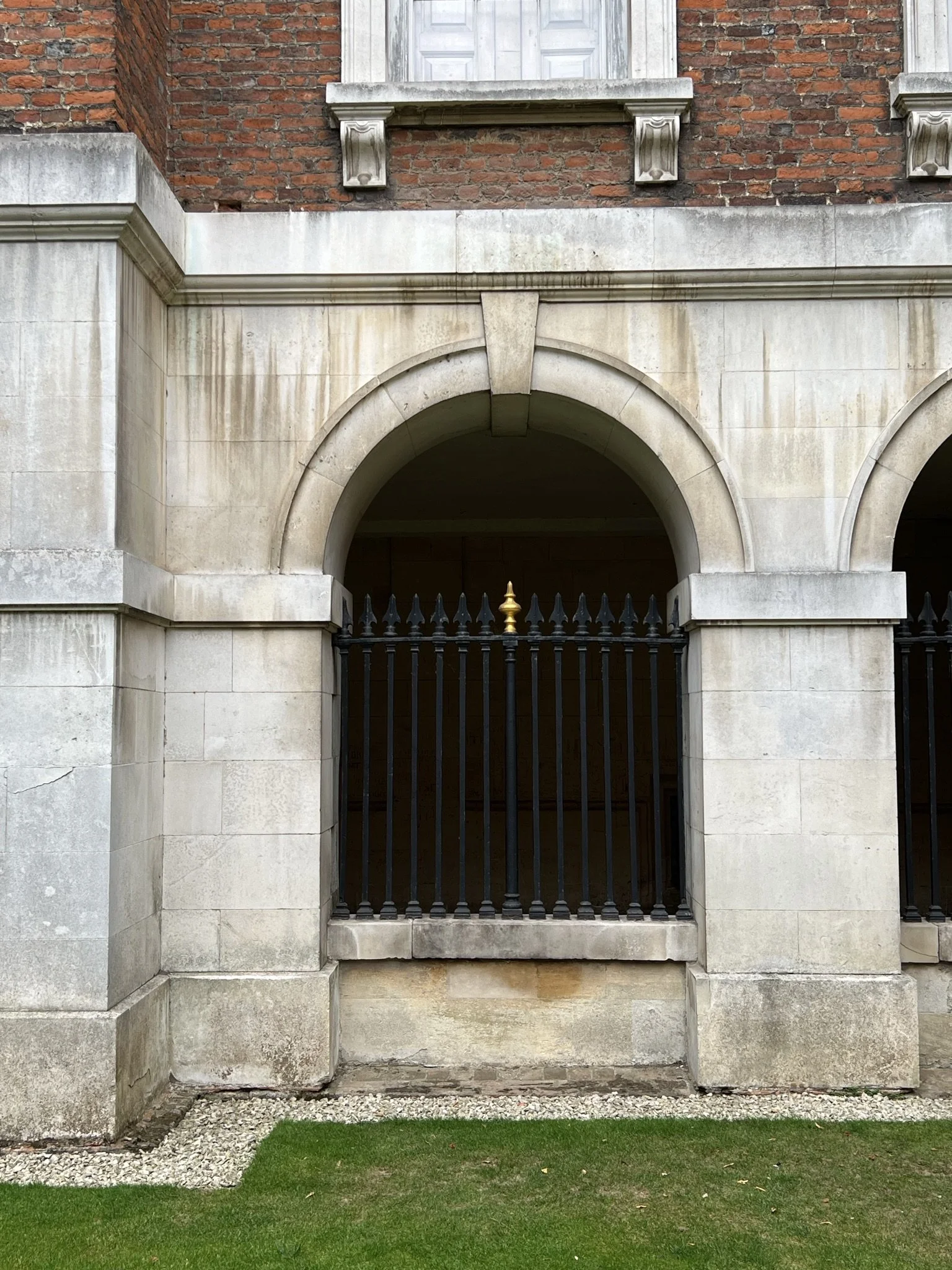
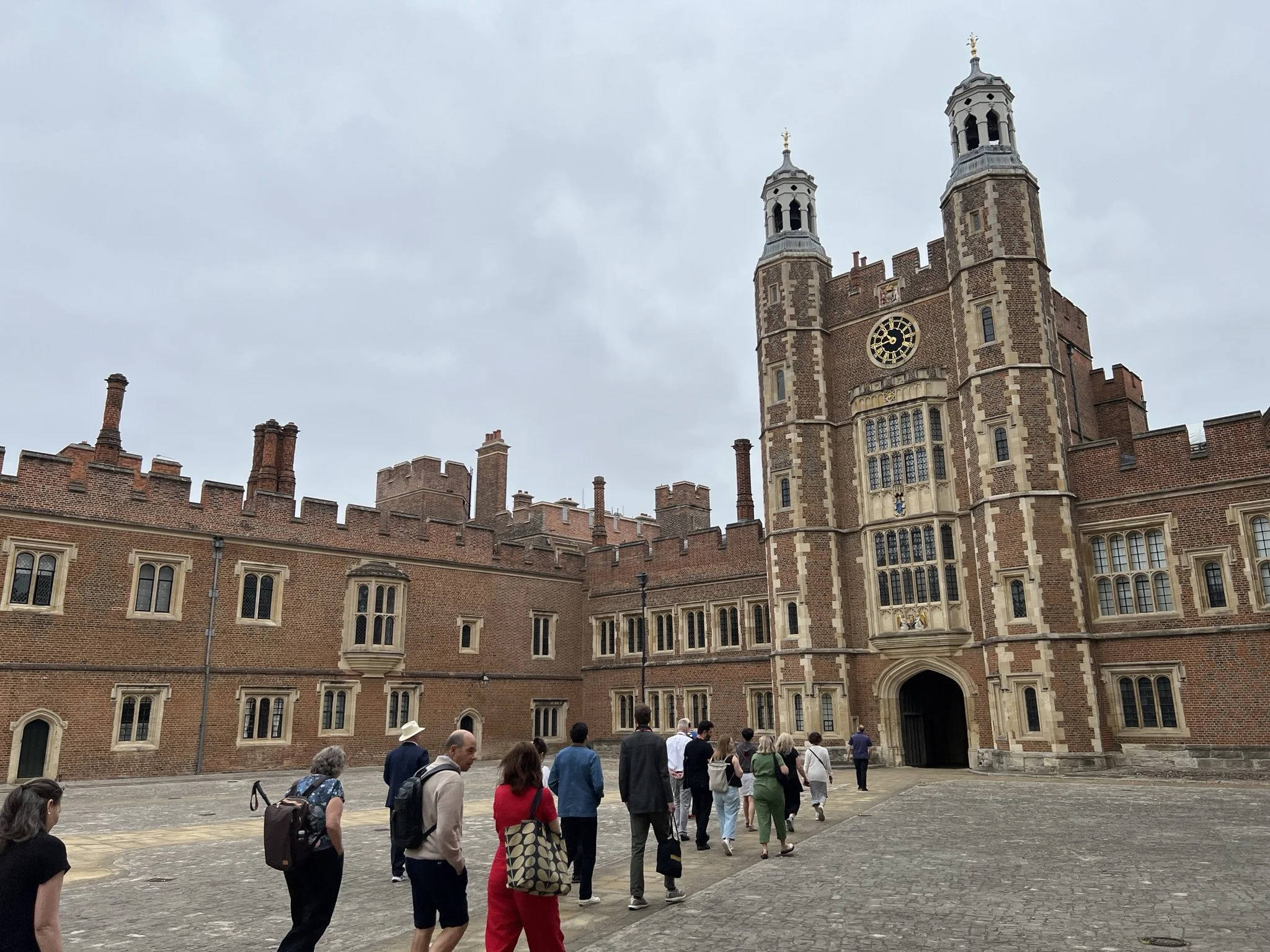
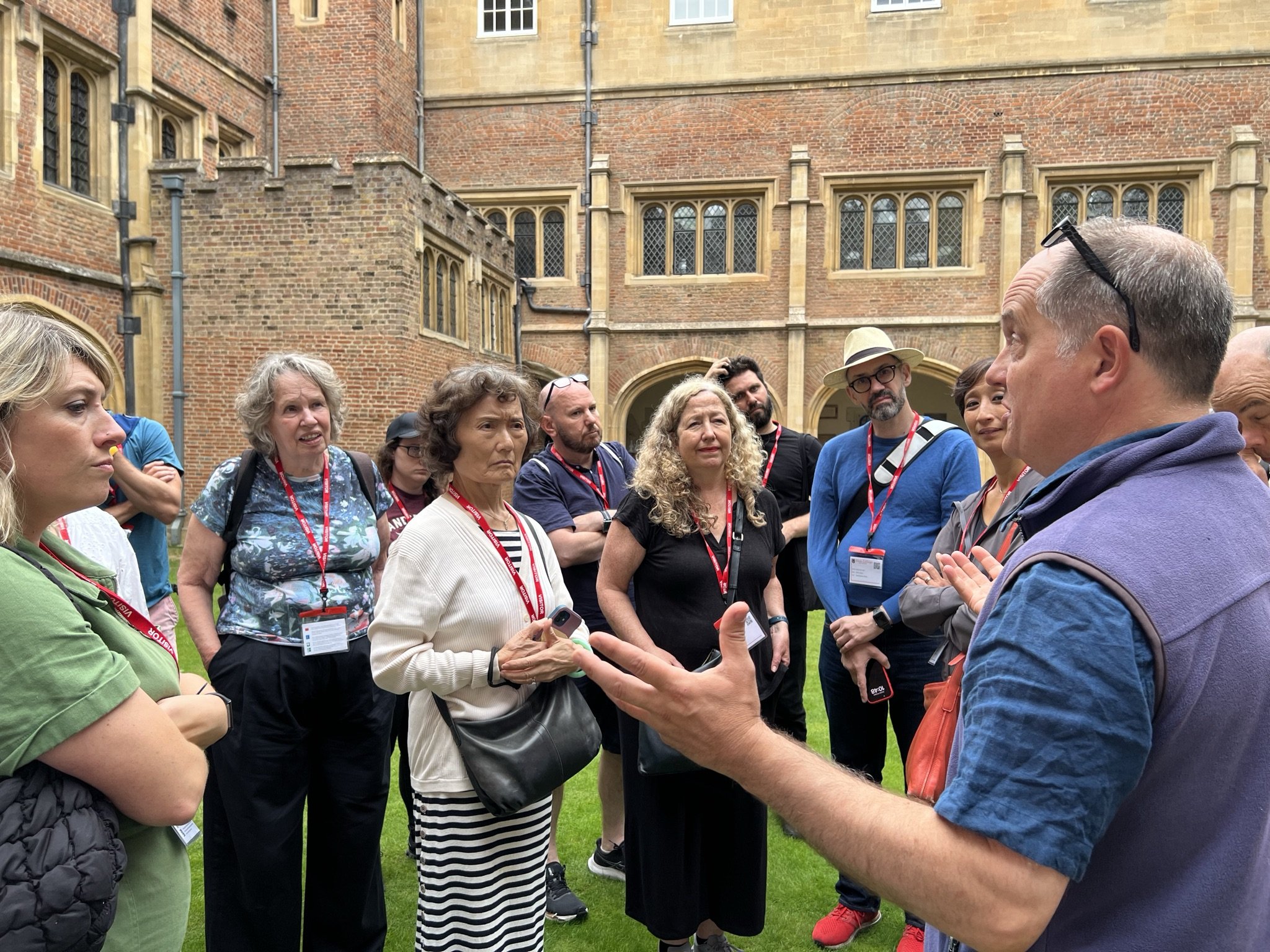
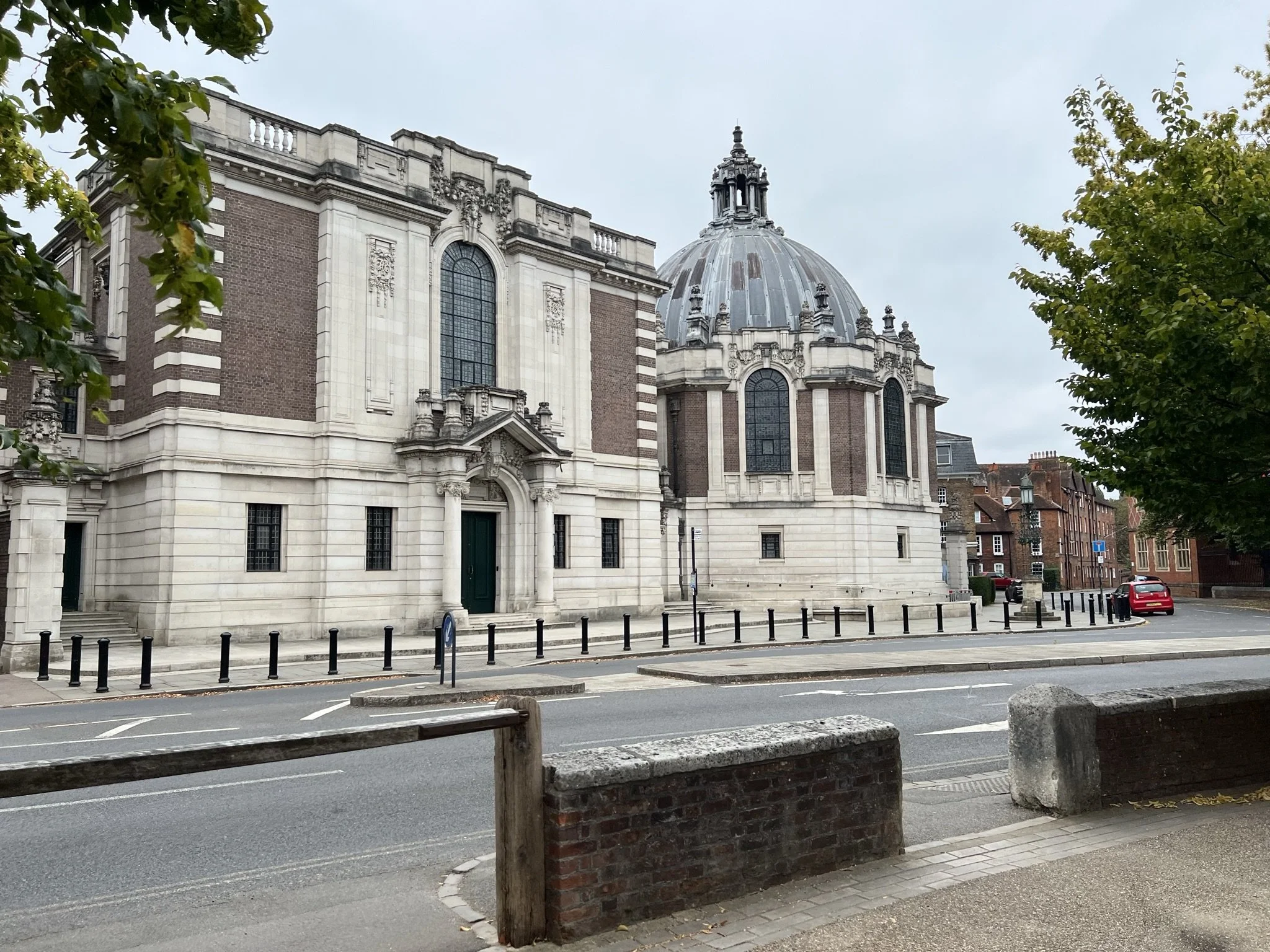
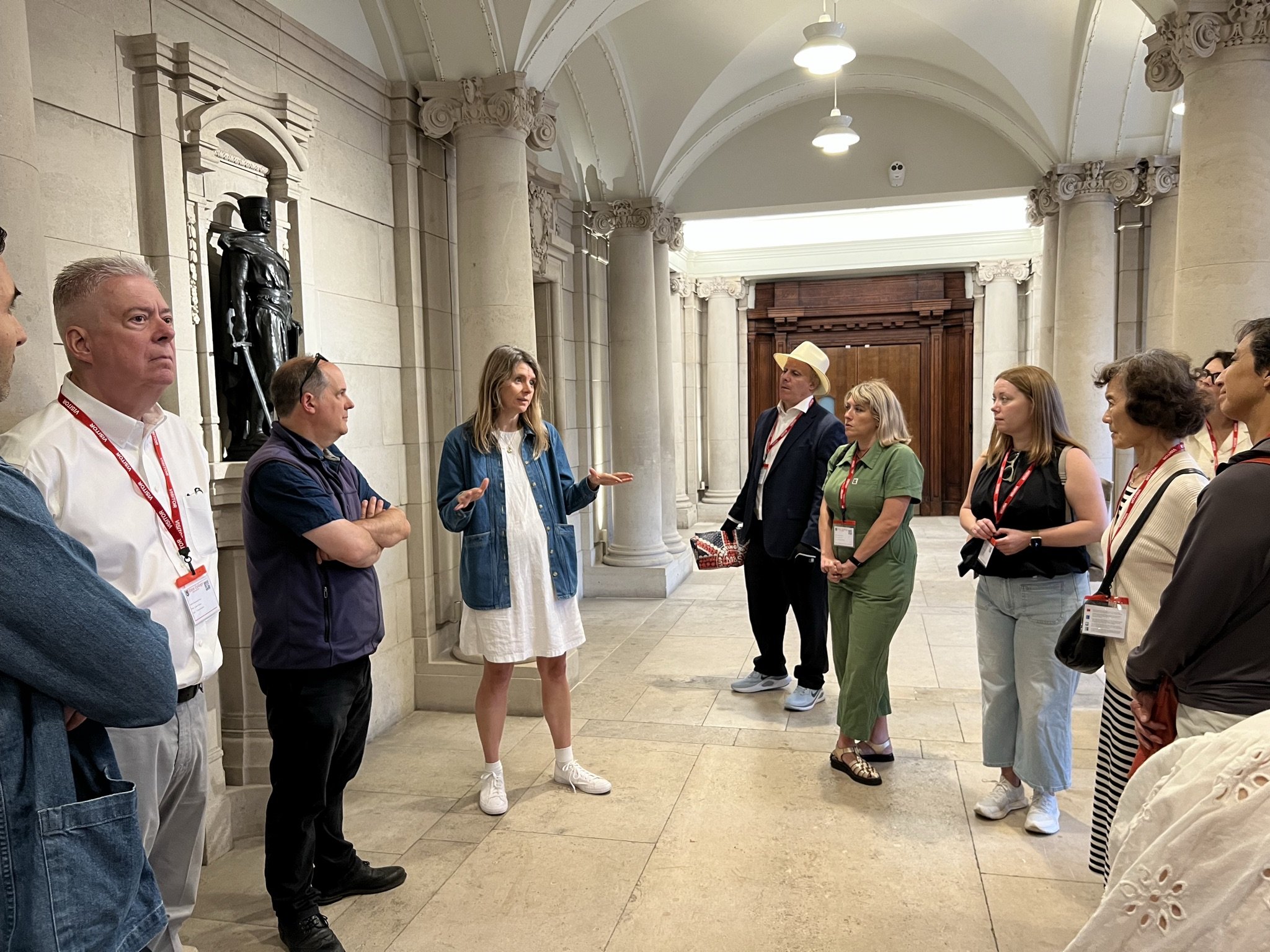
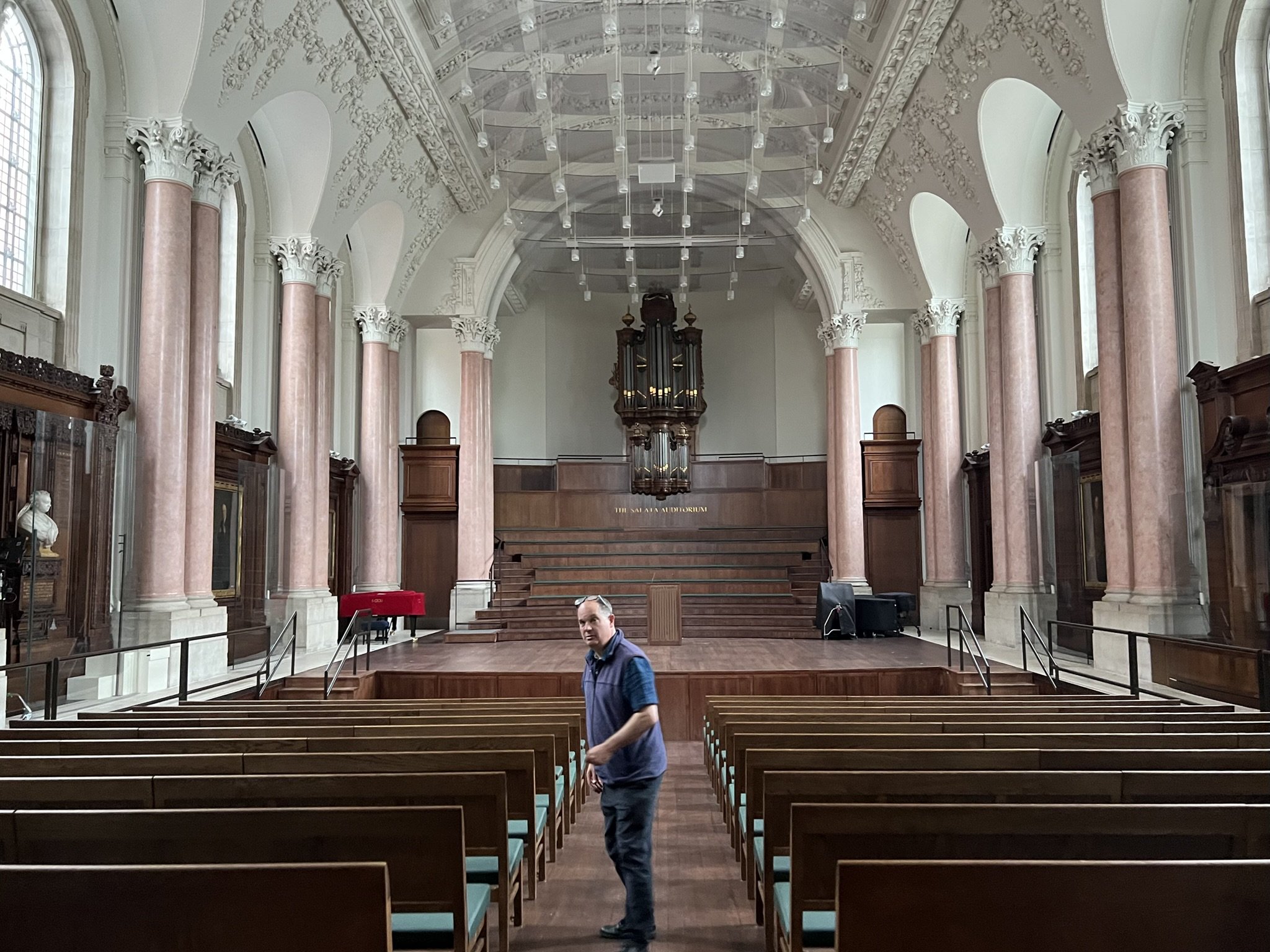
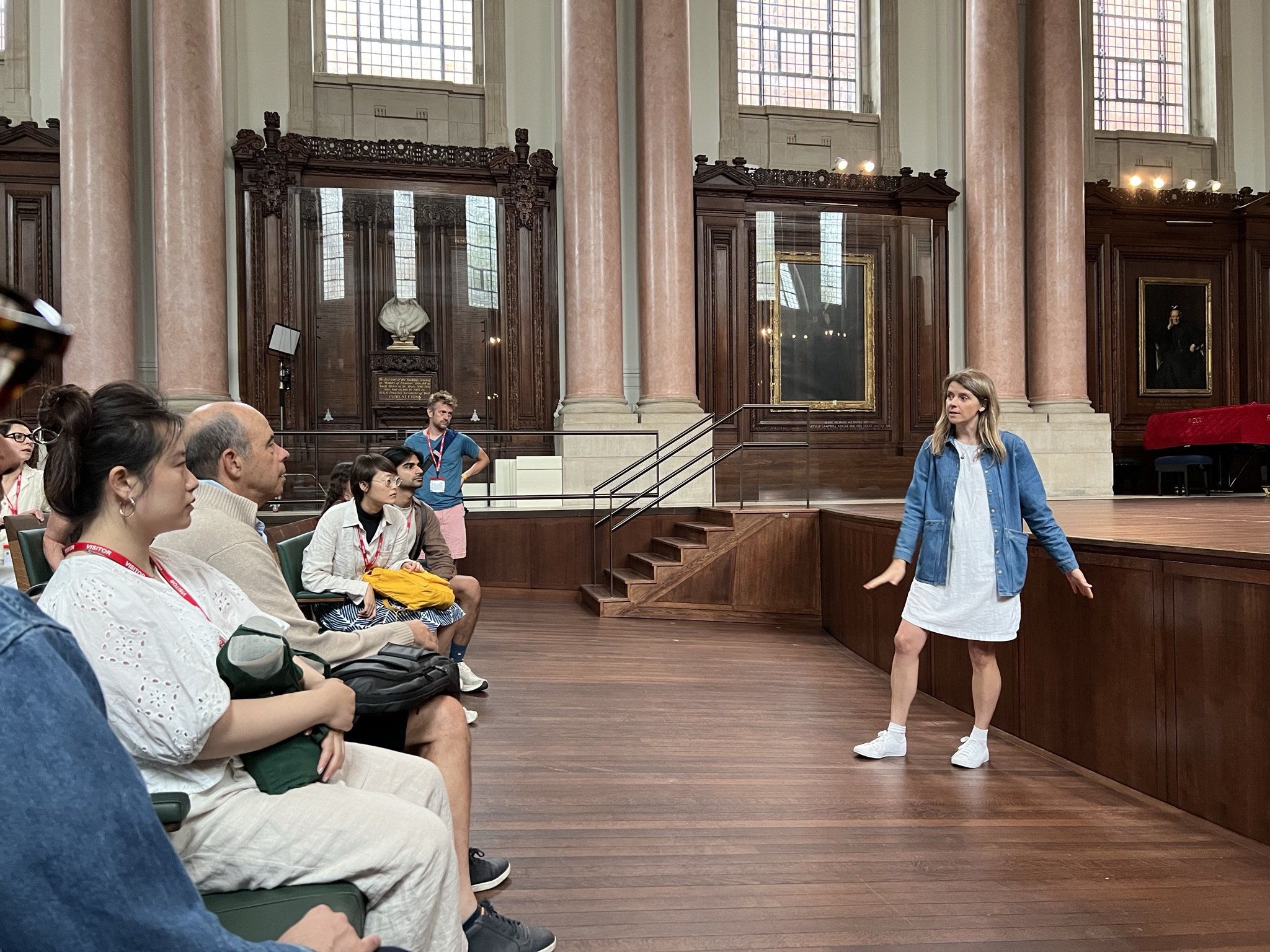
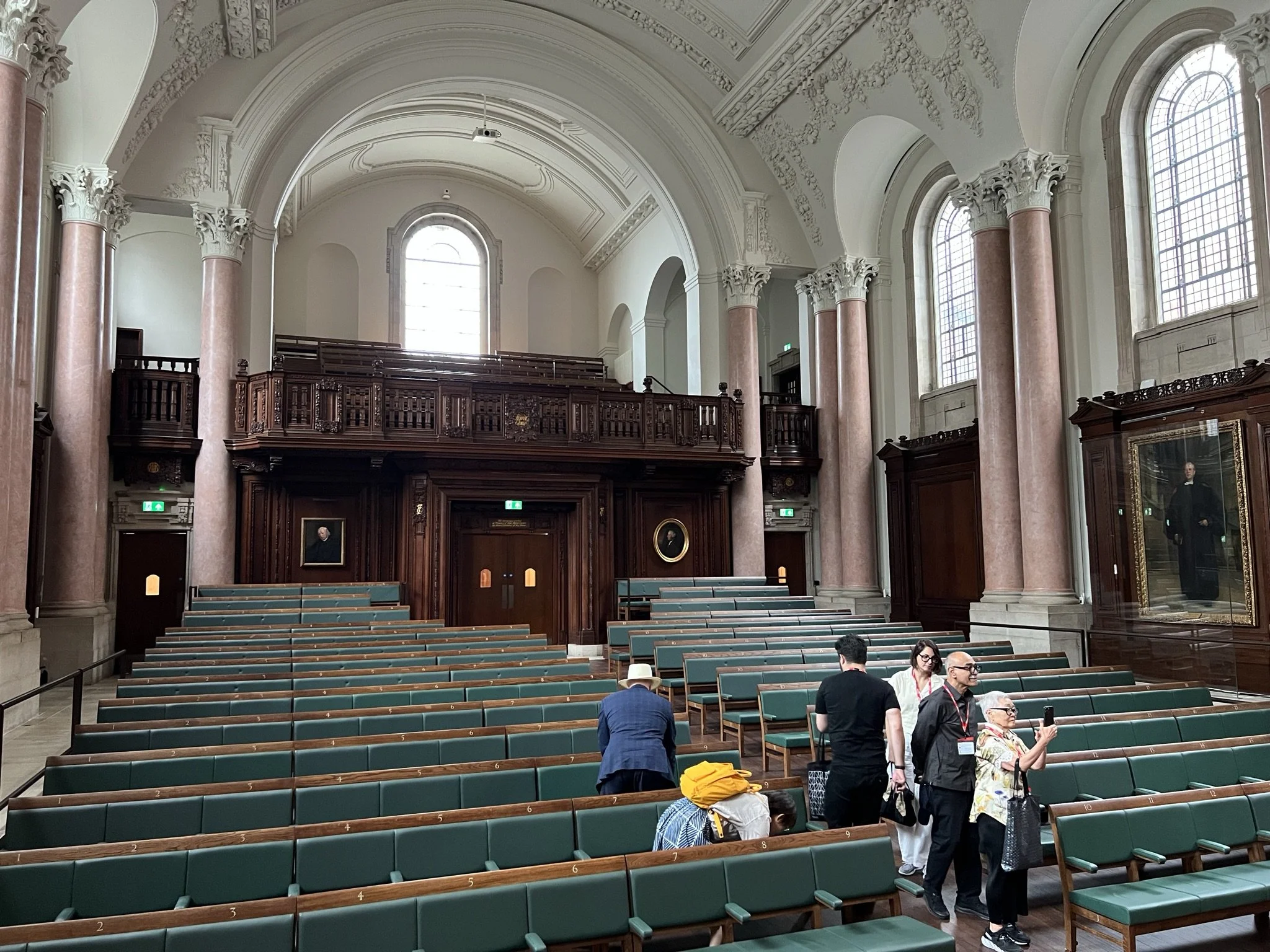
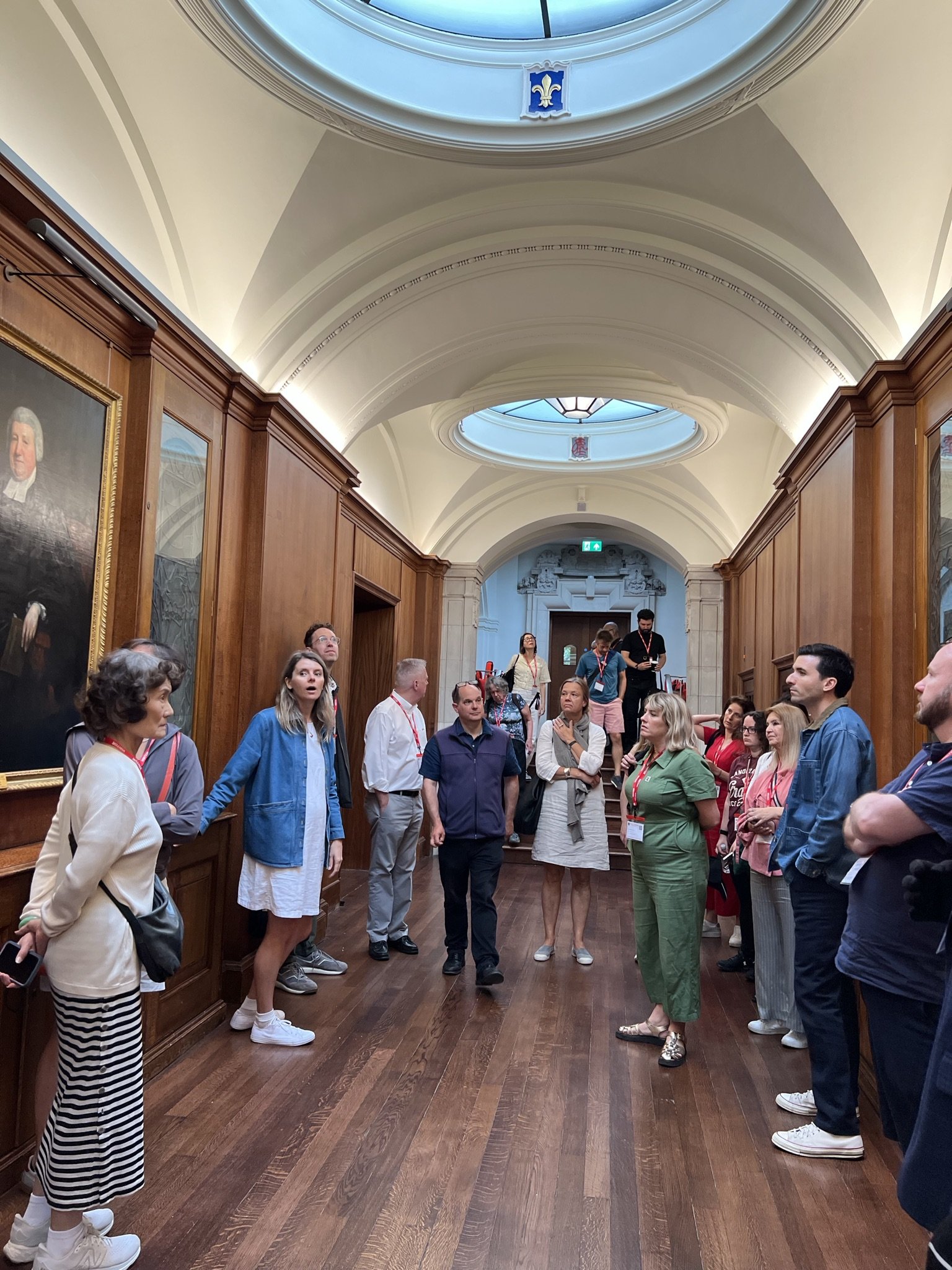
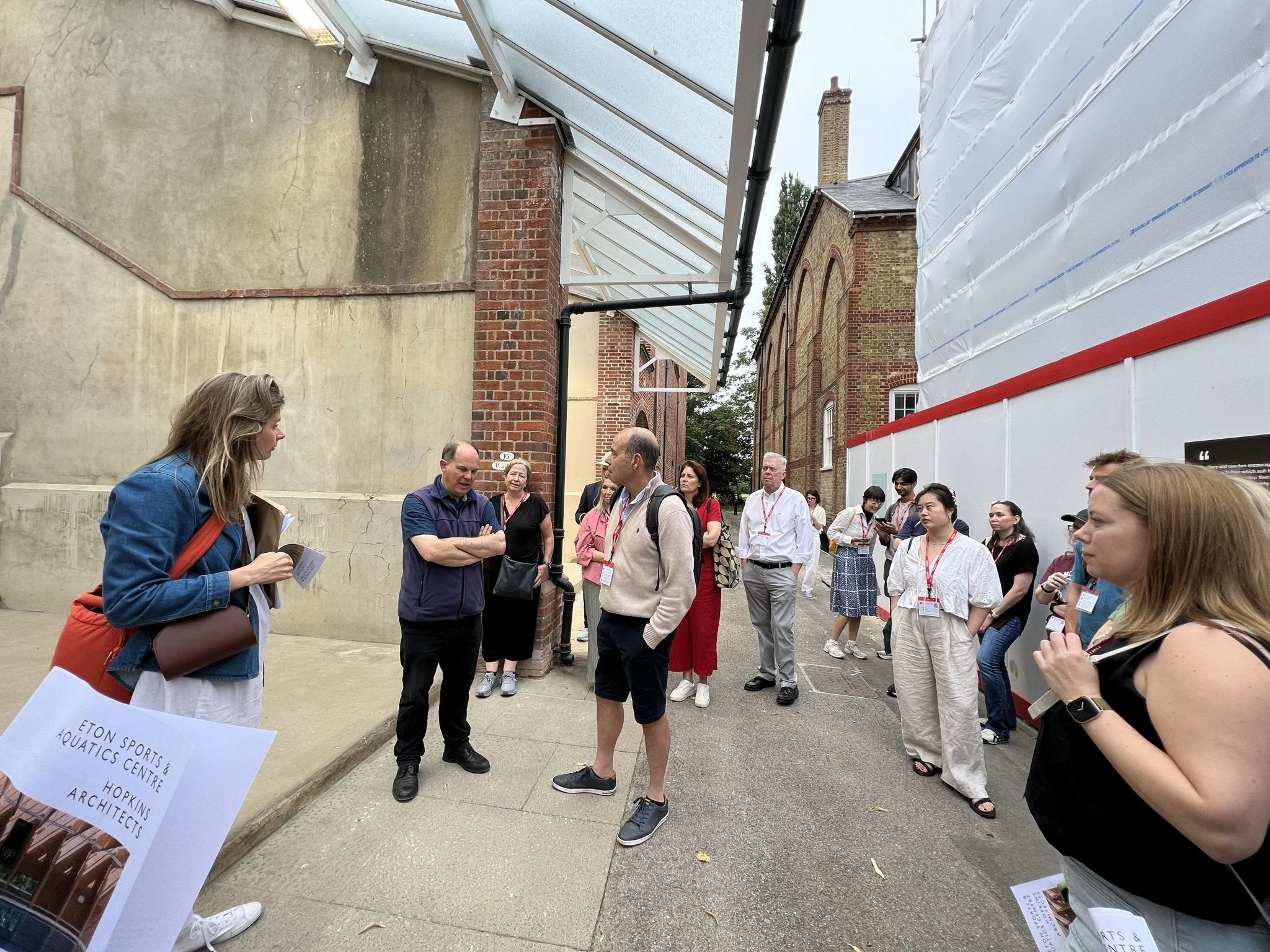
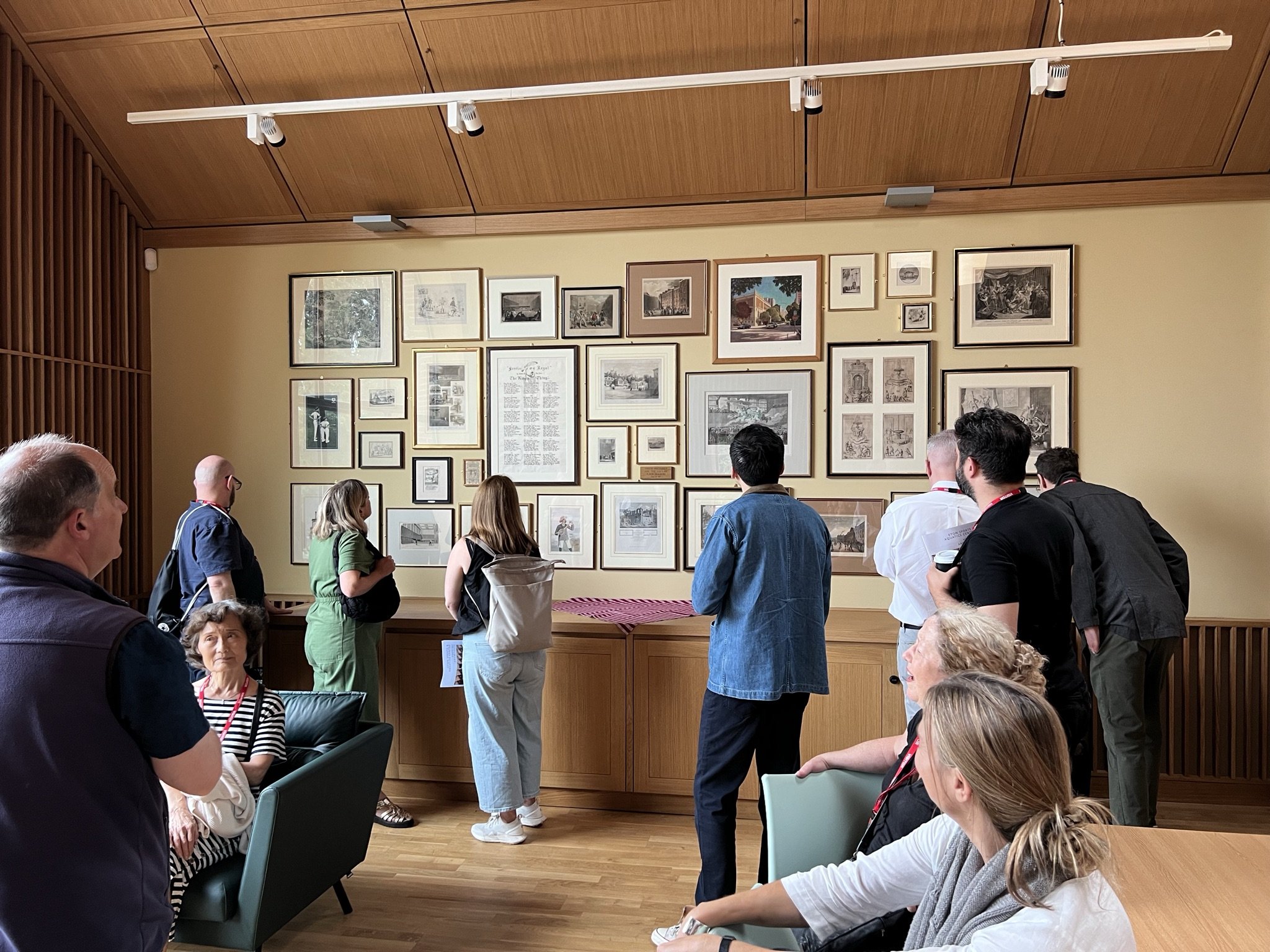
AIA UK's Super Saturday event in Windsor and Eton proved to be an exceptional day of architectural discovery and historical immersion. After gathering for morning coffee in Windsor, on 16 August 2025, our group made their way to Eton College, where we were welcomed at the Porters Lodge by Justin Nolan. His expertly guided tour took attendees through the layers of Eton's architectural heritage, from the upper and lower school buildings to the magnificent chapel and the historic college grounds that have shaped generations of students. Nolan's deep knowledge and engaging storytelling brought the centuries-old structures to life, highlighting the evolution of educational architecture and the careful balance between preservation and adaptation.
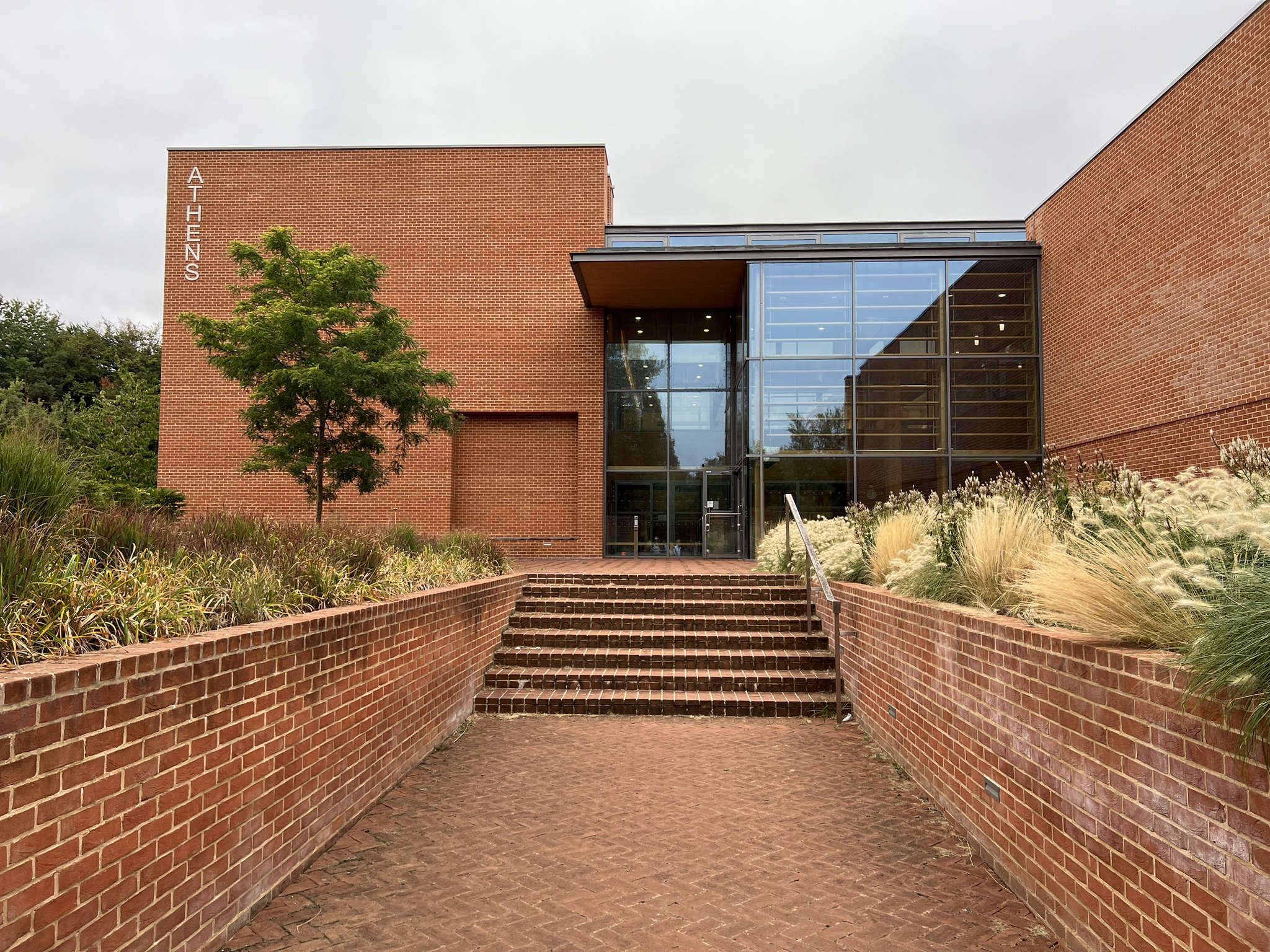
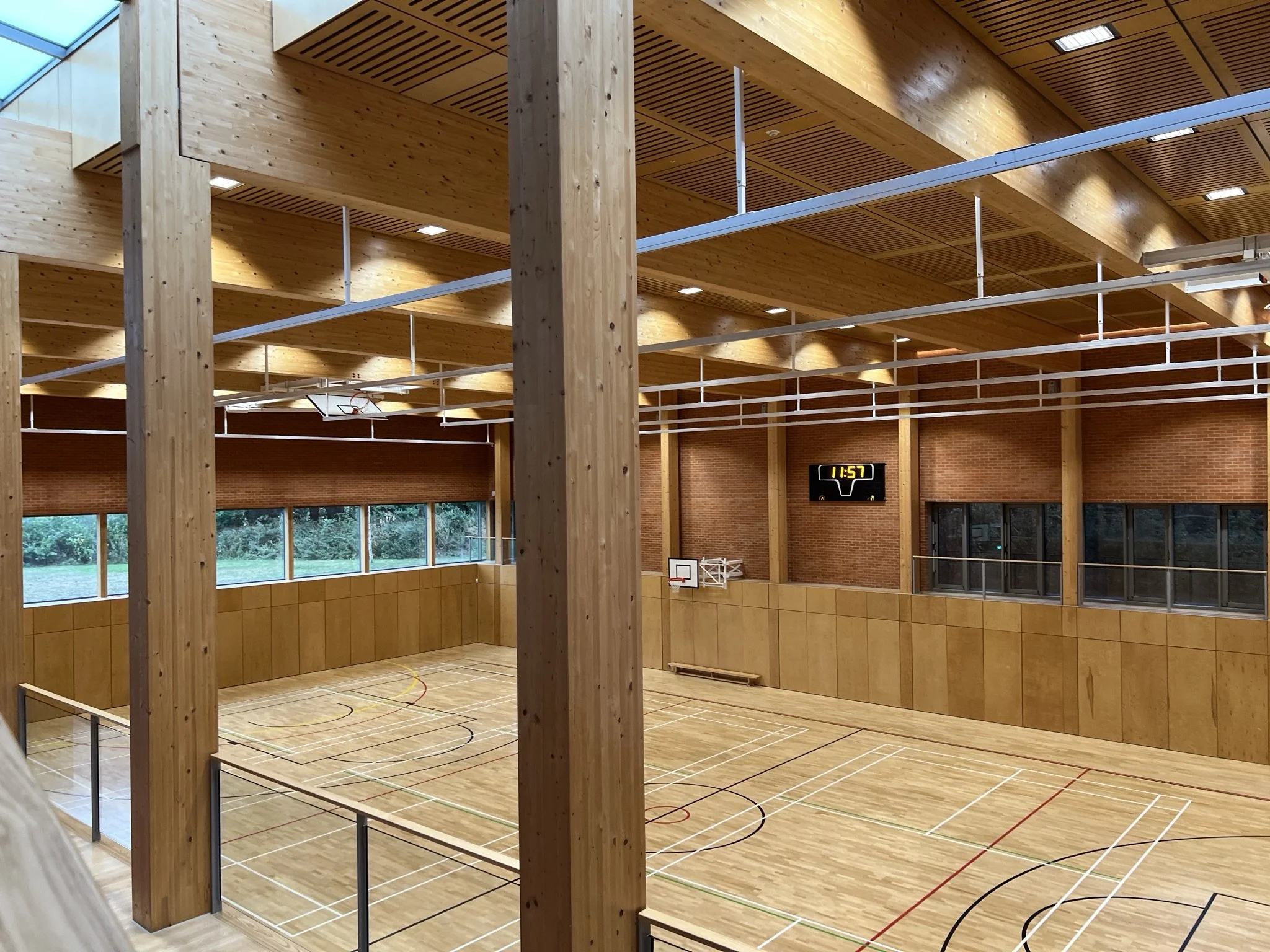
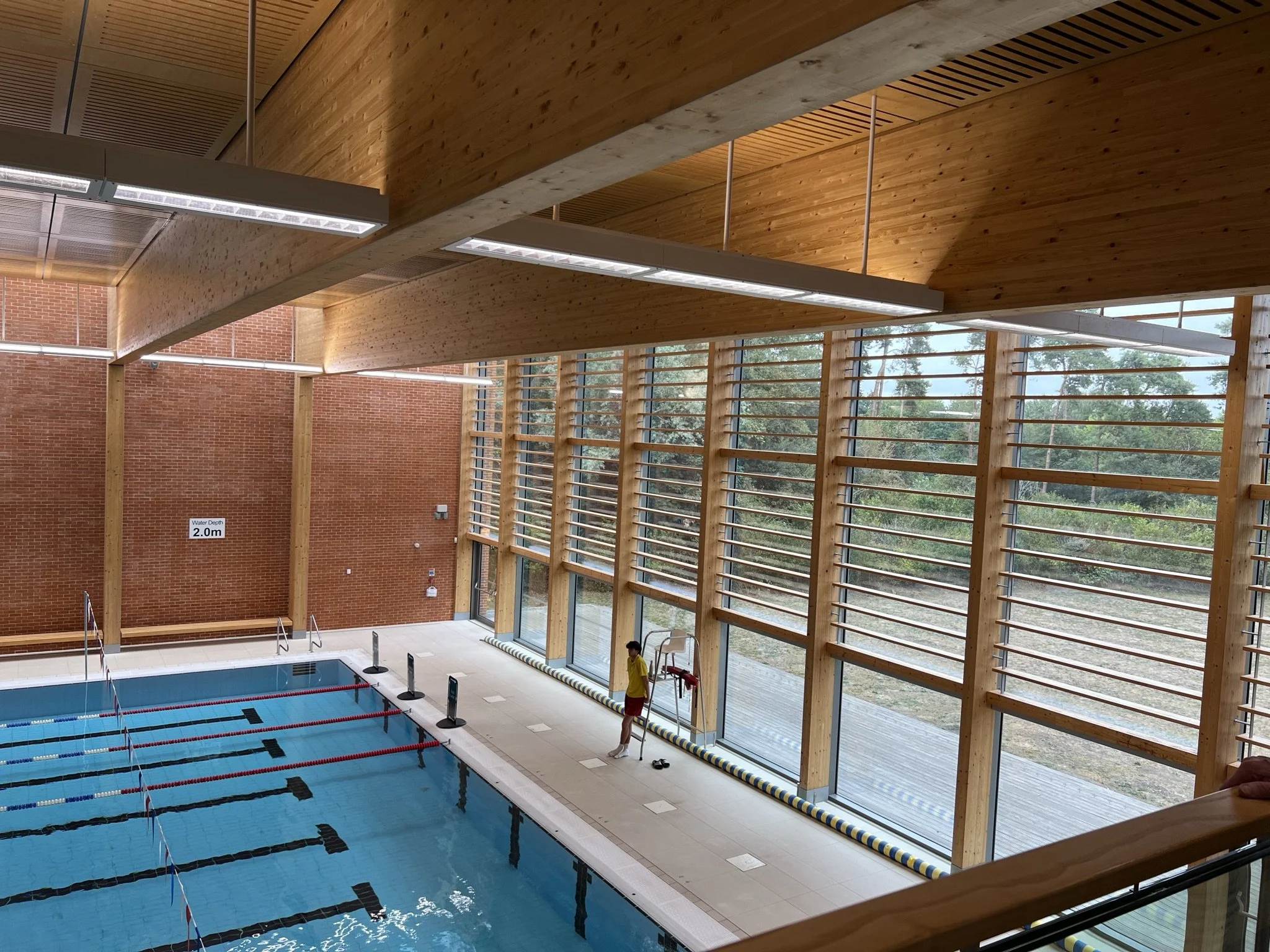
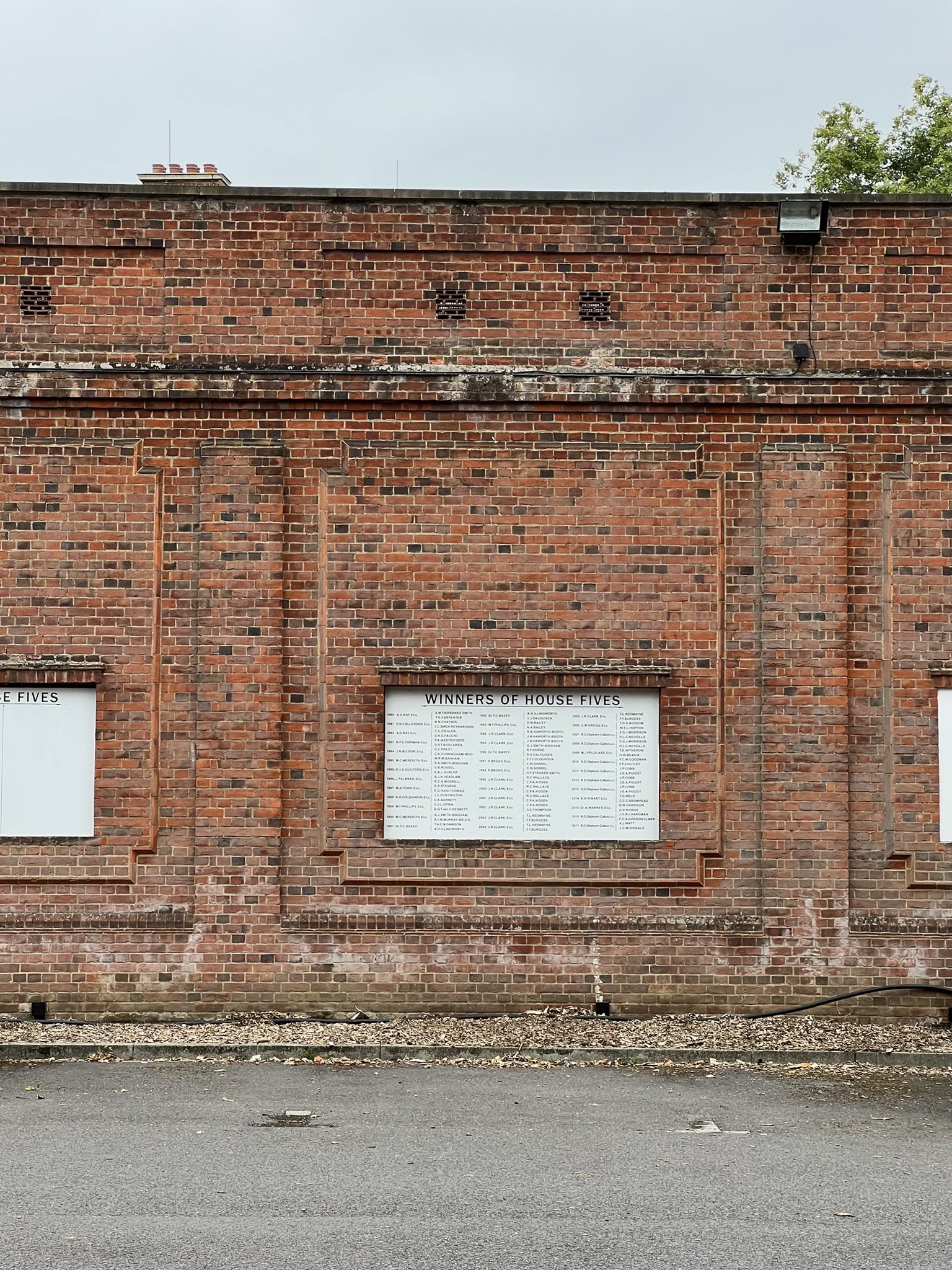
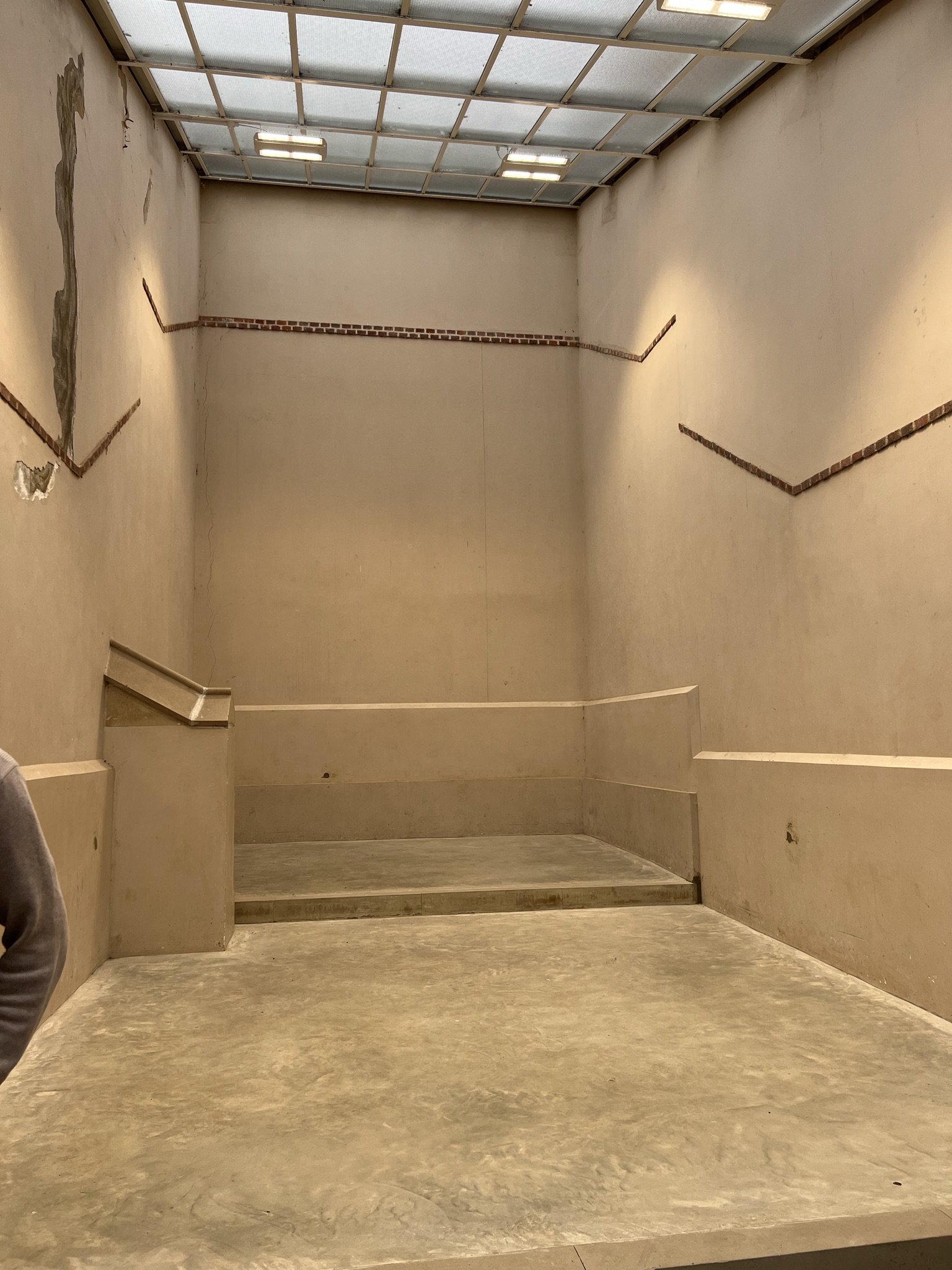
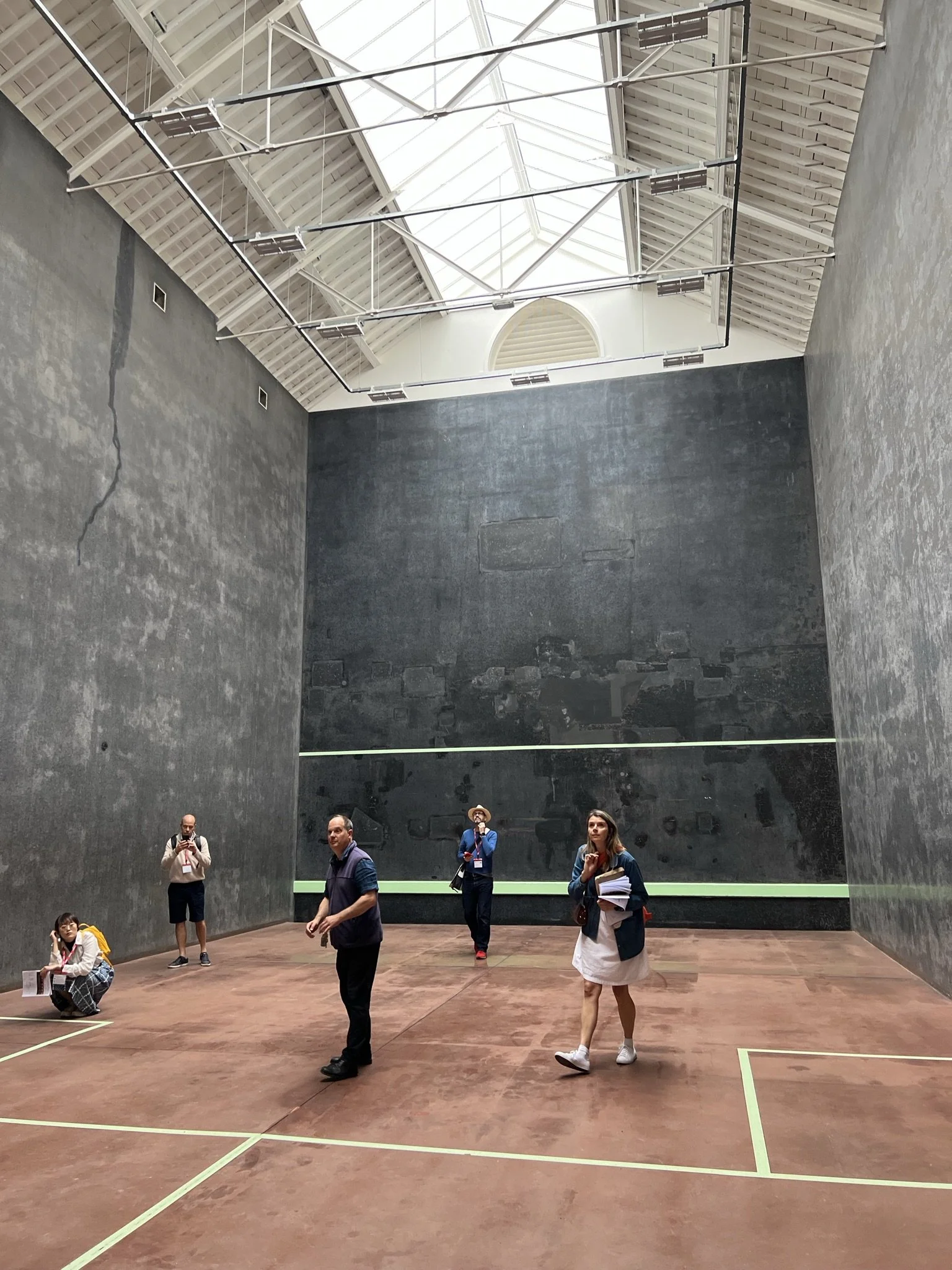
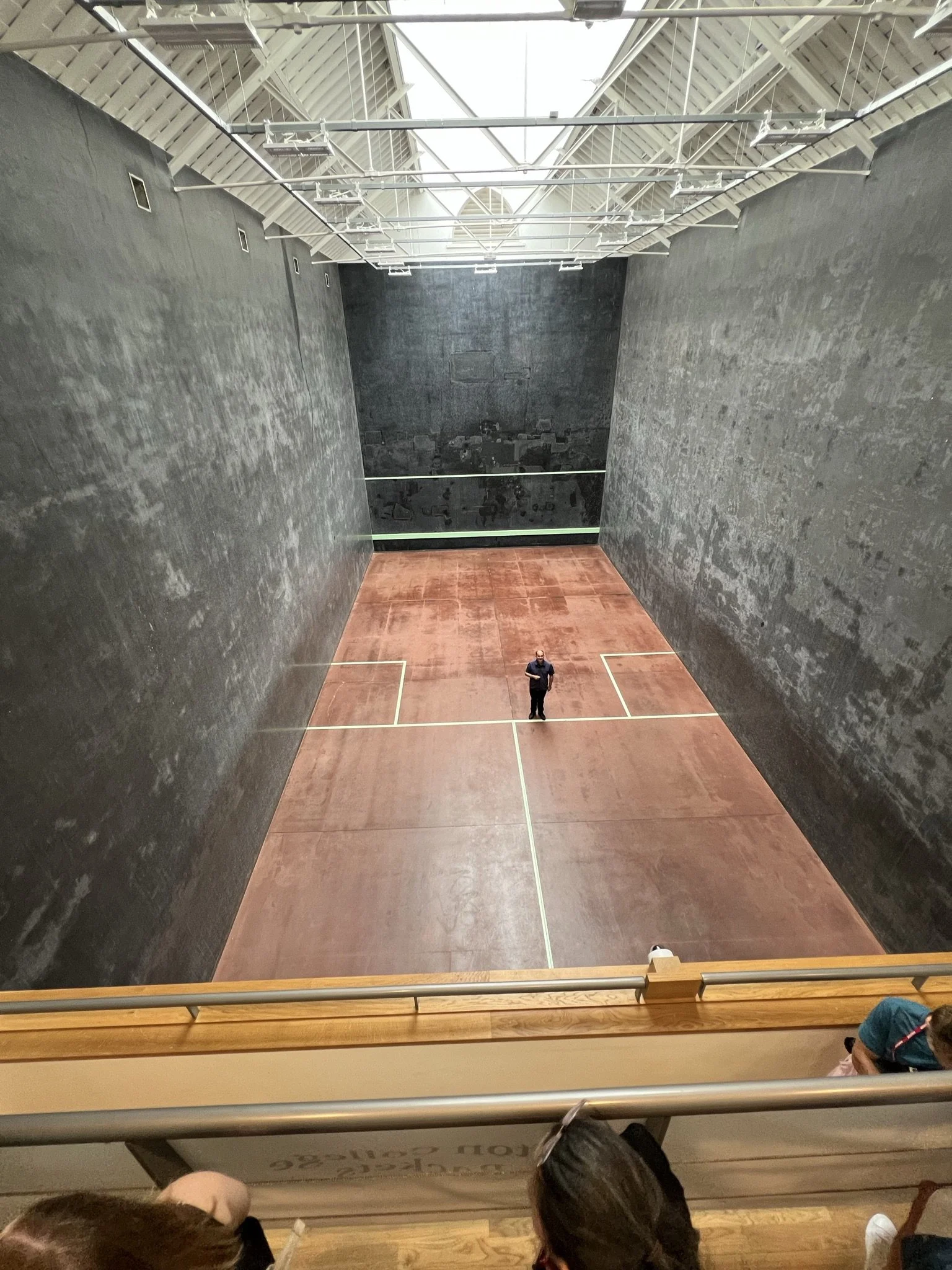
The architectural exploration continued with Alex McCartney from Hopkins Architects, who provided invaluable insights into both the college's historic fabric and contemporary additions by the practice. The group was treated to an in-depth tour of the school hall, the state-of-the-art Eton College Sports and Athletics Center, and the specialized rackets courts and fives courts that showcase the institution's commitment to both tradition and modern sporting excellence. McCartney also gave a glimpse into the ongoing gym renovation project, demonstrating how contemporary architectural intervention can respectfully enhance historic educational environments while meeting the evolving needs of 21st-century learning and recreation.
The morning at Eton College offered attendees an unique opportunity to examine how institutional architecture can successfully bridge historical significance with functional modernity. The combination of Nolan's historical perspective and McCartney's contemporary architectural insights provided a comprehensive understanding of how thoughtful design continues to serve one of Britain's most renowned educational institutions.
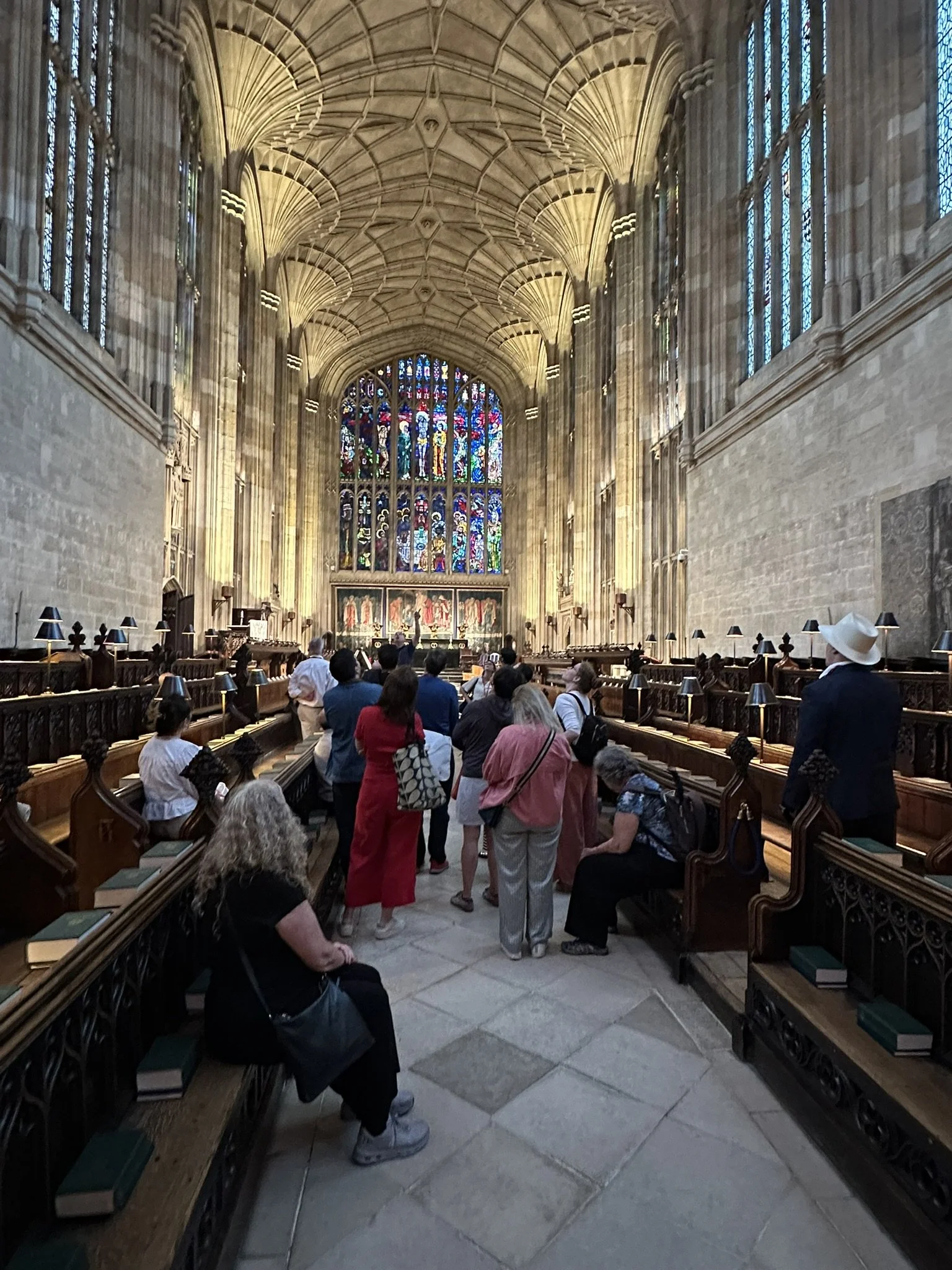
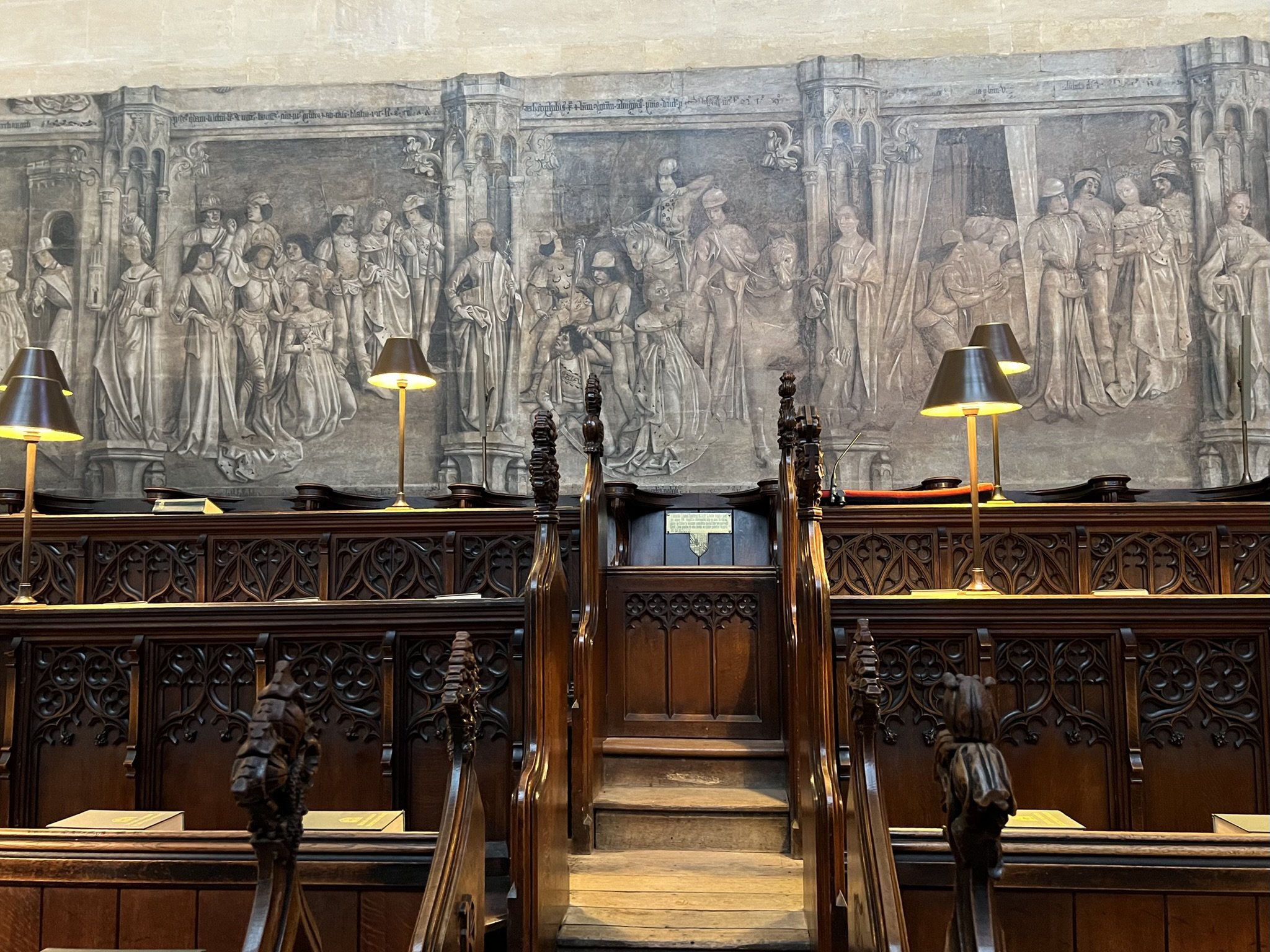
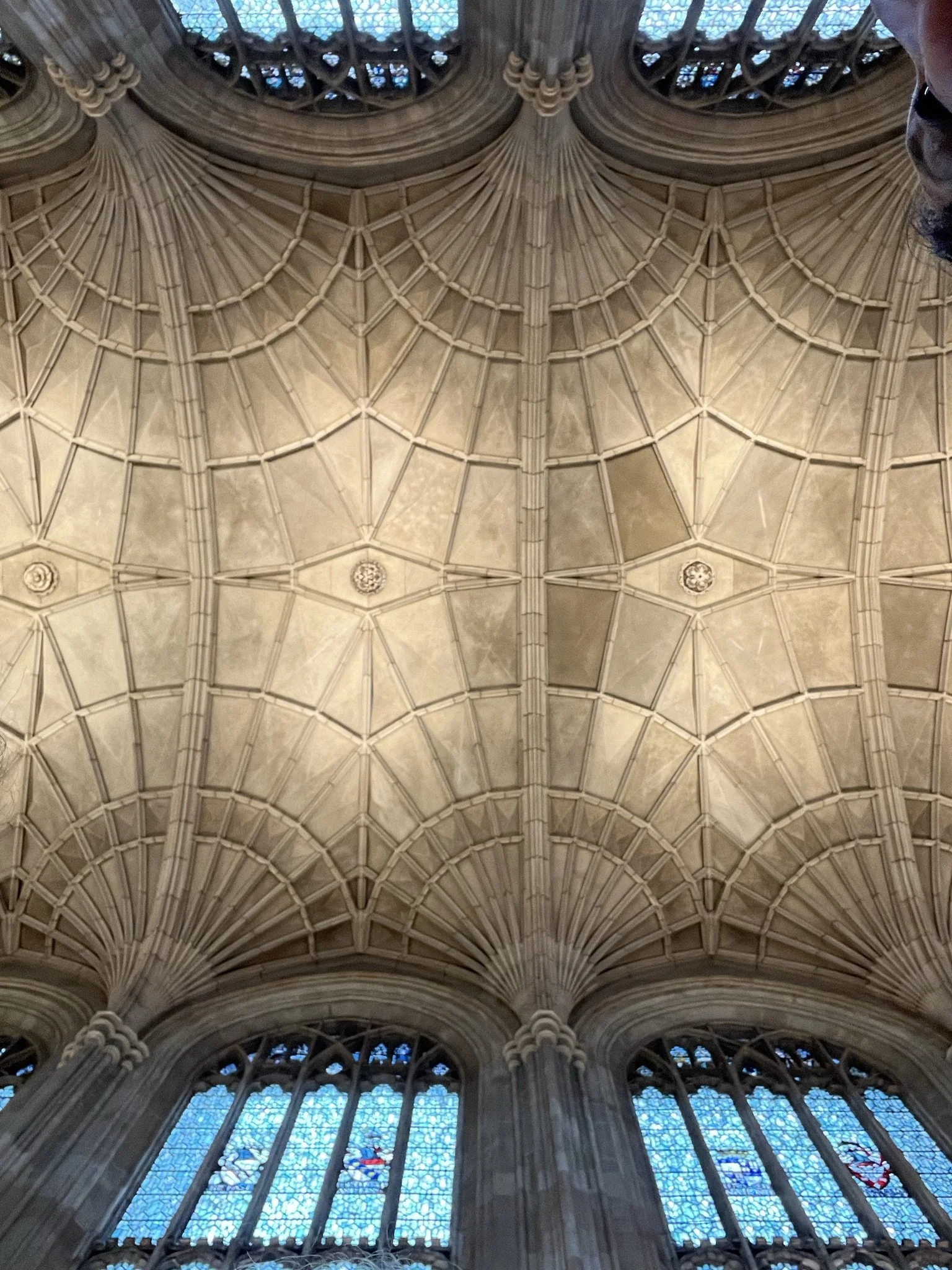
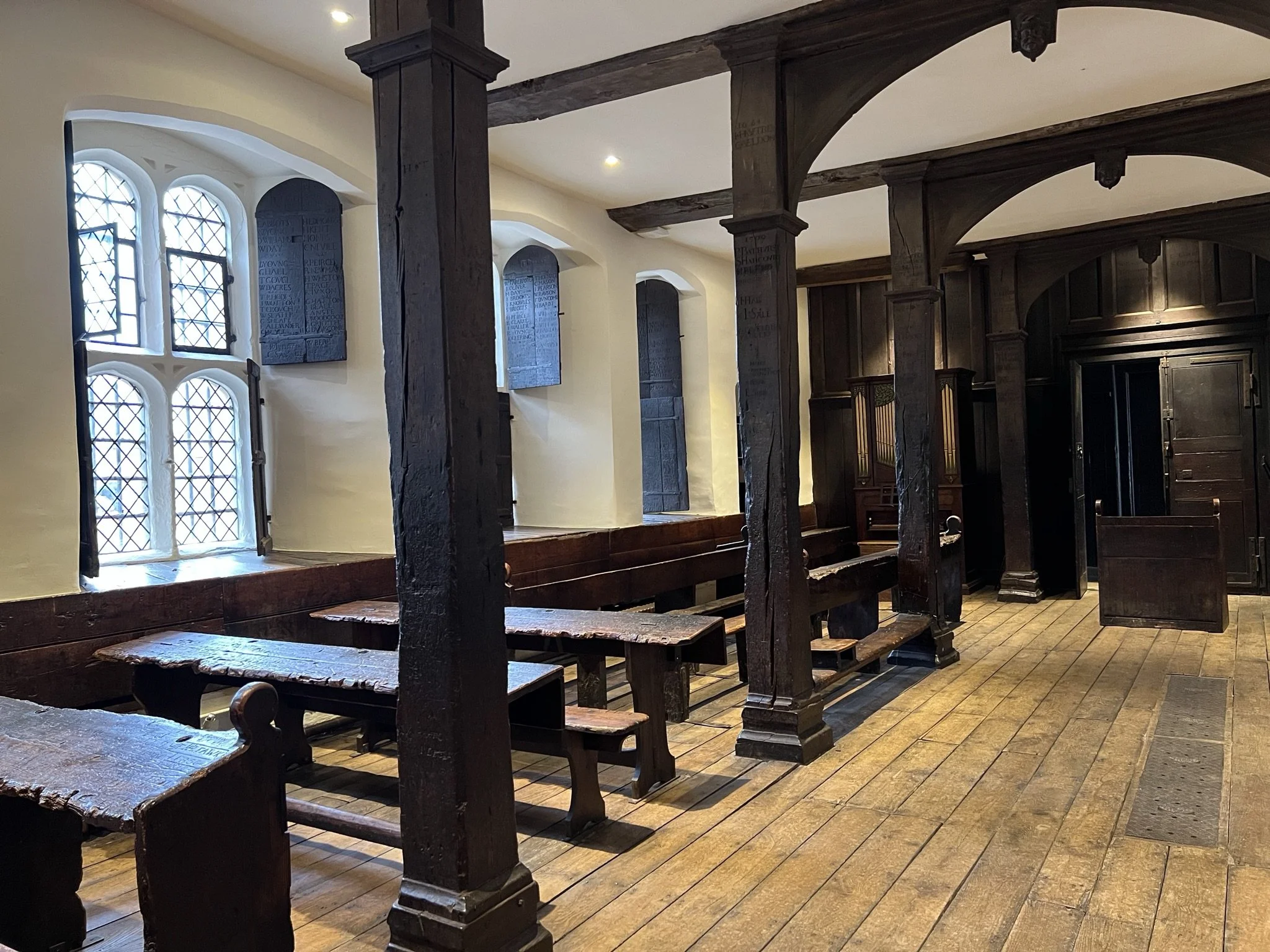
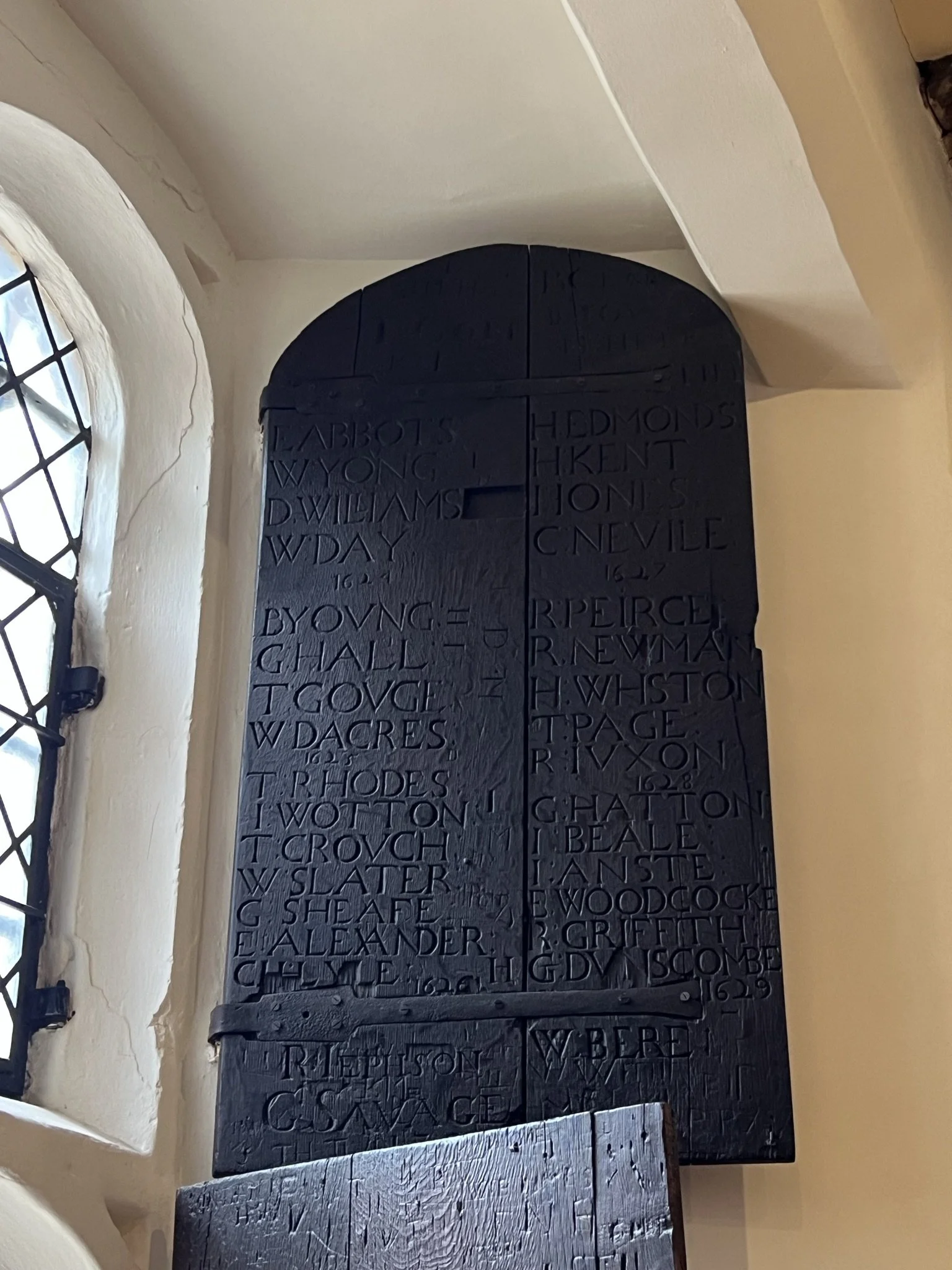
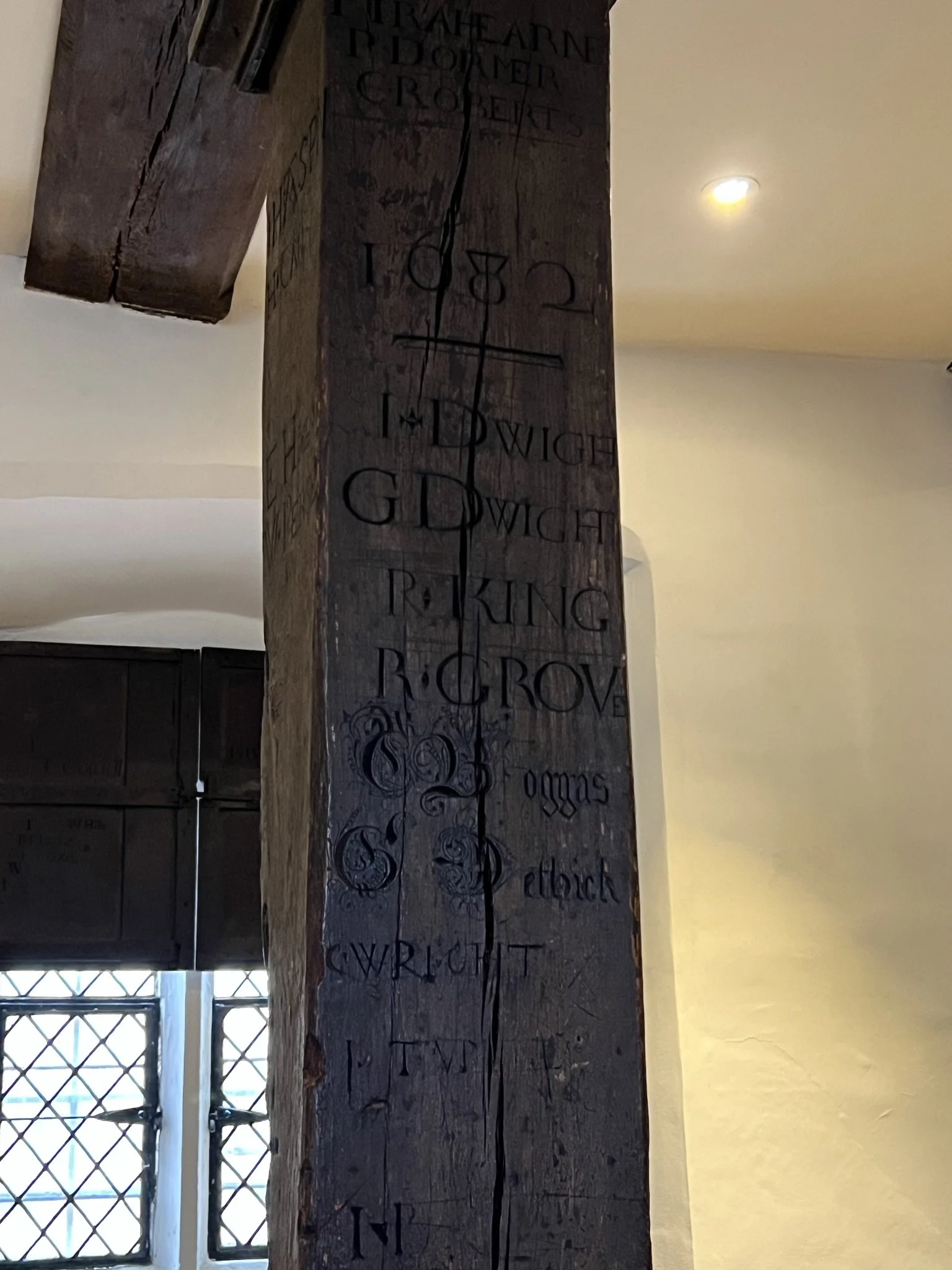
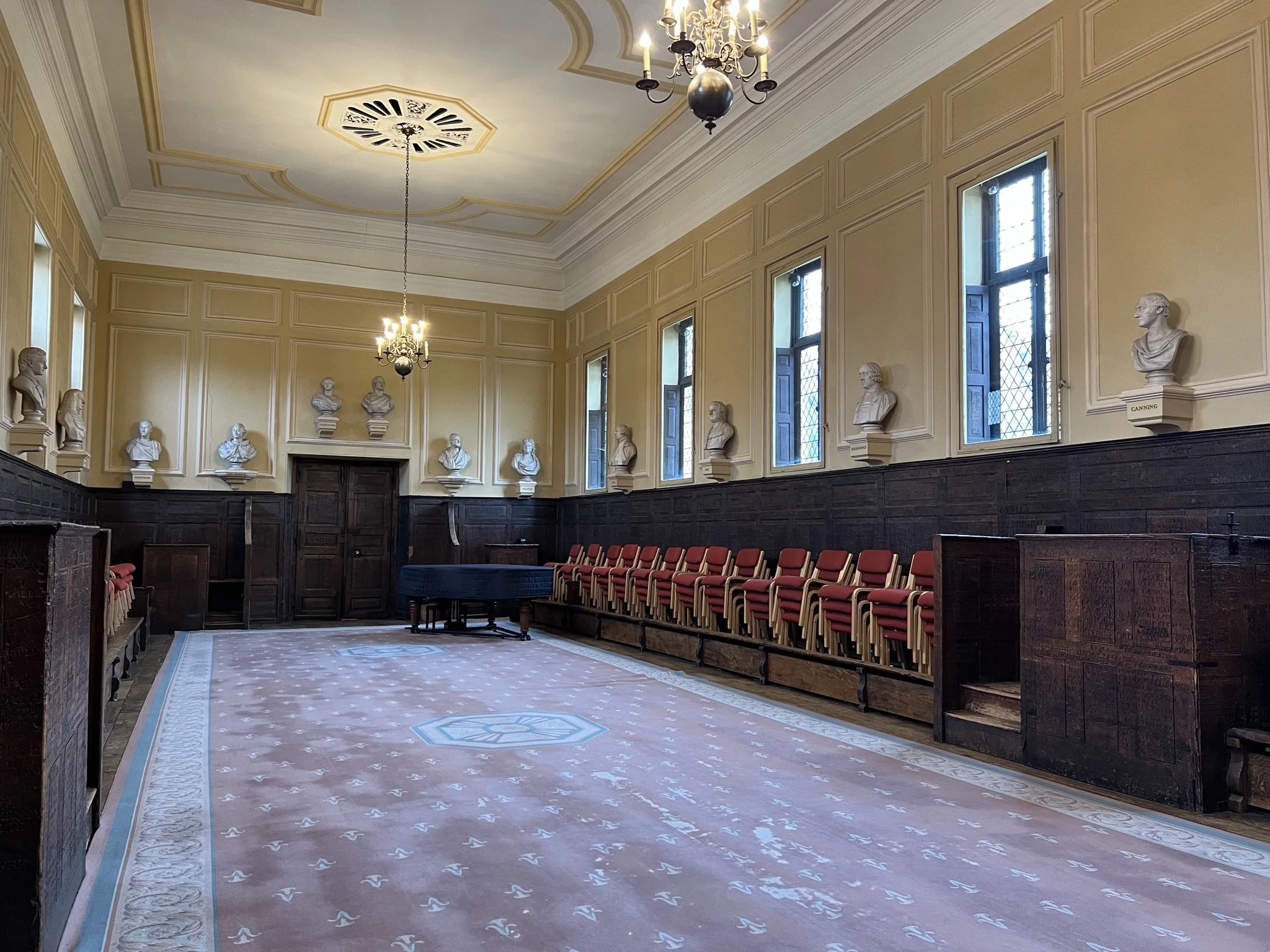
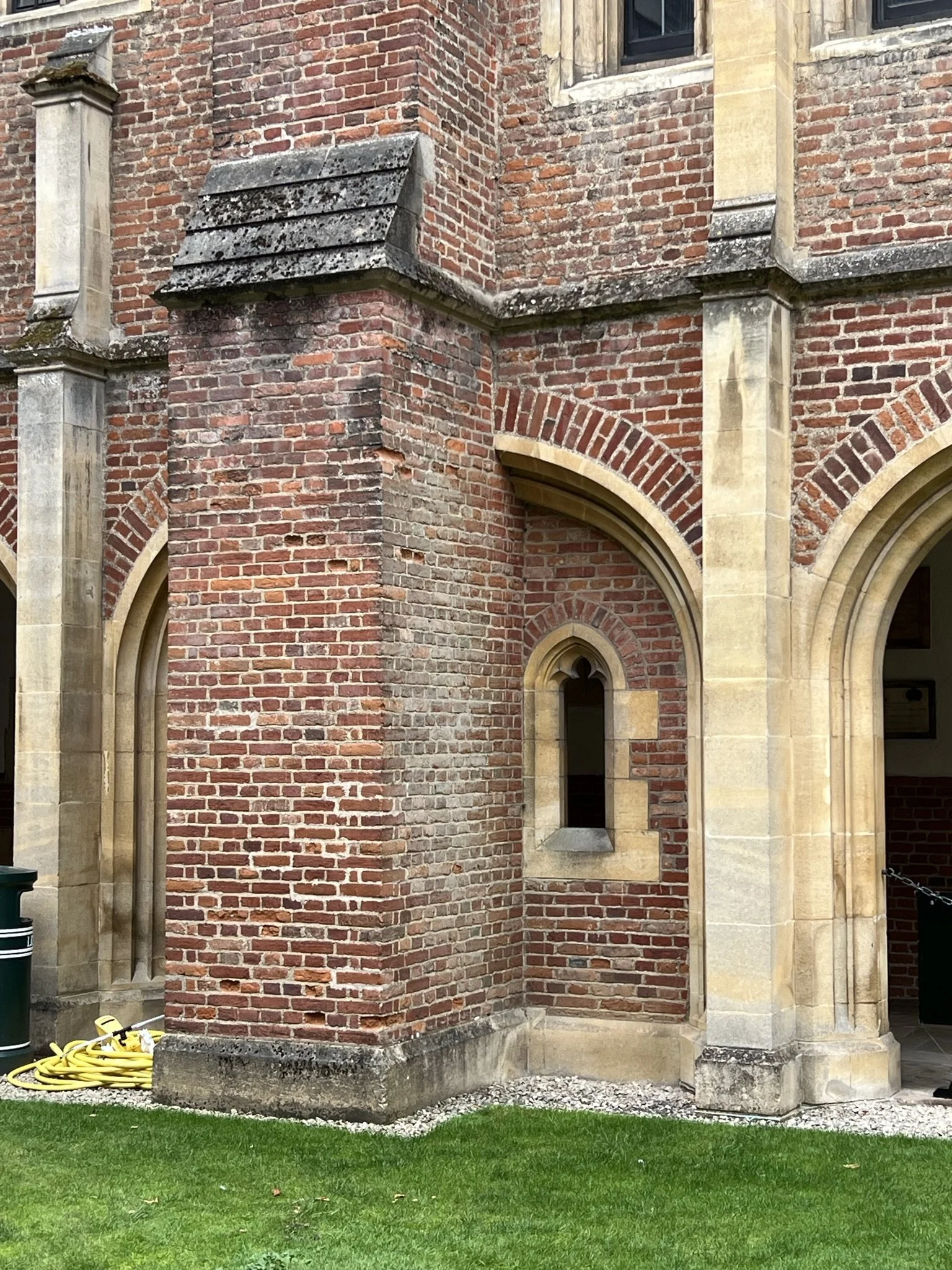
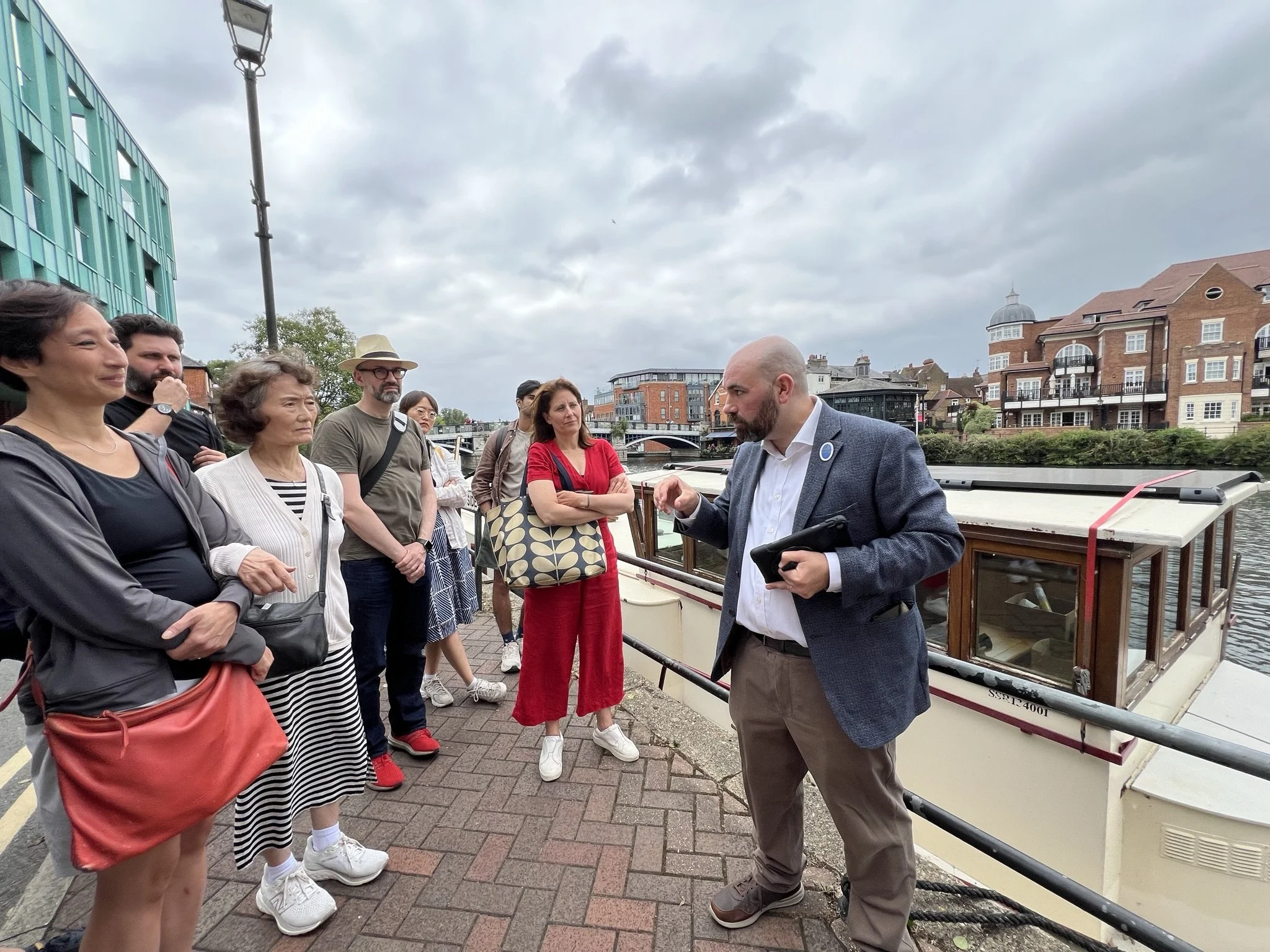
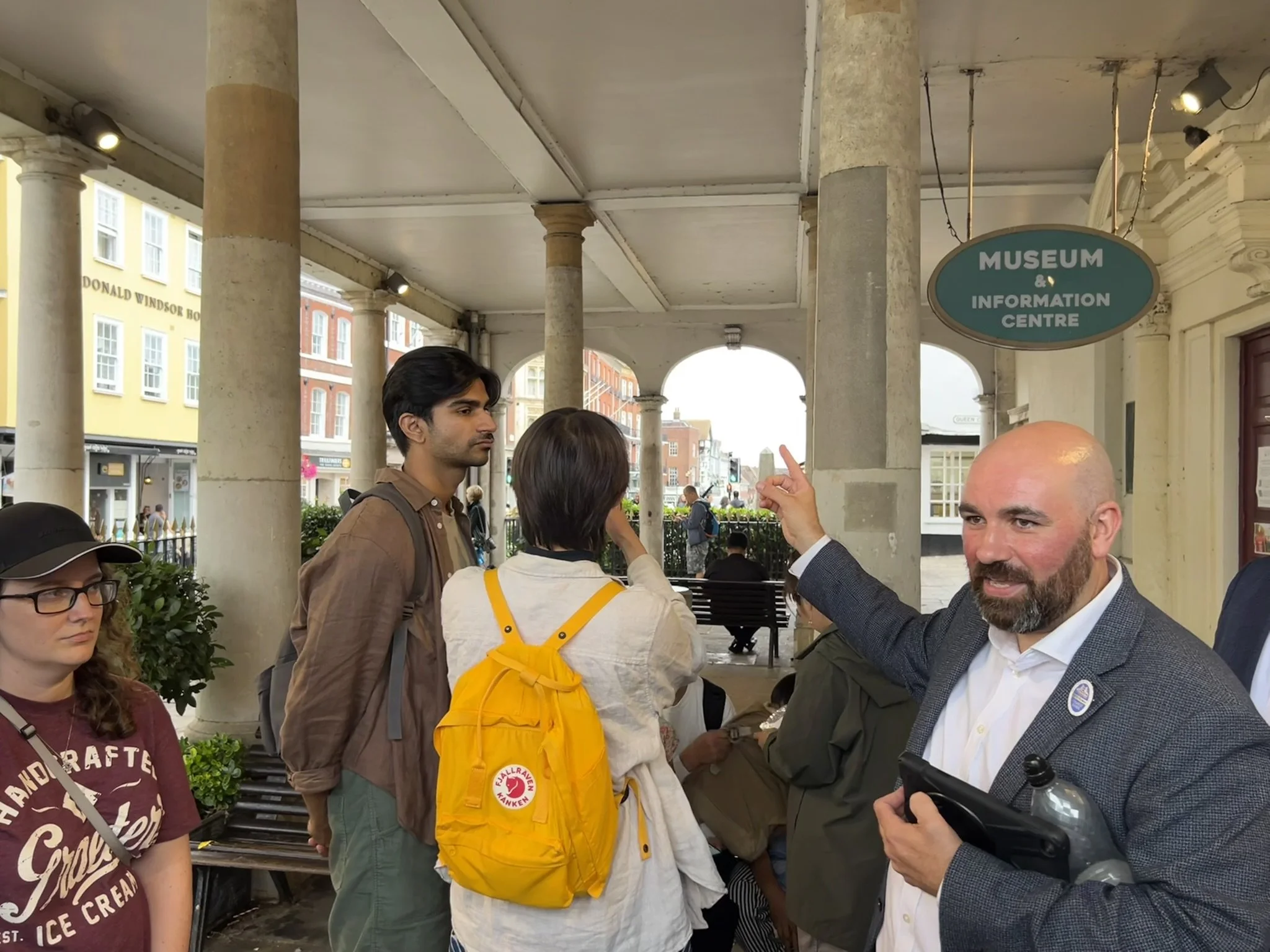
After a relaxing and fortifying riverside lunch at the Boatman, the group was met by our tour guide, Rhys Thomas, a Blue Badge Guide, and we set out for a two-hour walk around Windsor.
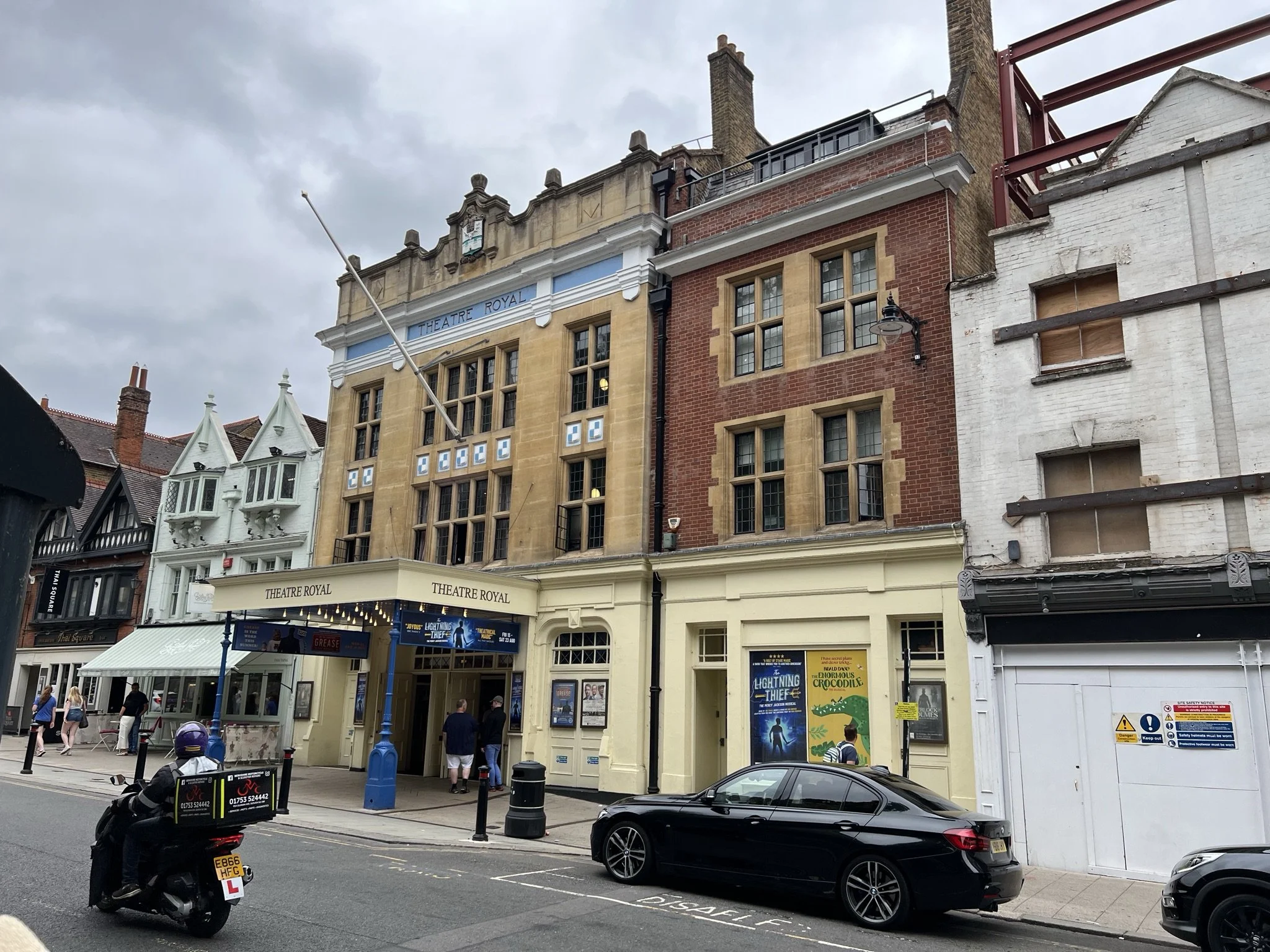
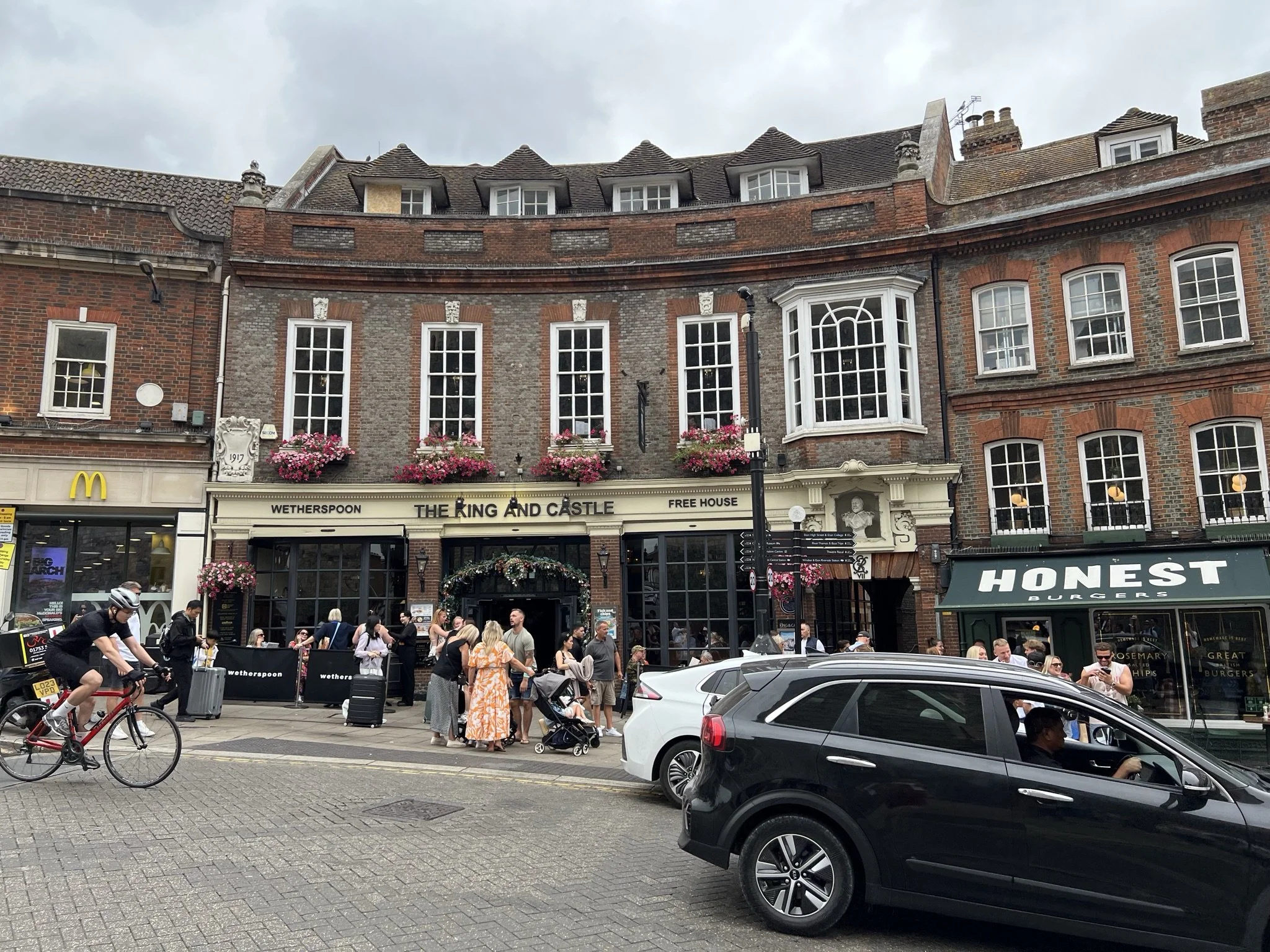
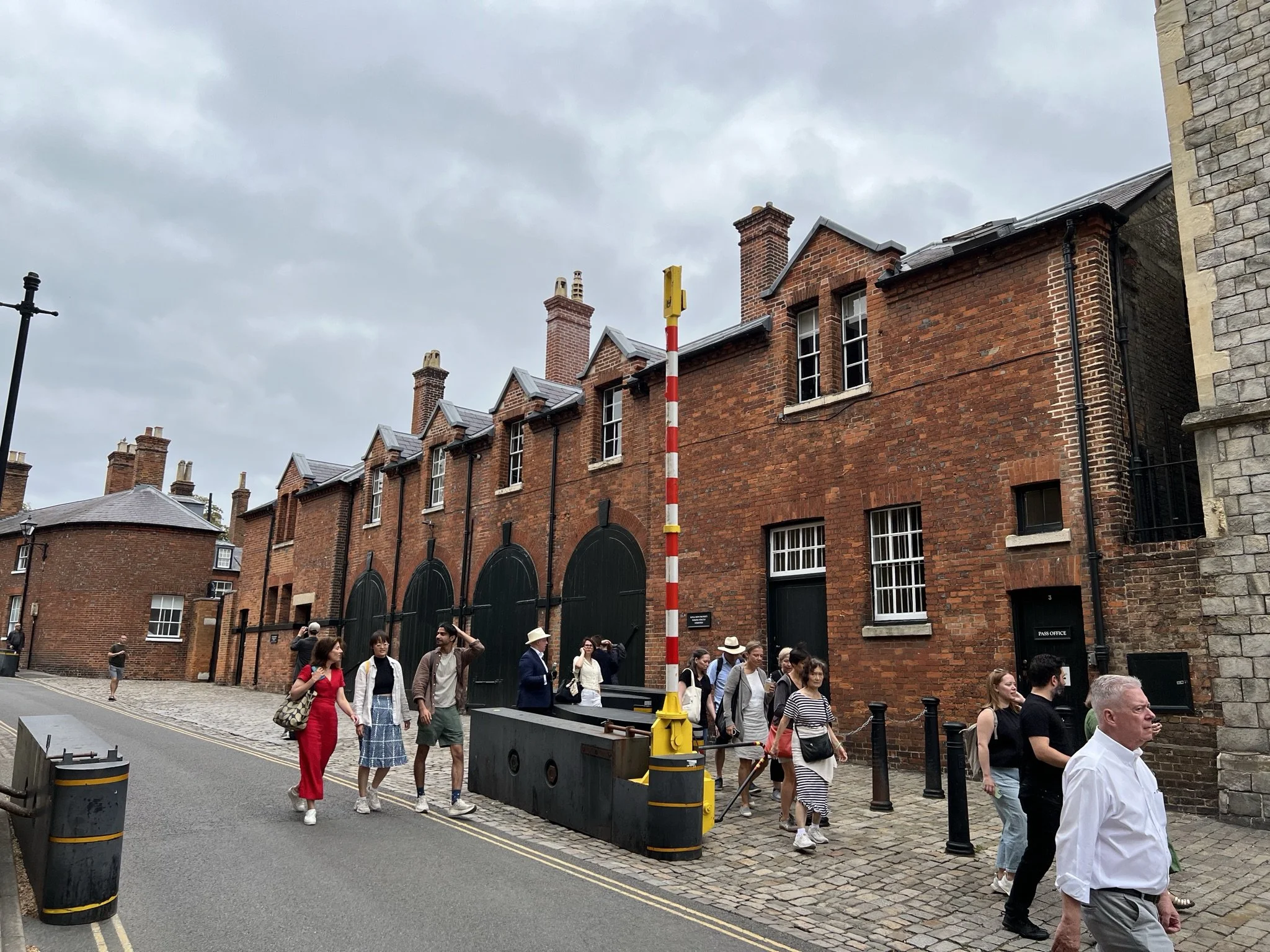
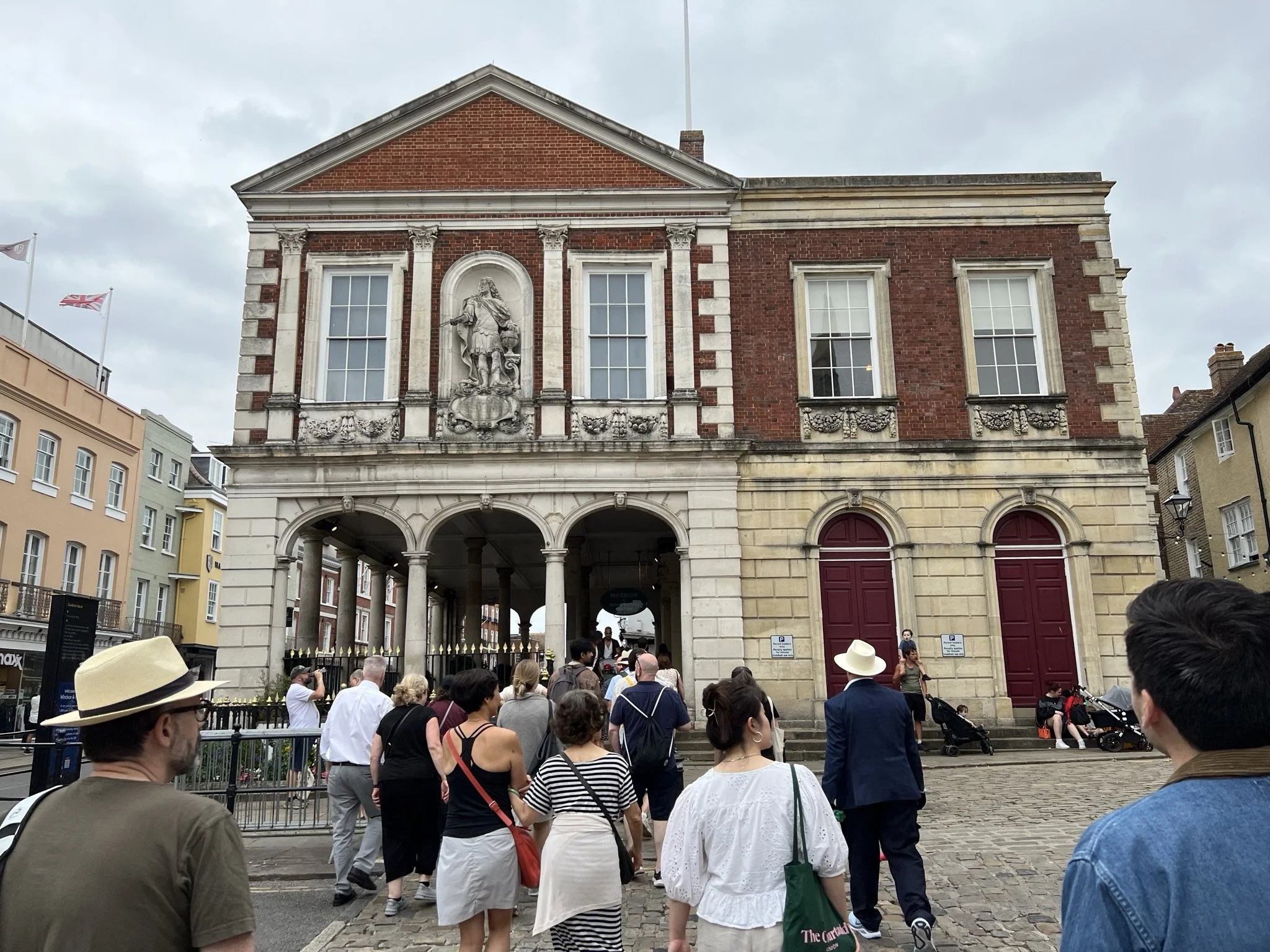
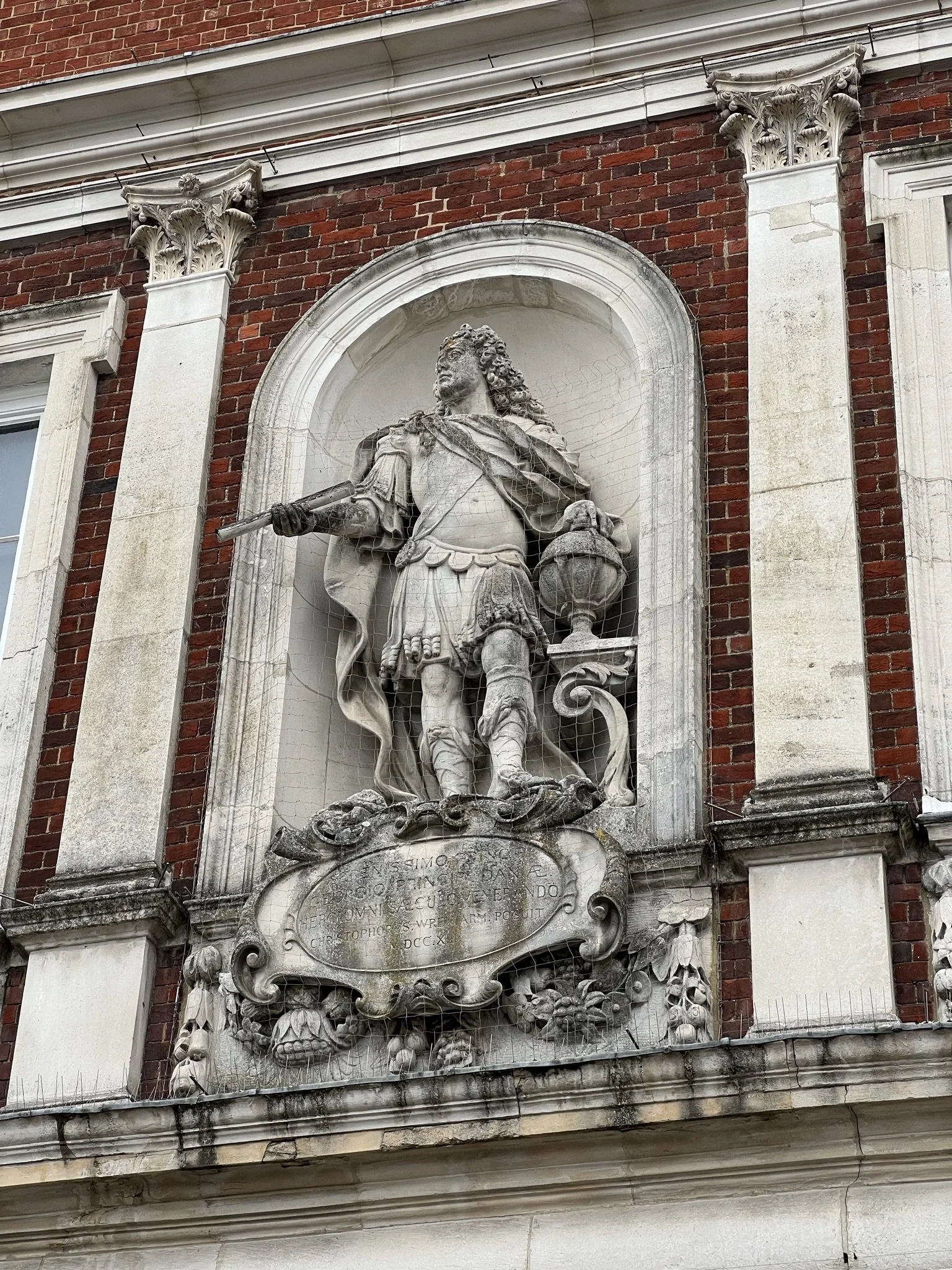
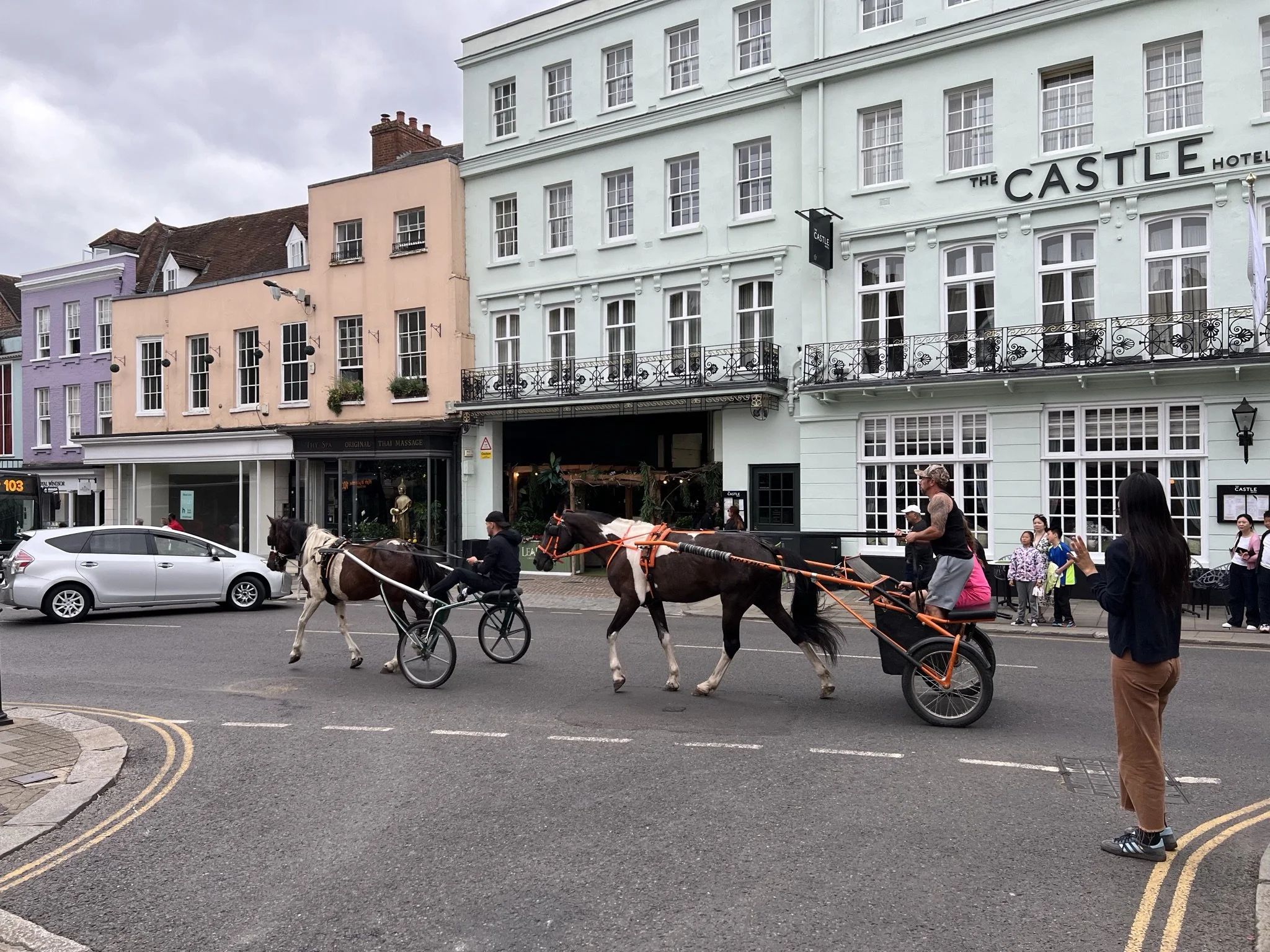
The town of Windsor offered a deeply layered architectural experience, found not only in its world-famous castle but throughout its historic town centre. Our route led us past a series of Tudor, Queen Anne, Georgian, and Victorian buildings, and through Rhys’s informative and fascinating narrative, these buildings illustrated how Windsor’s urban form developed alongside the fortunes of the monarchy and the social changes of successive centuries.
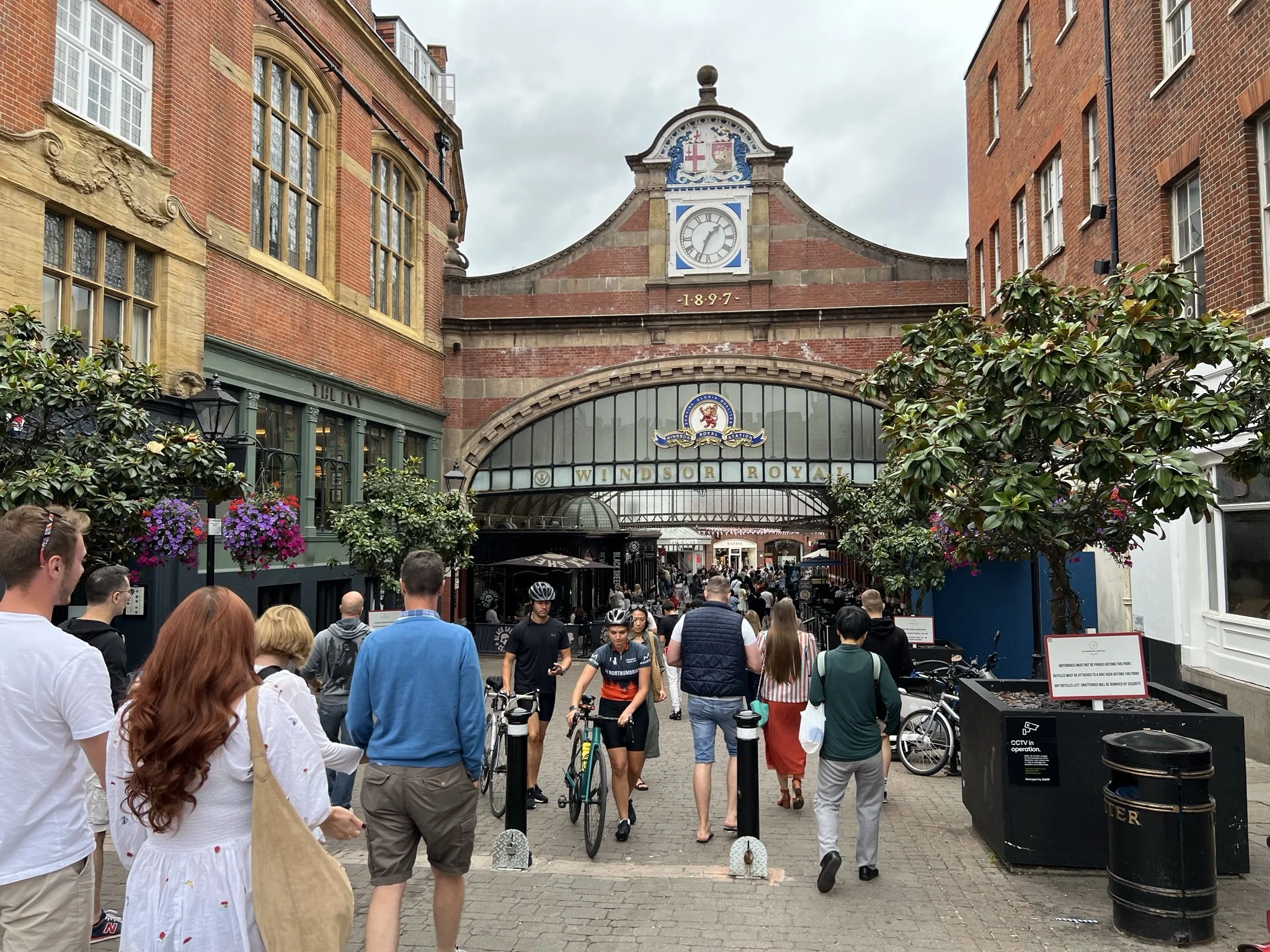
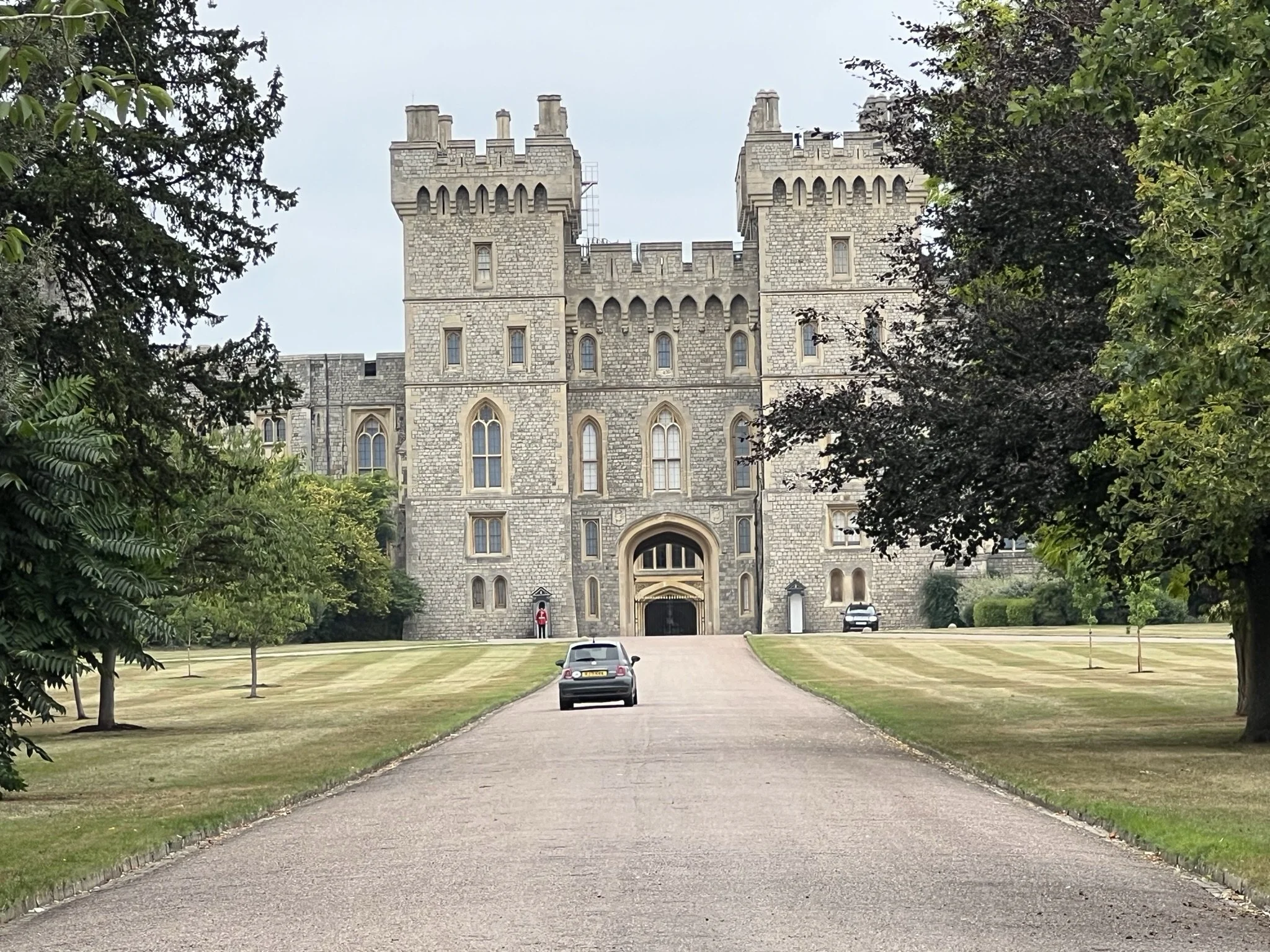
The tour began at Windsor Castle—founded in the 11th century by William the Conqueror, it is Europe's longest-occupied royal residence. Rhys provided a full narrative of St George's Chapel, a centrepiece of the castle complex that stands as a masterpiece of late Gothic architecture, as well as the fabled tunnels that lie beneath the castle, allowing for the clandestine behaviour of past royalty. The tour proceeded through Windsor’s side streets and market squares, with Rhys pointing out historic buildings and bringing them to life with architectural and cultural stories. For example, the fierce rivalry between the Great Western and South Western Railway companies, which led to the creation of the town’s two railway stations—an episode that transformed Windsor’s accessibility and economic landscape in the 19th century. We also encountered modern interventions in the town, such as recent infill projects and sensitive updates to historic structures—evidence of Windsor’s ongoing adaptation while respecting its heritage.
Windsor’s architectural diversity demonstrates how centuries of design, planning, and social change have shaped every street and square of this small but important town. Our tour finished at Windsor station, where the group was able to catch trains back to London and reflect on a very enjoyable day that encompassed so much of British history, and how it is being preserved, rejuvenated, and augmented by talented professionals in the built environment.
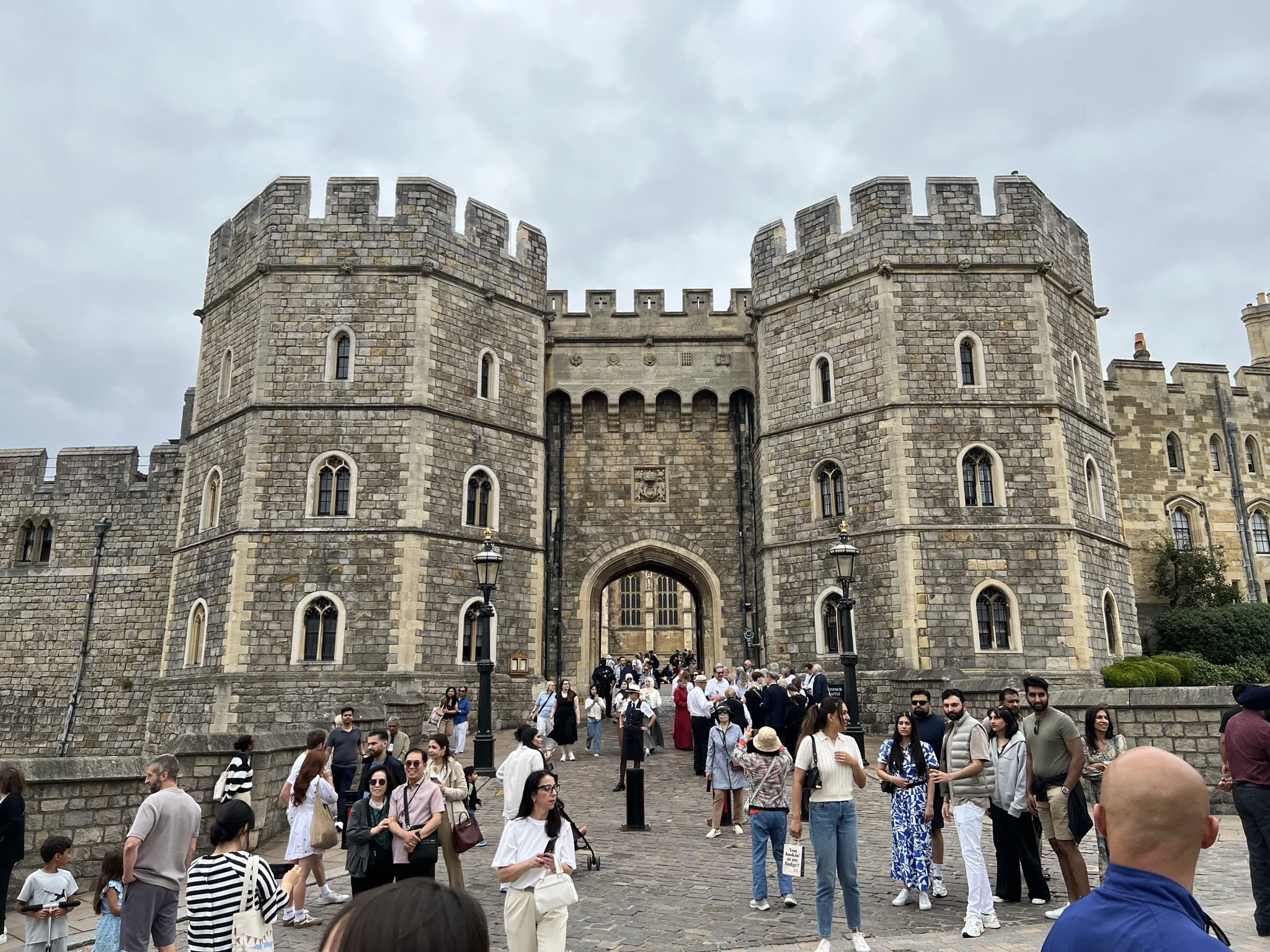
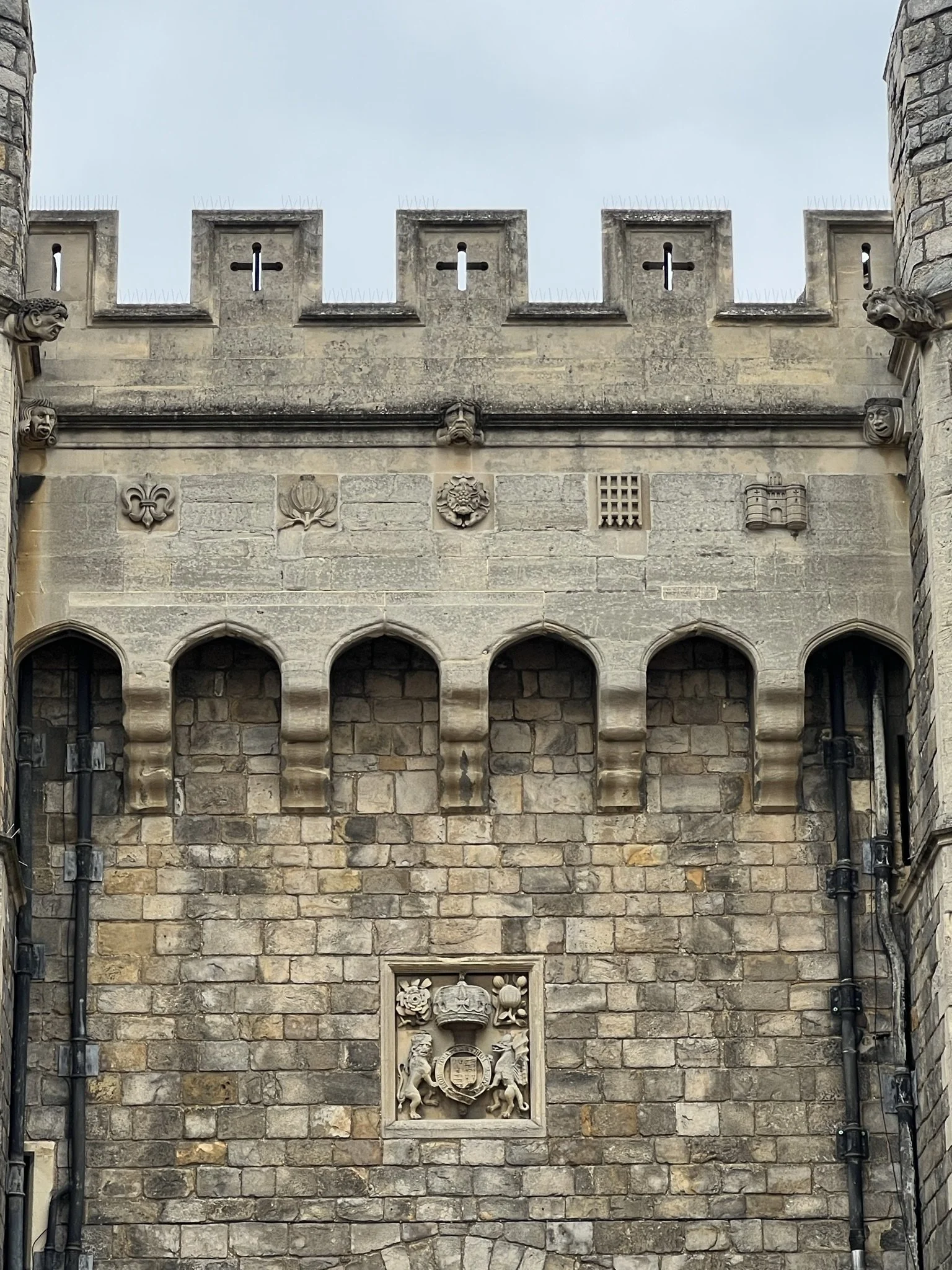
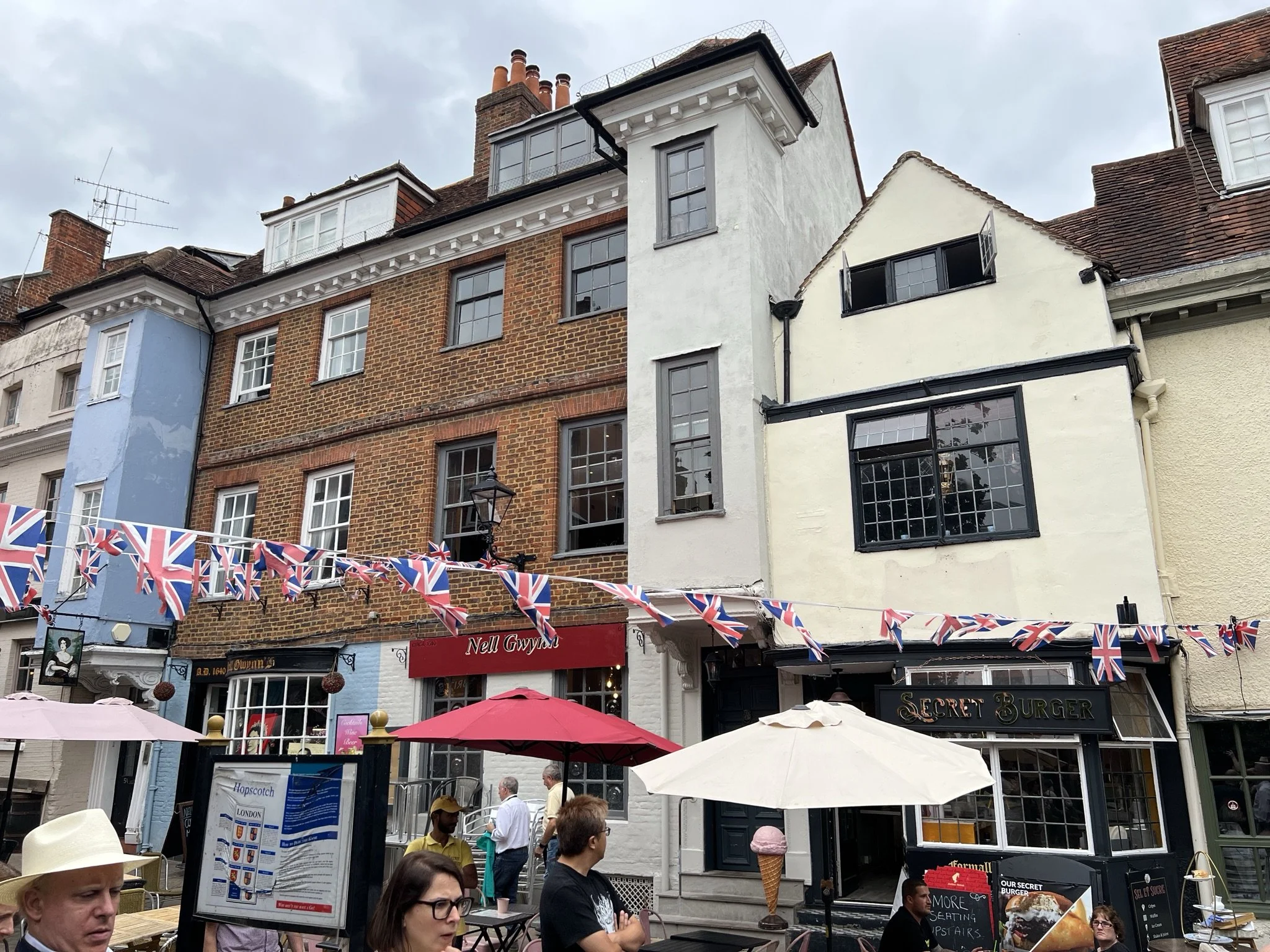
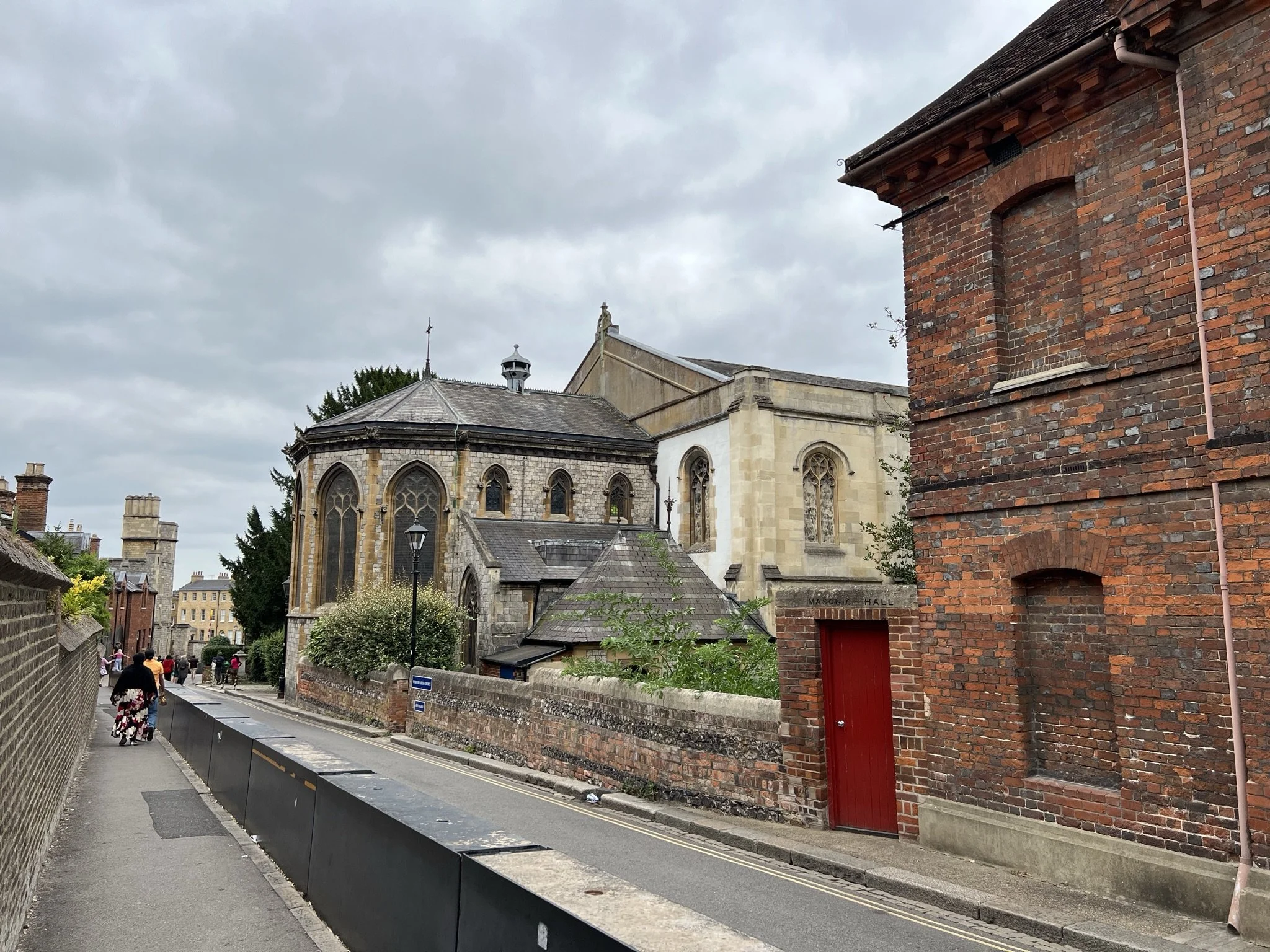
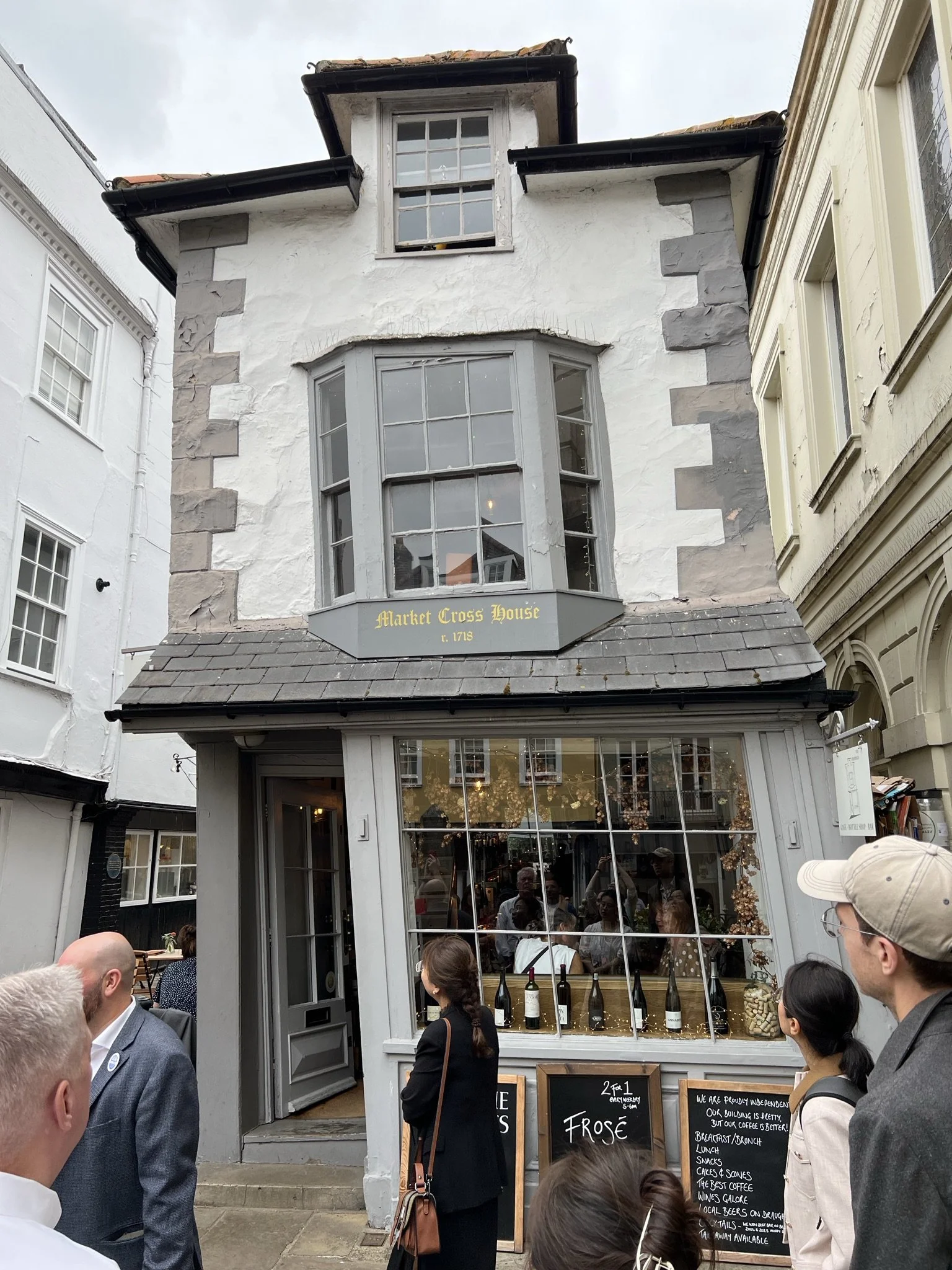
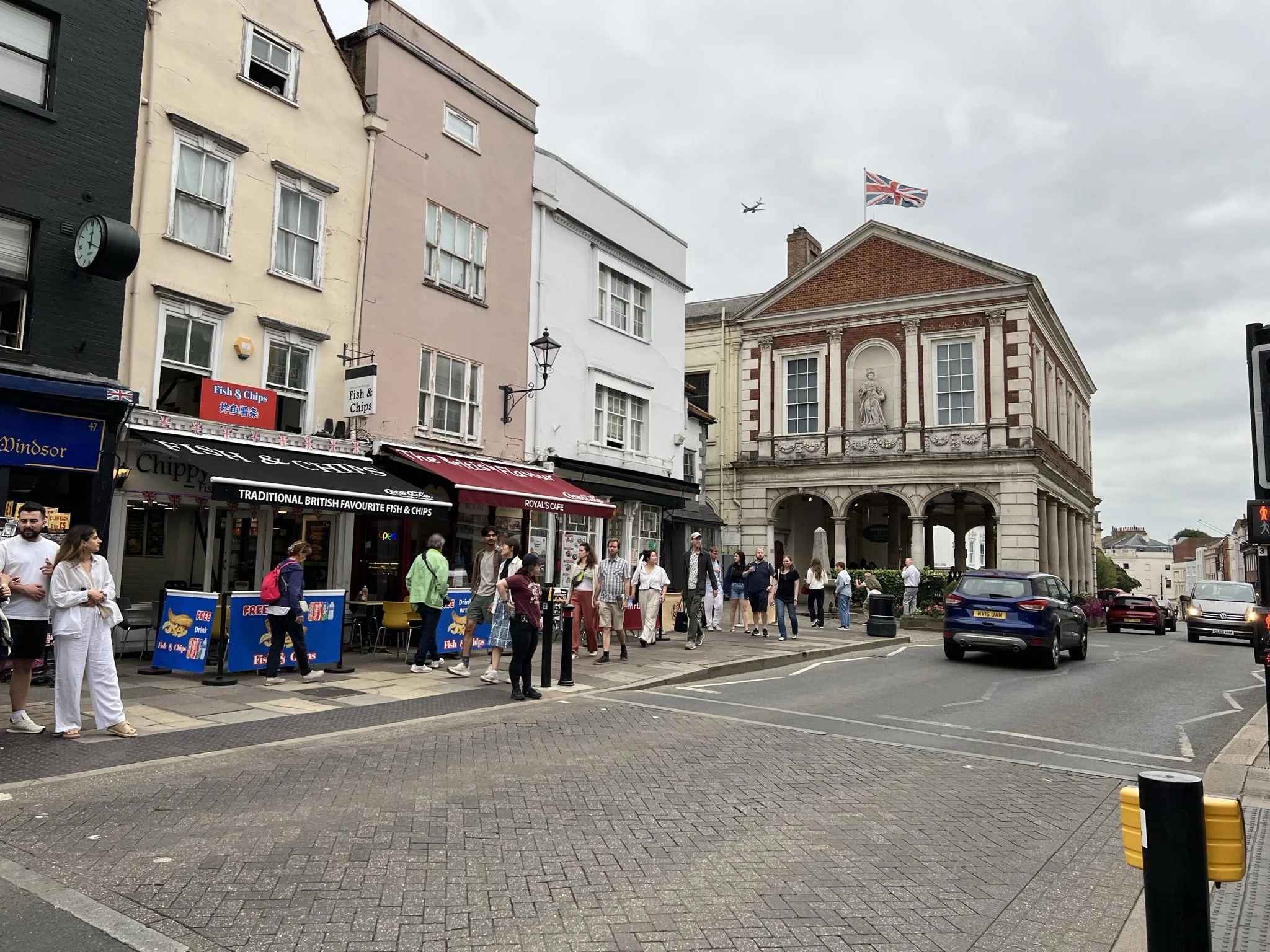
Written by Taylor Rogers, AIA and Kristy Sels, AIA. Photography and editing by Katharine Storr, AIA

2025 AIA UK Pub Quiz Photo Album

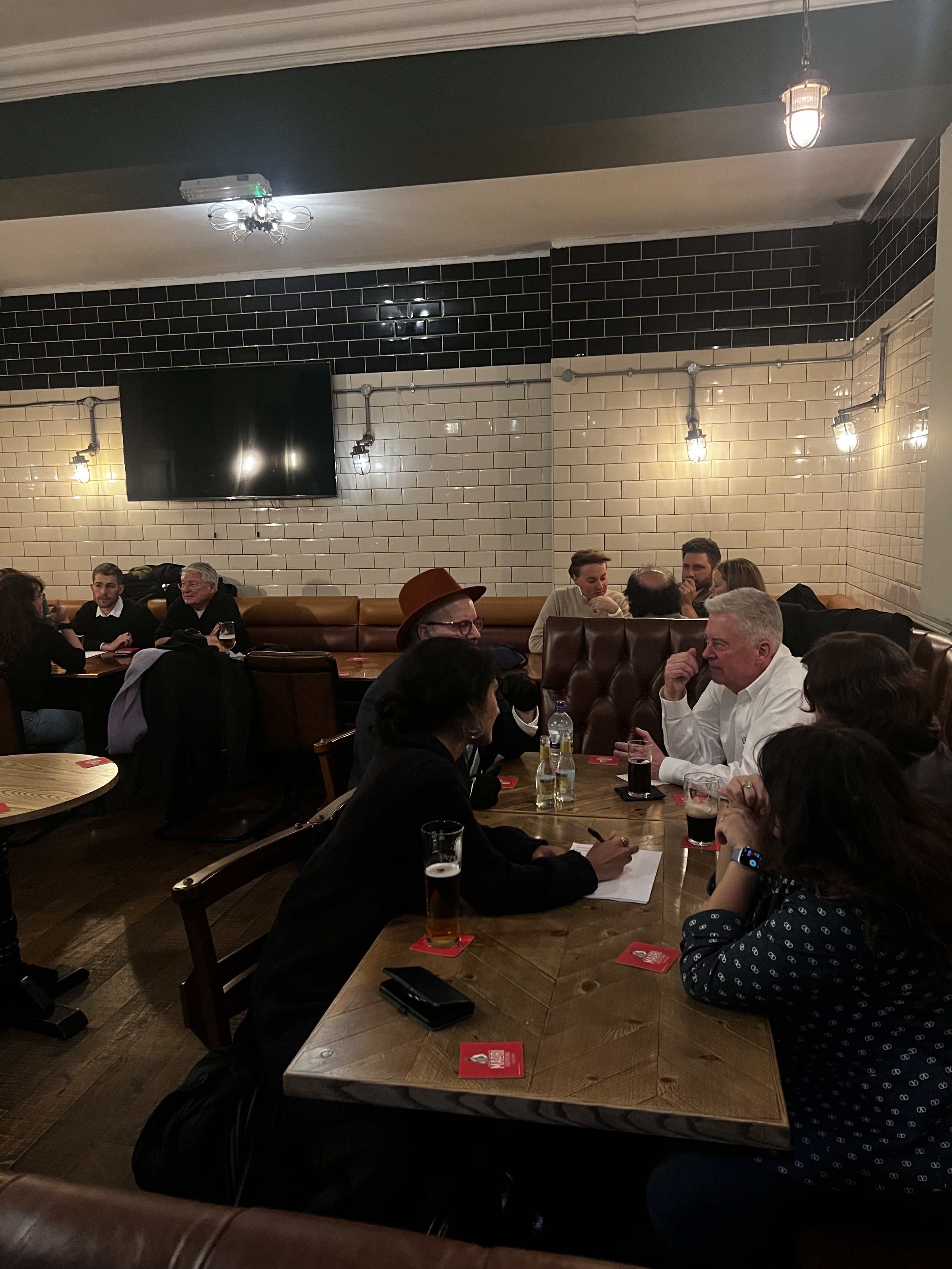
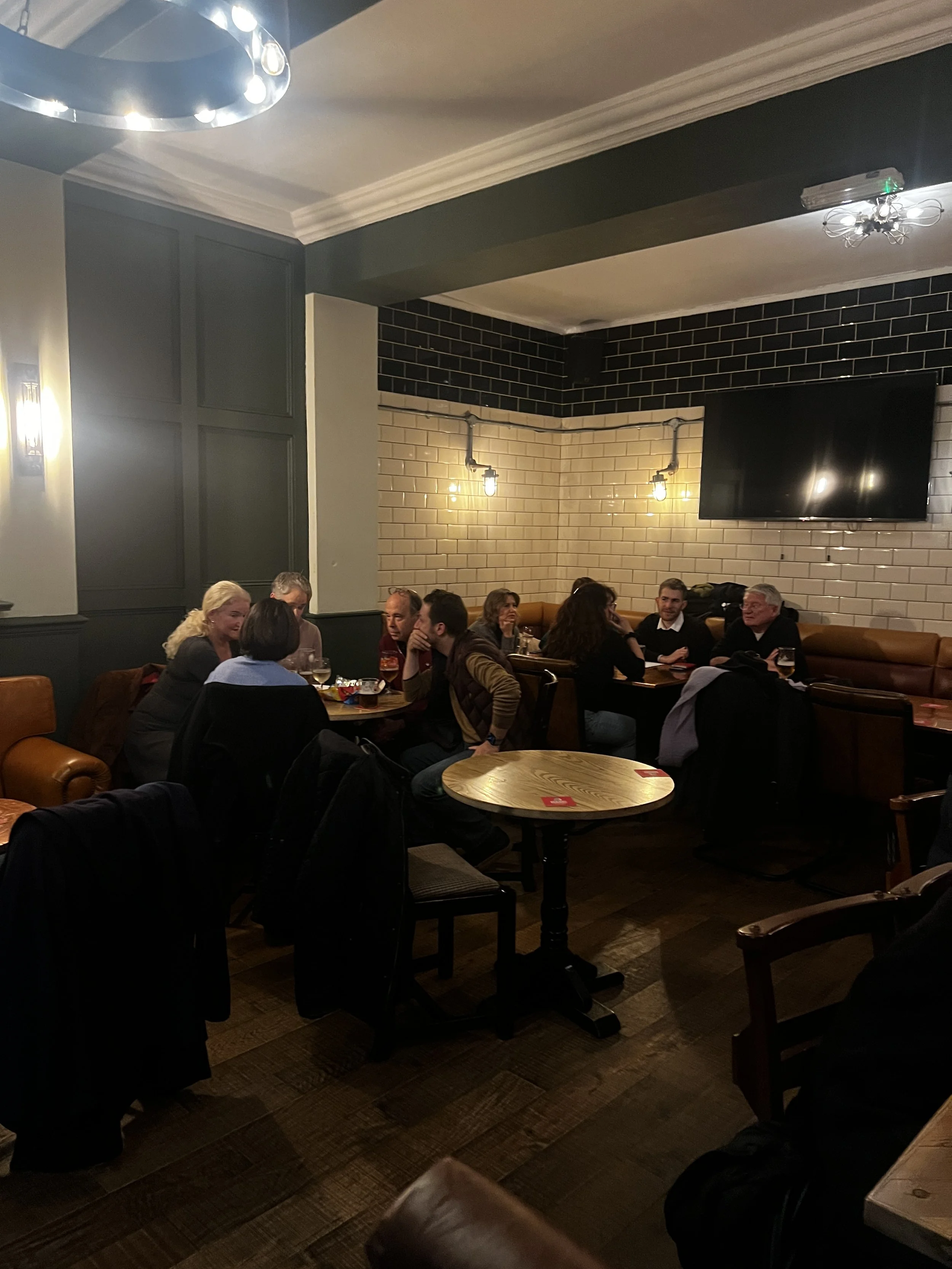
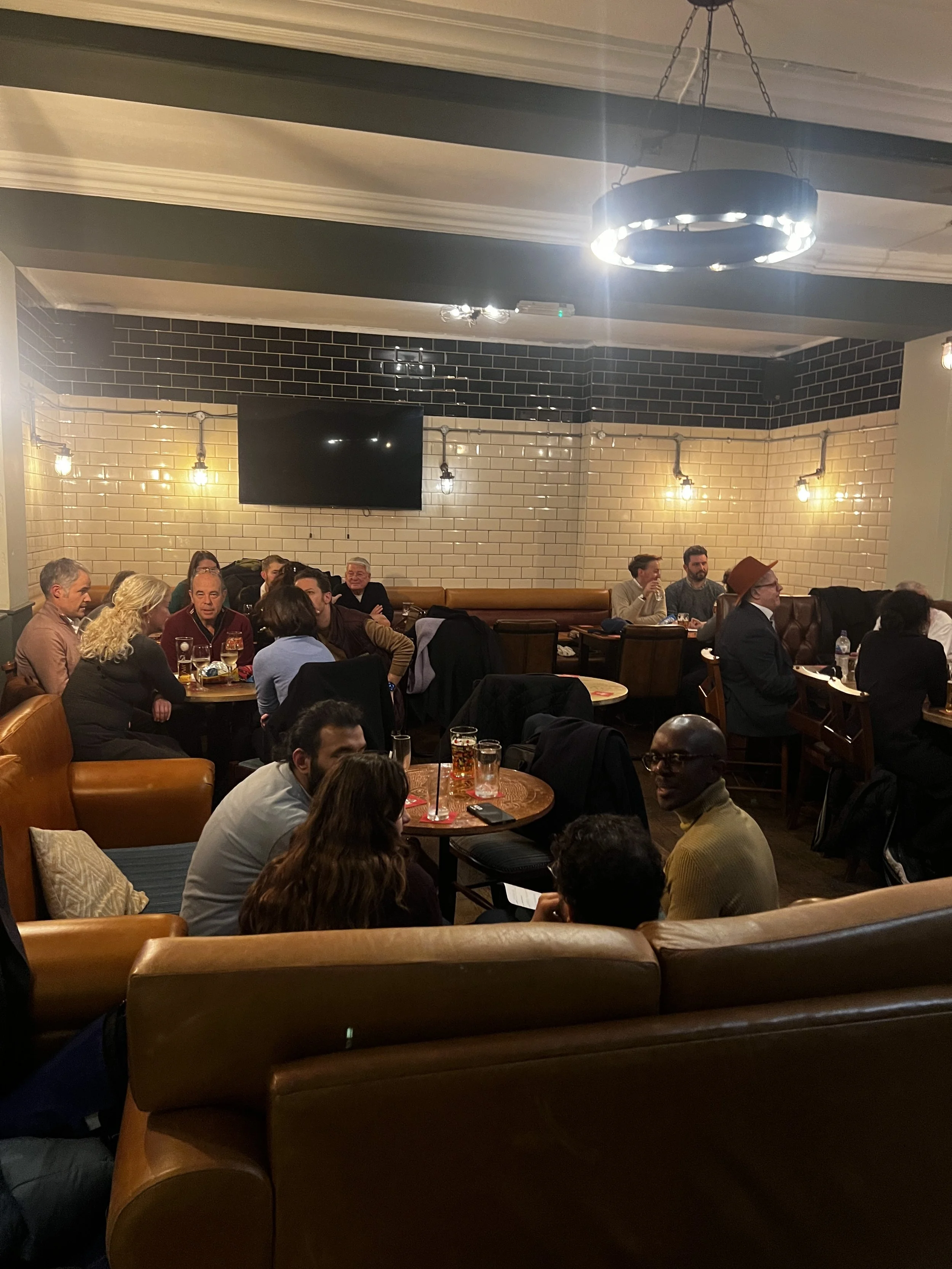
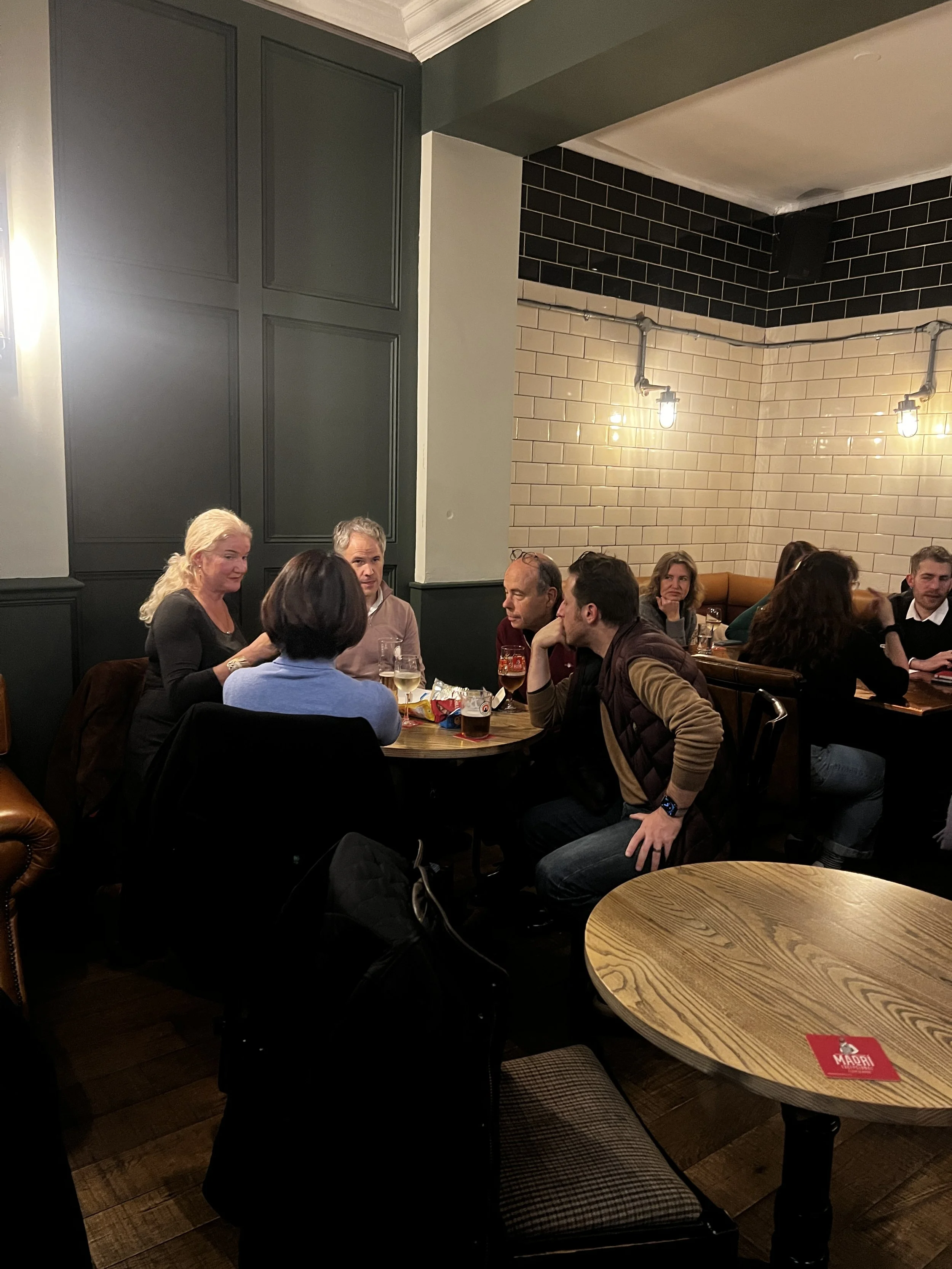
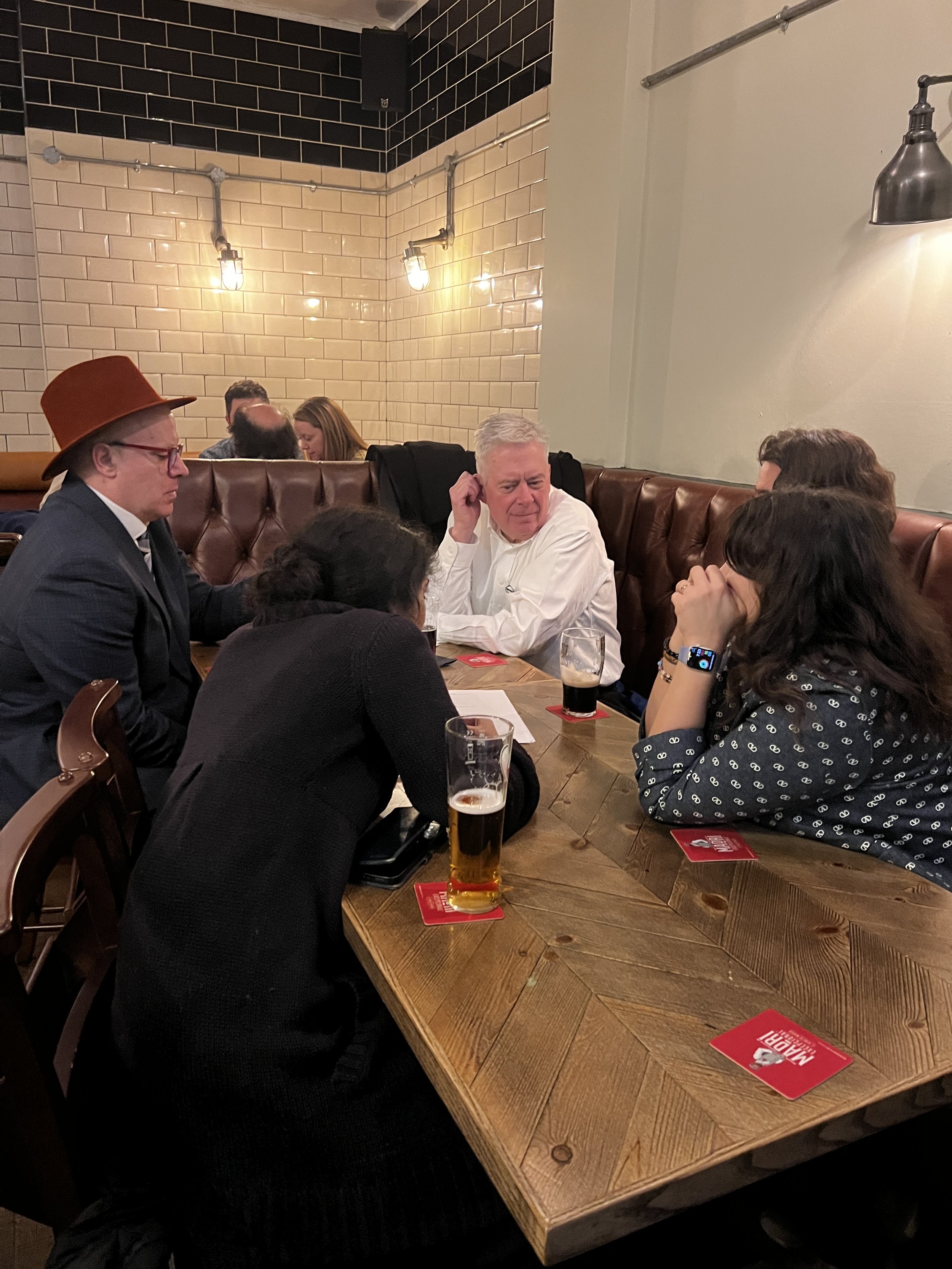
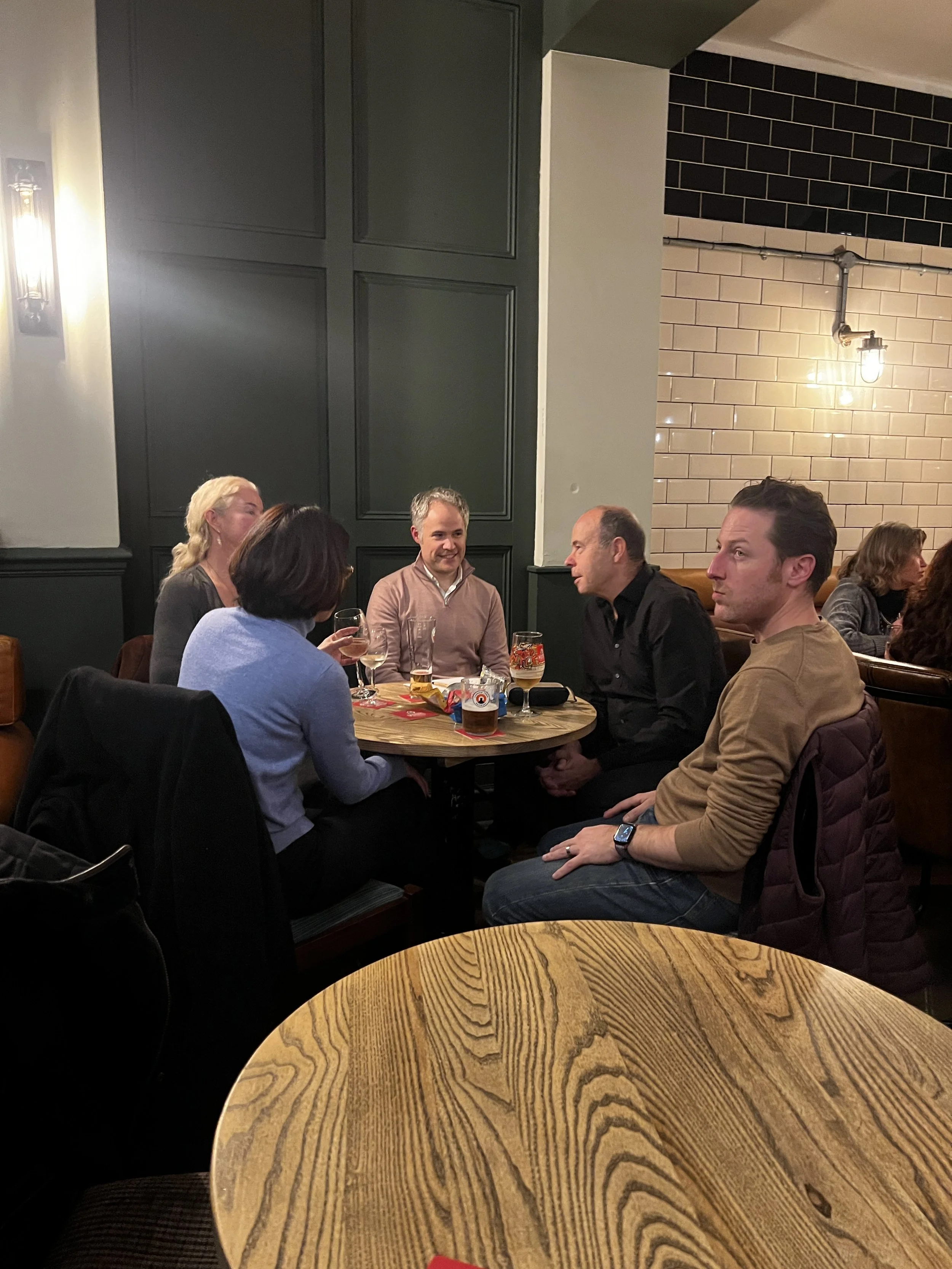
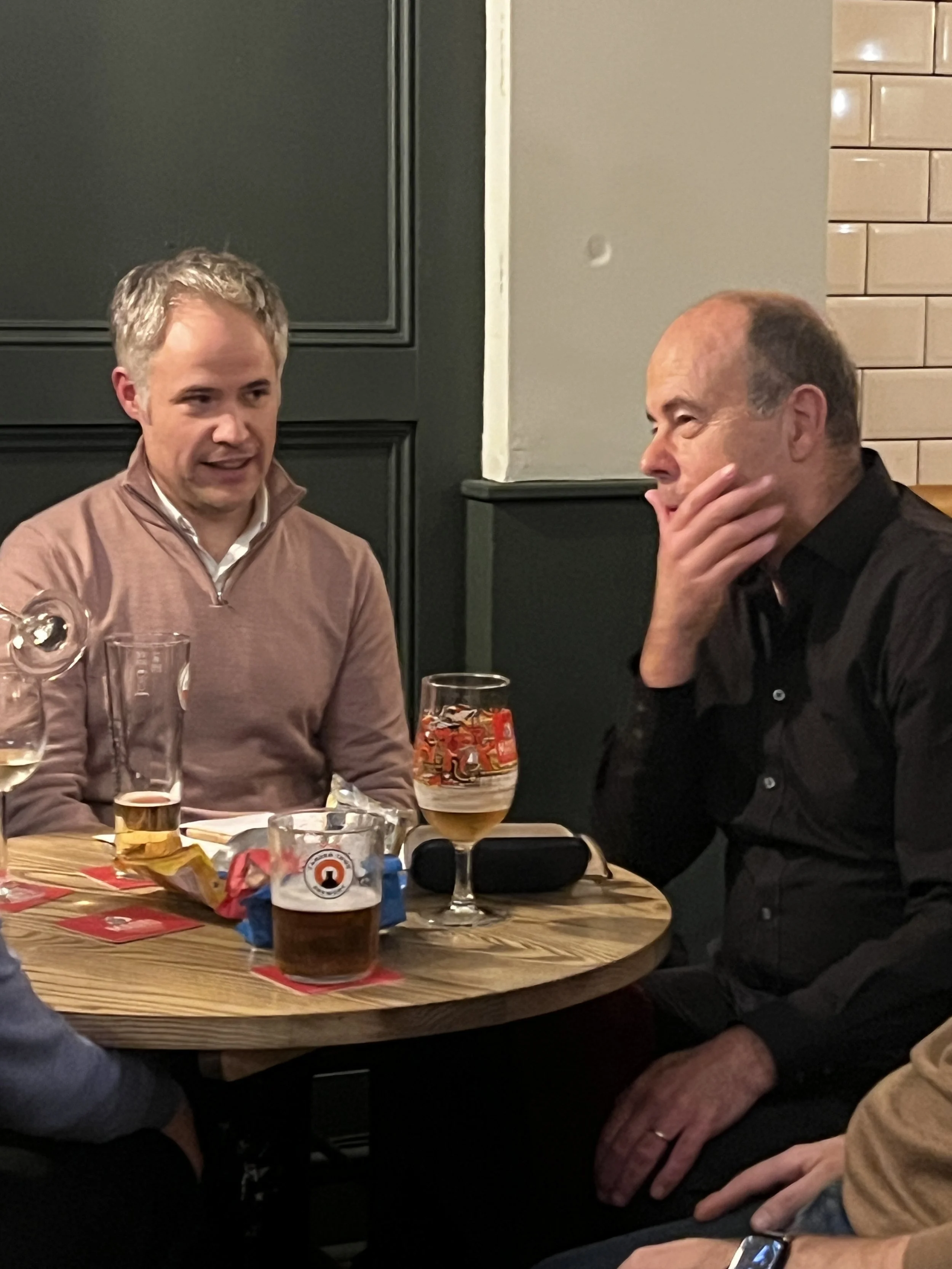
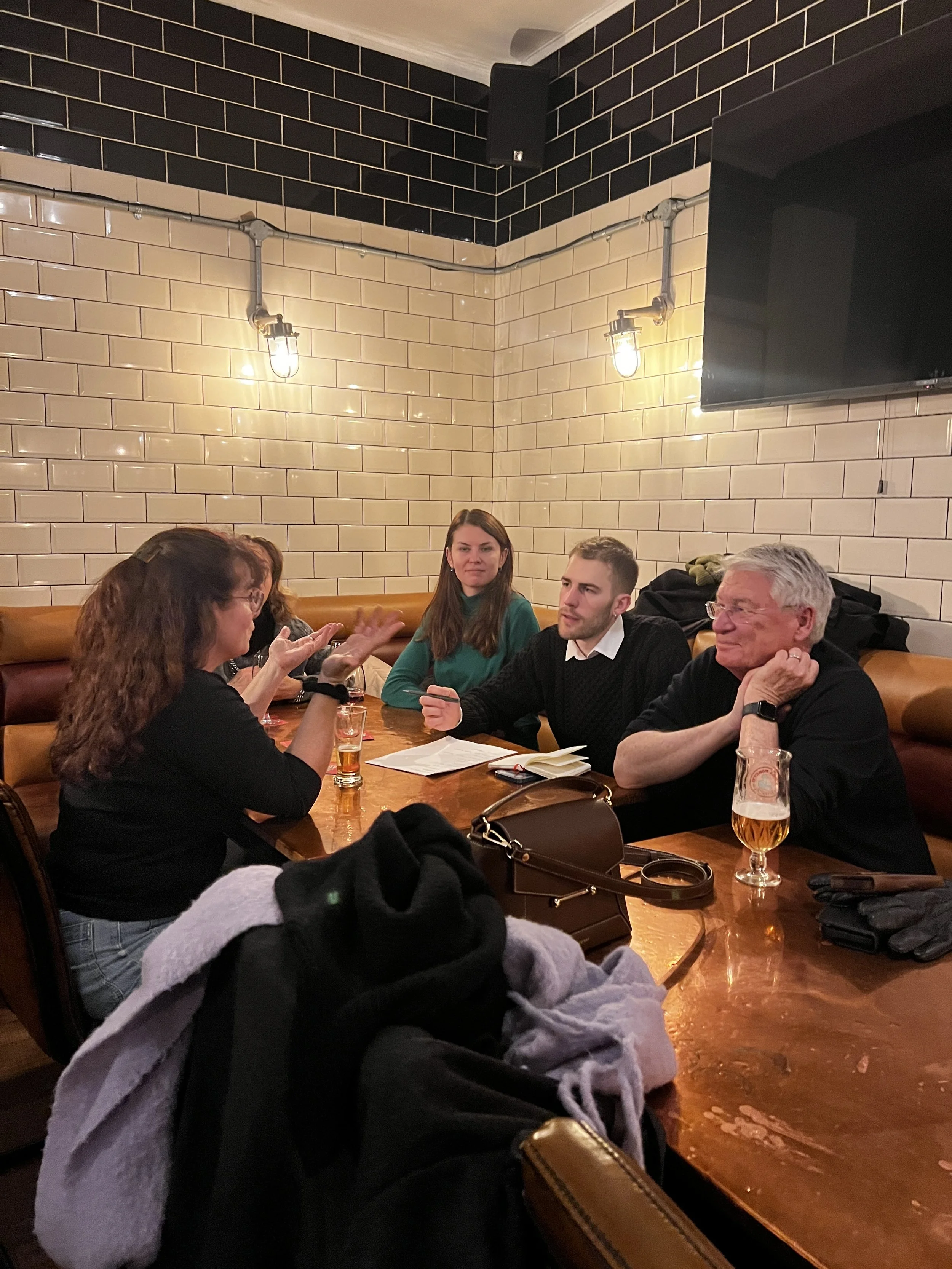
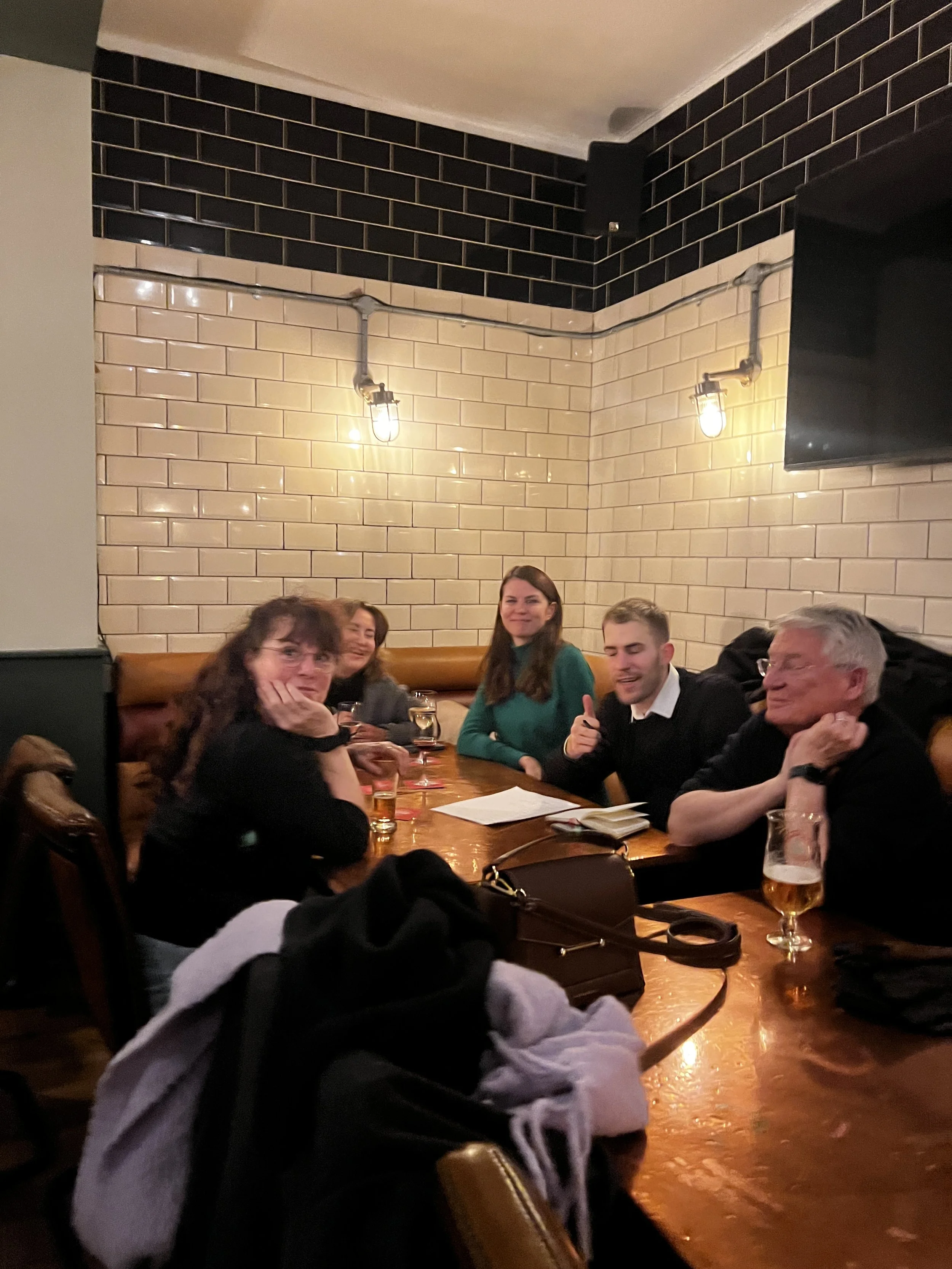
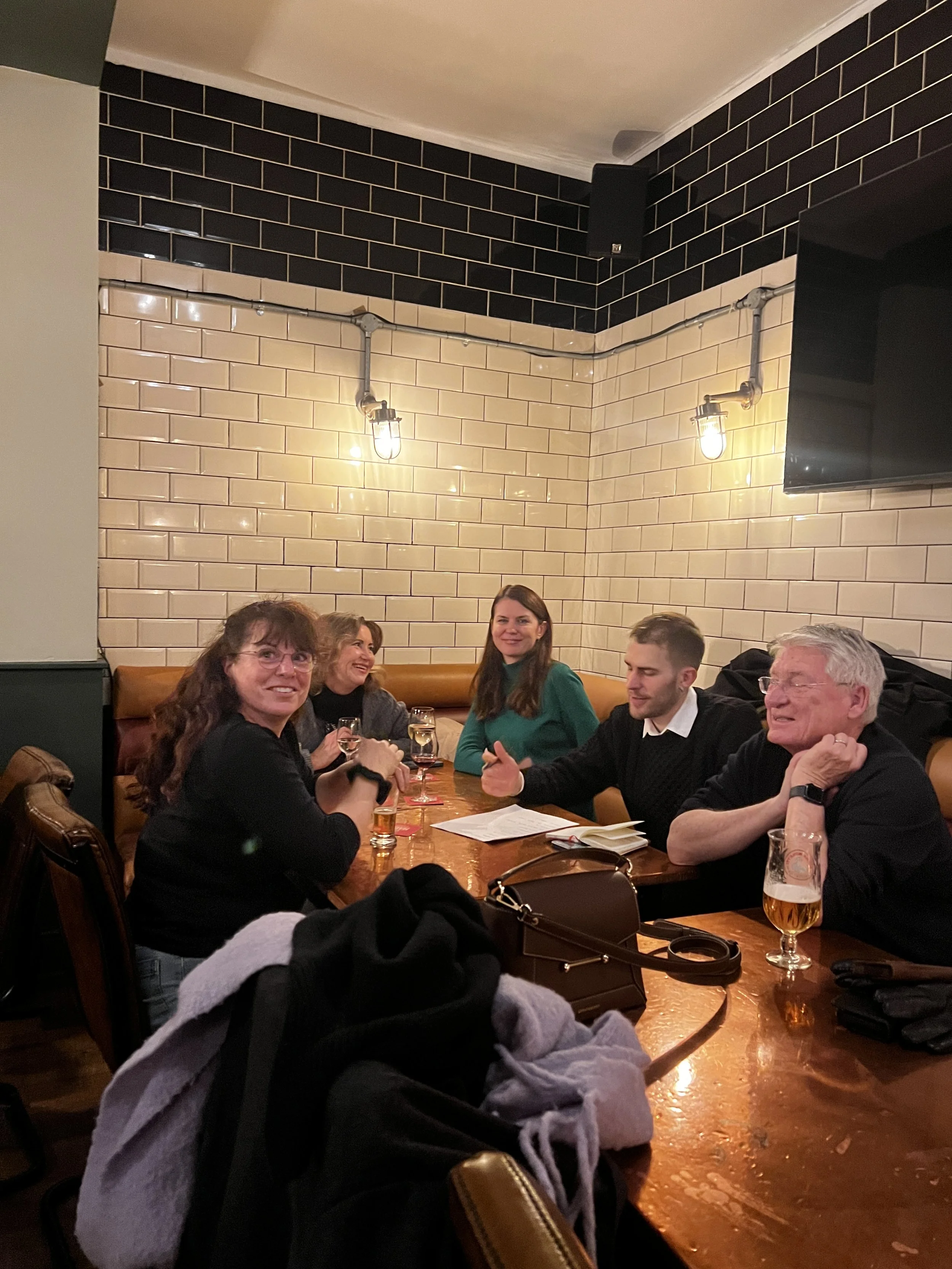
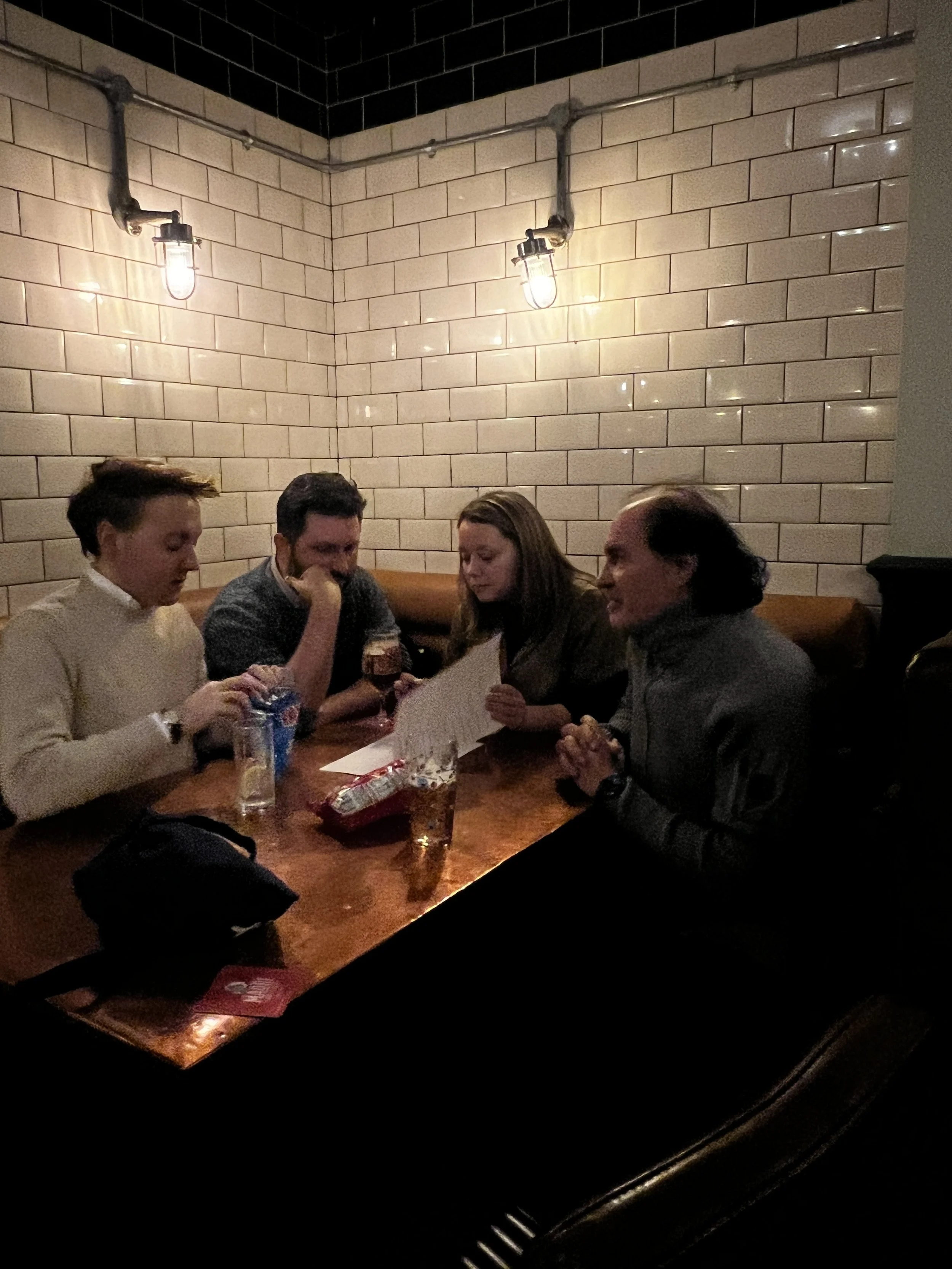
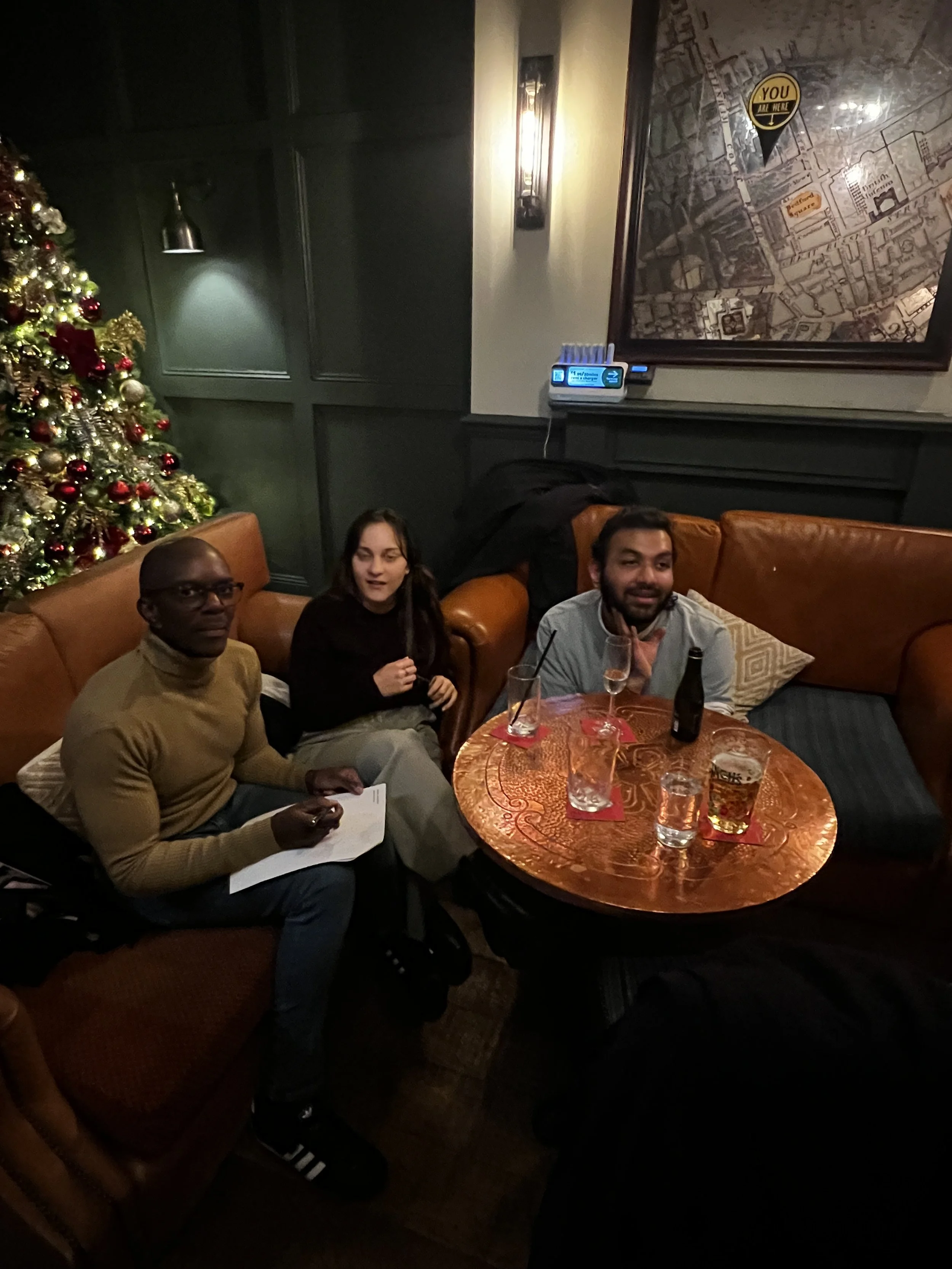
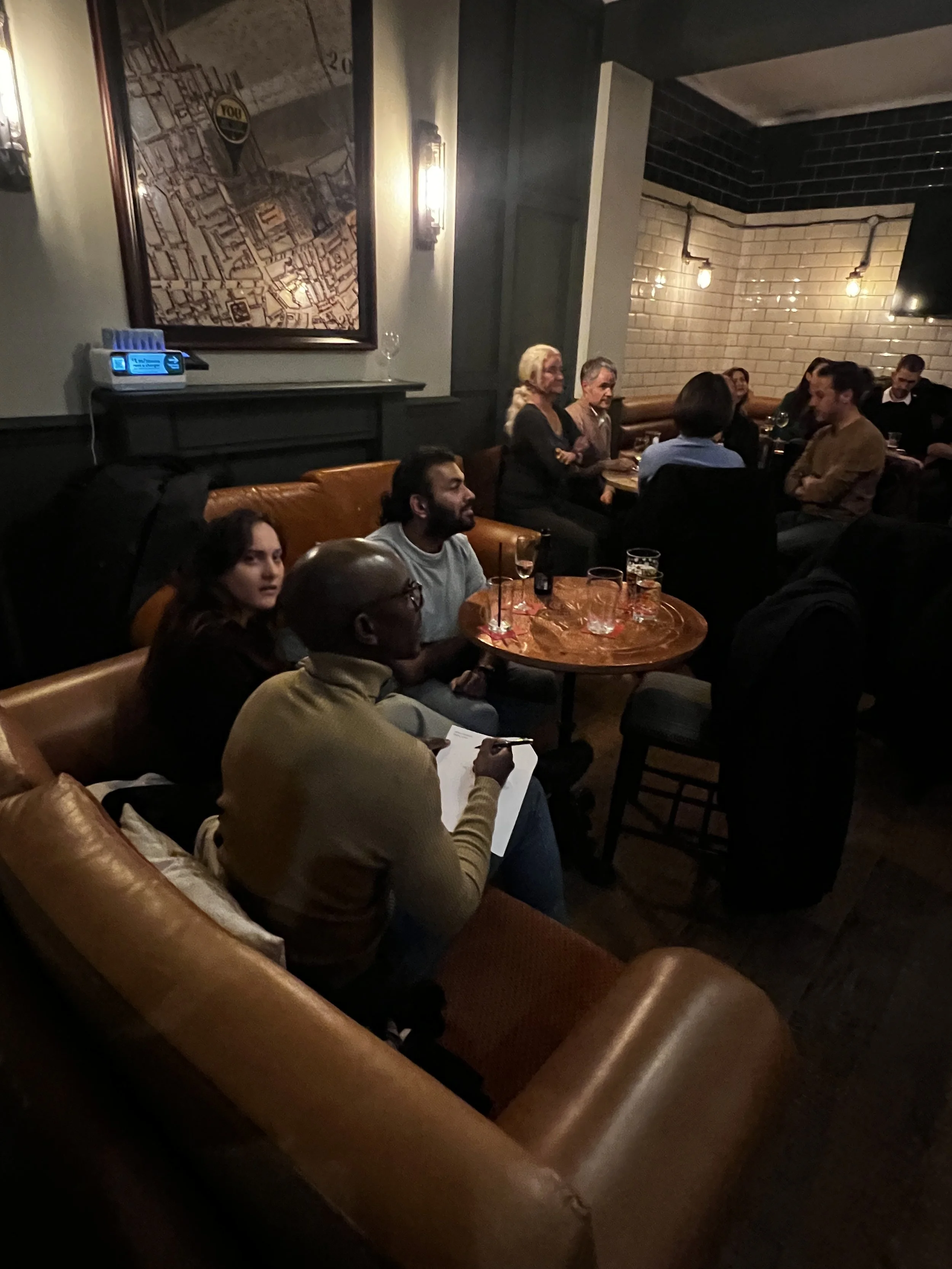
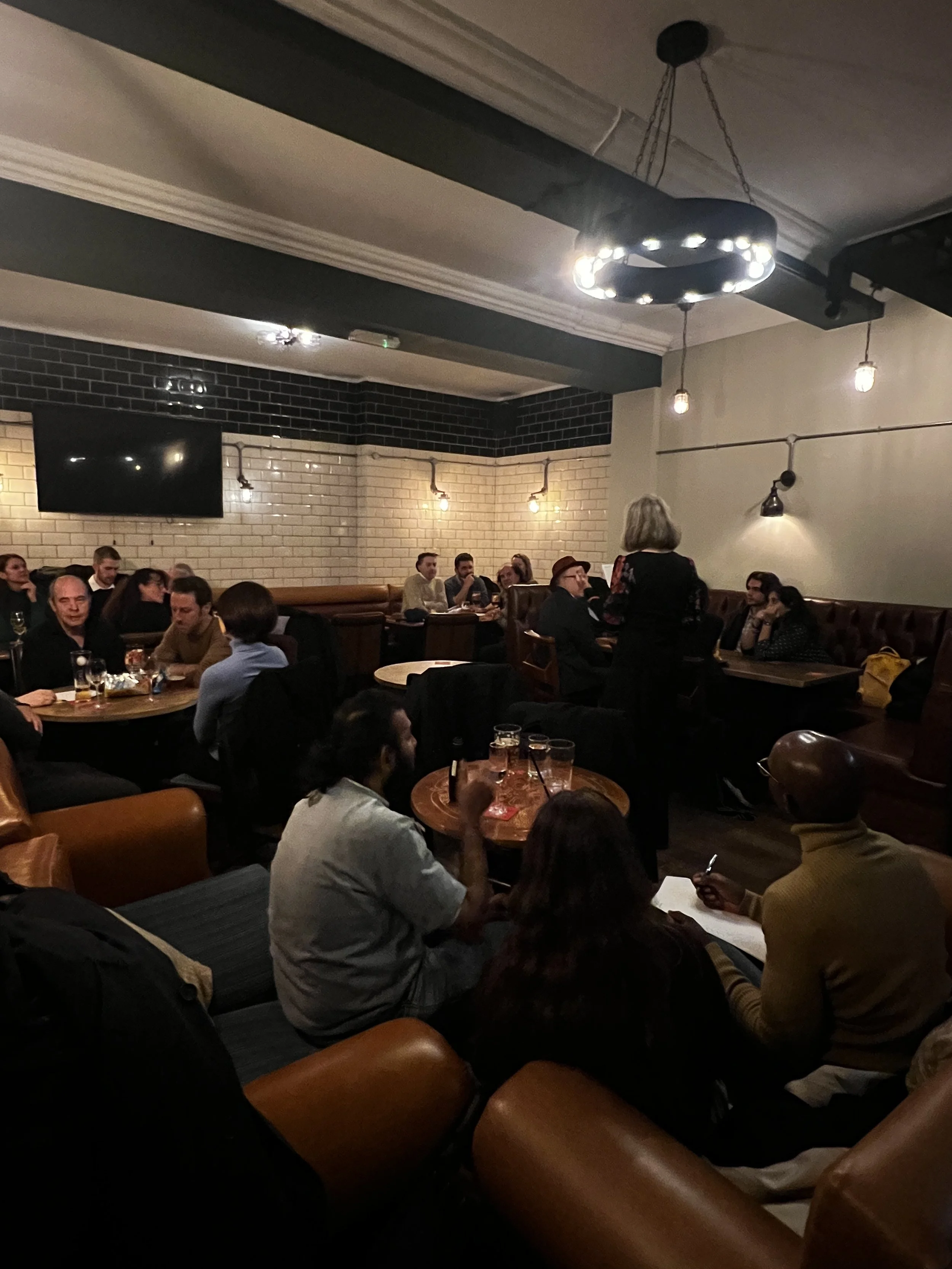
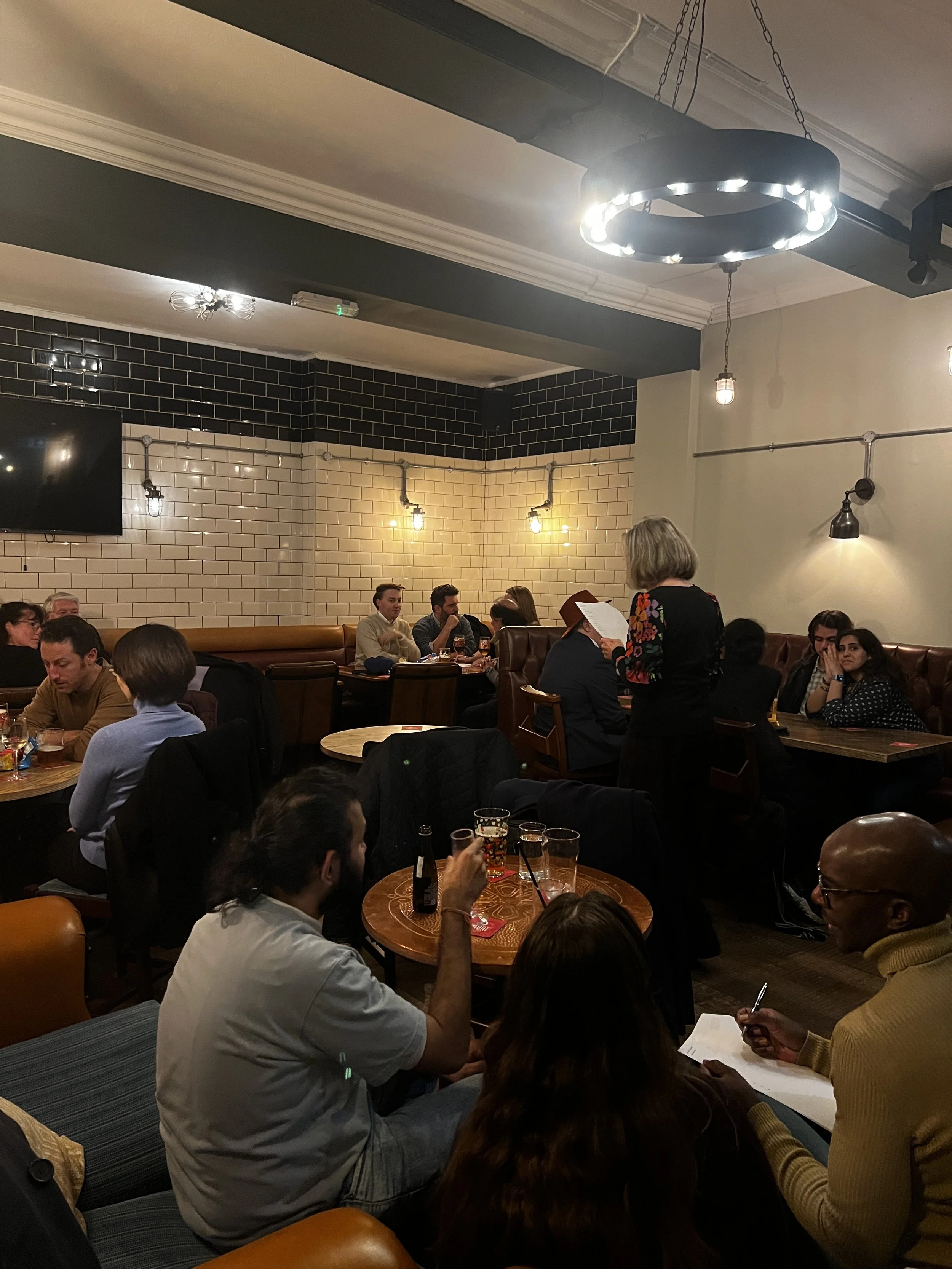
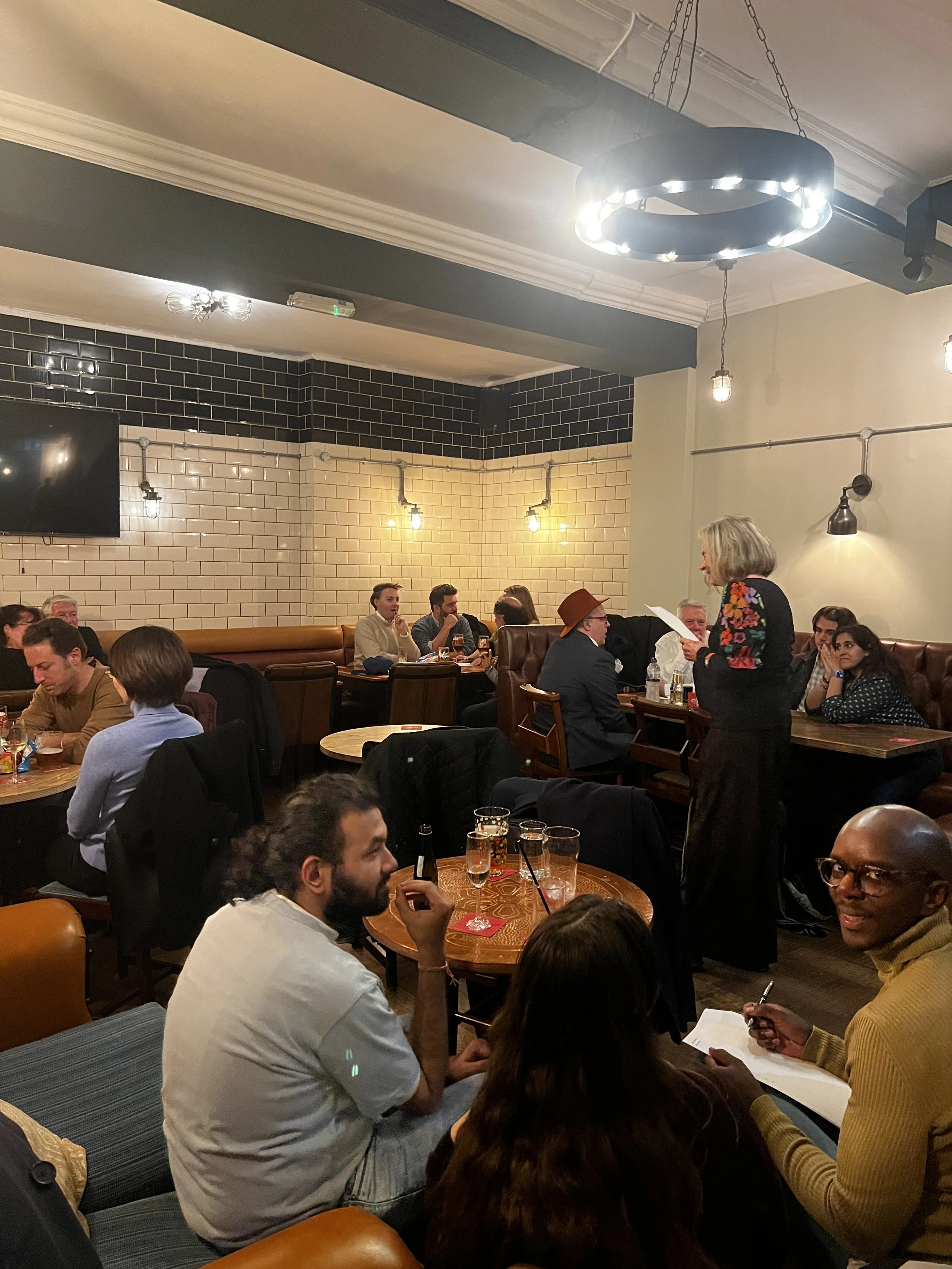
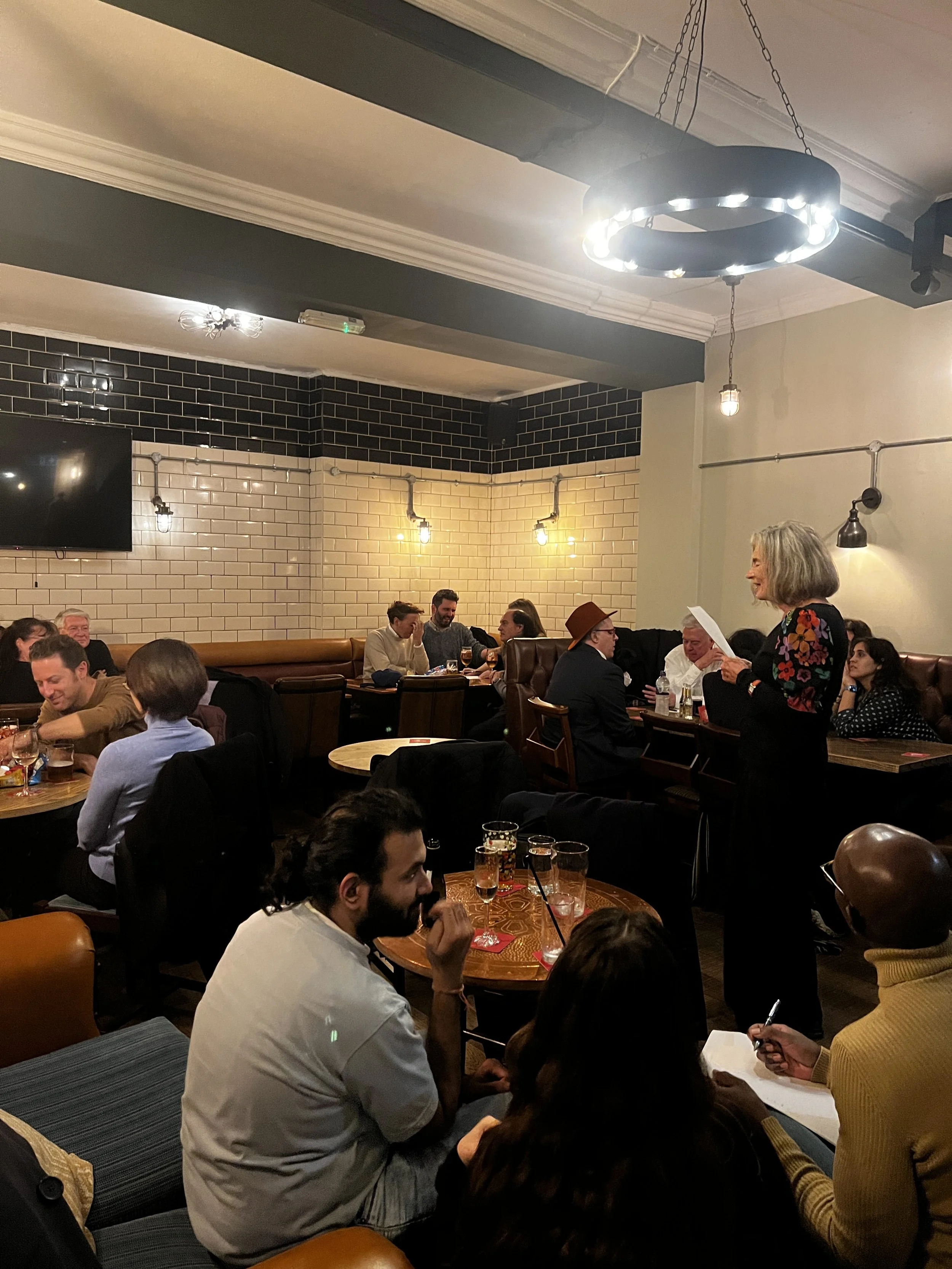
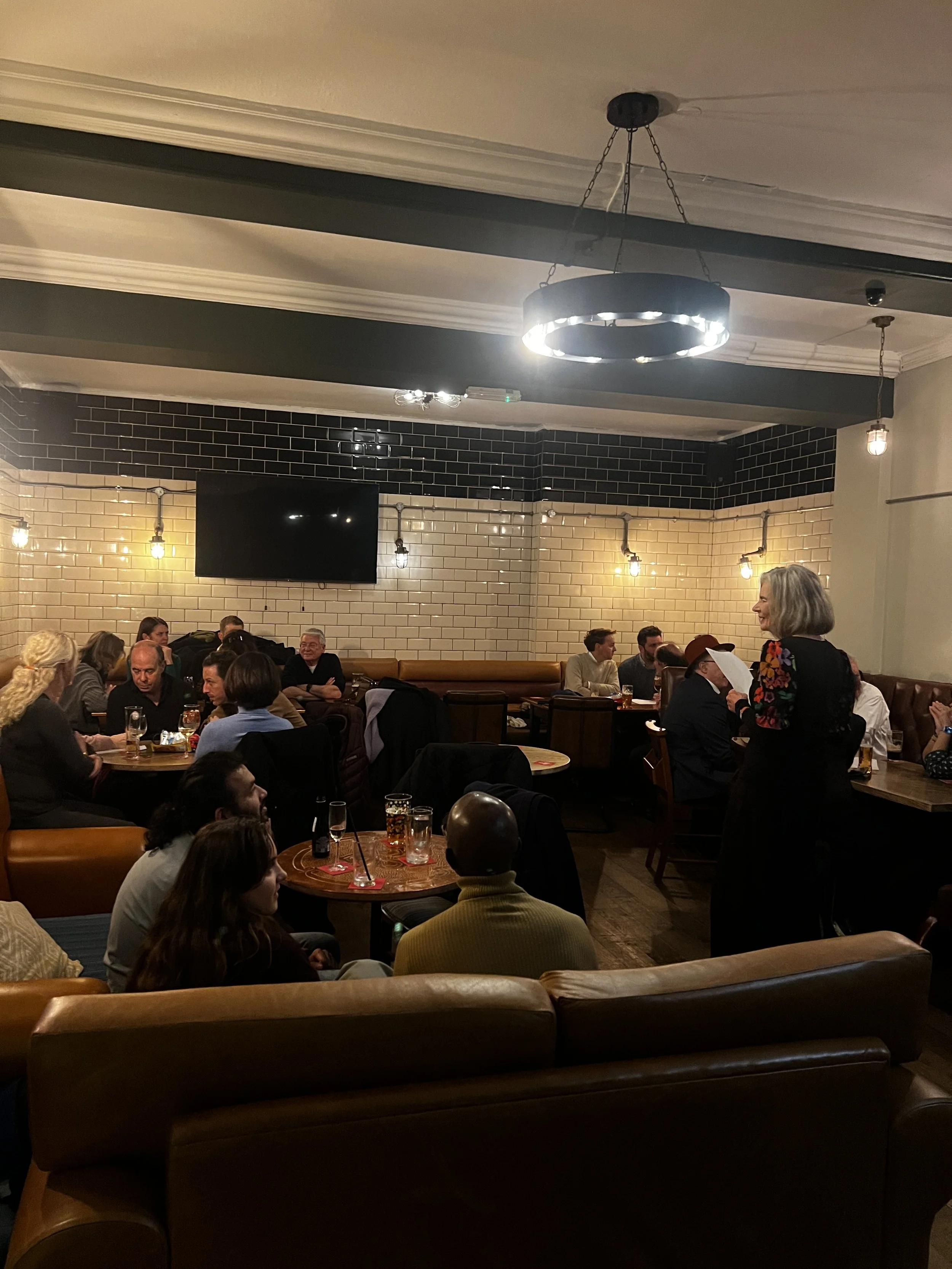
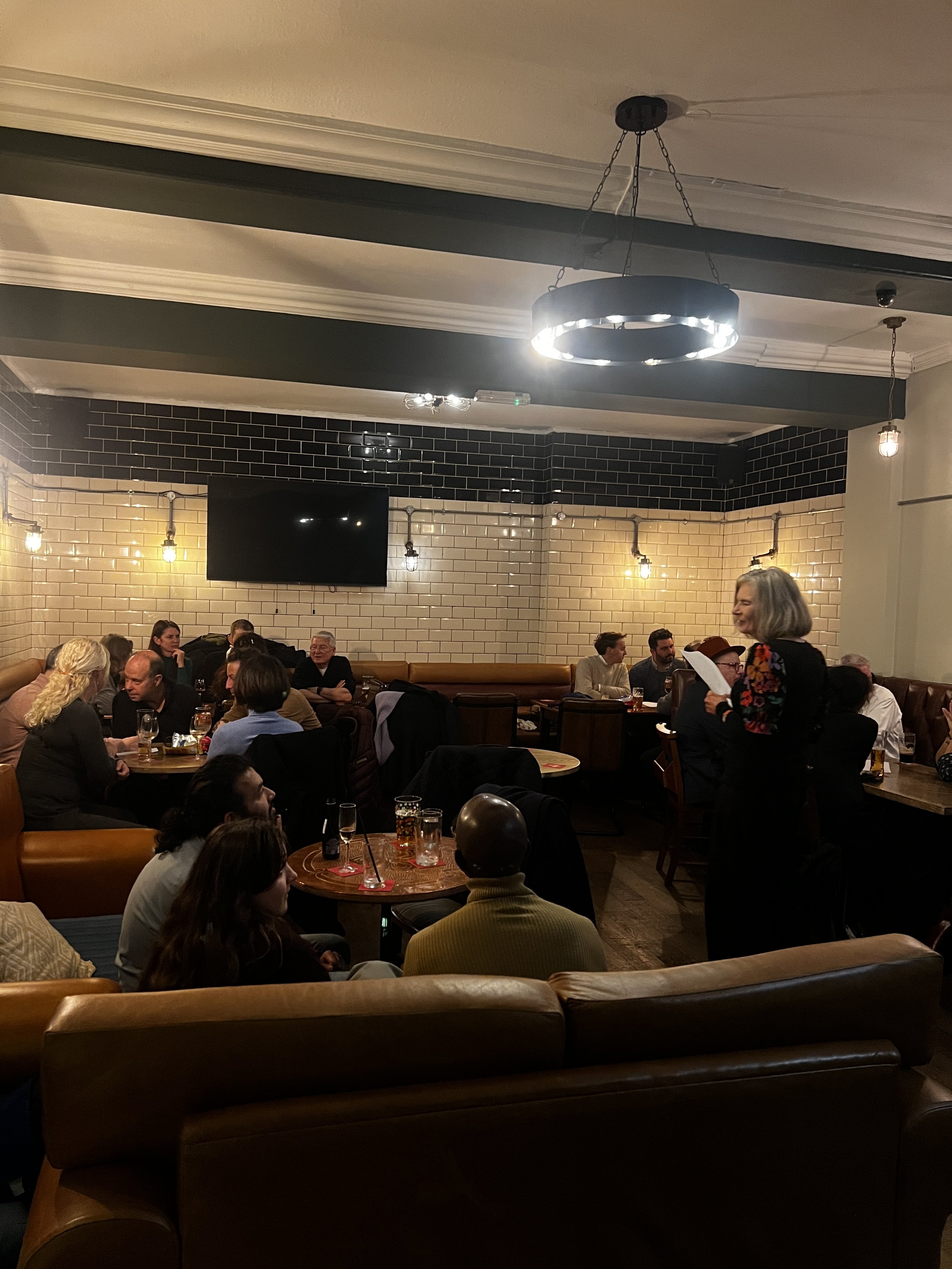
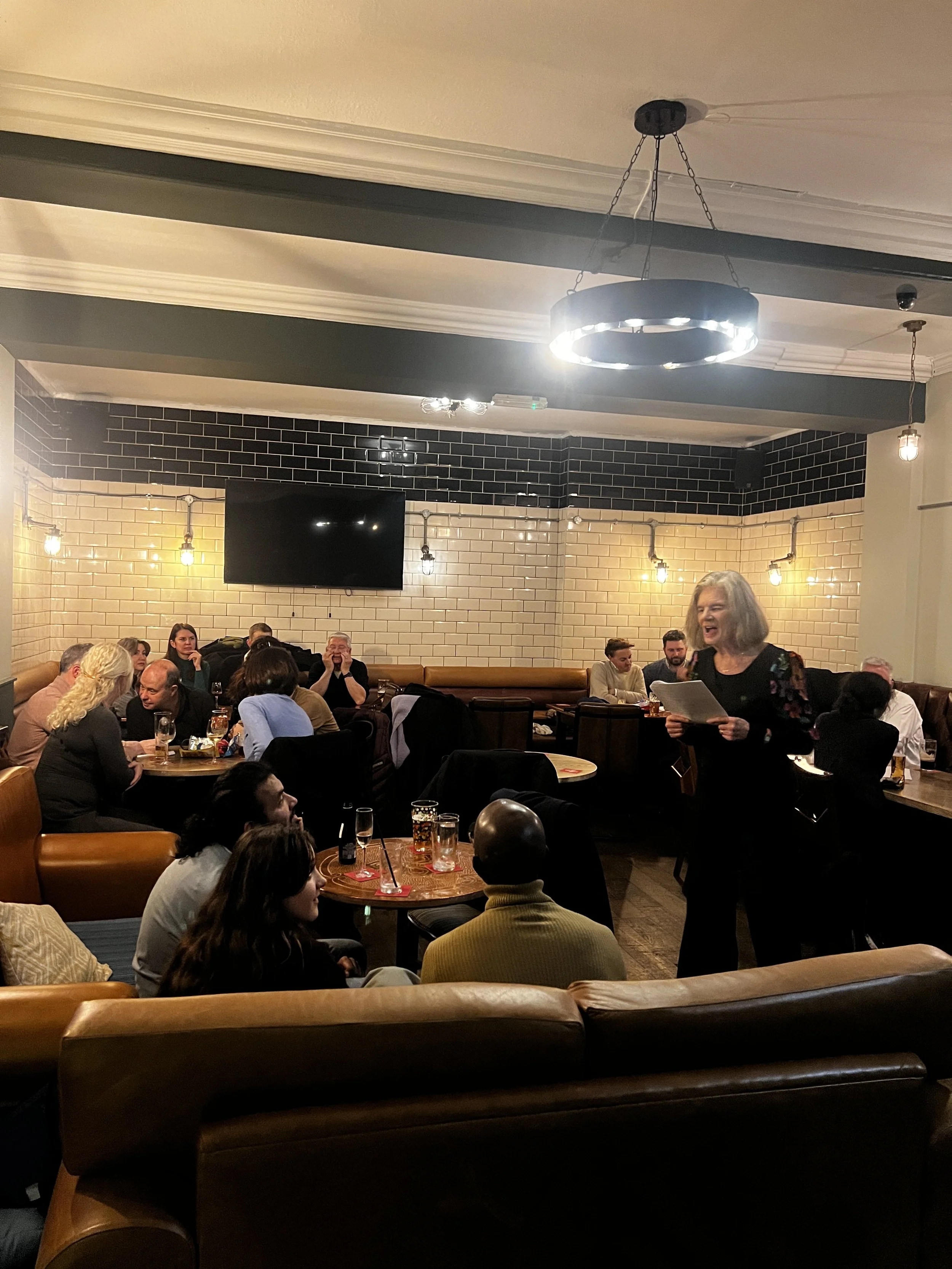
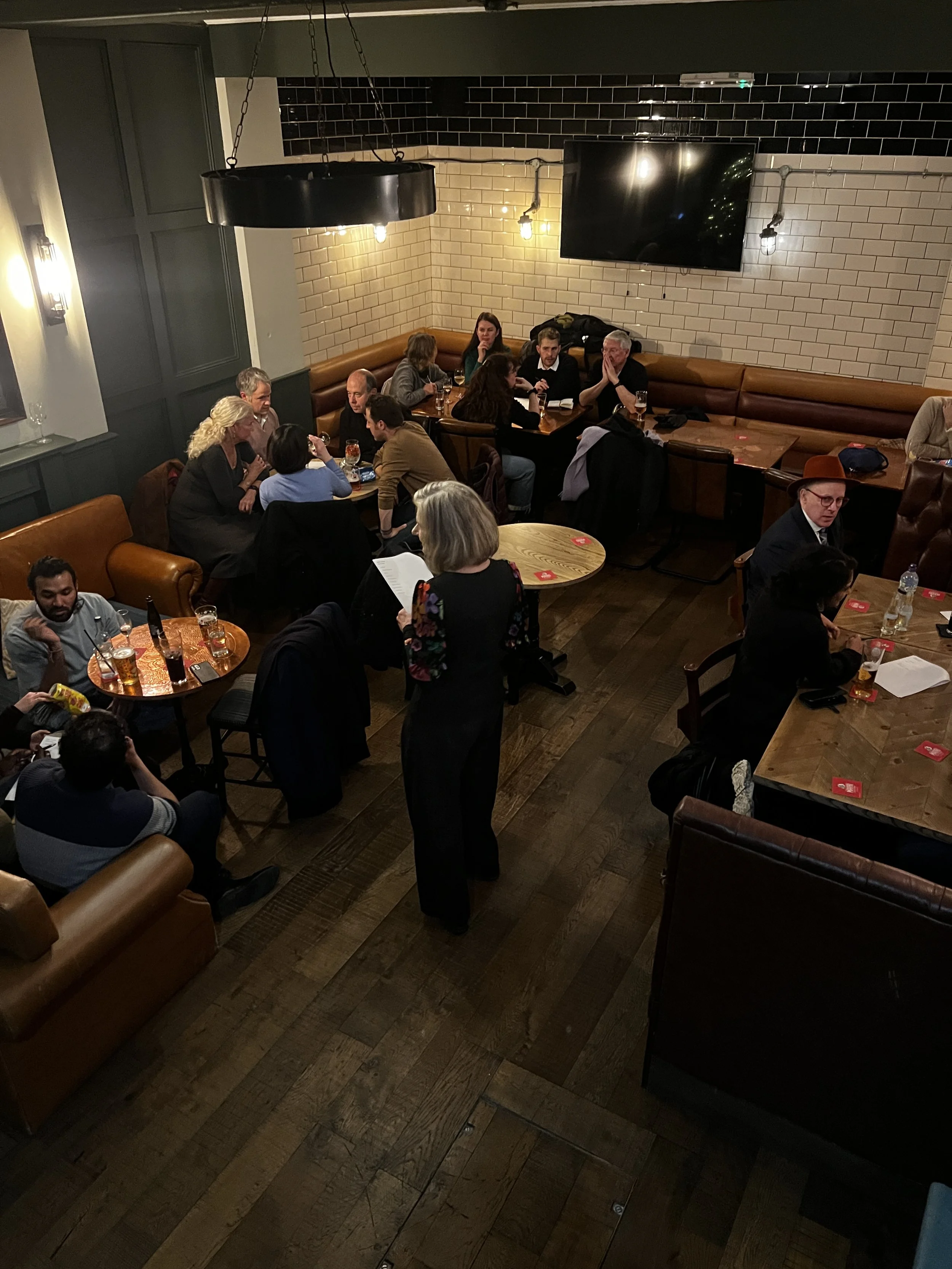
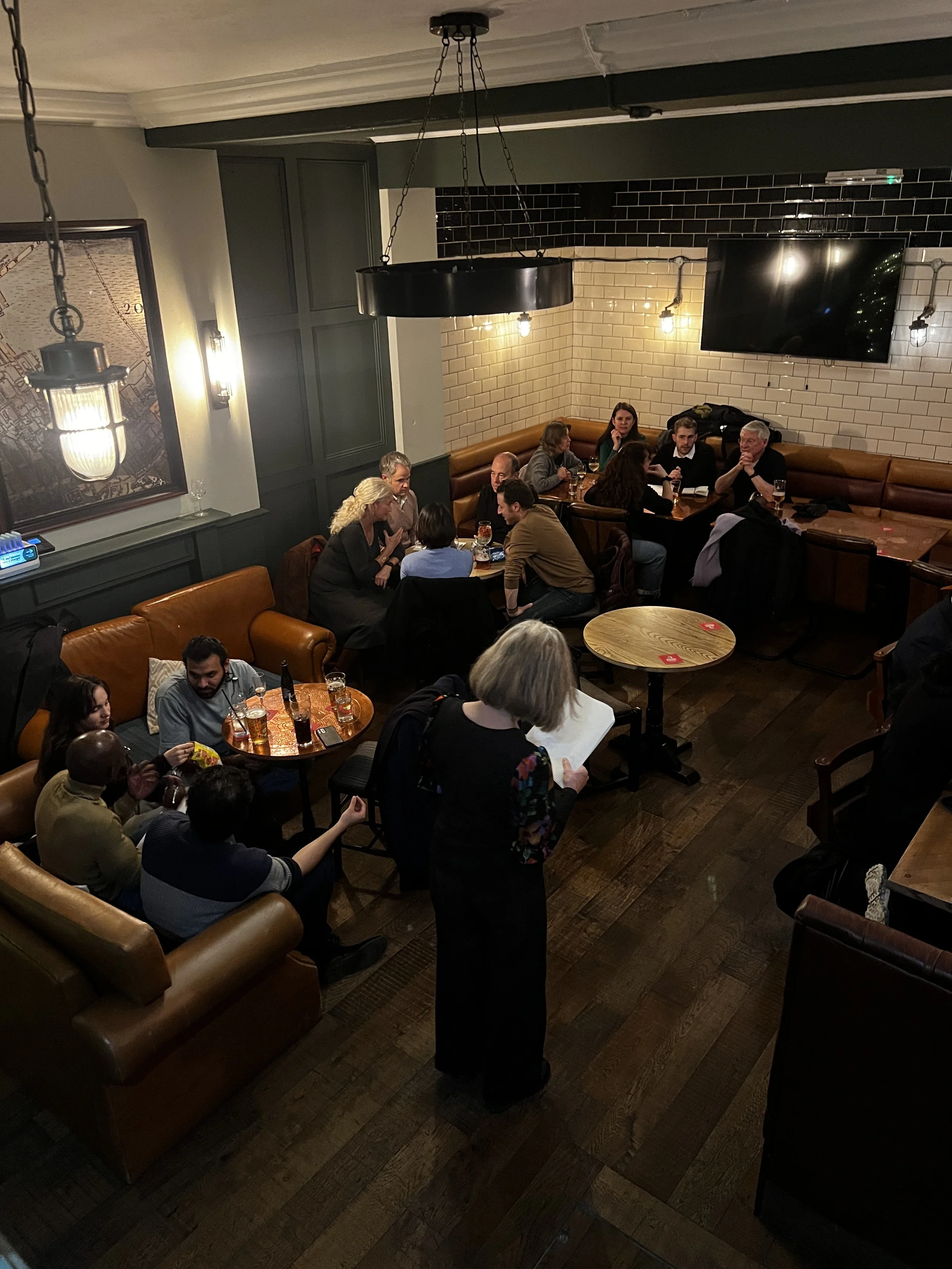
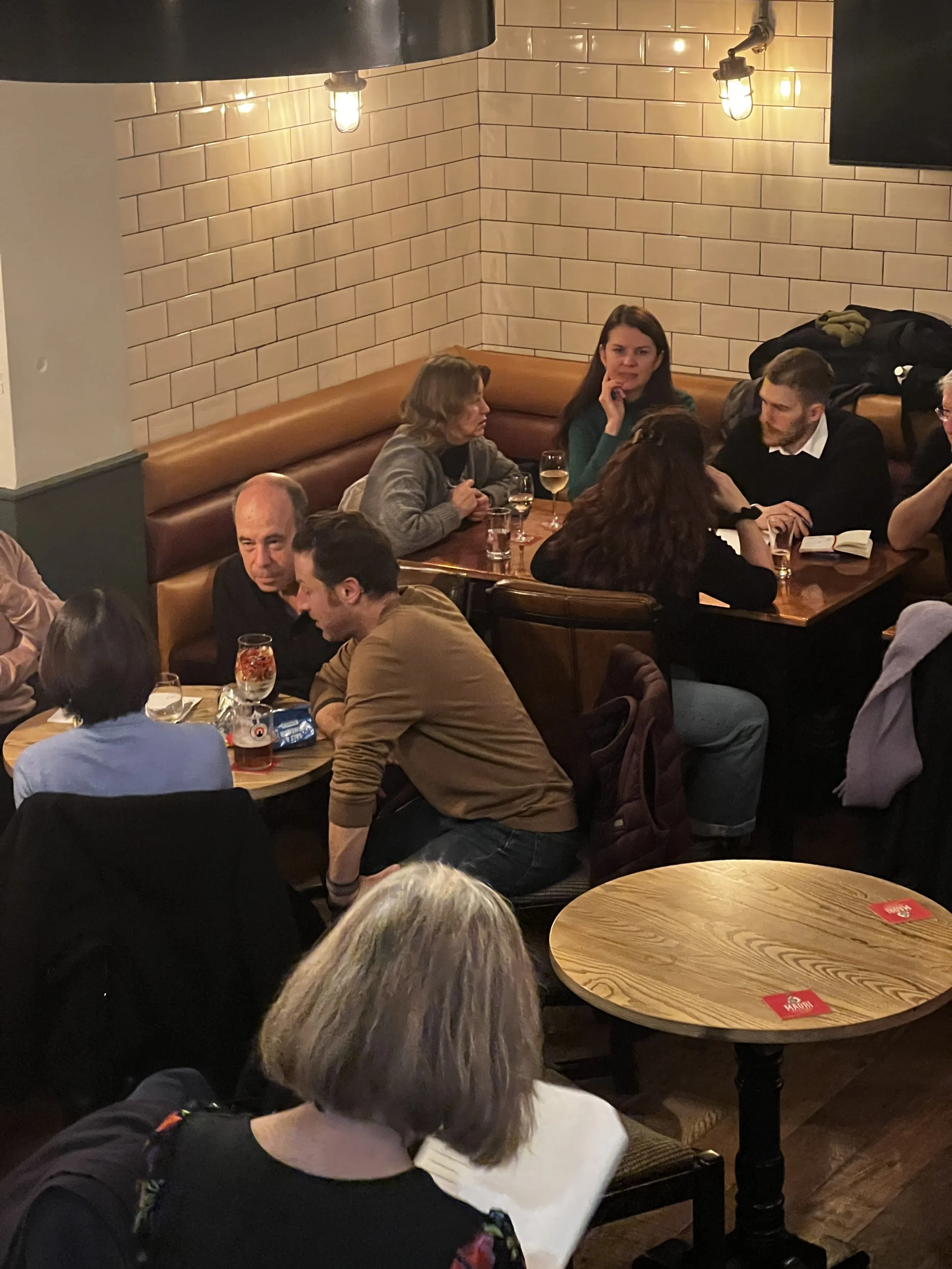
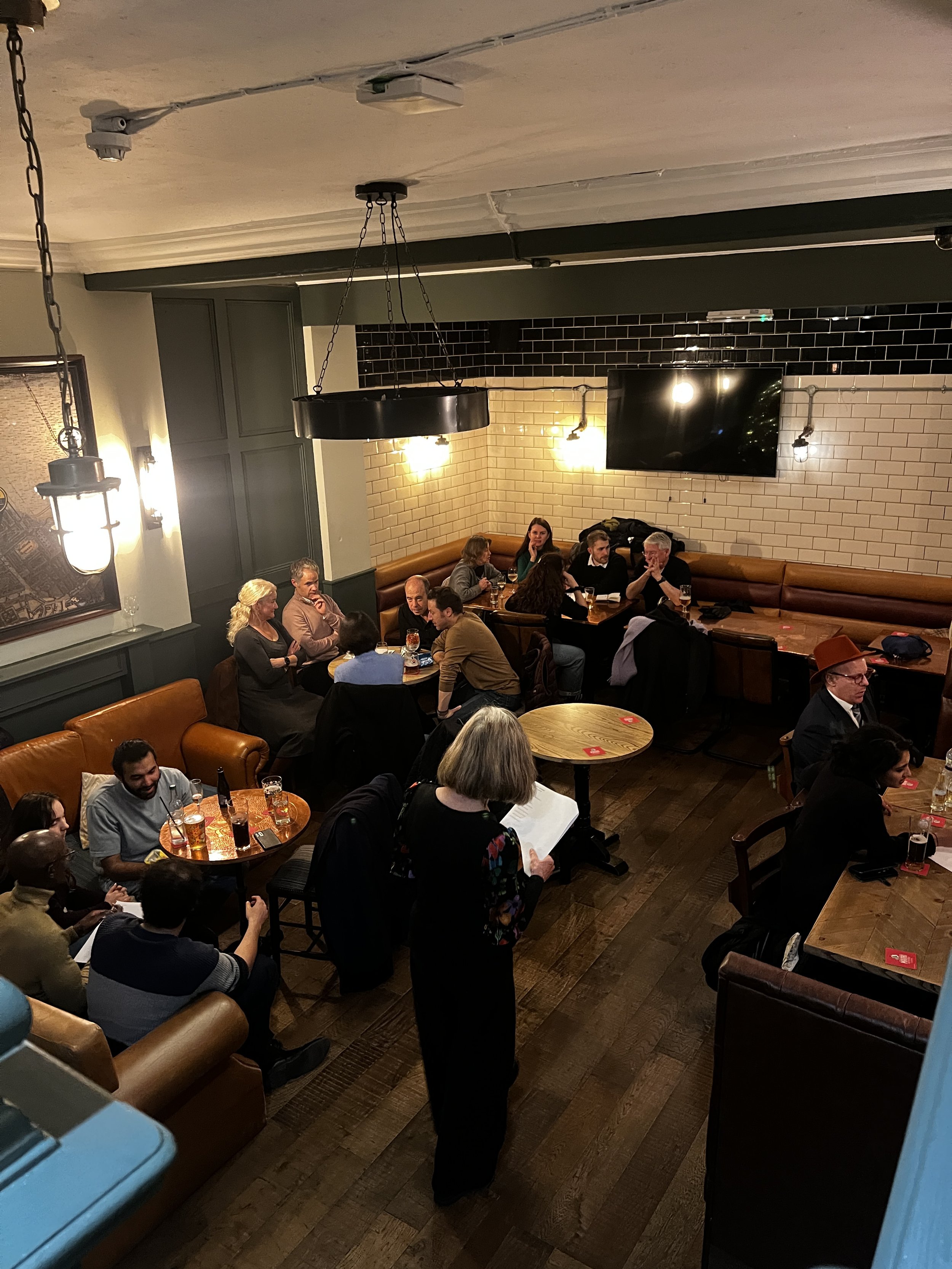
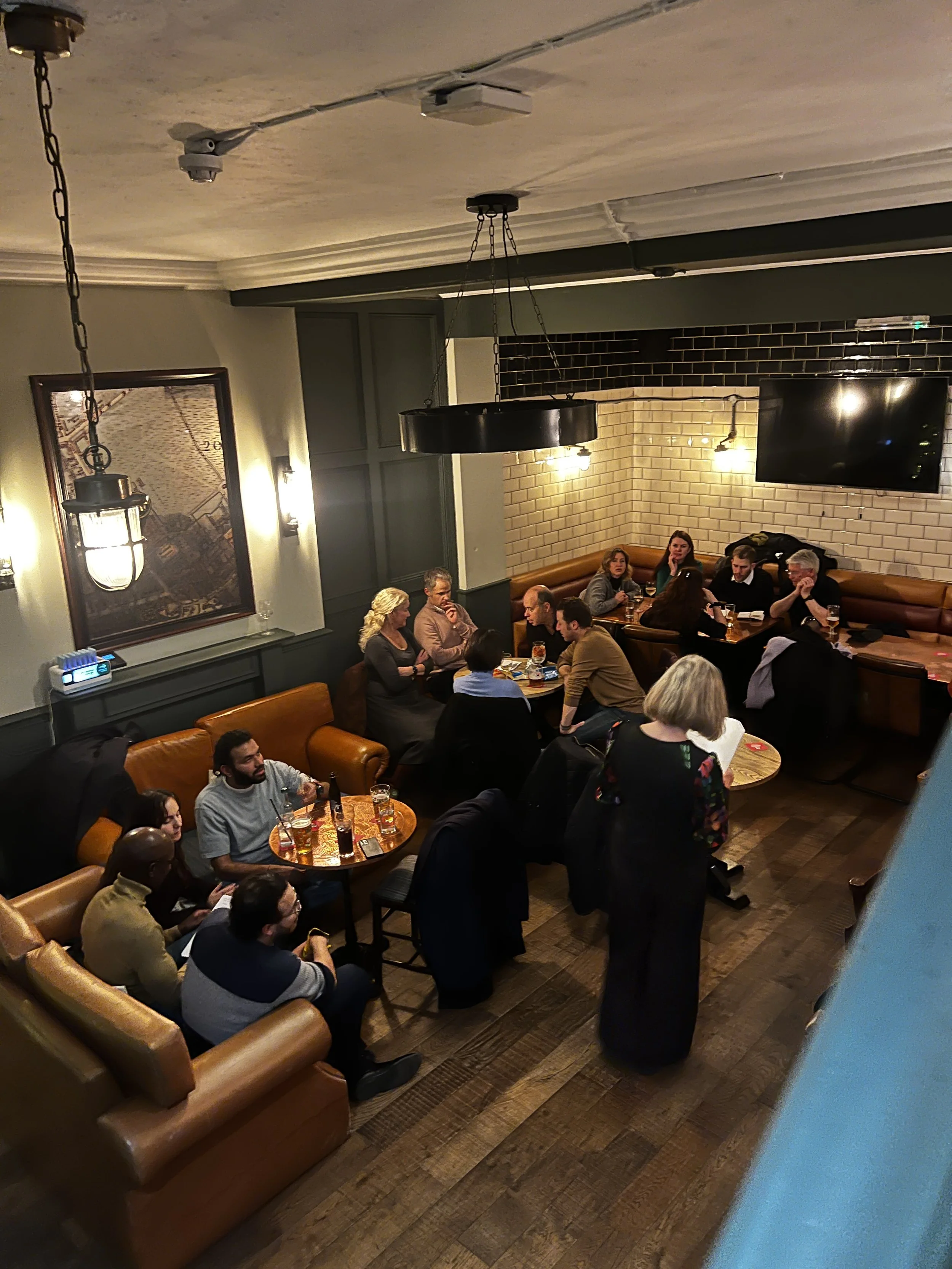
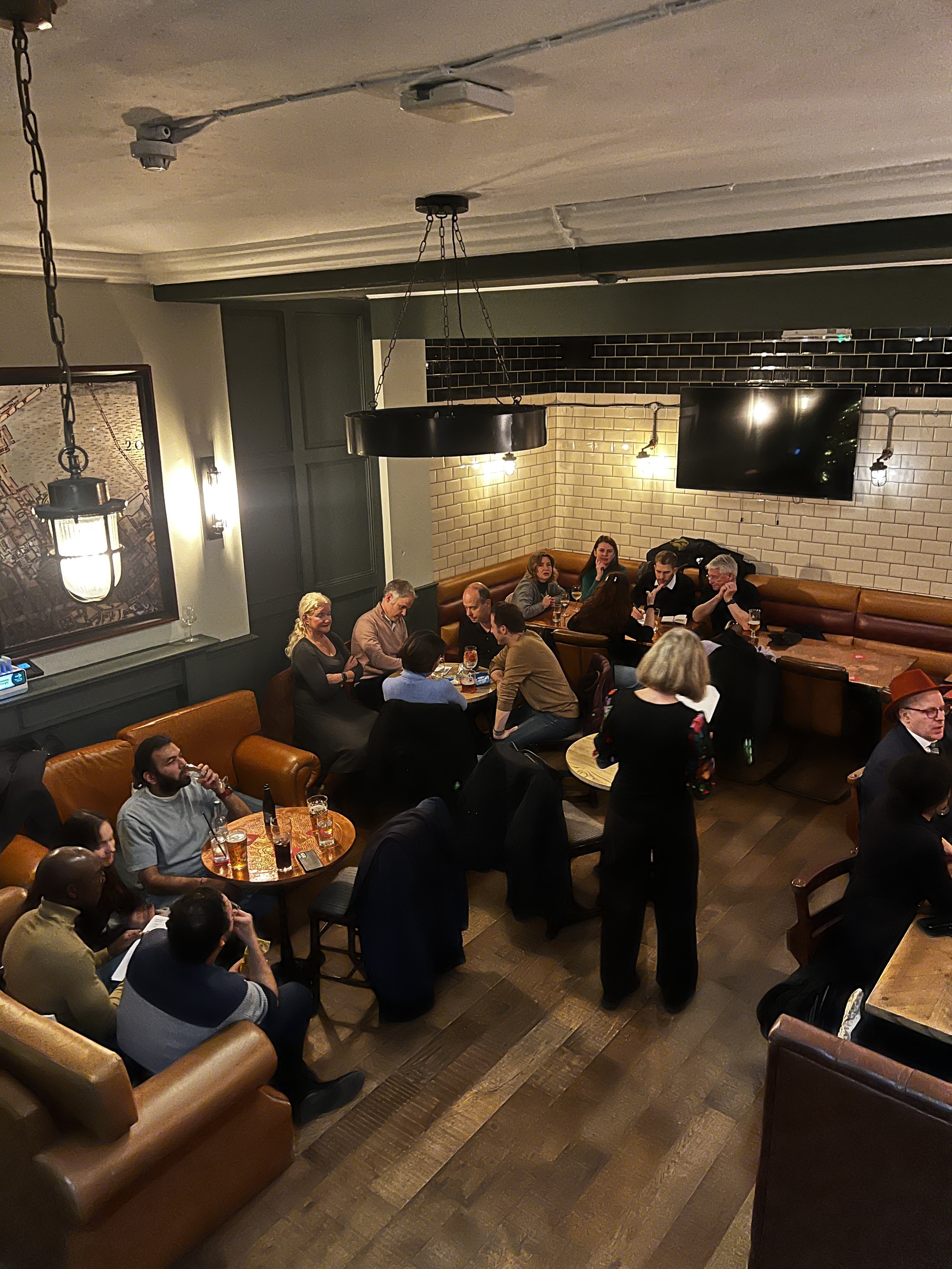
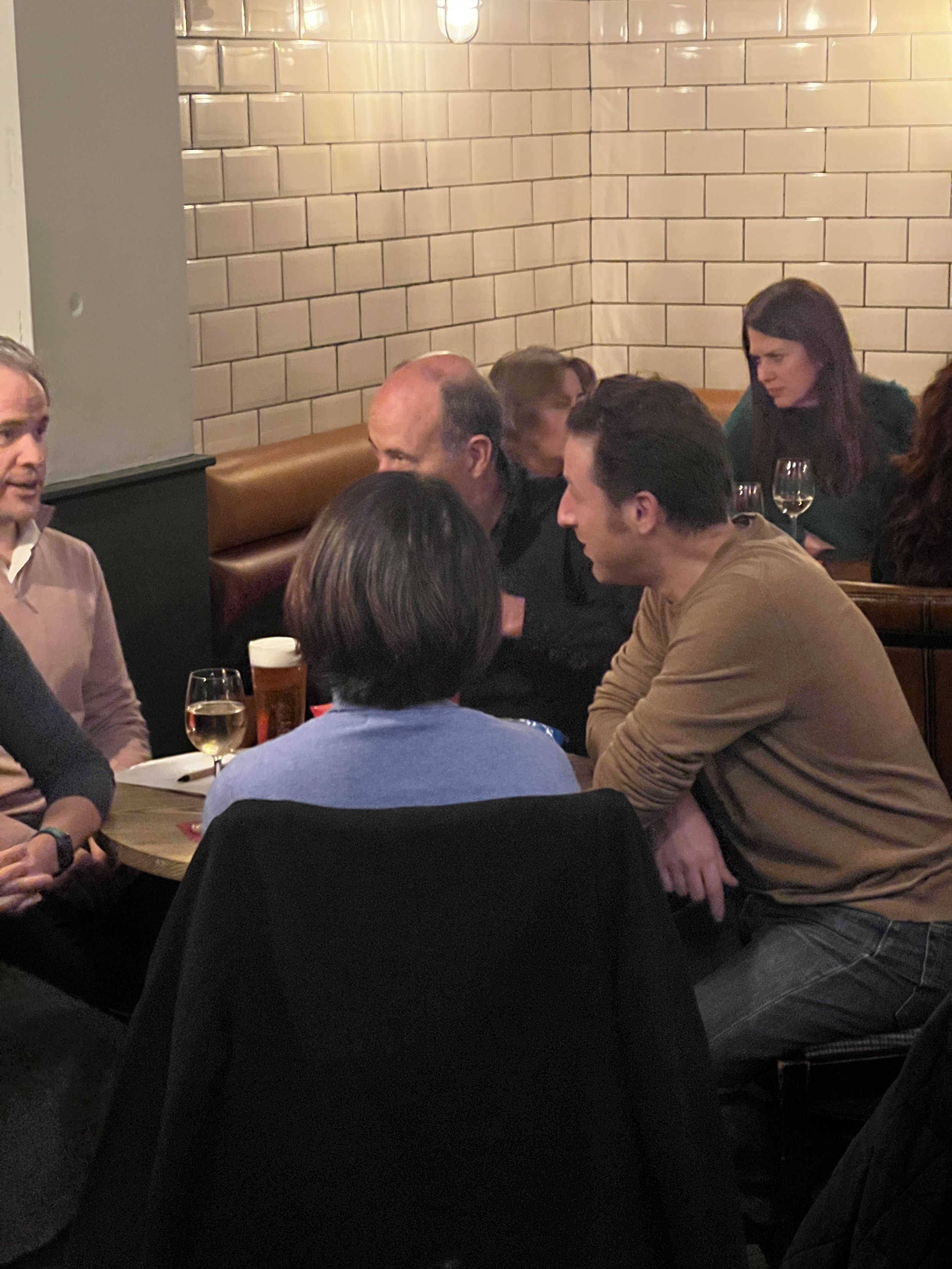
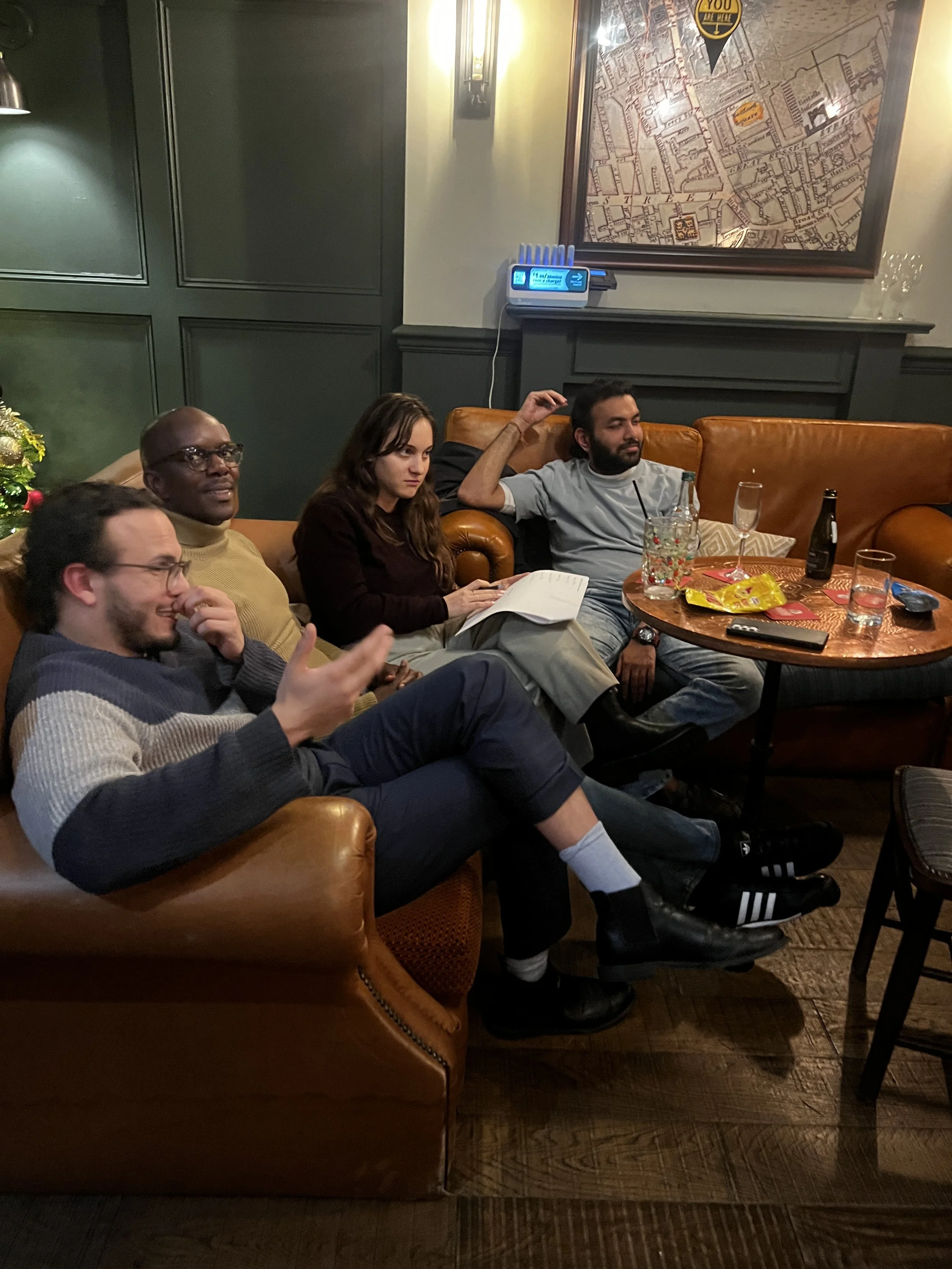
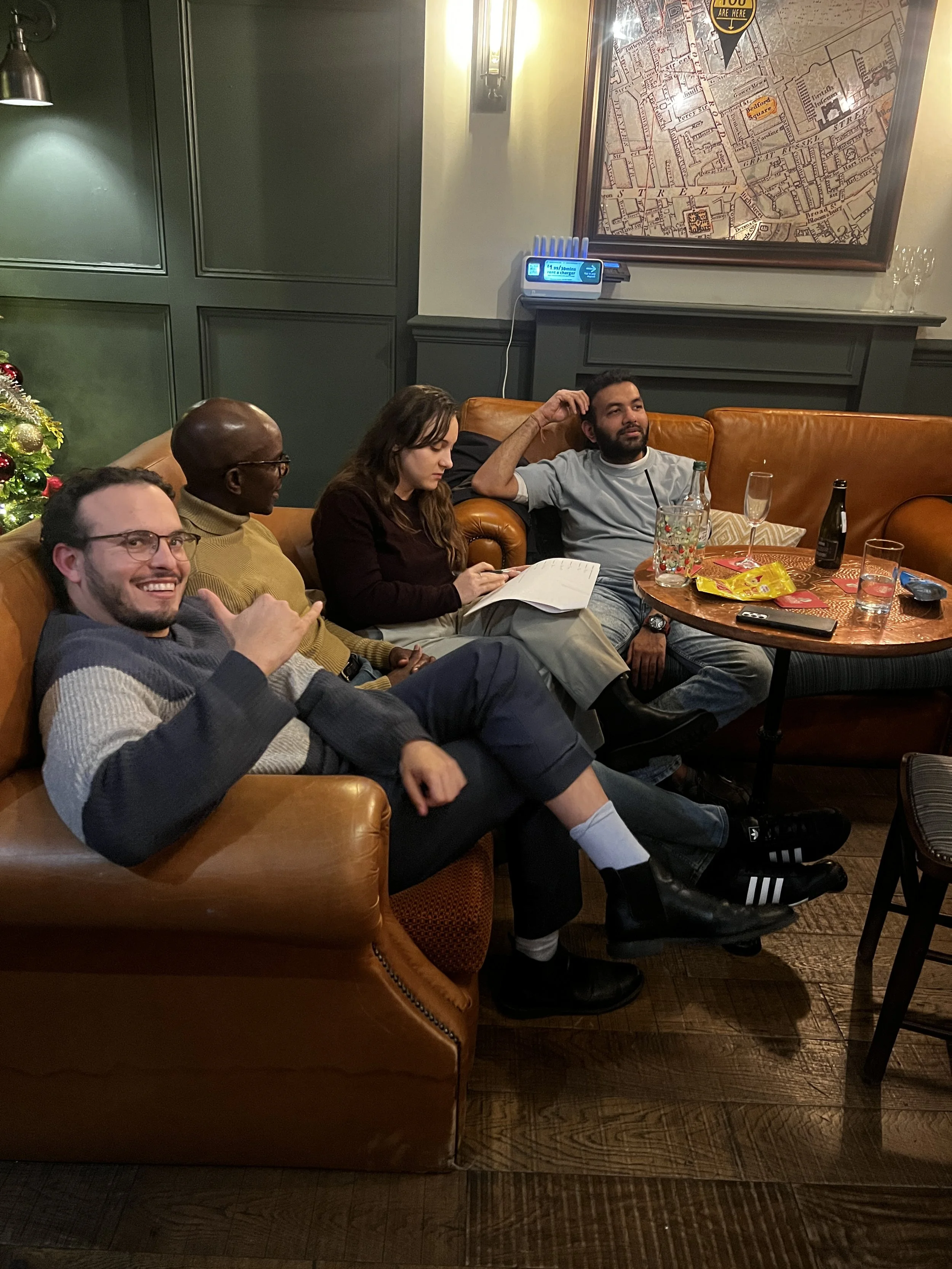
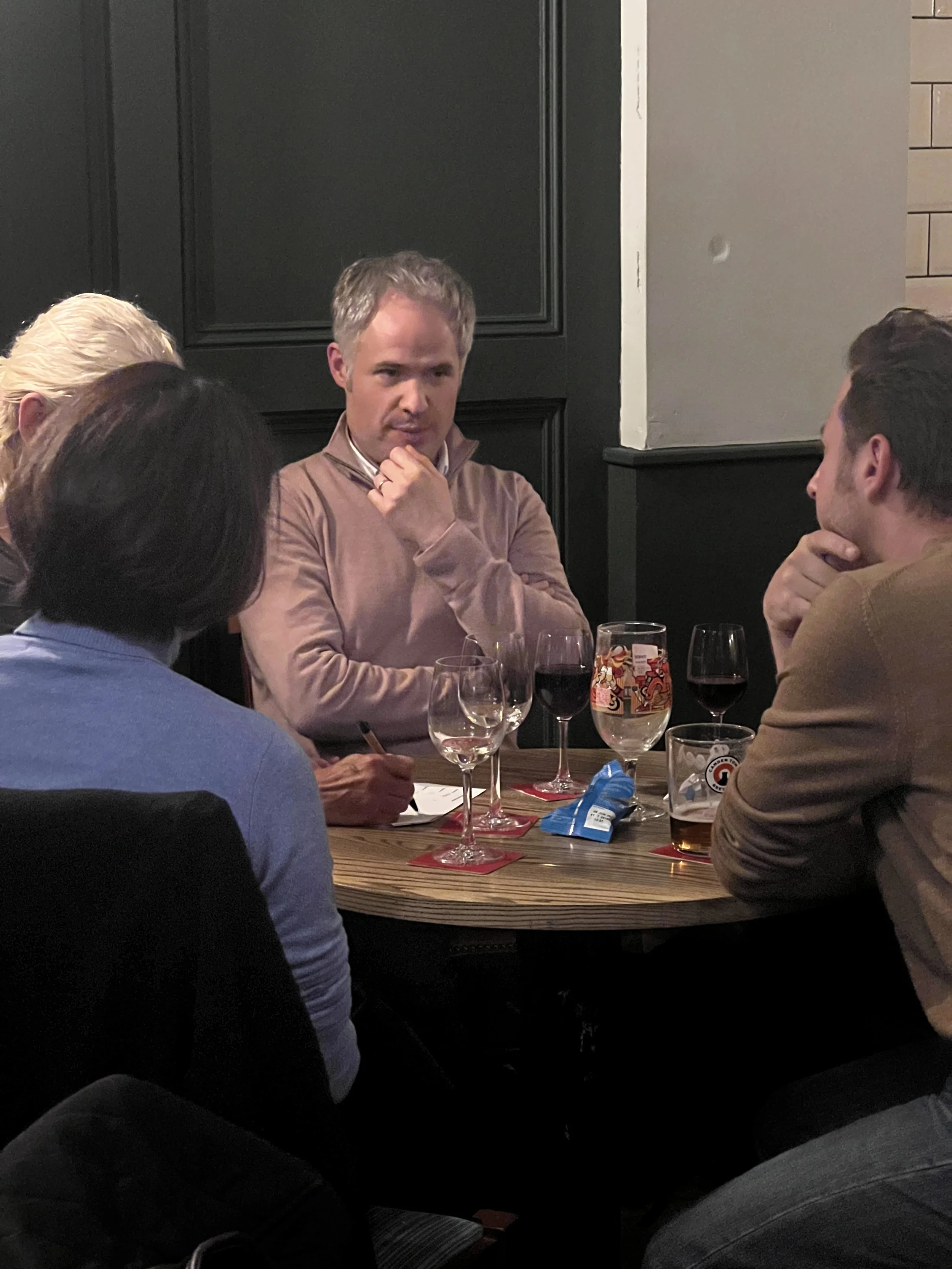
On November 19, 2025 at the College Arms, the AIA UK hosted a holiday pub quiz.

2025 AIA UK/RIBA Keynote Lecture - Lina Ghotmeh
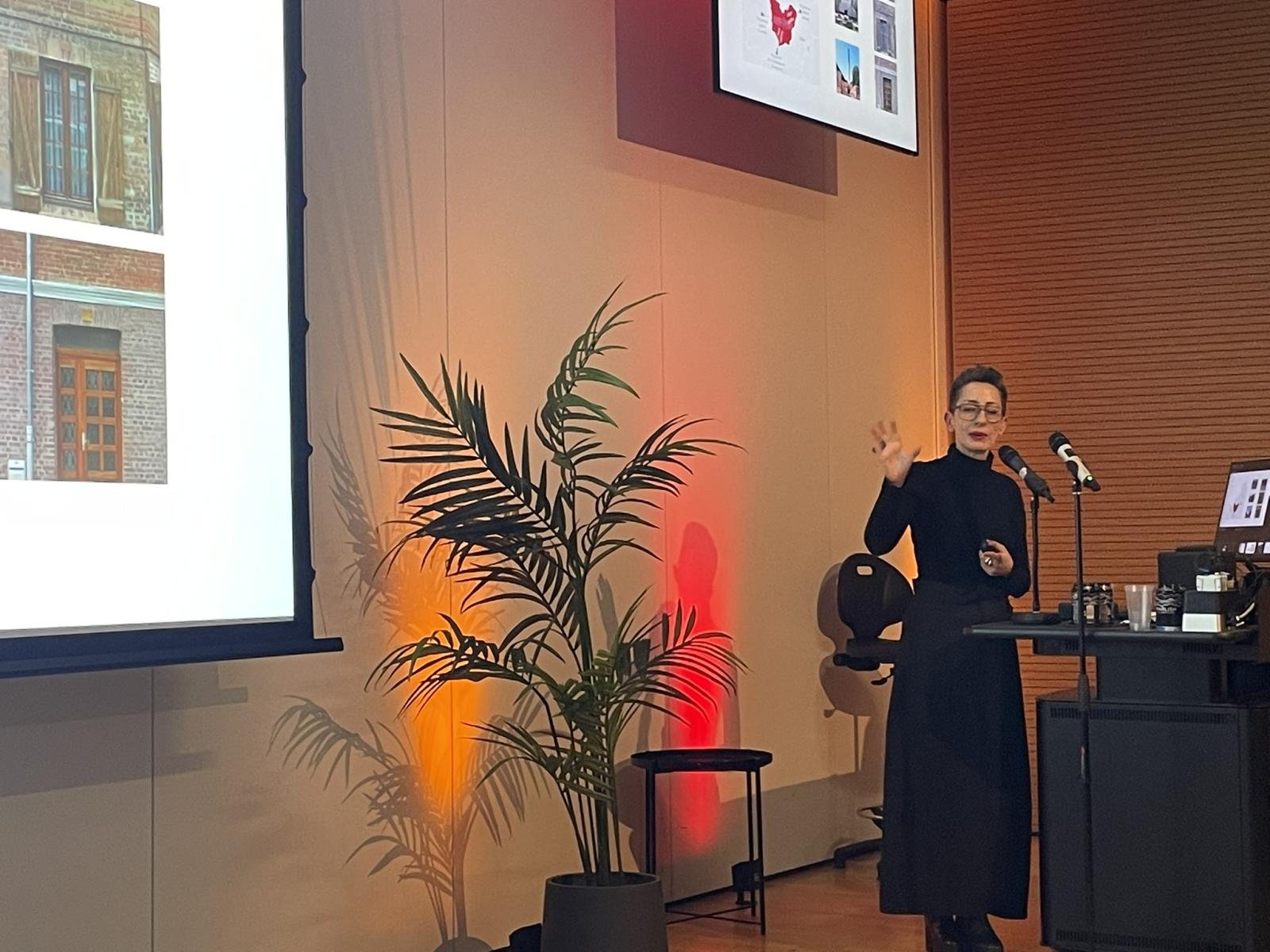
The 2025 AIA UK / RIBA Keynote Lecture featuring Lina Ghotmeh took place on 13 November at UAL Central Saint Martins, drawing an audience of approximately 250 attendees for what proved to be a superb and deeply engaging evening. Opening remarks were delivered by representatives from UAL/Central Saint Martins, RIBA CEO Valerie Vaughan-Dick, AIA National President Evelyn Lee (via video), and AIA UK President Dr. Mark Breeze.
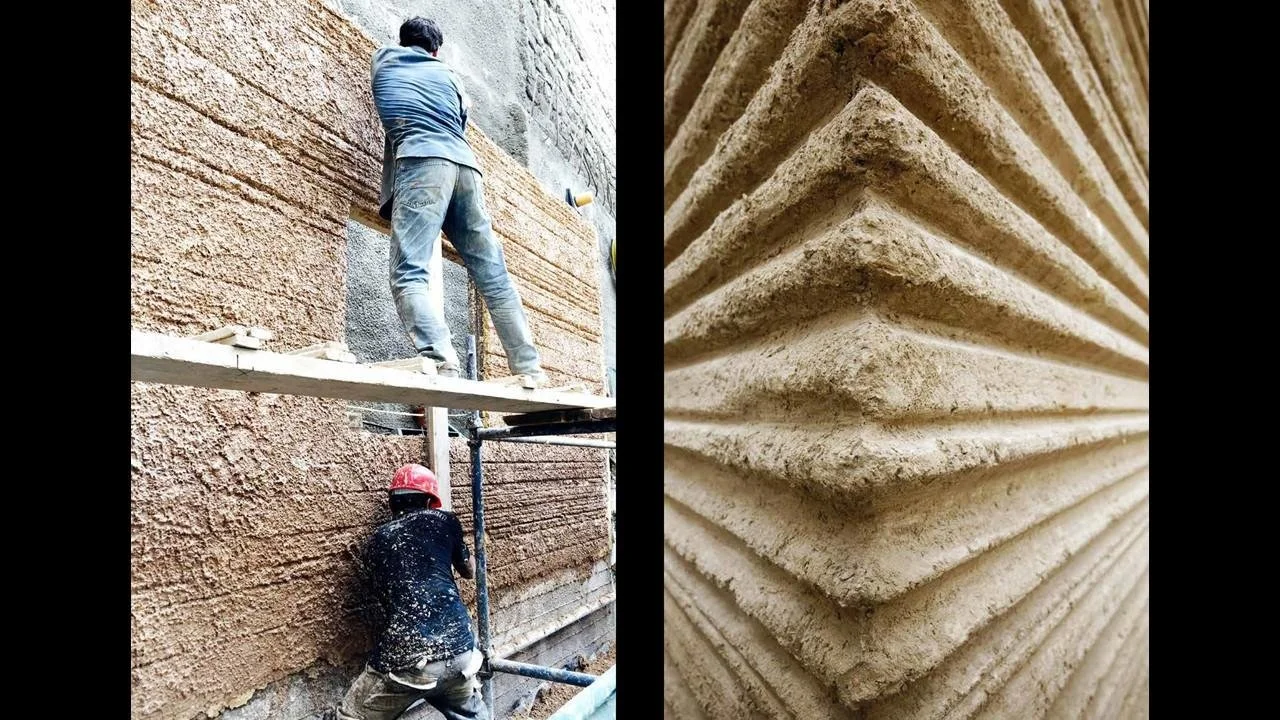
Lina Ghotmeh’s keynote, The Art of Architecture, explored the craft, materiality, and tectonic sensibilities that define her arts-driven practice. She wove an insightful narrative around each of her projects, emphasising her guiding ethos of an “Archaeology of the Future”—an approach in which contemporary architecture emerges from a careful reading of history, memory, and place, while pointing toward a sustainable and humane future.
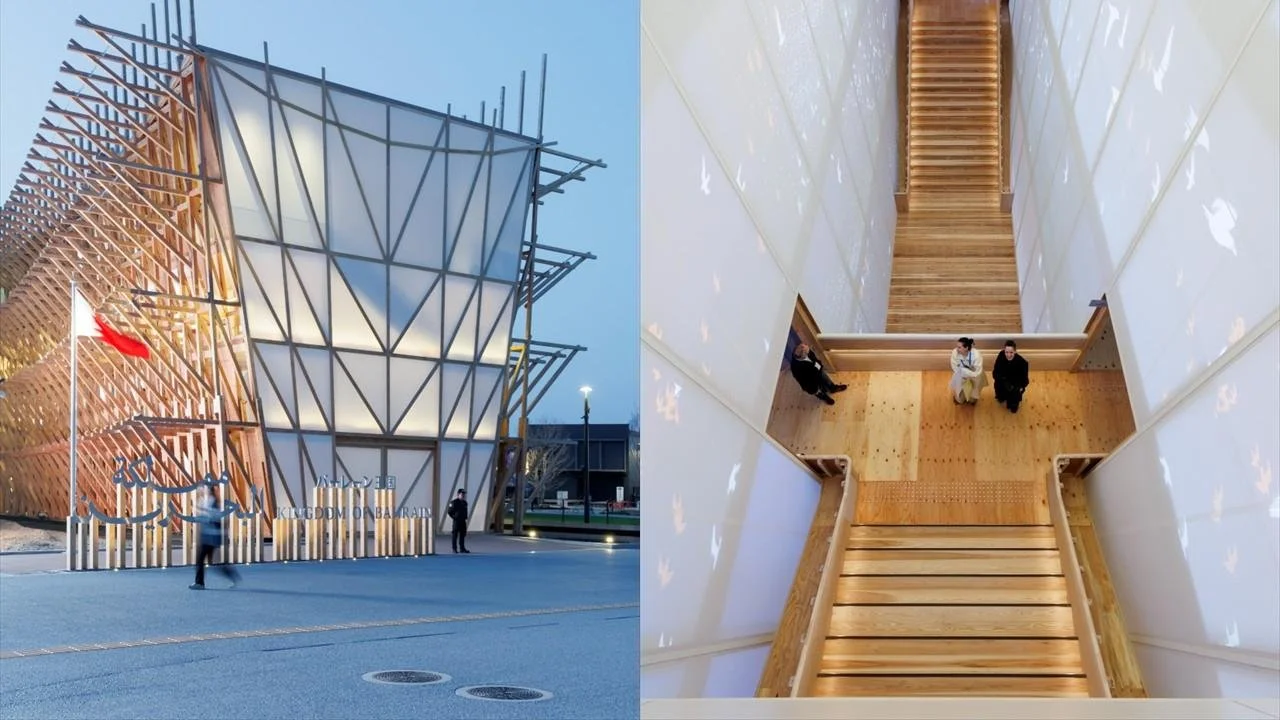
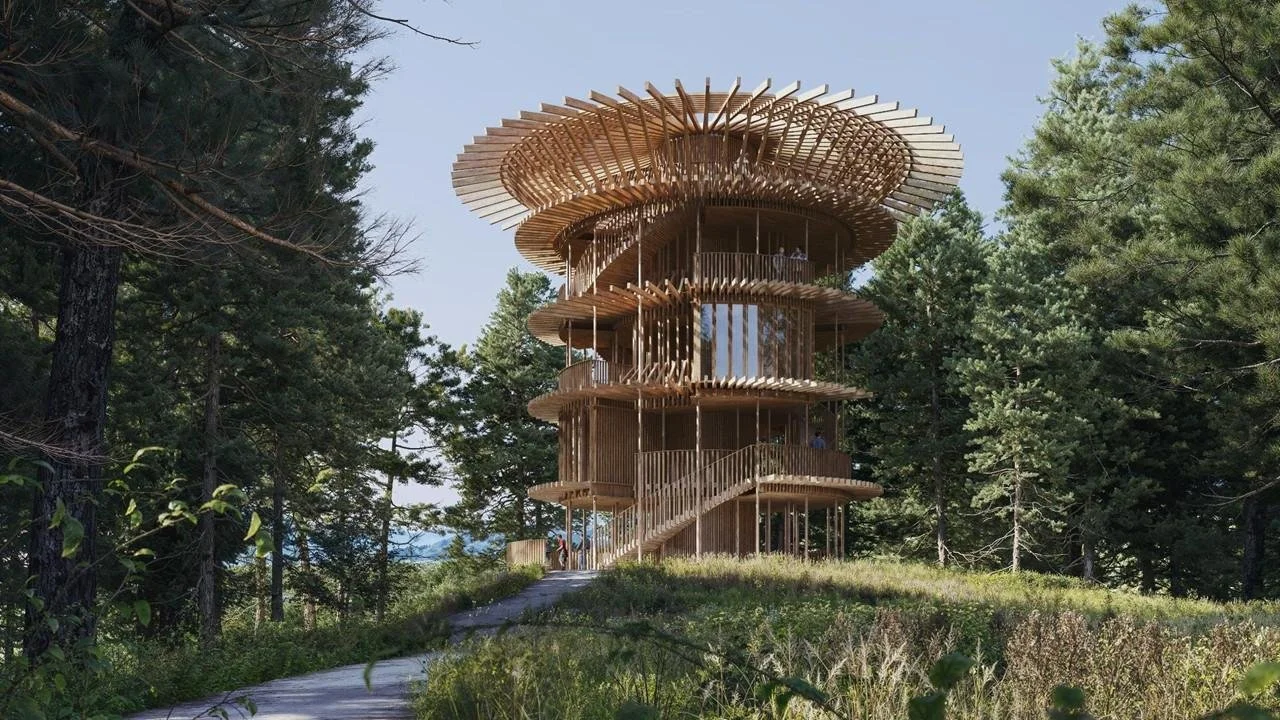
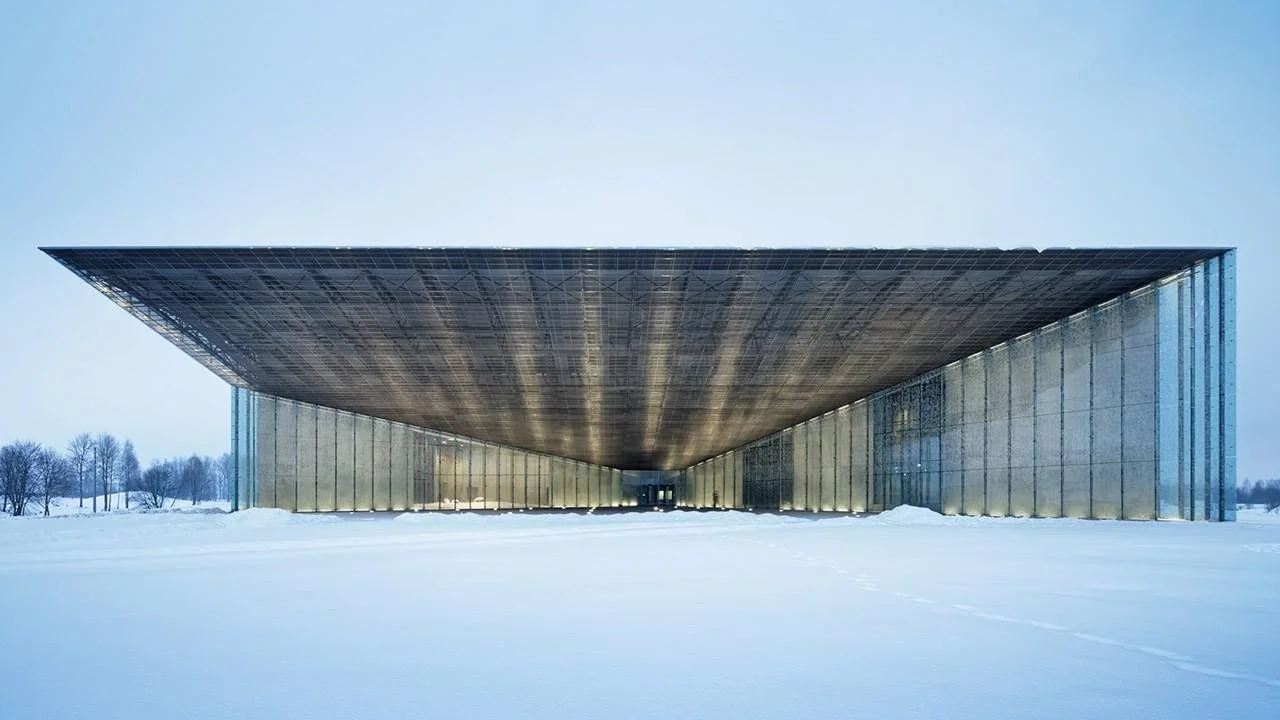
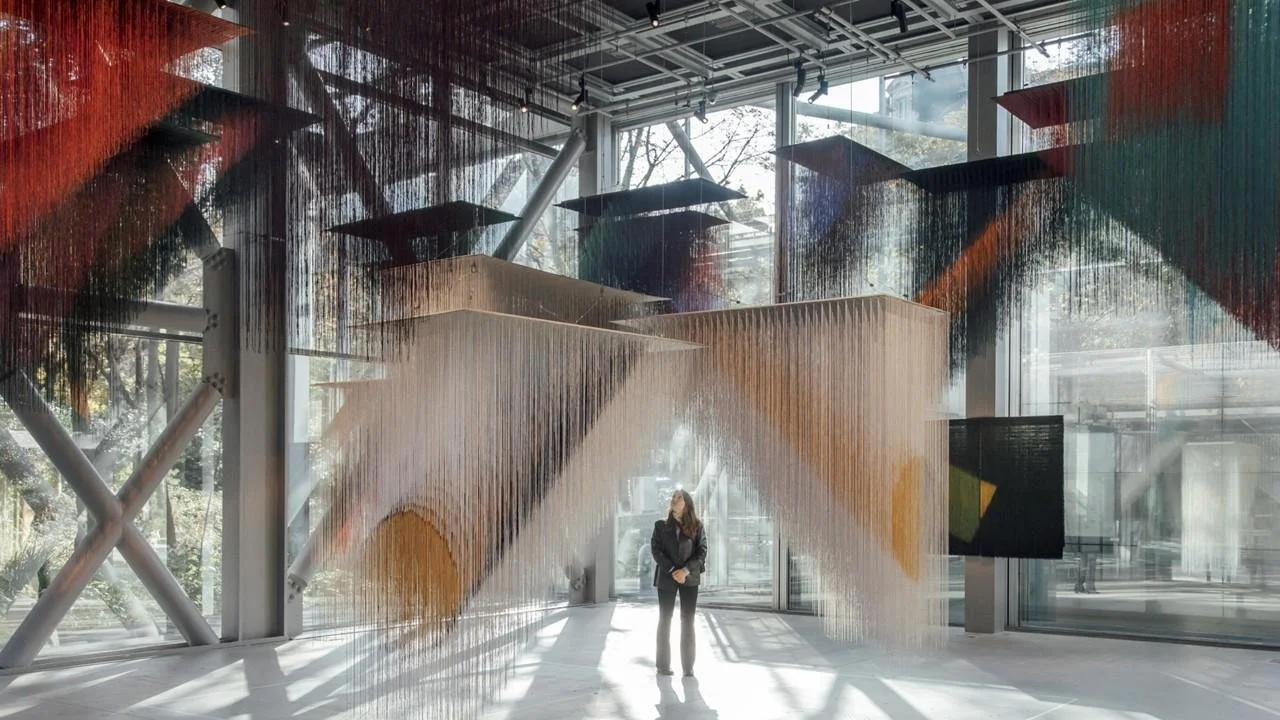
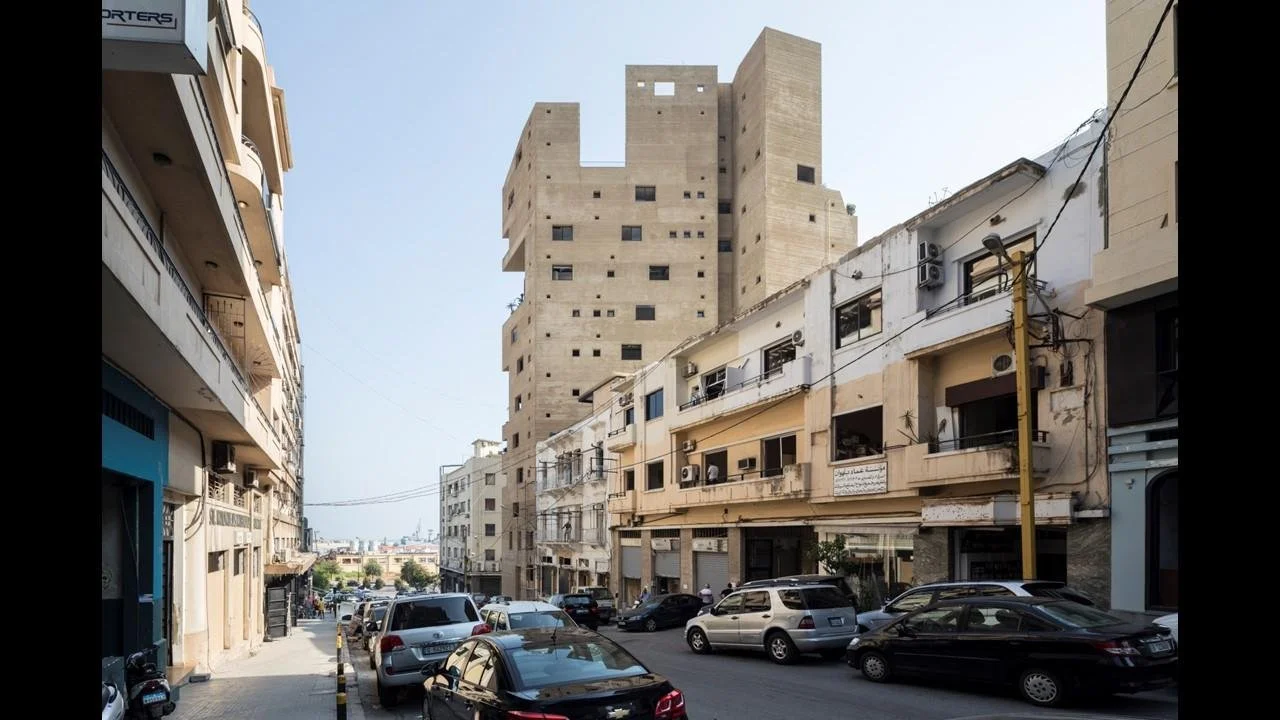
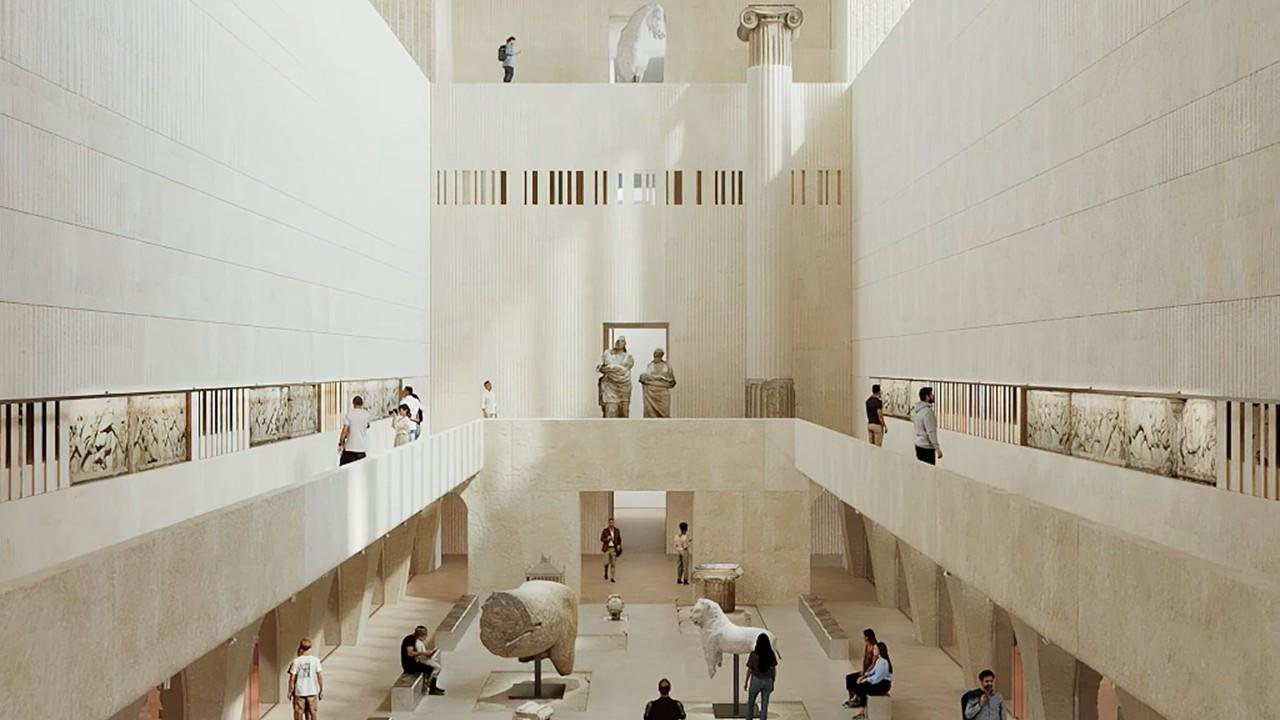
Ghotmeh shared a wide range of her internationally acclaimed work, including the Bahrain Pavilion for the Osaka Expo, the Estonian National Museum, the Stone Garden tower in Beirut, the Hermès Workshops, and the Serpentine Pavilion in London. She concluded the lecture with a preview of her early design explorations for the remodelling of the Western Range at the British Museum.
The AIA UK Chapter extends its grateful thanks to the RIBA, UAL/Central Saint Martins, Lina Ghotmeh – Architecture, and our sponsor Axalta, whose support made this event possible.
Written by Lester Korzilius, FAIA RIBA

AIA UK Student Charrette - Reimagining the Strand Aldwych After Dark
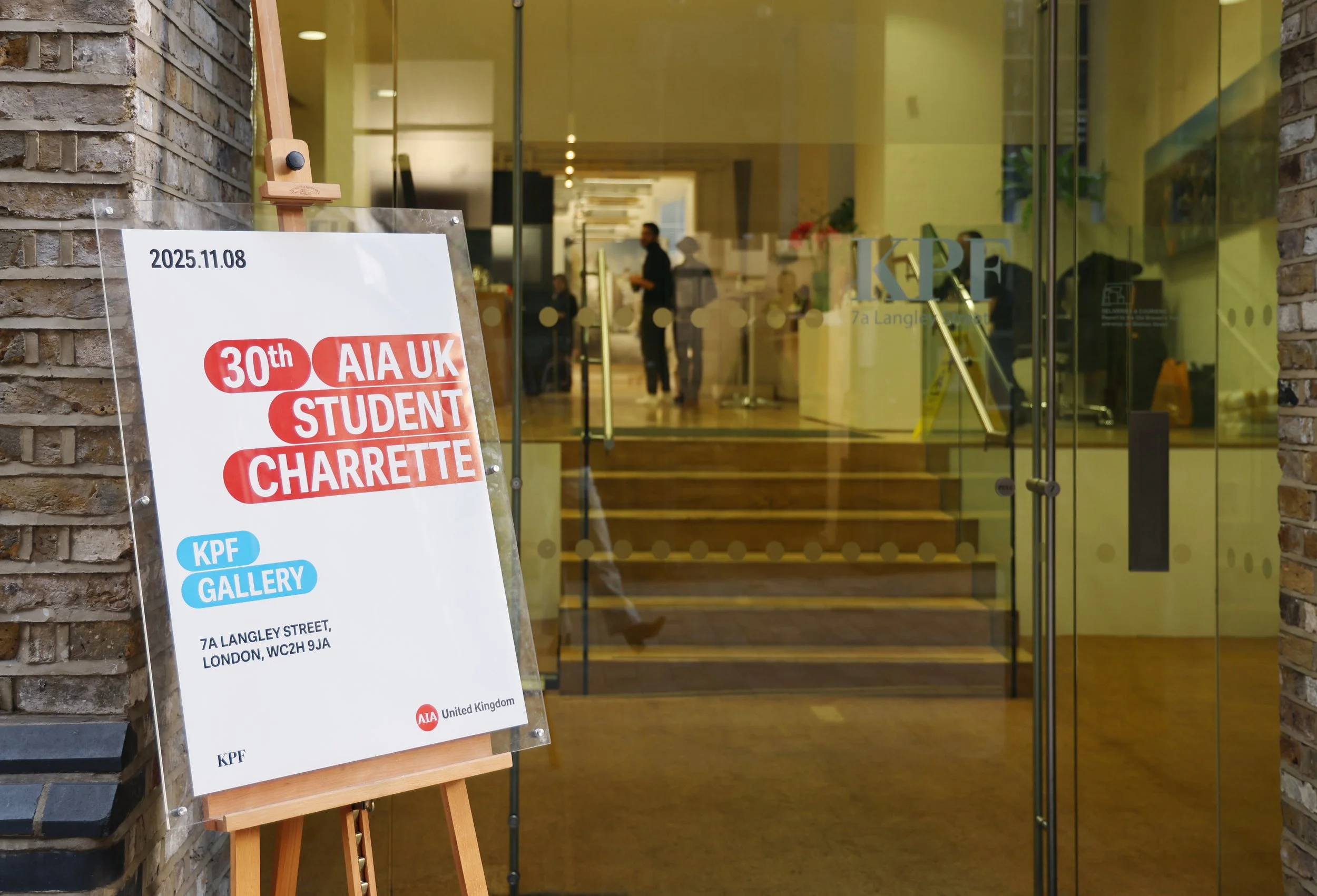
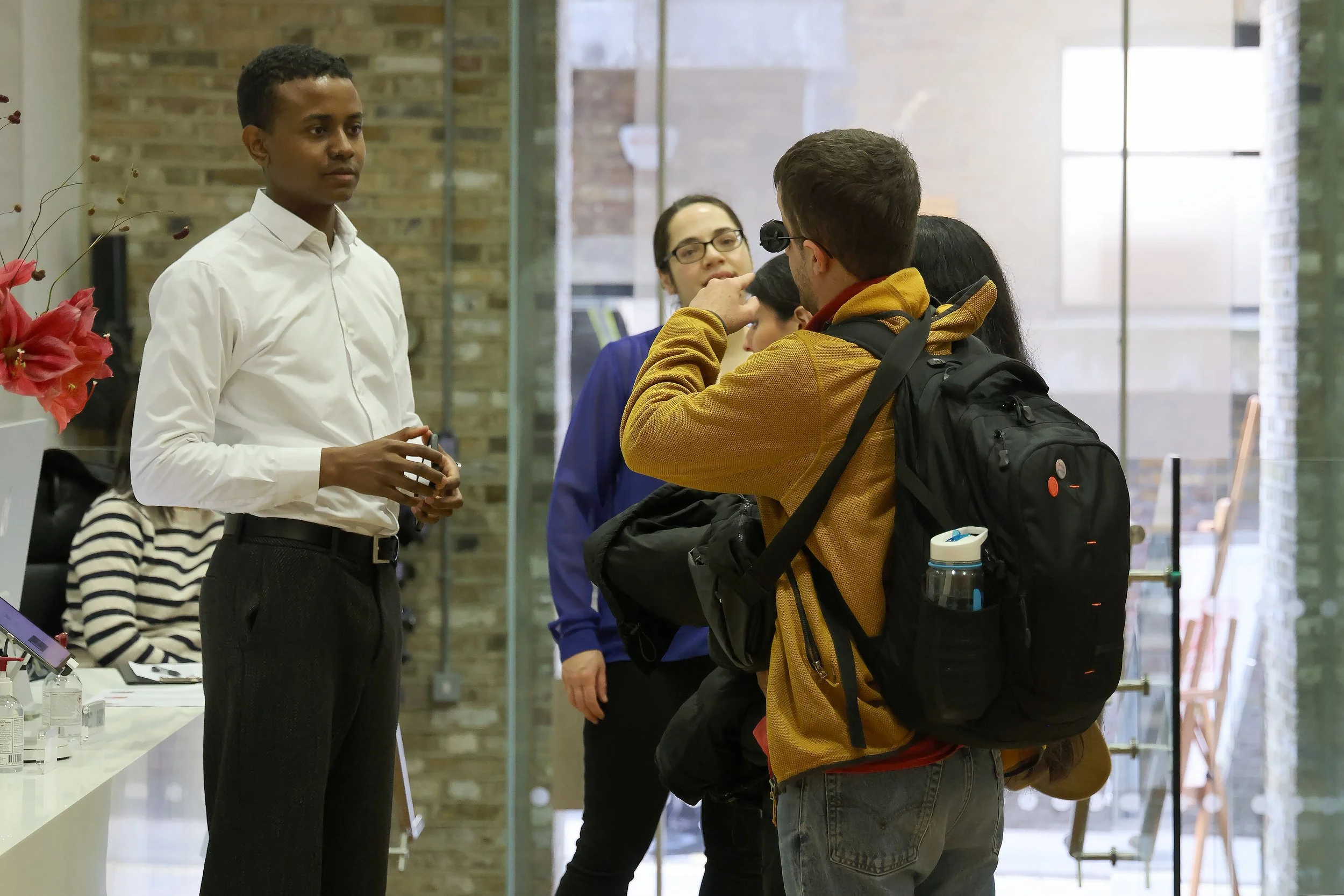
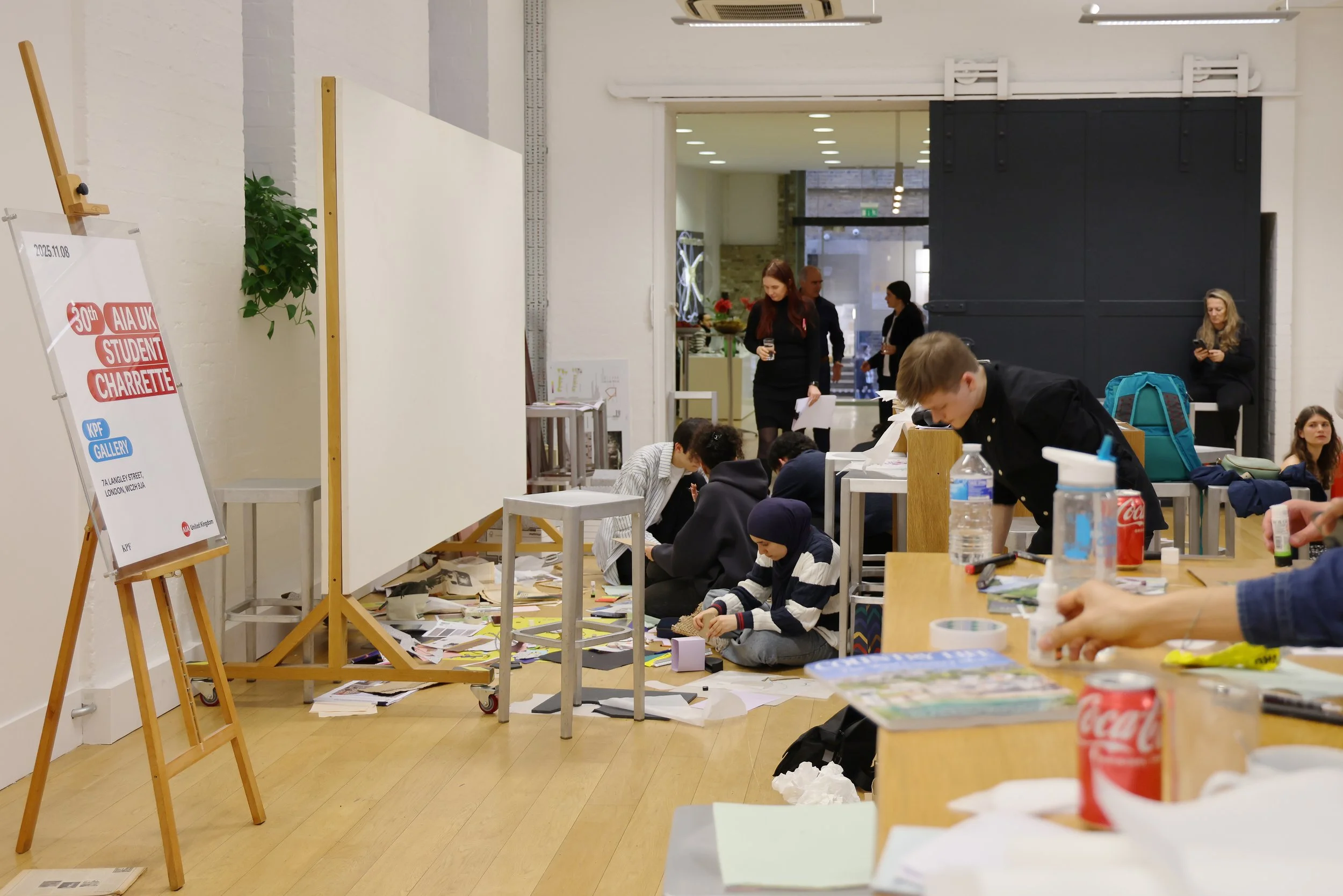
On November 8, 2025, the Kohn Pedersen Fox (KPF) gallery in London transformed into a dynamic workshop of ideas for the 30th edition of the AIA UK Student Charrette. For the third consecutive year, KPF opened its doors to sponsor and host the jubilee event, welcoming over 60 Part I architecture students from 13 universities across the UK to tackle one of London's most pressing urban challenges: designing for public space after dark.
The day-long design sprint challenged emerging architects to reimagine the Strand Aldwych area as part of Westminster's After Dark Strategy 2040, addressing critical issues of safety, accessibility, cultural vitality, and sustainability in the capital's nighttime economy.
A Brief for the Future
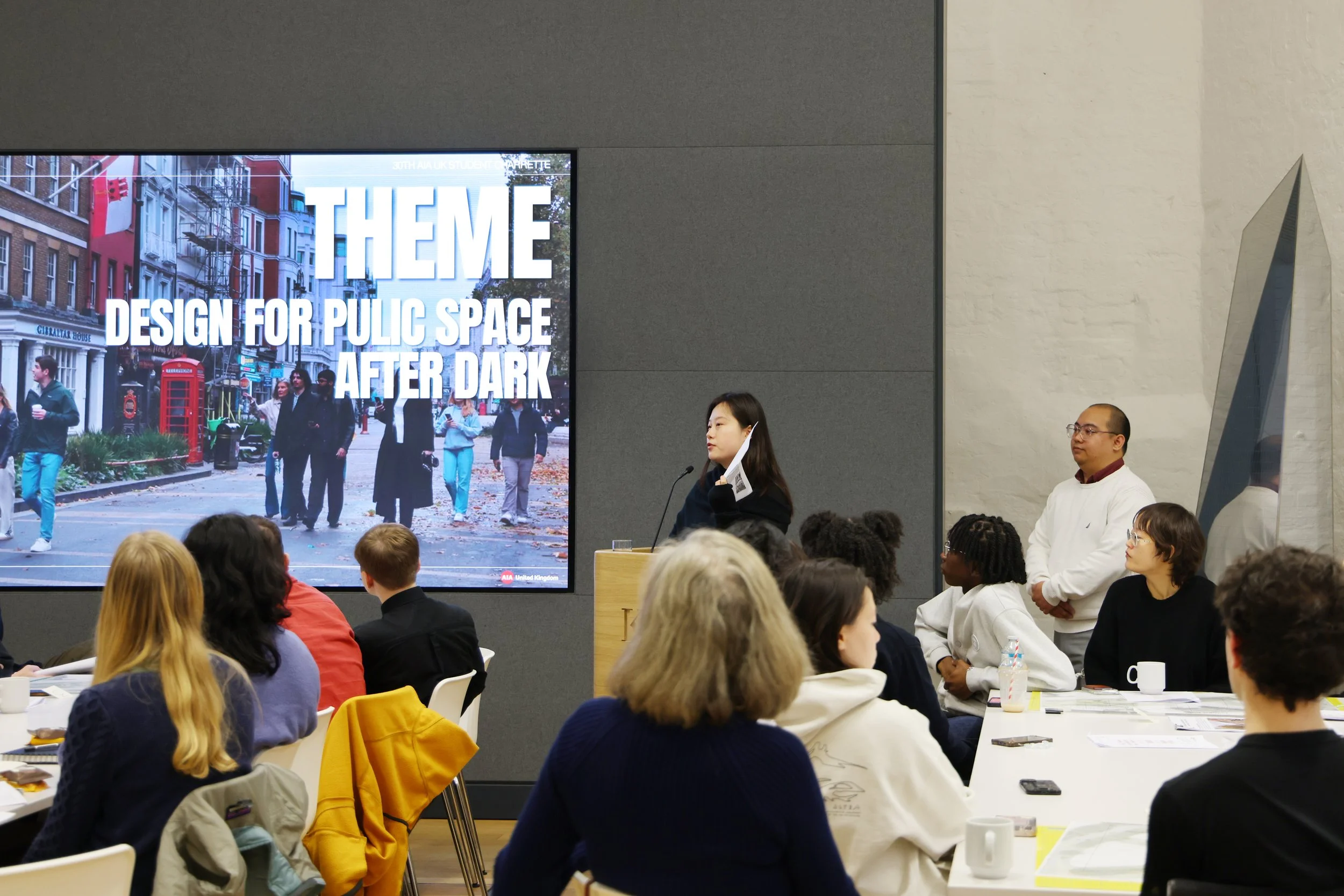
Following a welcoming breakfast reception that fostered connections between students, mentors, and jurors, Siyu Zhao of AIA UK unveiled this year's provocative brief: "Design for Public Space After Dark." The challenge tasked participants with transforming the Strand Aldwych—a historic thoroughfare steeped in cultural significance—into a vibrant nighttime destination that supports community engagement, cultural enrichment, and the physical and mental well-being of Londoners.
The brief responded to Westminster's ambitious 2040 strategy, which seeks to diversify night-time activities beyond traditional hospitality venues while maintaining the area's unique character and ensuring resilience and sustainability for future generations.
From Observation to Innovation
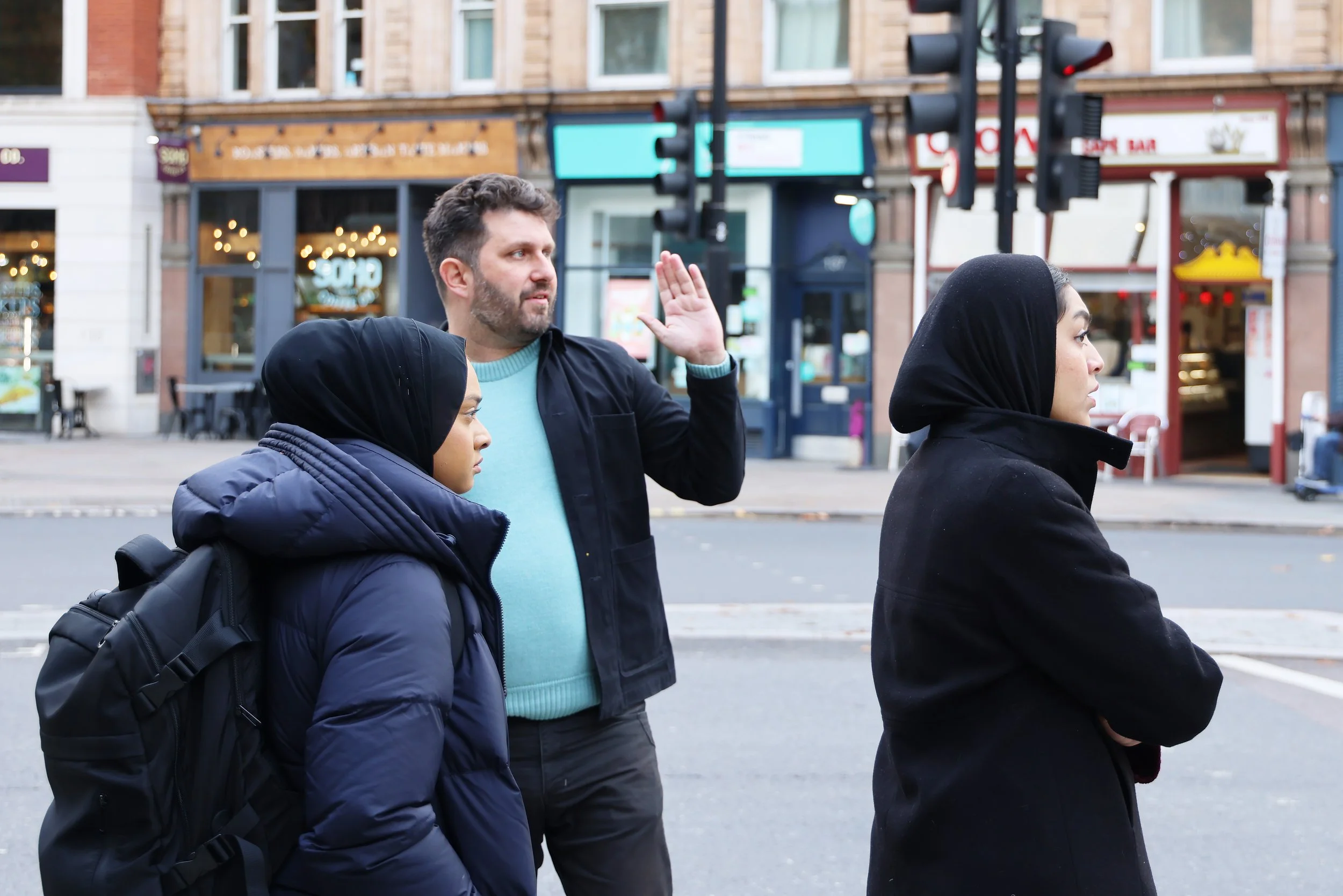
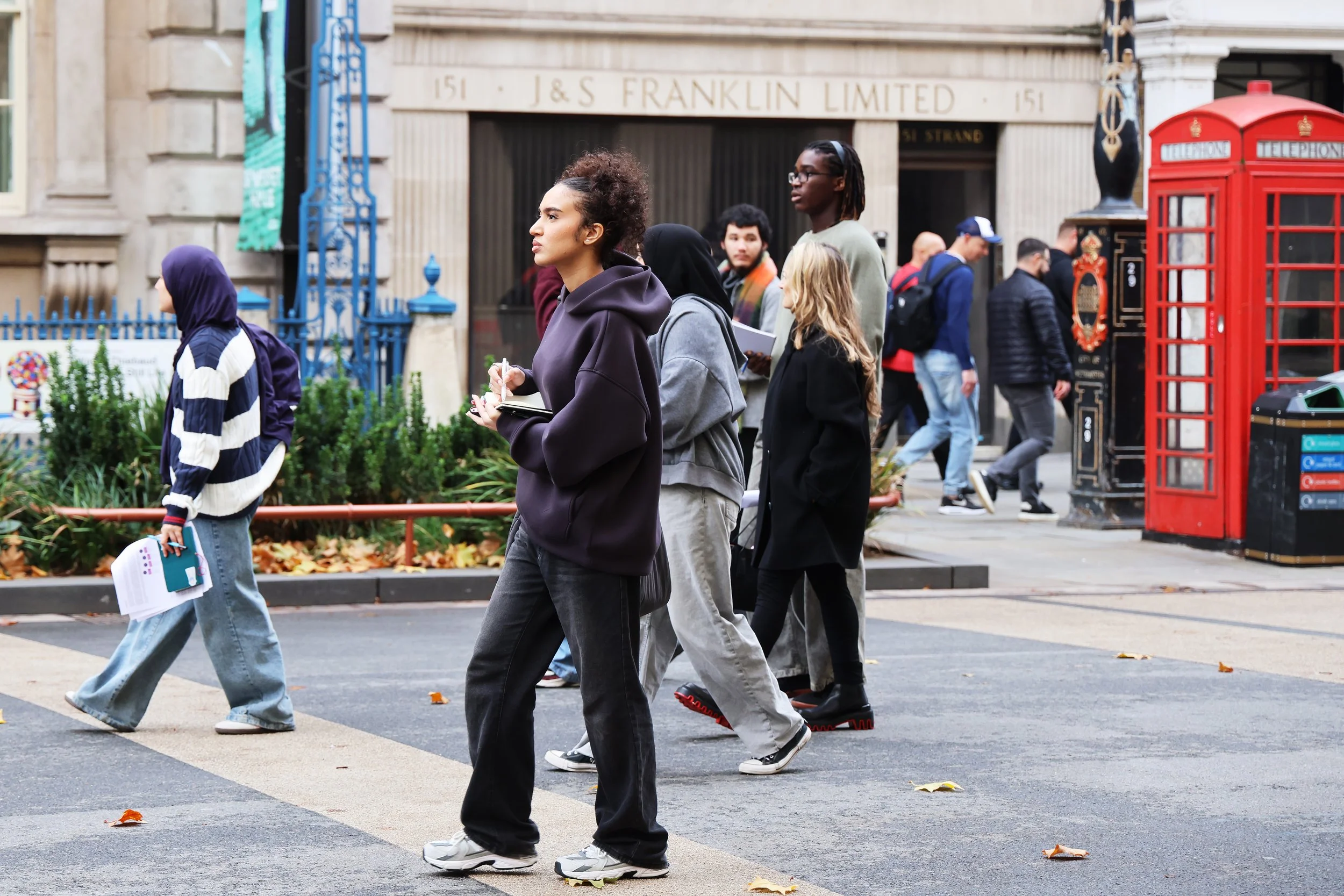
Armed with cameras and sketchbooks, student teams ventured into the streets of Strand Aldwych alongside their mentors, documenting the site's physical fabric, circulation patterns, and social dynamics. This immersive site analysis phase proved crucial, as teams observed firsthand how the historic district's character shifts dramatically between day and night.
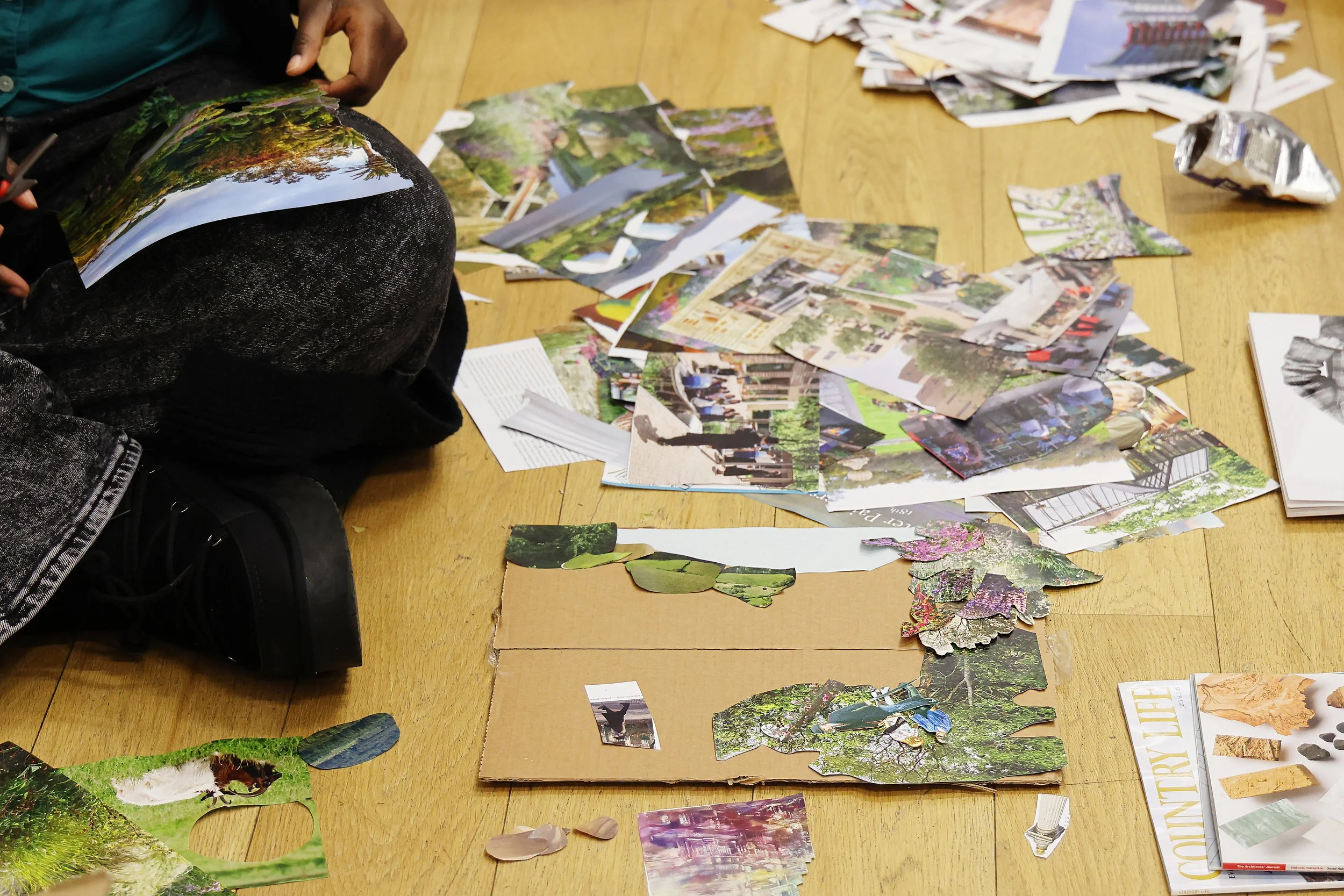
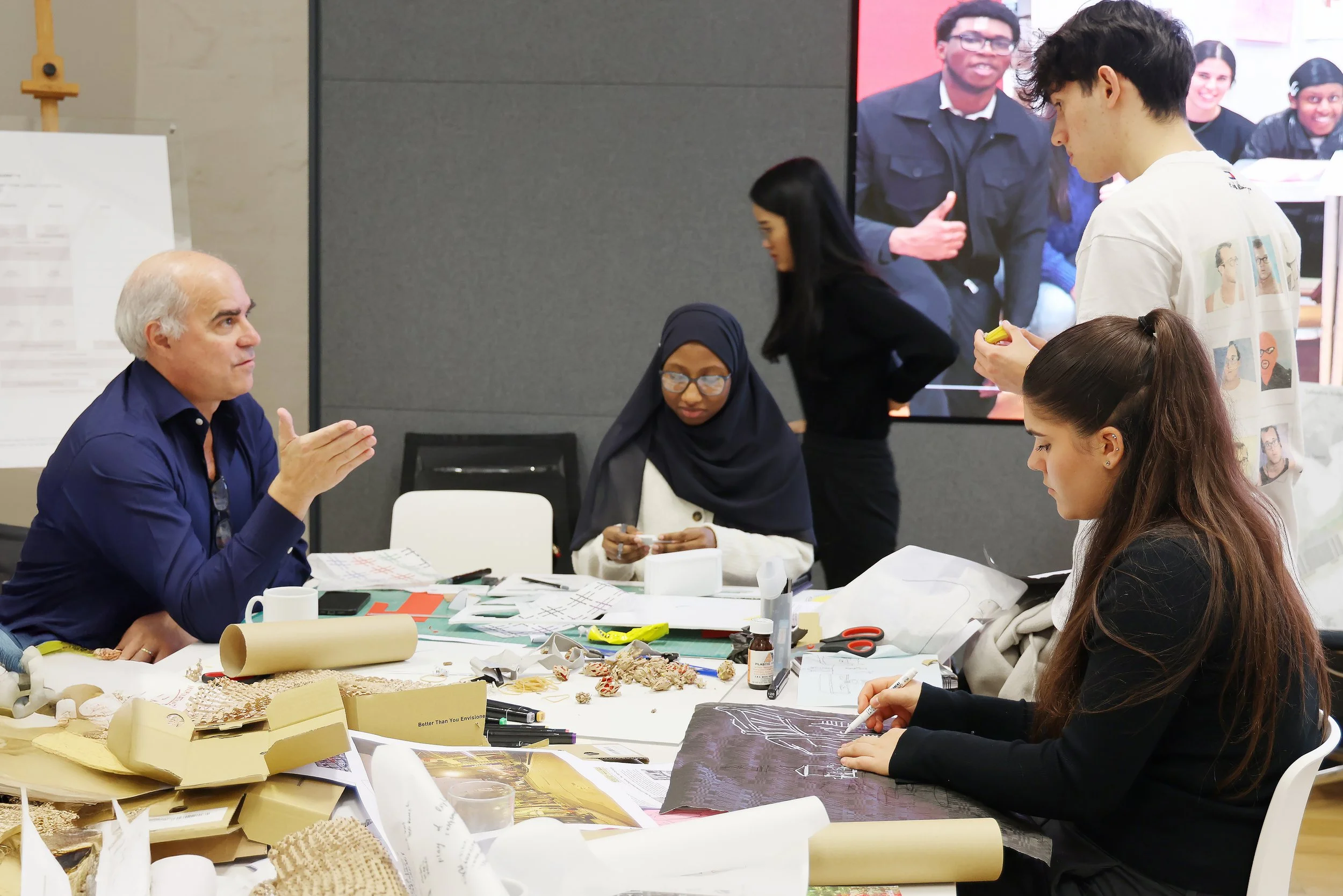
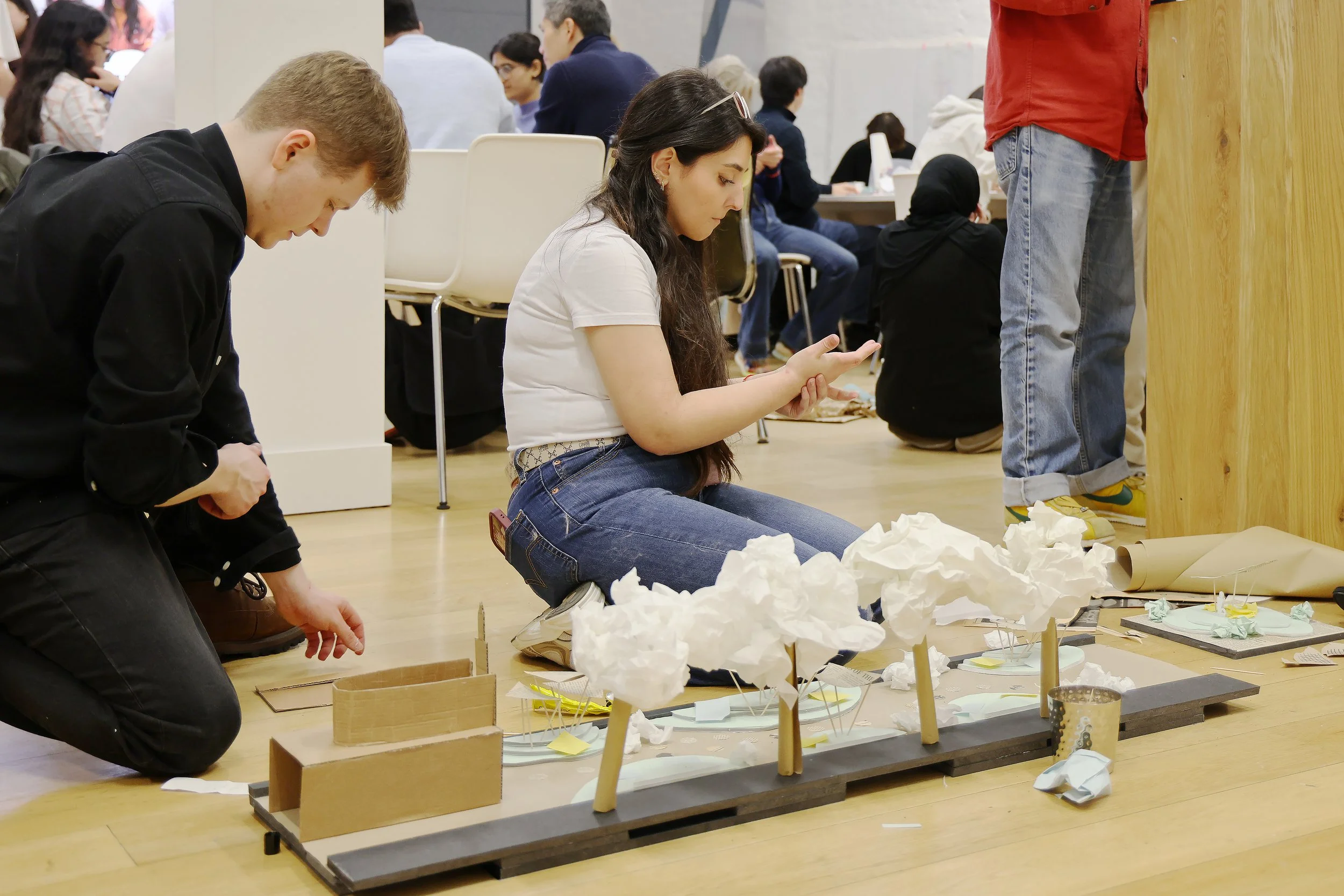
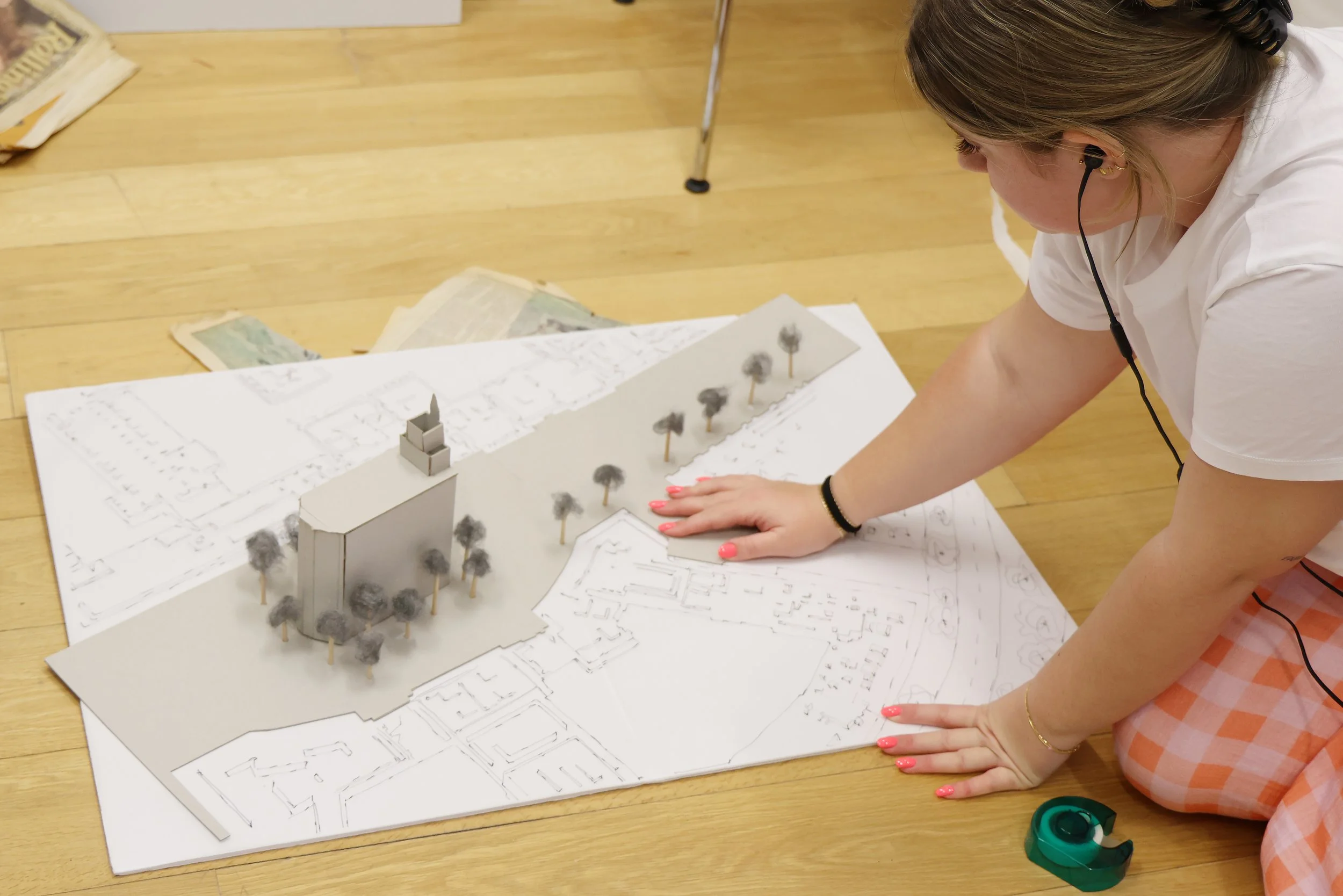
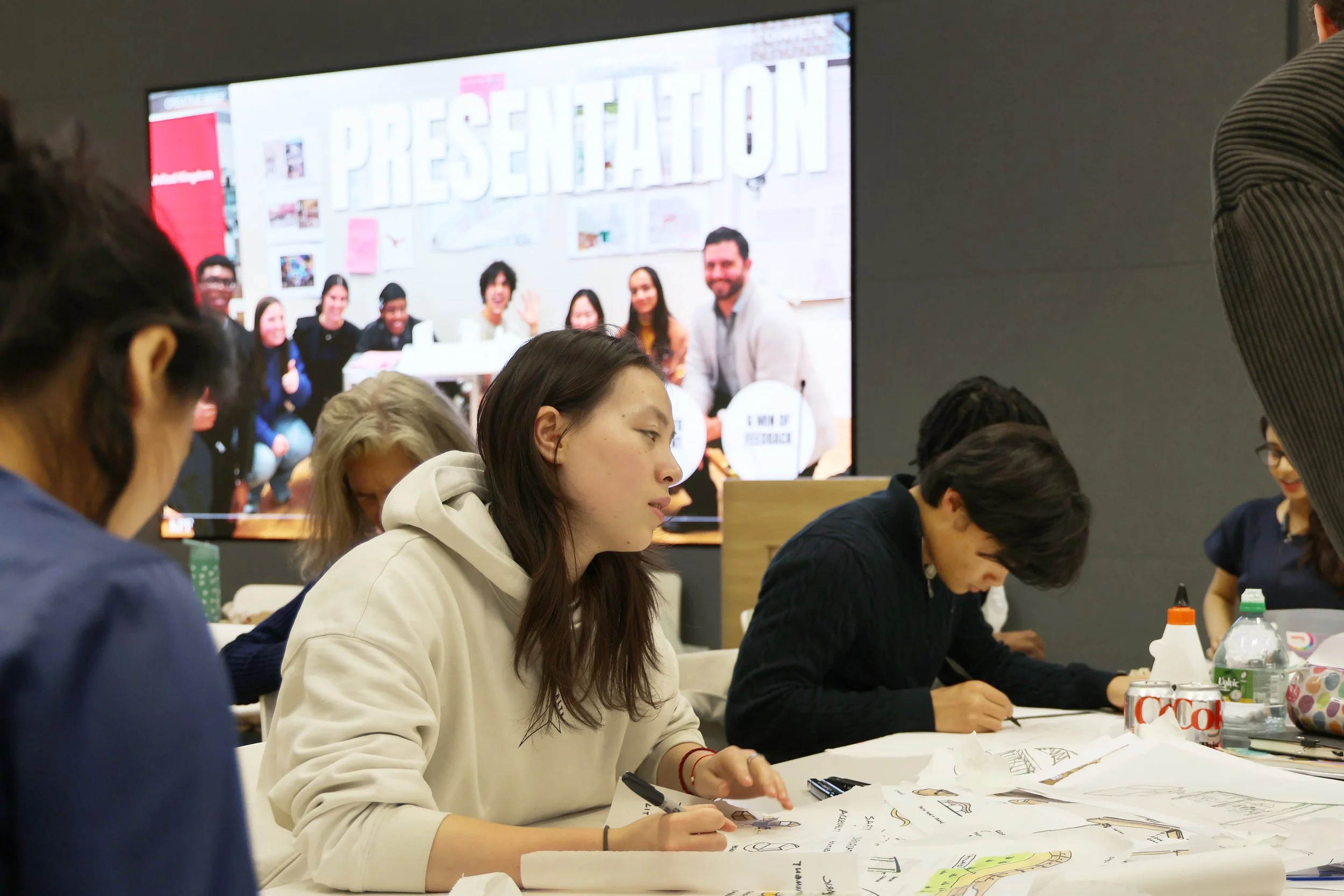
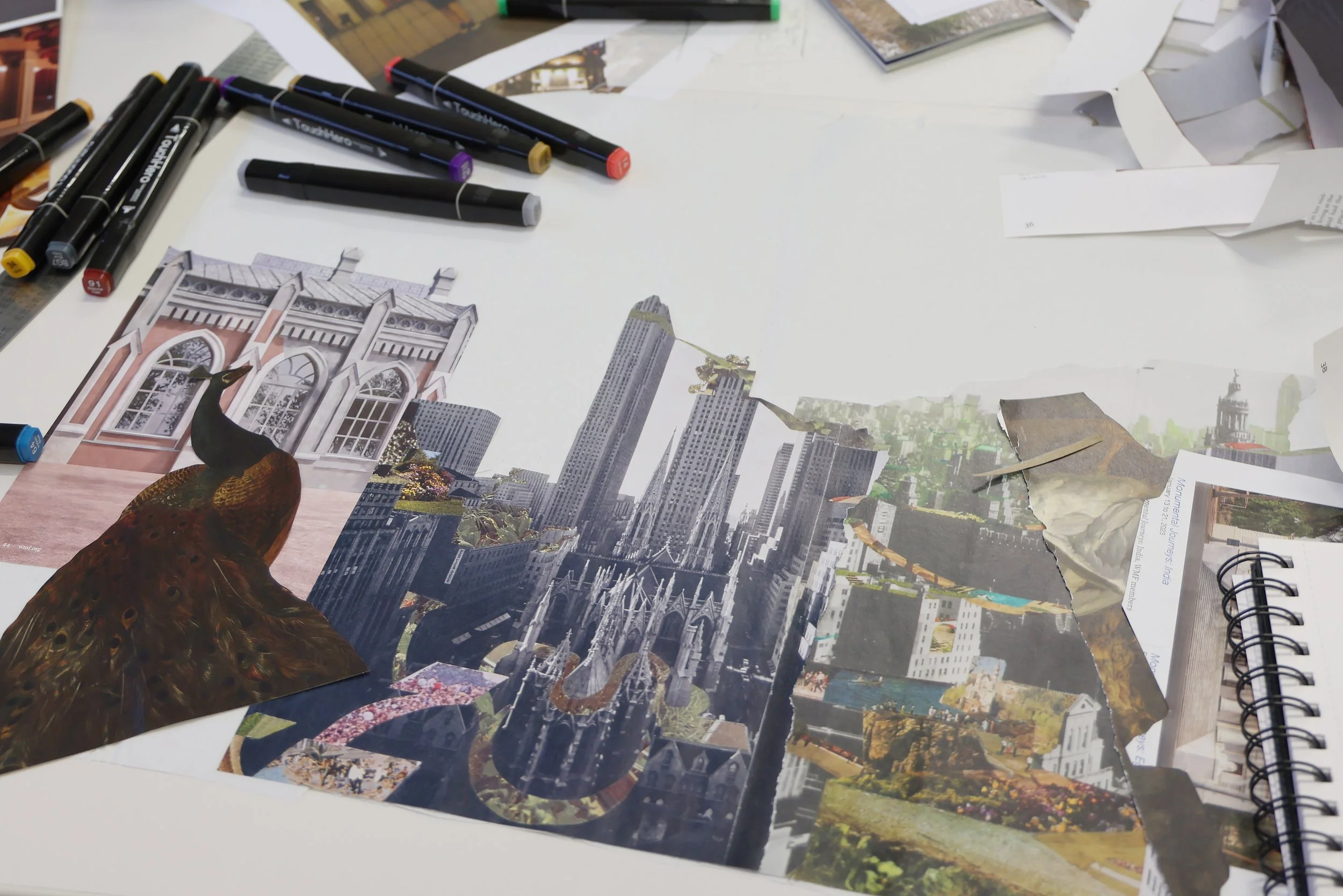
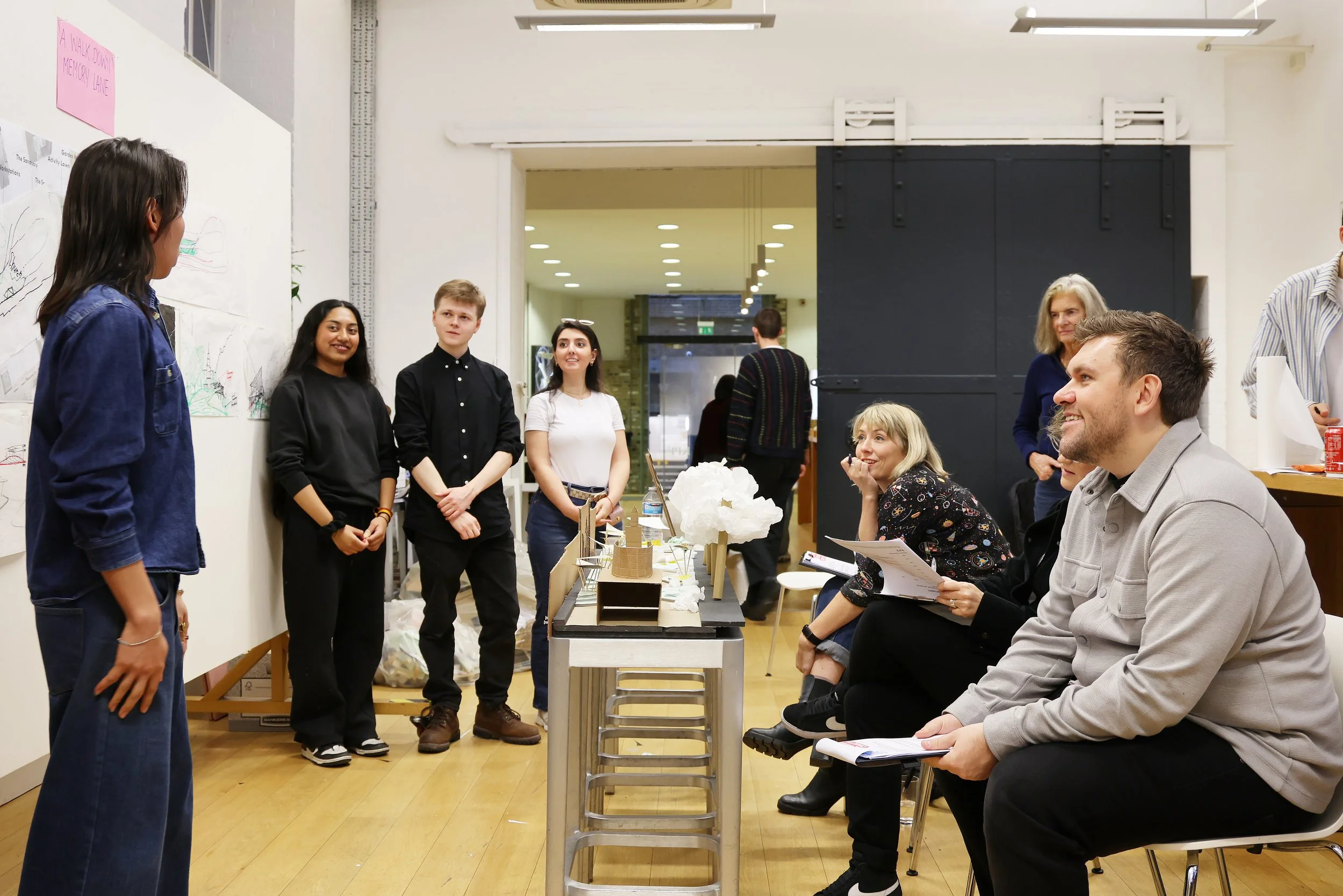
Returning to the KPF gallery, the real challenge began: a 4.5-hour analogue design sprint. In an era dominated by digital tools, the charrette embraced a CAD-free approach, pushing students to express their ideas through hand-drawn plans, sketches, and physical models. This constraint fostered spontaneity, collaboration, and a raw creativity that digital workflows often constrain.
Diverse Visions, Shared Values
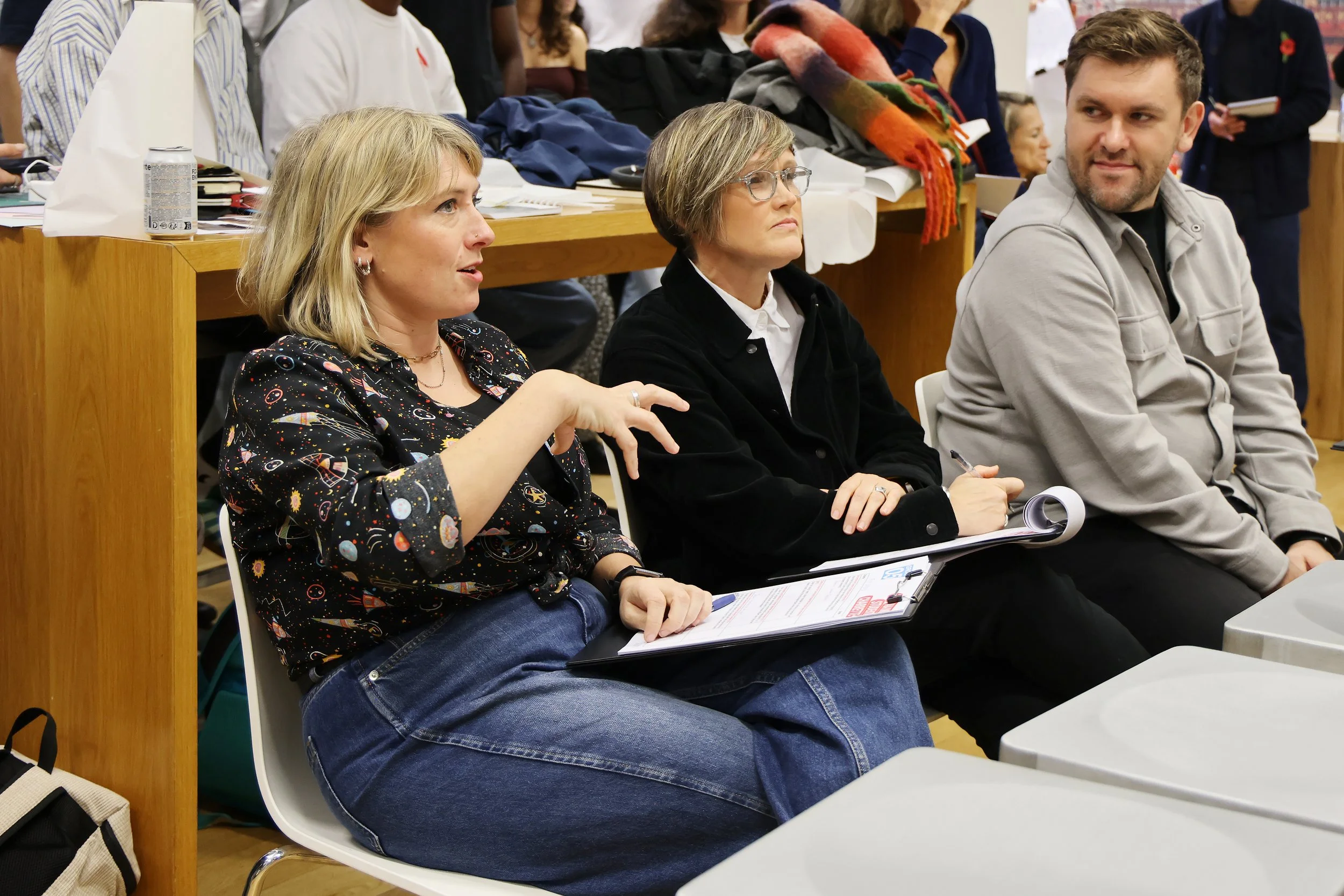
The afternoon culminated in presentations to a distinguished jury comprising Michelle Ludik from ADAM Architecture, Stephen Drew from Architecture Social, and Samantha Cooke from KPF. Each team's proposal demonstrated sophisticated understanding of the site's layered history and cultural significance, while offering bold visions for its nighttime transformation.
The jury praised the breadth of approaches, noting how students integrated public engagement strategies, inclusive design principles, and sustainable interventions into their proposals. From illuminated pedestrian networks to pop-up cultural programming, the designs reflected a generation of architects attuned to the social dimensions of urban space.
Celebrating Excellence
After thorough deliberation, the jury announced its winners:
First Place: Group 2
Students from Sheffield Hallam University, University of Kent, and University of Greenwich, mentored by Pierre Baillargeon, claimed top honours. Their proposal distinguished itself through a seamless integration of community engagement, environmental sustainability, and contextual sensitivity—demonstrating how nighttime activation can enhance rather than compromise a historic district's character.
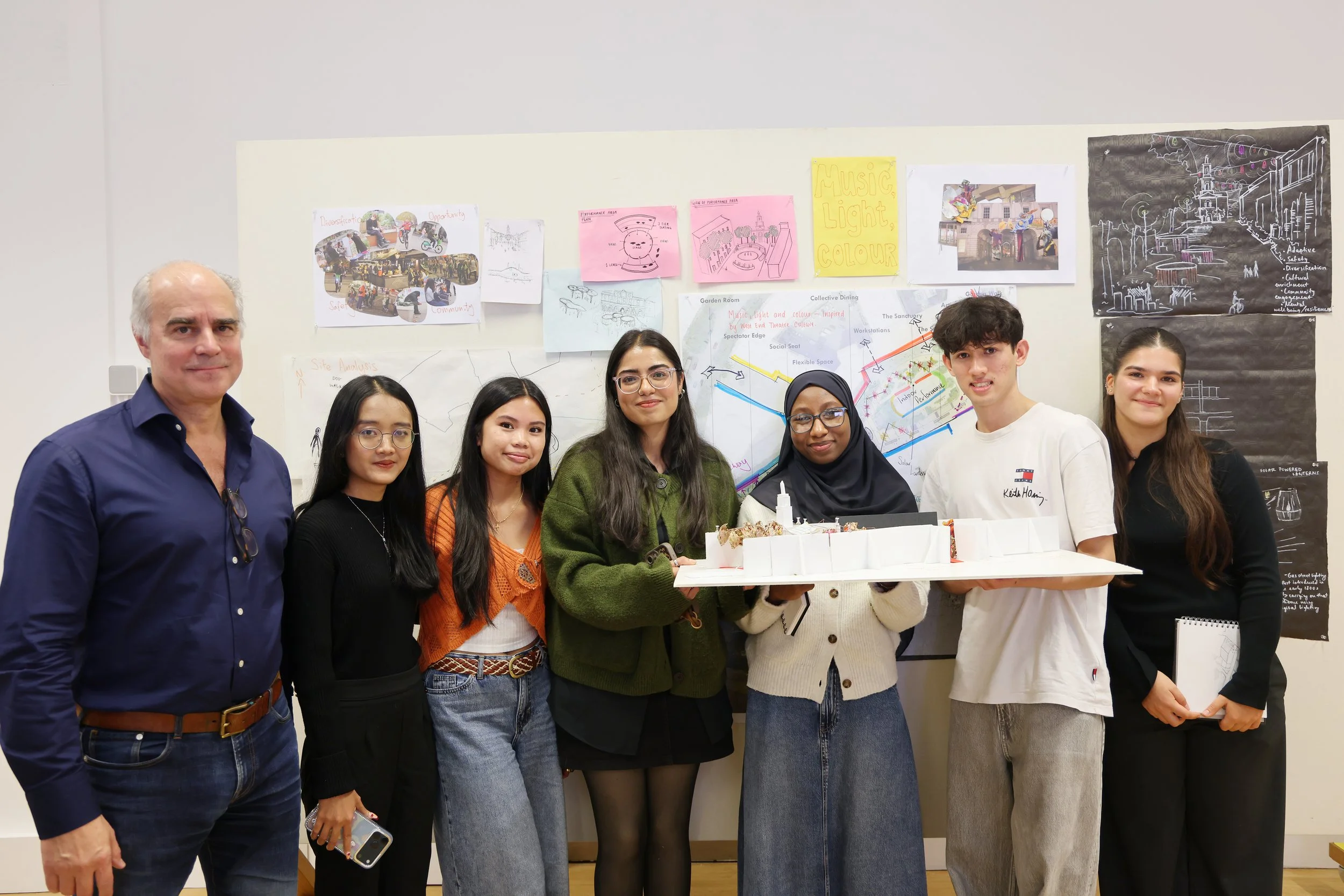
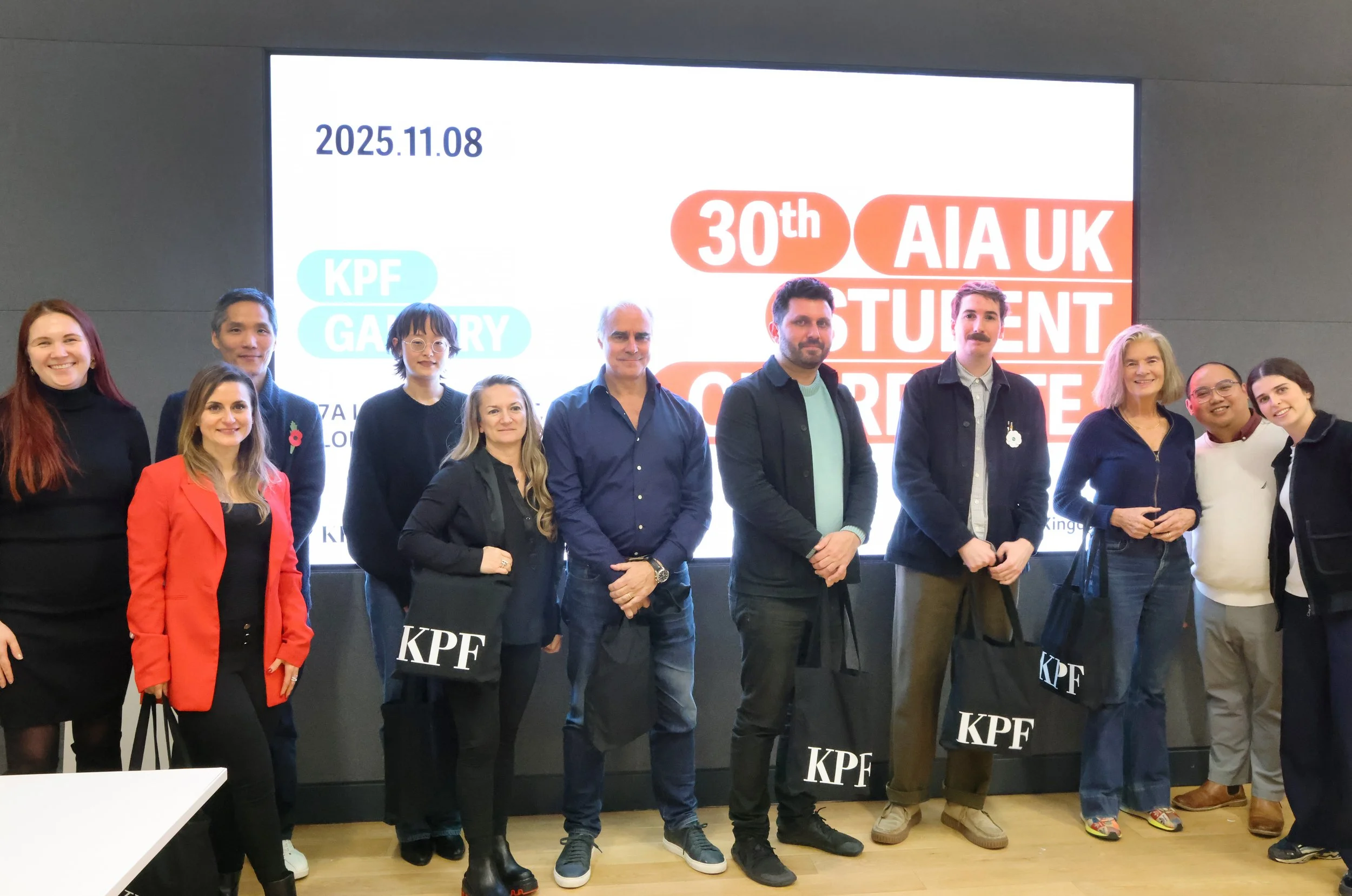
The winning team mentored by Pierre Baillargeon, AIA, NCARB, ARB, RIBA: Students from Sheffield Hallam University, University of Kent, and University of Greenwich: Aneeqa Hussain, Bea Barros, Riya Riya, Taqwa Elmrom, Ekaterina Andonova, Lucien Percy, Fatoumatta Ndure.
First Runner-Up: Group 8
A collaborative team from the University of Greenwich, University of Hertfordshire, and University of Westminster, guided by mentor Laura Petruso, earned recognition for their innovative approach to inclusive nighttime programming.
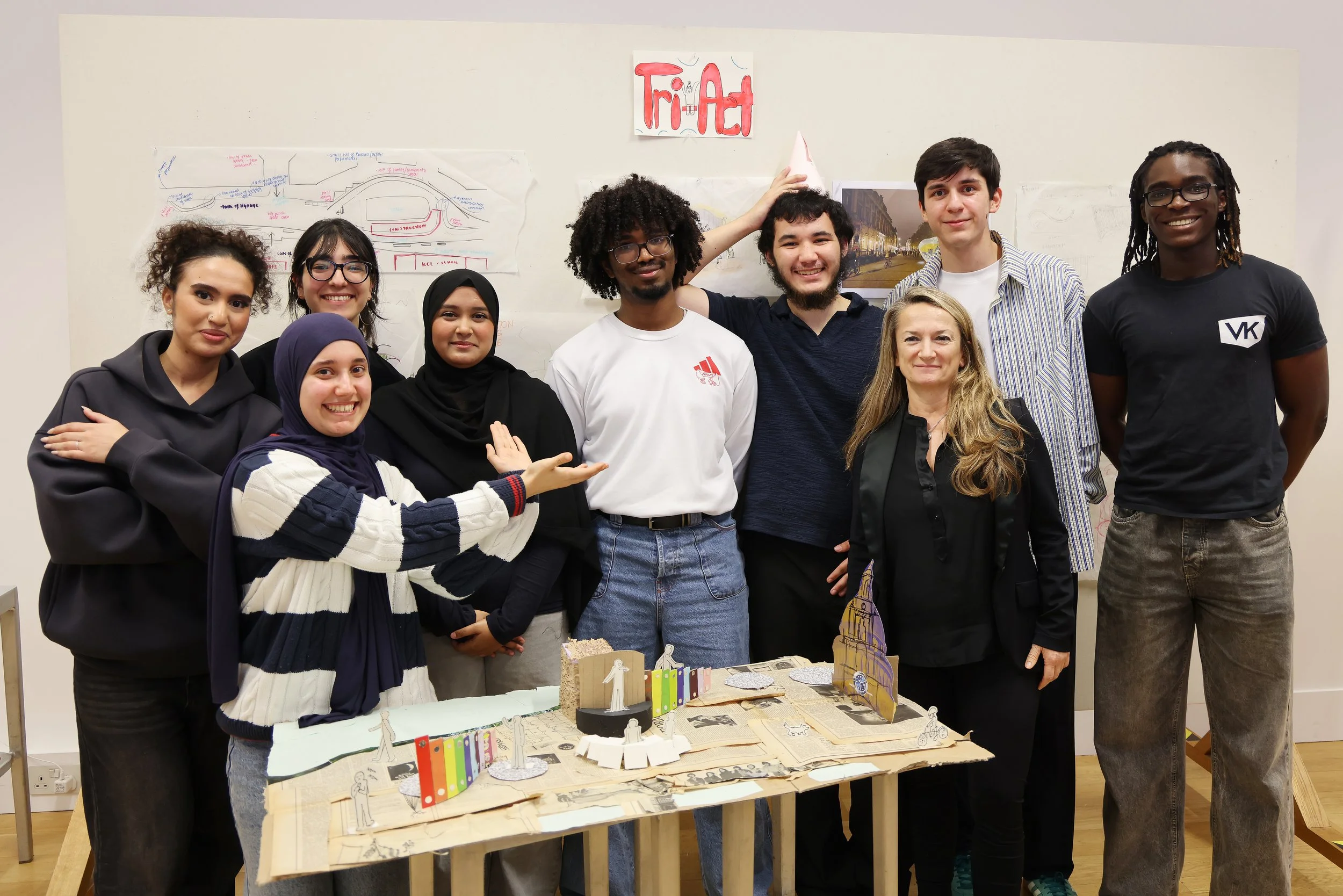
The 1st runner-up team mentored by Laura Petruso, AIA, ARB, OAC: Students from University of Greenwich, University of Hertfordshire and University of Westminster: Lamis Sami, David Akala, Abdulatif Ghani, Ayub Abdulkadir, Einas Heidari, Gamid Aliev, Sajida Akther.
Second Runner-Up: Group 6
Students from the University of Greenwich, mentored by Francis Hur, rounded out the podium with a compelling vision that balanced historical preservation with contemporary urban needs.
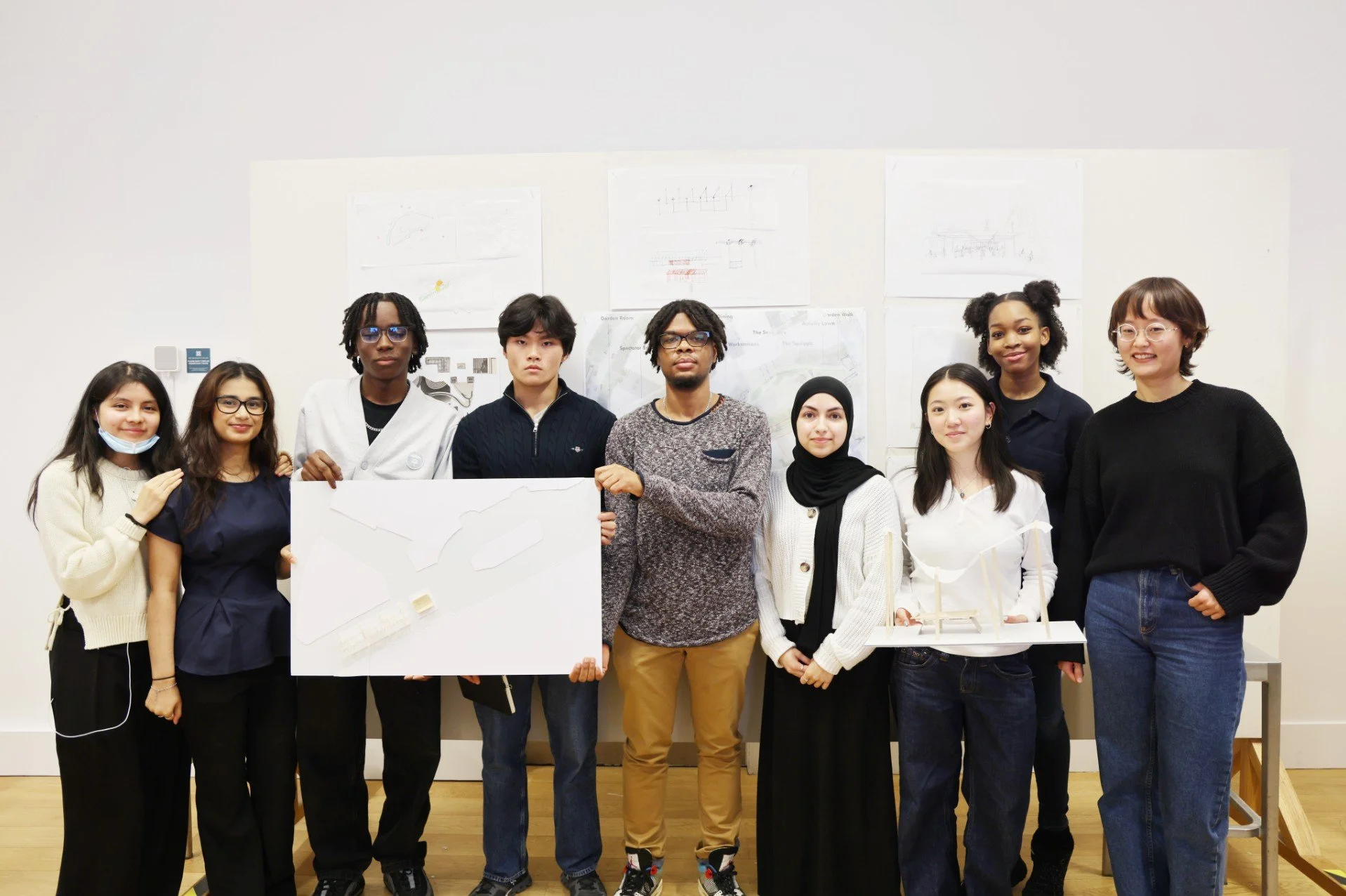
The 2nd runner-up team mentored by Mi Yao, AIA. Students from University of Greenwich:Alexander Ojejinmi, Firdowsun Nahar, Jaewoo Oh, Jessica Tirira Quezada, Jordan Jatto, Kaliah Henry, Madiha Payman, Sophia Tsui.
Celebrating 30 Years: Special Individual Awards
In honour of the 30th anniversary milestone, AIA UK introduced special individual recognition awards celebrating exceptional contributions throughout the day:
Early Bird Award: David Akala (University of Hertfordshire)
David arrived first and set a focused, energetic tone for the entire event. His early commitment and readiness to engage demonstrated the dedication that would characterize the day's collaborative spirit.
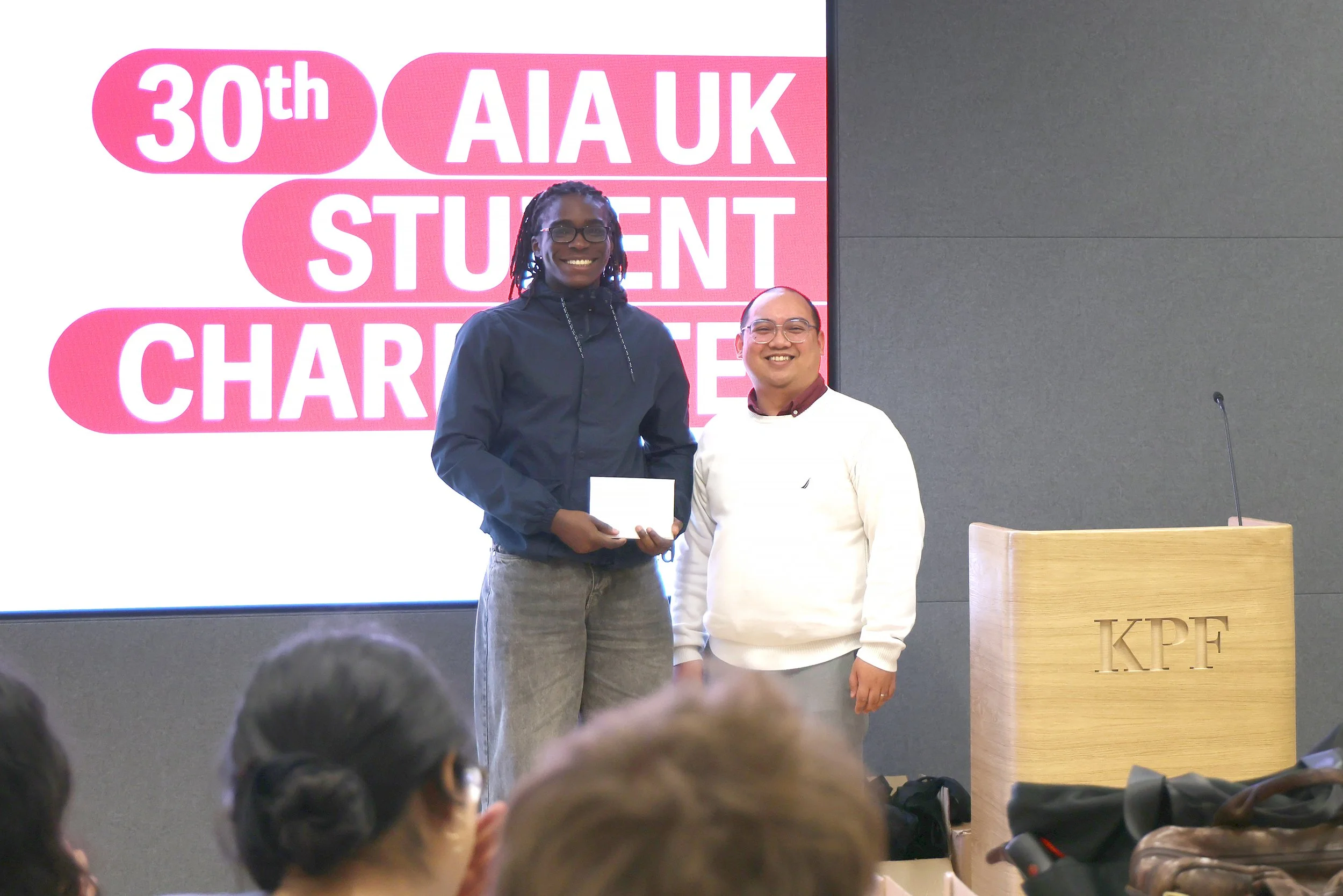
David Akala (University of Hertfordshire)
Presenters of the Year: Iain McCallum (University of Dundee) and Veronika Austin (University of Greenwich)
Both recipients delivered clear, structured presentations that captivated the jury and kept the room fully engaged. Their confidence and precision in communicating complex design ideas exemplified the communication skills essential to architectural practice.
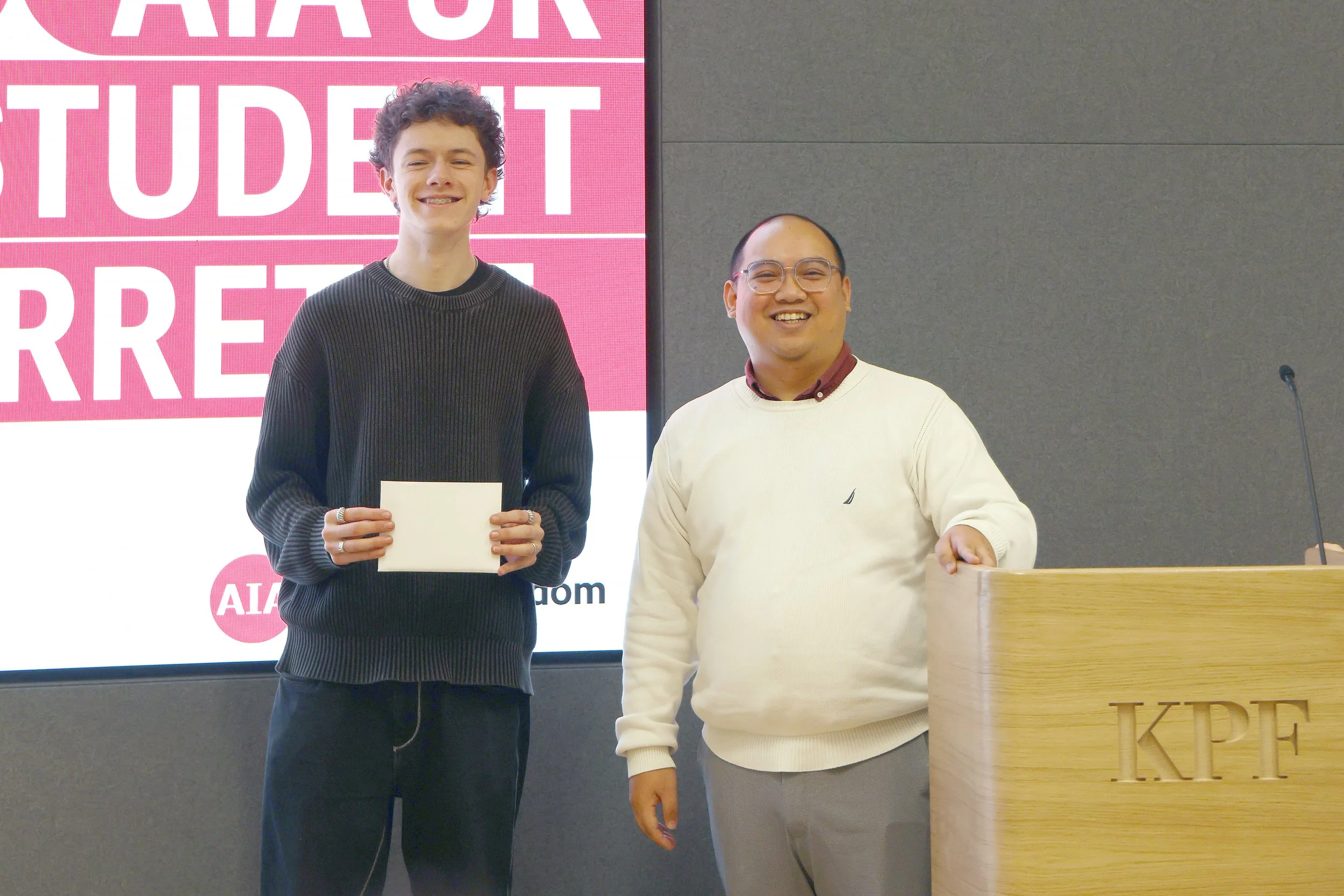
Iain McCallum (University of Dundee)
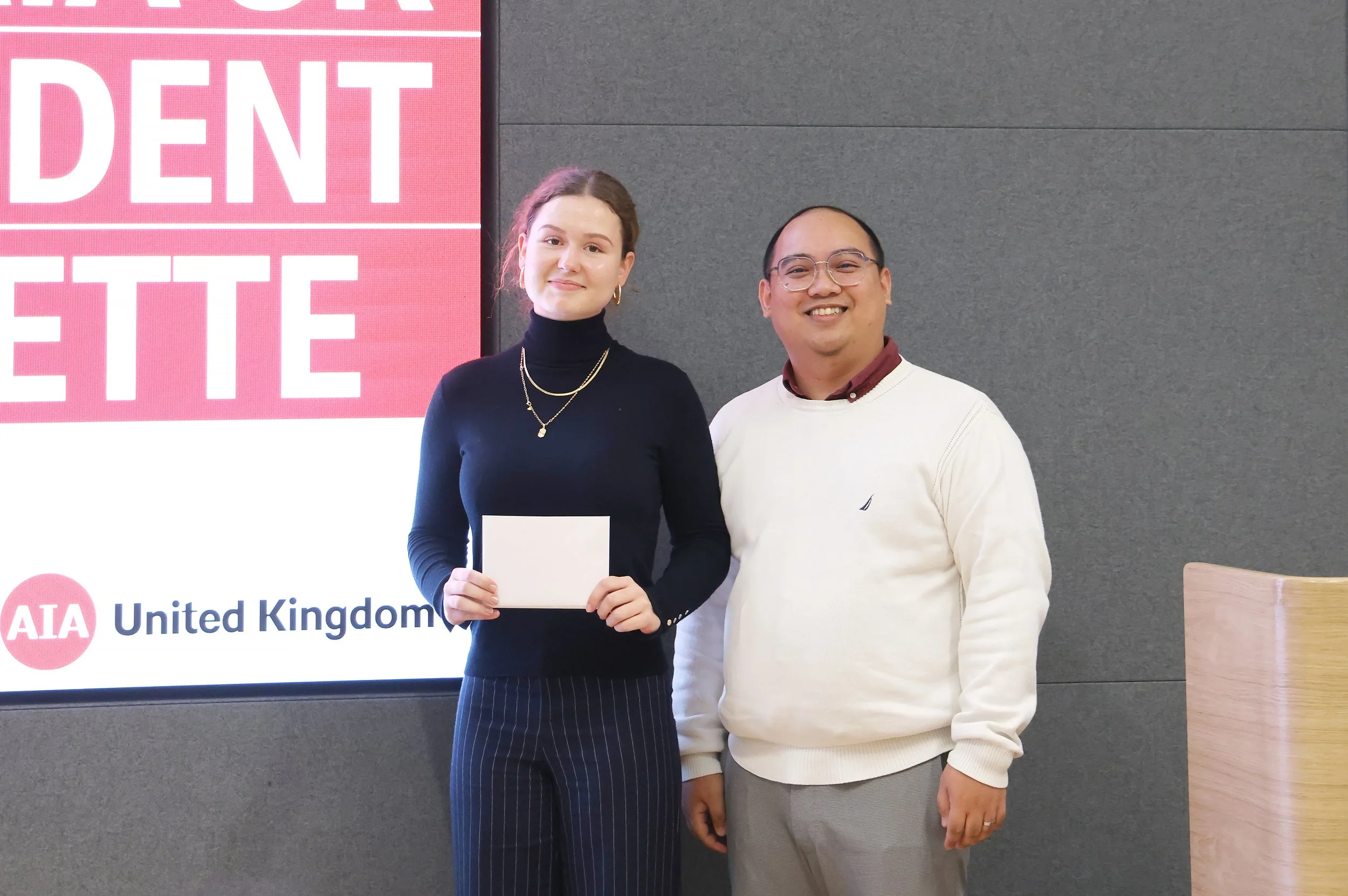
Veronika Austin (University of Greenwich)
Most Immersed Award: Sobhia Boularas (University of Hertfordshire)
Sobhia remained fully absorbed in her craft from start to finish, demonstrating steady concentration and an unwavering drive to refine every detail of her model. Her dedication embodied the focused intensity that defines exceptional design work.
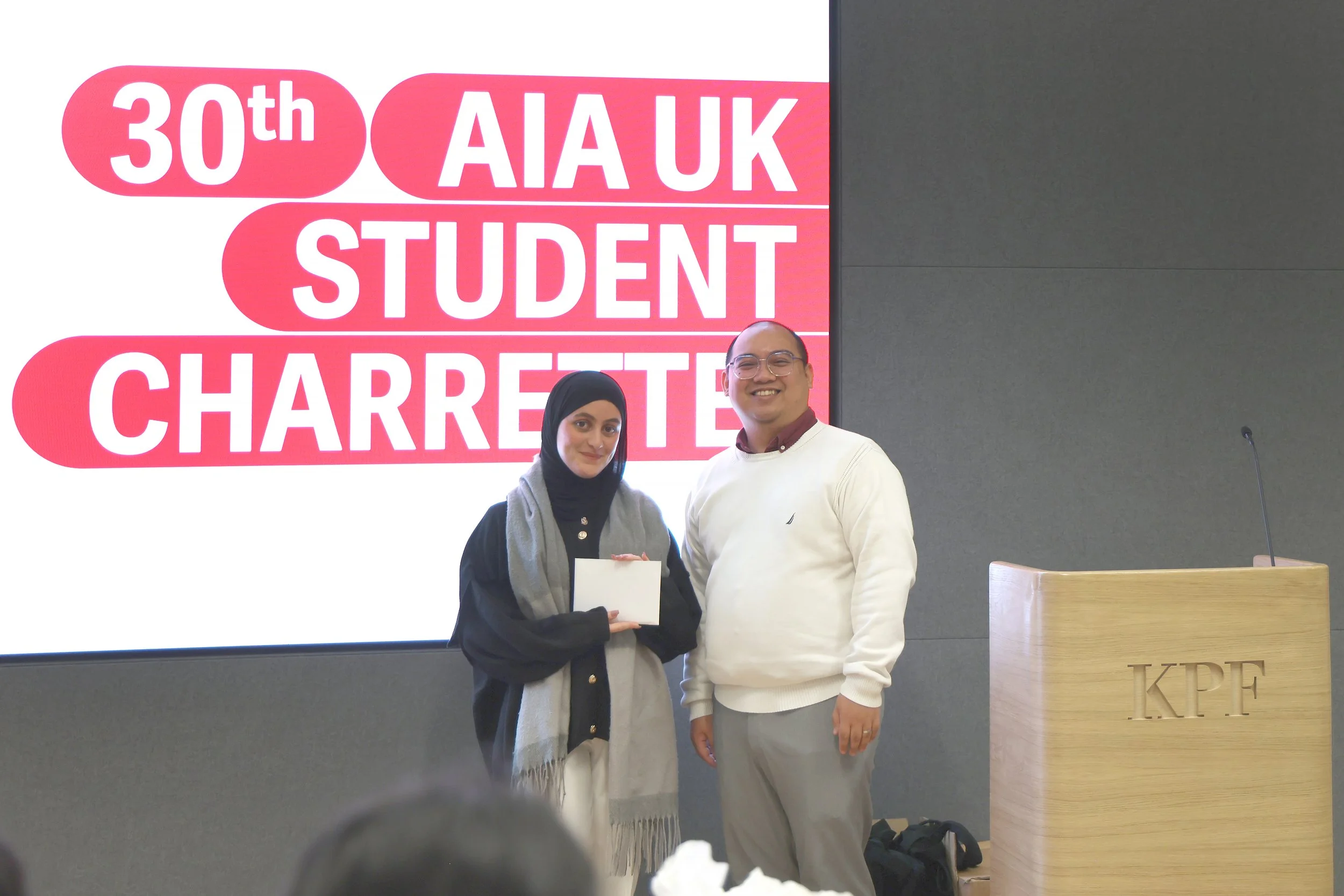
Sobhia Boularas (University of Hertfordshire)
The Power of Mentorship and Collaboration
AIA UK extends heartfelt gratitude to the mentors who played an instrumental role in the charrette's success. Their expertise and guidance were essential in shepherding students through each phase of the design process, from initial site analysis through final presentation.
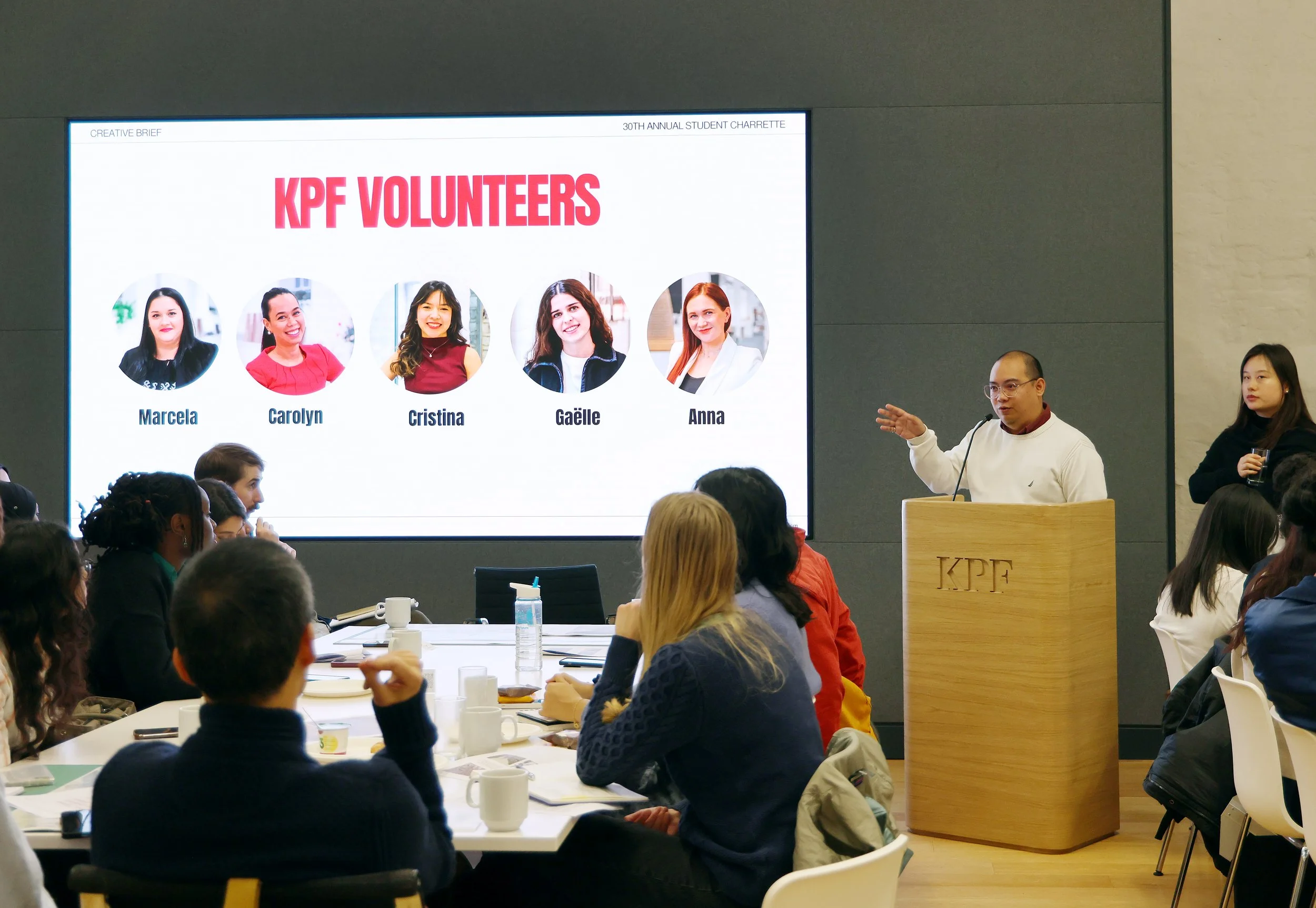
The event's success also depended on the dedication of its organizers and volunteers, including Paolo Mendoza from Benoy, Rishi Lal from HOK, and Siyu Zhao from ADAM Architecture. Special recognition goes to the volunteers from KPF London—Marcela Manole, Cristina Mock, Carolyn Ardaiz, Gaëlle Brohard, and Anna Mytcul—whose behind-the-scenes work ensured the day ran seamlessly.
Looking Forward: Analog Design in the Age of AI
The 30th AIA UK Student Charrette proved especially meaningful in an era increasingly shaped by artificial intelligence and digital automation. By requiring hand-drawn work and physical model-making, the event reminded participants of the irreplaceable value of tactile exploration, spontaneous sketching, and direct material engagement in the design process.
"This event was very special for AIA UK and for the students," organizers noted. "We are motivated to continue this tradition and deliver amazing results through many more upcoming years."
As London grapples with the evolution of its nighttime economy—balancing safety concerns, cultural vitality, and residential quality of life—events like the AIA UK Student Charrette demonstrate how emerging architects can contribute fresh perspectives to longstanding urban challenges. The proposals generated on November 8 may be student projects, but the questions they address are urgently real: How do we create public spaces that serve diverse communities around the clock? How can design foster safety without surveillance? How might historic districts embrace contemporary nightlife while preserving their character?
The 30th charrette proved that the future of London's public realm is in capable, creative hands.
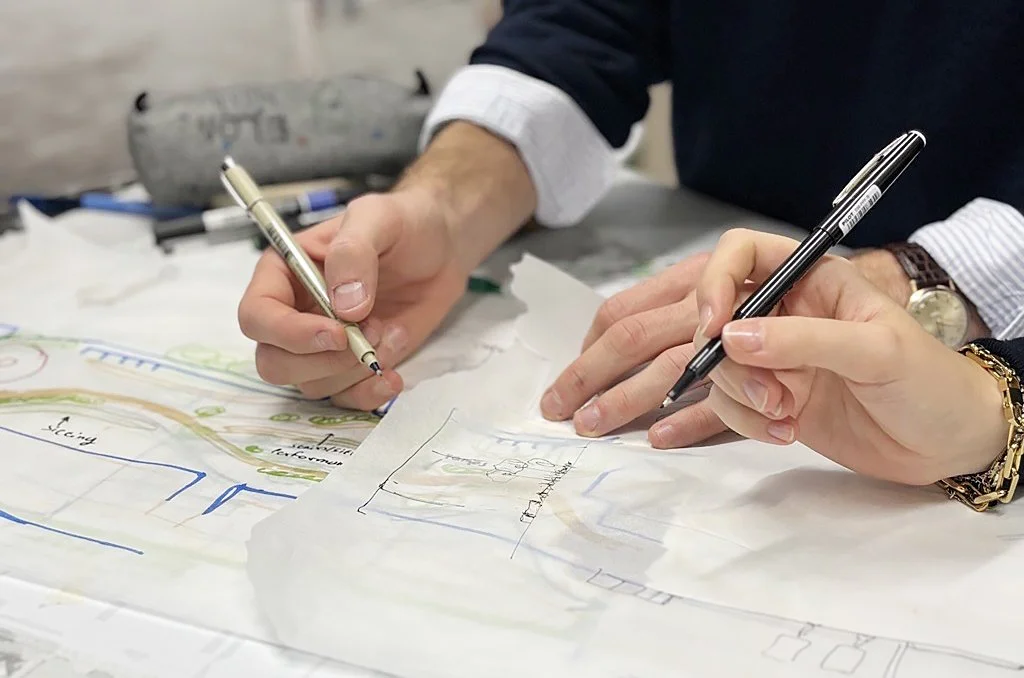
2025 Mentors
We thank our 2025 mentors for their support of our students!
Alex Miller (Senior Associate Principal at KPF), Bea Sennewald (Article 25), Francis Hur (Director at Francis Hur Architecture), Laura Petruso (Founder Director at Alpex Architecture), Lucia Piccinini (Principal Architect at Arkinnovation), Mi Yao (Project Manager at KPF), Paolo Mendoza (Assoc AIA, LEED AP ND, Senior Urban Designer and Masterplanner at Benoy), Pierre Baillargeon (AIA NCARB ARB RIBA, Managing Director at Mixity Studio), and Thomas Grove (Associate at ADAM Architecture).
Project Credits:
● Event Organizer: AIA UK
● Host & Sponsor: Kohn Pedersen Fox (KPF)
● Brief Coordinator: Siyu Zhao, AIA UK
● Jury: Michelle Ludik (ADAM Architecture), Stephen Drew (Architecture Social), Samantha Cooke (KPF)
● Organizers & Volunteers: Paolo Mendoza (Benoy), Rishi Lal (HOK), Siyu Zhao (ADAM Architecture)
● KPF London Volunteers: Marcela Manole, Cristina Mock, Carolyn Ardaiz, Gaëlle Brohard, Anna Mytcul, Jamar Rock.
● Participants: 60+ Part I architecture students from 13 UK universities
● Date: November 8, 2025
● Location: KPF Gallery, London
Special thanks to KPF for their continued support of architectural education and their generous provision of gallery space for this milestone event.
Written by Anna Mytcul, Associate AIA
Photos by Cristina Mock, Associate AIA
Correction made 14 July 2026: Second runner up team photo updated and mentor previously incorrectly stated as Francis Hur.