
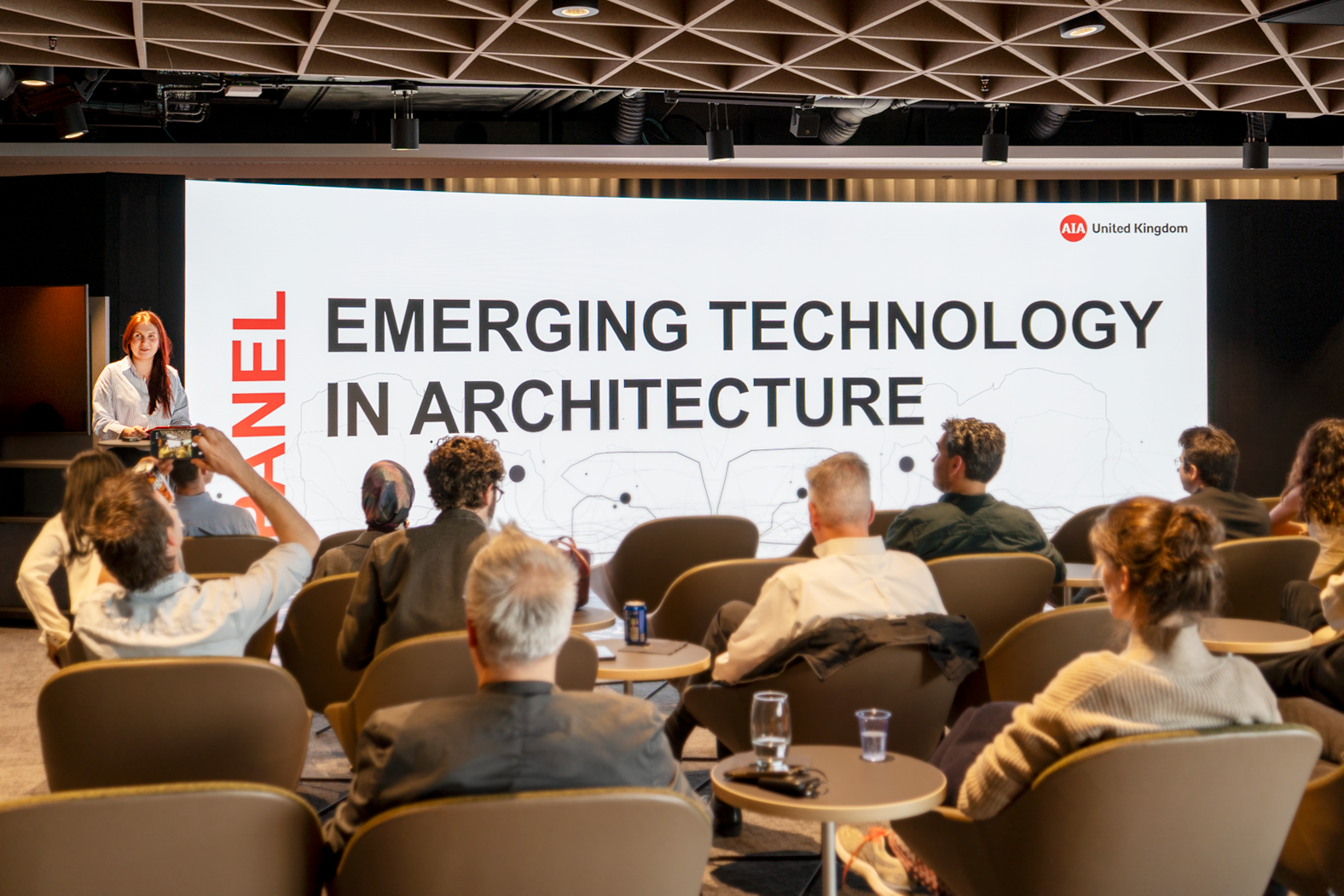
On 29 April 2026, AIA UK brought together four speakers working at the edge of architectural technology for a panel on emerging technologies in the profession. The room was full, the questions were sharp, and the conversation went well beyond the usual AI hype cycle. Here is what we covered.
Data Governance as a Design Problem
Joshua Foxley, Senior UX Designer at Bentley Systems, opened by mapping a familiar loop: a client hands over PDFs at stage one, the architect builds an intelligent model through design development, and by tender that model is stripped down, exported, and flattened into IFCs, DWGs, and PDFs. At every handover, data quality drops and lineage, meaning who did what, when, and why, disappears.
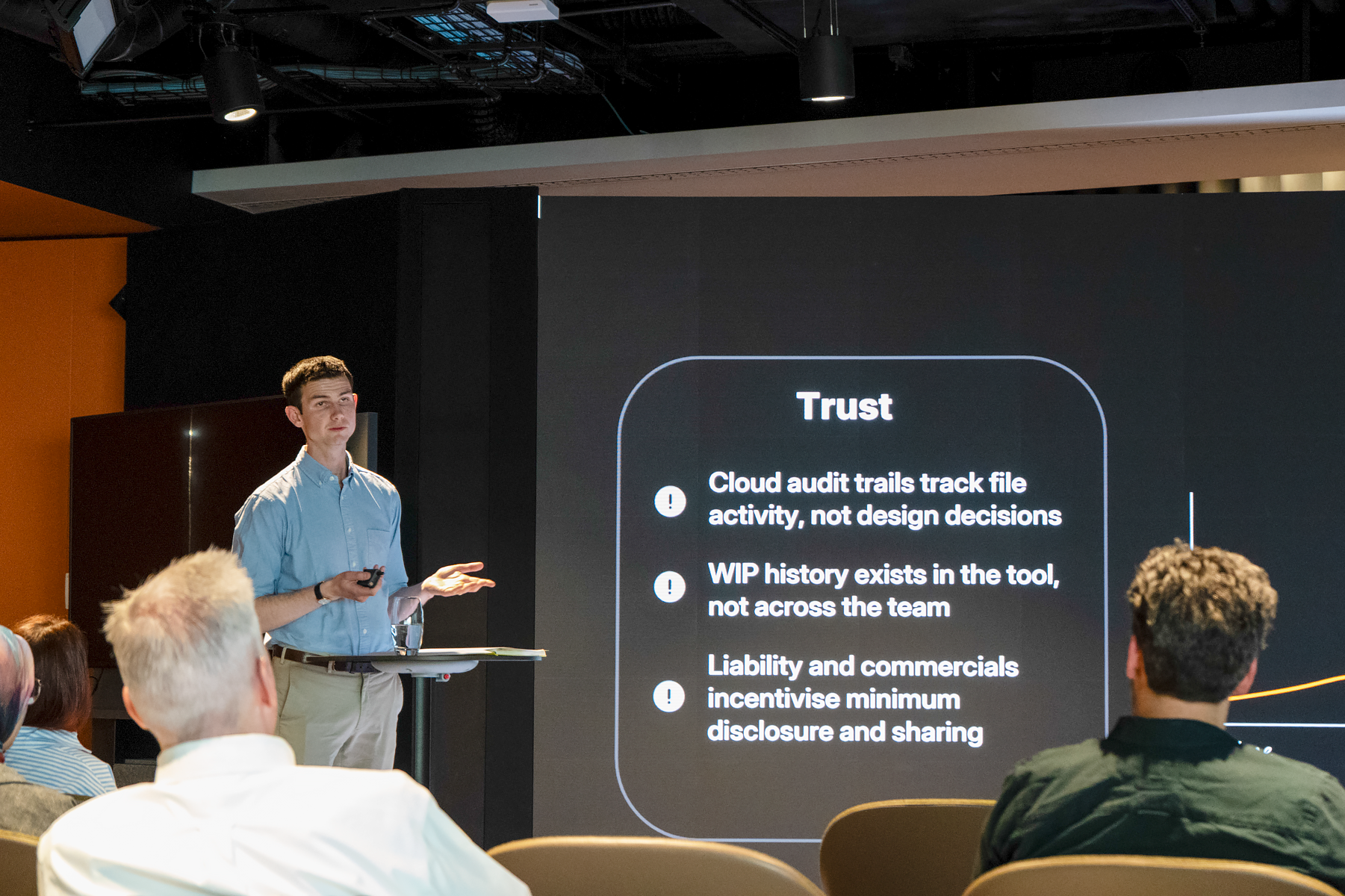
Joshua's argument was that the software industry solved a version of this problem decades ago with version control. Git Hub's model of branches, pull requests, and merges maps closely onto ISO 19650's work-in-progress, shared, and published states. The challenge is not inventing new tools but embedding this thinking directly into the desktop applications architects already use every day. He is currently researching this at Bentley and is looking for practices willing to share the friction points they experience first hand.
Designing From Inside the Model
Johan Hanegraaf, Co-founder & Head of product of Arkio, challenged the room with a simple observation: architects spend the vast majority of their time designing three-dimensional space on a two-dimensional screen. Arkio's mixed reality platform lets teams step inside a Revit or Rhino model at human scale, sketch and annotate directly on it, and collaborate with others in the same space, whether virtually or on real site.
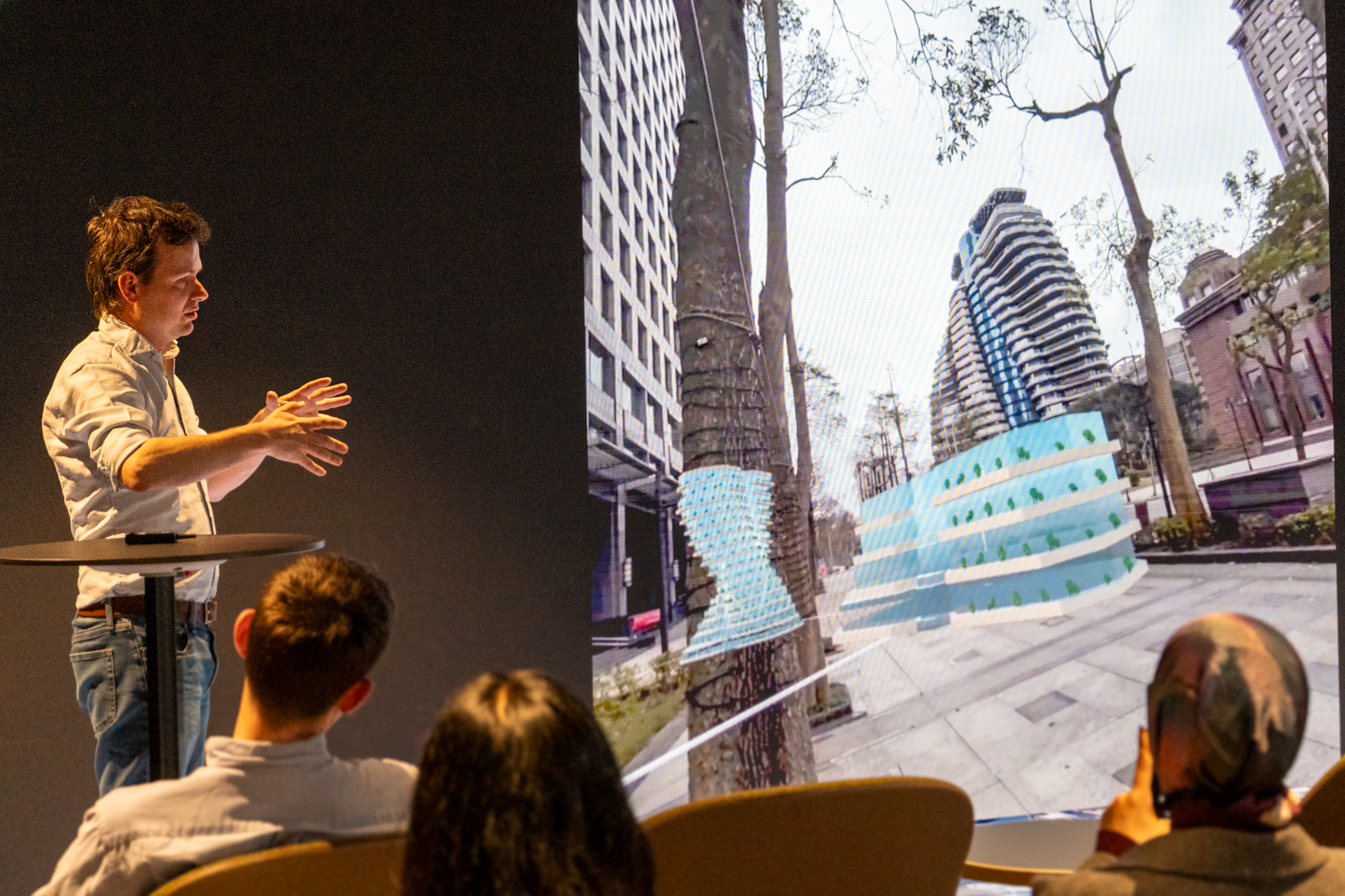
He shared a live example from Canary Wharf, where he and a Anna Mytcul from KPF co-located on a site of One North Quay and edited the model together in real time. The larger point: models built for design do not need to be printed or rendered to be understood. They can be experienced directly; at the scale they were designed for.
Keeping Architects in Control of AI
Jean Santos, Head of Marketing of xFigura, addressed the tension architects feel most acutely around AI: does it expand creative freedom or quietly narrow it? Her answer centred on control and transparency. xFigura's platform lets architects train models on their own sketches and design language, building a personal style library rather than relying on generic outputs.
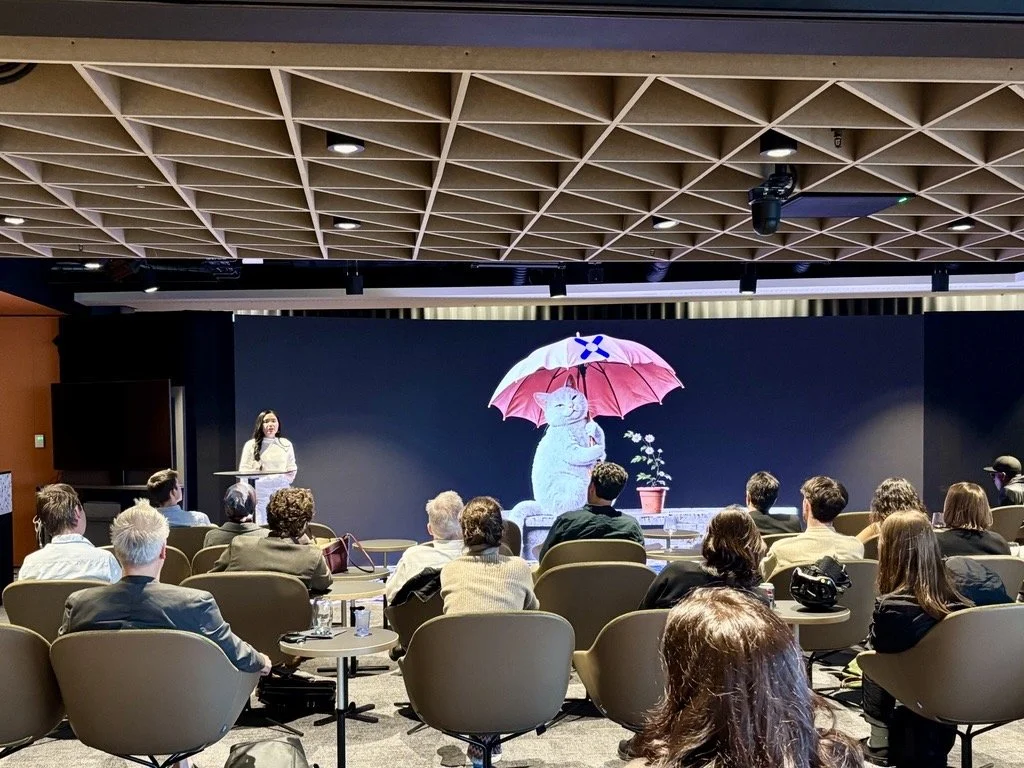
Jean was direct about the risk: black-boxed AI tools remove the architect's agency over the process. The solution is not to slow adoption but to design interfaces that keep reasoning visible and put control back in the architect's hands, whether that is annotating a render for changes or feeding a prompt with an image reference.
Simulating Experience, Not Just Form
Miroslav Naskov, founder of minD Design, closed with a methodology built on three pillars: craft, AI, and play. Every project begins with handmade models and sketches. AI is then used to generate and test variations quickly. Finally, immersive multiplayer environments let the team step inside the design to test atmosphere, light, and material before committing.
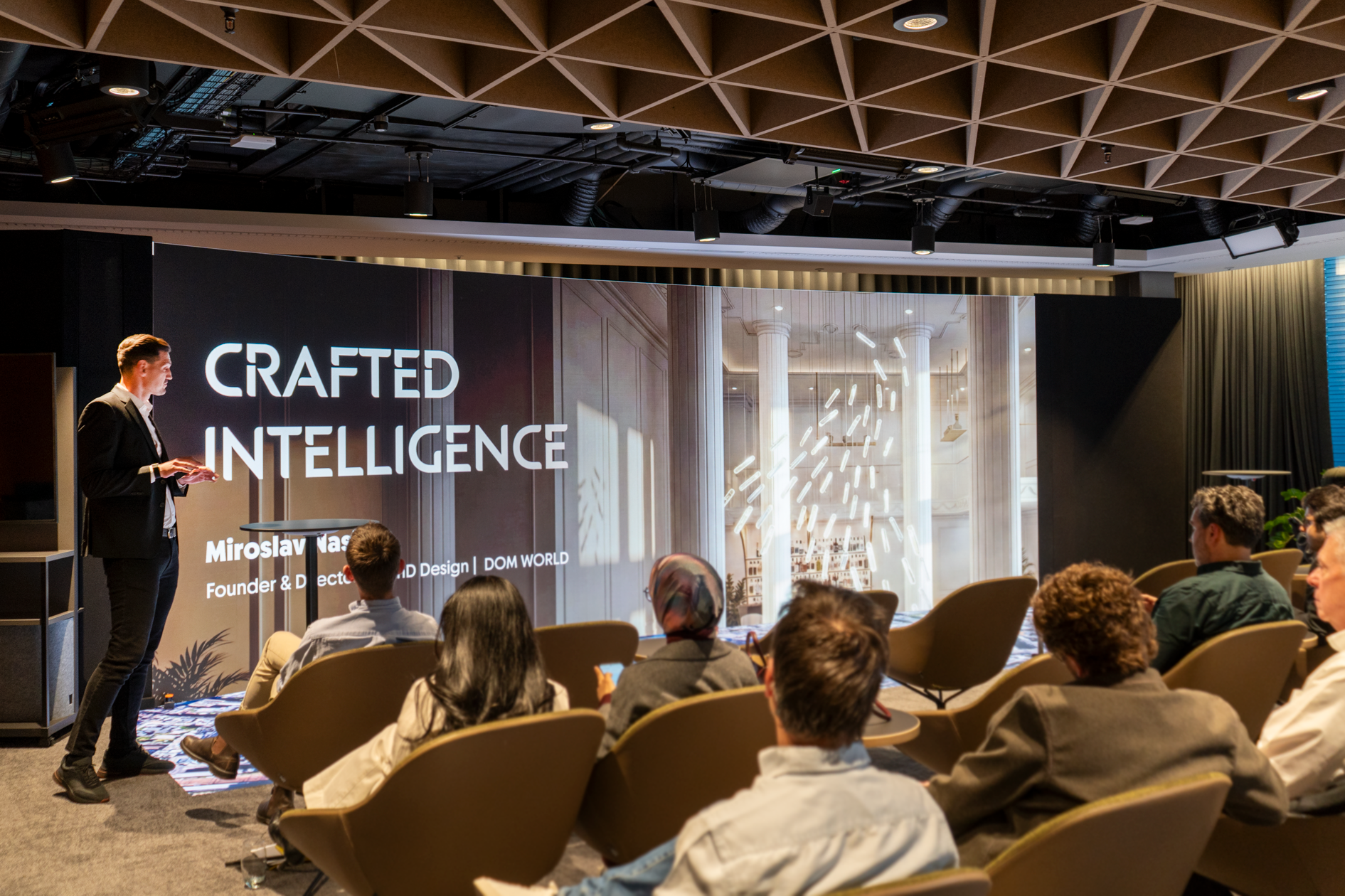
He shared two built projects, a heritage hotel conversion and a private residence, where stepping inside digital twins helped secure conservation approvals and catch costly mistakes before construction. His closing thought: a beautiful render shows you how a space looks. It does not show you how it feels.
The Panel Discussion
The Q&A that followed raised the questions the industry is genuinely wrestling with:
How do you move beyond visual and spatial feedback toward structural and sustainability data within these tools?
How do practices adopt new workflows without disrupting the ones their teams already trust?
Will AI replace early-career architects, or will it create new roles and career paths altogether?

No one offered easy answers. What came through clearly was a shared conviction: AI and immersive tools are teammates, not replacements, and the practices that engage early, test carefully, and stay in control of the process will be the ones shaping what architecture looks like in ten years.
Thank You
Thank you to Joshua Foxley, Johan Hanegraaf, Jean Santos, and Miroslav Naskov for four genuinely different perspectives on one shared question, and to everyone who attended and pushed the conversation further with your questions.
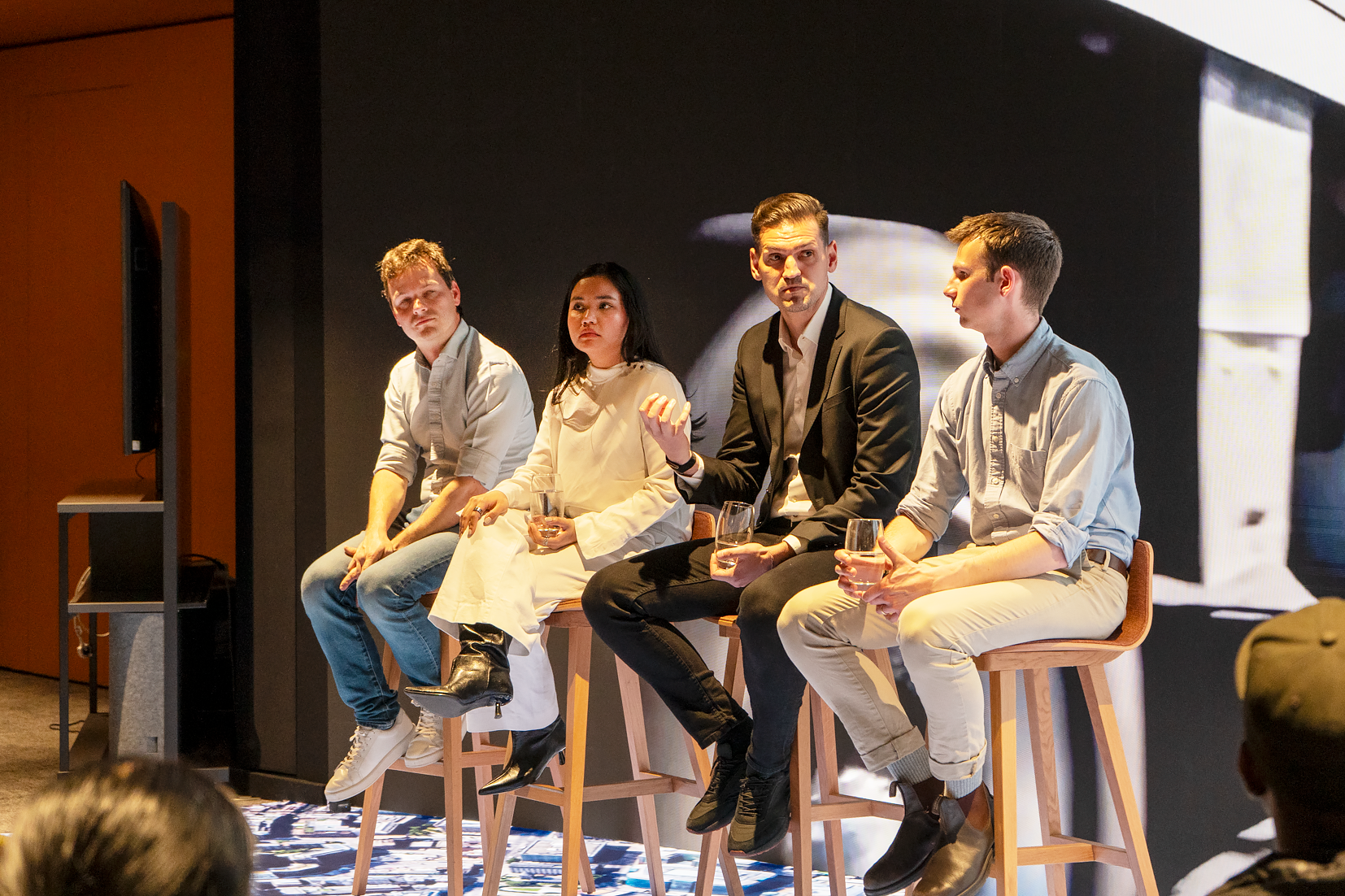
A special thank you to Bentley Systems and Greg Demchak for generously hosting us and providing the space for the evening.
Keep an eye on our channels for details of the next AIA UK event.
Written by Anna Mytcul, Associate AIA
Photos by Hrisi Arabadzhieva and Anna Mytcul
