

AIAU Course - Adapting to Climate Change: Small Cities, Big Challenges
Thursday, May 13, 2021 | 2pm EDT
To register | Click Here
Description
In the past few years, the twin challenges of climate adaptation and mitigation and equitable communities have risen to the top of the public agenda. Cities are facing incredible challenges to plan effectively to reduce carbon emissions, adapt to climate vulnerabilities and achieve more equitable communities for all their residents. Many smaller communities are struggling to develop effective strategies that marshal resources and build momentum towards addressing these complex challenges. Northampton, Massachusetts and Dubuque, Iowa have frequently outperformed larger jurisdictions on these issues and have emerged as leading municipalities. Northampton was the first jurisdiction in the nation to achieve the coveted 5-STAR sustainability rating and has been the recipient of numerous related awards. Dubuque has similarly been recognized for its achievements with dozens of awards, including 5 All-America City Awards in just a dozen years for imaginative collaborations to address their key challenges. Their experiences provide insights to frame a future direction for other communities seeking to build the civic infrastructure and strategies that will lead to success. This session will present perspectives from city officials in each of these leading municipalities about the mechanics of planning for sustainable futures.
Learning objectives
Explore how to tackle climate adaptation and mitigation in small cities from project to city perspectives.
Apply key tools to maximize resources and support for climate efforts that improve the lives of communities.
Adapt practical lessons learned from small city experiences in planning for and implementing their own climate action initiatives.
Analyze how the intersections between climate change and equity and public participation and partnerships form a key platform for solving critical built environment issues.
Can't make it live? This session will be available on demand.
Member News / Academia to the Real World

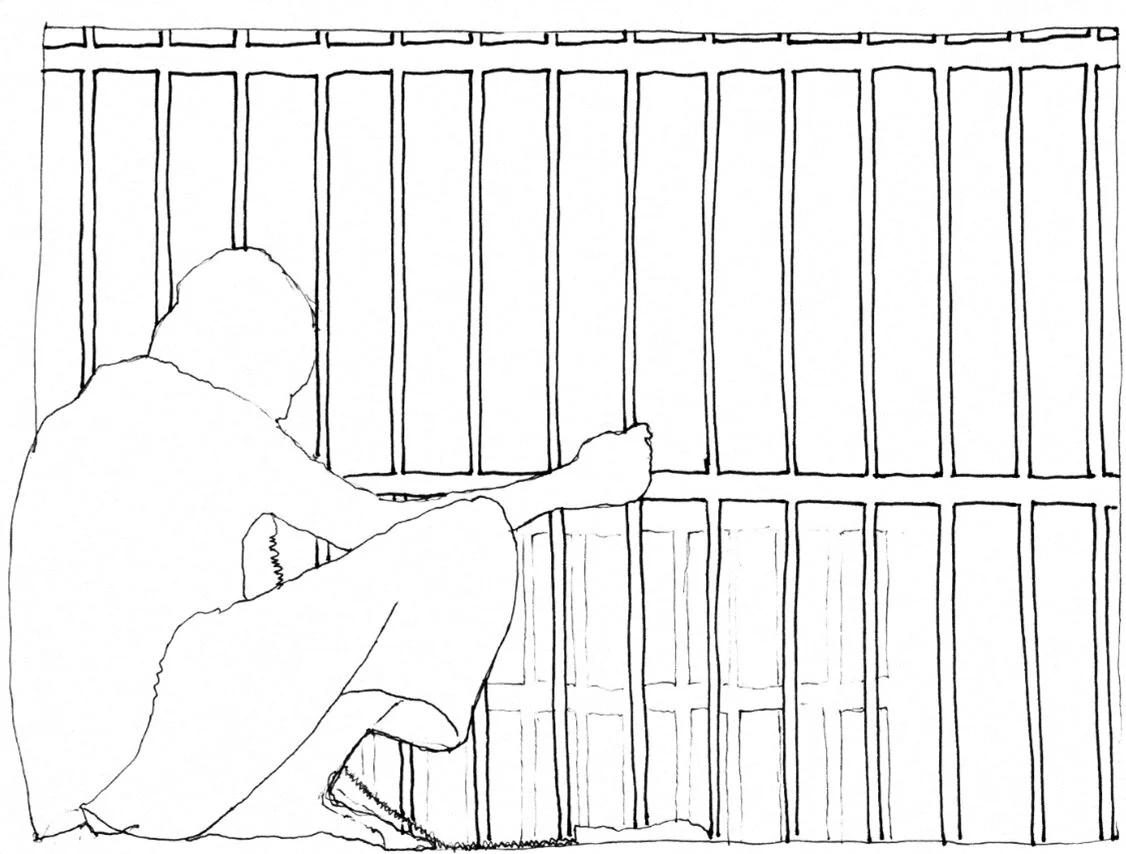
‘Safi Military Barracks, Malta’ - Sketch Copyright: Mark E Breeze, AIA
It is not always easy for AIA UK members outside London to make an enduring impact on the Chapter. Perhaps the first Chapter awareness of Mark E Breeze, AIA, was his jury involvement and subsequent presentations of the 2019 Design Awards. Later that year, he enticed the London membership to his adopted city Cambridge for what was billed as a Super Saturday CES Extravaganza. His commitment to architecture, design and sustainability thus firmly established, a place on the AIA UK Chapter Board as the inaugural Sustainability Chair quickly followed.
Lest Mark’s association with the University of Cambridge produces images of sleepy academia, the release of the book Structures of Protection? Rethinking Refugee Shelter and the film Shelter Without Shelter, (see the film trailer HERE) give further insight into Mark’s interests in realities of shelter. Both the book and film come out of the University of Oxford ‘Architecture of Displacement’ research project, a collaboration between Mark and Tom Scott-Smith at the Refugee Studies Centre, examining refugee accommodation across Europe and the Middle East.
The book (published by Berghahn Books) opens up the world of forced migrants as it draws on a range of disciplines – sociology, anthropology, law, architecture and history. Each chapter describes a particular shelter and uses this to reflect on the ‘relationship between architecture, place, politics, design and displacement’.
The film – awarded RIFA Best Research Film of 2020 – explores the hopes and challenges of providing temporary housing for refugees. Images below and at the end of the article illustrate some of the shelters Mark and Tom encountered during their research.
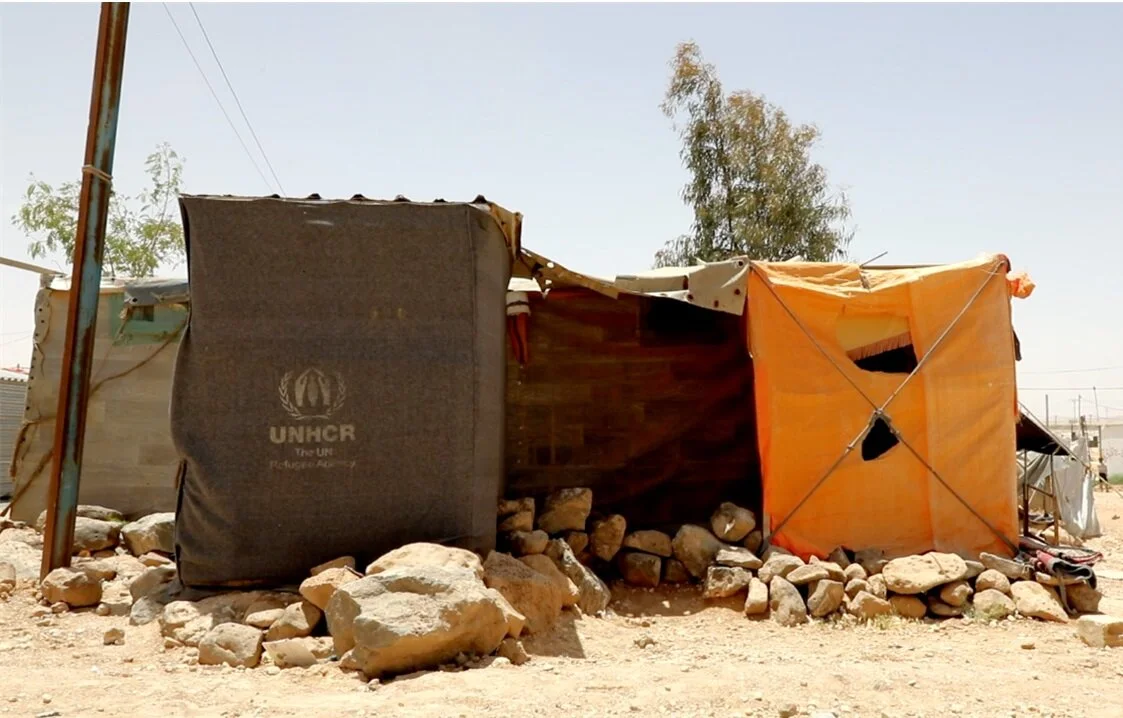
‘Improvised sheltering, Zaatari Refugee Camp, Jordan’ – Photo Copyright: Mark E Breeze, AIA
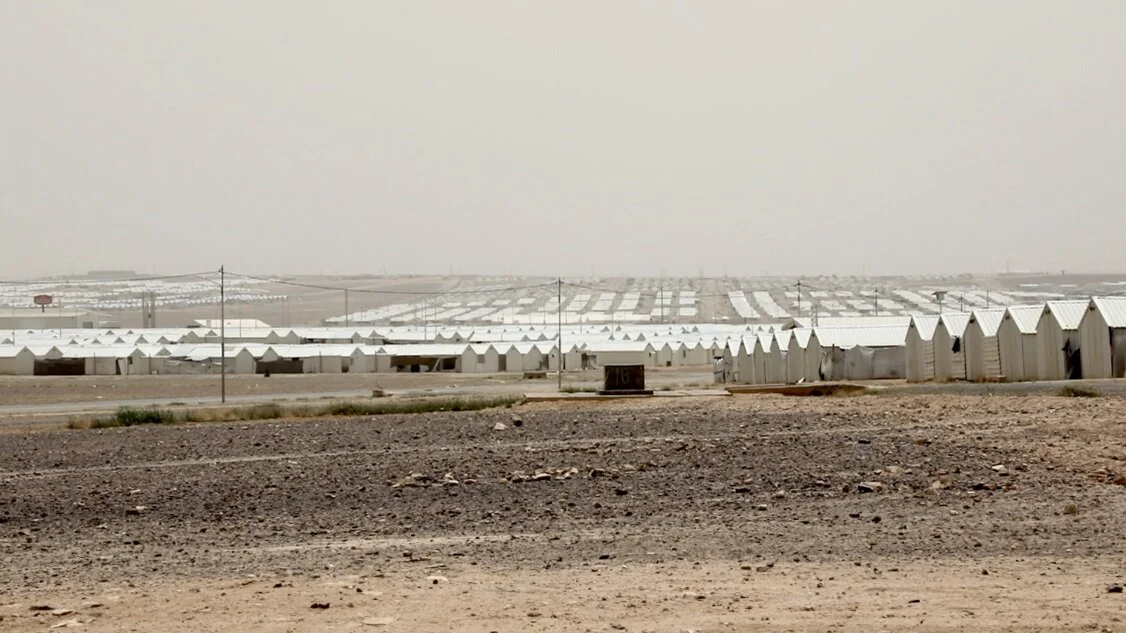
‘Azraq Refugee Camp, Jordan’ – Photo Copyright: Mark E Breeze, AIA
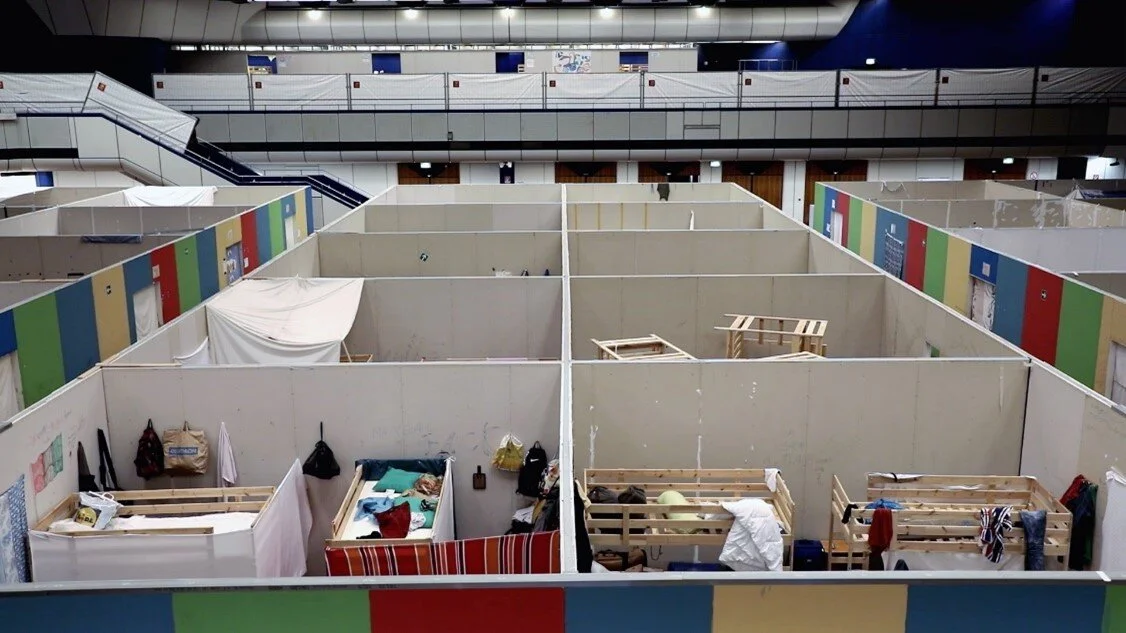
'Interior view of the former International Convention Centre (ICC), Berlin, converted to a refugee shelter’ – Photo Copyright: Mark E Breeze, AIA
As there is always the danger that even a good book or film - however thoughtful and comprehensive – might not engage with actual practice, Mark is currently co-directing an Architectural Association design studio exploring new forms of shelter and domesticity. He has also recently formed his own collaborative design-research practice Spatial Realities.
As the founding chair of The Sustainable Shelter Group – a research and design collaborative in Cambridge - he is in a position to bring together ‘professional design expertise, academic research and experienced humanitarian practitioners to create integrated, sustainable and relevant sheltering solutions at any scale and in any geography’ and make a determined impact on the real world.
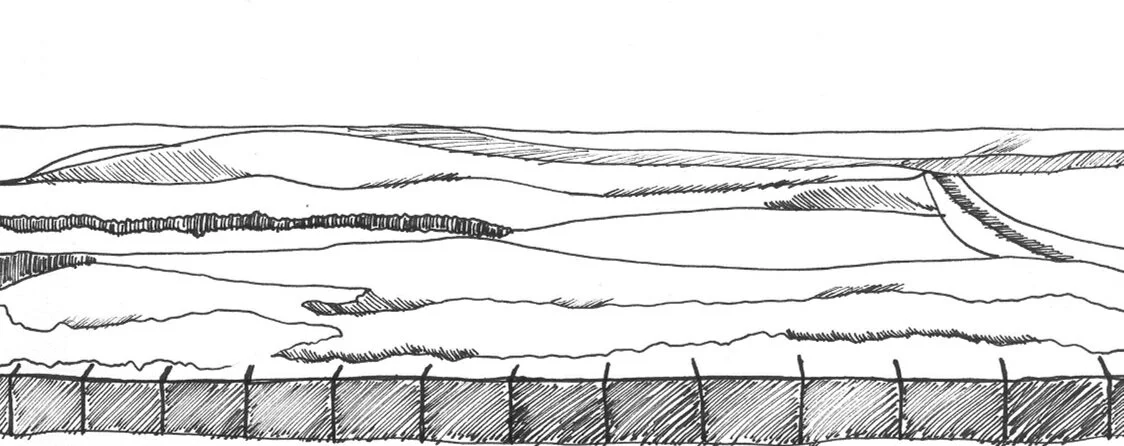
'Beyond the fence, Azraq Camp, Jordan' - Sketch Copyright: Mark E Breeze, AIA
Written by: Lorraine King, AIA
This article has been written as part of the AIA Newsletter’s commitment to member news. If you are aware of UK Chapter members’ involvement in newsworthy projects, research or events, please bring them to our attention via secretary@aiauk.org and we will publish the story. We will not know what has been achieved unless someone tells us! We welcome pictures as well as stories…
Creating a Sustainability Action Plan that works!

A guide to creating a plan unique to your firm
For most companies, setting sustainability goals means reevaluating priorities, workflows, and strategies to better align with—and eventually achieve—those goals. To that end, 2030 Commitment signatories are asked to create a Sustainability Action Plan within six months of joining the program. The goal is to think through how your sustainability values and aspirations can translate into a comprehensive approach that transforms your company’s entire portfolio. This guide was created to help you develop—and ultimately implement—a Sustainability Action Plan, regardless of whether your firm is new to sustainability concepts or has decades of experience. While this document provides inspiration, remember that there is no one-size-fits-all Sustainability Action Plan. The best sustainability action plan is one that reflects and constantly evolves with your company’s goals and needs!
This document includes:
Key principles for effective change management at your firm
Suggested elements to consider for your Sustainability Action Plan
Excerpts from other 2030 Commitment signatory Sustainability Action Plans
Resources and worksheets that help you set goals and align with other programs, such as the Framework for Design Excellence
Download the guide from this LINK.

Virtual Building Tour – Cork House by CSK Architects and the Bartlett School of Architecture
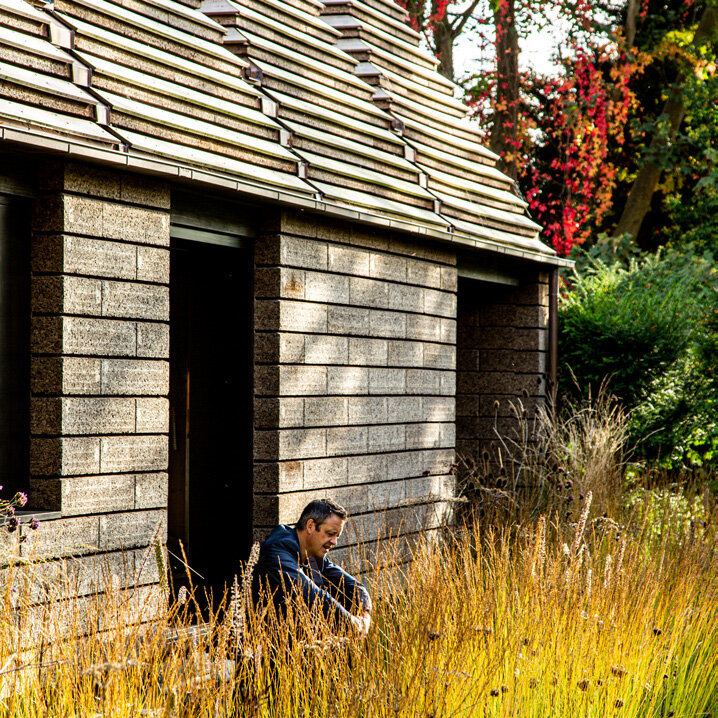
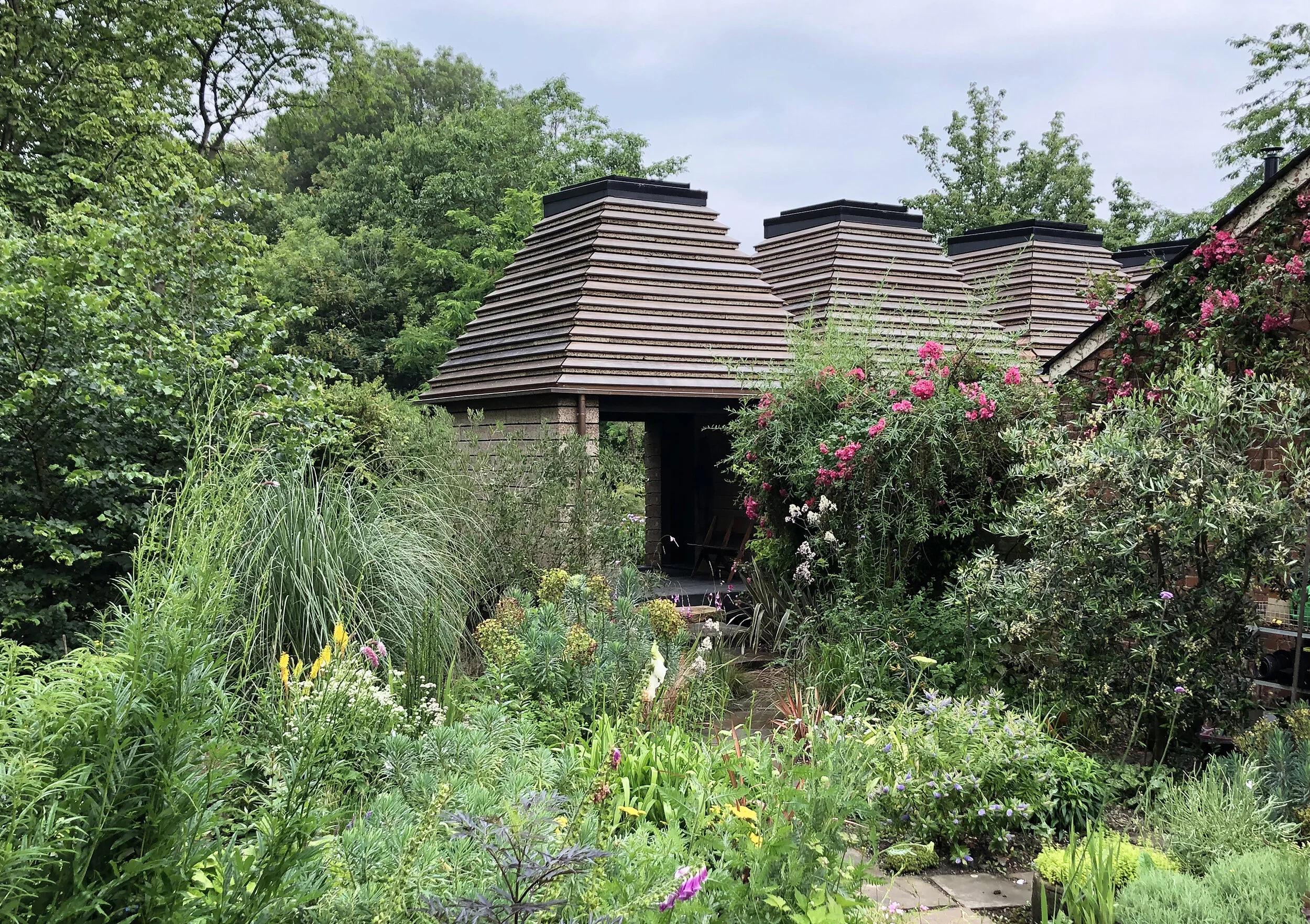
The 2021 series of the AIA UK Chapter’s “Virtual Building Tours” continued on 11 March with a visit to Cork House, the first building of its type made by using a new form of simple, solid, plant-based construction. Matthew Barnett Howland and Dido Milne, both of CSK Architects and Oliver Wilton from The Bartlett School of Architecture, led us through an insightful tour of Cork House in Berkshire, England, which was shortlisted for the RIBA Stirling Prize in 2019.
Cork House, a winner in both the Professional and Sustainability - Small Project categories of the AIA UK Chapter Design Awards, is carefully integrated into the landscape beside the River Thames. The dwelling was a collaborative design by Howland, Milne and Wilton in response to climate change and their passion for biodiversity and sustainability. Their goal was to demonstrate the industry’s responsibility to directly impact how we as practitioners think and respond to our impact on the planet.
As a result of the modular nature of the cork blocks that were developed, the house comprises five identical volumes arranged in a linear fashion, each topped by pyramid-like skylights. The building is primarily constructed from sustainably sourced cork blocks, supported by timber ring beams. It has been designed so that, in the future, it can be easily dismantled, reused or recycled. The design team used the limitations and constraints of the material to their advantage by creating a distinctive, sustainable and sculptural object in the landscape. The tour highlighted and guided participants through the materials history, research and development, and construction as well as providing insights into what living in the house is like by its resident.

Copyright: David Grandorge
At the start of the tour, Oliver Wilton highlighted the historical use of cork in construction, which began around 1891, although it was used extensively much earlier in other industries, most notable the bottling of spirits and champagne. He further highlighted the sustainable growth, harvesting and production process of the modular cork blocks developed specifically for Cork House. Oliver showcased the collaborative efforts of a diverse research group that was involved in its experimental stages, including the Bartlett School of Architecture UCL, the University of Bath and Arup. The experimental research was partly funded by Innovate UK and Engineering and Physical Sciences Research Council EPSRC.
Oliver first outlined the complexities of a typical, modern, external building skin and the built-up layering of its components. Using an assortment of materials, each component provides a different technical function within the overall construction of the built-up wall. This was in contrast to the simplicity of using a single component - cork – providing all the multiple technical functions in the typical building skin. In the house, the cork material provides both the internal and external finishes, the insulation properties and a watertight envelope.
The tour continued with Matthew Barnett Howland describing the development process of Cork House. He described the genesis of the use of the material as it, “embodies a strong, whole life approach to sustainability, from resource through to end-of-life. Expanded cork is a pure bio-material made from cork forestry wastage. The bark of the cork oak is harvested by hand every nine years without harming the tree or disturbing the forest. This gentle, agro-industry sustains the Mediterranean cork oak landscapes, providing a rich biodiverse habitat that is widely recognised”.
Matthew described the simplicity in the construction methodology; a construction system easily stacked like “Lego,” blocks and dry-jointed so that all 1,268 blocks of cork can be reclaimed at end-of-building-life for reuse, recycling, or return to the biosphere. As part of the development process, a number of prototype “blocks” were produced and used in constructing smaller versions of the project, one of which was called Cork Cabin, assisting in the testing of the processes before proceeding to build the final house.
Dido Milne completed the evening’s comments by focusing on the experiential aspects of the design. The aesthetic character of the cork, its tactile qualities and, of course, its aroma. The cork skin of the building gives it a specific tactile quality whilst the corbelled form of the successive roofs provides a distinctive architecture. The interior continues the expression of simplicity in the overall concept by also using cork as the primary material, accented by timber ring beams overhead, timber floors and storage spaces, with a hint of colour accented by copper pipes and bronze finishes in the kitchen. The overall design is a celebration of cork and sustainable internal finishes that are both paired-back and elegant. The results speak for themselves - an exemplar in sustainable construction and a finely crafted building nestled in its landscape.
The AIA UK Chapter continues to host its virtual building tour series for the 2021 season based on Winners of AIA UK 2020 Excellence in Design Awards. The series offers architects and interested parties the opportunity to visit notable buildings that have particular design interests in the UK and abroad. Follow this link for further information to participate in the next tour of Leeza Soho by Zaha Hadid Architects on 08 April 2021.
Written by Gregory Fonseca, AIA
Copyright: Oliver Wilton
Member News: Mouzhan Majidi FAIA
This article has been written as part of the AIA Newsletter’s commitment to member news. If you are aware of UK Chapter members’ involvement in newsworthy projects, research or events, please bring them to our attention via secretary@aiauk.org and we will publish the story. Remember we will not know what has been achieved unless someone tells us!
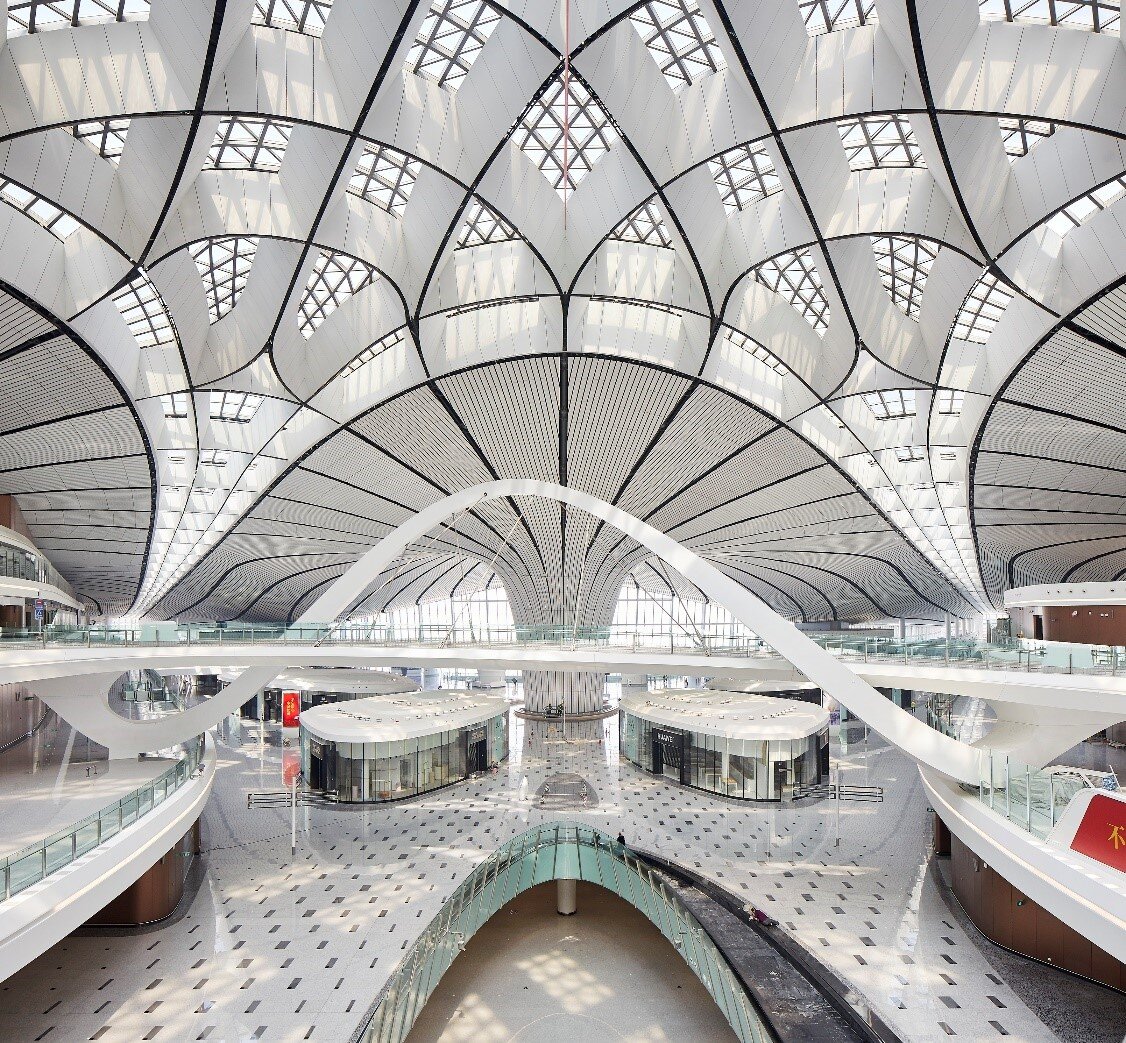
Beijing Daxing International Airport. Photo Credit: ®Hufton + Crow, curtesy of Zaha Hadid Architects
For a relatively small AIA Chapter – as of January’s AGM, there are 235 members of which 182 are accredited professionals – AIA UK has a fair share of AIA fellows, including one of our newest members, Mouzhan Majidi, FAIA, RIBA, ARB, RIAS, AHKIA.
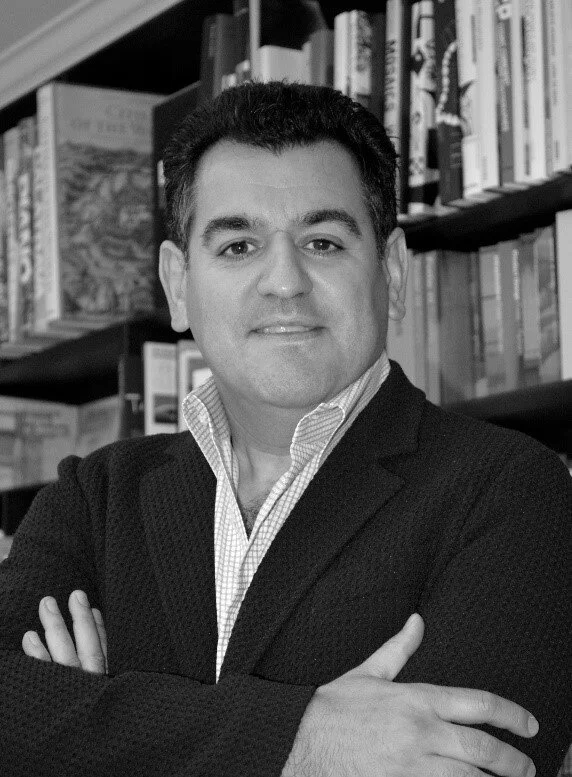
Elevated to the AIA’s College of Fellows in 2021, Majidi now enjoys the highest honour conferred on members for his exceptional work and contribution to architecture and society. Only 3 percent of AIA Members overall hold this distinction.
Majidi – who transferred to London from the New York Chapter in October 2020 – was at Foster + Partners for 27 years, becoming CEO in 2007. He joined Zaha Hadid Architects as CEO in 2015. During his career, he has won over 250 international awards and 80 design competitions.
His particular expertise is in the development of airports, beginning in 1987 with Stansted and more recently with Beijing Daxing and Western Sydney. Each airport has set ‘new standards for global aviation, becoming more energy efficient, environmentally discreet, technologically advanced and simple to use’.
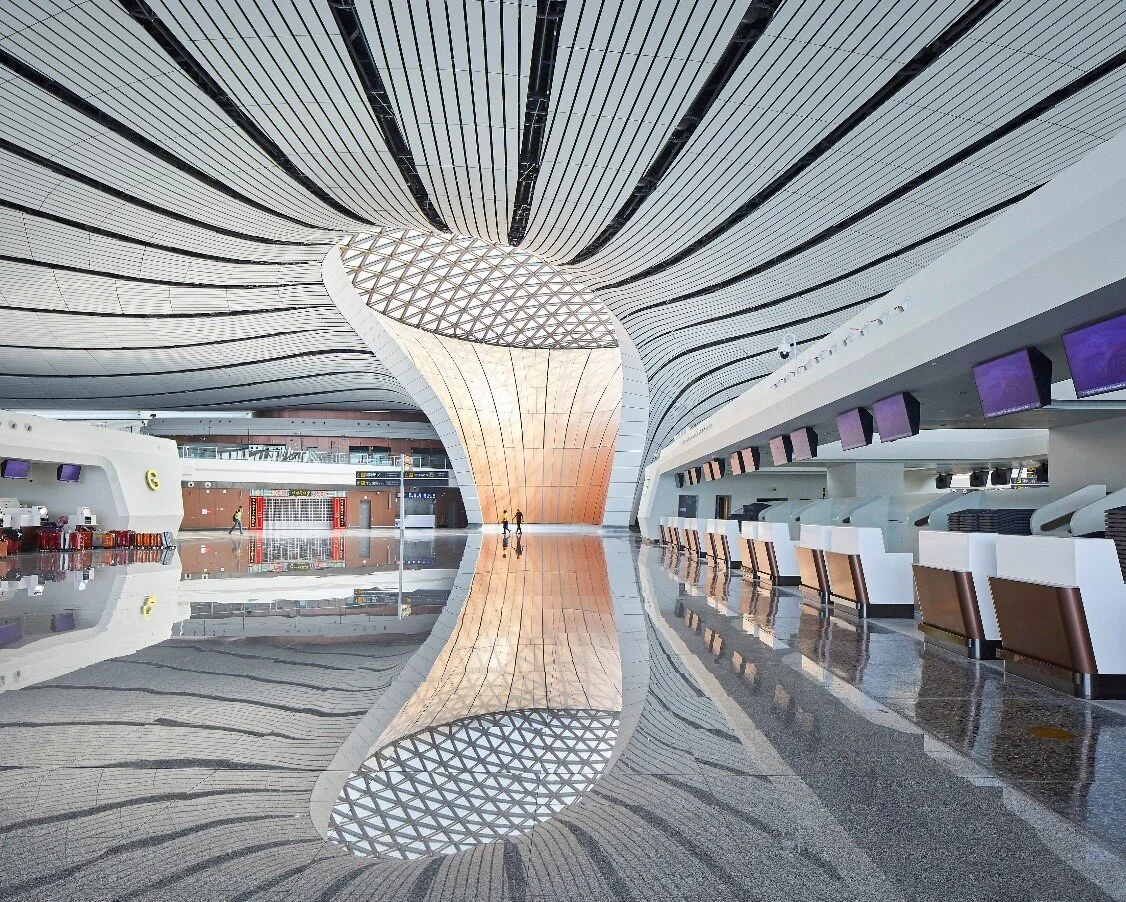
Beijing Daxing International Airport. Photo Credit: ®Hufton + Crow, curtesy of Zaha Hadid Architects
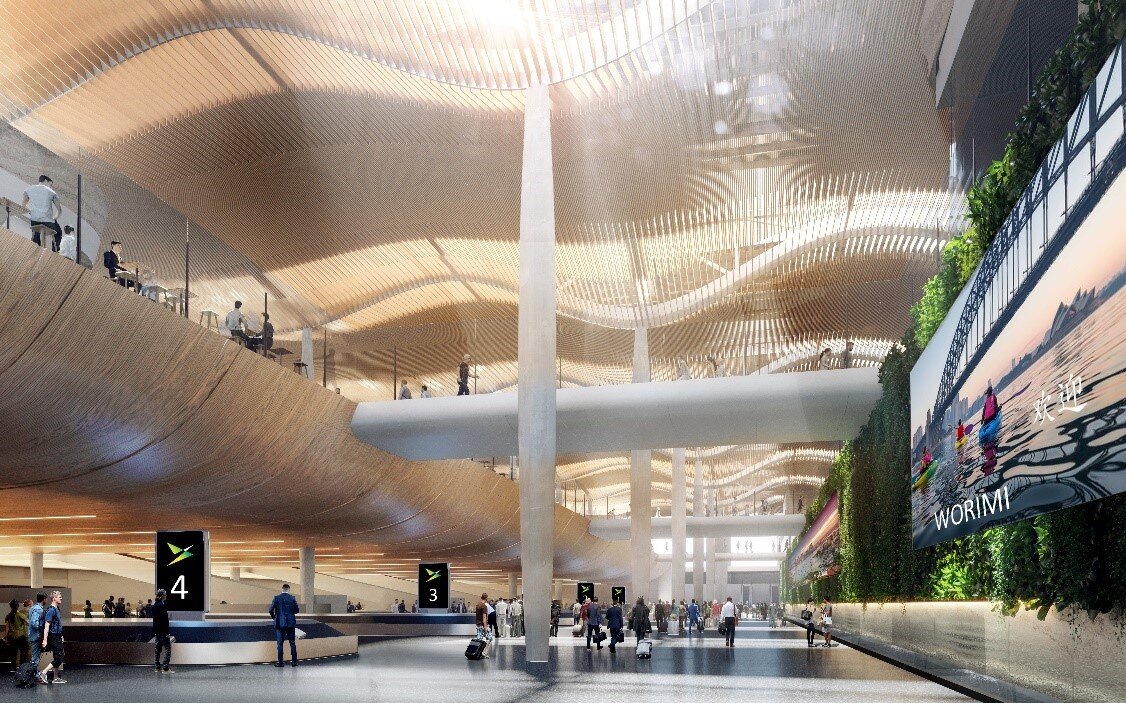
Western Sydney International Airport. Render Credit: ZHA-COX, curtesy of Zaha Hadid Architects
ZHA attributes Majidi with ‘cultivating the skills and diversity that drives ZHA’s decision-making and enriches the built environments we create…he has worked to remove barriers that prevent everyone from realising their ambitions in architecture, establishing programmes that enable all talents to grow and progress regardless of gender, race, background or identity’.
Discussions have started with Majidi about collaboration on future events with both the AIA UK Chapter and the International Region.
Majidi now takes his place alongside the AIA UK’s other AIA Fellows – David Leventhal and Lee Polisano - as well as past Chapter Presidents - James Baker, Lester Korzilius, Michael Lischer and Stephen Reinke.
For further information on the specific requirements for applying to the AIA College of Fellows, please contact membership@AIAUK.org.
Written by: Lorraine King, AIA
All images curtesy of Zaha Hadid Architects