
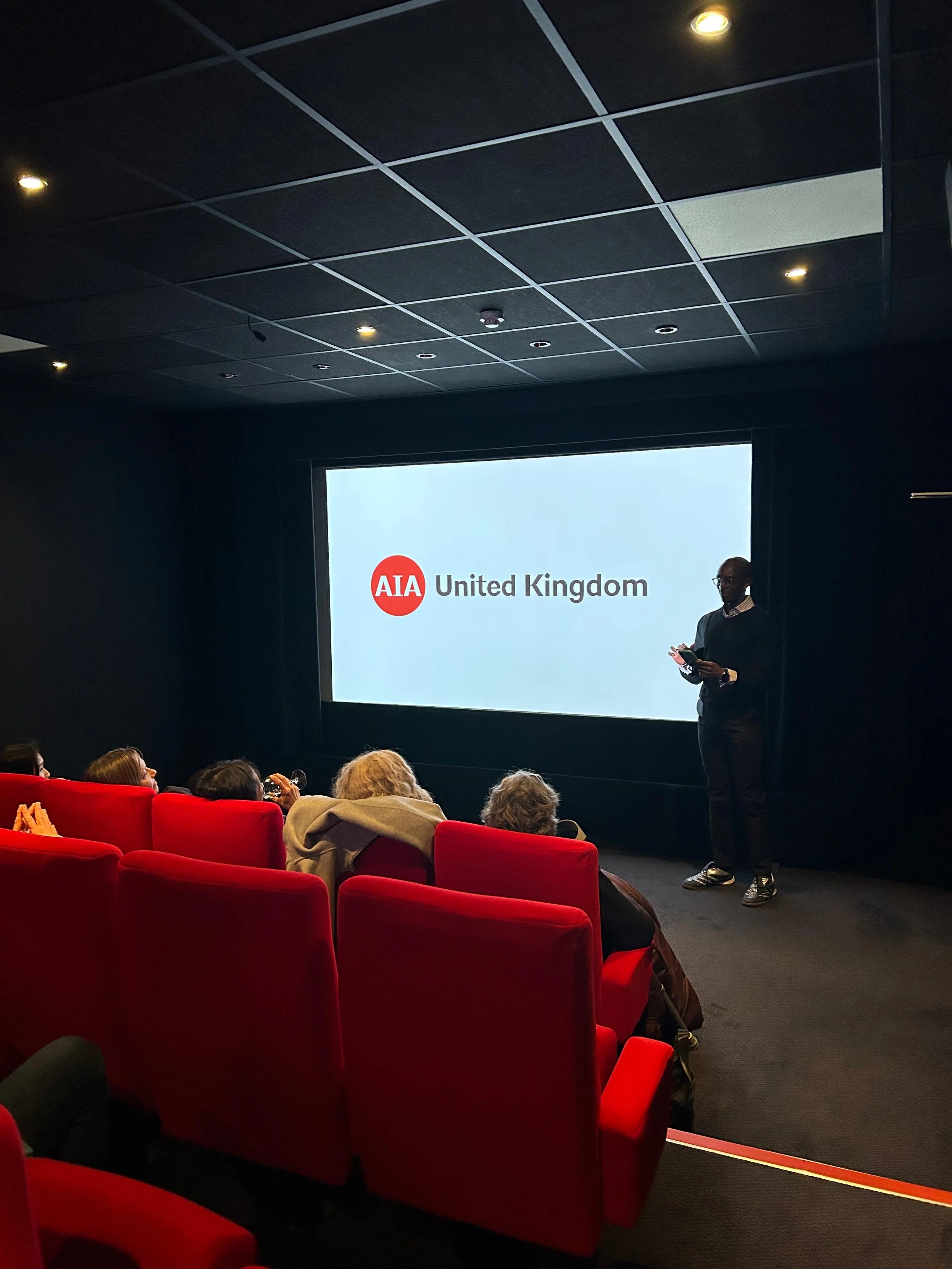
Movie Night - Modernism, Inc. The Eliot Noyes Design Story
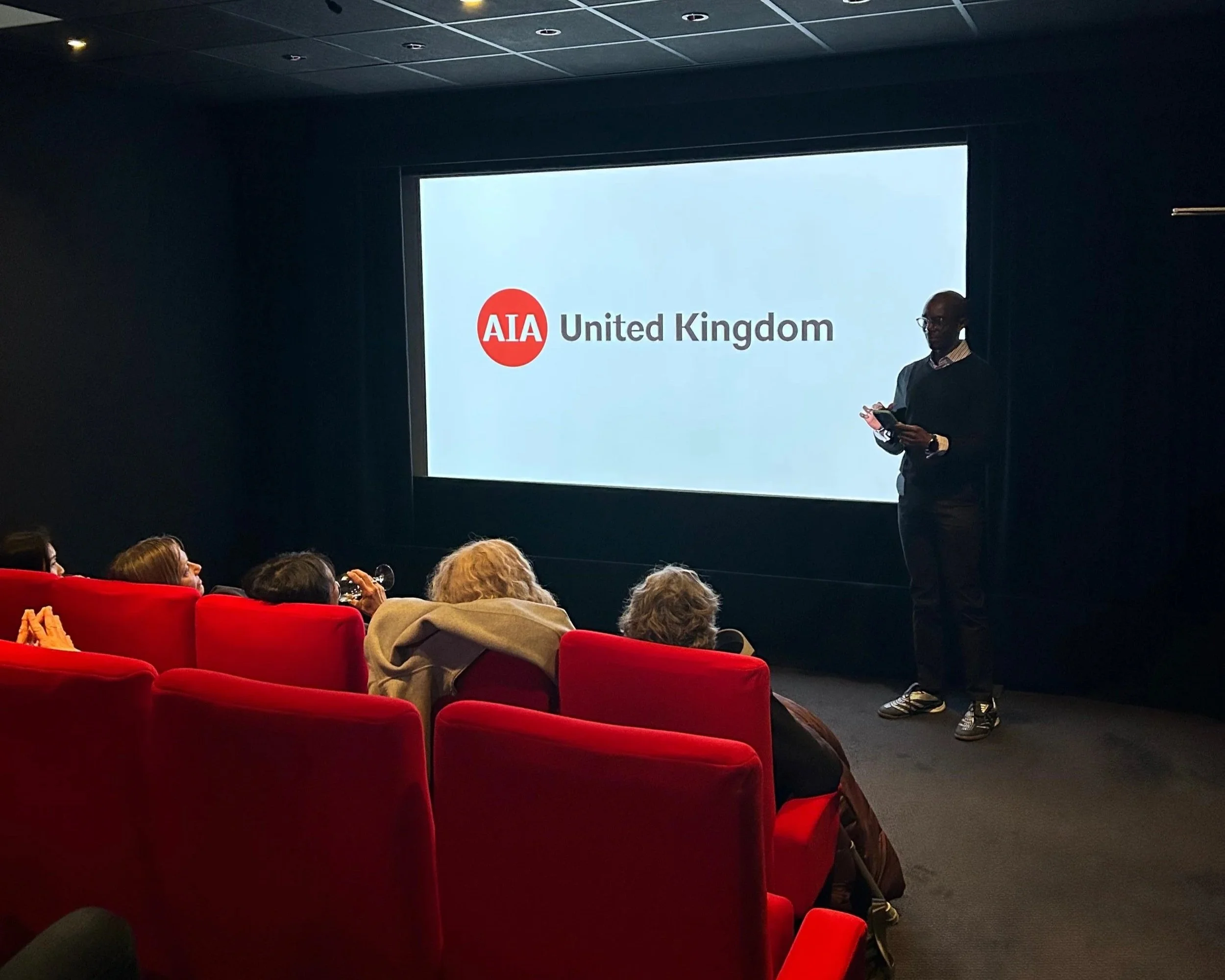
10 March 2026
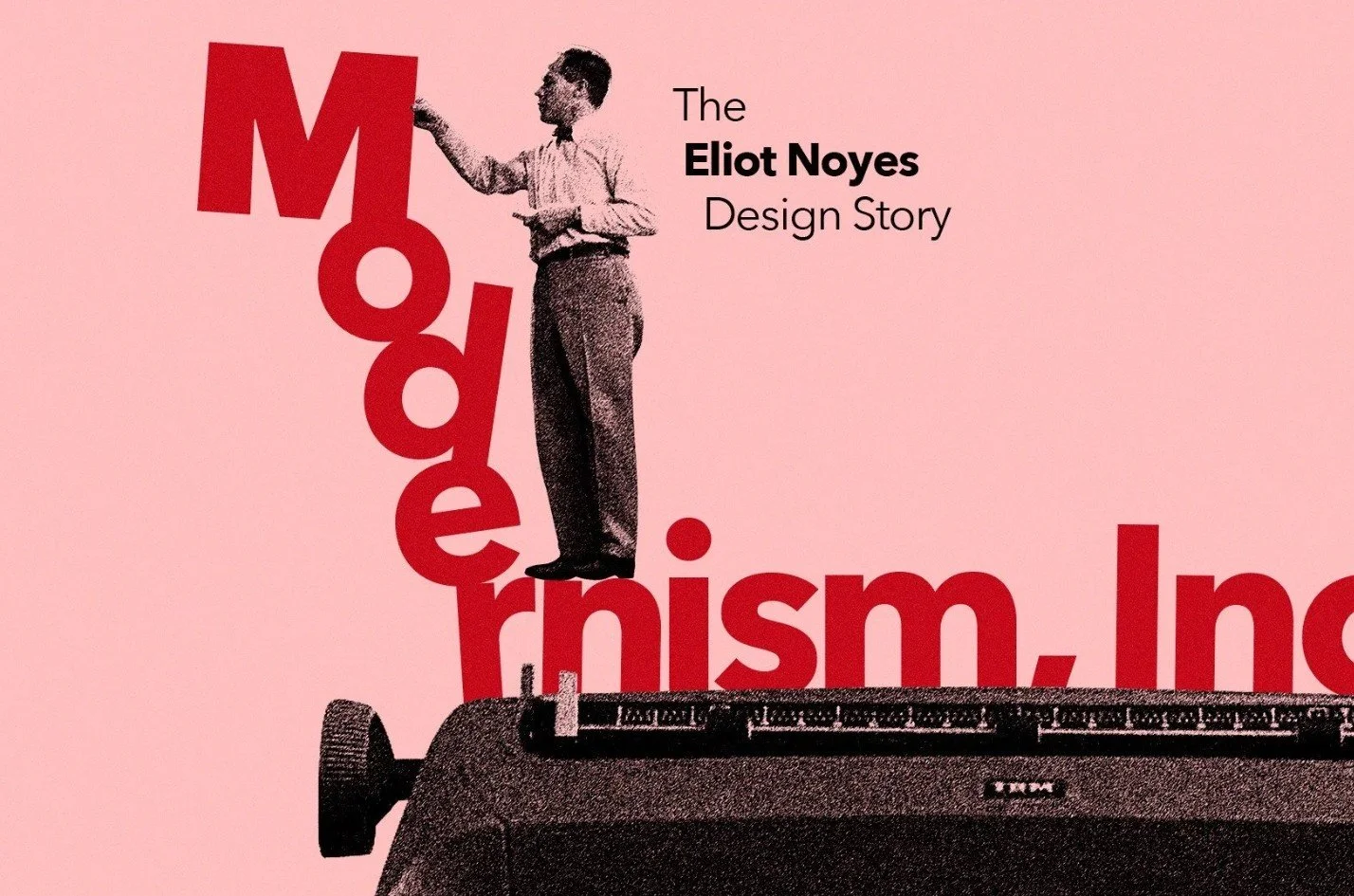
We returned to the BFI for the final screening of our winter season with the documentary Modernism, Inc: The Eliot Noyes Design Story. The film provided a compelling look at the life and work of Eliot Noyes, the mid-century architect and designer who helped shape the design programmes of some of America’s most powerful postwar corporations. The documentary places Noyes’s work within the broader context of the post-war economic expansion in the United States, when corporations increasingly embraced Modernism as a way of expressing innovation, clarity, and progress. Taking inspiration from Noyes’s well-known motto, “good design is good business,” the film traces his early career and his interest in industrial design, a field that was just beginning to transform how everyday objects—from furniture to technology—were conceived and marketed.
The story then moves to Noyes’s remarkable tenure at IBM, where his belief that design should be embedded in every aspect of a company’s thinking proved revolutionary. Rather than treating design as a final layer applied to finished products, Noyes championed a holistic approach that integrated architecture, product design, graphics, and corporate identity. This philosophy helped position IBM as a technological and design leader during the early era of computing and established a model that would later influence companies such as Apple in the development of design-driven products.
Beyond his strategic vision, Noyes possessed a remarkable ability to assemble and guide teams of talented designers. Under his direction, IBM adopted the elemental forms and bold colours that came to define its visual identity, while products such as the iconic Selectric typewriter became enduring symbols of mid-century design. His influence extended beyond technology as well—most notably in the transformation of Mobil petrol stations, which evolved from visually cluttered roadside stops into elegant and recognisable architectural forms characterised by clean lines and simple circular elements.
Through interviews with colleagues, collaborators, and members of his family, the film paints a portrait of a designer whose ideas were truly ahead of their time. Noyes’s work reveals the power of design to shape not only objects and buildings, but also the identity and culture of organisations.
The discussion following the screening was lively and engaging, with members and guests expressing deep admiration for Noyes’s work and ethos. Many attendees reflected on how profoundly his ideas continue to influence contemporary design practice. While the evening marked the end of our winter screenings, several participants admitted they were already looking forward to the next series—and a little saddened that they would have to wait until the autumn for the programme to resume.
Thank you to everyone who joined us throughout the winter season. We look forward to welcoming you back in the Autumn for another series of inspiring architectural films and conversations.
Written by Chris Musangi, AIA
Movie Night - NUVOLA An Open Project for the City
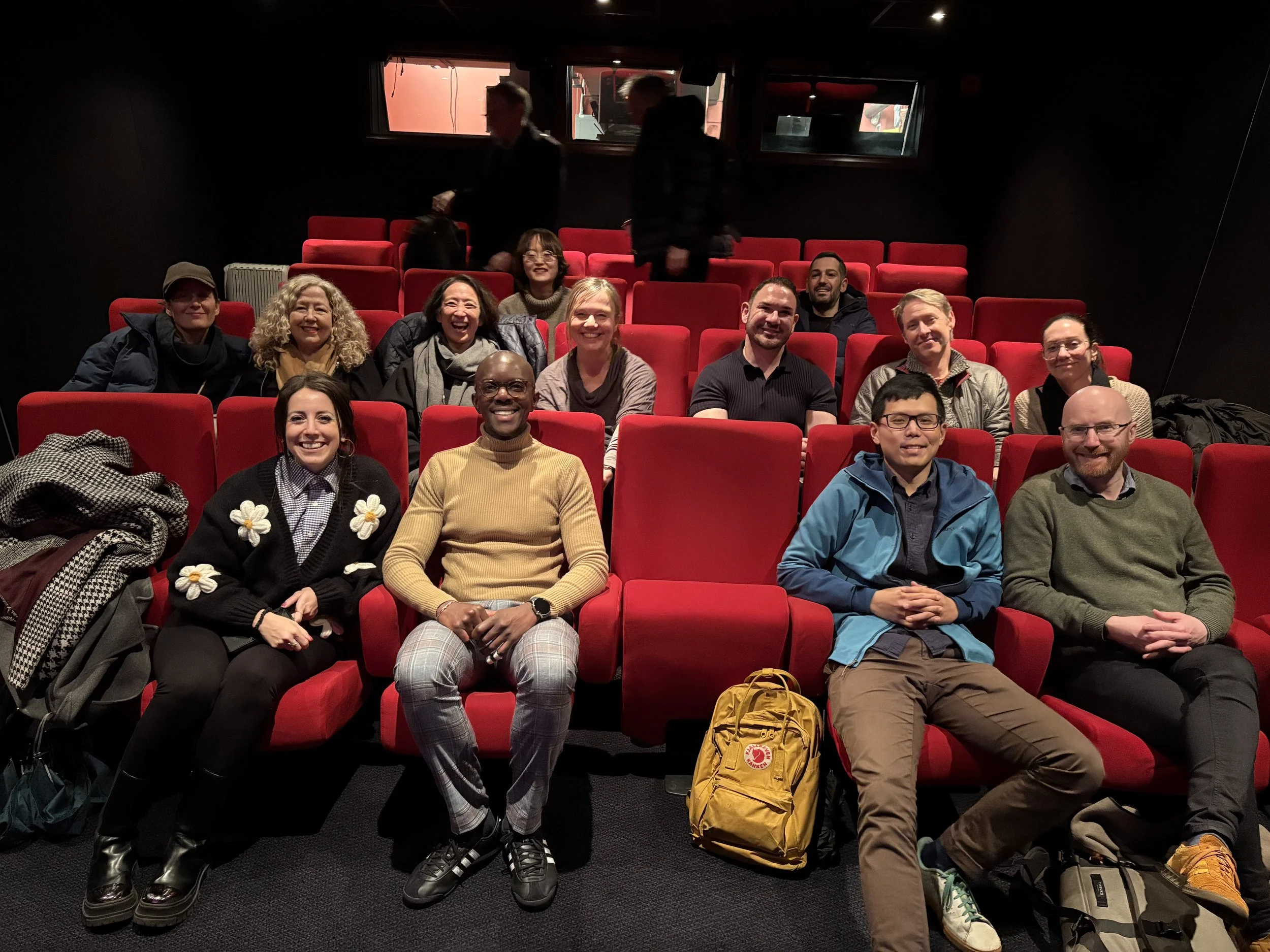
03 February 2026
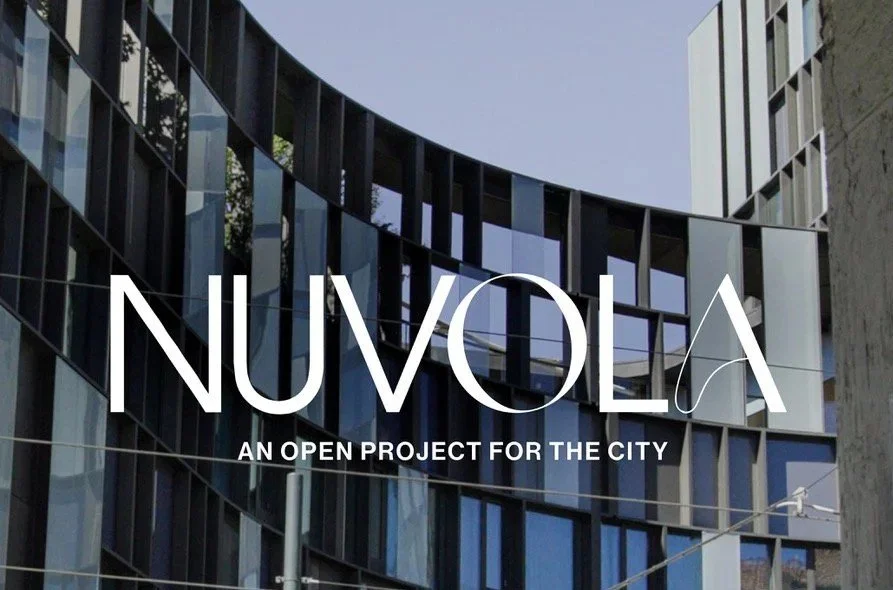
We began this year’s film programme on 3 February with a screening of NUVOLA – An Open Project for the City, a documentary that explores the transformation of the Lavazza Nuvola Headquarters and its role in the regeneration of Turin’s Aurora district. Conceived by Virginio Briatore with creative direction by Francesca Molteni and directed by Luca Caon, the film offers a thoughtful portrait of how architecture can shape the life of a neighbourhood while reflecting the identity of a company deeply rooted in its city.
The documentary traces the story of Lavazza’s headquarters through a series of thematic chapters that reveal the many layers of the project—from archaeological discoveries and museum spaces to its public garden square, restaurants, and the revitalised former power station. Narrated by architect Cino Zucchi, the film explores the project from multiple perspectives, highlighting how the building functions not only as a corporate headquarters but also as a cultural and civic destination for the surrounding community.
One of the most compelling aspects of the film is the way it captures life within the complex through the voices of the many people who interact with it daily: archaeologists uncovering the remains of an early Christian basilica, chefs Ferran Adrià and Federico Zanasi animating the culinary spaces, landscape designer Camilla Zanarotti describing the public garden, and residents and visitors who experience the building as part of the evolving fabric of the city.
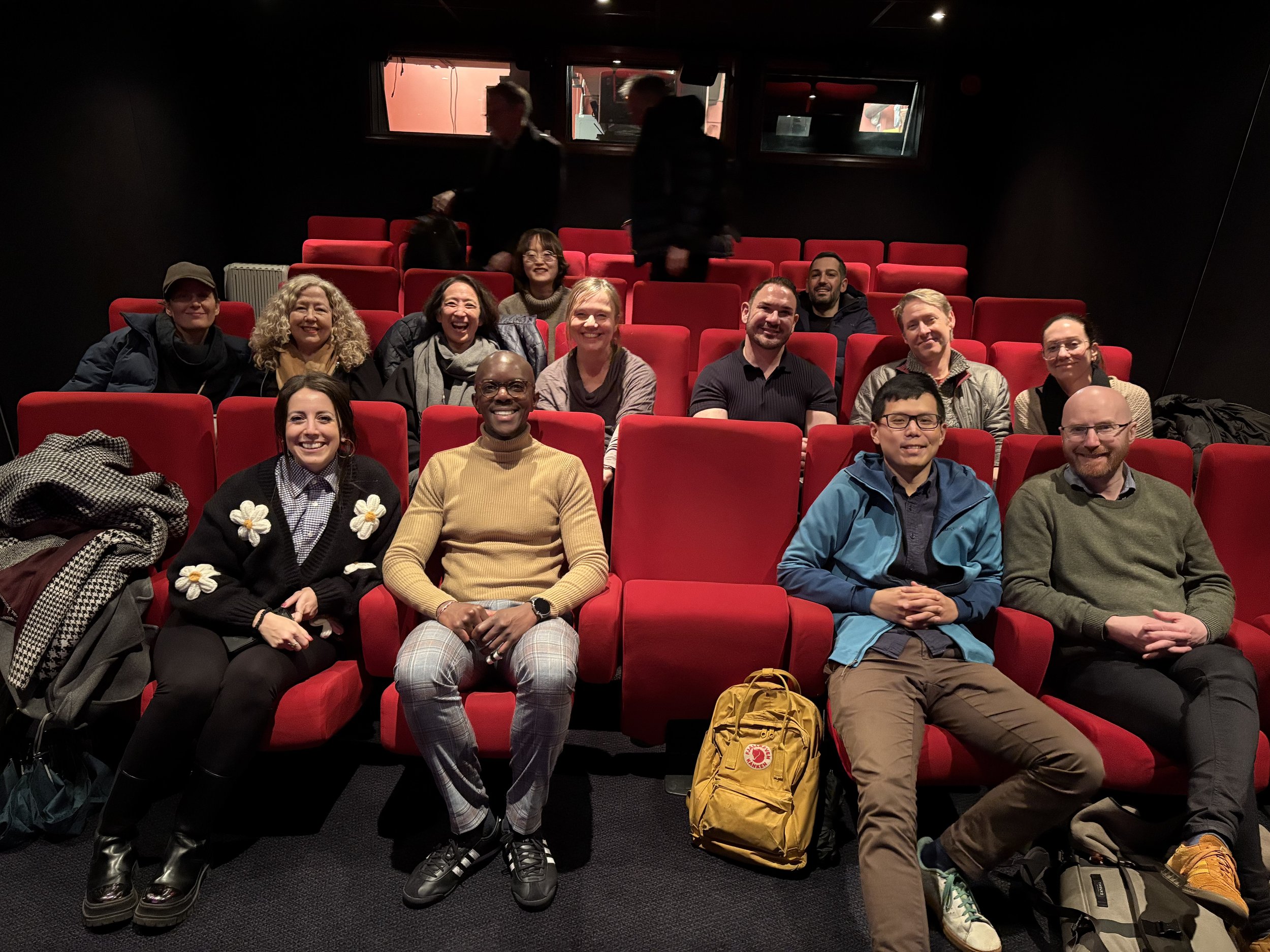
The evening was made even more special by the presence of Gretel Stein, Lavazza Digital Manager, and Emma Dita, Lavazza PR Manager, who joined us for the screening and the lively discussion that followed. Both have worked within the Nuvola complex, and Gretel’s connection to Turin made the discussion particularly meaningful. Hearing first-hand reflections from people who have experienced the building in their daily working lives added a valuable and personal dimension to the conversation.
The discussion following the film was lively and engaging, with attendees reflecting on the role of architecture in shaping urban life and the ways in which projects such as Nuvola can foster new relationships between companies, communities, and cities.
Many thanks to everyone who joined us for this first screening of the year. We look forward to welcoming you back for many more evenings of architectural cinema and discussion in the months ahead.
Written by Chris Musangi, AIA
Movie Night - Radical Landscapes
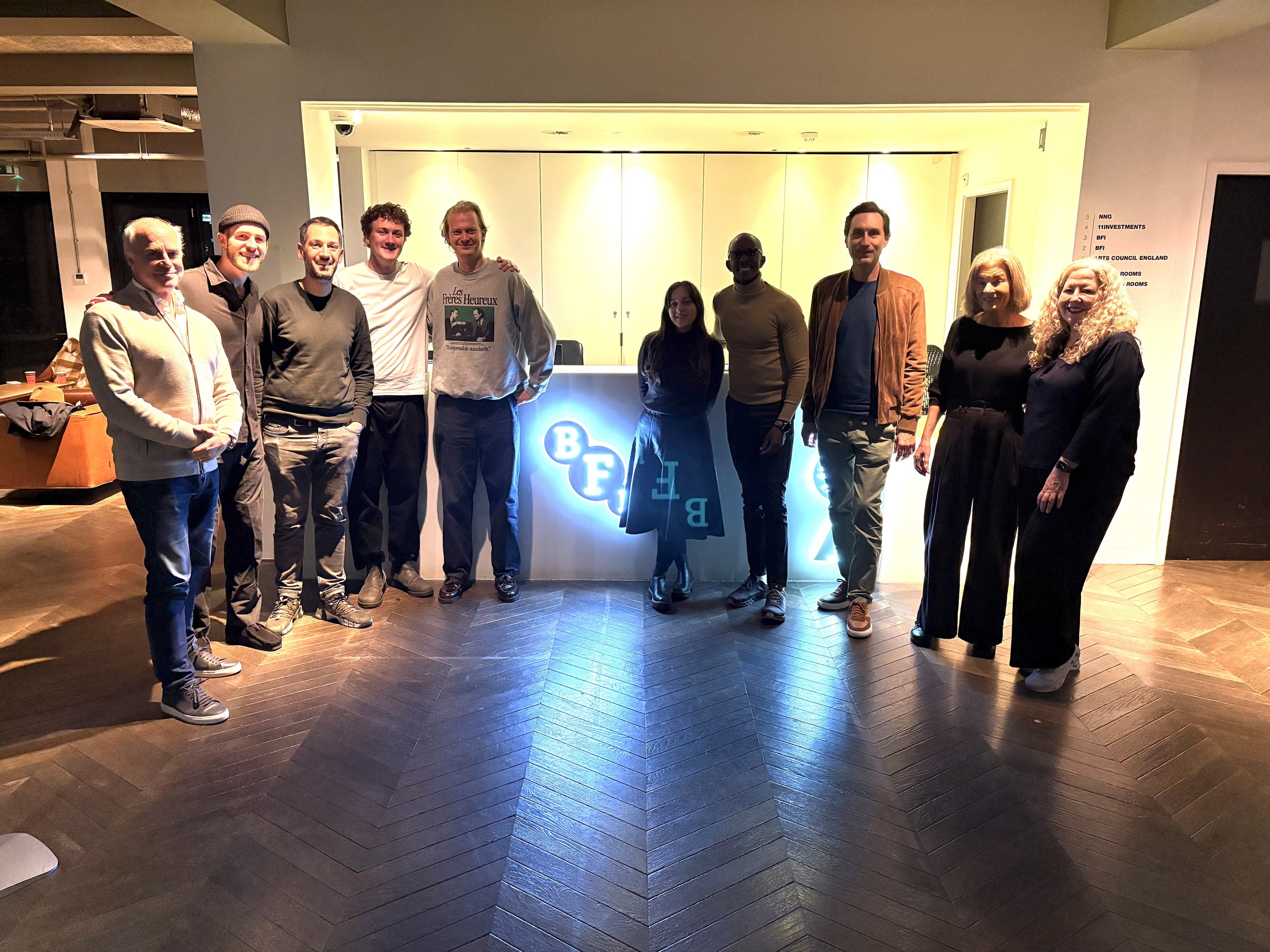
Photo Credit: Chris Musangi, AIA
We returned to the BFI a week later, on 28th October 2025, for the screening of Radical Landscapes — marking our fastest back-to-back film events yet, due to the overlapping schedules of AIA programming and the BFI calendar. The evening drew another full audience eager to explore a vibrant chapter of architectural history told through a personal lens.
The film follows filmmaker Elettra Fiumi as she uncovers the remarkable creative life of her father, Fabrizio Fiumi, a member of the avant-garde collective Gruppo 9999. Upon inheriting his archives, Elettra embarks on a journey through the radical world of 1960s and 1970s Florence — a time when architecture, art, ecology, and counterculture merged into a dazzling tapestry of experimentation and optimism. The collective imagined immersive gardens inside nightclubs, utopian urban systems, and a world where technology and nature coexisted in harmony — visions that still resonate with today’s ecological and societal challenges.
The documentary’s vivid, layered storytelling evokes the spirit of the Radical Architecture movement while bridging it to contemporary concerns about sustainability and digital culture. It was especially interesting to see the connections between Radical Landscapes and Green Over Grey: Emilio Ambasz, which we screened earlier in March. Ambasz, as curator of the 1972 MoMA exhibition Italy: The New Domestic Landscape, played a pivotal role in introducing Gruppo 9999 and their contemporaries to an international audience. That landmark exhibition brought together Italy’s most visionary designers and architects — Ambasz among them — and helped define an era of creative rebellion that continues to inspire generations.
The debate following the screening was lively and continued well into the evening, spilling over into the lobby upstairs long after the cinema doors had closed. Attendees shared reflections, ideas, and enthusiasm, clearly inspired by both the film and the enduring spirit of Radical Architecture.
Many thanks to all who attended our screenings throughout 2025. We look forward to welcoming you back — and to seeing many new faces — as we continue our architectural film series in the year ahead.
Elettra Fiumi, filmmaker of Radical Landscapes, is planning a large exhibition on the '9999' this spring in Milan. Please refer to https://fiumistudios.com for additional upcoming information on this exhibition.
Written by Chris Musangi, AIA
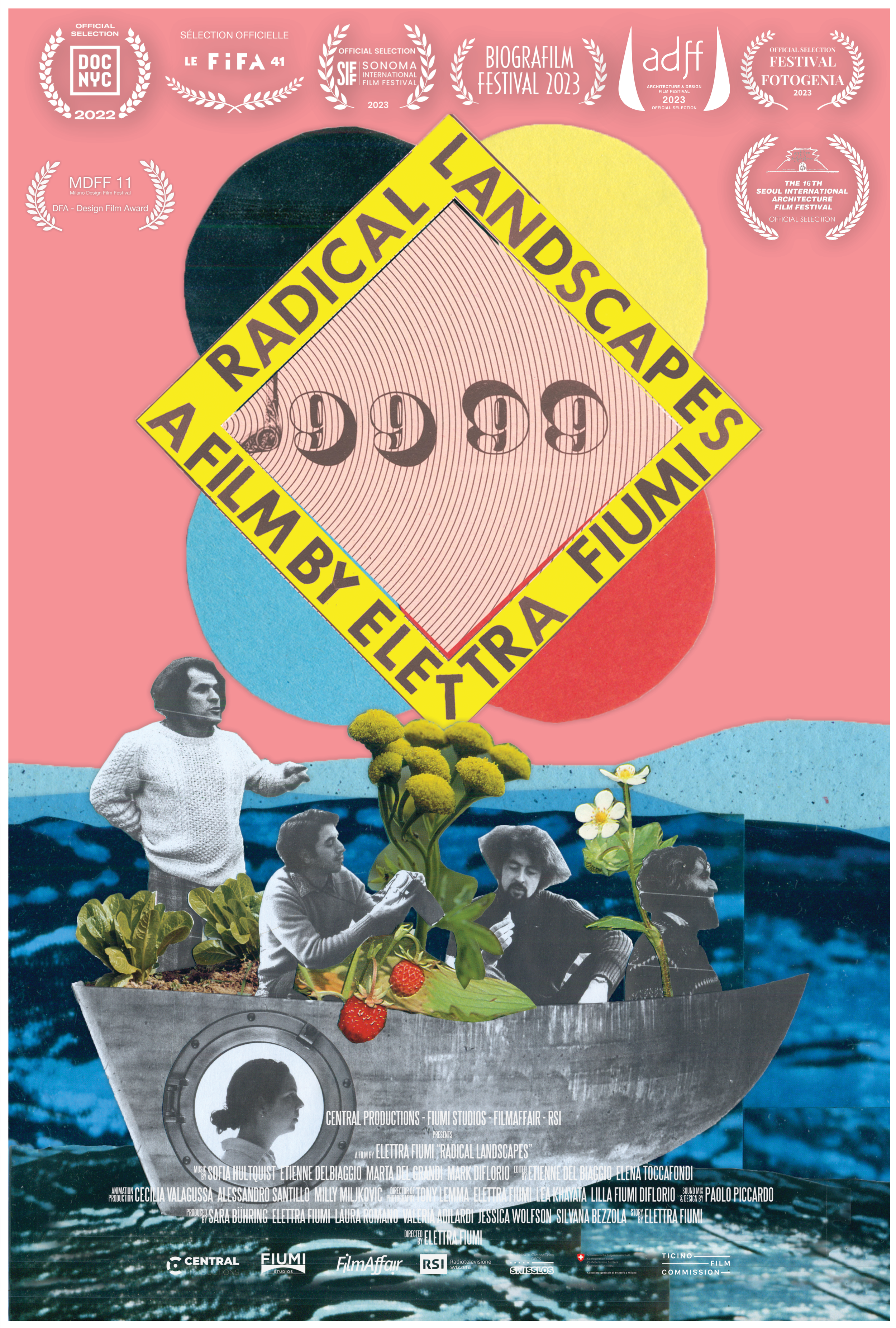
Photo Credits: Chris Musangi, AIA
Movie Night - Aldo Rossi Design
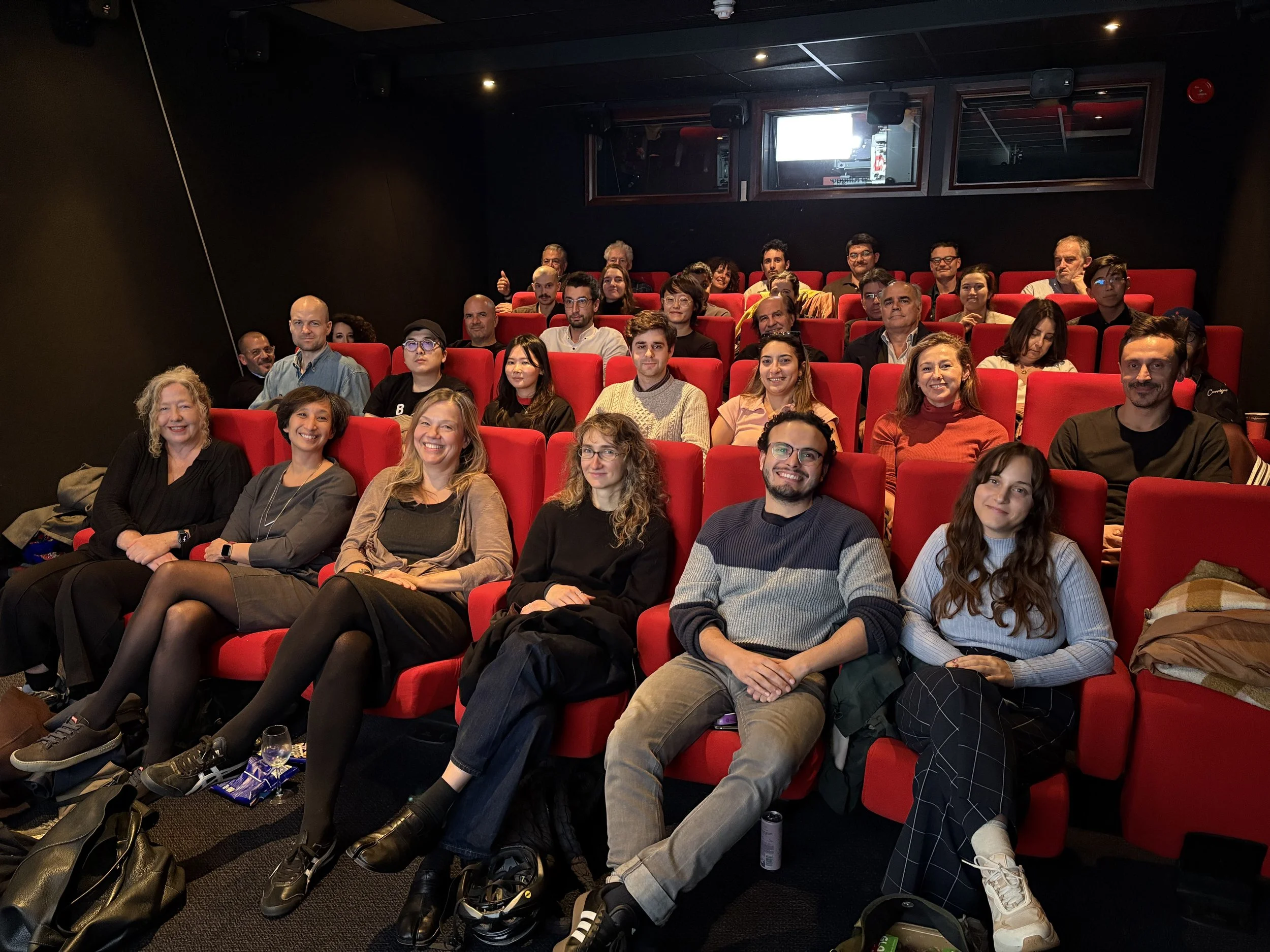
Photo Credit: Chris Musangi, AIA
We started the Autumn movie screenings with a sold-out, full-capacity showing of Aldo Rossi Design on 21st of October 2025. The evening celebrated the life and work of Aldo Rossi — a leading figure of the Neo-Rationalist movement and one of the most influential architectural thinkers of the 20th century. Recognised for his profound contributions to architectural theory, particularly through his seminal book The Architecture of the City, Rossi redefined the way architects understand urban form, memory, and the collective identity of place.
His work, deeply rooted in his native northern Italy, reflects a fascination with the simplicity of geometric form and a poetic connection to history. Projects such as the hauntingly beautiful San Cataldo Cemetery in Modena and the ethereal Teatro del Mondo, a floating theatre constructed for the Venice Biennale, exemplify his ability to merge timeless archetypes with contemporary design sensibilities.
The documentary not only explored Rossi’s designs and their enduring influence but also provided a fascinating look at the relationships he fostered throughout his career. Architect Daniel Libeskind, a frequent interviewee in the film, offered thoughtful reflections on his time working with Rossi. Their relationship was one of mentorship and inspiration — Libeskind has often credited Rossi as a guiding influence on his architectural philosophy and even paid homage to him in later works, such as his miniature “water tower” for Alessi, which reinterprets one of Rossi’s iconic urban artefacts.
Through archival footage, rare design prototypes, and intimate commentary, Aldo Rossi Design offered an absorbing window into the mind of a true modern master. The 40-minute documentary was concise yet impactful — short, succinct, and wonderfully effective in conveying Rossi’s depth of vision. The screening concluded with a lively discussion, with many attendees expressing their wish that the film had been longer.
Thank you to everyone who joined us for this memorable evening and for your continued support of our movie night series.
Written by Chris Musangi, AIA
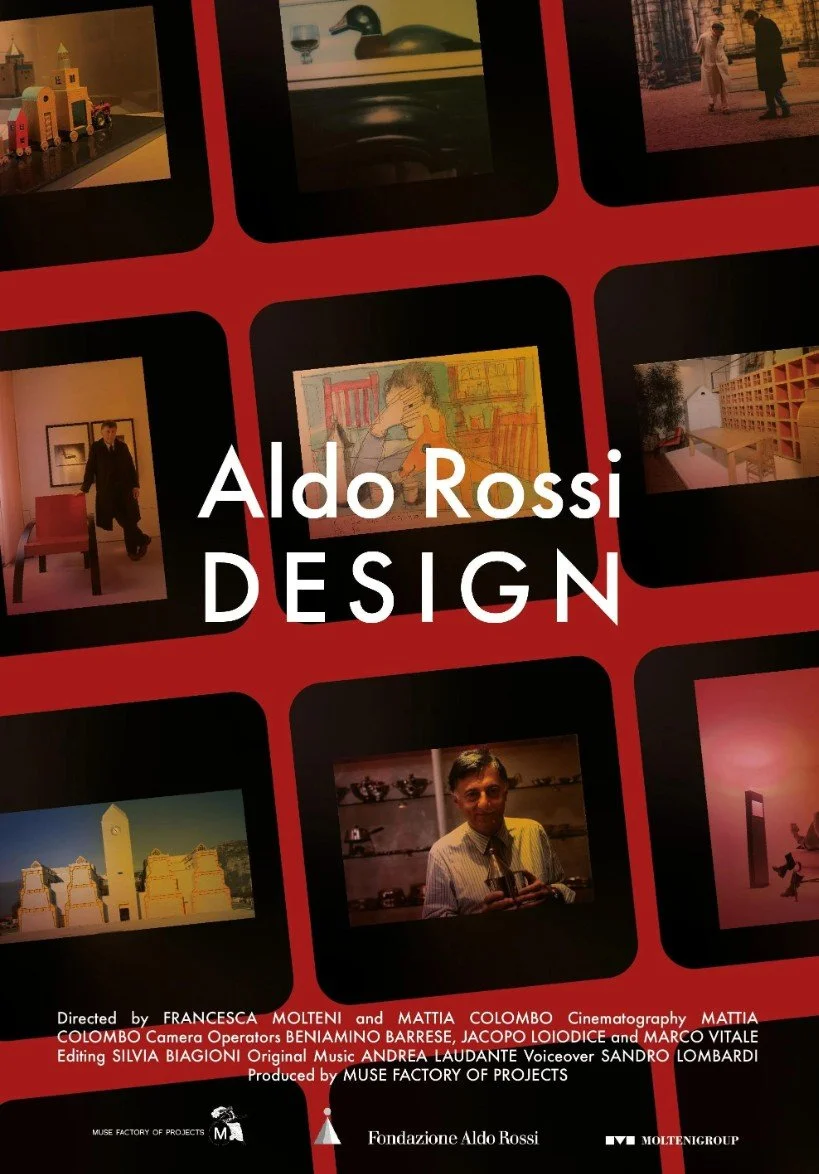
Photo Credits: Chris Musangi, AIA
Movie Night - Green Over Grey: Emilio Ambasz

“Every building is an intrusion into the plant kingdom and is a challenge to nature: we must devise an architecture that stands as the embodiment of a covenant of reconciliation between nature and construction, designing buildings so intrinsically connected to the surrounding environment that they cannot be separated from each other.”
— Emilio Ambasz
This powerful statement by Emilio Ambasz sets the tone for a vital and timely conversation—one that interrogates not just how we build, but why we build, and what values are embedded in our built environments. Ambasz’s words remind us that architecture is never a neutral act; it is an intervention that carries a responsibility to nature. His philosophy calls for more than sustainable design—it demands a deep, emotional, and structural integration between human-made forms and the natural world.
We concluded our Winter movie series with a sold-out screening of Green Over Grey: Emilio Ambasz at the BFI Screening Rooms. While sustainability and green architecture are often seen as contemporary movements, this documentary urges us to reconsider that narrative. What if we had embraced green architecture as early as Ambasz proposed? How different might our cities, our climate, and our daily lives be today?
Emilio Ambasz, born in Argentina in 1943, is an architect and industrial designer who also served as a curator and has authored several books on architecture and design. Though influential across numerous disciplines, Ambasz is increasingly recognised today as a visionary advocate for green architecture and an ecological approach to the built environment. For more than four decades, he has called for a reimagining of the relationship between human structures and the natural world, envisioning a future where nature is not an afterthought, but the very foundation of design.
Green Over Grey takes a broad look at green architecture by focusing on four of Ambasz’s seminal buildings—one from each decade between the 1970s and 2000s: the Casa de Retiro Espiritual (1975), the Lucille Halsell Conservatory at San Antonio Botanical Garden (1982), the ACROS Building (1990), and the Ospedale dell’Angelo (2008). These projects serve as both historical milestones and living case studies, underscoring Ambasz’s enduring commitment to a vision of architecture that is inseparable from the natural landscape.
Featuring exclusive interviews with renowned architects such as Tadao Ando and Kengo Kuma, Green Over Grey explores the emotional and transformative power of architecture—demonstrating how buildings can not only fulfil functional needs, but also uplift, heal, and harmonise with the planet.
The film leaves us with a powerful challenge: to build not just efficiently, but meaningfully—to create spaces that are as alive as the ecosystems they inhabit.
Thank you to all who attended both sold-out Winter movie screenings. We look forward to welcoming you—and other members—back to our Autumn movie screenings in September.
Written by Chris Musangi, AIA
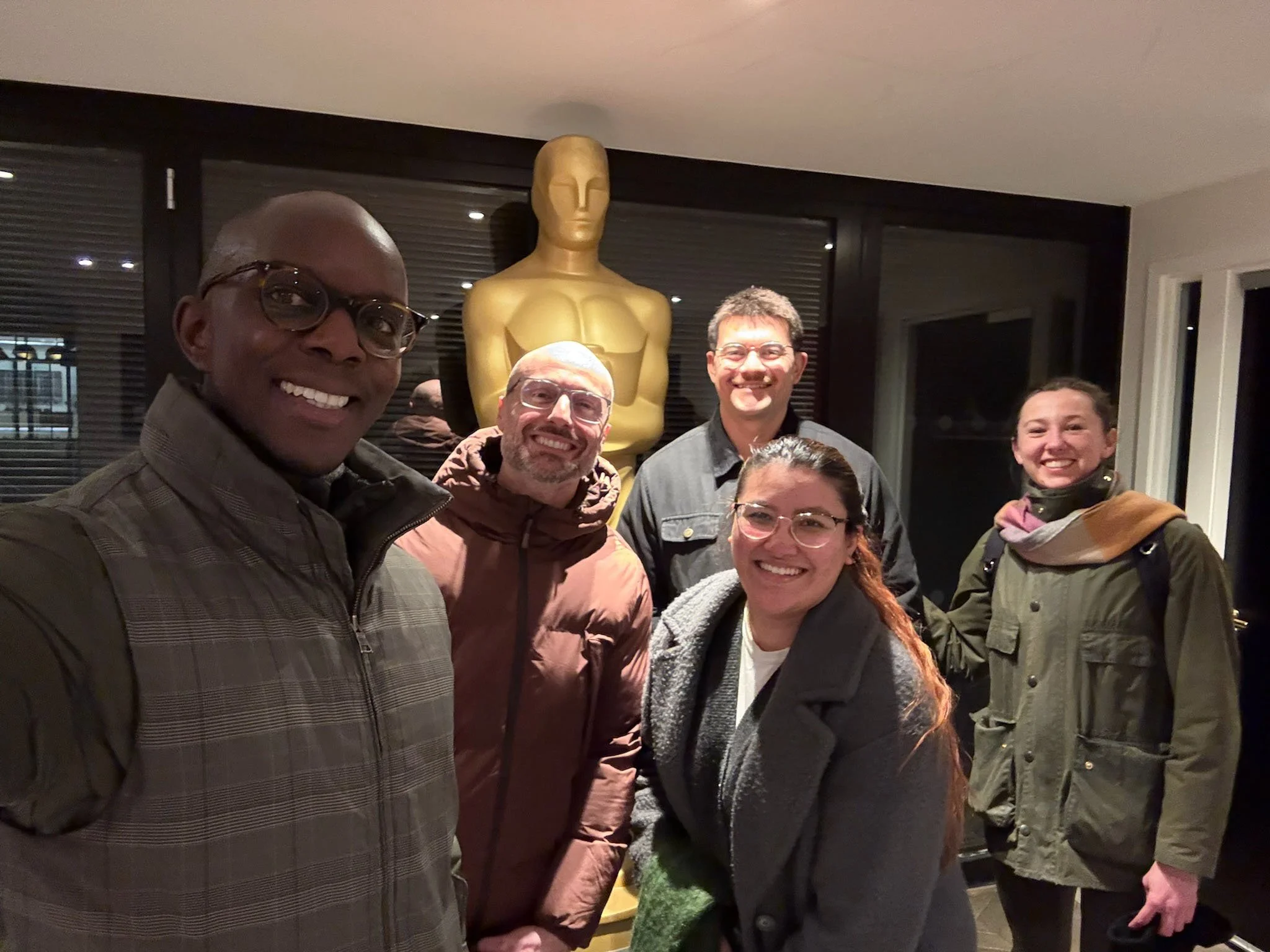
Photo Credits: Chris Musangi, AIA
Movie Night - New England Modernism
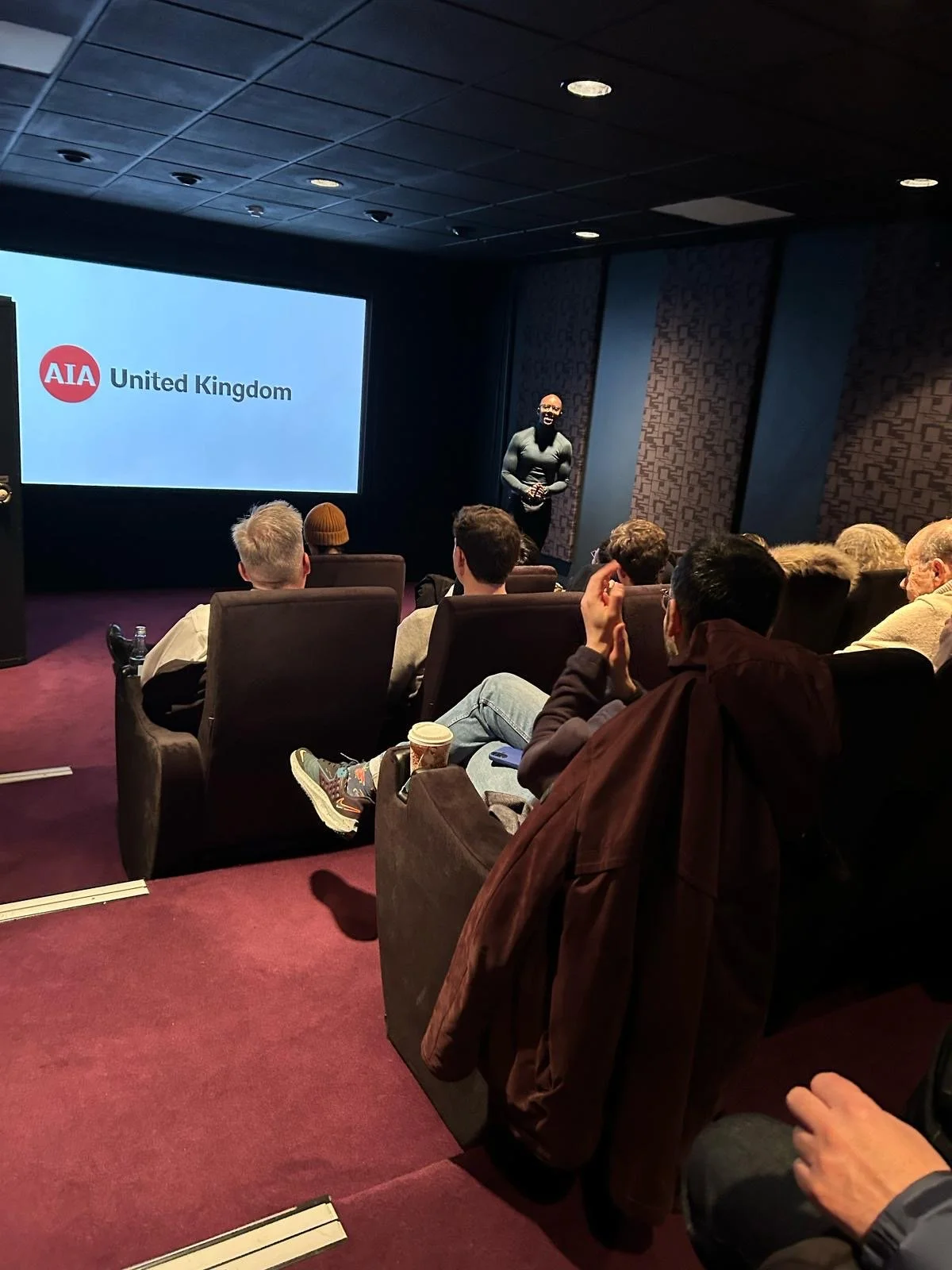
Chris Musangi introduces New England Modernism. Photo by Lana Kustrak.
The grey and dark London winter days call for a visit to the cinema, and those who joined us for our first screening of 2025 definitely had some warmth added to the cold February days. We kicked off this year with a sold-out screening of ‘New England Modernism,’ a compelling documentary that traces the evolution of Modernist architecture in the American Northeast.
The film masterfully chronicles how the United States experienced a dramatic transformation in architectural design between the 1930s and 1970s. Through carefully curated archival footage and stunning contemporary photography, we witness how European Modernism took root in New England soil, beginning with pioneering works like William Lescaze's Field House in New Hartford, Connecticut, and Albert Frey's Ralph- Barbarin House in Stamford.
The documentary's narrative heart centers on the remarkable concentration of talent that emerged in New Canaan, Connecticut during the 1940s. Here, the legendary "Harvard Five" - Marcel Breuer, Landis Gores, John Johansen, Philip Johnson, and Eliot Noyes - established what would become a crucible of Modernist innovation. Their presence attracted other visionary architects including Victor Christ-Janer, Andrew Geller, and Edward Durell Stone, whose collective work would reshape the architectural landscape of New England and beyond.
What makes this film particularly poignant is its exploration of preservation versus progress. While celebrating these revolutionary designs that still inspire architects worldwide, it also confronts the ongoing challenges these architectural treasures face from redevelopment pressures. The documentary serves as both a celebration of this remarkable period and a call to protect its legacy.
The film was well received and the debate that followed was engaging. Some sentiments were that it would be important for the public to see this documentary, a coffee table book of all the featured buildings and their architects would be nice, and it was interesting to see modernist buildings from the context of high-end residences, as opposed to social housing as is common in the UK.
One of the questions asked during the discussion was about the length, which was longer than our usual screenings, and if this documentary was a series. As a follow up, Director Jake Gorst responded:
“Regarding the length, this film was originally going to be a miniseries, but due to a 2-year COVID production shutdown and discussions with the executive producer it was decided that we would make it one solid feature-length documentary. It is lengthy, but we have been marketing it as a “deep dive” into the history of modernism in New England. Believe it or not, we’ve had people complaining about things we left out!
I had actually trimmed about a half hour out of the original cut to get the film to the length it is now. And I’m taking those deleted sequences and incorporating them into a short film called ‘Curating Modernism’ about various forms of preservation, which we will release later this year.“
Special thanks to Jake Gorst of Mainspring Narrative Films for making this film available to the AIA UK before its London Premiere in June this year. (Watch out for news about Curating Modernism on Mainspring Narrative’s website HERE.) Many thanks for your continued support of our movie night series, and we look forward to having you join us for our next screening: ‘Green Over Grey,’ on Tuesday 18 March.
Written by Chris Musangi, AIA
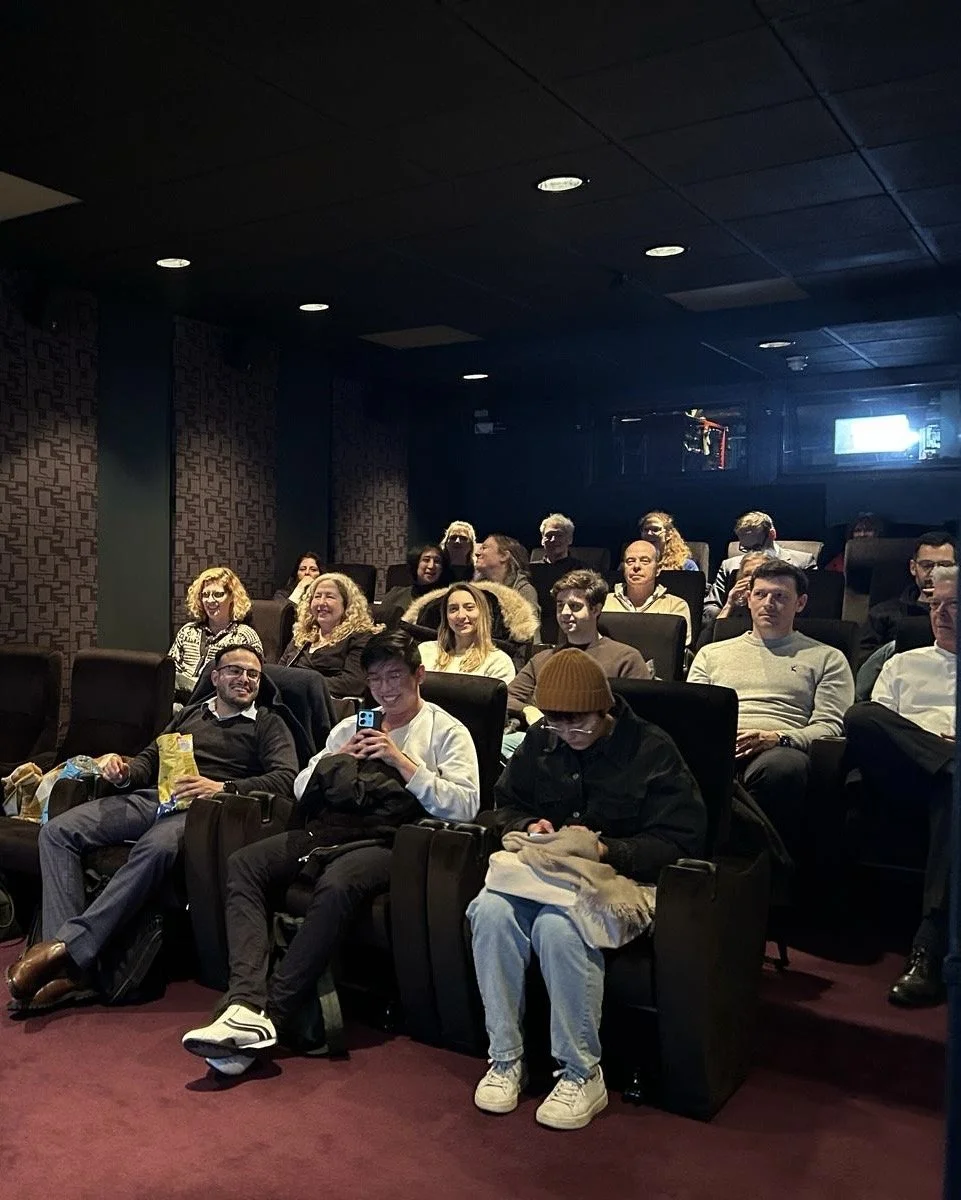
Photo by Lana Kustrak.