

Remembering Roger Kallman
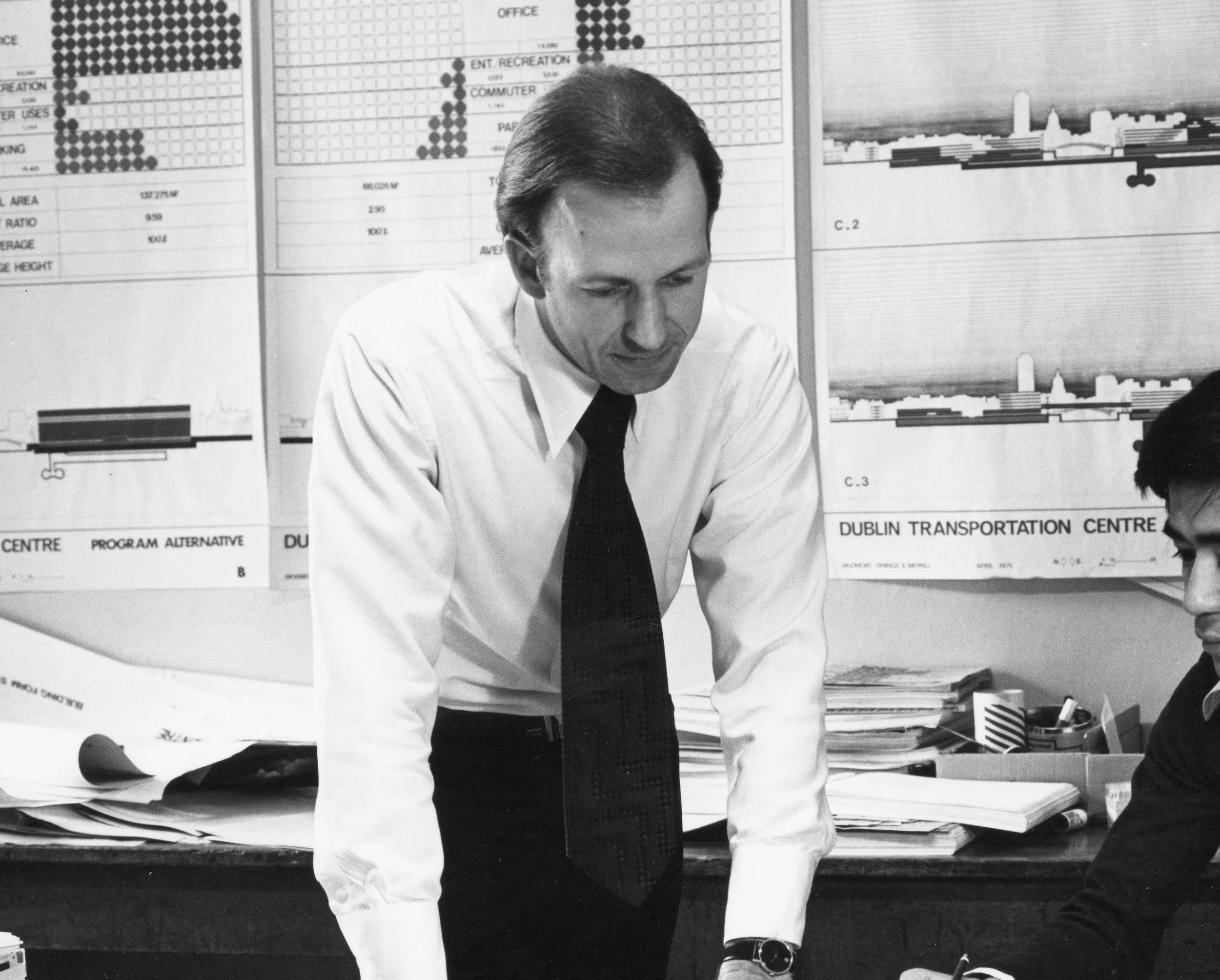
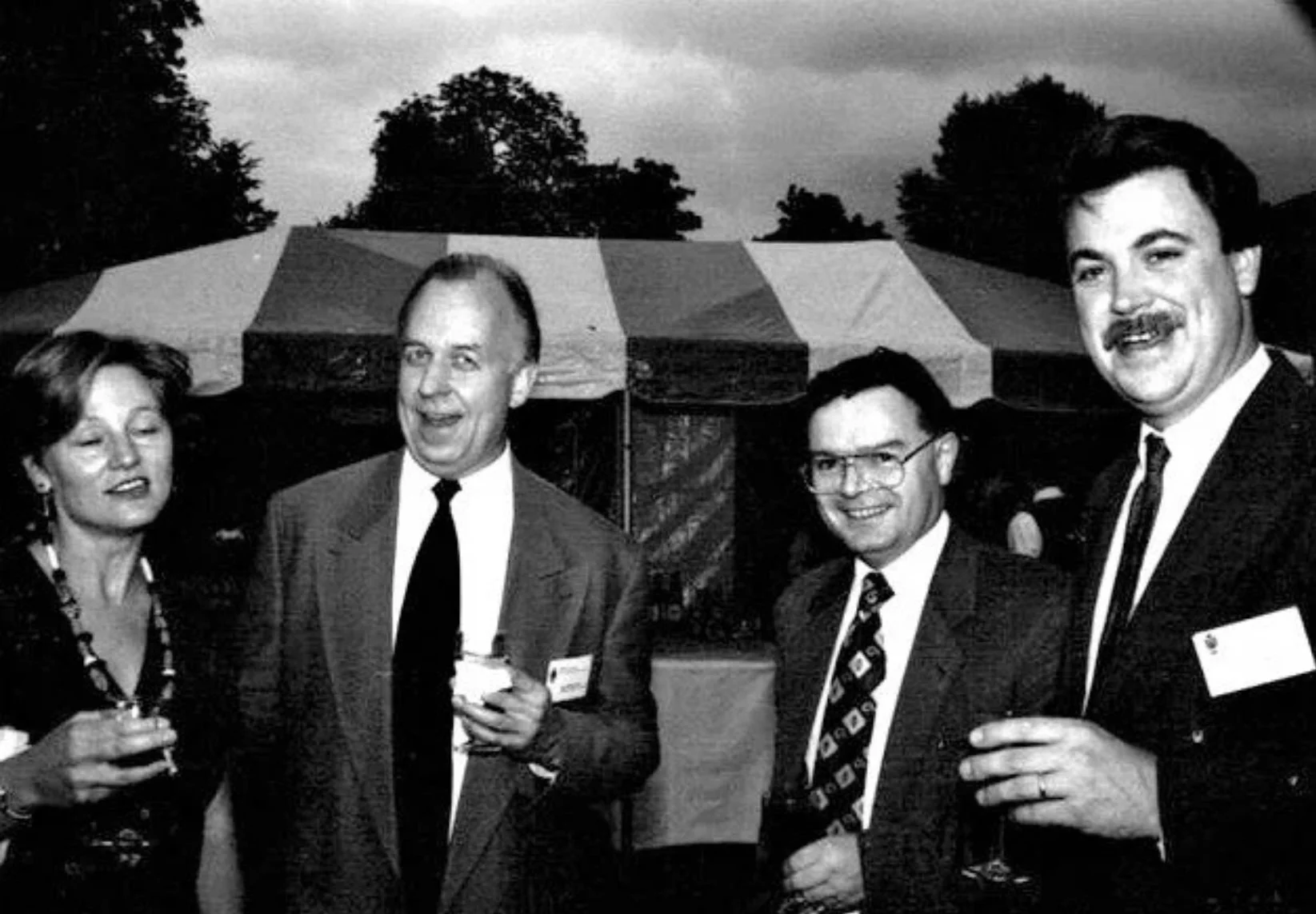
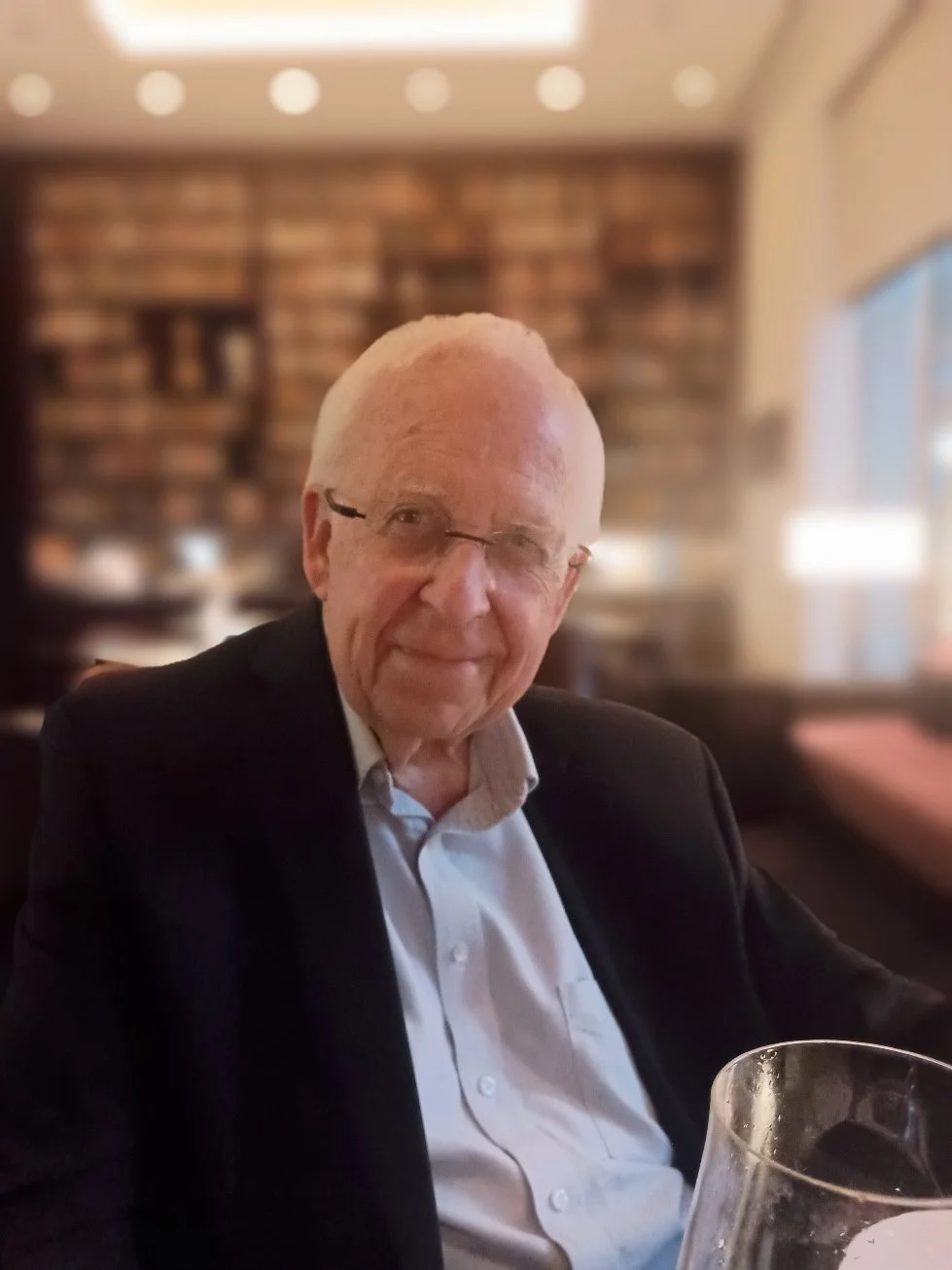
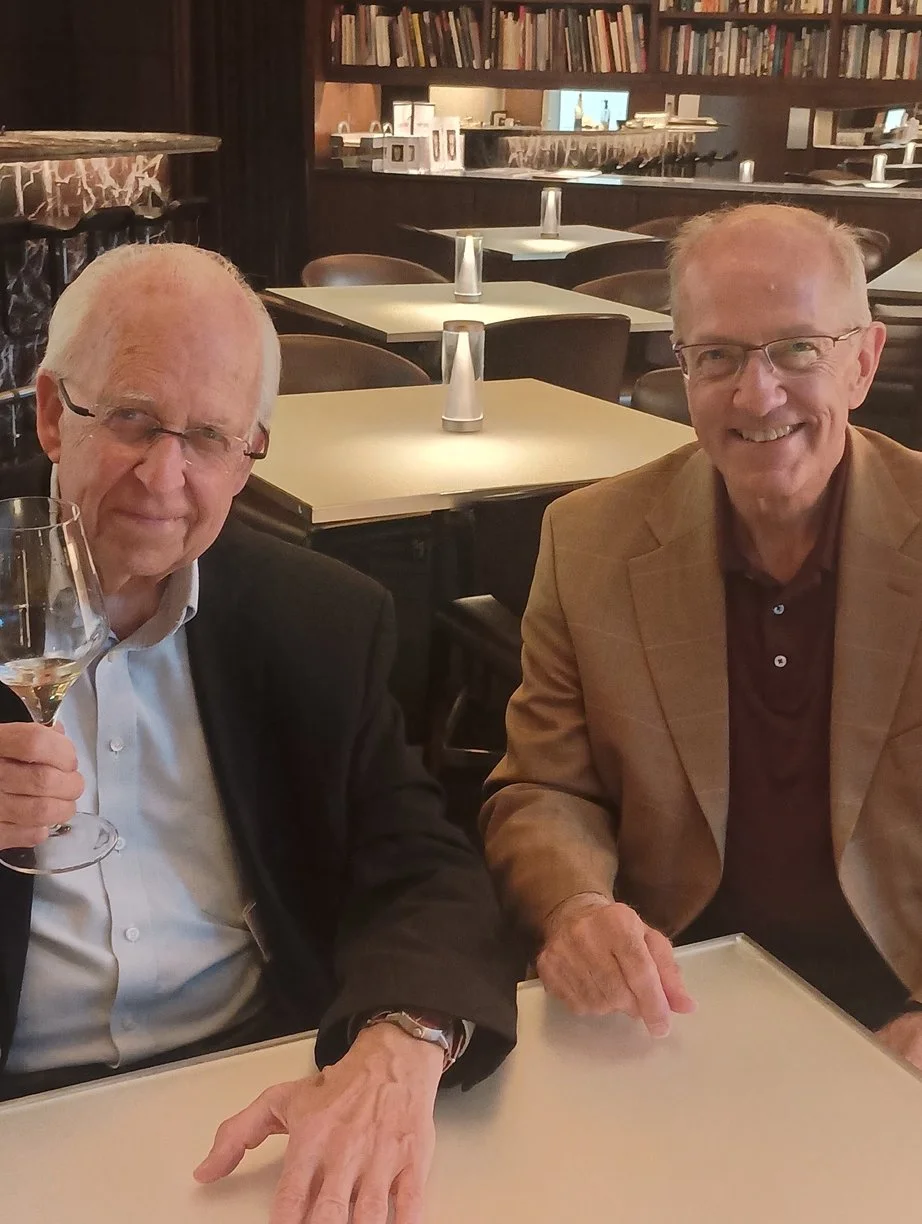
AIA UK is deeply saddened by the passing of Roger Kallman, former Partner at Skidmore, Owings & Merrill (SOM) and an important figure in the Chapter’s early history.
Roger was among the key individuals involved in forming the steering committee that established AIA UK in the 1990s. Although he never formally served on the Chapter’s Board, his contributions helped lay the foundations for its development and growth.
As the first international chapter of the American Institute of Architects, AIA UK represented a significant milestone in the Institute’s expansion beyond the United States. Roger’s involvement in its establishment forms part of this important chapter in the AIA’s history and reflects his broader commitment to fostering connections within the international architectural community.
His contributions to AIA UK are remembered in our archives, including the article Blast from the Past: What's in a Picture?.
We are grateful for Roger’s role in shaping the Chapter’s beginnings and extend our heartfelt condolences to his family, friends, and colleagues.
Below, we share tributes to Roger, celebrating his life, career, and lasting legacy.
[Roger Kallman] certainly was the éminence grise that gave our efforts to establish a chapter the authority and respect we needed.
Justine Kingham, AIA
AIA UK’s first female President
When I was a newly minted member of AIA UK I was given the job of arranging student charrettes. There was no one to talk to about how to do it, no materials and only a month or two to arrange the first one which was held on a construction site without heating and only two or three functioning light bulbs. I think six people came.
I had met Roger at a dinner with friends a couple of weeks before and asked him to be a juror. He bowed out, giving travel to Malaysia as an excuse. The following year I had helpers and we prepped a bit more, sending out handmade posters to universities across the U.K. More than 50 students signed up. This time we held the charrette at London City Hall, and I asked both Ken Livingstone and Roger to be jurors hoping each of them would want to meet the other. Not so.
But Roger felt a bit sheepish about turning it down twice and he said, “I’ll send lunch. How many people are coming?” I said, maybe 55. “Better double that”, said Roger, “I’ll have my bakery send something round.” What arrived that Saturday was a huge pile of finger sandwiches, fruit and cakes from Fortnum and Mason’s.
Bea Sennewald, FAIA
Past president of the AIA UK chapter
I first met Roger in 1980, just a few months after I joined the SOM/Chicago Planning Studio. He was making a rare appearance in the office on a break from one of his far-flung foreign postings. The studio assembled to hear Roger speak about his projects but he actually spent most of the session sharing a slide show of personal photos he took on a recent holiday to Inner Mongolia. Where? I thought; who goes there for a holiday? He made quite an impression on me.
By the mid-80’s I was working on the initial master plan for Canary Wharf, and initial studies for the redevelopment of the Kings Cross railyards. A permanent office in London was established in 1986 and staff were being recruited from Chicago and other offices to move to London. In late summer 1987 I was asked to relocate to London to support Roger, and to lead and grow a nascent planning and landscape group. That request would become for me – and perhaps the same for others who had been selected – the most important moment in my career.
Soon I was working with Roger directly, and joining a wonderful group of expats assembled from the Chicago, New York, San Francisco and Washington offices, and local British architects and engineers who joined the quickly-growing office. London in the 80’s and early 90’s was exciting and fast-moving.
As others have noted, Roger became embedded into the architectural community, and with his near-encyclopaedic knowledge of all things SOM became something of an ambassador for the firm. It was a role he relished. He was a great people-person and was generally interested in everyone he met.
Under Roger’s direction our London team undertook planning and urban design projects across the UK, Ireland, France and Germany, and supported the architectural group with technical planning and landscape design services. Roger gave me great responsibilities and allowed me to grow both in design skills and confidence. He was a wonderful mentor and set a standard for professionalism which I took with me to a new role in 2004 at Halcrow Engineering. That was a wholly different environment to SOM but Roger equipped me very well for new challenges.
Roger and I remained good friends after I left the office, and then subsequently returned to the States in 2015. We regularly exchanged emails and had dinner when I visited London on holidays. We met most recently in London this past May. We had a nice meal and spent the evening reminiscing about our projects, past colleagues and clients, and – of course – our respective travel adventures. He was an unforgettable character, and now that he’s gone, I feel even more privileged to have known him for over 45 years.
Robert Schmidt, AIA
Founding member and past president of the AIA UK chapter
Long after his retirement, Roger Kallman’s warmth, generosity of spirit and collegiality continued to resonate among those who had worked alongside him at SOM in London. Even a decade later, ‘How’s Roger doing?’ remained a familiar question among the architects and planners whose paths had crossed with his. It was a measure of the lasting impression he had made on so many: a charismatic world traveller, a passionate advocate of a more humanistic approach to architecture and planning, and a brilliant storyteller whose presence could light up any room.
An urban planner and bon vivant, Roger was a dynamic figure who embraced life with an adventurous spirit. He was curious about the world, always guided by a genuine interest in people and an ability to form authentic connections. A witty and urbane conversationalist, he could speak confidently and effortlessly with anyone, it seemed, on any subject. He was a born raconteur, but also a deeply empathic listener; one of his greatest qualities was that he could put people at ease. These skills, which came so naturally to Roger, were the key to his success as a planner who pursued an intensely international career, spearheading some of SOM’s first projects in countries such as Malaysia and Kuwait. Significantly, he helped to establish our thriving London office, which celebrated our 40th anniversary this year.
Born in 1944 in Milwaukee, Wisconsin, Roger studied architecture as an undergraduate and then earned two successive masters’ degrees, in architecture and city planning. At SOM’s Chicago office, he found an ideal place to pursue his intellectual passion for design, together with opportunities to broaden his experience of the world. From early work on planning projects around the United States, Roger found a pivotal opportunity in 1975 to work on a major study for multimodal transportation terminals in Dublin. Eager to travel, Roger jumped at the chance to relocate to Dublin, where he served as the local project representative. The relationships that Roger formed there positioned him to take on his next project, a land use and transportation plan for the city of Cork, where Roger lived for two years. His work there established a framework for future growth in the southwest of Ireland, and it also set the course for his career as a roving urban planner. Roger was the person who always had a suitcase packed, ready to go anywhere that SOM needed him to be.
More international projects followed—a university campus plan on the island of Borneo; a bayfront district plan in Kuwait City—and with them, the chance to travel, study, and learn from cultures different from his own. Then came a more permanent move, in 1986: Roger was one of the first SOM staff to relocate to London, helping to establish the firm’s presence in the UK capital. Two simultaneous, large-scale planning projects—Broadgate and Canary Wharf—allowed SOM to scale up what began as a small site office into a bona fide European headquarters. The firm’s experience in fast-track construction projects in the United States was highly sought after, and SOM’s growth in London also provided an ideal environment for Roger’s career to flourish. Within three years, he became a Partner.
In London, Roger played a major role in developing SOM’s international profile as a design firm that merged architectural and planning expertise. For more than three decades, he led planning projects throughout the UK and Ireland—including a major mixed-use development in Doncaster and a corporate campus expansion for Hewlett-Packard in Bristol. Roger remained involved in Cork throughout his career, returning there in 1992 to guide an update of the 1976 plan. The Planning Institution of Ireland recognised his contributions to the area by electing him an Honorary Life Member in 1996.
Roger’s zeal for travel never abated; even in the last year of his life, he made journeys to Brazil and Peru. He had a great passion for gastronomy—he could tell you the best restaurant in any city, and knew exactly which wine to order. His connoisseurship was so complete that top chefs would mistake him for a Michelin Guide Inspector.
He drew upon a lifetime of international travel to share vivid, unforgettable experiences. One particularly memorable account detailed a landing in Iraq during the war, where the runway lights were switched on for a fleeting moment to guide his plane to safety. For all his worldly, cosmopolitan experience, Roger never lost his guileless enthusiasm or unmistakable Midwestern charm.
His interest in food, people, places, and culture stemmed from the same curiosity that allowed him to succeed as an accomplished planner. A humanist at heart, he demonstrated the value of forming authentic relationships. We can all learn from his example of a life well lived. Roger was a true original, a tremendous asset to SOM, and will be greatly missed.
Kent Jackson, AIA, RIBA
Partner, SOM (Skidmore, Owings & Merrill)
"Let's have lunch at the Arts Club on Dover Street" was Roger's response to my suggestion we meet to discuss the details of taking a new AIA Chapter forward; the First International Chapter. We did meet at his Club for that lunch, one of several, which were useful discussions, and with Roger, always entertaining
The work and advice, the organizing, the connections made by Roger and also the irrepressible Judy Nyquist, were fundamental and indispensable to the formation of the AIA UK Chapter. They managed to reach out to UK Members, Associates, friends and interested parties and staged social gatherings to discuss our shared international experience and the great potential of a new Chapter. An early event was at the London Transport Museum where Roger was in great form speaking to virtually every attendee.
Roger particularly enjoyed the breakfast meetings I organised at the Ritz on the Terrace in fair weather, always encouraging the variety of guests, Members and industry figures we invited to support our founding and early days.
He was also central to our early social event planning, with a keen interest to support Robin McMahon and I as we arranged the wine, canapés, and music. He was always in attendance; a natural raconteur..
Roger was the Chair of our first Chapter Public Policy Committee. For Roger, this meant Urban Design and Planning, his area of expertise and passion. He helped me to plan and arrange our first Panel Seminar, which was on the topic of UK Planning versus/compared to US Zoning. The event was hosted by Andrew Rabeneck at the Salomon Brothers auditorium in Victoria. The panel members are now a bit legendary; Architect and Urbanist John Thompson, The City of London Planning Director Peter Wynn Rees, HOK International Design Director Lary Malcic, Roger and Andrew. I was the compere for the evening together with Roger trying to steer the conversation. The debate became very lively, with wit and wisdom by the panelist, frequent audience participation and occasional good natured heckling. Throughout, of course, Roger remained siren and jocular. The panel retired afterwards to a Belgravia pub for more wit and wisdom, and Roger for the only time I can recall, was seen with a pint in his hand
So, here's to Roger Kallman, a true Founder of the Institutes First International Chapter and the remarkable growth and evolution that has followed.
Stephan C. Reinke, FAIA, RIBA
Founding president of the AIA UK chapter

A Special Celebration - the Benjamin Franklin House & AIA UK Reunion
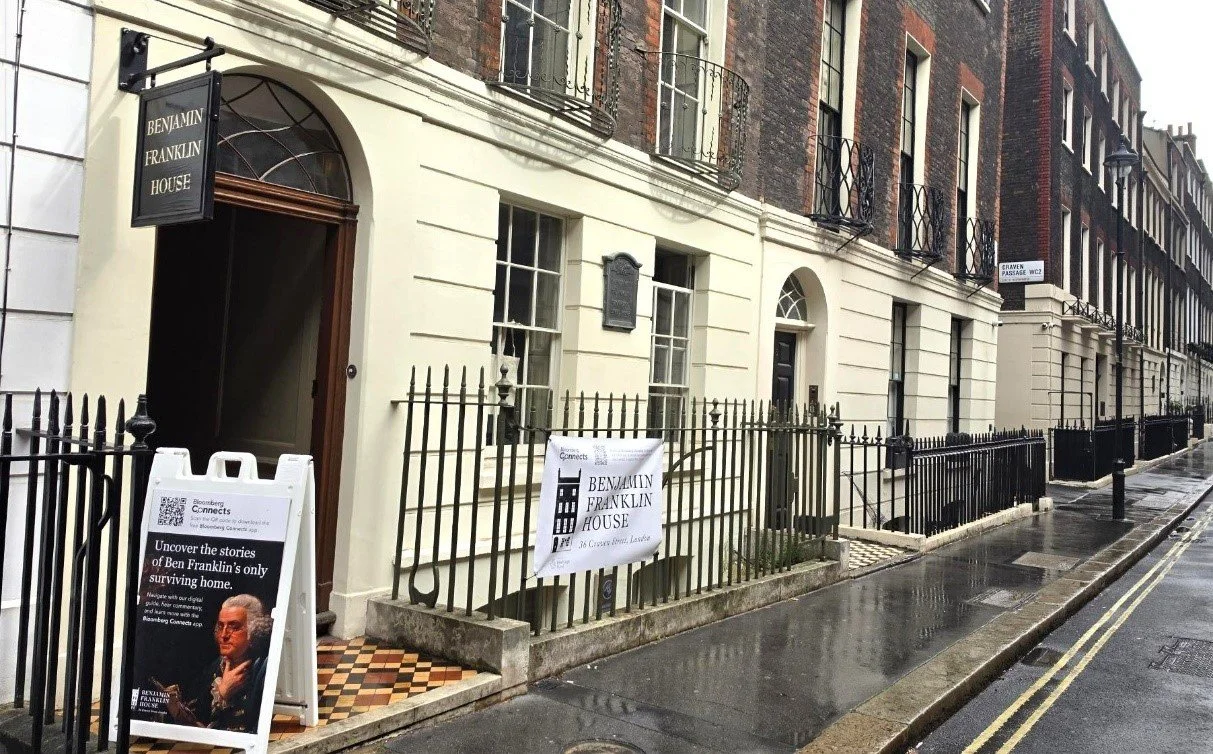
Benjamin Franklin House Museum at 36 Craven Street WC2 on Open House Day 2026. Photo Credit: L King AIA
On 25 Sep 2026, AIA UK held a lecture, tour and reunion at London’s Benjamin Franklin House Museum. The event confirmed Benjamin Franklin as AIA UK’s Honorary Patron; marked the United States’ 250th anniversary; and honoured the Chapter’s earliest members who had helped preserve the house for posterity.
This special event was the culmination of a blend of good intentions, a national anniversary, a little archival research and a happy coincidence.
In early 2026, the AIA UK Board of Directors launched a volunteering initiative to support local charities engaged in architecturally related good works. Newly appointed Volunteering Chair Kirsty Sels AIA explored several charities of interest, including the Ben Franklin House Museum.
Recalling AIA UK’s longstanding ties to the Museum and its former use of the Craven Street address as its own, Sels proposed reviving the relationship with it while jointly celebrating the United States’ 250th anniversary. ‘Do we still have any contacts at the Ben Franklin House?’ she asked the Board. An archive search quickly uncovered a 15-year-old email address that, to everyone’s surprise, generated an immediate, positive response.
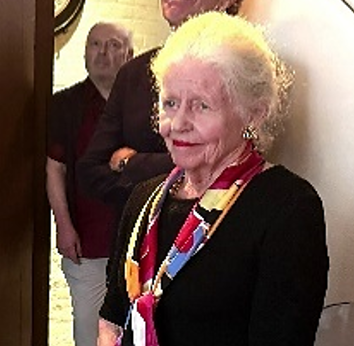
The BFH contact, Ann Keigher AIA Emeritus, was a founding member of AIA UK in 1994, who relocated to the US in the mid-2000s. From 1994 to 2006, she played the leading role in the conservation of the historic c.1740 house where Benjamin Franklin lived between 1757 and 1775 as colonial agent and leading American diplomat. In recognition of her exemplary leadership, the British government awarded her an honorary MBE.
As well as being conservation architect, project manager and principle fundraiser, Keigher involved the AIA in all aspects of the extensive structural repairs, conservation of historic features and conversion of the house into a museum. She attributes the project’s success in large part to the AIA’s public endorsement and AIA UK’s extensive involvement through a series of conservation workshops, lectures and tours.
By coincidence, Keigher had planned a visit to London on 25 September, a date that aligned with the AIA event calendar despite its short notice. She welcomed the chance to revive BFH’s relationship to the Chapter and proposed a special tour and lecture for AIA UK members. In particular, she proposed a reunion with her former AIA UK colleagues.
Once the date was confirmed, Sels coordinated the tour and catering with the Benjamin Franklin House Head of Research & Engagement, Dr Megan King. Dr King’s tour with its historic accuracy, refreshing anecdotes and conservation references was the highlight of the evening.
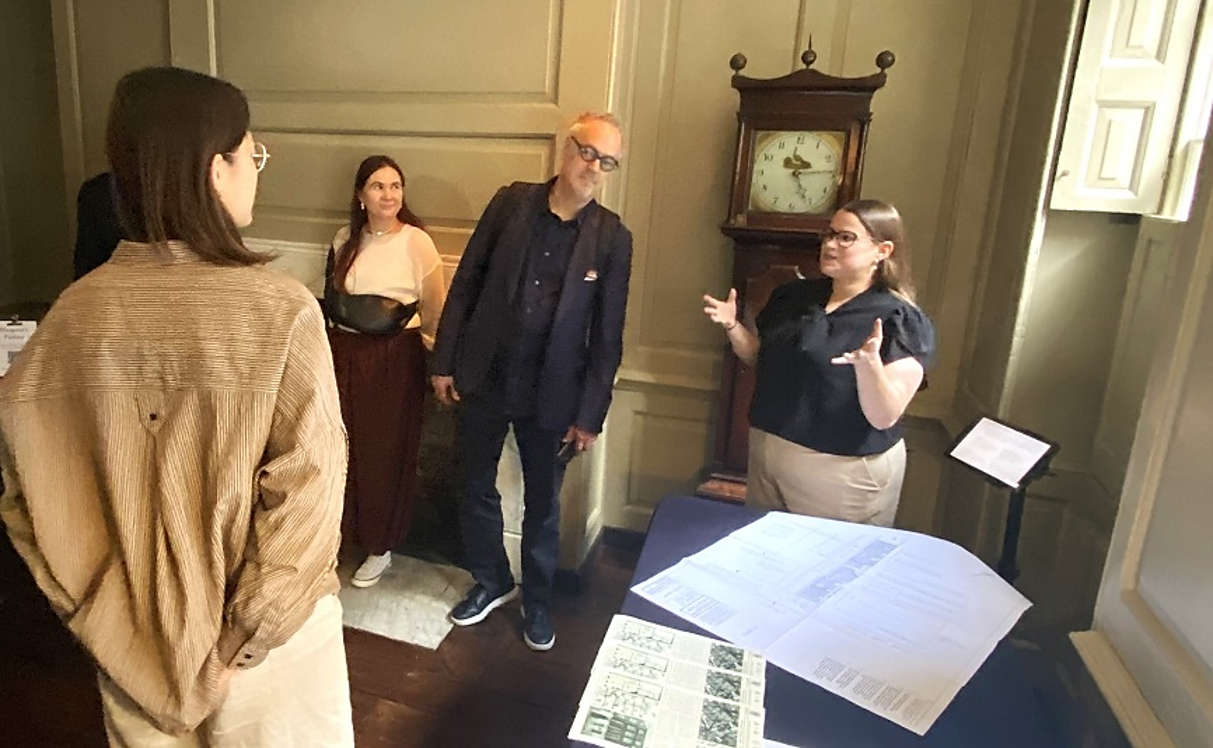
Dr King explained the house’s layout and attributes in its historic context. Mi Yao AIA, Anna Mytcul AIA, David Martin AIA, Dr Megan King. Photo Credit: A Koleva AIA
Sels will continue to develop the AIA/BFH relationship, beginning with AIA UK’s donation of a small antique desk typical of Franklin’s era, to include a commemorated AIA plaque.
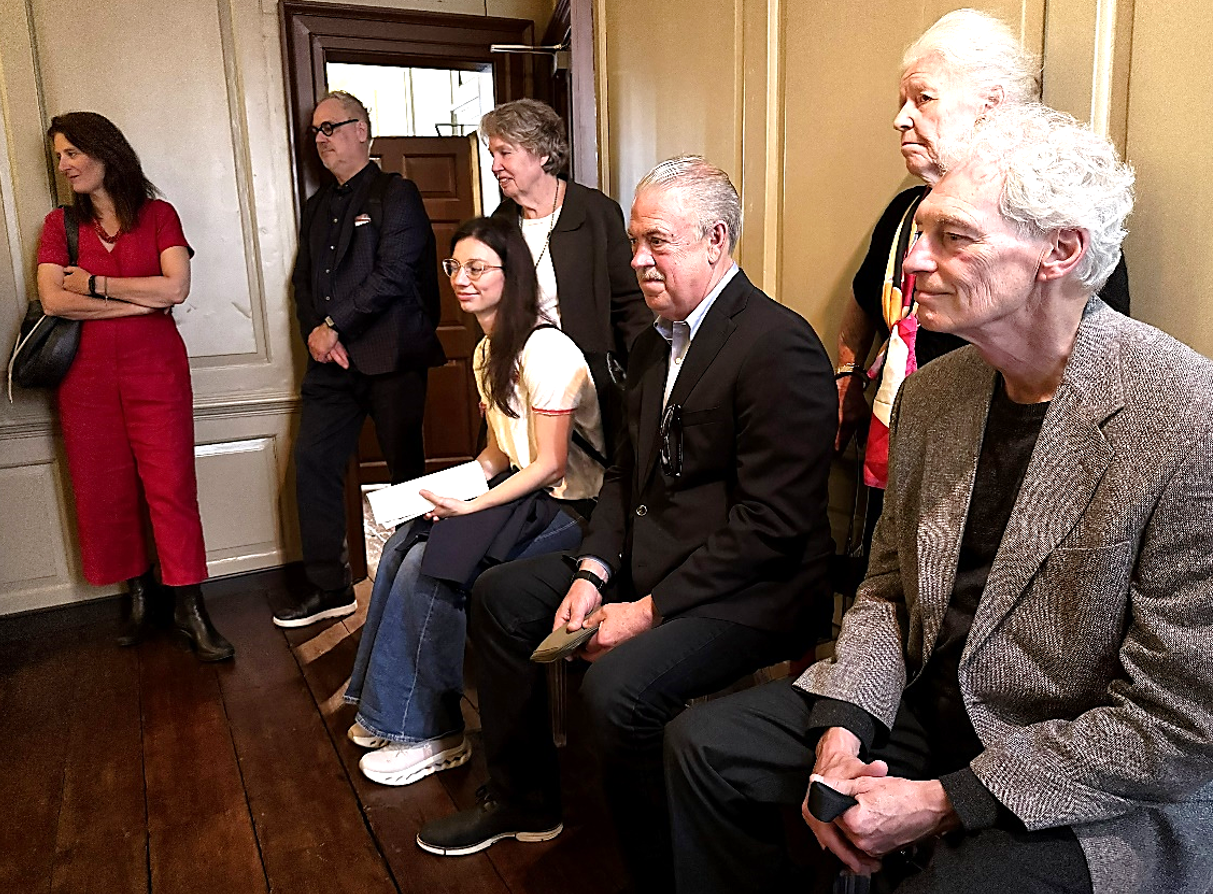
The attendees were held in rapt attention during the part lecture / part tour. Kristy Sels AIA, David Martin AIA, Adelina Koleva AIA, Lorraine King AIA Emeritus, Stephen Reinke FAIA, Ann Keigher AIA Emeritus MBE, Michael Lischer FAIA. Photo Credit: G Fonseca AIA
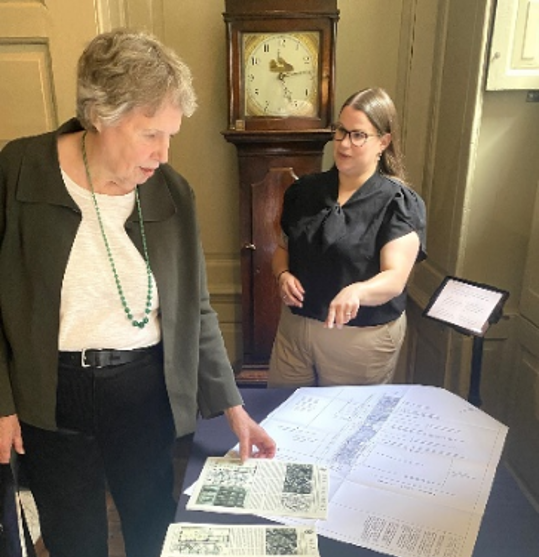
Lorraine King AIA Emeritus and Dr Megan King discussed the history of the AIA and BFH relationship. Links below provide further historical references. Photo Credit: A Koleva AIA
Mindful of the legacy significance of a reunion, Lorraine King AIA – herself an AIA UK founding member - invited Keigher's former colleagues, including past presidents and other founders, to the tour and lecture. She then organised a smaller, privately funded dinner in Ann Keigher’s honour.
King’s research into the AIA UK Archives identified multiple newsletter articles that documented the Chapter’s relationship with BFH. In particular, she revealed that the AIA UK 2008 Board had named Benjamin Franklin an Honorary Patron of the Chapter - a surprise distinction that holds to this day.
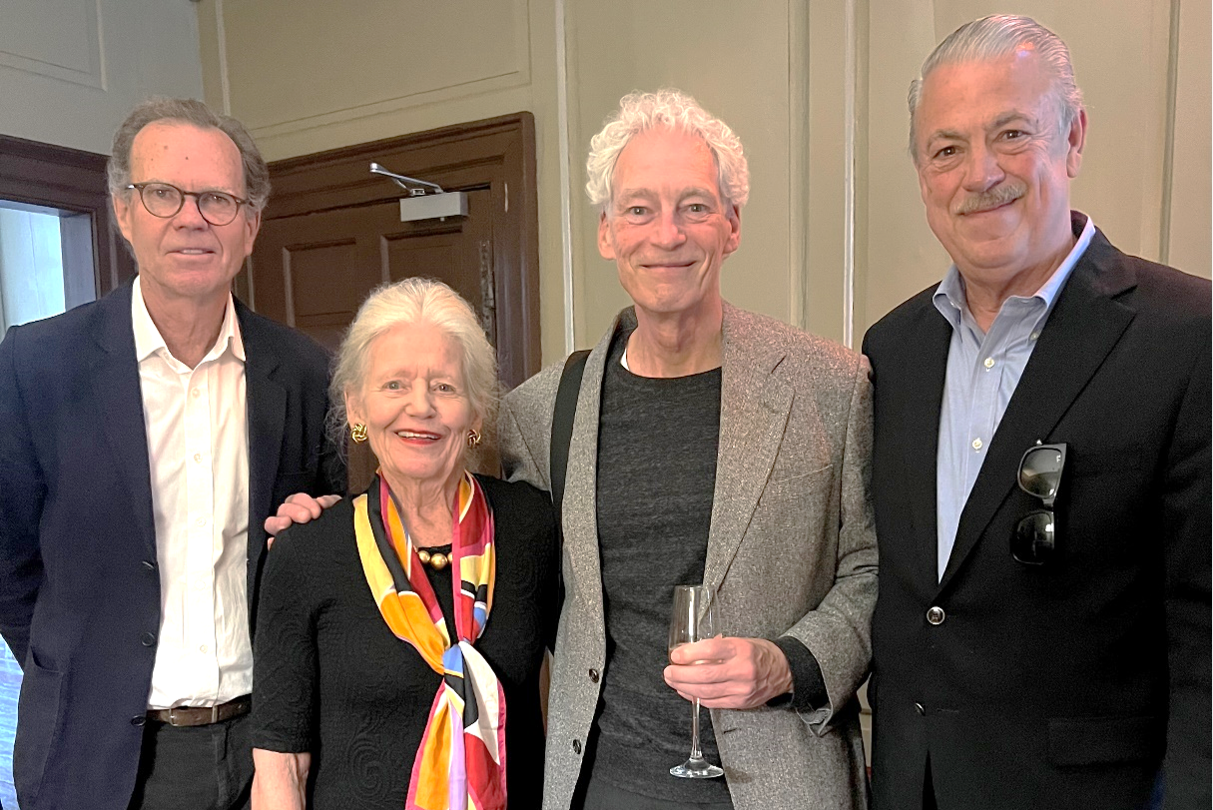
A rare reunion of four key AIA UK Founding Members: The 2nd President, David Walker RIBA (1995); Ann Keigher AIA Emeritus MBE; 3rd President, Michael Lischer FAIA (1996), and 1st (Founding) President, Stephan Reinke FAIA (1994)
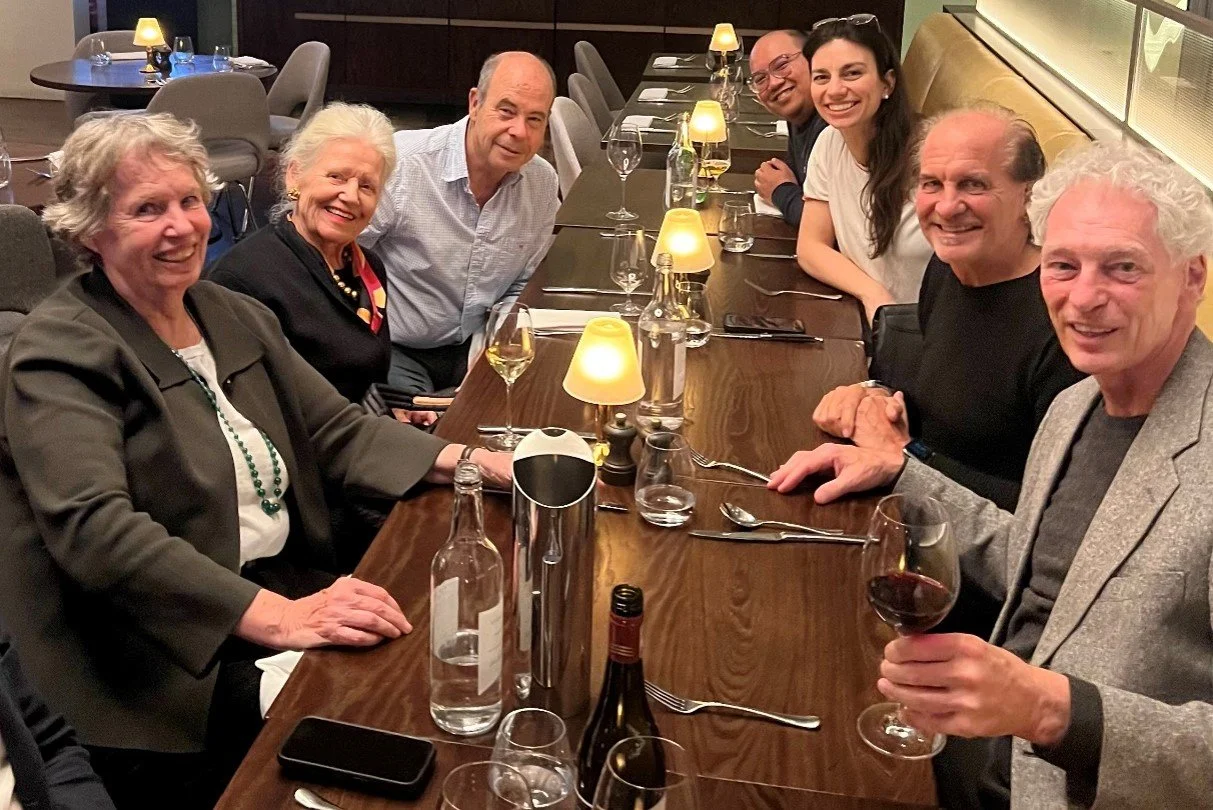
A rare reunion of four key AIA UK Founding Members: The 2nd President, David Walker RIBA (1995); Ann Keigher AIA Emeritus MBE; 3rd President, Michael Lischer FAIA (1996), and 1st (Founding) President, Stephan Reinke FAIA (1994)
All AIA UK members and the public are invited/encouraged to visit the Ben Franklin House Museum or access its website HERE to learn more about Ben Franklin and his worthiness to be AIA UK’s Honorary Patron.
You can also look up references to the development of Ben Franklin House in early AIA UK Newsletters by following the links below.
Newsletter 2 July 1994 – Page 2
Newsletter 11 April 1996 – Page 2
Newsletter 18 July 1997 – Page 5
Newsletter 19 Sept 1997 – Page 5
Newsletter 21 January 1998 – Page 4
Newsletter 35 Mar/Apr 2001 – Page 5
Newsletter 40 Sept 2003 – Pages 1, 2 and 3
Newsletter 44 Mar 2005 – Page 4
Newsletter 46 Oct 2005 – Page 4
Newsletter 53 Jan 2008 – Page 4
Newsletter 71 Summer 2013 – Page 5
Written by L King AIA Emeritus
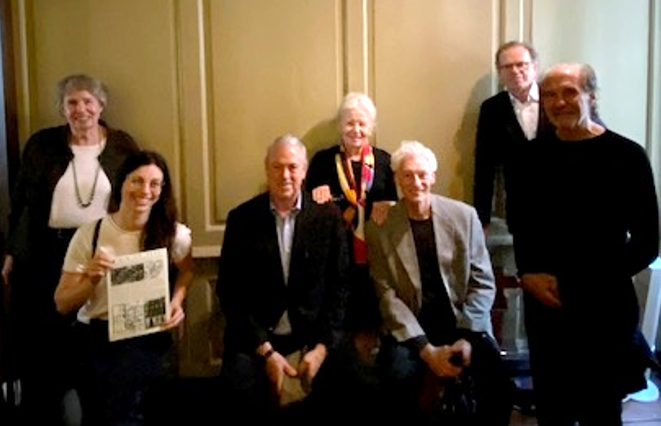
Special guests included a collection of AIA UK Presidents. Front row: Adelina Koleva AIA (2026), Stephen Reinke FAIA (1994 Founding President), Michael Lischer FAIA (1996), Gregory Fonseca AIA (2023). Back Row: Lorraine King Emeritus AIA (2002), Anne Keigher AIA Emeritus MBE, David Walker RIBA (1995). Photo Credit: D Martin AIA
The US Embassy & the Keynote Lecture - Connections from the Past
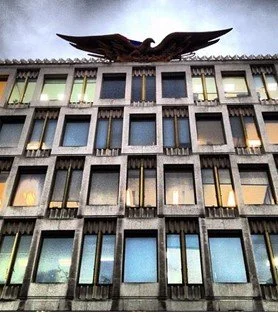
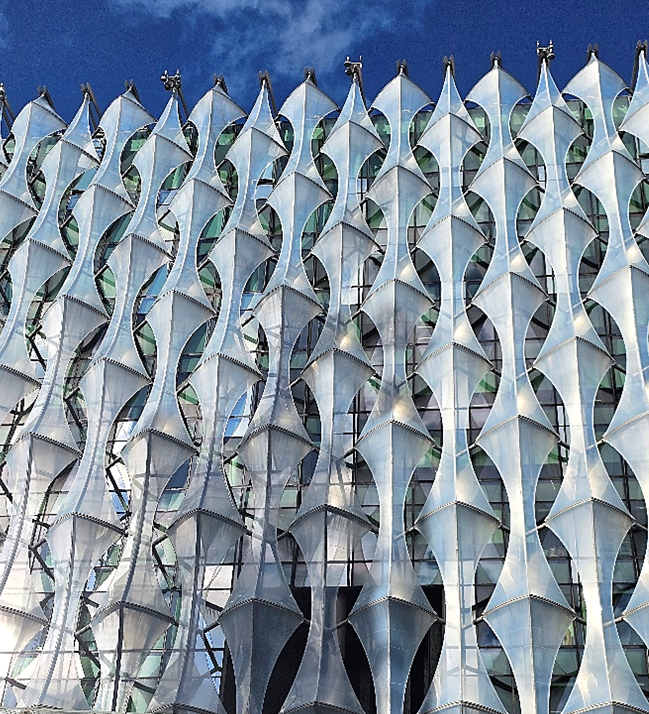
In 2002, AIA UK’s 1st Keynote Lecture featured Rick Mather RIBA– the American architect working in London who had earned an exceptional international reputation. It was held in the US Embassy in Grosvenor Square and offered a rare opportunity for a capacity AIA audience to circumvent the iconic, listed façade and US security guards and to visit the interior of the Eero Saarinen designed building.
The 2003 Newsletter article extracted below gave an abbreviated, low key summary of Rick Mather’s illustrious career. He is perhaps best known for his adaptations of four British Museums - the Dulwich Picture Gallery, National Maritime Museum, the Wallace Collection and the Ashmolean in Oxford – the latter celebrated as 2010 Building of the Year and shortlisted for the Stirling Prize.
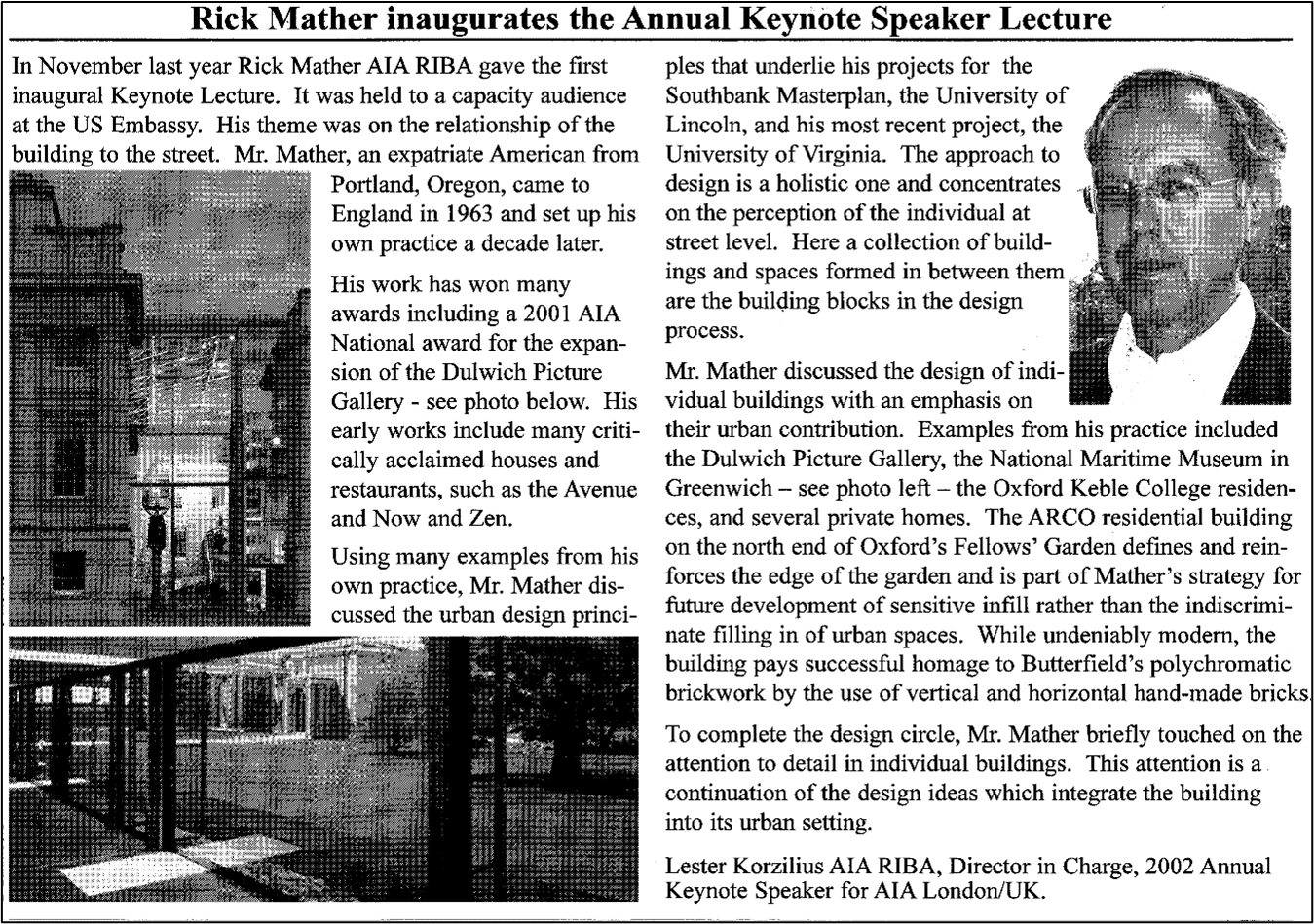
Although it is not listed in the extensive online references to his career, Rick Mather was not only RIBA but also International Associate AIA and a bona fide, active member of the AIA UK Chapter.
Stephan Reinke FAIA – the UK Chapter’s 1st President - recalls him as a Chapter friend who participated in AIA UK’s Design Awards as both juror and winner; served as juror at the 1st AIA UK Charette; and spoke at an early AIA International Conference.
In 2002, getting the US Embassy to open up – particularly in the post 9/11 atmosphere - was a major achievement for lecture organiser, Lester Korzilius FAIA. After his first success, Korzilius continued in cooperation with other AIA UK members to organise subsequent Keynote Lectures. Whenever possible, speakers were selected with America, preferably Anglo-American, connections but the selections were always subject to availability.
2002 Rick Mather, @ US Embassy
2003 Cesar Pelli, @ Canary Wharf Winter Garden
2005 William Pedersen
2006 Rafael Vinoly
2007 Antoine Predock
2008 Peter Eisenman
2012 Ricardo Legoreta
2015 Tod Williams & Billie Tsien
2016 Thomas Phifer
2017 Steven Holl
2018 James Timberlake & Stephen Kieran
2020 Francis Kéré, @ Virtual Lecture
2021 Tatiana Bilbao
2022 Annabelle Selldorf
In 2005, the AIA Keynote lectures were moved to the welcoming, venerable venue of the RIBA Jarvis Hall where they continue to this day. They remain a lasting symbol of cooperation and collaboration between two, likeminded institutions.
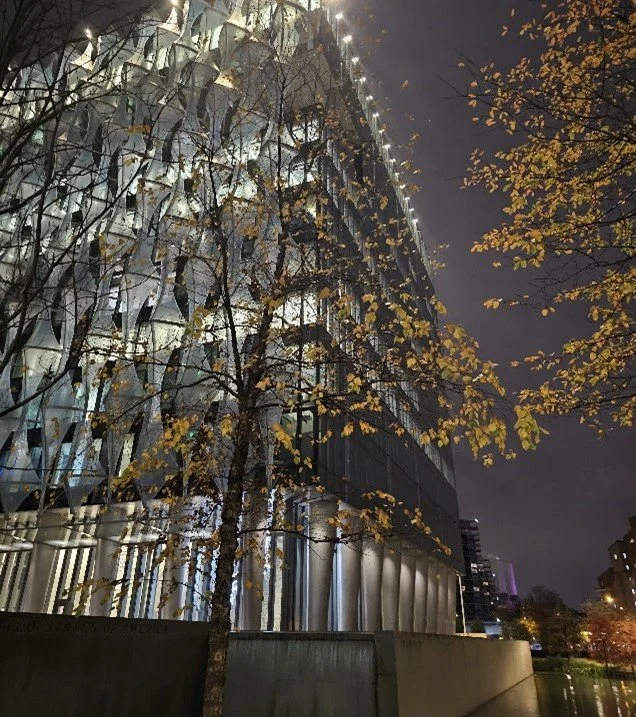
In 2018, AIA UK invited the designers of the recently completed US Embassy in London - James Timberlake FAIA and Stephen Kieran FAIA - to be the Keynote speakers. As per the AIA UK Newsletter, “Kieran and Timberlake spoke eloquently of the conceptual ambitions of the scheme, to embody ideals of transparency and openness, while balancing the strict security requirements of an embassy and the firm’s quest for pushing the boundaries of building technology”.
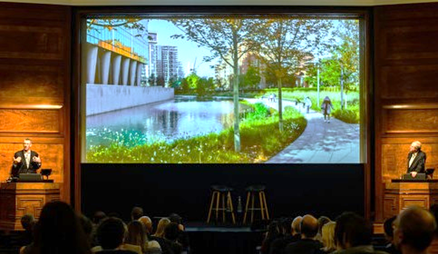
Timberlake and Kieran from AIA UK Newsletter at the RIBA (see Here).
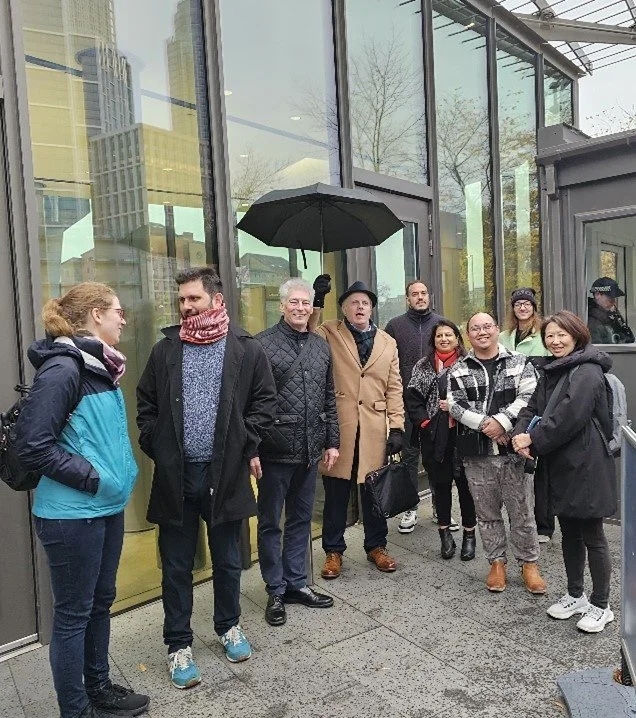
As ‘strict security requirements’ remain an issue with US Embassies around the world, it was with great surprise and pleasure that the current Chapter President, Gregory Fonseca AIA, achieved clearance for an AIA UK building tour to the new US Embassy with its own iconic façade in late 2023 (see Here).
Although the evening was stormy, the Embassy’s welcome was warm, with the AIA group enjoying the hospitality of the Embassy’s private nightspot at the tour’s end.
Written by Lorraine D King, AIA