
AIA UK 29th Annual Student Charrette: Shaping the Future of London’s Public Spaces Through Creative Collaboration
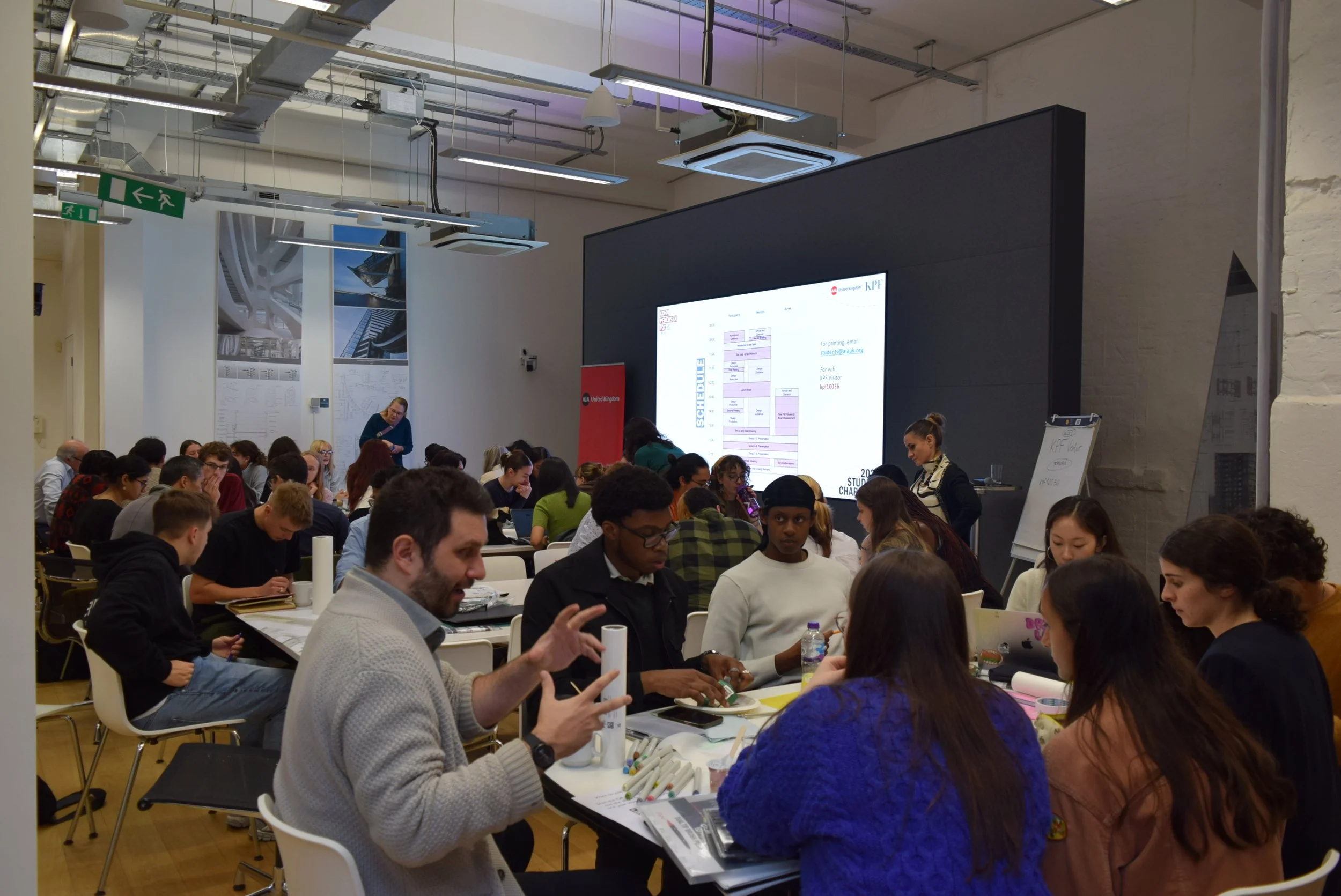
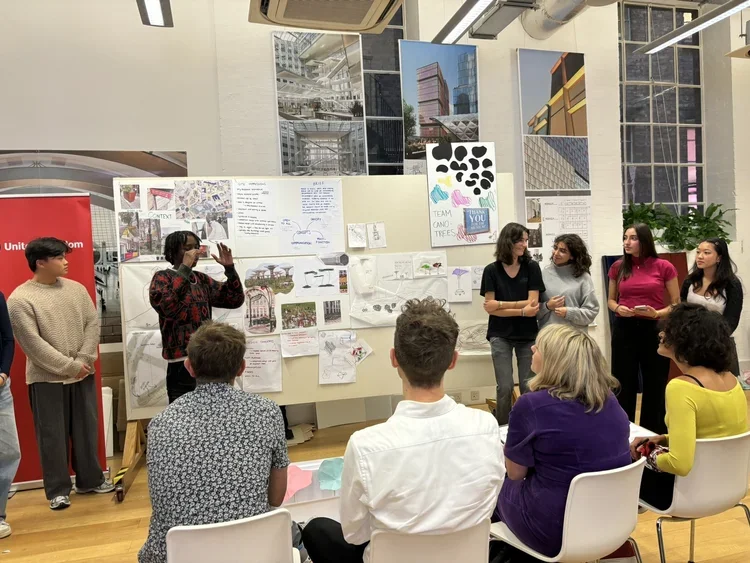
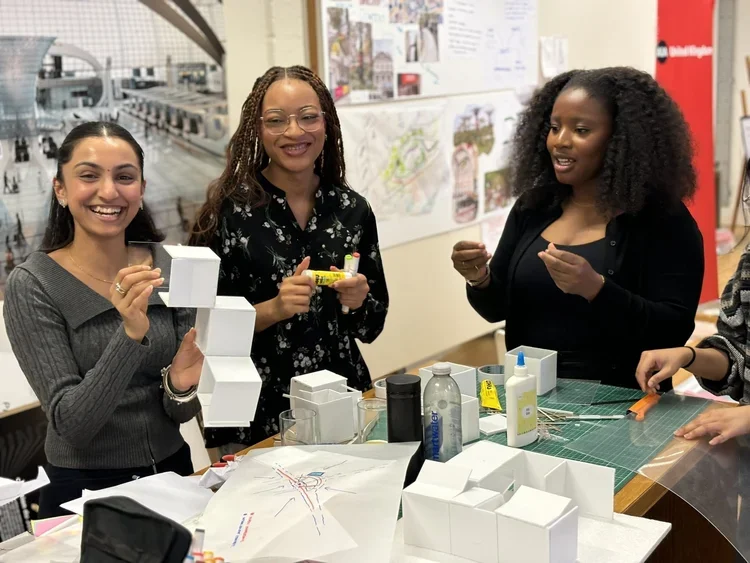
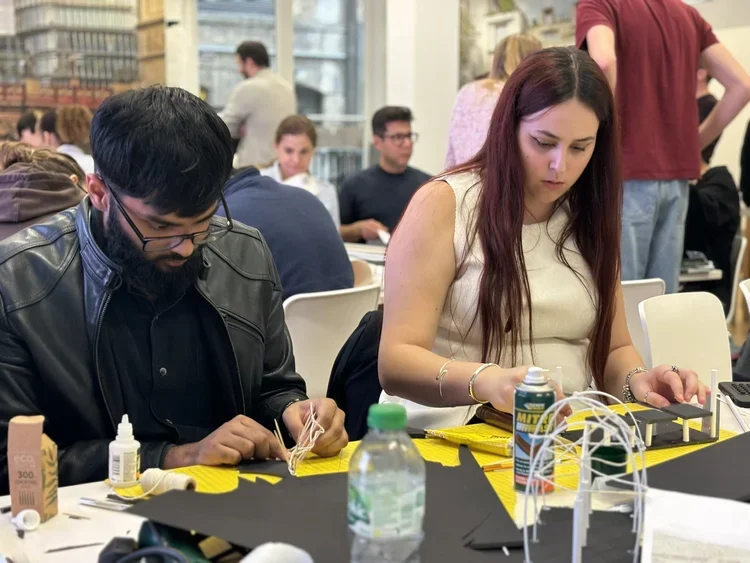
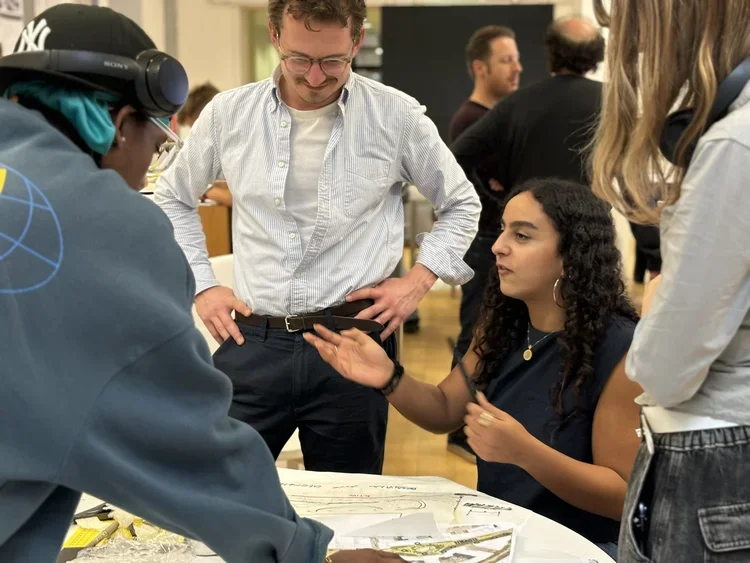
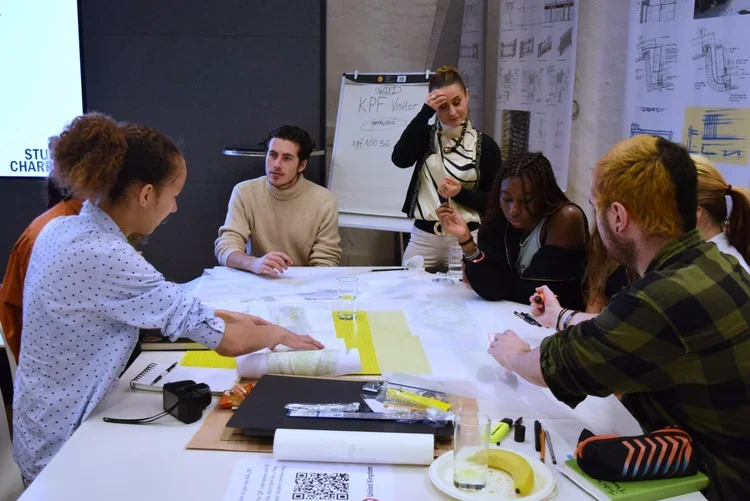
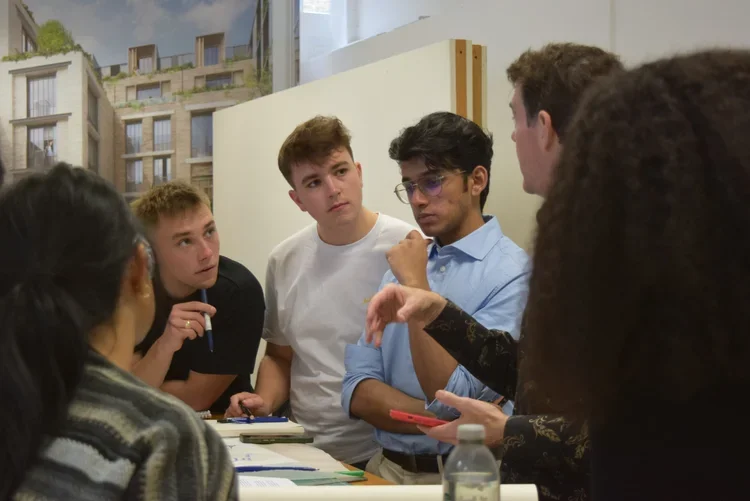
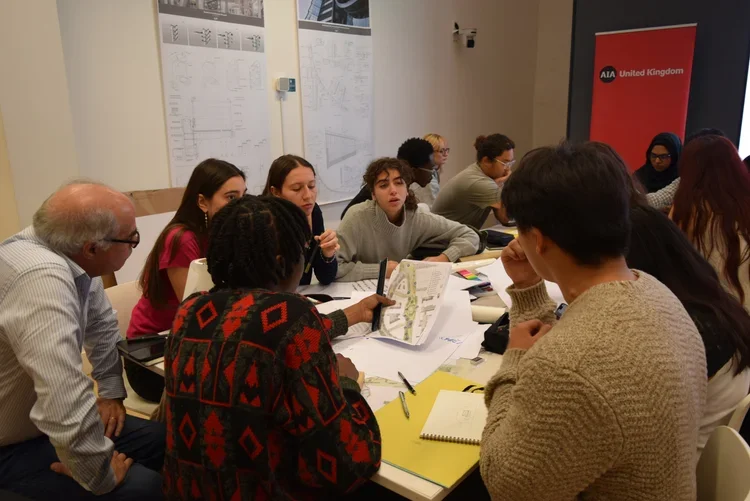
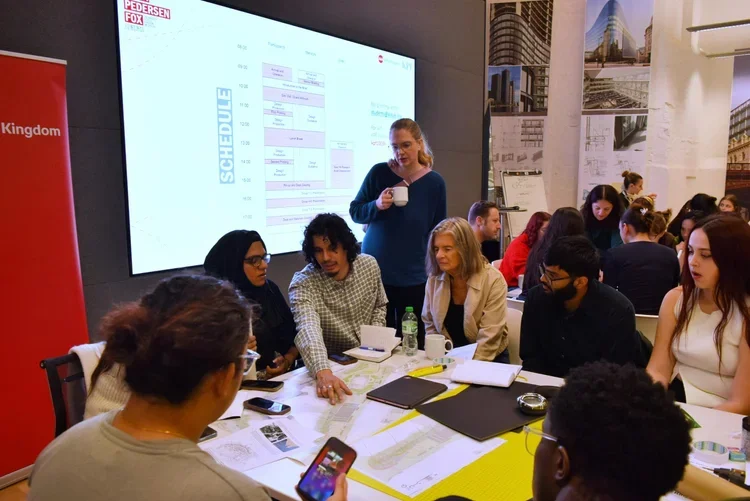
On 26 October 2024, the Kohn Pedersen Fox (KPF) gallery in London was transformed into a hub of creativity and collaboration for the 29th AIA UK Student Charrette. With over 70 Part 1 architecture students from 14 universities in attendance, the event embodied the power of participatory design to reshape public spaces for inclusivity, sustainability, and community vitality. Special thanks to KPF for sponsoring this year’s event and graciously opening their gallery space for the day, helping bring this ambitious vision to life.
The morning began with a warm breakfast reception, setting an inviting tone for the students, mentors, and jurors to connect and exchange ideas. Paolo Mendoza, AIA UK’s Emerging Professionals Director, then introduced this year’s brief, centered on “Empowering the Next Generation in Participatory Urban Design,” a call for future architects to contribute to London’s vibrant cultural landscape. Students were tasked with reimagining the Strand Aldwych area—a site steeped in history and cultural significance—as a dynamic public space. Their designs needed to respond to the area’s heritage while prioritizing sustainability, resilience, and inclusivity. The brief challenged students to embrace participatory urban design, encouraging them to create installations that engage the community in co-creating spaces that reflect their needs.
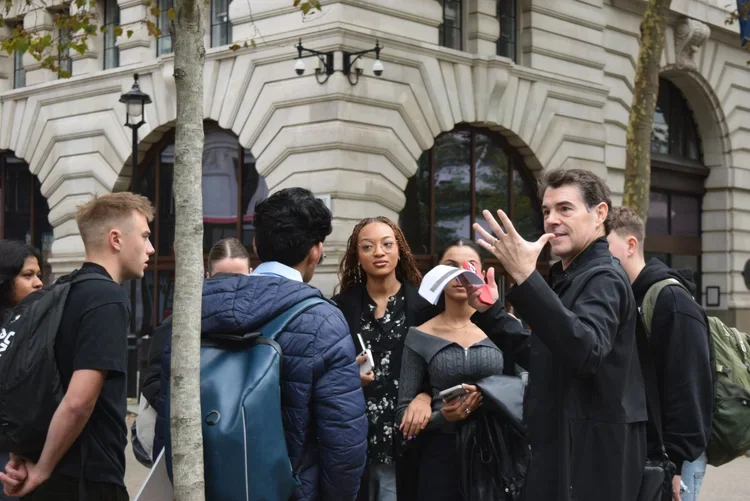
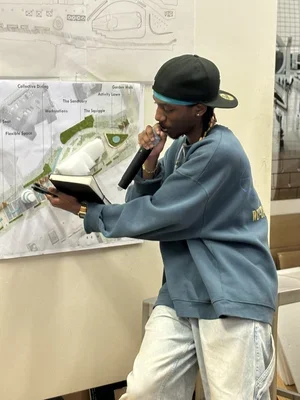
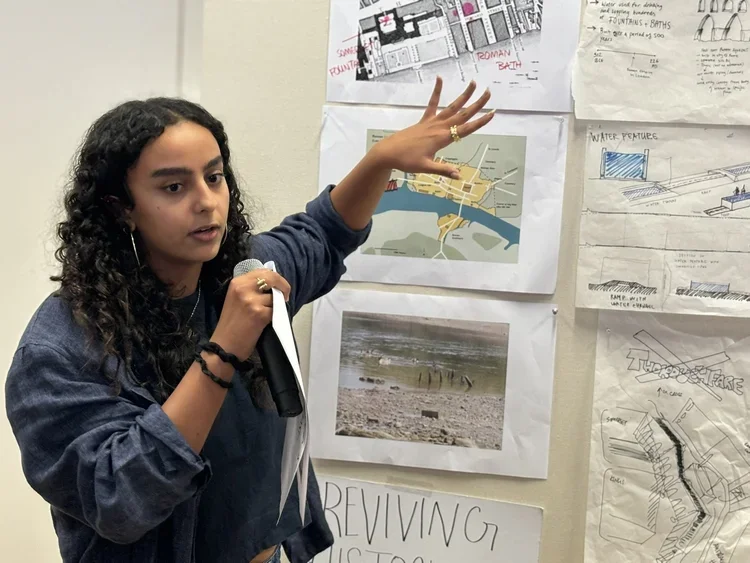
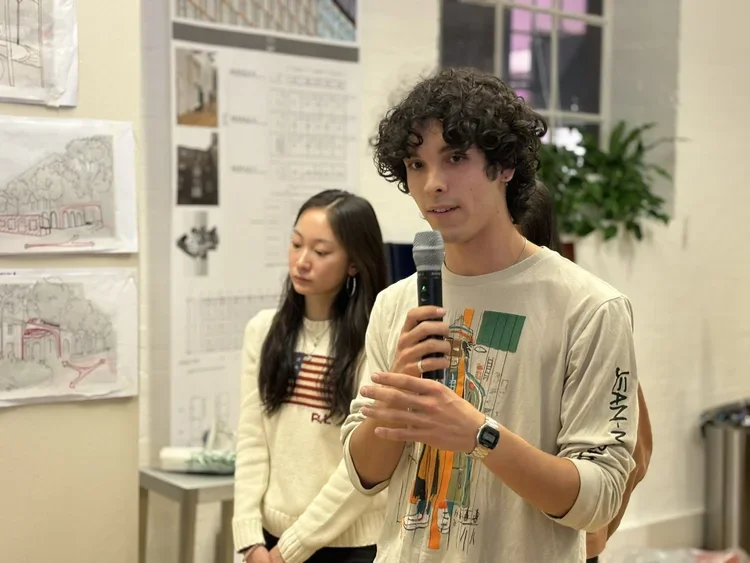
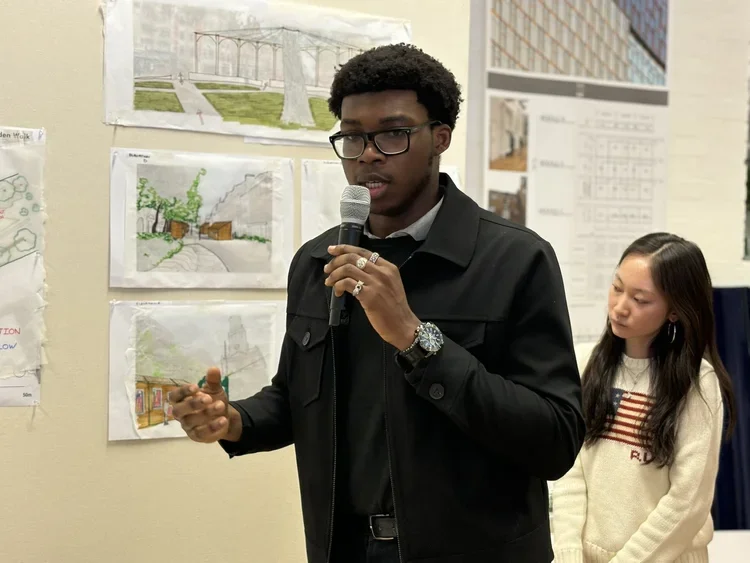
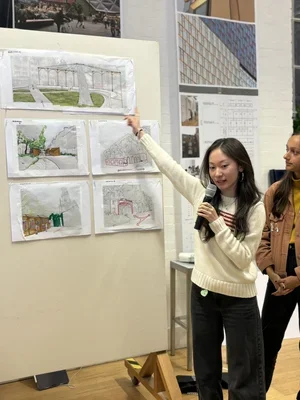
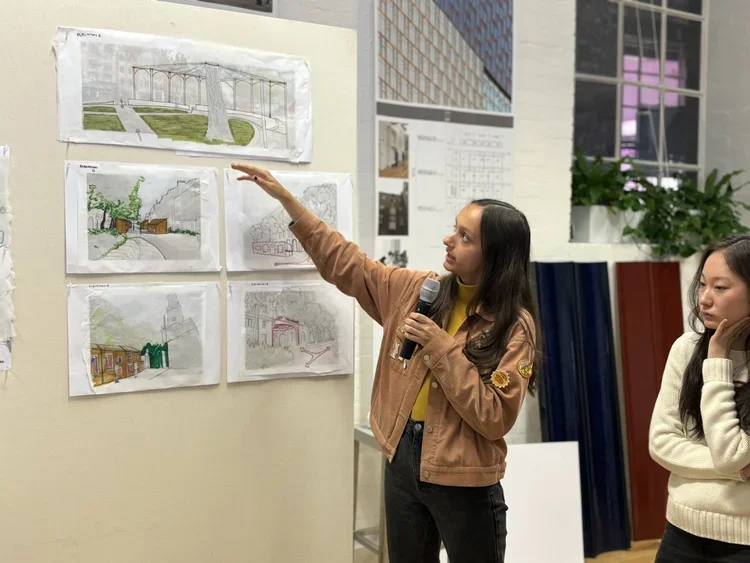
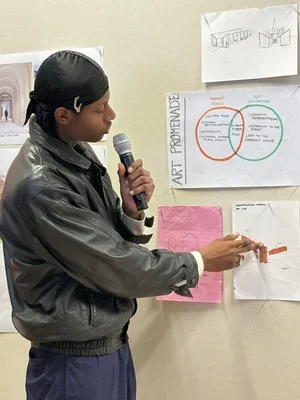
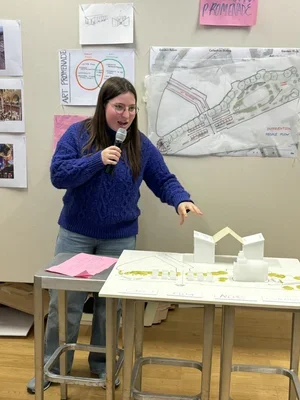
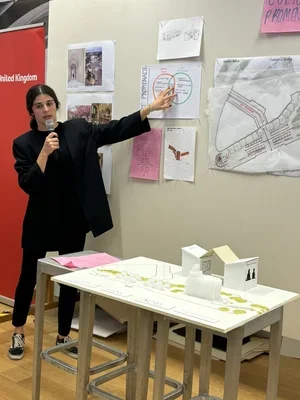
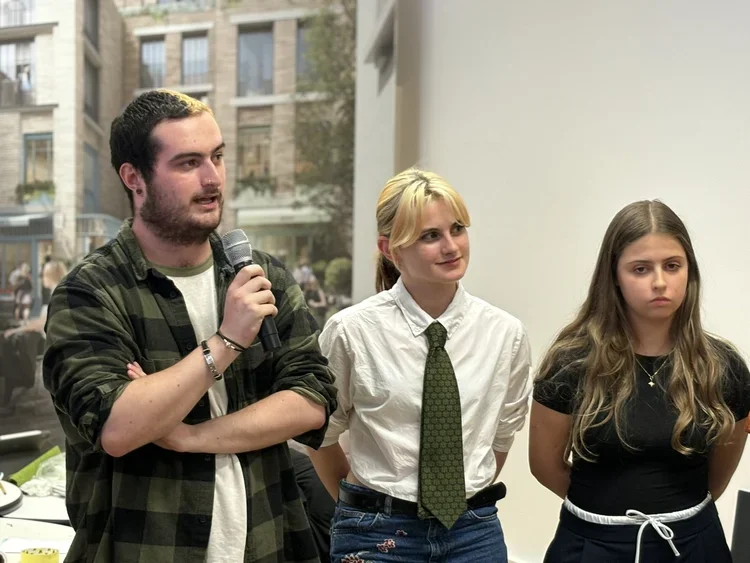
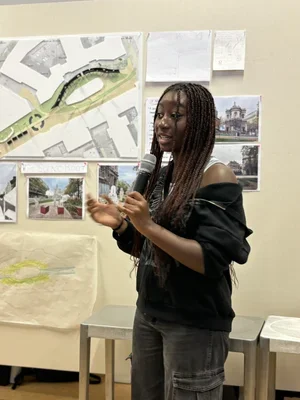
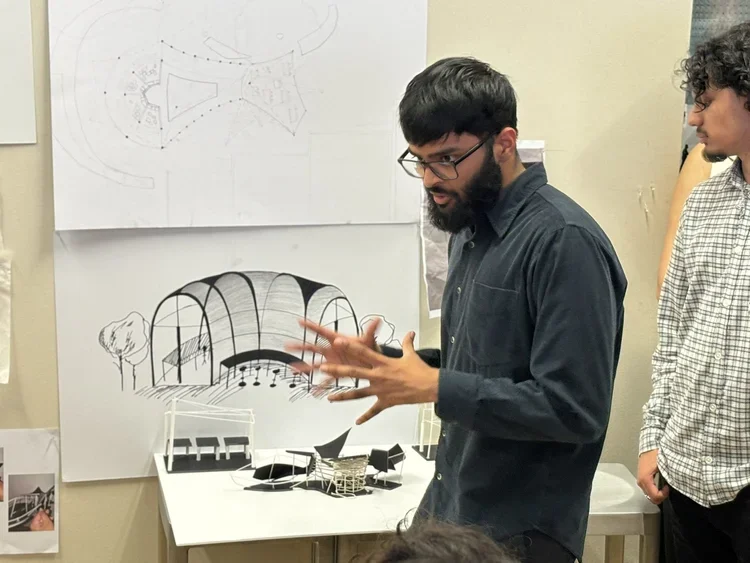
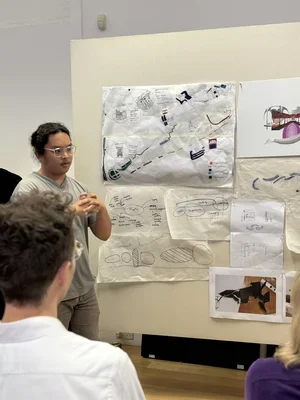
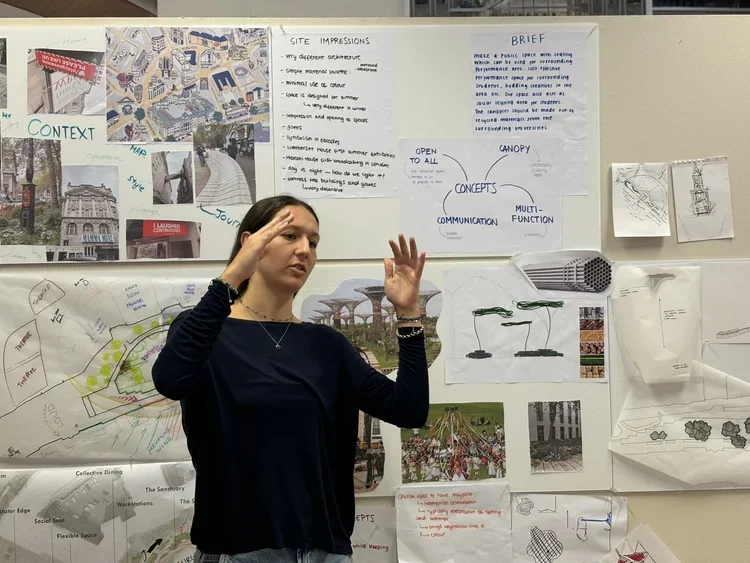
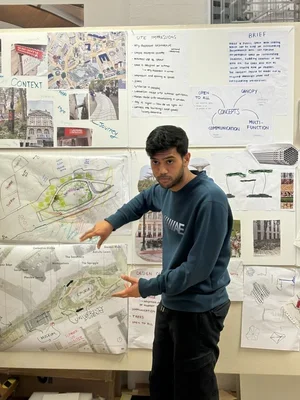
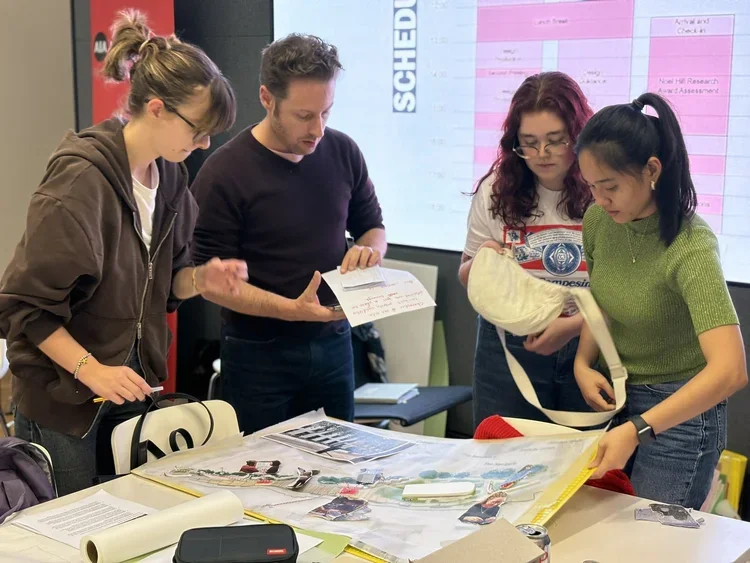
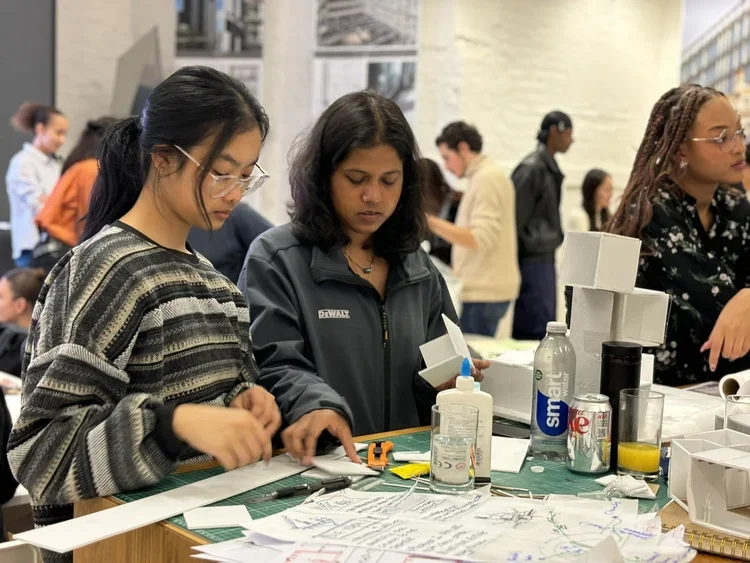
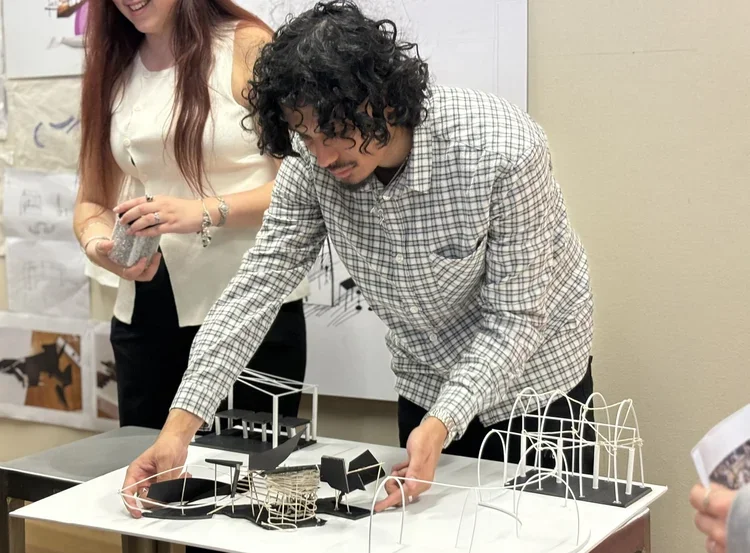
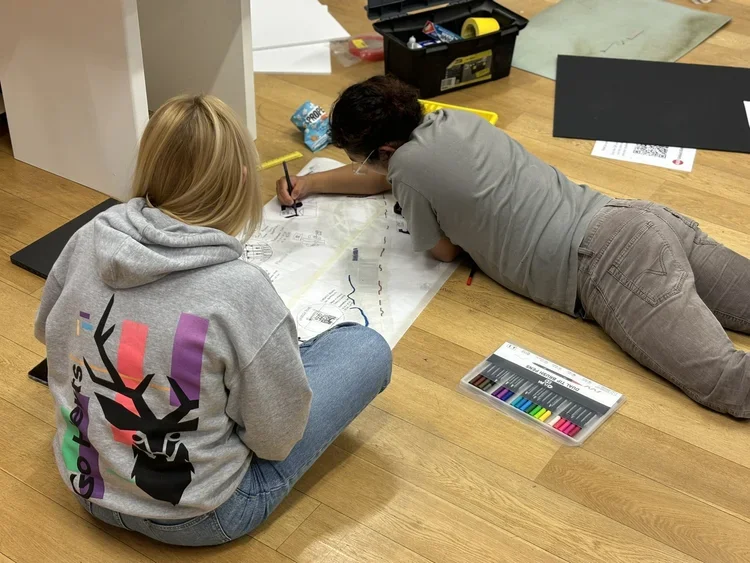
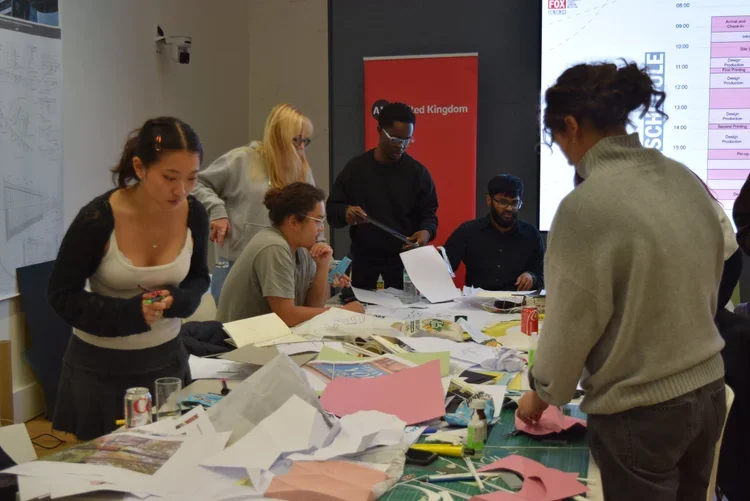
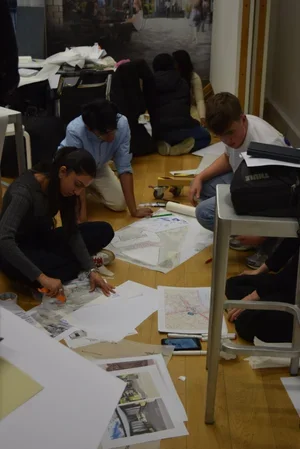
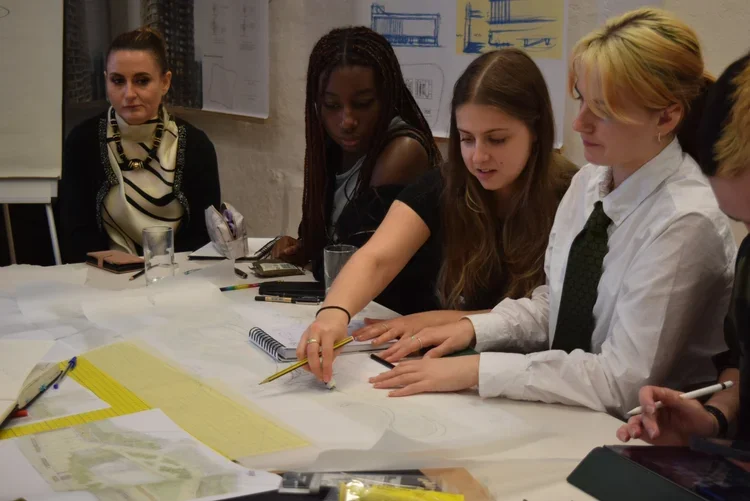
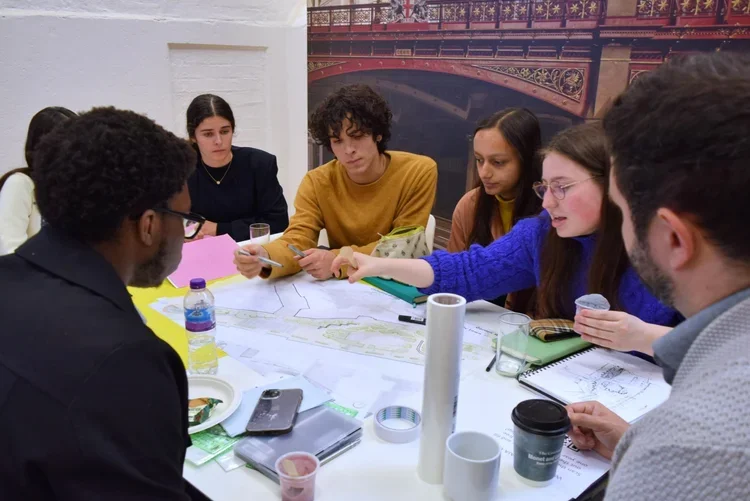
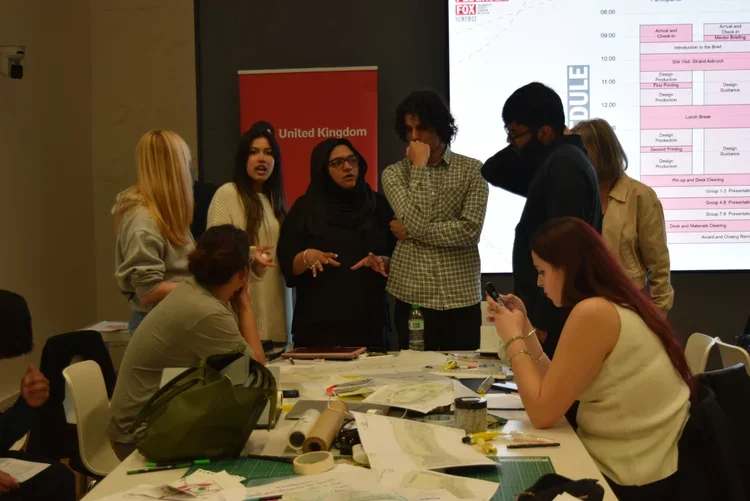
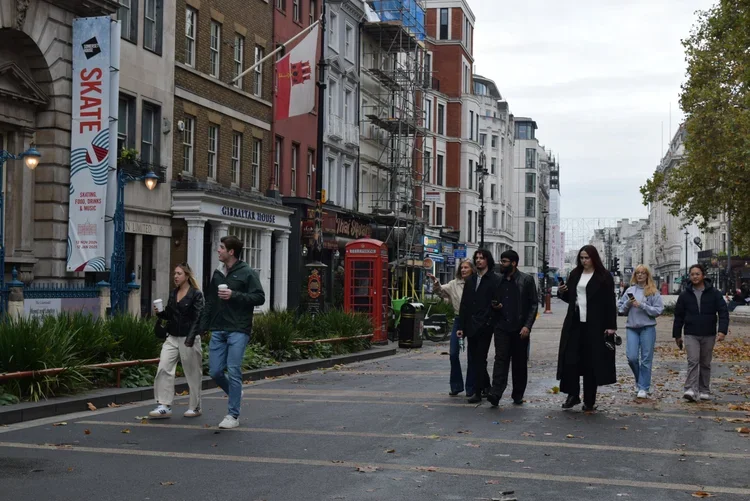
Equipped with cameras and notebooks, the teams embarked on a site visit, accompanied by their mentors, to observe and document the site’s physical and social dynamics. After returning to the KPF gallery, students launched into a 4.5-hour design sprint. During this phase, Martyn Corner from Hopkins Architects offered expert guidance on model-making techniques, helping teams refine their physical representations. Working within the constraints of an analogue, CAD-free charrette, the students produced hand-drawn plans, sketches, and physical models that expressed their vision and creativity.
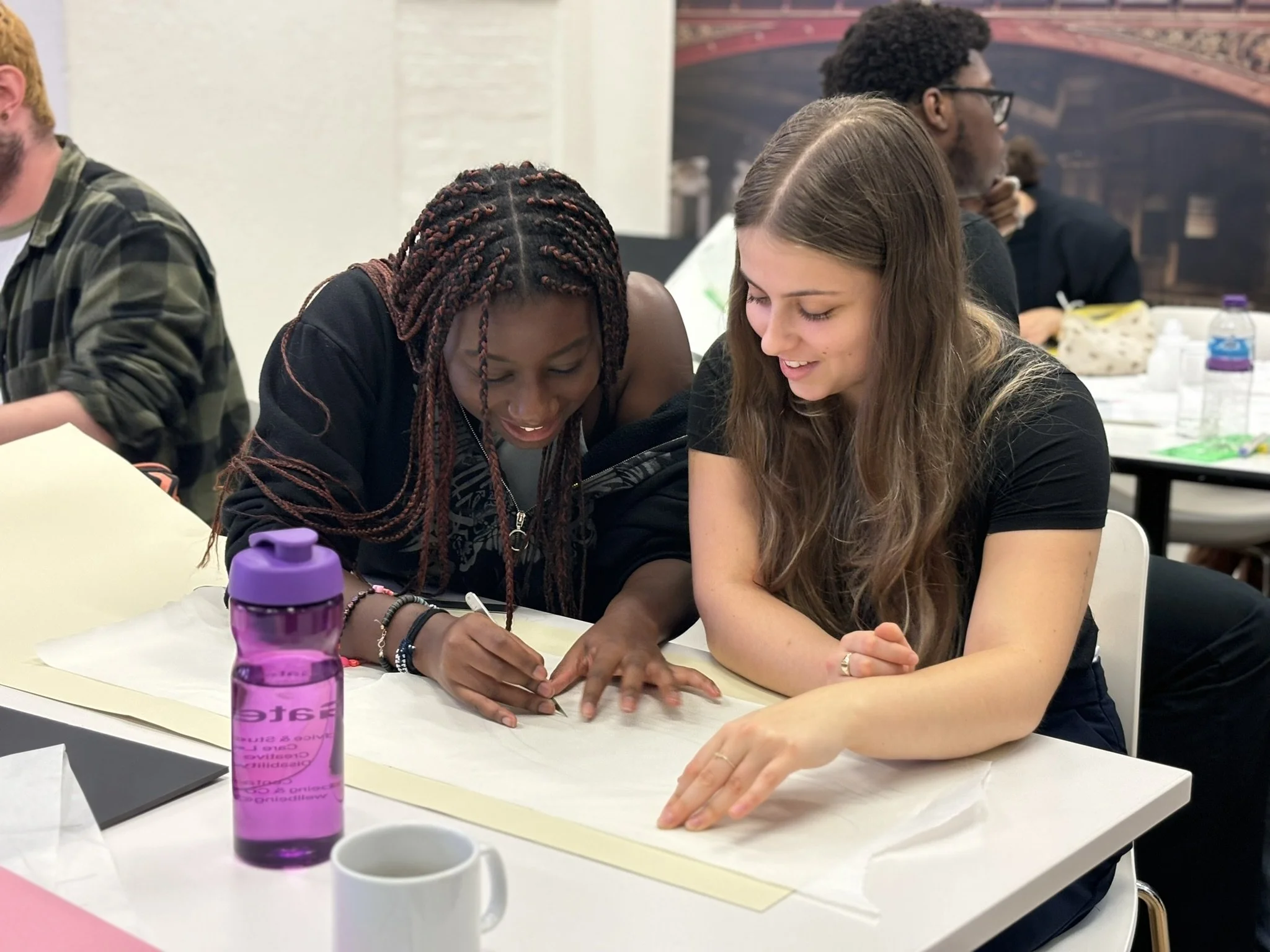
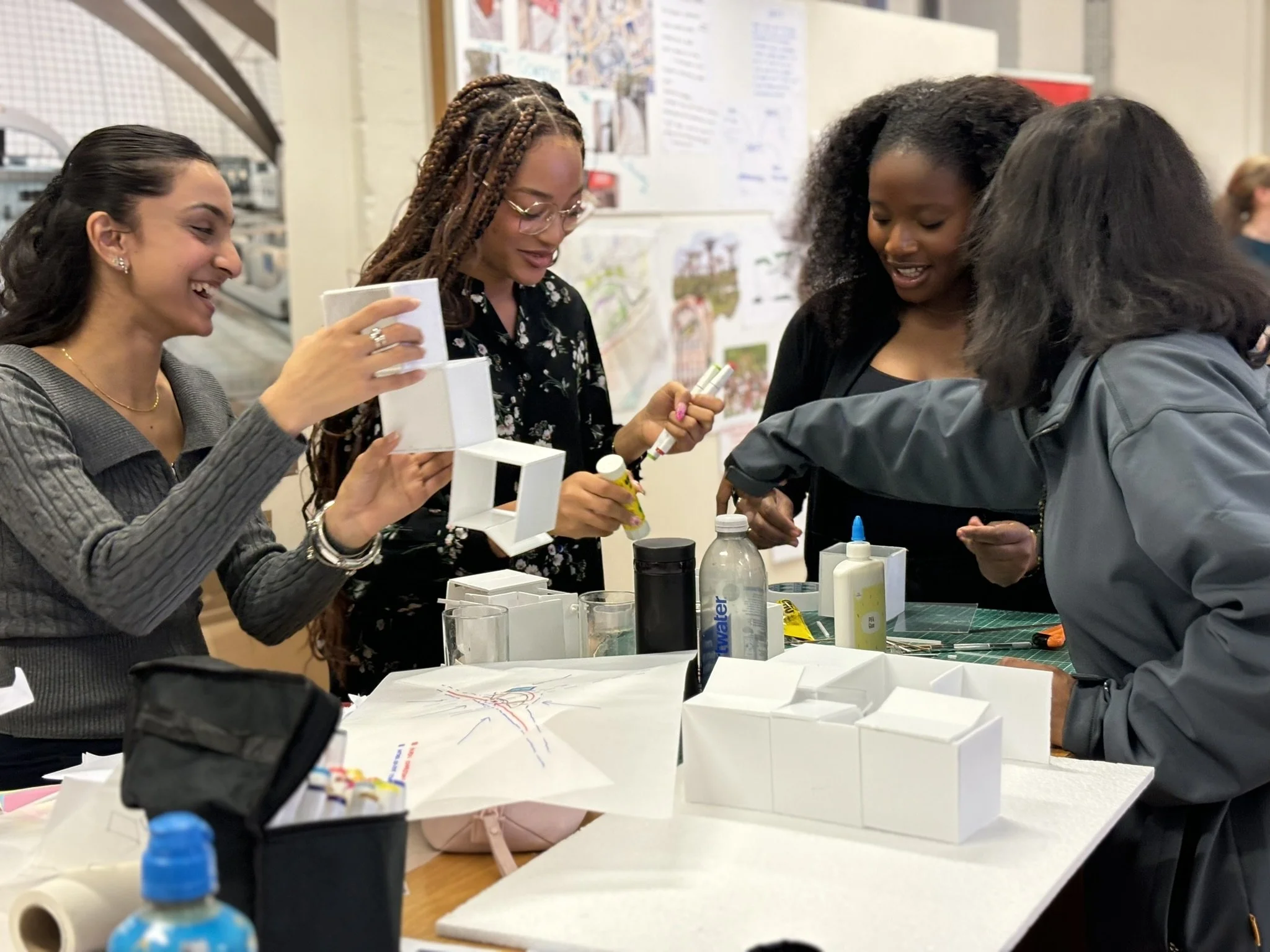
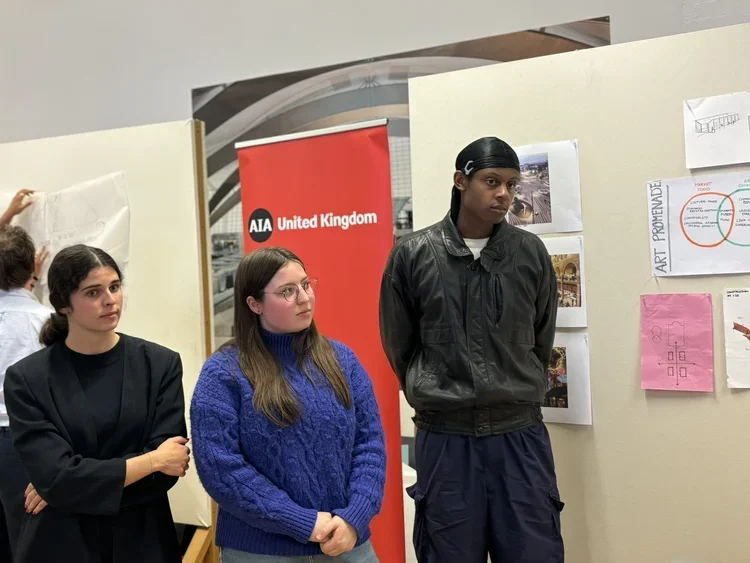
As the design time concluded, the teams presented their proposals to a distinguished jury: Taylor Rogers from Hopkins Architects, Karla Montauti from Benoy, Samantha Cooke from KPF, and Mark Breeze from the Architectural Association. The jury commended the teams for their creative approaches and attention to the nuances of the site. Each team’s proposal demonstrated a clear understanding of the Strand Aldwych’s unique cultural and historical character, with compelling visual representations and thoughtful models. The jurors highlighted the inventive ways the students integrated public engagement into their designs, noting a range of inspiring ideas to make the space more accessible, inclusive, and interactive.
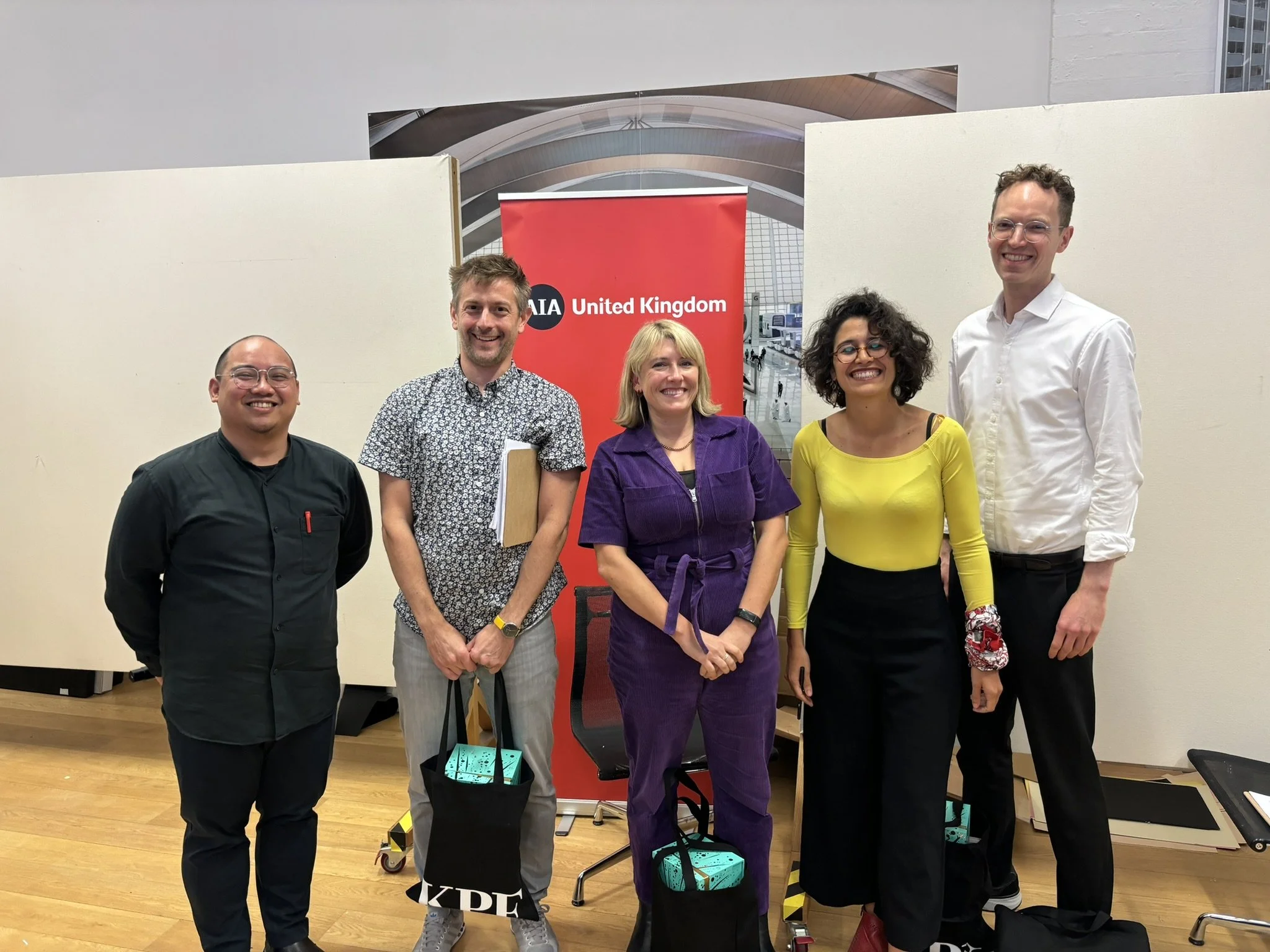
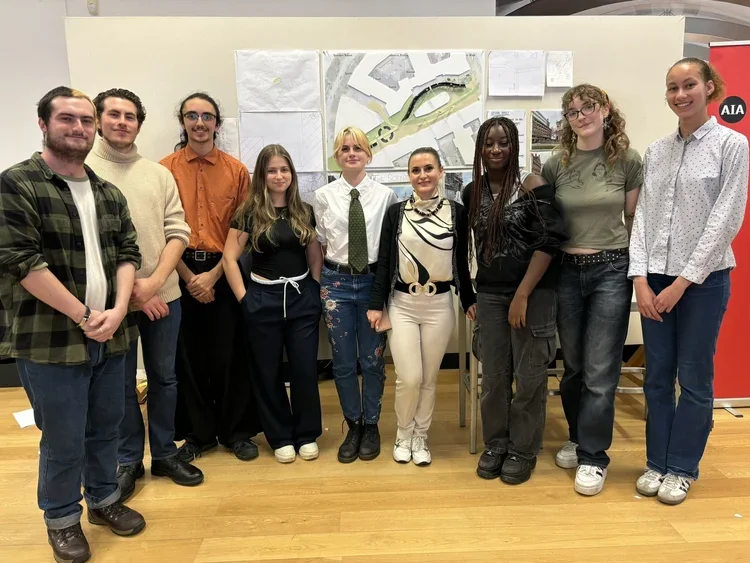
AIA UK Emerging Professionals Director, Paolo Mendoza with the 2024 Student Charrette jurors: Taylor Rogers (Hopkins Architects), Samantha Cooke (KPF), Karla Montauti (Benoy), and Mark Breeze (Architectural Association).
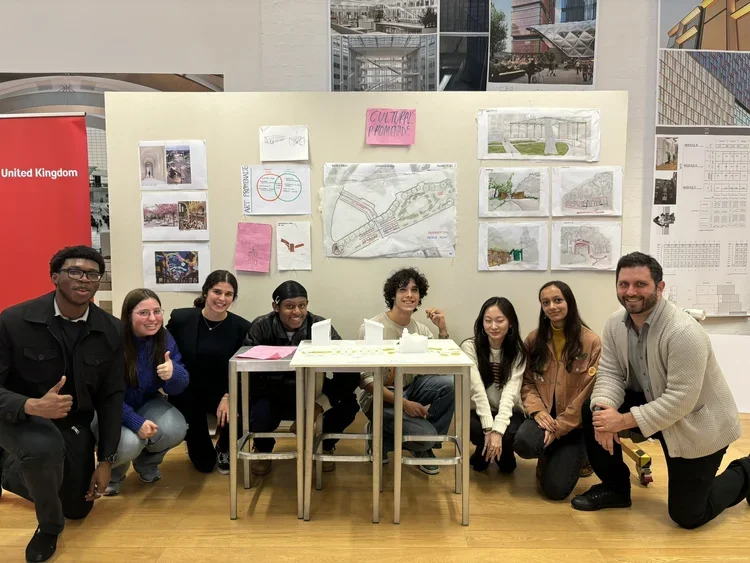
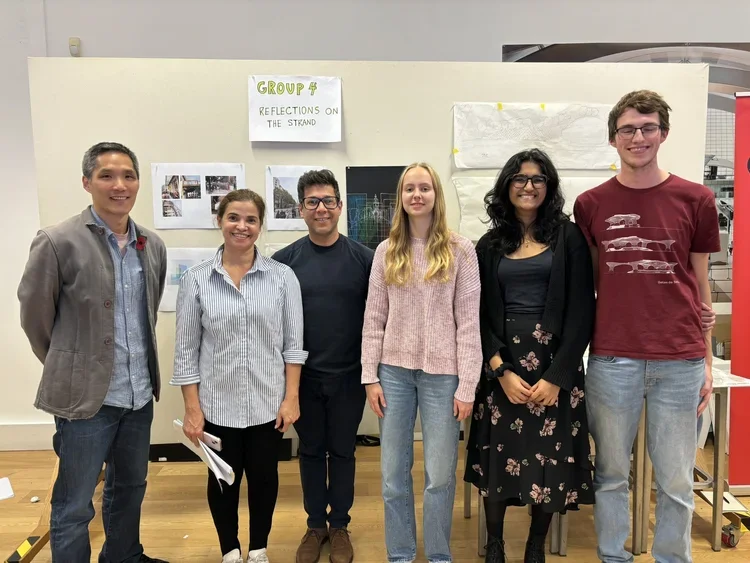
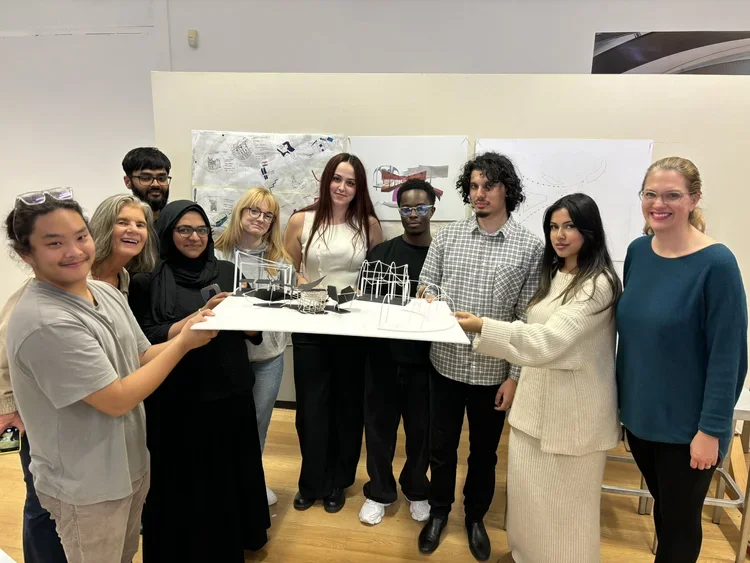
After a thorough and spirited deliberation, the jury awarded first place to Group 8, a team of students from the University of Westminster, University of Reading, and University of Dundee, mentored by Gregory Fonseca. Their proposal stood out for its seamless blend of community engagement, sustainability, and sensitivity to the site’s context. The 1st runner-up was awarded to Group 4, consisting of students from the University of Bath and London Metropolitan University and mentored by Francis Hur. The 2nd runner-up went to Group 2, which included students from the University of Greenwich and the University of Hertfordshire, guided by mentors Elizabeth Dailey and Bea Sennewald.
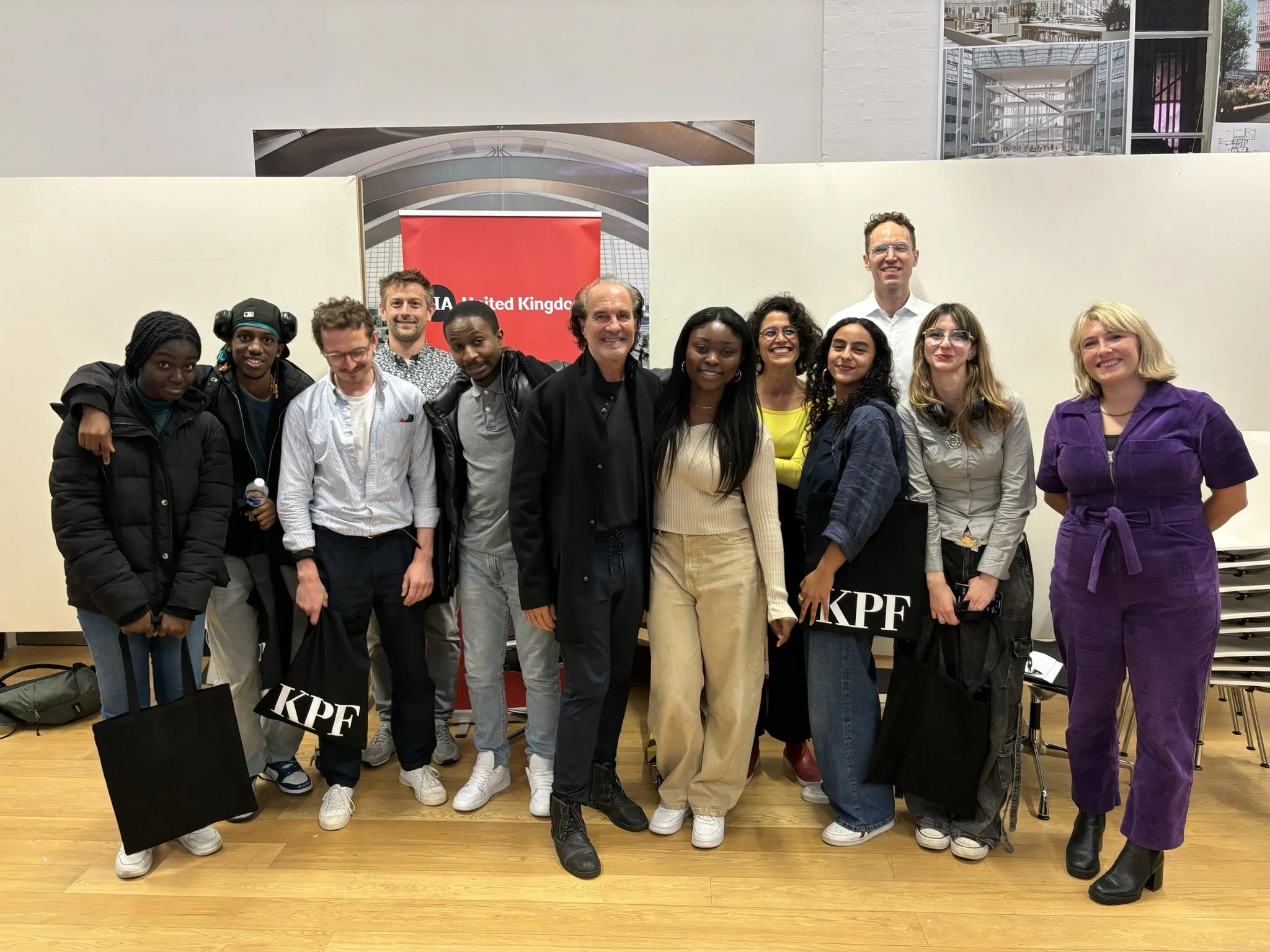
The winning team mentored by Gregory Fonseca, AIA: Students from the University of Westminster, University of Reading, and University of Dundee: Fiona Gyamfi, Maame Frimpong, Clevy Bento, Robert Timberlake, Sarah Tolba, Hristislava Arabadzhieva, Benjamin Hanyecz.
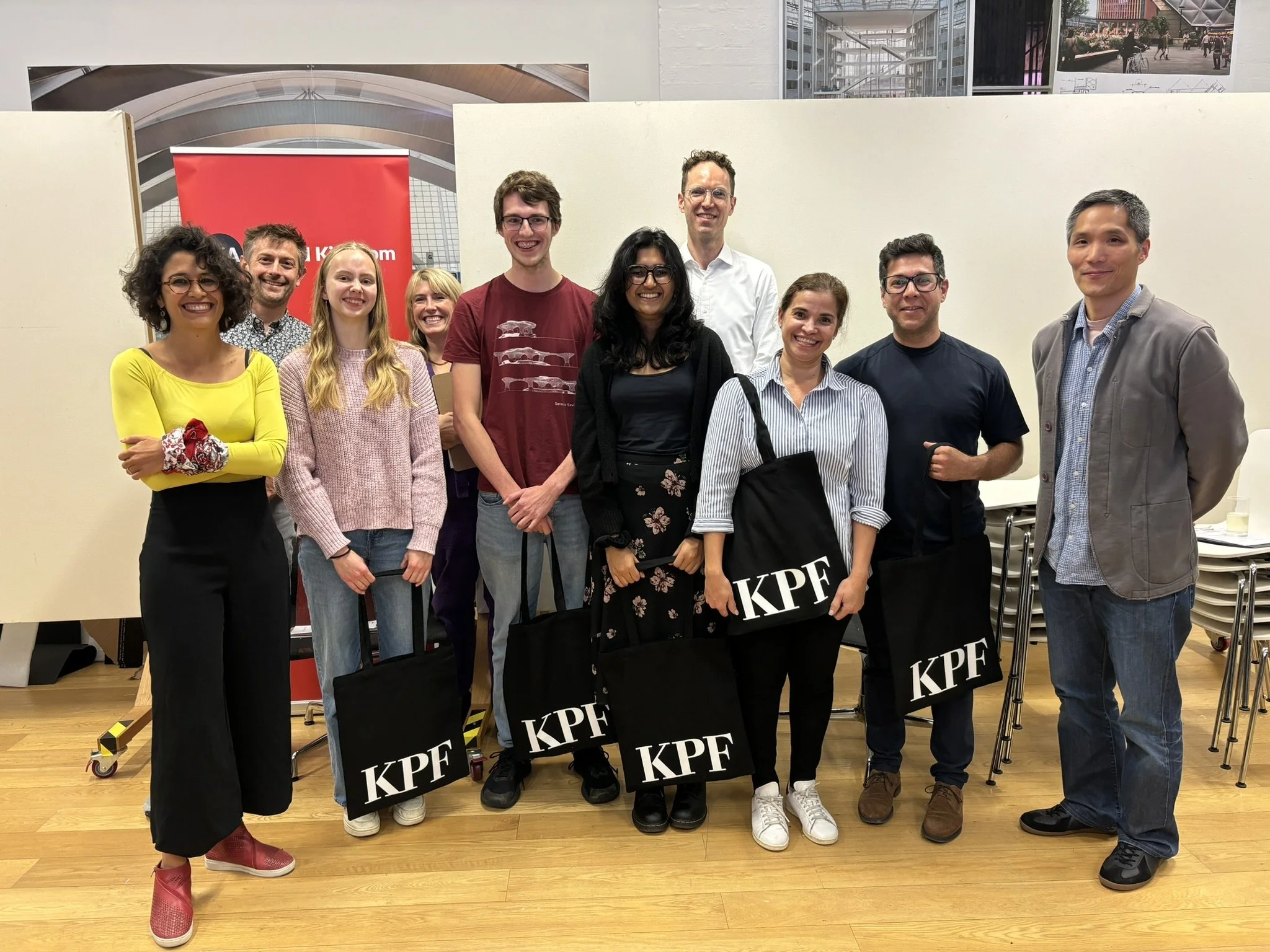
The 1st runner-up team mentored by Francis Hur, AIA: Students from the University of Bath and London Metropolitan University: Emma McCook, Aaron Horwood, Caroline Rodrigues, Henri Toniolo, Fabiane Lonardelli.
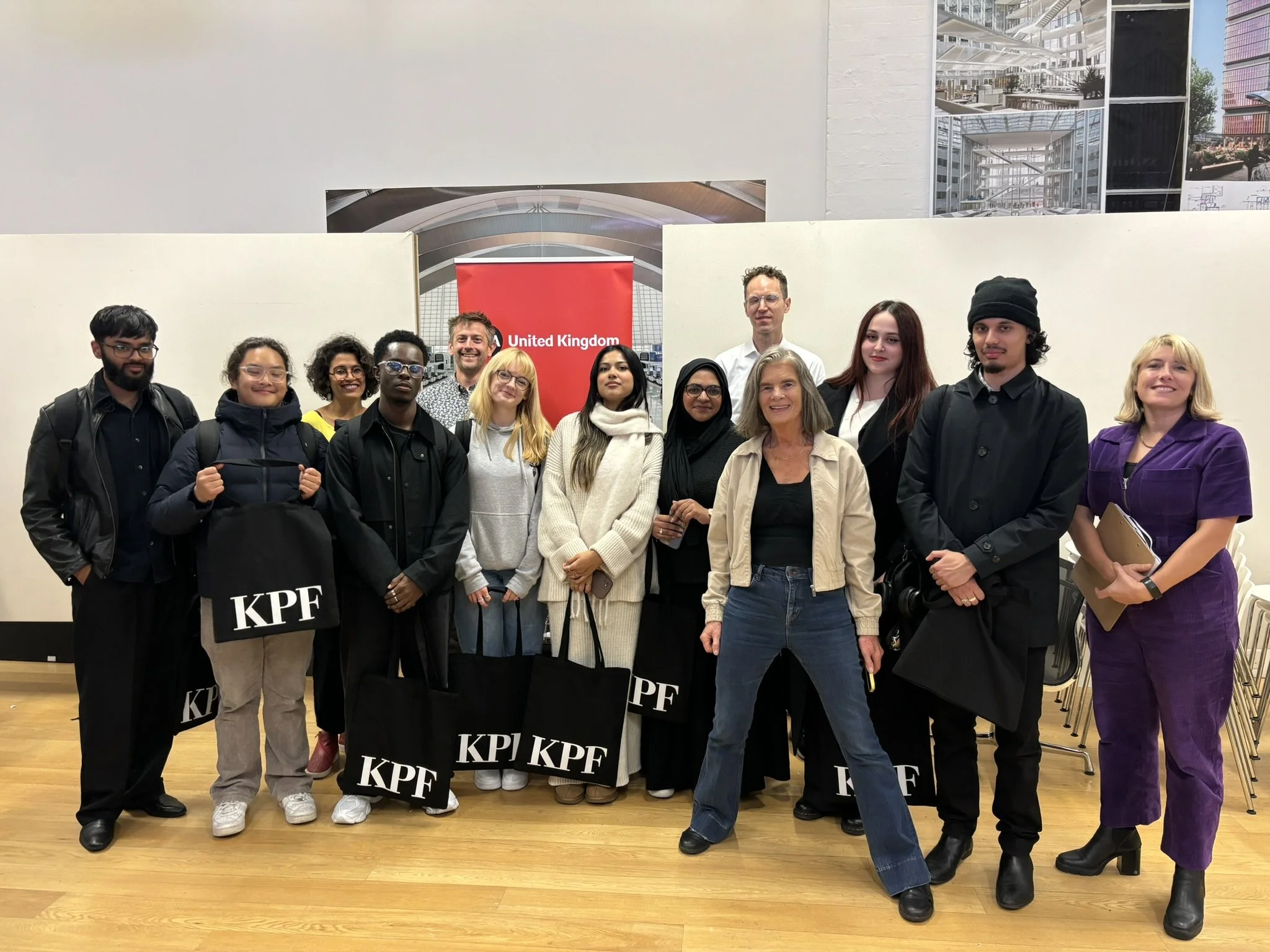
The 2nd runner-up team mentored by Elizabeth Dailey, AIA and Bea Sennewald, AIA, RIBA: Students from the University of Greenwich and University of Hertfordshire: Ermiona Rousi, Zaid Shanawaz, Idris Mooradun Aisha Hussain, Iraj Syeda, Luke Buckman, Cydney-Ellen Thorold, Sushant Gurung.
AIA UK extends heartfelt gratitude to the mentors who played an instrumental role in the charrette’s success. Their expertise and mentorship were essential in guiding students through each phase of the design process. The mentors included Pierre Baillargeon from Mixity Studio, Elizabeth Dailey from Pilbrow & Partners, Bryan Oknyansky from Studio Moren, Francis Hur from Francis Hur Architecture, Eric Beard-Sackett from Whitman, Requardt & Associates, Lucia Piccinini from Lucia Piccinini Architect, Alex Miller from KPF, Gregory Fonseca from Mobius Design, and Bea Sennewald from Article 25.
The creativity, vision, and dedication displayed by these students are incredibly inspiring. Their proposals not only respect the historical essence of the Strand Aldwych but also bring innovative ideas for a more inclusive, sustainable, and resilient future.
This charrette leaves a lasting impression on all involved, paving the way for a momentous 30th AIA UK Student Charrette in 2025, which promises to inspire and engage the next generation of architectural talent.
Written by Paolo Mendoza, Associate AIA
2024 Noel Hill Award Winner
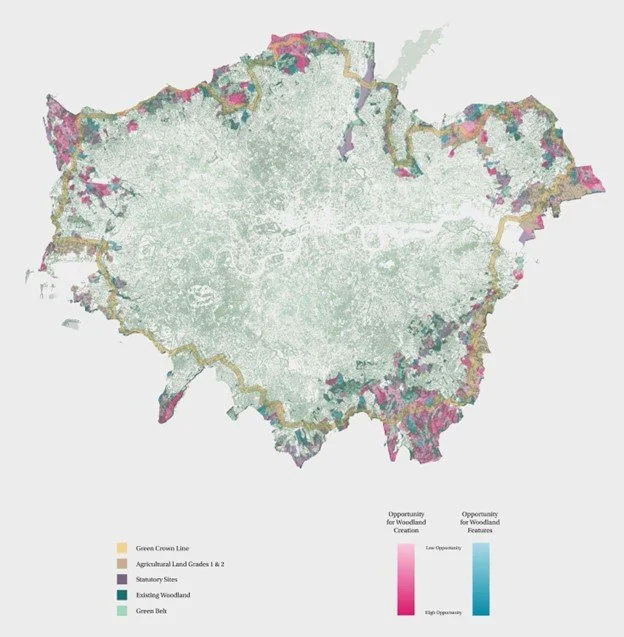
The American Institute of Architects (AIA) UK Chapter is thrilled to announce Ryan Stranger, a recent MArch graduate from Kingston School of Art, as the winner of this year’s Noel Hill Award for his research proposal, After London. Ryan’s work explores the potential of expanding woodland areas within London to support urban resilience, climate adaptation, and ecological connectivity.
After London presents an ambitious strategy to increase London’s tree canopy cover by 10%, aligned with London’s climate goals. Focusing initially on Epping Forest, Ryan’s research incorporates data from CPRE and GIGL to identify urban spaces currently underutilised or inaccessible, transforming them into valuable green infrastructure. The “Green Crown” proposal envisions a continuous woodland network encircling the city, offering both ecological and social benefits, with routes connecting communities through natural spaces.
The project builds on ecological surveys, aerial mappings, and a deep historical analysis of London’s relationship with nature. By reactivating “Forest Rights” inspired by historic Epping Forest, After London seeks to create accessible sites that allow Londoners to connect with nature across generations. The award will help fund the next research phase, enabling on-site ecological assessments in high-risk climate zones, particularly areas prone to urban heat and flooding. These findings will contribute to a model for sustainable urbanisation within and beyond London.
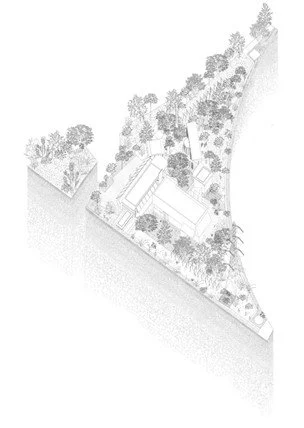
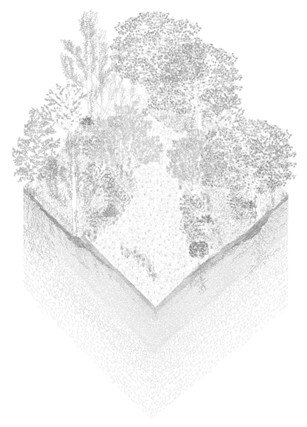
The jury unanimously praised After London for its clear vision and practical approach to enhancing urban resilience through expanded woodland in and around London. They commended Ryan Stranger's proposal for its well-balanced research methodology, which integrates ambitious, large-scale thinking with tangible, site-specific strategies. The proposal’s visual communication was noted as especially compelling, illustrating the feasibility of a “Green Crown” that leverages London’s existing natural assets, such as Epping Forest, and incorporates underutilised urban spaces into a continuous green network.
After London was celebrated for its ability to build upon existing studies while contributing new insights to urban design, architecture, and ecological development in London. The project’s approach to connecting ecological spaces around London was recognised as impactful, with clear potential to meaningfully enhance the city’s climate resilience through improved canopy cover. The jury highly commended the proposal for its thoughtful consideration of urban trees as an essential element of the cityscape, highlighting Ryan’s work as a model for sustainable urbanism with long-term benefits for Londoners.
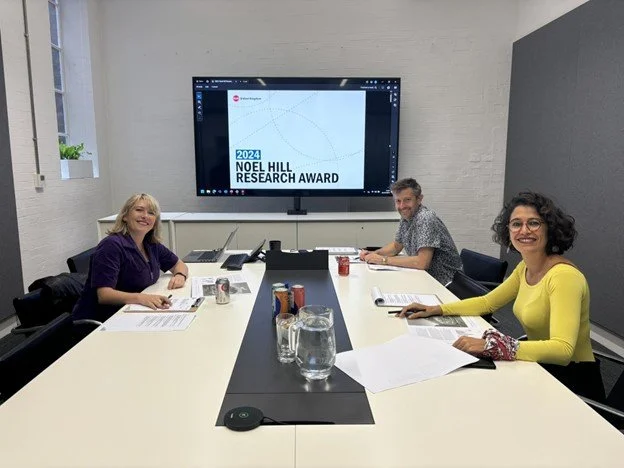
2024 Noel Hill Research Award Jurors: Samantha Cooke (Director, KPF), Taylor Rogers (Associate Director, Hopkins Architects), and Karla Montauti (Associate Director, Benoy).
The Noel Hill Award was judged by an esteemed panel: Taylor Rogers from Hopkins Architects, Karla Montauti from Benoy, and Samantha Cooke from KPF. AIA UK extends its gratitude to these judges for their careful consideration and thoughtful evaluation of each submission.
Congratulations to Ryan Stranger for this outstanding achievement. After London exemplifies the visionary thinking the Noel Hill Award seeks to recognise, blending ecological integrity with urban functionality to create a resilient, greener future for London.
Written by Paolo Mendoza, Associate AIA
Comfort en-Route - Noel Hill 2023 Recipient Research

Written by Melis Ellen Gurdal
Unforeseeable conditions of the Anthropocene demand new methods for co-inhabiting the Earth and sharing its natural resources. To survive the upcoming climate fluctuations and waves of migration, agile and adaptive socio-ecological systems must be formed. This study, enabled by the Noel Hill AIA UK 2023 Award, focuses on the agency of water in increasing conviviality and resilience in precarious territories. The research and design proposal aims to form a hydro-social network in high migration regions by transforming 11th-century Seljuk Caravanserais of the Silk Road into climate-adaptive water nodes in Anatolia
Caravanserais maintained a healthy migration flow in Anatolia, which is still an important migration path and an essential passage to Europe from the Middle East. Today, as the climate crisis and drought periods are escalating, the hostile conditions that migrants, nomadic tribes, and locals of Anatolia must face are intensifying. By examining the current water and migration flows in Anatolia and the Turkish-Syrian border town of Mardin, the study envisions showing the vitality of hydro-social spaces. The design research introduces “hydro-social design” and demonstrates its application to the migration network and the forgotten historical typology of caravanserais.
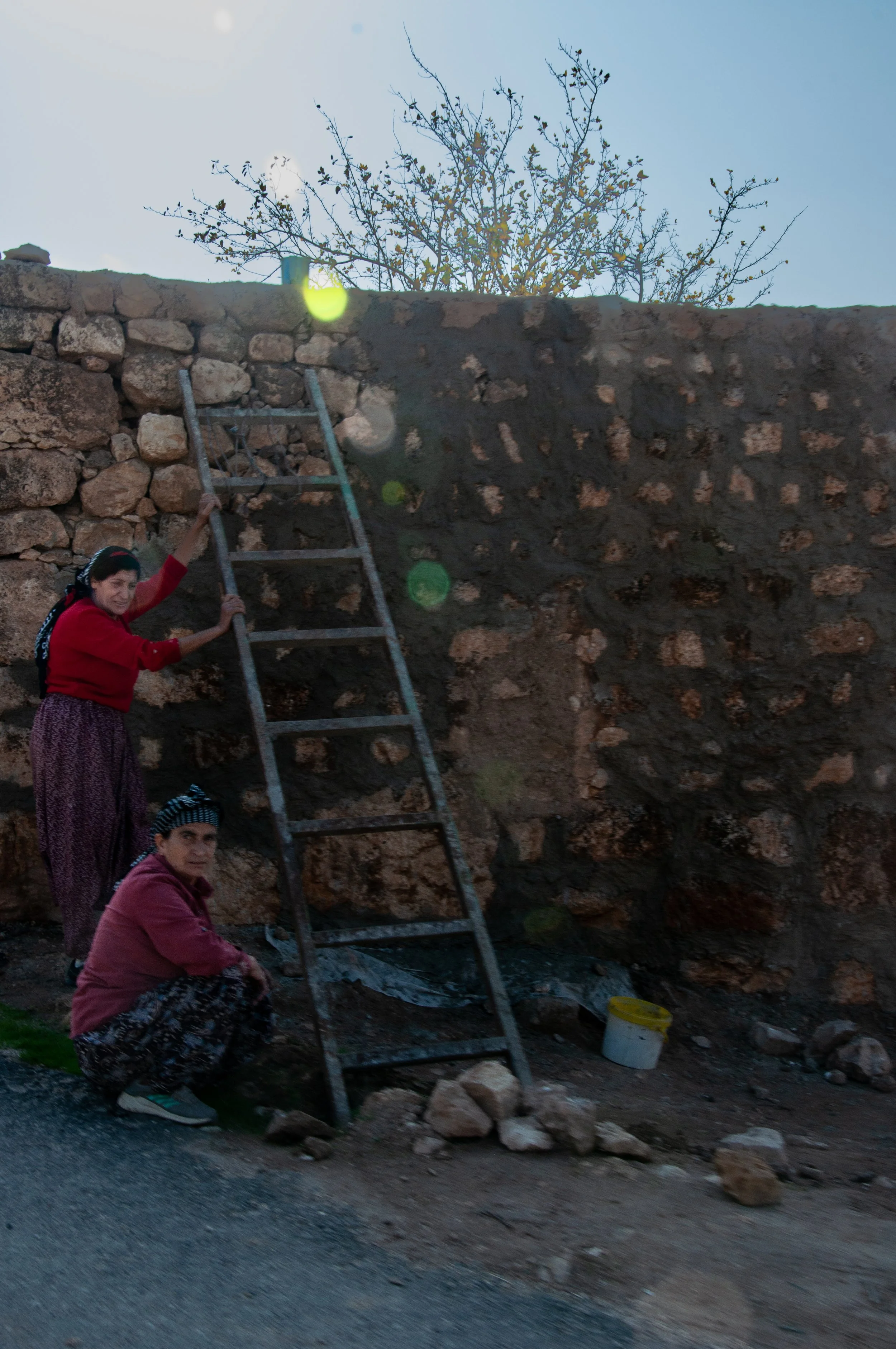
For the creation of sustainable and just water futures, understanding the local practices, daily rituals, and vernacular is crucial. Thus, fieldwork and on-site analyses form the backbone of this study. In total, three fieldworks have been completed: the Turkish-Syrian Border, Central Anatolia and the Aegean Coast. I have had the privilege to meet and collaborate with many talented and insightful people along this journey, once again reminding me that architecture, at its core, is about people. As architects, we are responsible for designing human-centric spaces that thread lightly and mindfully to their environmental and social contexts.
The study of water conditions in border territories began with an ancient city called Mardin, which has hosted many cultures, ethnicities, and beliefs for centuries. As a cross-point, the region is going through destructive urbanisation and population rise, leading to the extreme scarcity of natural resources. Due to the military presence and various dwelling patterns, such as animal grazing nomadic tribes, finding common ground and creating convivial spaces in water access points is vital for the survival and well-being of both stationary and temporary residents of Mardin. By documenting water infrastructures ranging from village fountains to large-scale dams, the architectural space revealed the inhumane securitisation strategies being implemented by water control. A modern-day caravanserai used as a rest-stop, which can provide the needs of different user groups, has been proposed as a design intervention.
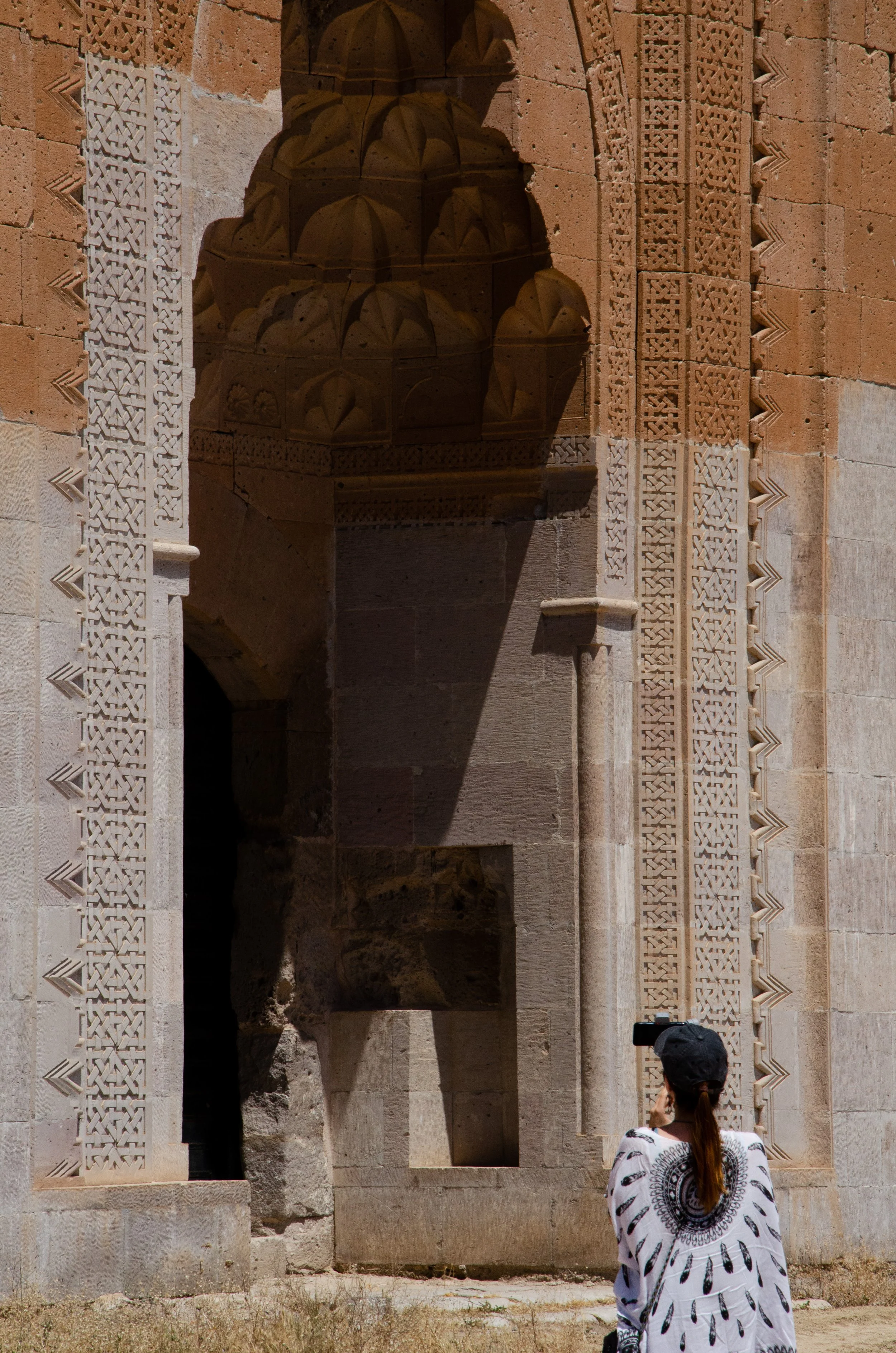
The research then traced the historical remnants of migration in Anatolia. The fieldwork in Central Anatolia included nomadically travelling along the path of the Silk Road and documenting the existing caravanserais as well as the water infrastructures accommodating the journey. The main aim of this field trip was to understand the typology and the migration network. Starting out from the capital city, Ankara, both digital and written sources have been utilised to identify the exact location of the derelict caravanserais and water points to reach the Mediterranean coast. I travelled with my own caravan and formed an autoethnographic study of accessing water. The thermal properties of the caravanserais have been calculated, and it was seen that they can still provide value today as rest-stops along migration paths. The design proposal suggested hijacking the existing caravanserais and transforming them into climate-resilient nodes within the hydro-social network. This design approach highlighted the importance of maintaining and revitalizing historical structures, demonstrating their relevance and potential to address modern challenges.
The final chapter of this journey led me to the Aegean coast, where uncontrolled migration and water scarcity are critical issues. Refugees attempting to cross from Turkey to Greece face severe hardships, compounded by increasing forest fires and water shortages due to rapid urbanization. This year, rising temperatures have further strained water supplies, affecting towns with high migration rates. I am currently based in the Datça peninsula which struggles with water scarcity due to its dry climate and high demands from tourism and agriculture. With the villagers, we are working on improving the water efficiency in the area. This includes developing closed-loop water systems in domestic spaces and implementing drop irrigation in their gardens. Overall, the research embraces a rhizomatic approach, intertwining the complex socio-cultural and environmental fabric of Anatolia to uncover diverse spatial climate adaptation methods.
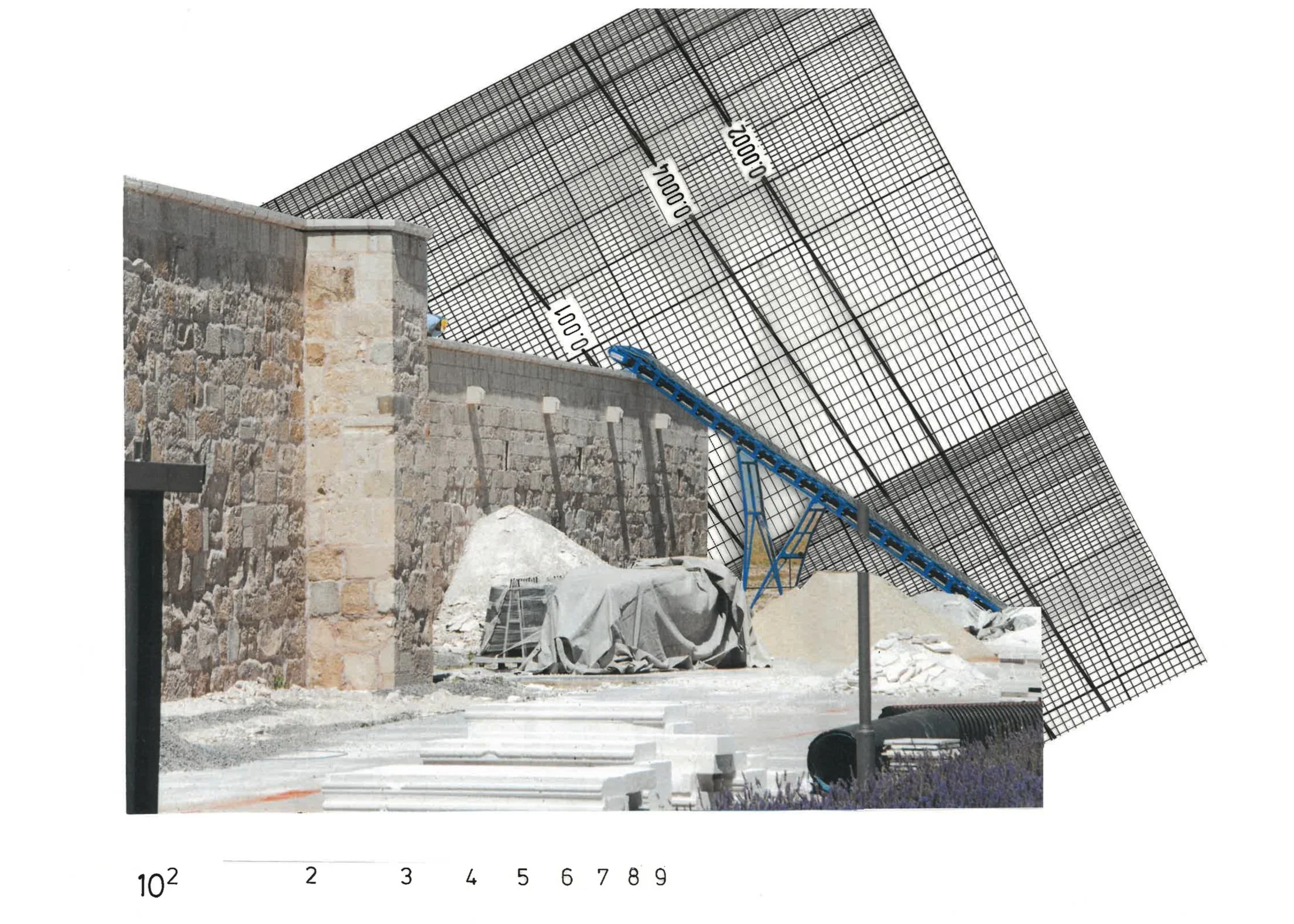
Nomadic thinking can provide us with an alternative way of thinking and finding solutions for water systems in high-migration areas. Migration and water are interconnected global issues amplified by the climate crisis, and their impacts resonate across multiple territories. We need design methods that protect both the ecological and socio-cultural qualities of vulnerable regions. The study focuses on the interactions between water and migration cultures in multiple territories in Asia Minor, aiming to highlight the role of water distribution systems in creating functional socio-ecological assemblages. The study questions whether hydro-social design could enhance the climate adaptability of migration networks in Anatolia. The findings indicate that the intersection of migration and water can inform the design process, suggesting a symbiotic relationship where water infrastructure improves migration conditions and coining the term “hydro-social design”.
The social, political, and ecological conditions of high-in-migration territories are constantly changing. With the climate crisis, a new political ecology is being formed. To protect and adapt the precarious territories to the current needs of the new climate regime, we must learn to operate with alacrity. There is no “one size fits all” solution; hence, multi-disciplinary thinking and cross-collaboration are needed. This design research aims to present a spatial design method where cultural identity can be protected, and vernacular can be utilised for the sake of greater adaptivity. Through an architectural lens, it aims to form a new trans-disciplinary bridge between theory and practice with the hope of stimulating further debates in the water and migration fields.
The Noel Hill Award is offered in memory of Noel Hill, a founding member of the AIA UK Chapter.
It is presented annually to a Part 2 student that has undertaken outstanding and original research during their studies.
Submissions for the 2024 award are now open. For more click HERE.
Grenfell Tower Inquiry: PHASE 2 REPORT – Summary of main findings
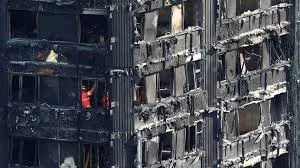
The Grenfell Tower Inquiry published the highly anticipated Phase 2 Report into the fire at Grenfell Tower last week. At its centre lies the significant human tragedy, as the fire in June 2017 claimed 72 lives, and injuring and impacting many others.
The voluminous Phase 2 Report examines detailed evidence on the circumstances surrounding the fire. In this summary article by AIA UK sponsor Beale & Co, the first in our “Digesting the Grenfell Report” series over the coming weeks, Sheena Sood, Joanna Lewis and Michael Salau summarise some of the Panel’s main conclusions and recommendations and contemplate the potential implications of these findings for the wider construction industry and the ambition to build a safer future.
Written by Sheena Sood, Joanna Lewis and Michael Salau
Forging a Sustainable & Resilient Future with Thornton Tomasetti & AIA UK: Leadership in Climate Action and R&D
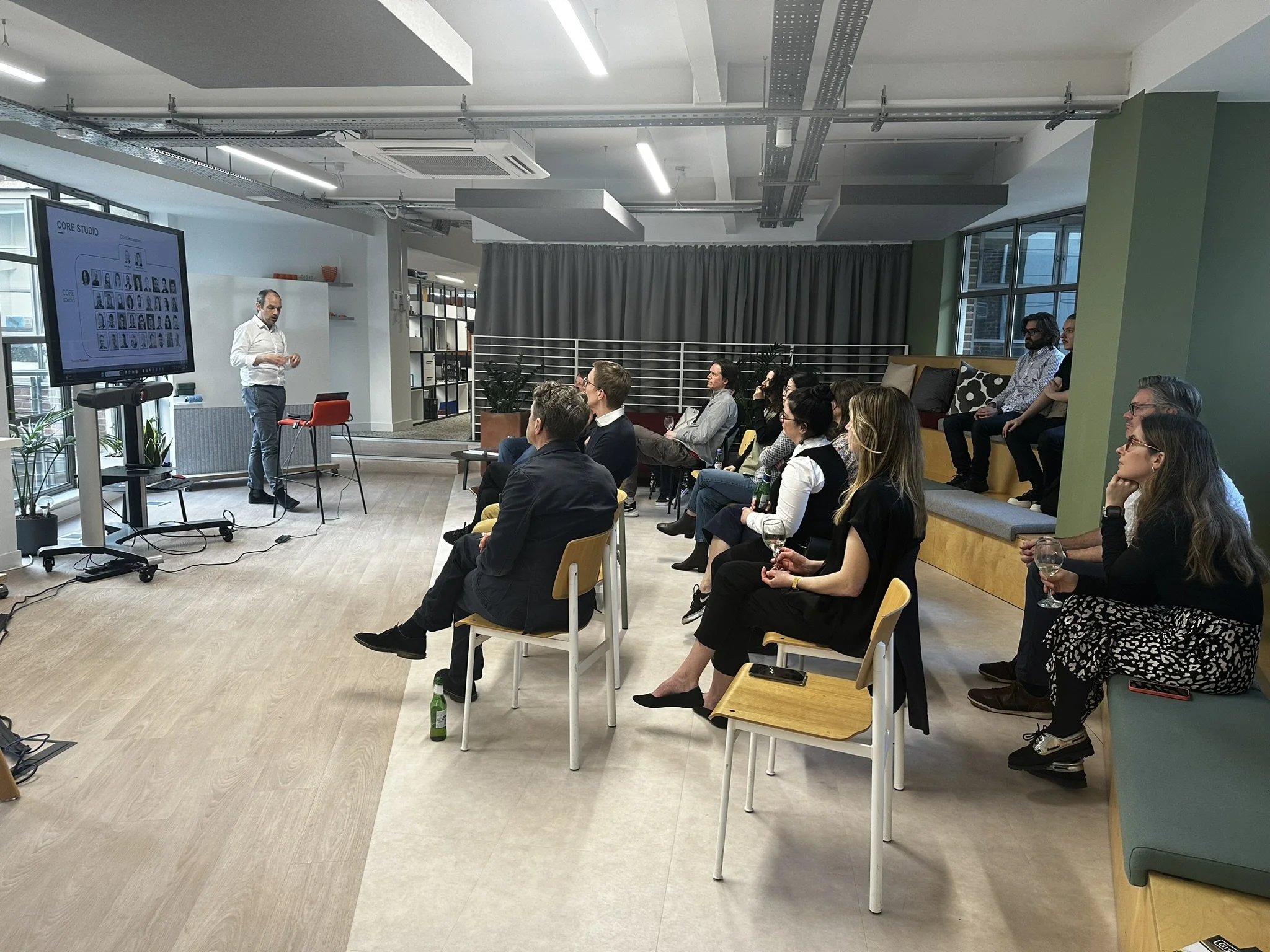
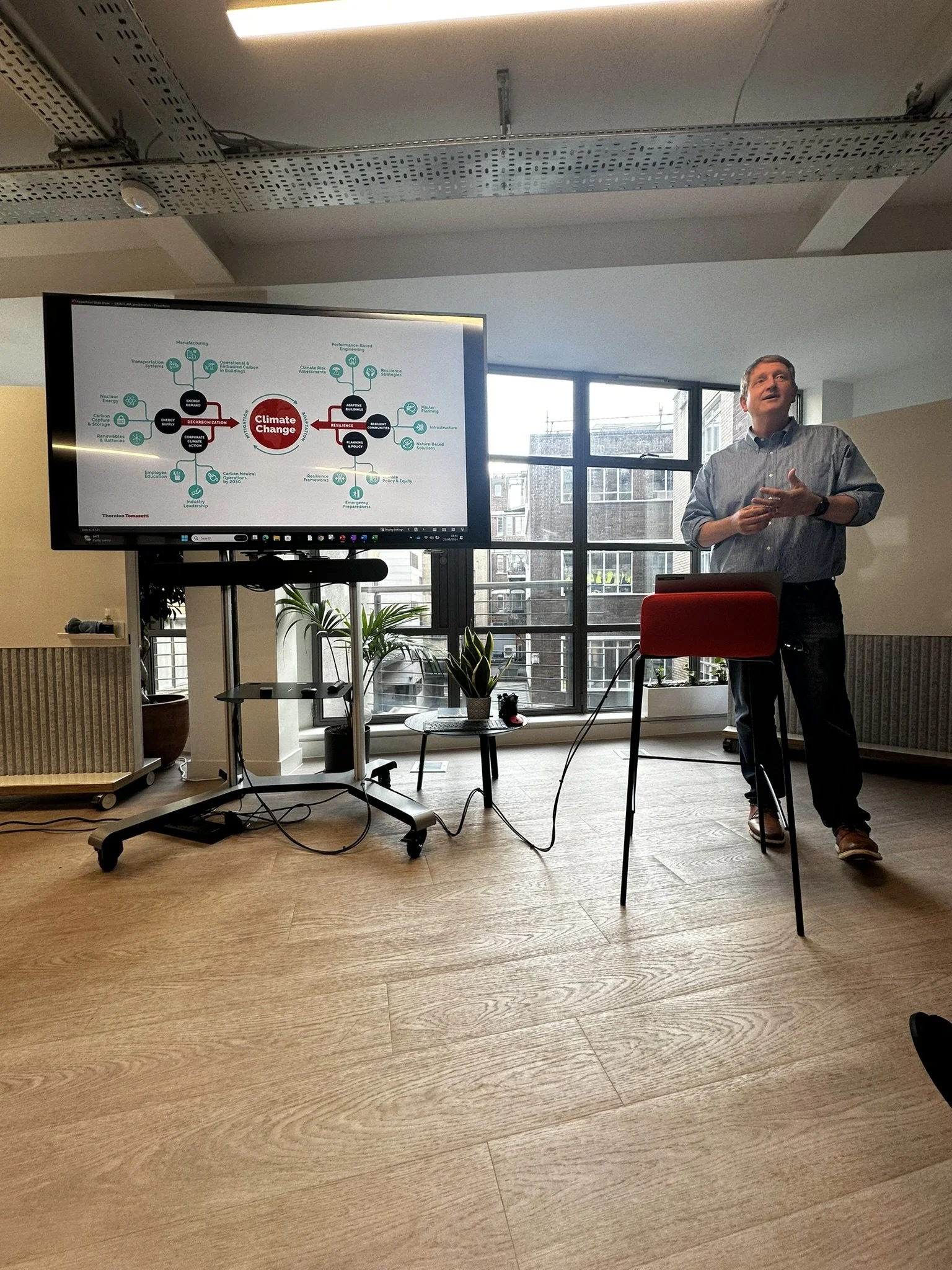
On May 23rd members and guests gathered at Thornton Tomasetti’s London office to participate in a series of short talks provided by T.T. 's staff themed ‘Forging a Sustainable & Resilient Future’.
Thornton Tomasetti is a worldwide consultancy providing a host of services, software platforms and consultancy services informing architects on sustainability, structural engineering, facade engineering, acoustics, security disciplines to name only a few. The event was chaired by Gunnar Hubbard, Principal who advances the firm's climate action initiatives within their Sustainability and Resilience team. Gunnar also served on the 2024 AIA UK Excellence in Design Awards jury.
Each of the short presentations highlighted one aspect of their company-wide approach to climate action, and how they advance innovation through research and development activities as well as development of tools and methodologies to support the AEC industry.
Presentations were shared, along with case studies by Gunnar Hubbard, Jeroen Janssen, Duncan Cox, Simon Cross, Harry Crofton, and Maria Valentini Sarakinioti.
The talks were followed by a question and answer session which further explored not only the real-world application for the ideas presented but also how they might be further developed or refined to provide more use for architects and designers on future projects.
The evening concluded with a short drinks and canapes providing time for further discussion, socialising, and networking.
We thank Thornton Tomasetti for hosting this educational and insightful evening.
Written by Taylor Rogers, AIA
Tips for ARE Testing in London / A Personal Account

The ARE (Architect Registration Examination) is a key component of the architectural licensure process in the United States, managed by the National Council of Architectural Registration Boards (NCARB). This article discusses the topic of sitting the ARE while abroad in the UK. If you are interested in connecting with our emerging professionals to learn more or join a study group please reach out to emergingprofessionals@aiauk.org.
Written by Natalie Williams
Like many young designers, I’ve recently started the daunting (and exciting!) process of taking the ARE (Architect Registration Examination). Of course, before reading any contracts or making flashcards, my first step was to ask my studio friends back in the US for advice. They pointed me in the right direction for books, websites, and testing strategies. However, one question they couldn’t answer was “where and how do you test from abroad?”
Well, hopefully I can help those of you wondering the same thing by providing some tips and telling you about my recent experience.
Booking an Exam
All exams are scheduled through your NCARB account. You have two options - either to test in person at a registered center, or to test virtually at home.
At a Registered Center Personally, I still have the same old laptop from high school and she’s barely hanging on. I didn’t want to take the chance of something going wrong on my end, so I decided to test in person. There are a number of testing locations in and around London, listed below:
1) Synod Solutions Ltd - LONDON - Tottenham, N17 9TA
(This is the one I chose as it was in a reasonable location and had a significant number of appointment options.)
2) Synod Solutions Ltd - LONDON - Eltham, SE9 1TD
3) PSI - CROYDON - CR0 9XP
(I almost booked this one, but at the time it didn’t have any appointments for the next few months - unsure as to why.)
4) Synod Solutions Ltd - MAIDSTONE, ME15 6LU
5) Spark Exam Centre - READING, RG11 DX
6) Online Exams PSI Gov SO - PETERBOROUGH, PE1 5PP
7) Mobile Testing Solutions PSI Gov SO - COVENTRY, CV6 5SF
8) Pitman Training - BRISTOL, BS2 0PL
Test Virtually at Home If you do choose to test at home, be aware that you will need to set up a separate appointment beforehand to verify your setup and computer. This can be scheduled via your NCARB account as well.
Before the Exam
Double check the time of your exam. When I booked it, the confirmation said 12pm GMT. However, we are in British Summer Time now, so I was concerned about either being way too early or way too late. I opted for the former, and the proctor was nice enough to let me take the exam earlier than my slot. But - if in doubt - call your testing center to confirm ahead of time.
“Dress well, test well”. This saying I heard for the first time in high school carries through to the professional world. It helps build confidence in yourself when you’ve taken the time to get ready. On top of that, wear something cool and comfortable. The room at Synod was quite warm with no open windows (plus this is mid-summer in the UK we’re talking about).
Leave your notes at home. Maybe do a light review the night before or morning of, but know that cramming on the Underground on the way to the exam won’t help. Give your mind a break and go into the exam calm and well rested.
Bring a water bottle. It should be clear, unbranded, and not have text on it so you can take it into the exam room with you. Also consider bringing a snack for your break as a little pick-me-up since it is a long day. There are lockers at the testing center where you can safely store your belongings during the exam.
After the Exam
Hit submit. Once you hit submit, you will go through a few pages and then have the option to view your provisional feedback. It will either say “you will likely pass this division” or “likely fail”. As described by NCARB, these results are accurate, but not official. Before it is official, they have to certify the results and make sure there was no foul play. Read more about provisional feedback and score reports HERE.
Get your Results Your official results will be posted to your NCARB account within 7-10 business days, but sometimes sooner. I took mine on a Monday and received the official results the following Monday. Luckily, it was a pass! One down, five to go.
Celebrate Finally, let out the breath you’ve been holding, celebrate (or regroup), and get mentally ready for the next one. You’ve got this!
Good luck!
The AREs evaluate candidates on knowledge and skills necessary for the responsible practice of architecture pertaining to a professional standard of care. The ARE comprises several divisions, each focusing on different aspects of architectural practice. Although the ARE is a US-based programme, it is also administered overseas to expatriate and international architects seeking US qualification. Architects who register through the US process are now eligible to register in the UK (and vice versa) through the Mutual Recognition Agreement between both countries. It is worth noting that the ARE study material is also invaluable for international architects liaising with the US construction market as a reference for local construction standards and laws. For more information on the ARE and the US architectural licensing process, including eligibility, please visit the NCARB website at www.ncarb.org or contact emergingprofessionals@aiauk.org.